
Allergies? Why Kangaroo Meat is the Novel Protein Your Dog Needs
Watching your furry best friend suffer from relentless itching, irritated skin, or chronic ear infections is heartbreaking. You’ve tried everything, but the scratching just won’t stop. Often, the culprit is hiding in plain sight: their food bowl. Common proteins like chicken, beef, and lamb are some of the most frequent triggers for food allergies and sensitivities in dogs.
But what if there was a solution that was not only gentle on their system but also packed with incredible nutritional benefits? Enter the world of ‘novel proteins.’ This simple dietary strategy can be a game-changer for allergic dogs, and one of the most effective and exciting options is kangaroo meat. In this guide, we’ll hop into why this unique protein source might just be the answer to your dog’s allergy woes.
What is a ‘Novel Protein’ and Why Does it Matter?
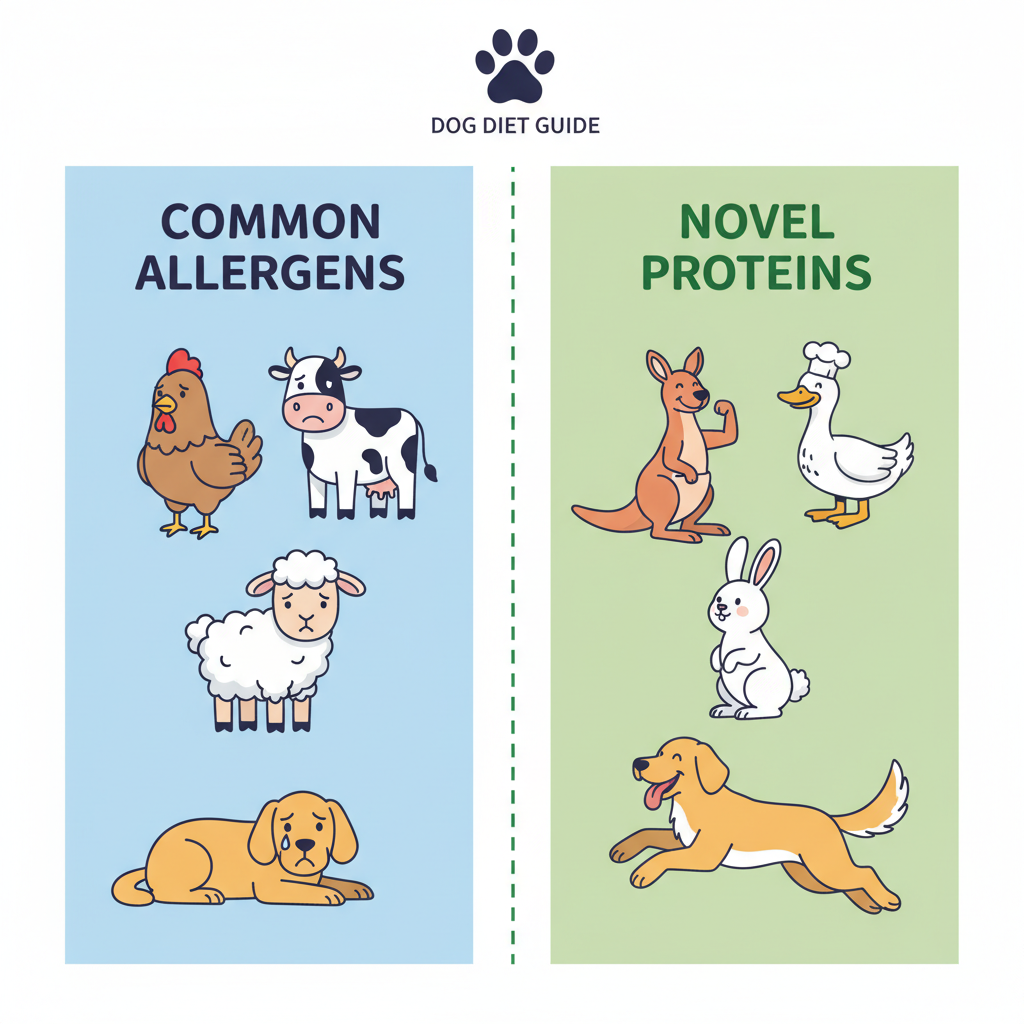
Before we focus on kangaroo, let’s break down the term ‘novel protein.’ It sounds fancy, but the concept is wonderfully simple. A novel protein is simply a protein source that your dog has never eaten before.
Think about it: a dog can’t be allergic to something its immune system has never encountered. Food allergies develop over time with repeated exposure to a specific ingredient. The immune system mistakenly identifies a protein as a threat and launches an inflammatory response. This is what causes those frustrating symptoms like:
- Itchy skin (pruritus), especially on paws, ears, and belly
- Hot spots and skin infections
- Chronic ear infections
- Digestive issues like gas, diarrhea, or vomiting
- Excessive licking or chewing of certain body parts
By introducing a novel protein, you’re essentially hitting the reset button on their immune system’s response to food. Because their body has no pre-existing antibodies against it, there’s nothing to trigger an allergic reaction. This is the core principle behind an ‘elimination diet,’ which veterinarians use to pinpoint specific food allergies. You remove all common proteins and feed only a novel protein and a single carbohydrate source to see if the symptoms clear up.
The Hopping Good Benefits of Kangaroo Meat
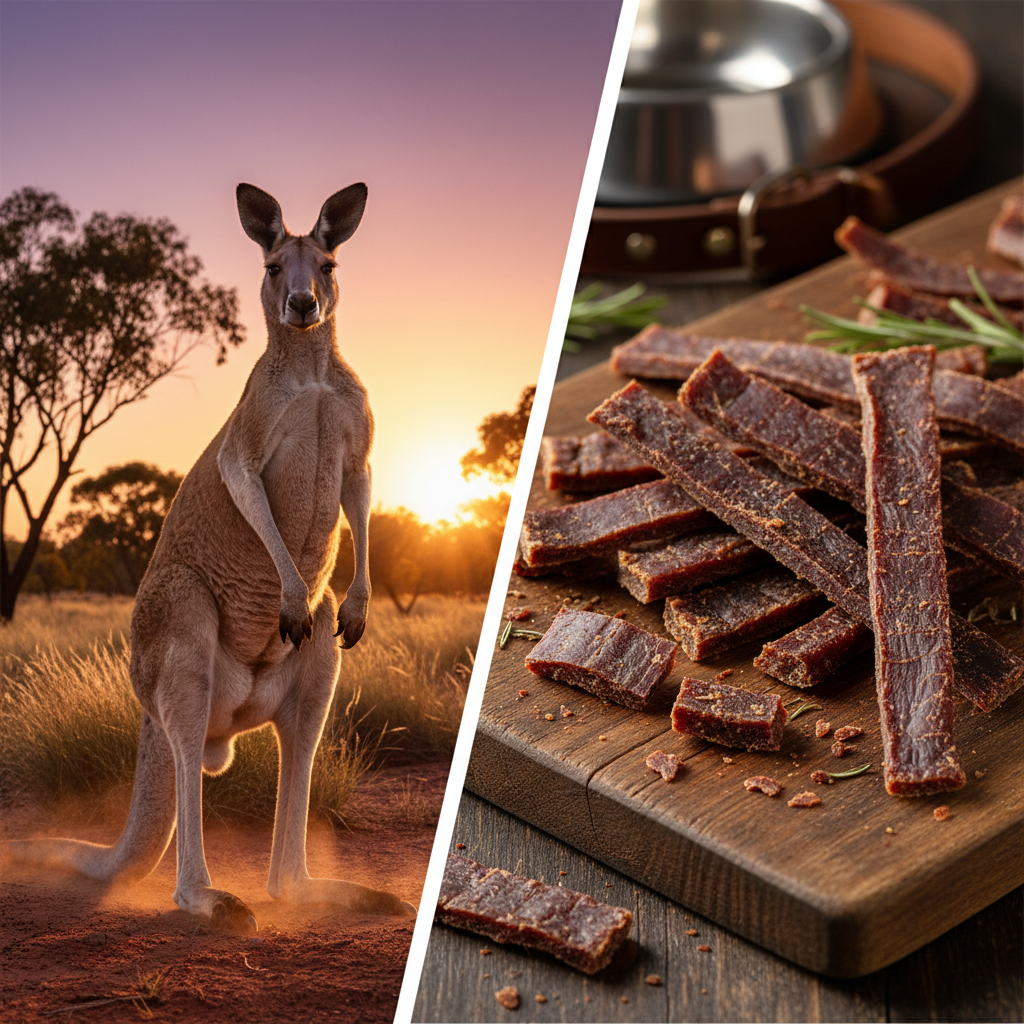
So, why kangaroo? Of all the novel proteins available, kangaroo stands out for several impressive reasons that make it more than just an allergy-friendly alternative.
Exceptionally Hypoallergenic
For most dogs in North America and Europe, kangaroo is the ultimate novel protein. It’s highly unlikely your dog has ever been exposed to it, making it an excellent choice for an elimination diet or for long-term feeding for sensitive pups.
A Nutritional Powerhouse
Kangaroo meat isn’t just a safe choice; it’s a nutritionally superior one. Here’s a look at its benefits:
- Extremely Lean: It’s one of the leanest red meats available, typically containing less than 2% fat. This makes it a fantastic option for dogs who need to maintain a healthy weight.
- High in Protein: It’s packed with high-quality protein essential for muscle development and overall health.
- Rich in Conjugated Linoleic Acid (CLA): Kangaroo has the highest levels of CLA of any red meat. CLA is a healthy fat that has been shown to have anti-inflammatory properties, which can further help soothe allergy-related skin issues.
- Packed with Vitamins and Minerals: It’s a great source of iron, zinc, and essential B vitamins like B12 and B6, which support energy levels and nervous system function.
Sustainable and Ethical
For environmentally conscious pet owners, kangaroo is an excellent choice. Kangaroos are not farmed. They are harvested from the wild in a carefully managed program to control their population, which can otherwise damage the fragile Australian ecosystem. They live natural lives, eat organic vegetation, and are free from the antibiotics, hormones, and chemicals used in traditional farming.
How to Safely Introduce Kangaroo into Your Dog’s Diet
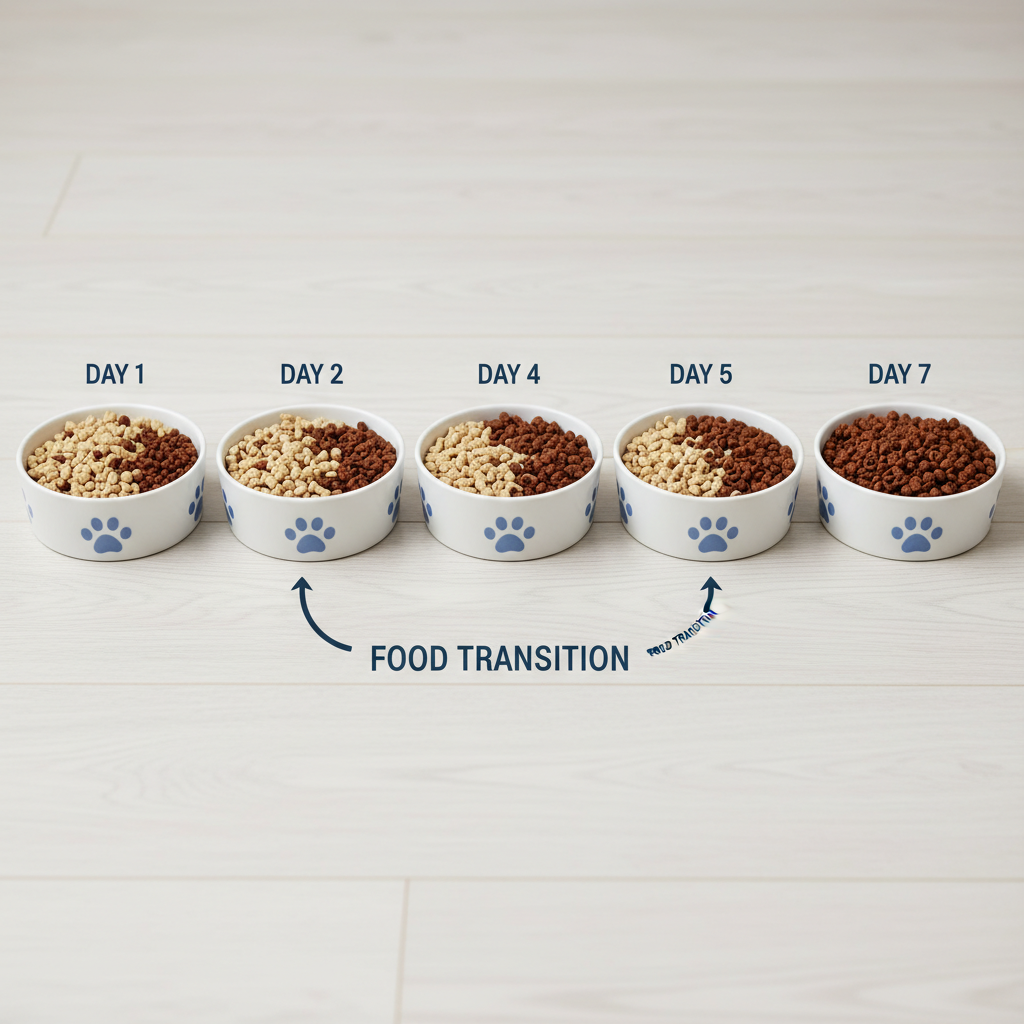
Ready to make the switch? Fantastic! But remember, even with the best food, a sudden change can cause digestive upset. The key is a slow and steady transition. This gives your dog’s gut bacteria time to adjust to the new ingredients.
We recommend a transition period of 7-10 days. Here’s a sample schedule:
- Days 1-2: Serve a meal that is 75% old food and 25% new kangaroo-based food.
- Days 3-4: Move to a 50/50 mix of old and new food.
- Days 5-6: Shift the ratio to 25% old food and 75% new food.
- Day 7 onwards: If all is going well (no tummy upset!), you can feed 100% of the new kangaroo diet.
Expert Tip: Always consult your veterinarian before making any significant changes to your dog’s diet, especially if you suspect a food allergy. They can help rule out other medical issues and guide you in choosing the best food for your dog’s specific needs.
During the transition, keep a close eye on your dog’s stool quality and overall demeanor. A little bit of softness in the stool can be normal, but if diarrhea occurs, slow down the transition or consult your vet.
Choosing the Right Kangaroo Dog Food: Reading the Labels
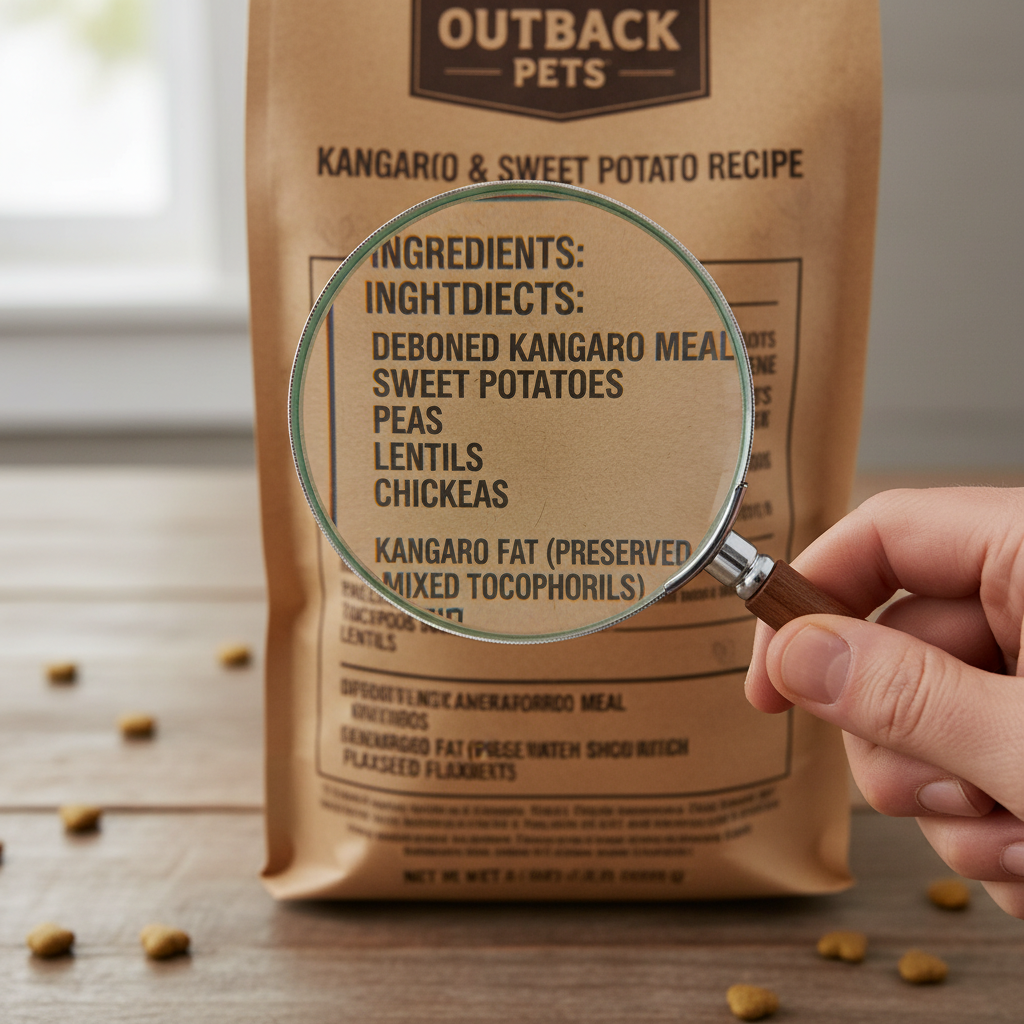
Once you’ve decided to try kangaroo, you’ll find it available in various forms: dry kibble, wet food, air-dried food, and even as treats. But not all products are created equal. When your goal is to combat allergies, the ingredient list is your best friend.
What to Look For:
- Limited Ingredient Diet (LID): This is crucial. An LID formula minimizes the number of ingredients, reducing the chances of an allergic reaction to something other than the protein.
- Kangaroo as the First Ingredient: The first ingredient on the list is the most prominent by weight. Ensure ‘kangaroo,’ ‘deboned kangaroo,’ or ‘kangaroo meal’ is at the very top.
- Single Carbohydrate Source: Look for foods that use a single, easily digestible carbohydrate like sweet potato, peas, or pumpkin, rather than a mix of grains that could be potential allergens.
What to Avoid:
- Unnamed ‘Meat’ Proteins: Steer clear of vague terms like ‘meat by-products’ or ‘animal derivatives.’ You need to know exactly what’s in the bag.
- Common Allergens: Double-check the ingredient list to ensure there’s no hidden chicken, beef, dairy, wheat, or soy in the formula. Sometimes ‘chicken fat’ is used as a flavor enhancer, which can be a problem for highly sensitive dogs.
- Artificial Additives: Avoid foods with artificial colors, flavors, or preservatives, as these can also cause reactions in sensitive pets.
Conclusion
Dealing with your dog’s allergies can feel like a long and frustrating journey, but finding the right diet can bring incredible relief for both of you. A novel protein like kangaroo offers a powerful, effective solution that tackles the root of many food sensitivities. With its hypoallergenic nature, impressive nutritional profile, and sustainable sourcing, kangaroo meat is more than just a dietary fad—it’s a genuinely healthy and beneficial choice for countless dogs.
By carefully transitioning your pup and choosing a high-quality, limited-ingredient food, you can help them leave the itching and discomfort behind. Here’s to more happy tail wags, peaceful nights, and the joy of seeing your best friend thrive!