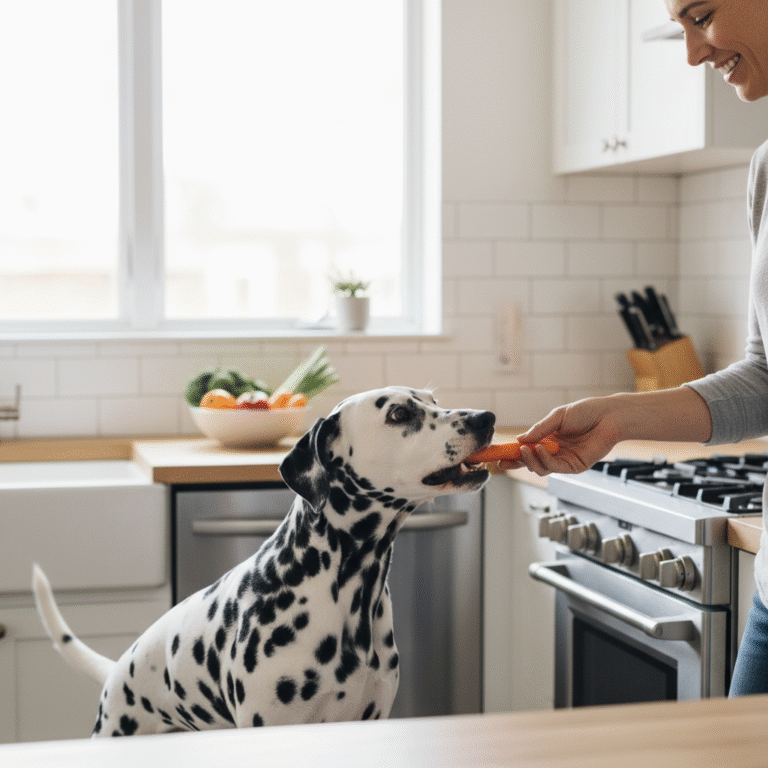

Is Your Dog Overweight? Swap To These Low-Calorie Veggie Chews
Let’s be honest, who can resist those puppy-dog eyes begging for a treat? It’s one of the best parts of being a pet parent! But sometimes, our love can translate into a few too many snacks, and before we know it, our four-legged companion is carrying some extra weight. Canine obesity is a growing concern, affecting more than half the dogs in the United States. It can lead to serious health problems like joint pain, diabetes, and heart disease. The good news is that making small, simple changes can have a huge impact. This guide will help you first identify if your dog has a weight problem and then introduce you to a wonderful, waistline-friendly alternative: low-calorie veggie chews. Let’s get your pup on the path to a healthier, happier life!
The At-Home Check-Up: How to Tell if Your Dog is Overweight

You don’t need a special scale or a vet’s degree to get a general idea of your dog’s body condition. There are two simple, hands-on tests you can perform right now in your living room.
The Rib Check
Gently run your hands along your dog’s sides. In a healthy-weight dog, you should be able to feel their ribs easily, with just a thin layer of fat covering them. It should feel similar to running your hand over the back of your own hand. If you have to press down hard to find the ribs, or can’t feel them at all, your dog is likely overweight. On the flip side, if the ribs are very prominent and visible, your dog may be underweight.
The Waistline Check
Stand above your dog and look down at their back. You should see a visible, hourglass-like tuck or waistline between their ribs and hips. From the side, their belly should slope upwards from their chest to their hind legs, not hang straight across or sag downwards. If your dog’s shape is more like a tube or a barrel from above, and their belly sags from the side, it’s a strong indicator they are carrying excess weight.
Expert Tip: These checks are great starting points, but always consult your veterinarian for a professional assessment. They can give you a precise ideal weight for your dog’s specific breed, age, and size.
The Power of Plants: Why Veggie Chews are a Superb Swap
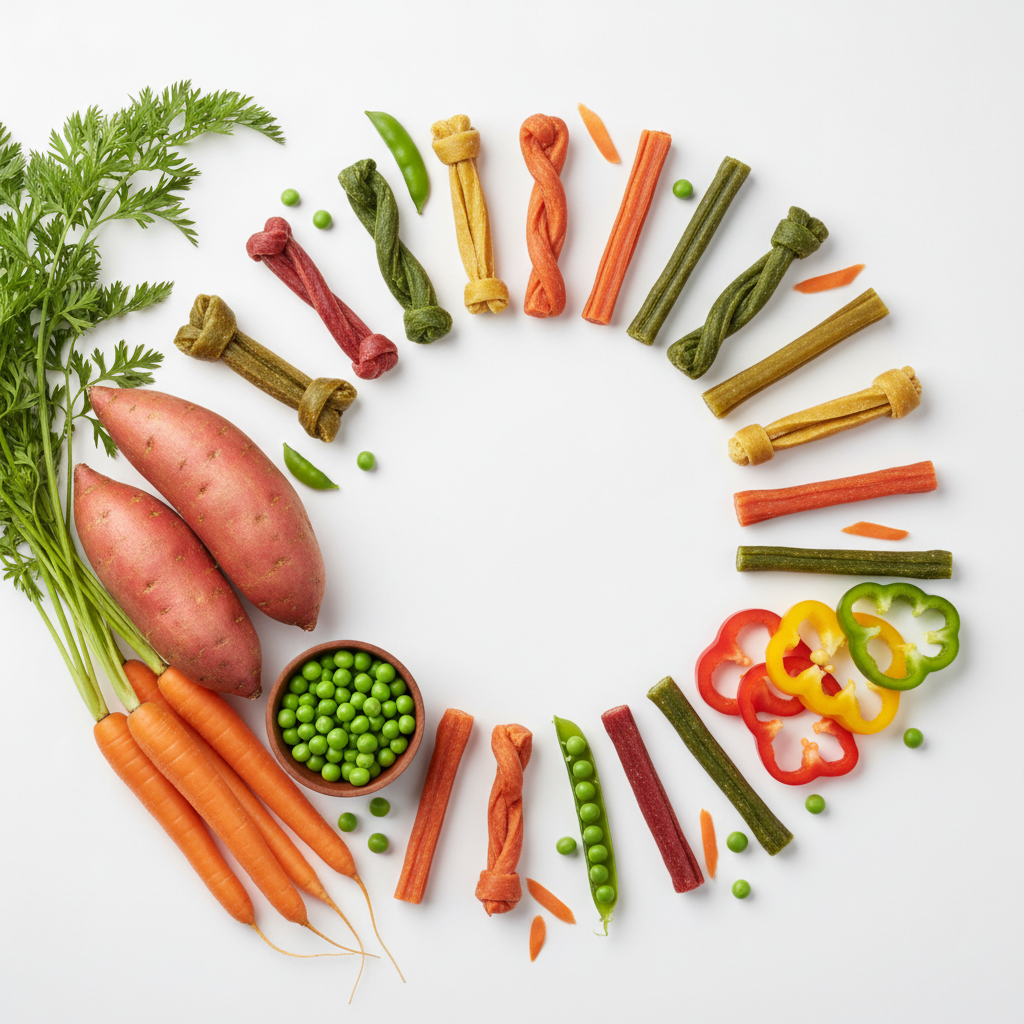
So, you’ve determined your dog could benefit from a lighter diet. The first instinct might be to cut out treats altogether, but that can be tough for both of you! Instead of eliminating, let’s substitute. Low-calorie veggie chews are a fantastic solution. Here’s why:
- Low in Calories, High in Satisfaction: Many commercial dog treats are packed with fat, sugar, and mystery fillers. Veggie chews, on the other hand, are naturally low in calories and fat, so you can reward your pup without sabotaging their diet. The fibrous nature of vegetables also helps them feel full.
- Packed with Nutrients: Vegetables are a natural source of vitamins, minerals, and antioxidants that support your dog’s overall health, from their immune system to their eyesight.
- Great for Dental Health: The abrasive action of chewing on a firm vegetable or a specially designed veggie dental chew can help scrape away plaque and tartar, promoting healthier gums and fresher breath.
- Hydration Boost: Many vegetables, like cucumbers and celery, have high water content, which can help keep your dog hydrated, especially during warmer months.
DIY Delights: Safe Veggies vs. Dangerous Foods
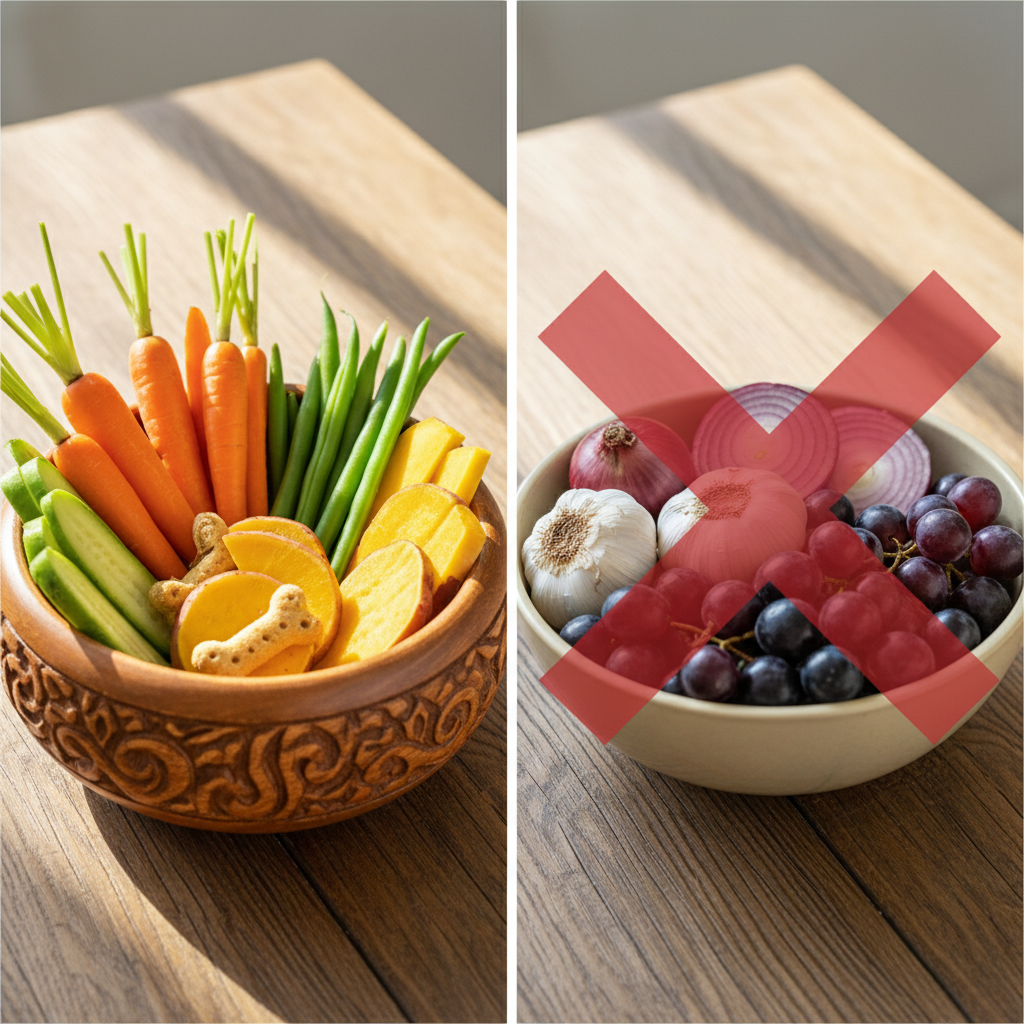
Making your own veggie chews can be as simple as washing and slicing a carrot! However, it’s critically important to know which vegetables are safe and which are toxic for dogs. Not everything in your crisper drawer is Fido-friendly.
Top Veggies for Your Pup
These are generally safe and healthy for dogs in moderation:
- Carrots: Crunchy, sweet, and packed with Vitamin A. Great for teeth!
- Sweet Potatoes: Offer a dehydrated slice for a chewy, long-lasting treat. Rich in fiber and vitamins.
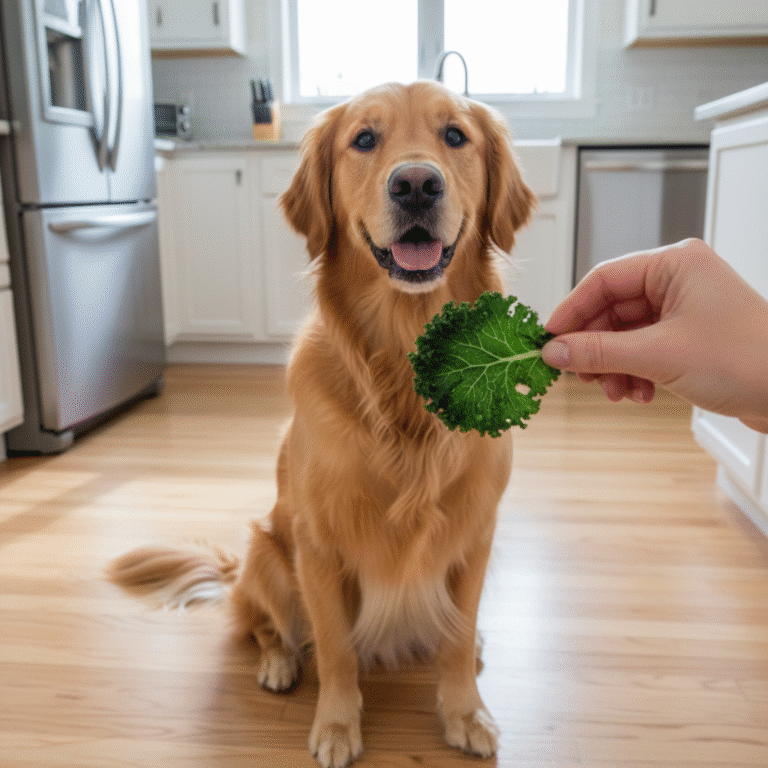
- Green Beans: A fantastic low-calorie, crunchy snack. Many vets recommend them for weight loss programs.
- Pumpkin: Plain, canned pumpkin (not pie filling!) is a superfood for digestive health.
- Celery & Cucumber: High in water and super low in calories, making them perfect for a refreshing crunch.
Below is a quick reference table to help you keep track.
| Safe & Healthy Veggies | Foods to AVOID |
|---|---|
| Carrots | Onions & Garlic |
| Sweet Potatoes | Grapes & Raisins |
| Green Beans | Avocado |
| Pumpkin | Macadamia Nuts |
| Broccoli (in small amounts) | Xylitol (sweetener) |
Important: Always introduce new foods slowly to watch for any digestive upset, and cut veggies into appropriate sizes to prevent choking.
Treat Smart: Portion Control is Key

Even with healthy, low-calorie treats, moderation is everything. A common rule of thumb followed by veterinarians is the 10% rule.
What is the 10% Rule?
This guideline states that treats should make up no more than 10% of your dog’s total daily caloric intake. The other 90% should come from their complete and balanced dog food. For example, if your dog needs 500 calories per day, a maximum of 50 of those calories should come from treats.
Serving Size Suggestions
- For small dogs (under 20 lbs): Think small! A few baby carrots or a tablespoon of pumpkin is plenty. Commercial veggie chews should be the smallest size available.
- For medium dogs (20-50 lbs): A full-sized carrot or a few larger slices of sweet potato work well.
- For large dogs (over 50 lbs): Can handle larger portions, but the 10% rule still applies. A large veggie chew or a handful of green beans is a good measure.
Remember, these are rewards, not meal replacements. Using them for training or as a special snack helps strengthen your bond without widening their waistline. Always ensure fresh water is available, as the high fiber content in veggies will make them thirsty.
Conclusion
Helping your dog maintain a healthy weight is one of the most loving things you can do for them. It’s not about deprivation; it’s about making smarter choices. By learning to recognize the signs of an overweight dog and swapping out high-calorie junk for delicious, nutritious veggie chews, you’re setting your best friend up for a longer, healthier, and more active life. So next time those big eyes look up at you, you can feel great about reaching for a crunchy carrot stick or a healthy veggie dental stick. Your dog will love the treat, and you’ll love knowing you’re supporting their well-being, one healthy bite at a time.