
Chewy Dehydrated Chicken Gizzards: The Ultimate Dental Chew
As dog parents, we’re always on the hunt for that perfect chew: something that keeps our furry friends happily occupied, is packed with nutrients, and doesn’t contain a novel’s worth of artificial ingredients. But what if the ultimate chew wasn’t a fancy, manufactured bone, but something much more natural and, well, a little unusual? Enter the dehydrated chicken gizzard. It might not sound glamorous, but this humble organ meat is a powerhouse of dental health and nutrition. If you’re tired of battling with the toothbrush and want a treat that does double duty, you’ve come to the right place. Let’s explore why these chewy, savory morsels might just be the best thing to happen to your dog’s dental routine.
What Exactly Are Chicken Gizzards? (And Why Are They So Chewy?)
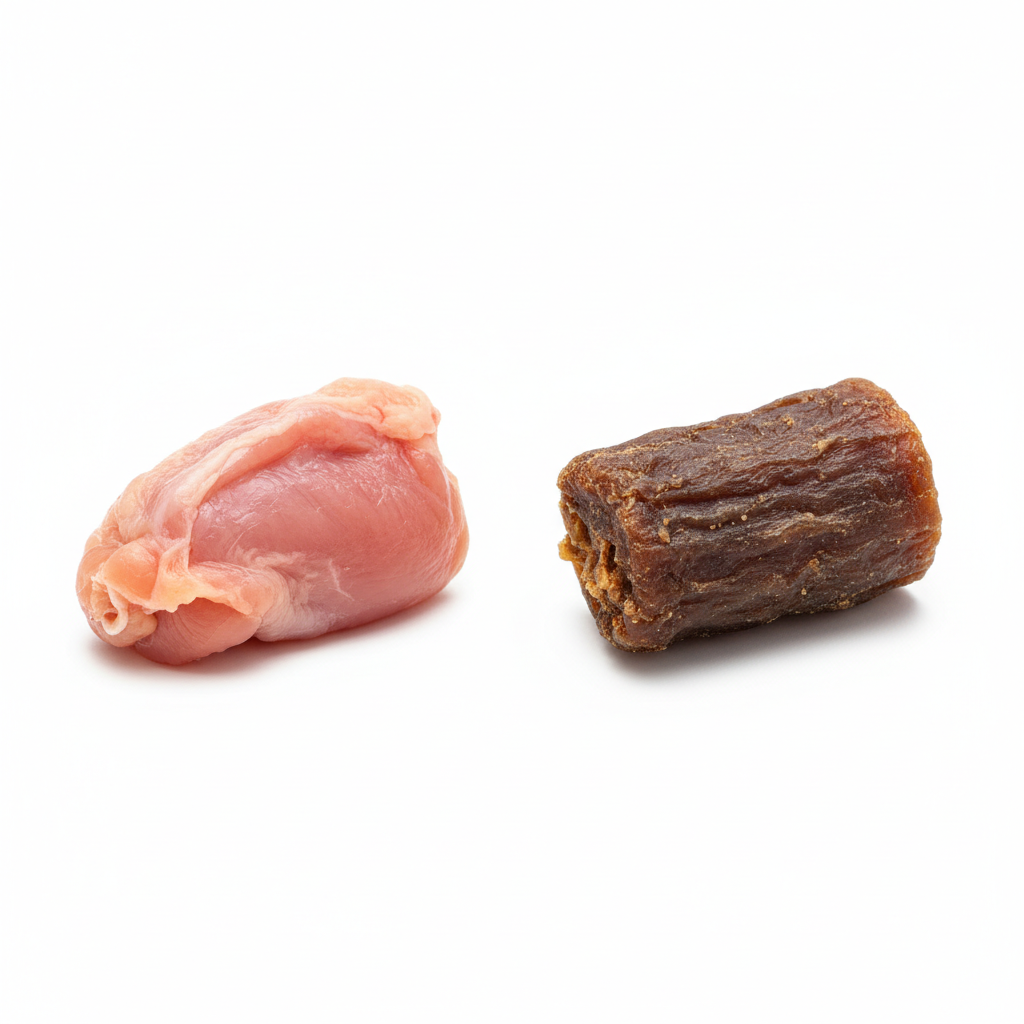
Before we get into the benefits, let’s talk about what a gizzard actually is. It might sound a bit mysterious, but it’s simple! The gizzard is part of a chicken’s digestive system. Think of it as a super-strong stomach muscle that helps grind up tough foods like grains and seeds. Because it’s a muscle that works hard all day, it’s incredibly tough and dense. This is key to its power as a chew!
When you take this naturally tough muscle and dehydrate it, magic happens. The process of slow-drying removes moisture, which does two things: it intensely concentrates the savory, chicken flavor that dogs go wild for, and it transforms the gizzard into an even tougher, leathery, and incredibly chewy snack. Unlike a biscuit that crumbles instantly, a dehydrated gizzard requires serious gnawing action, which is the secret to its dental benefits.
In short: A gizzard is a tough, muscular organ. Dehydrating it makes it a long-lasting, flavorful, and perfectly textured chew for dogs.
The Dental Magic: How Gizzards Scrub Your Dog’s Teeth
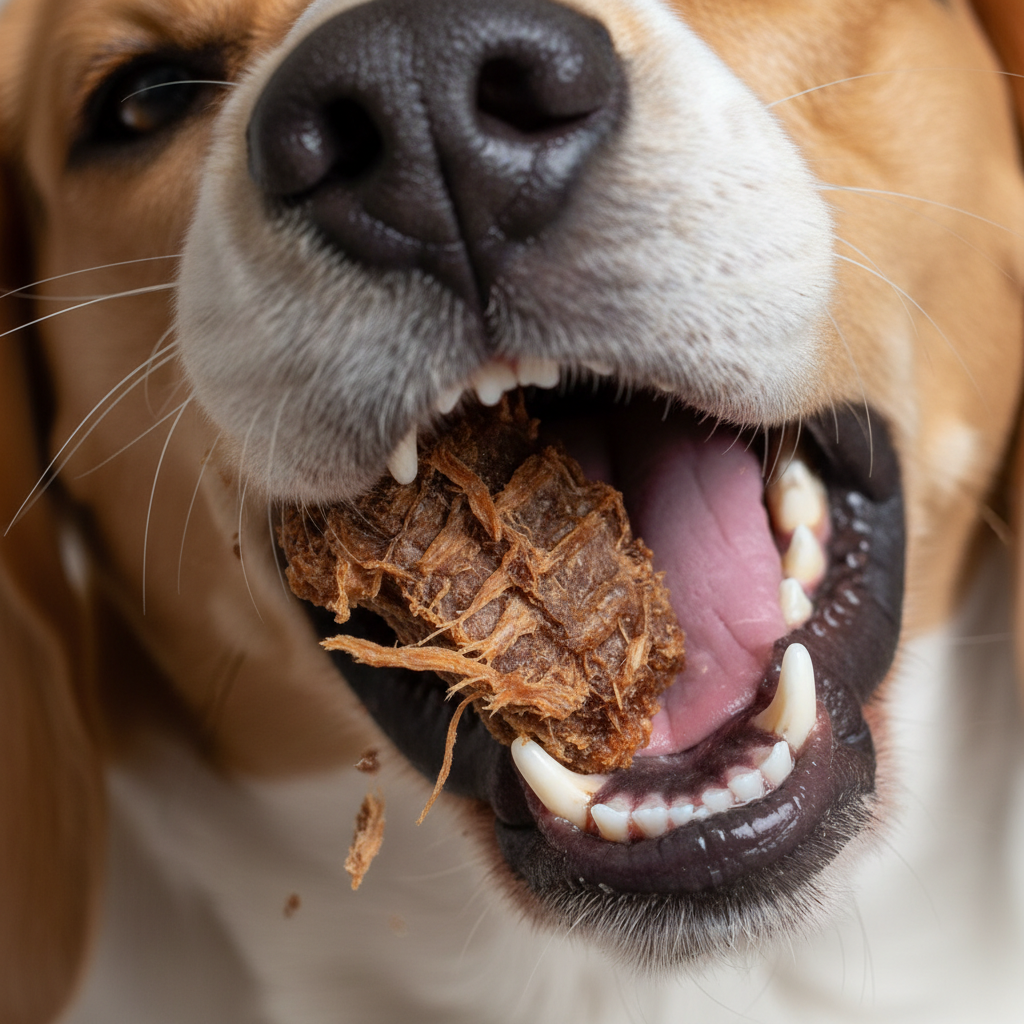
Now for the main event: how does chewing on a gizzard actually clean your dog’s teeth? It all comes down to simple mechanics. The tough, fibrous texture of a dehydrated gizzard acts like a natural toothbrush and dental floss all in one.
The Abrasive Action
As your dog chews, gnaws, and works to break down the gizzard, the rough surface scrapes against their teeth. This mechanical abrasion physically removes plaque and tartar buildup, especially on those hard-to-reach molars in the back of the mouth where dental problems often start. Regular chewing can prevent new plaque from hardening into tartar, keeping those pearly whites, well, white!
Gum Stimulation
The chewing action isn’t just good for the teeth; it’s also great for the gums. Gnawing on a tough chew like a gizzard increases blood flow to the gums, which helps keep them healthy and strong. Healthy gums are essential for a healthy mouth, as they provide the foundation that holds the teeth firmly in place.
Fighting Bad Breath
Let’s be honest, doggy breath can be a real mood-killer. Often, that foul odor is caused by bacteria feasting on plaque and food debris in your dog’s mouth. By scraping away the source of the problem, dehydrated chicken gizzards can significantly improve your dog’s breath. It’s a much more pleasant solution than dodging those stinky kisses!
More Than a Chew: A Nutritional Powerhouse
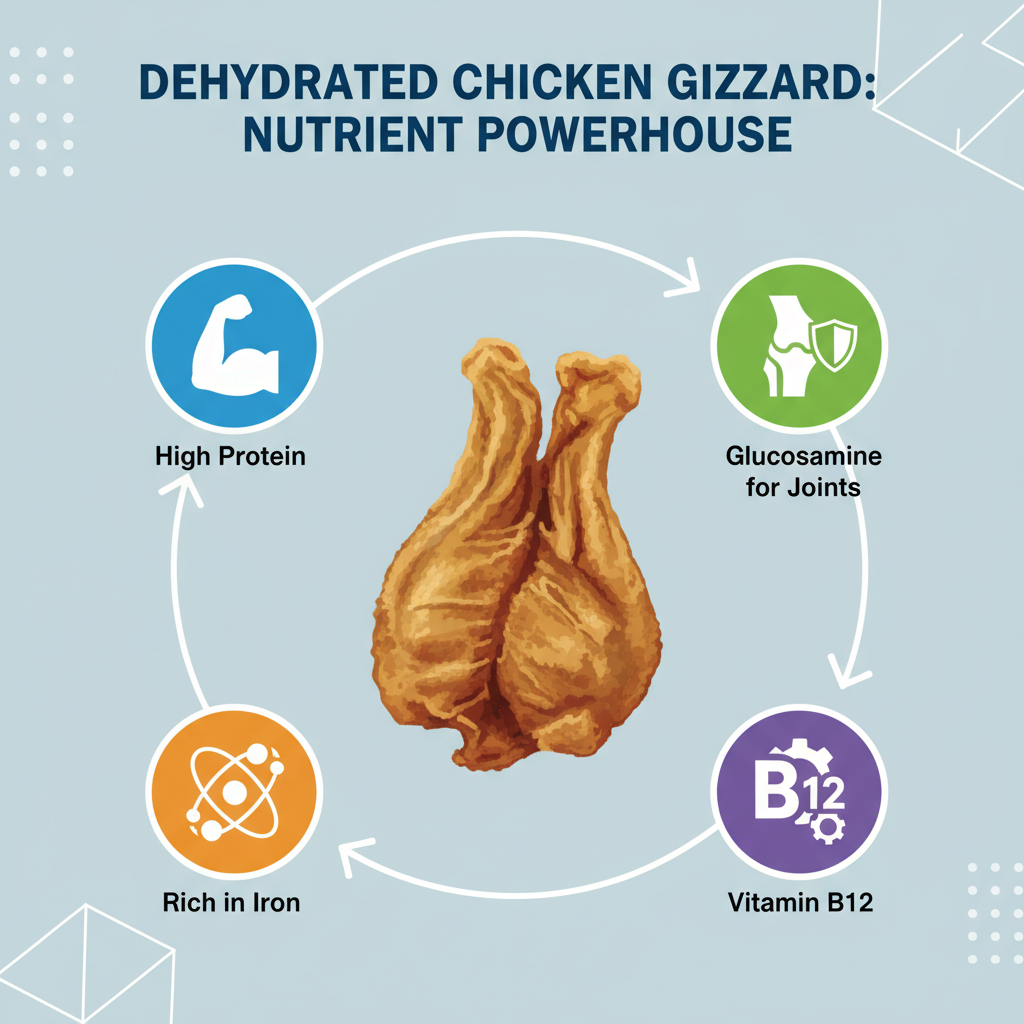
While the dental benefits are fantastic, the goodness doesn’t stop there. Chicken gizzards are packed with high-quality nutrients that support your dog’s overall health, making them a truly guilt-free treat.
Here’s a breakdown of what you’ll find inside these mighty morsels:
| Nutrient | Benefit for Your Dog |
|---|---|
| Lean Protein | Essential for building and repairing muscle, supporting energy levels, and maintaining a healthy coat. |
| Glucosamine & Chondroitin | These are naturally occurring compounds that are famous for supporting joint health, mobility, and reducing inflammation. Perfect for active pups and senior dogs! |
| Iron | Crucial for carrying oxygen in the blood, preventing anemia, and keeping your dog energetic. |
| Zinc | Supports a healthy immune system, proper thyroid function, and skin and coat health. |
| Vitamin B12 | Vital for brain function, nerve health, and the formation of red blood cells. |
Unlike many processed chews that are full of fillers and empty calories, every bite of a chicken gizzard delivers functional, beneficial nutrition. It’s a treat that works for your dog’s body, not against it.
Safety First: How to Choose and Feed Gizzards Responsibly
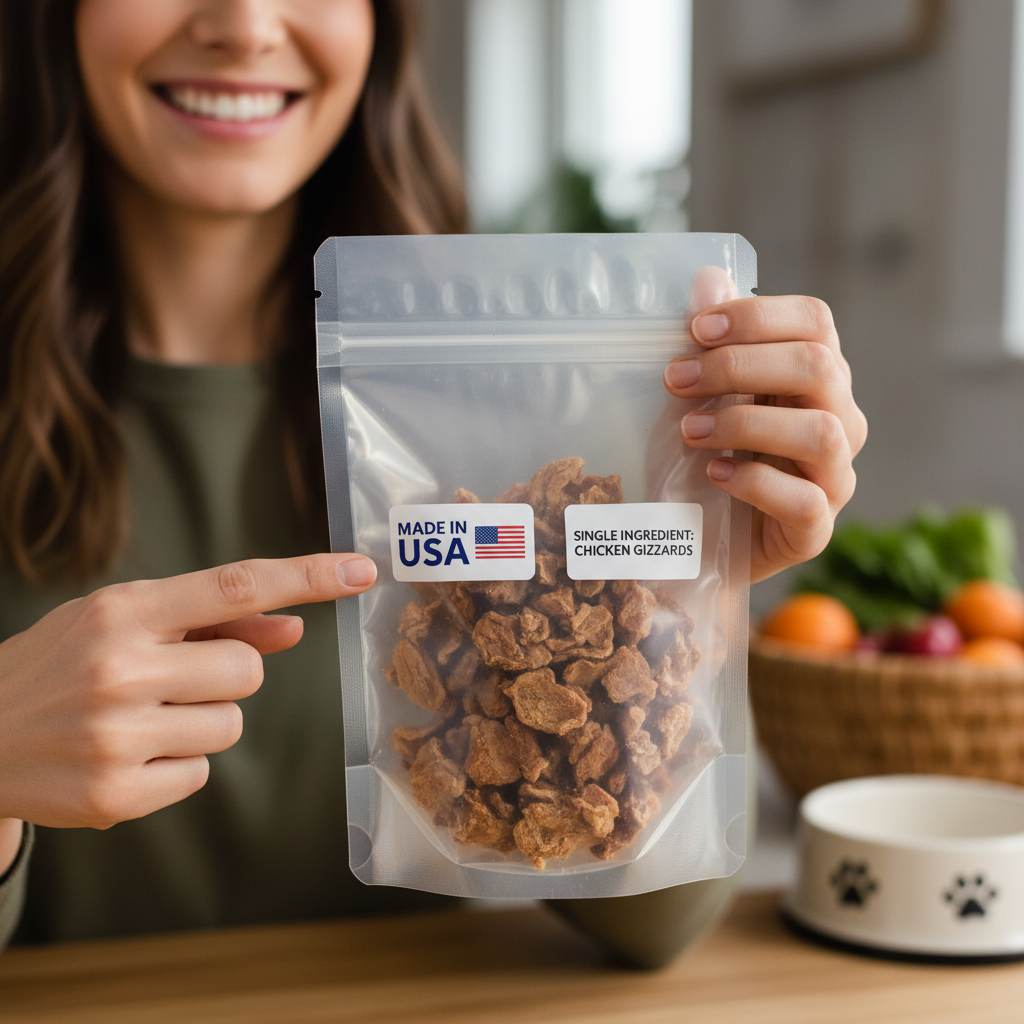
As with any chew, safety is paramount. Dehydrated chicken gizzards are generally very safe, but following a few simple guidelines will ensure a positive and risk-free experience for your pup.
- Always Supervise Chew Time: Never leave your dog unattended with any chew, including a gizzard. This allows you to intervene if they try to swallow a large piece.
- Choose the Right Size: While most gizzards are a good size for small to large dogs, if you have a giant breed, ensure the chew is large enough that they can’t swallow it whole. For tiny dogs, a large gizzard might be too much of a challenge.
- Source a Quality Product: Not all gizzard chews are created equal. Look for products that are:
- Single-ingredient: The only thing on the label should be ‘chicken gizzards’.
- Free of additives: Avoid products with preservatives, artificial flavors, or colors.
- Sourced and made in the USA or another reputable country: This helps ensure higher quality control and safety standards.
- Introduce Slowly: Gizzards are a rich, protein-dense treat. If your dog isn’t used to them, start with just one and see how their stomach handles it.
- Feed in Moderation: Remember that treats should only make up about 10% of your dog’s daily caloric intake. Gizzards are healthy, but they are not a complete meal.
The DIY Option: Dehydrating Gizzards at Home
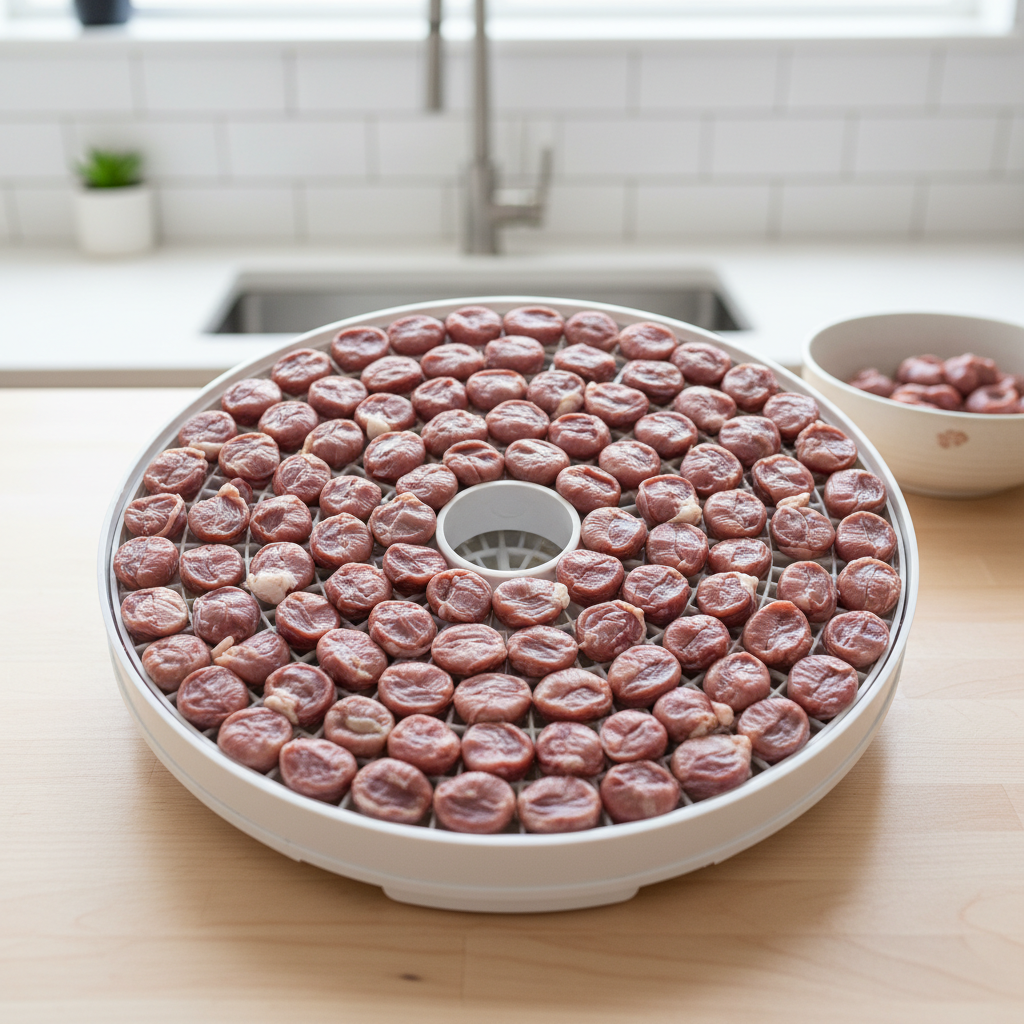
Feeling adventurous? Making your own dehydrated chicken gizzards is surprisingly easy and cost-effective if you have a food dehydrator. Plus, you get complete control over the quality!
- Source Your Gizzards: You can find fresh or frozen chicken gizzards at most grocery stores or local butchers. Opt for high-quality, human-grade gizzards.
- Clean and Prep: Thaw the gizzards if frozen. Rinse them thoroughly under cold water. You’ll want to trim off any excess fat, as fat doesn’t dehydrate well and can go rancid. You can leave them whole or slice them in half lengthwise to create thinner, crispier chews for smaller dogs.
- Arrange on Trays: Pat the gizzards dry with a paper towel and arrange them in a single layer on your dehydrator trays. Make sure to leave a little space between each one for proper air circulation.
- Dehydrate: Set your dehydrator to a temperature between 155-165°F (68-74°C). This is high enough to kill any potential bacteria.
- Be Patient: Dehydration time will vary depending on the thickness of the gizzards and your specific machine, but expect it to take anywhere from 8 to 12 hours. They are done when they are hard and leathery, with no soft spots. They should snap when you try to bend them.
- Store Properly: Let the gizzards cool completely before storing. Keep them in an airtight container in the refrigerator for up to two weeks or in the freezer for several months.
Conclusion
In the crowded world of dog chews, dehydrated chicken gizzards stand out as a simple, natural, and incredibly effective option. They offer a one-two punch of powerful dental cleaning and a dense dose of vital nutrients, all wrapped up in a flavor your dog will adore. By choosing a high-quality product or even making them yourself, you can provide a safe, satisfying chew that actively contributes to your dog’s health and happiness. So next time you’re looking for a treat, consider reaching for this unsung hero of the chew world. Your dog’s sparkling smile will thank you for it!