Low Calorie Celery Sticks That Clean Dog Teeth Naturally
As dog parents, we’re always on the lookout for healthy, delicious treats that won’t pack on the pounds. We read labels, compare ingredients, and try to find snacks that offer a little something extra for our furry friends’ health. So, when you hear people talking about giving their dogs celery, you might wonder: is that really okay? Can a simple vegetable from my fridge actually help clean my dog’s teeth?
You’re in the right place! We’re going to dive into the crunchy world of celery for dogs. It’s a popular low-calorie snack, but it’s important to know the facts. In this guide, we’ll explore the benefits, the potential risks, and exactly how this green veggie can contribute to better dental hygiene, naturally.
The Crunchy Truth: Nutritional Benefits of Celery for Dogs
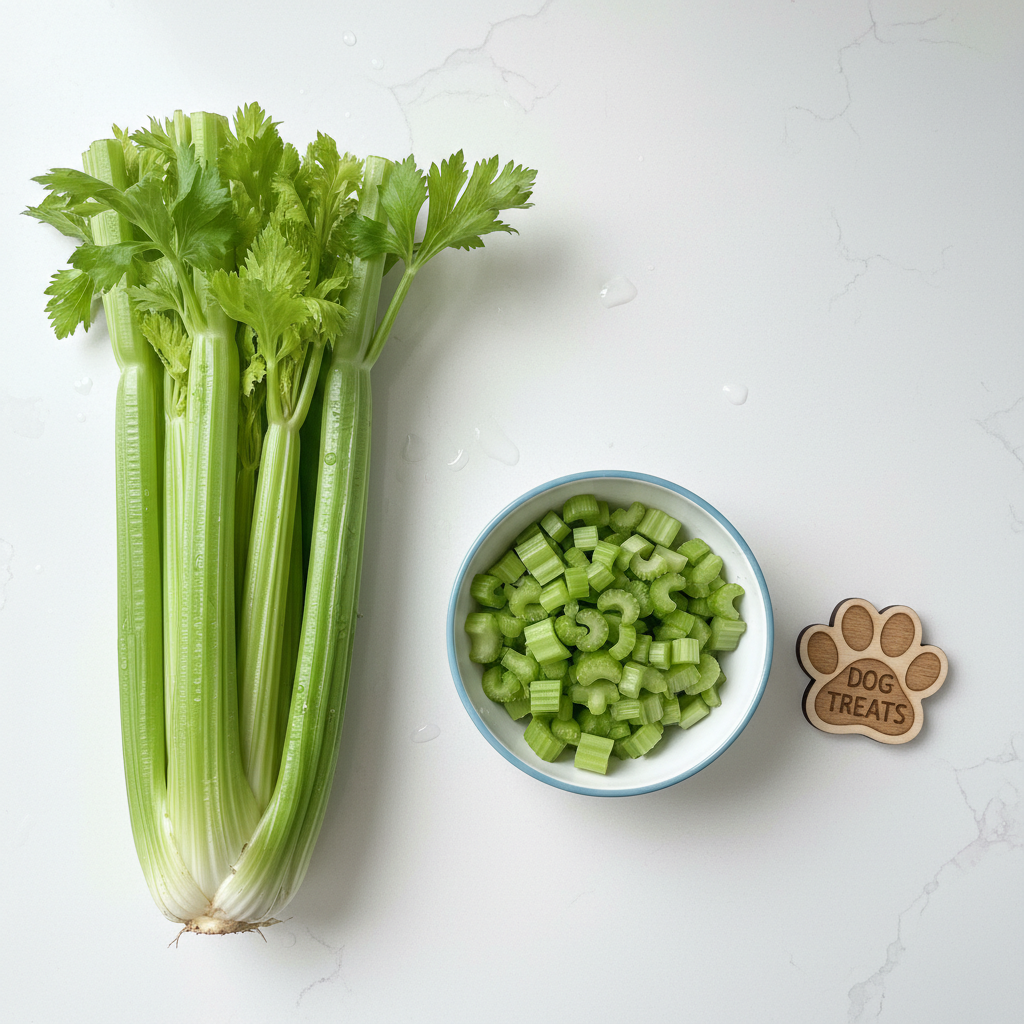
So, what’s the big deal with celery? It turns out this humble vegetable is more than just crunchy water. When given in moderation, celery can be a fantastic, healthy addition to your dog’s treat rotation. It’s incredibly low in calories, fat, and cholesterol, making it an excellent choice for dogs on a weight management plan.
But the benefits don’t stop there. Celery is packed with some pretty important nutrients:
- Vitamins A, C, and K: This trio of vitamins supports everything from your dog’s vision and immune system to proper blood clotting and bone health.
- Folate and Potassium: These are essential for healthy muscle and nerve function, as well as maintaining proper fluid balance in the body.
- High Water and Fiber Content: Celery is about 95% water, which makes it a great hydrating snack on a warm day. The high fiber content also aids in digestive health, helping to keep your pup regular.
Giving your dog a piece of celery is like offering them a vitamin-rich, hydrating, and super low-calorie snack all in one. It’s a simple way to add some wholesome goodness to their diet without worrying about unhealthy additives.
The Dental Perks: How Celery Helps Clean Teeth
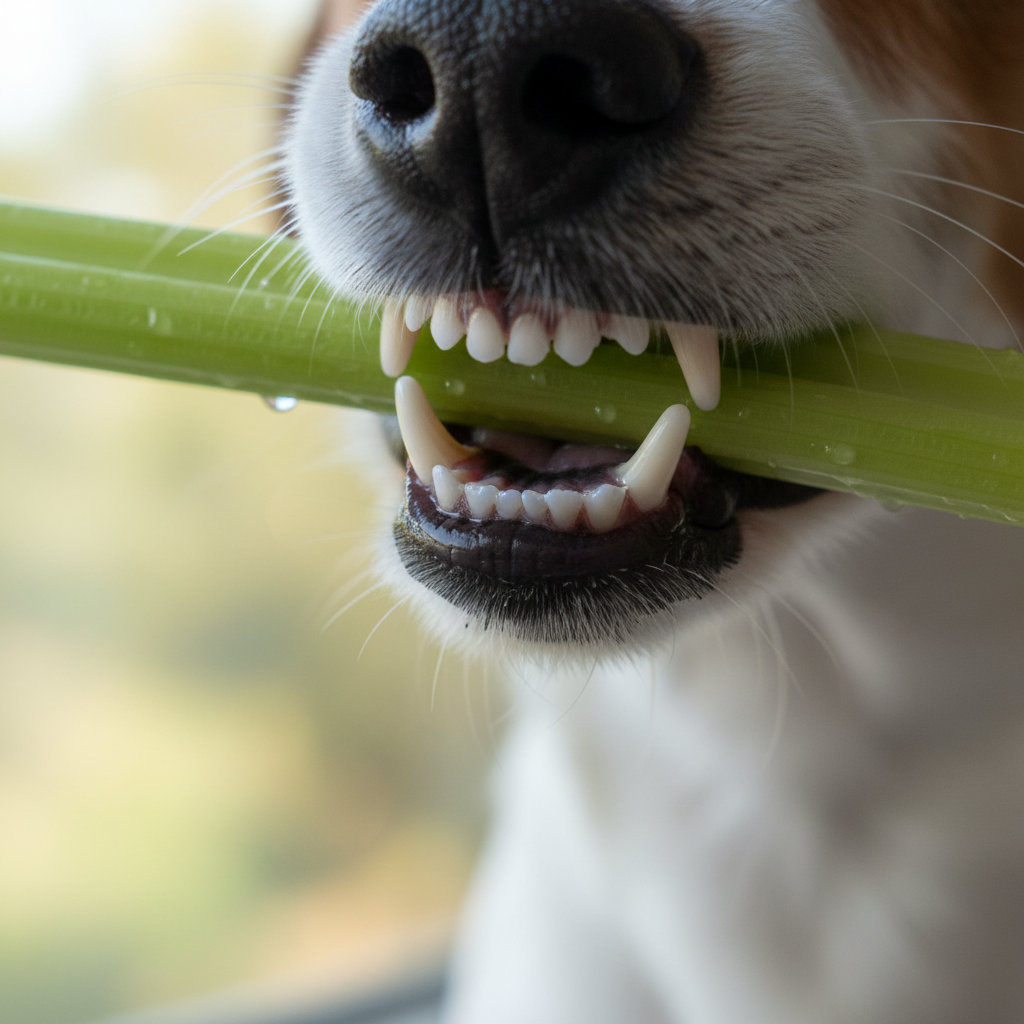
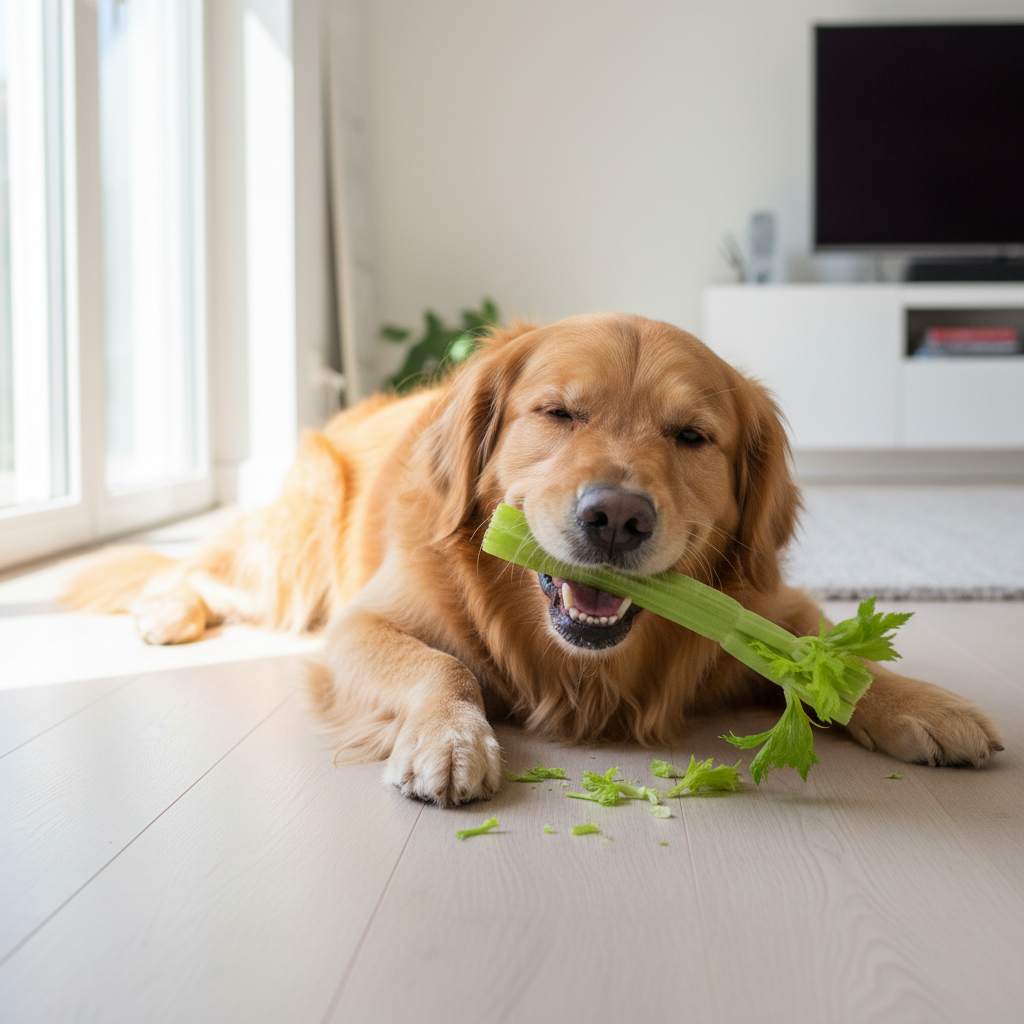
Now for the main event: can celery really clean your dog’s teeth? The answer is yes, it can certainly help! The magic is in its texture. Celery is incredibly fibrous and stringy. As your dog chews on a piece, that rough texture acts like a natural toothbrush, creating a mechanical scraping action against the surface of their teeth.
This process can help to:
- Scrape away plaque: The abrasive nature of the celery fibers helps to remove the soft film of plaque before it has a chance to harden into tartar.
- Stimulate gums: The act of chewing on a crunchy vegetable promotes healthy blood flow to the gums.
- Freshen breath: Celery can help combat minor doggy breath by cleaning away odor-causing bacteria along with food particles.
However, it’s crucial to have realistic expectations. Celery is a fantastic supplement to your dog’s dental care routine, but it is not a replacement for daily brushing or professional veterinary cleanings. Think of it as a helpful dental chew that gives their teeth a light scrub-down between proper cleanings. It’s a great tool in your toolbox, but not the whole toolbox itself.
Safety First: How to Prepare and Serve Celery Correctly
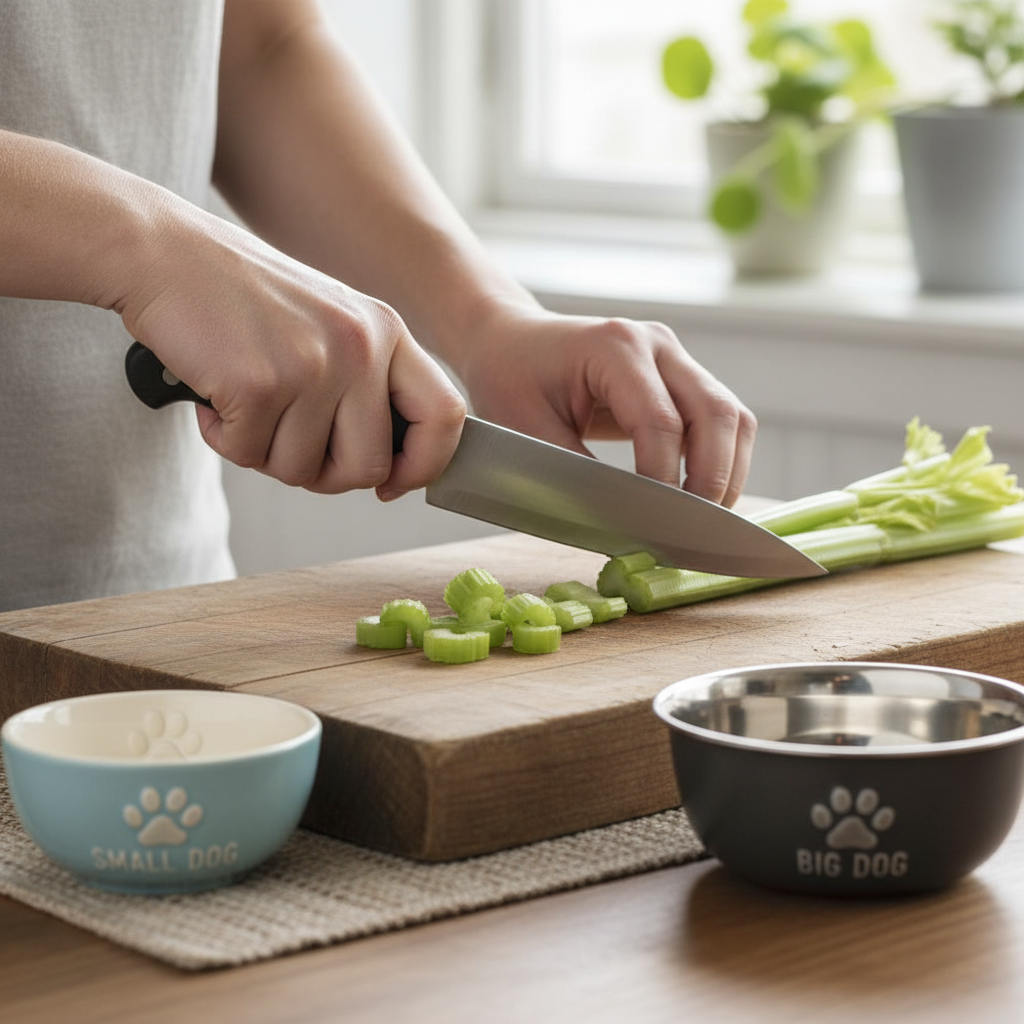
Before you rush to the fridge, let’s talk about safety. While celery is healthy, there are a couple of potential risks to be aware of, primarily related to how it’s served. The biggest concern is that it can be a choking hazard, especially for small dogs or pups who tend to gulp their food without chewing.
Safe Preparation Steps:
- Wash It Well: Always wash celery thoroughly under running water to remove any lingering pesticides or dirt. Organic celery is a great choice if it’s available.
- Chop It Up: This is the most important step! Never give your dog a whole stalk of celery. Instead, chop it into bite-sized pieces that are appropriate for your dog’s size. For a small dog like a Chihuahua, a half-inch piece is plenty. For a large dog like a Labrador, a one- or two-inch chunk is safer.
- Consider the Strings: For very small dogs or those with sensitive digestive systems, you might want to peel the tough strings from the outside of the stalk before chopping.
How Much is Too Much?
Remember the 10% rule: treats should only make up about 10% of your dog’s total daily calorie intake. Since celery is so low in calories, your dog can have a bit more of it than other treats, but moderation is still key. Too much of any high-fiber food can lead to an upset stomach, gas, or diarrhea. Start with a small piece and see how your dog handles it before making it a regular snack.
Beyond Celery: Other Natural Teeth-Cleaning Snacks
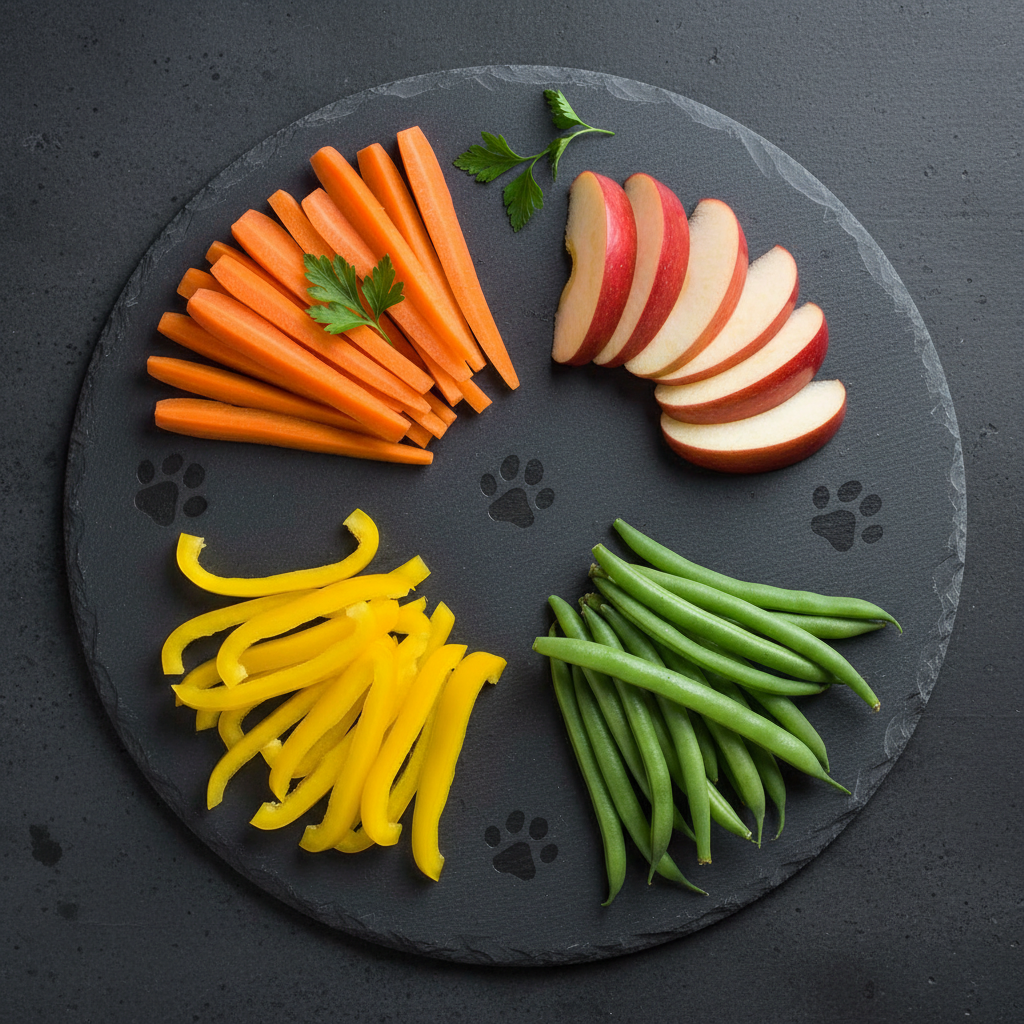
What if your dog turns up their nose at celery? No problem! There are several other crunchy fruits and veggies that offer similar dental benefits. Variety is the spice of life, even for our dogs, so feel free to mix things up with these other healthy options.
Healthy, Crunchy Alternatives
| Snack | Key Benefit | Preparation Note |
|---|---|---|
| Carrot Sticks | Hard and crunchy, great for scraping teeth. High in Vitamin A. | Serve raw as sticks or bite-sized chunks. |
| Apple Slices | Fibrous texture and helps rinse the mouth. | CRITICAL: Remove all seeds and the core, as they are toxic. |
| Bell Pepper Strips | Crunchy and packed with Vitamin C and antioxidants. | Use red, yellow, or orange peppers. Remove seeds and stem. |
| Green Beans | A satisfying snap and a good source of fiber. | Serve fresh or frozen (unsalted) for a cooling treat. |
Always introduce new foods slowly and, just like with celery, make sure everything is cut into safe, manageable pieces to prevent choking.
Conclusion
So, the verdict is in: celery can be a wonderful, multi-purpose treat for your canine companion. It’s a low-calorie, hydrating, and nutritious snack that provides the added benefit of a light, natural teeth cleaning with every crunchy bite. The key to success is all in the preparation—always wash it, chop it into bite-sized pieces, and serve it in moderation.
By adding celery and other crunchy veggies to your dog’s treat rotation, you’re not only giving them something delicious to chew on but also taking a proactive, natural step toward better dental health. Happy crunching!