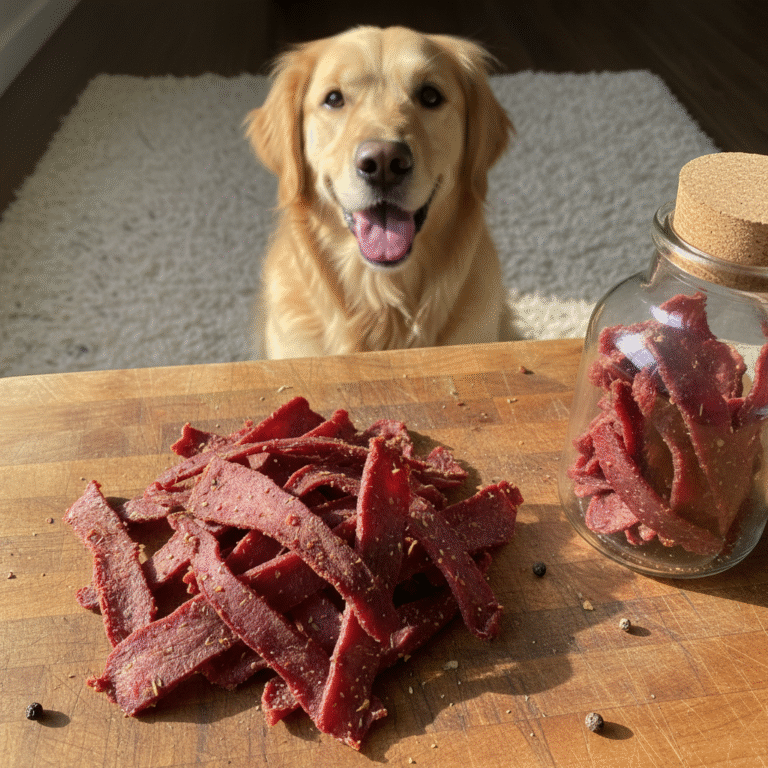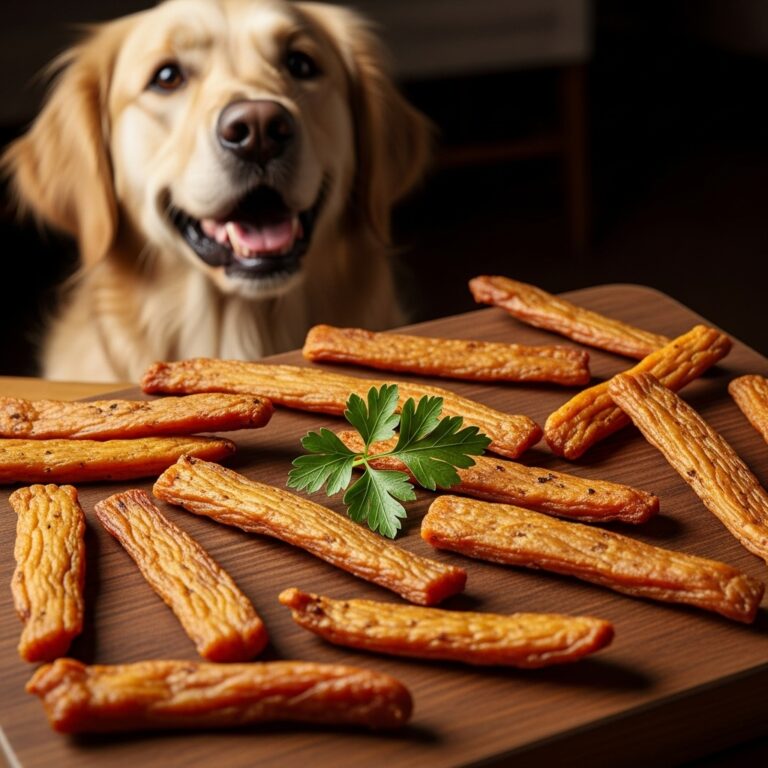
Save $$ Making Dehydrated Pork Loin Jerky at Home
If you’ve ever stood in the pet store aisle, staring at the high prices of single-ingredient jerky treats, you’re not alone. We all want to give our furry best friends the very best, but it can certainly add up! What if I told you that you could make a premium, delicious, and healthy treat for a fraction of the cost, right in your own kitchen? Well, you can! Welcome to the wonderful world of homemade dehydrated pork loin jerky.
Making your own dog treats is incredibly rewarding. You have complete control over the ingredients, meaning no weird fillers, preservatives, or mystery additives. And when it comes to high-value treats for training or just for spoiling them, nothing beats pure, simple meat jerky. In this guide, we’ll walk you through everything you need to know to safely and easily make pork loin jerky your dog will go absolutely wild for, all while keeping your wallet happy.
The Real Deal: Why Homemade Beats Store-Bought Every Time
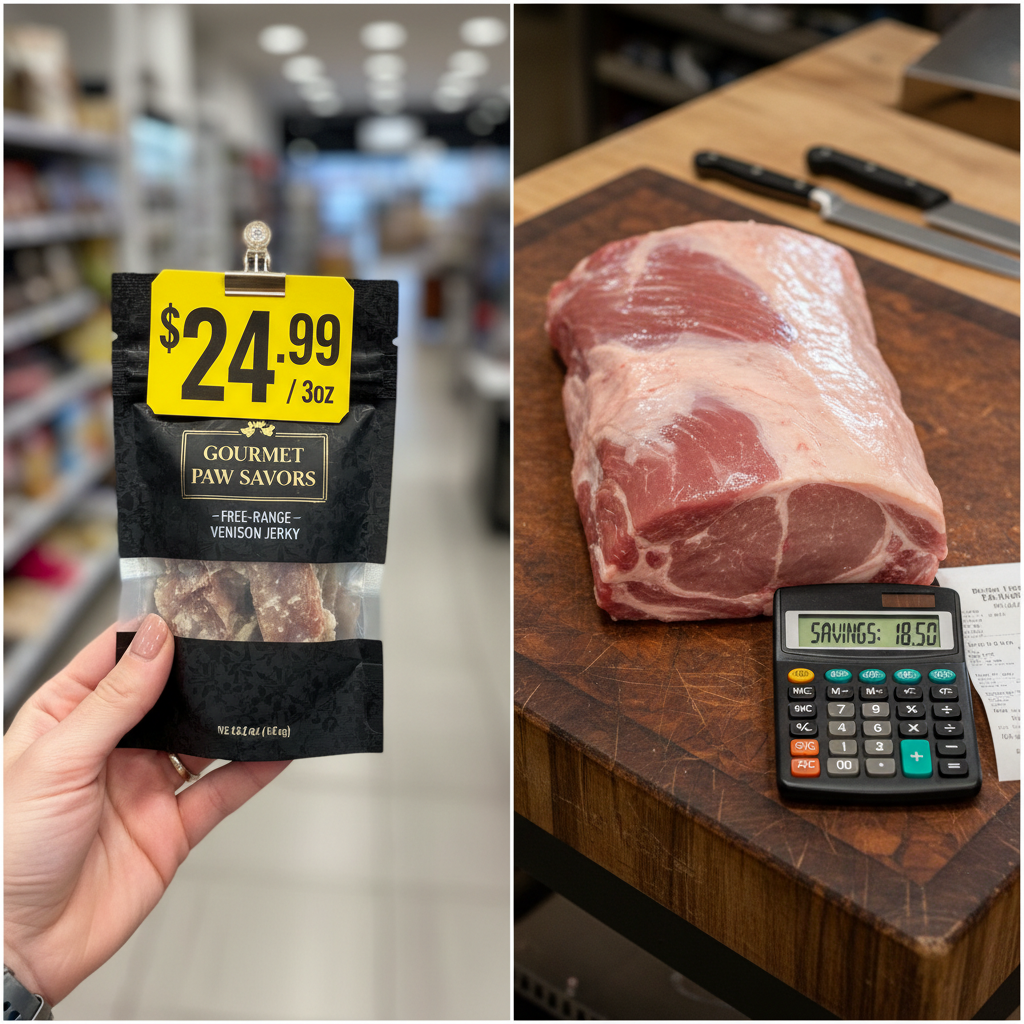
The Cost Savings Are Huge
Let’s talk numbers. A small, 4-ounce bag of premium pork jerky from a boutique pet store can easily cost $15 to $20. That’s a lot of money for a handful of treats! Now, consider a whole pork loin from your local grocery store. You can often find it on sale for $1.99 to $2.99 per pound. A 5-pound pork loin, which costs around $10-$15, will yield a massive batch of jerky that would cost you upwards of $75 or more if purchased pre-made. The savings are undeniable.
Check out this simple comparison:
| Feature | Store-Bought Jerky | Homemade Pork Loin Jerky |
|---|---|---|
| Average Cost | $4 – $6 per ounce | $0.50 – $0.75 per ounce (raw weight) |
| Ingredients | Pork, sometimes with added glycerin, salt, or ‘natural flavors’ | 100% Pork Loin |
| Control | None. You trust the label. | Total control over sourcing, thickness, and purity. |
Beyond the Budget: Health & Happiness
Saving money is fantastic, but the health benefits are even better. By making jerky at home, you’re creating a truly single-ingredient treat. There are no preservatives to extend shelf life, no added sugars or salts to enhance flavor for the human eye, and no glycerin to keep it artificially soft. This is especially important for dogs with sensitive stomachs, allergies, or specific dietary needs. You’re giving them pure, unadulterated protein, which is perfect for a healthy, shiny coat, strong muscles, and boundless energy.
Is Pork Jerky Actually Safe for Dogs?
This is a question many caring dog owners ask, and it’s a great one! There’s some outdated information out there about feeding pork to dogs. Let’s clear it up.
The Trichinosis Myth
The primary concern historically associated with pork was a parasite called Trichinella spiralis. However, thanks to modern farming and food safety regulations, trichinosis in commercially raised pork in the United States is now extremely rare. Furthermore, the process of either freezing the meat for a sufficient time or cooking it thoroughly (which dehydration does over a long period) effectively kills the parasite. So, when you buy pork loin from a reputable grocery store, this risk is virtually nonexistent.
Fat Content Matters
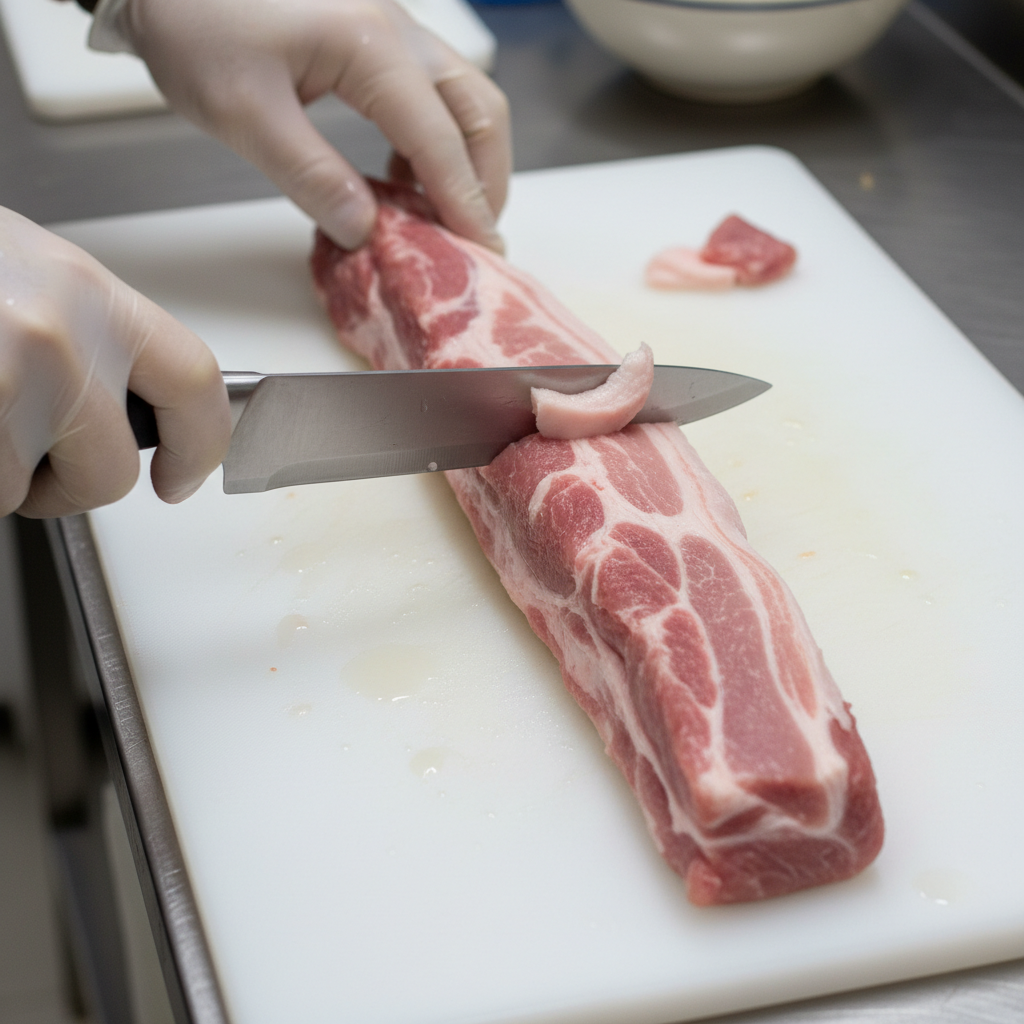
The other concern is fat. Fatty foods can be hard for dogs to digest and can potentially lead to pancreatitis, a serious health issue. This is why the cut of meat is so important! We are specifically using pork loin (or pork tenderloin), which is one of the leanest cuts of pork available. It’s comparable in leanness to skinless chicken breast. Avoid using fatty cuts like pork shoulder or bacon for jerky.
Expert Tip: Always choose the leanest cut of pork loin you can find and take the time to trim off any visible fat cap or silver skin before you start slicing. A little extra prep work goes a long way in making the treat healthier for your pup.
Gearing Up: Your Jerky-Making Toolkit
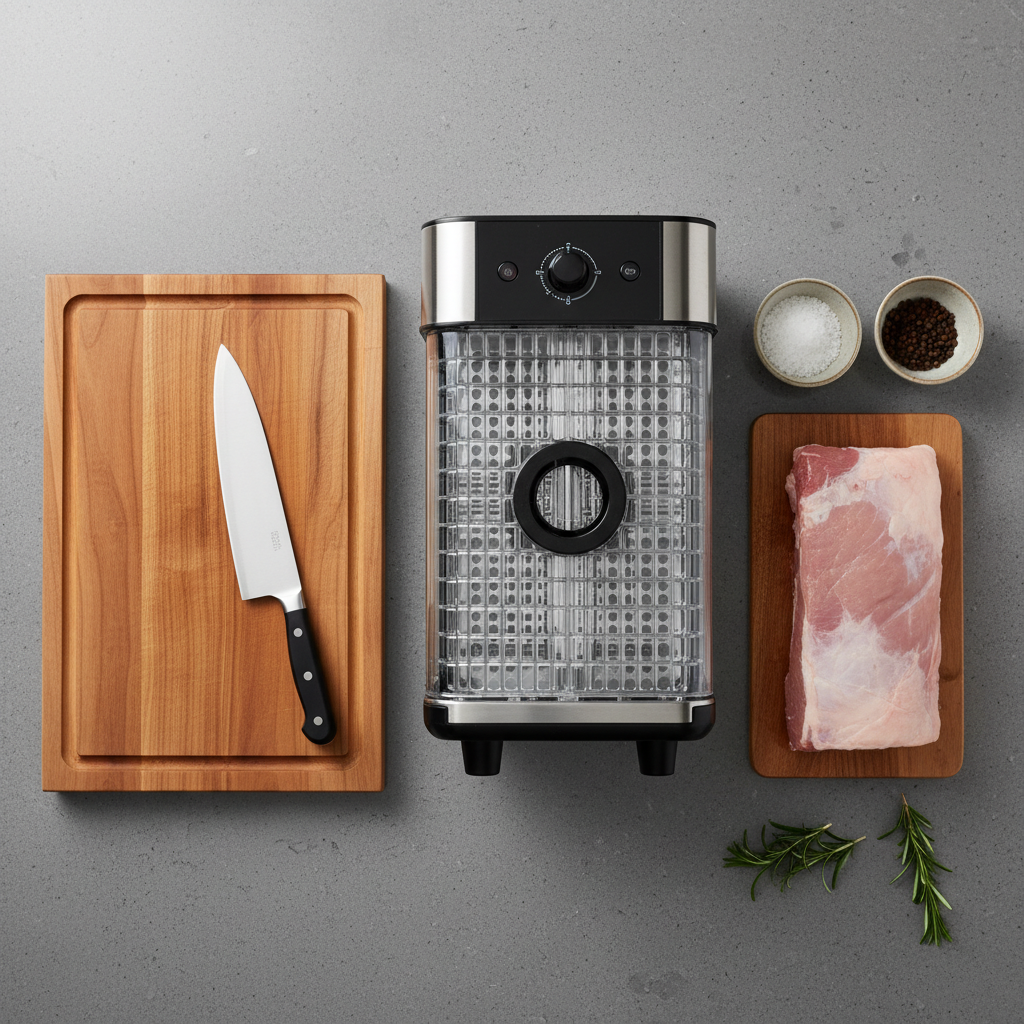
The best part about this project is how simple it is. You don’t need a lot of fancy equipment to get started. Here’s a quick checklist of what you’ll need:
- A Food Dehydrator: This is the one key piece of equipment. While you can use an oven on its lowest setting with the door propped open, a dehydrator provides consistent, low-temperature air circulation that is ideal for making perfect, safe jerky.
- A Sharp Knife: A long, sharp carving knife will make slicing the pork thinly and uniformly a breeze. A dull knife will be frustrating and less safe.
- A Large Cutting Board: You’ll need a stable surface for prepping the meat.
- Pork Loin: The star of the show! Look for a fresh, lean pork loin or tenderloin.
- Airtight Storage Containers: Glass jars with tight-fitting lids or vacuum-seal bags are perfect for keeping your finished jerky fresh.
That’s it! No marinades, no spices, no complicated gadgets. Just simple, pure goodness.
Step-by-Step: From Pork Loin to Perfect Jerky
Ready to make some magic? Follow these simple steps, and you’ll have a jar full of irresistible treats in no time.
- Prep the Pork: For easier slicing, place the pork loin in the freezer for 1-2 hours. You want it to be firm but not frozen solid. This will help you get those nice, thin, even slices.
- Trim the Fat: Once the pork is firm, place it on your cutting board. Carefully trim off any visible fat from the outside of the loin. The less fat, the better the jerky will keep.
- Slice it Thin: Slice the pork loin against the grain into strips that are about 1/8 to 1/4 inch thick. Thinner slices will dehydrate faster and result in a crispier jerky, while slightly thicker slices will be a bit chewier. Consistency is key for even drying.
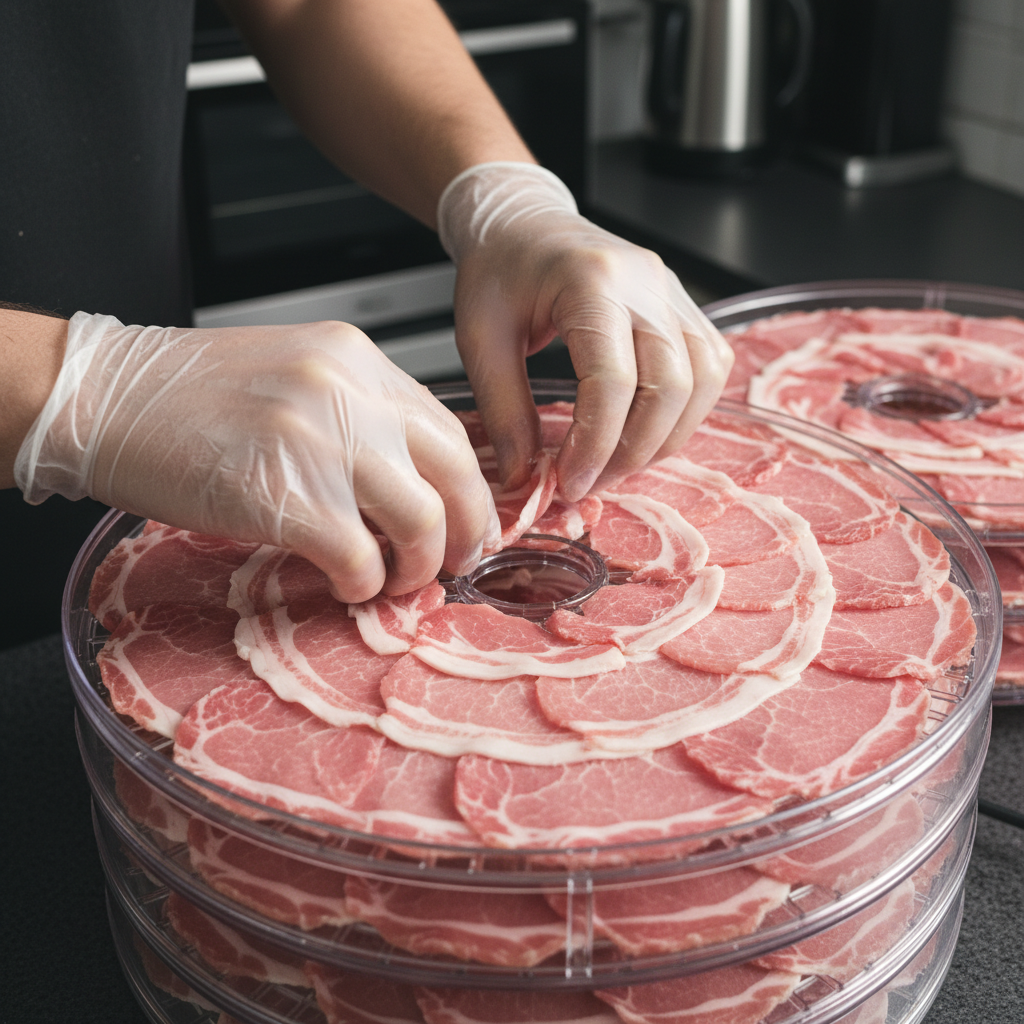
- Arrange on Trays: Place the pork strips onto your dehydrator trays in a single layer. Make sure there is a little space between each piece to allow for good air circulation. Do not overlap the slices.
- Dehydrate!: Set your dehydrator to a meat-safe temperature, typically between 145-160°F (63-71°C). This temperature is high enough to safely cook the meat and kill any potential bacteria. Let it run for 4 to 8 hours.
- Check for Doneness: The exact time will depend on the thickness of your slices and your specific dehydrator. The jerky is done when it is dry and leathery. If you bend a piece, it should crack but not snap in two. It shouldn’t be soft or squishy.
- Cool Completely: Turn off the dehydrator and let the jerky cool completely on the trays for at least an hour before storing. This prevents condensation from forming in your storage container, which can cause mold.
Storage and Serving: Keeping it Fresh and Fun
Proper Storage is Key
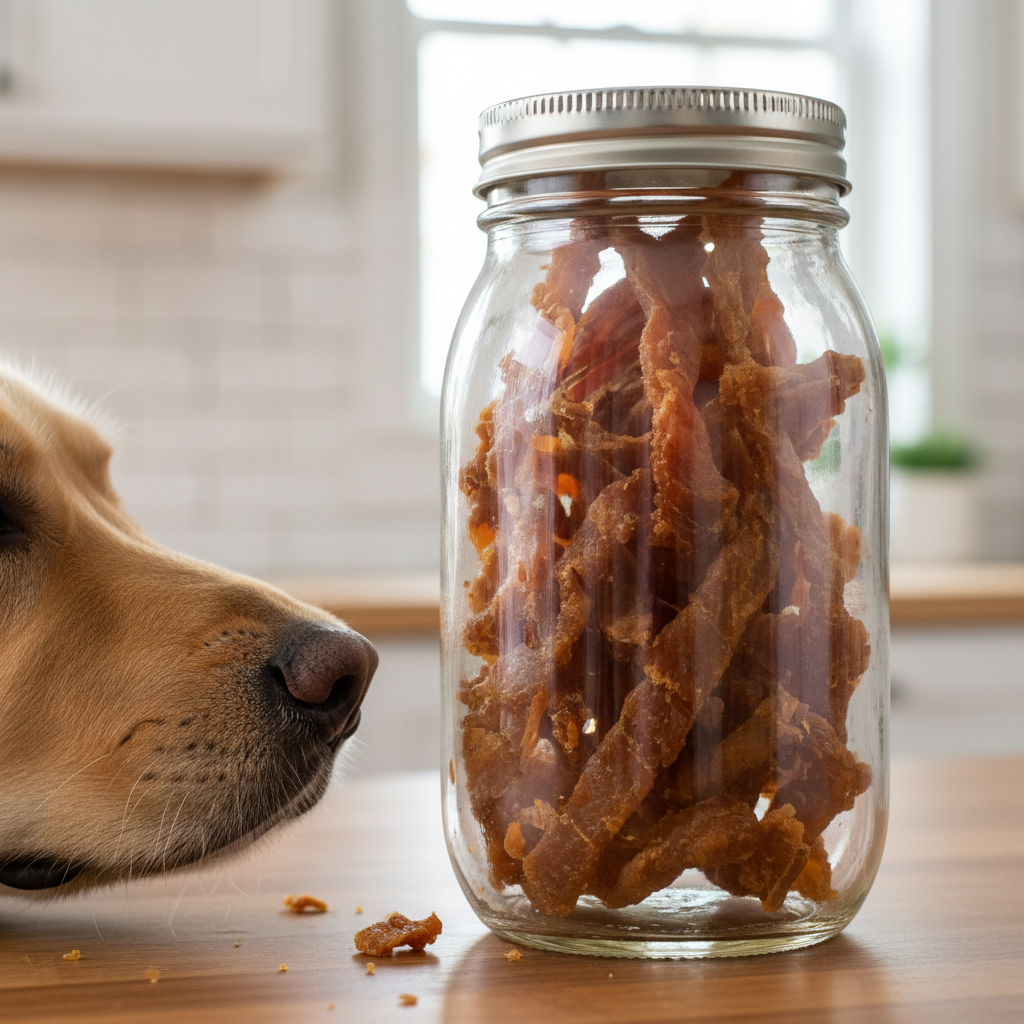
You’ve made a beautiful batch of jerky! Now let’s make sure it stays fresh and safe. Once the jerky is completely cool, place it in an airtight container. A glass jar with a screw-on lid or a vacuum-sealed bag is ideal. Store the container in a cool, dark place like a pantry. For the best quality and longest shelf life, we highly recommend storing it in the refrigerator. Stored properly in the fridge, your homemade pork jerky should last for several weeks.
How Much is Too Much?
As with any treat, moderation is important. This pork jerky is a high-protein, special snack, not a meal replacement. Use it as a high-value reward during training sessions or as a special ‘good dog’ treat. For most dogs, one or two small pieces a day is plenty. Always supervise your dog when they’re enjoying a chewy treat, and make sure they have access to fresh water.
Remember: Treats should make up no more than 10% of your dog’s daily caloric intake. This helps ensure they are getting a balanced diet from their regular food.
Conclusion
Look at you! You’ve successfully turned a simple pork loin into a treasure trove of healthy, delicious treats for your dog. You’ve not only provided your pup with a top-tier snack free of nasty additives, but you’ve also saved a significant amount of money in the process. It’s a win-win that strengthens the bond with your furry friend and gives you peace of mind knowing exactly what they’re eating.
So next time you see pork loin on sale, grab one! Your dog (and your bank account) will thank you for it. Happy dehydrating!