
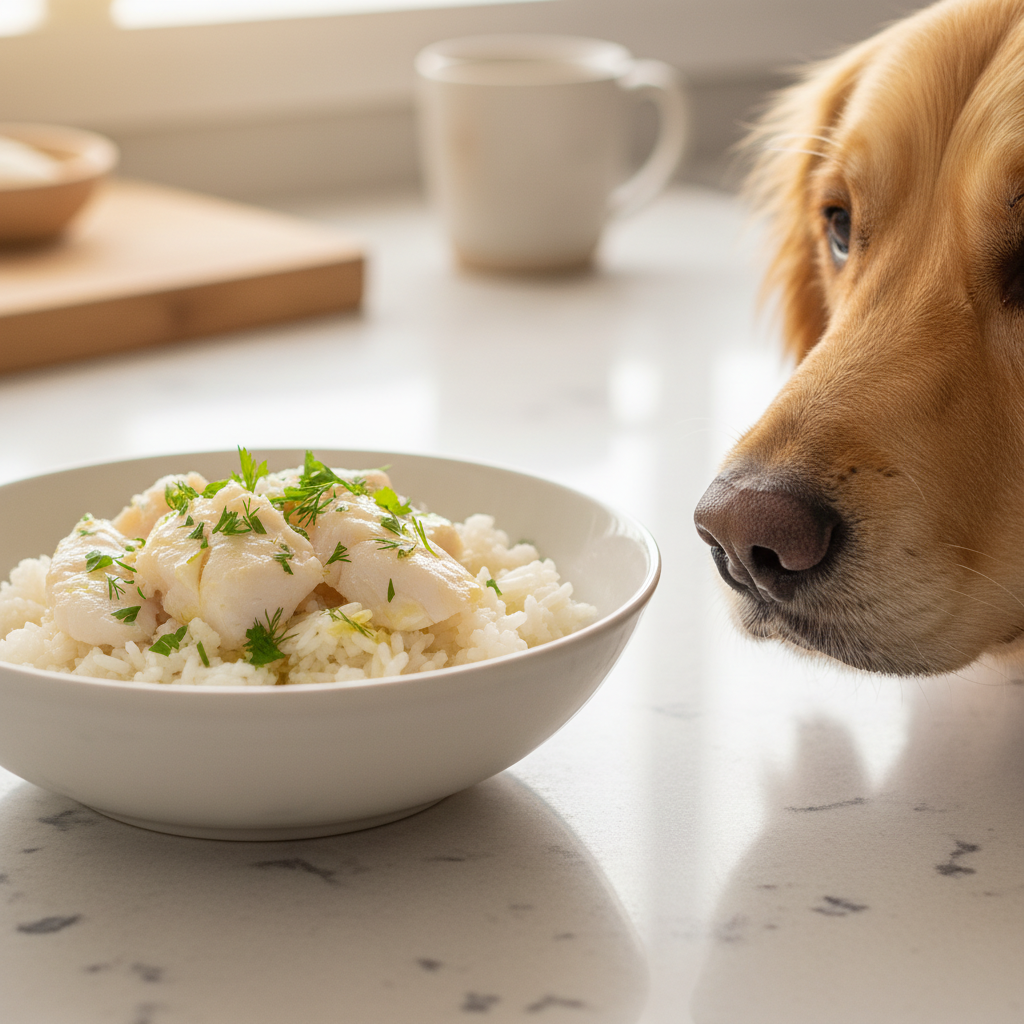
Gentle Poached Whitefish Recipe for Upset Dog Tummies
There’s nothing worse than seeing your best furry friend feeling under the weather. When tummy troubles strike, their sad eyes and lack of appetite can send any pet parent into a spiral of worry. While a trip to the vet is always the best first step for serious issues, for mild digestive upset, a temporary bland diet can work wonders. You’ve probably heard of the classic chicken and rice, but what if your dog has poultry sensitivities, or you’re looking for an even gentler option? Enter the tummy-taming superhero: poached whitefish.
This simple, soothing recipe is a fantastic alternative that’s packed with benefits. It’s incredibly easy to digest, low in fat, and offers a wonderful source of omega-3 fatty acids. In this guide, we’ll walk you through why whitefish is such a great choice, provide a step-by-step recipe, and explain how to safely transition your pup back to their regular food. Let’s get your companion feeling happy and healthy again!
Why Whitefish is a Tummy-Taming Superhero
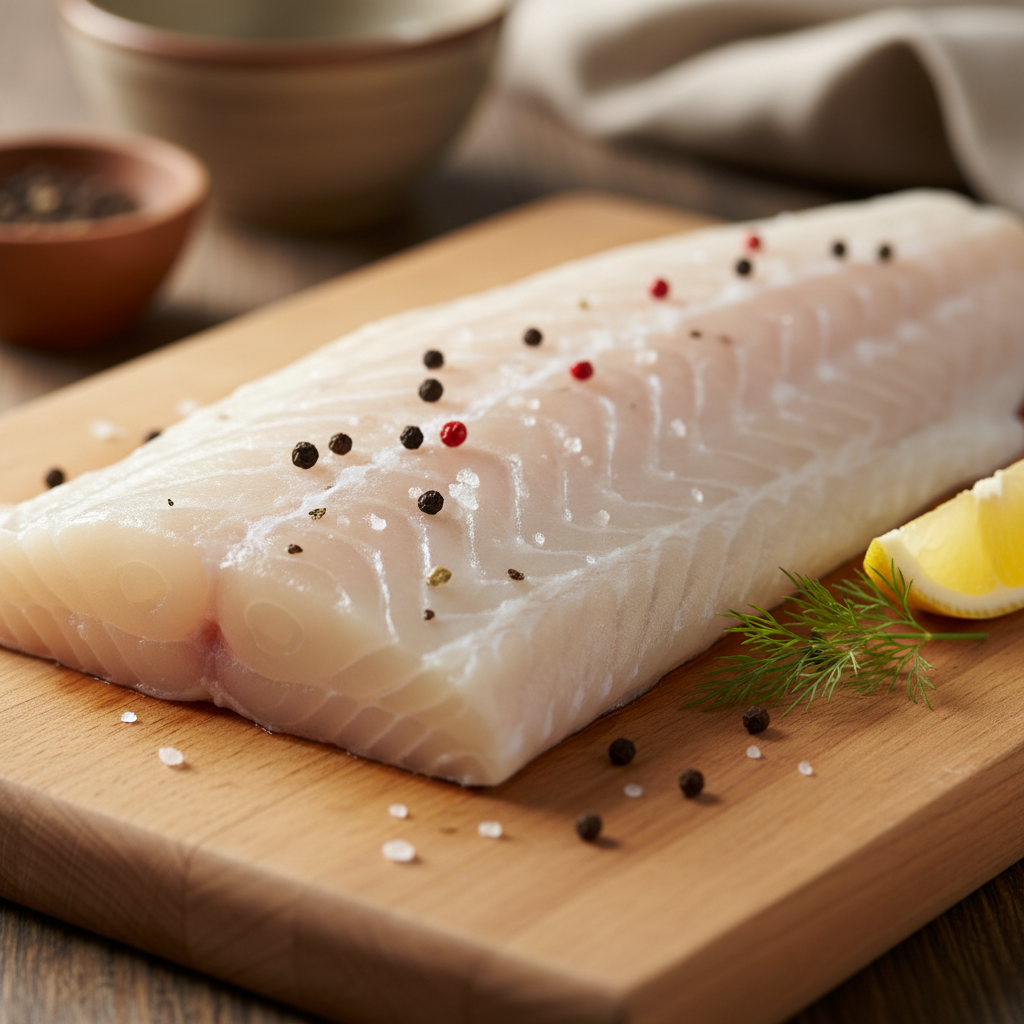
So, what makes whitefish the go-to choice for a sensitive stomach? Unlike richer, fattier fish like salmon, whitefish (think cod, haddock, pollock, or tilapia) is exceptionally lean and mild. This is key when a digestive system is already irritated and working overtime.
The Benefits Breakdown:
- Easily Digestible Protein: The protein in whitefish is simple for a dog’s gut to break down and absorb. This means their system gets the essential amino acids needed for repair and energy without the hard work, allowing the GI tract to rest and recover.
- Low in Fat: High-fat foods can exacerbate digestive issues like pancreatitis or general tummy upset. Whitefish is naturally low in fat, making it a safe and gentle option that won’t trigger further irritation.
- Rich in Omega-3s: Whitefish is a great source of omega-3 fatty acids, which are renowned for their anti-inflammatory properties. This can help soothe an inflamed gut lining and support overall healing.
- Excellent for Allergies: Chicken is one of the most common protein allergens for dogs. If your pup has a known poultry sensitivity or you suspect it might be the cause of their issues, whitefish provides a novel protein that is less likely to cause an allergic reaction.
Expert Tip: Always choose boneless, skinless fillets. While fish skin contains healthy fats, we want to keep this meal as lean as possible for an upset tummy. And bones, of course, are a serious choking and perforation hazard.
The Simple & Soothing Poached Whitefish Recipe
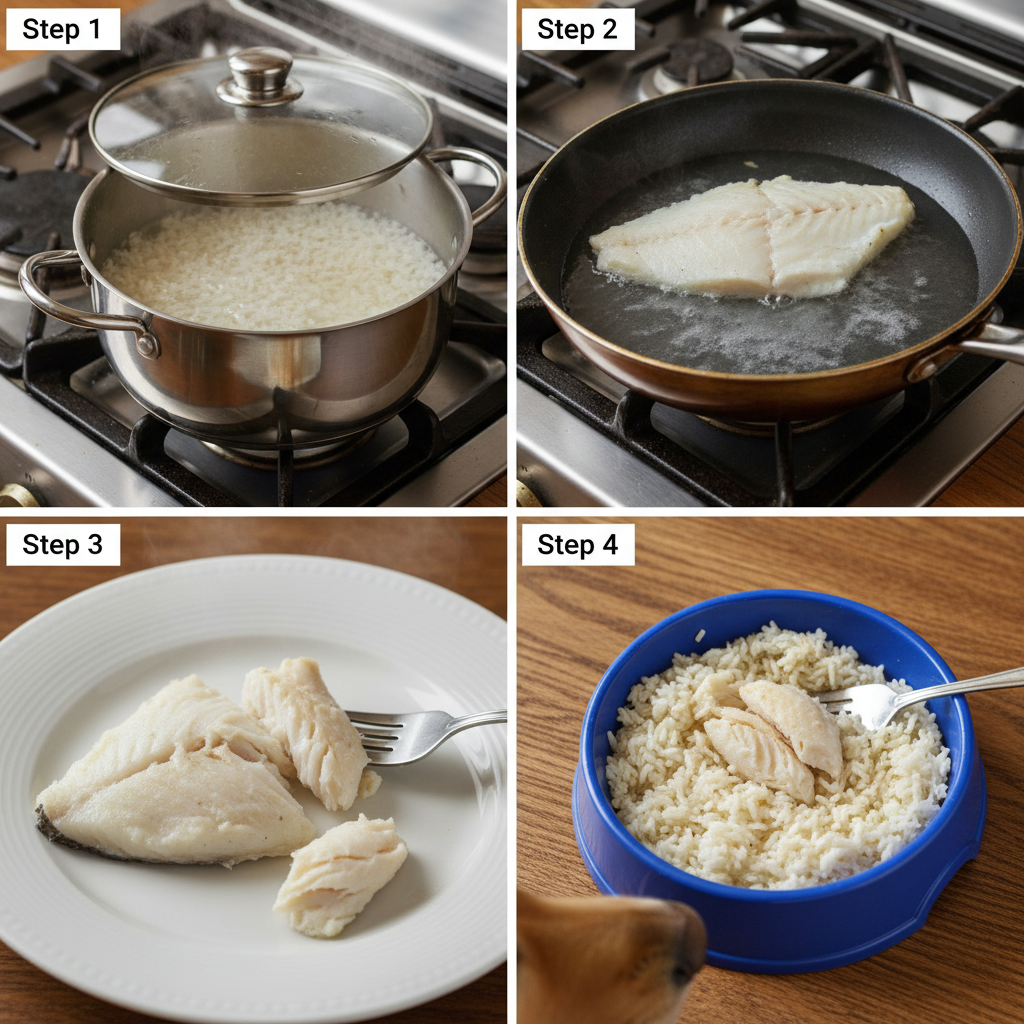
You don’t need to be a gourmet chef to whip up this healing meal for your pup. The beauty of this recipe is its simplicity. The goal is to cook the ingredients plainly, without any oils, butter, or seasonings that could irritate your dog’s stomach.
Ingredients You’ll Need:
- 1 part boneless, skinless whitefish fillet (e.g., cod, tilapia, haddock)
- 2 parts plain white rice
- Water for poaching and boiling
Note: The 1:2 ratio of fish to rice is a good starting point. The rice provides binding fiber to help firm up stools.
Step-by-Step Instructions:
- Cook the Rice: Prepare the white rice according to package directions, but do not add any salt, butter, or oil. You want it to be soft and a bit overcooked, which makes it easier to digest. Once cooked, set it aside to cool.
- Prepare the Fish: While the rice is cooking, rinse the whitefish fillet under cool water. Place it in a saucepan or skillet.
- Poach the Fish: Add enough plain, fresh water to the pan to just cover the fish. Bring the water to a gentle simmer over medium heat. Do not boil it vigorously, as this can toughen the fish.
- Cook Through: Let the fish gently poach in the simmering water for about 8-12 minutes, depending on the thickness of the fillet. The fish is done when it’s opaque all the way through and flakes easily with a fork.
- Drain and Cool: Carefully remove the fish from the water and place it on a plate. Let it cool down completely. Once cool, use a fork to flake the fish into small, bite-sized pieces. Be sure to double-check for any missed bones.
- Combine and Serve: In your dog’s bowl, mix the flaked fish with the cooked rice. Ensure the mixture is at room temperature before serving.
Serving Guide & Transitioning Back to Normal Food
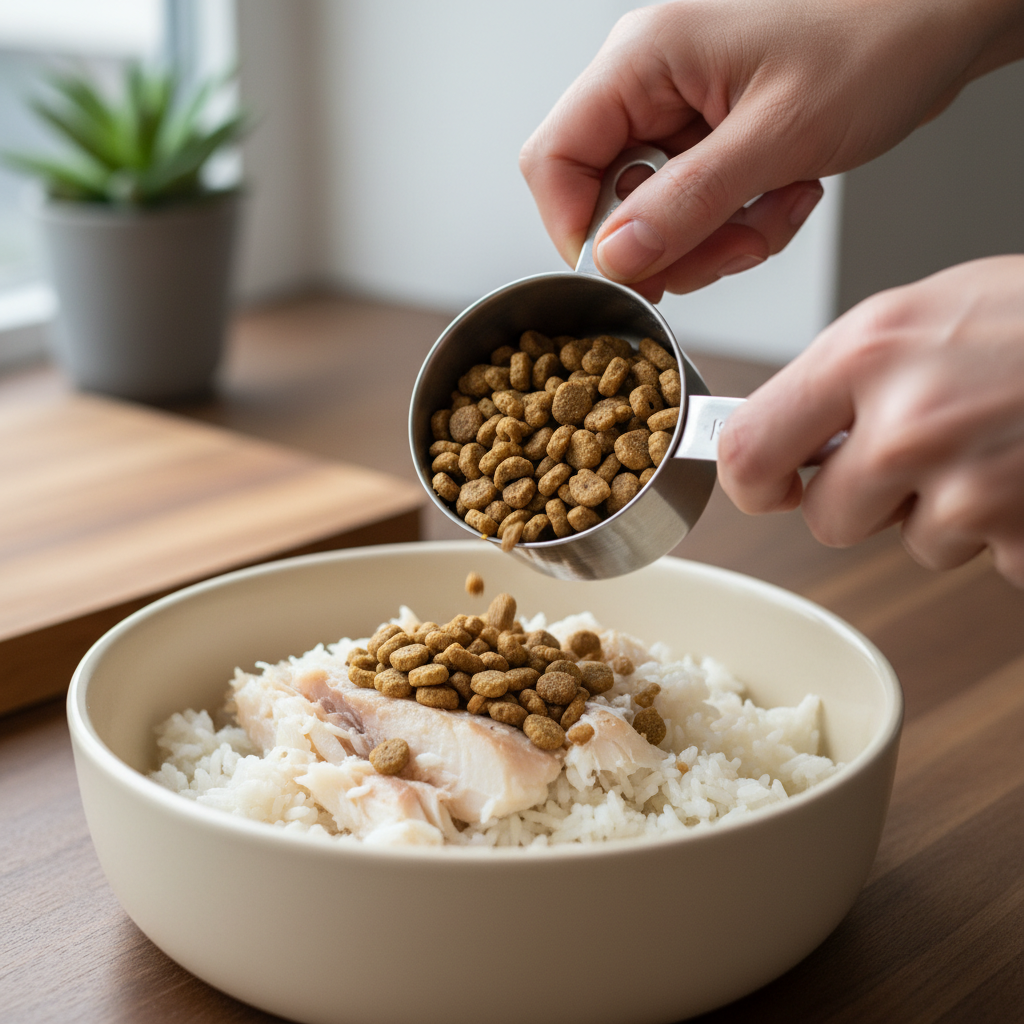
Serving the right amount and transitioning back to their regular diet correctly are just as important as the recipe itself. Rushing this process can undo all your hard work and lead to a relapse of tummy troubles.
How Much and How Often?
Start with small, frequent meals. Instead of one or two large meals, try feeding your dog 3-4 small portions throughout the day. This is much easier on their sensitive digestive system. The total amount for the day should be roughly equivalent to their normal daily food volume, but it’s always best to consult your vet for specific portioning advice based on your dog’s weight and condition.
A good rule of thumb: If your dog keeps the first small meal down for a few hours without any vomiting or diarrhea, you can offer another small meal.
The All-Important Transition Period
A bland diet is a temporary solution, not a long-term balanced diet. It lacks many of the essential vitamins and minerals your dog needs. You should only feed this recipe for 2-3 days, or as directed by your veterinarian. Once your dog’s stools are firm and they seem to be feeling better, it’s time to slowly reintroduce their regular food. This should be done over several days:
- Day 1-2: Serve a mixture of 75% poached whitefish/rice and 25% of their regular kibble.
- Day 3-4: Move to a 50/50 mix of the bland diet and their regular food.
- Day 5-6: Serve 25% of the bland diet and 75% of their regular food.
- Day 7: If all is well, you can return to feeding 100% of their regular food.
Monitor your dog closely during this transition. If their symptoms return at any point, go back a step or contact your vet.
When to Skip the Kitchen and Call the Vet

This homemade recipe is a wonderful tool for managing mild, temporary digestive upset. However, it is not a substitute for professional veterinary care. There are certain signs that indicate a more serious problem is at play, and in these cases, you should contact your veterinarian immediately.
Red Flags to Watch For:
- Lethargy or Weakness: If your dog is unusually tired, weak, or unresponsive, it’s a sign of a more serious issue.
- Vomiting or Diarrhea for More Than 24 Hours: While a single episode can often be managed at home, persistent symptoms require a vet’s attention to prevent dehydration and diagnose the underlying cause.
- Blood in Stool or Vomit: This is always an emergency. The blood can appear bright red or dark and tarry.
- Signs of Pain: Whining, a hunched posture, a bloated or hard abdomen, or sensitivity to being touched can all indicate significant pain.
- Lack of Appetite for More Than a Day: If your dog refuses to eat anything at all, including the tempting bland diet, it’s time to call the vet.
- Known Toxin Ingestion: If you suspect your dog has eaten something poisonous (like chocolate, xylitol, or certain plants), don’t wait for symptoms to appear. Contact your vet or an animal poison control center right away.
Trust your instincts. You know your dog better than anyone. If you feel that something is seriously wrong, a phone call to your vet can provide peace of mind and critical guidance.
Conclusion
Caring for a sick pup can be stressful, but having a simple, effective tool like this poached whitefish recipe in your back pocket can make a world of difference. It’s a gentle, nourishing way to soothe an upset stomach and provide comfort when your dog needs it most. Remember to start with small portions, transition back to their regular food slowly, and most importantly, never hesitate to reach out to your veterinarian when you’re in doubt. With a little care and a simple, soothing meal, your furry friend will be back to their happy, tail-wagging self in no time.