Stop The Poop Eating: Frozen Pineapple Bites That Actually Work
Let’s be honest, there are few things more bewildering (and frankly, disgusting) for a dog owner than witnessing your beloved furry friend treat their own—or another animal’s—poop like a delicacy. This behavior, officially known as coprophagia, is surprisingly common. It can leave you feeling frustrated, grossed out, and worried about your dog’s health. You’ve probably asked yourself, “Why are they doing this?!” and “How can I make it stop?!”
Well, you’re in the right place. While there are many commercial products and complex training methods out there, one of the most talked-about home remedies is simple, natural, and even a little bit tasty: pineapple. In this guide, we’re going to dive deep into the world of coprophagia, explore why the pineapple trick often works, and give you a super simple recipe for frozen pineapple bites that can help turn your dog’s nasty habit into a distant memory.
Why On Earth Is My Dog Eating Poop?
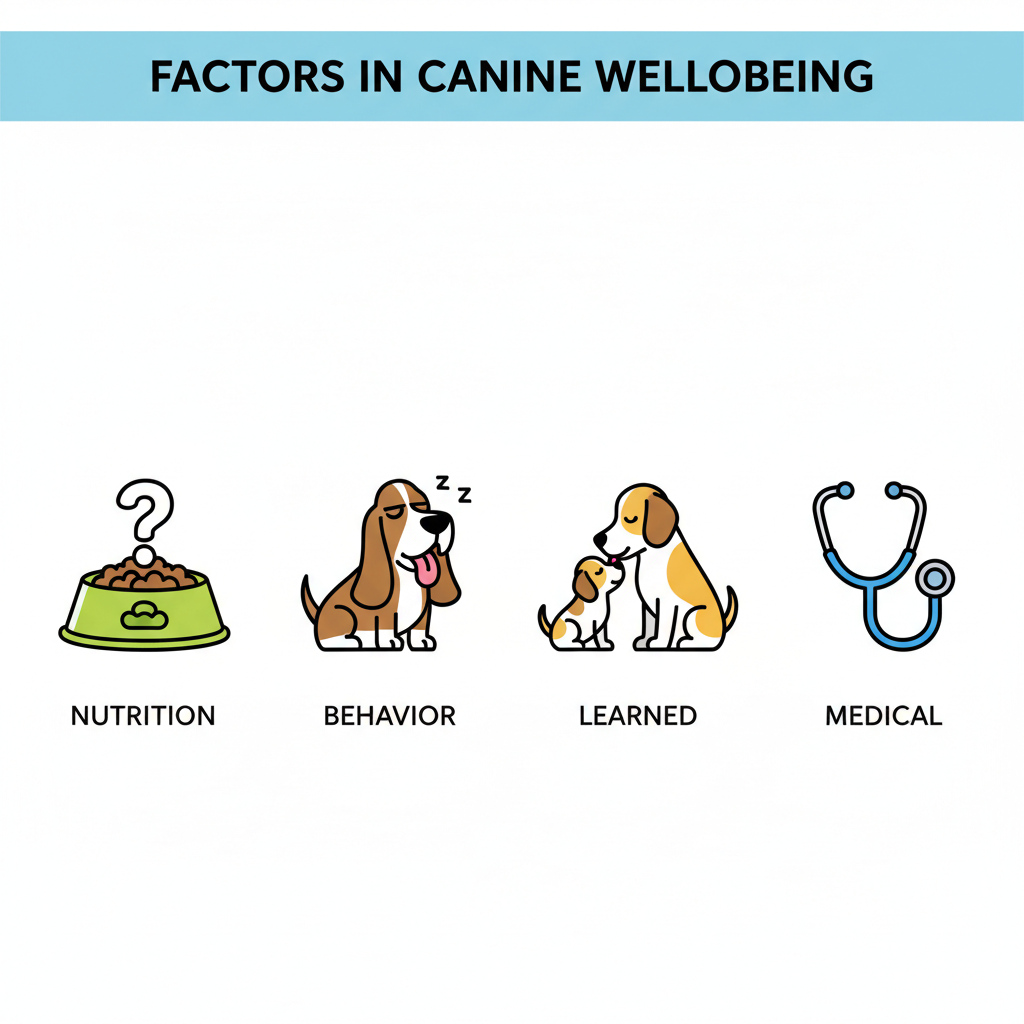
Before we can fix the problem, it helps to understand why it’s happening in the first place. Coprophagia isn’t just a random, gross habit; it’s often driven by instinct, behavior, or underlying health issues. Pinpointing the ‘why’ can be the first step toward finding the right solution for your pup.
Here are some of the most common culprits behind this unappetizing behavior:
- Nutritional Deficiencies: Sometimes, a dog’s diet may be lacking in certain nutrients or digestive enzymes. Their body might be instinctively trying to regain those nutrients from stool. This is particularly common in dogs on low-quality or difficult-to-digest food.
- Behavioral Reasons: Just like humans, dogs can develop some odd habits. Boredom, stress, and anxiety can all lead to coprophagia. For some dogs, especially puppies, it’s a form of exploration—they learn about the world with their mouths! In other cases, it can be an attention-seeking behavior; if you react strongly every time they do it, they learn it’s a great way to get you to notice them.
- Learned Behavior: Puppies may learn this behavior by watching their mother. A mother dog instinctively cleans her puppies and their den by ingesting their feces. While this is normal for her, some pups might pick up the habit and carry it into adulthood.
- Underlying Medical Issues: This is a crucial one to consider. Certain medical conditions like parasites, diseases that cause increased appetite (diabetes, Cushing’s disease), or malabsorption syndromes can lead to poop eating. Their body is telling them they are constantly hungry or not getting enough from their food.
Expert Tip: If poop eating is a new and sudden behavior for your adult dog, it’s always a good idea to schedule a check-up with your vet to rule out any underlying medical conditions first.
Pineapple to the Rescue? The Theory Behind the Tropical Cure
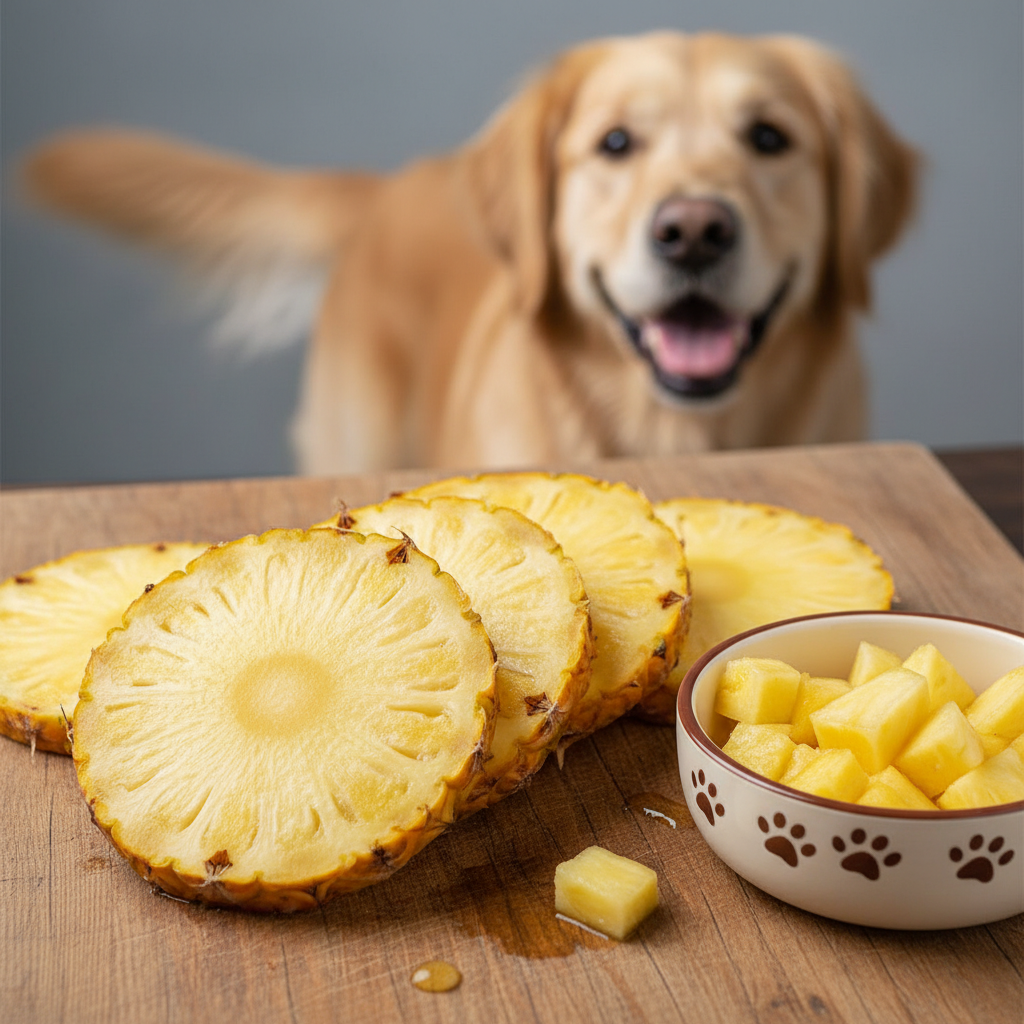
So, where does a tropical fruit fit into all of this? The idea of using pineapple to deter coprophagia has been passed around by dog owners for years, and while it’s more of an anecdotal remedy than a scientifically proven cure, the logic behind it is pretty interesting.
The magic is thought to be in an enzyme called bromelain. Pineapple is packed with it. Bromelain is a proteolytic enzyme, which means it helps break down proteins. The theory is that when a dog eats pineapple, the bromelain survives the digestive process and changes the chemical makeup of the stool. This, in turn, makes the poop taste bitter, foul, or otherwise unappealing to the dog. Essentially, you’re making the ‘forbidden snack’ taste so bad that your dog decides it’s not worth their time anymore.
While veterinary science hasn’t officially stamped this with a seal of approval, countless owners swear by it. It’s considered a safe, gentle first step to try before moving on to more expensive commercial additives or intensive training. Plus, most dogs absolutely love the taste of pineapple, making it an easy ‘medicine’ to administer!
Recipe: Simple & Delicious Frozen Pineapple Dog Bites
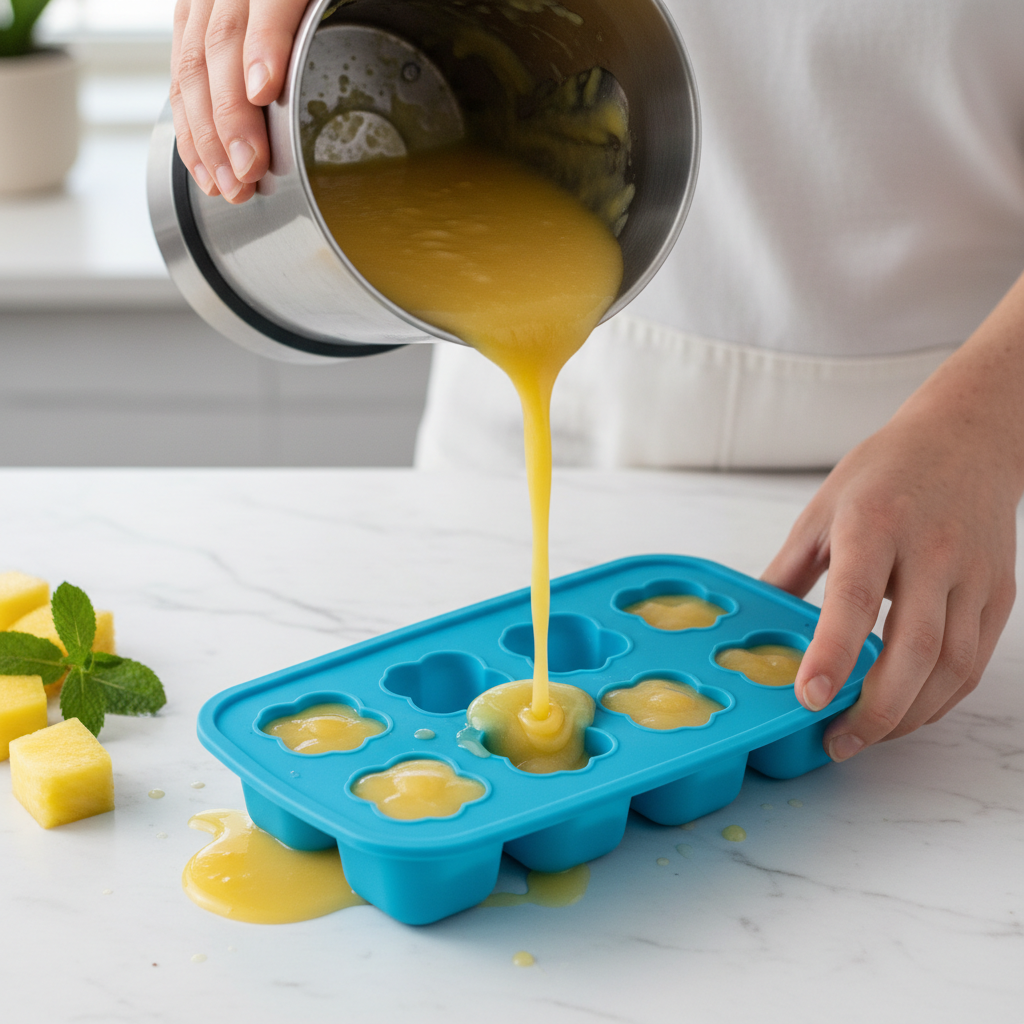
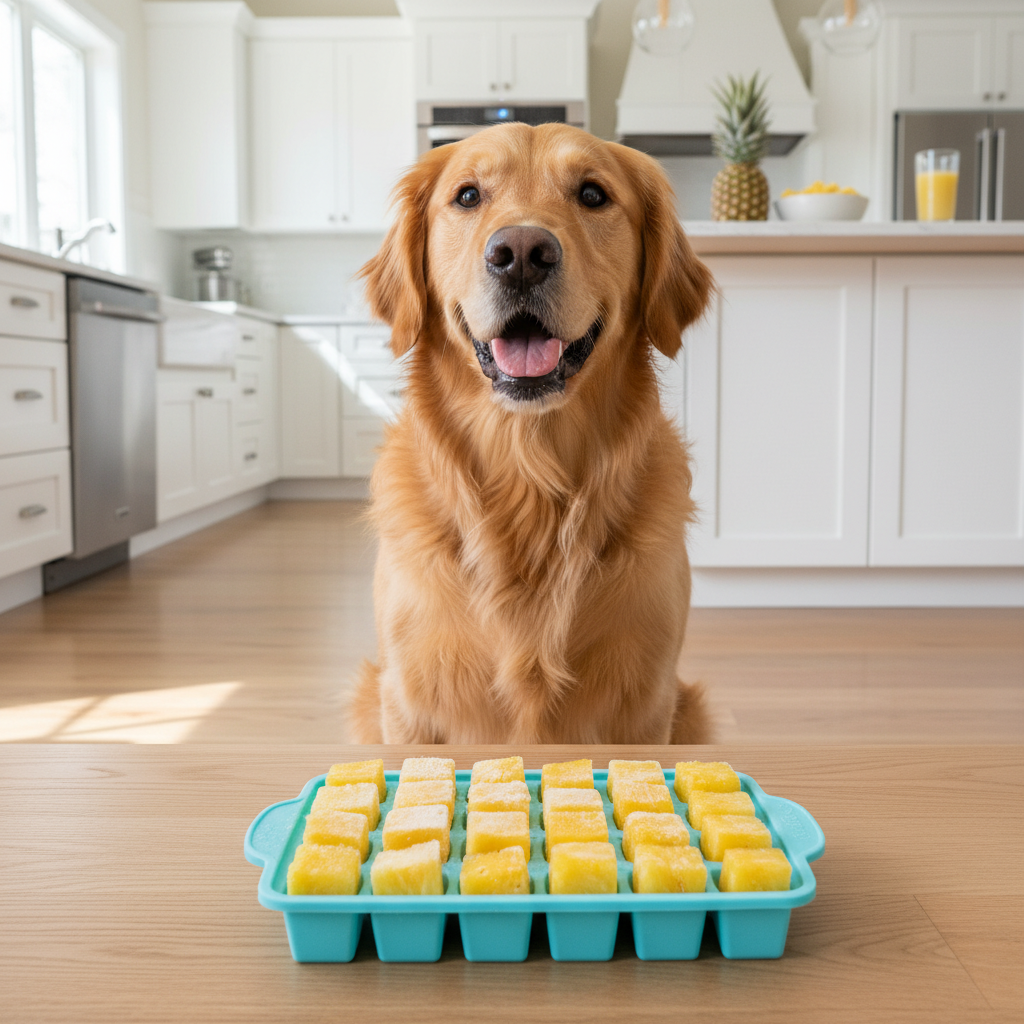
Ready to give it a try? This recipe couldn’t be easier. These frozen bites are a fantastic way to give your dog a controlled amount of pineapple in a fun, refreshing treat. They’re perfect for a warm day or as a simple daily supplement to combat that nasty habit.
What You’ll Need:
- 1 cup of fresh or frozen pineapple chunks (IMPORTANT: Never use canned pineapple in syrup, as the added sugar is unhealthy for dogs).
- 1/4 cup of water or plain, unsweetened coconut water.
- A blender or food processor.
- A silicone ice cube tray or small molds.
The Steps:
- Prepare the Pineapple: If you’re using a fresh pineapple, make sure to remove the tough outer skin and the hard central core. These parts are difficult to digest and can be a choking hazard. Cut the fleshy part into chunks.
- Blend It Up: Place the pineapple chunks and the water (or coconut water) into a blender. Blend until you have a smooth, liquid consistency. If it’s too thick, add another tablespoon of water.
- Pour and Freeze: Carefully pour the pineapple puree into your silicone molds or ice cube tray. Don’t overfill them!
- Freeze Solid: Place the tray in the freezer and let the bites freeze completely. This usually takes about 3-4 hours, depending on the size of your molds.
- Serve and Store: Once frozen, you can pop the bites out of the tray and store them in a freezer-safe bag or container. They’ll last for several weeks!
Serving Suggestion:
Give your dog one or two bites daily with their meal. Adjust the amount based on your dog’s size—a Chihuahua might only need one small bite, while a Great Dane could have two or three. The key is consistency!
Safety First: The Dos and Don’ts of Pineapple
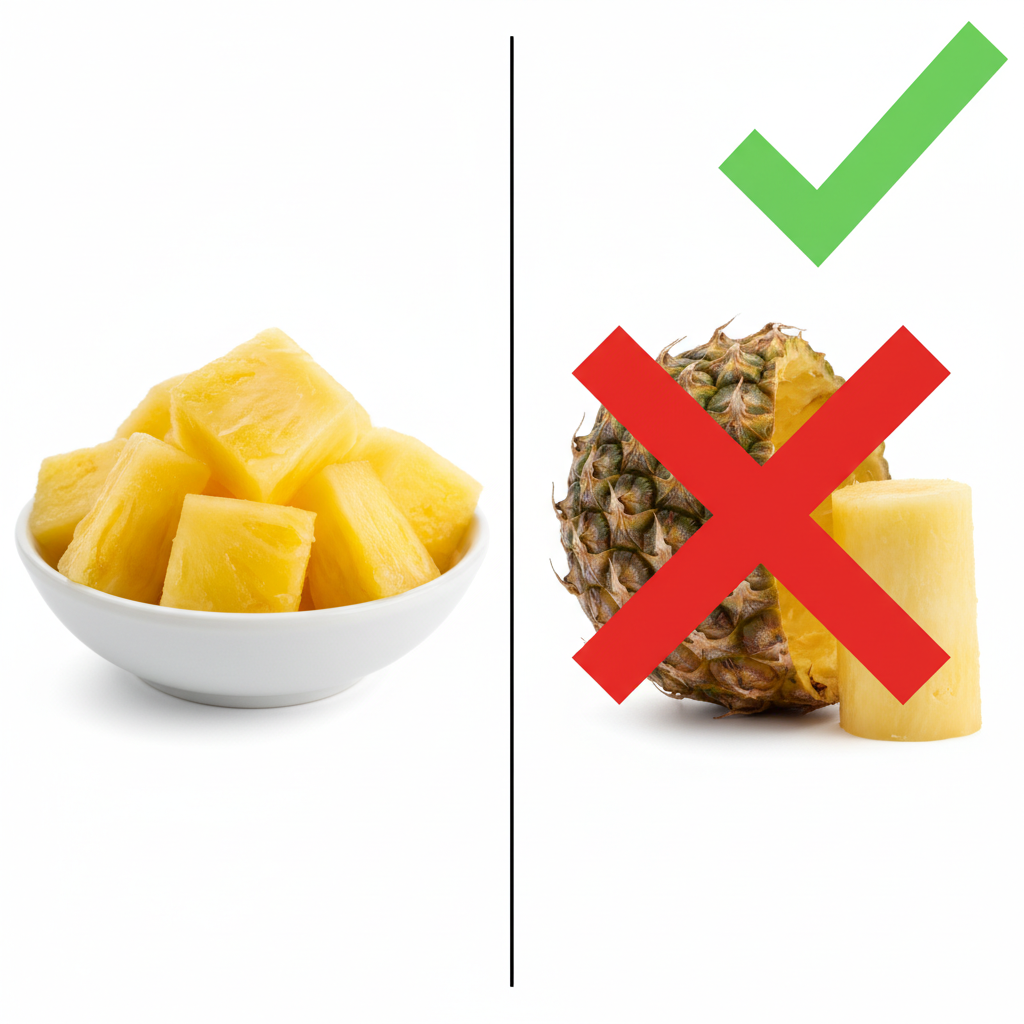
While pineapple is generally safe for dogs, it’s not a free-for-all. Like any treat, it should be given in moderation. Here’s what you need to know to keep your pup safe and healthy.
The main concern with pineapple is its high natural sugar content and acidity. Too much can lead to an upset stomach, diarrhea, or contribute to weight gain over time. Always introduce it slowly to see how your dog’s system handles it.
Here’s a quick breakdown of the pineapple for your pup:
| Part of the Pineapple | Safe or Unsafe? | Reason |
|---|---|---|
| Flesh (the yellow part) | Safe | This is the part that’s tasty and contains the beneficial bromelain enzyme. Serve in small, bite-sized pieces. |
| Core | Unsafe | The core is very tough and fibrous, making it a serious choking hazard and difficult to digest. |
| Skin | Unsafe | The spiky, tough skin is indigestible and can cause intestinal blockages. Never let your dog chew on it. |
| Leaves | Unsafe | The leaves are spiky and can irritate your dog’s mouth and digestive tract. |
Important Takeaway: Moderation is key. Pineapple should be a small part of a balanced diet, not a meal replacement. If your dog has diabetes or is overweight, consult your vet before adding sugary fruits to their diet.
What If the Pineapple Trick Doesn’t Work?
So you’ve been diligently giving your dog their daily pineapple bites, but the poop-eating continues. Don’t lose hope! This remedy isn’t a 100% guarantee, especially if the root cause is deeply behavioral or medical.
If pineapple alone isn’t cutting it, here are your next steps:
- Upgrade Their Diet: Talk to your vet about switching to a high-quality, easily digestible dog food. Sometimes, simply improving their core nutrition is enough to stop the craving.
- Keep It Clean: The easiest way to stop a dog from eating poop is to remove the temptation. Be vigilant about cleaning up your yard immediately after your dog does their business.
- Increase Engagement: A bored dog is a mischievous dog. Increase their daily exercise and provide mental stimulation with puzzle toys, treat balls, and training sessions. A tired, mentally engaged dog is less likely to seek out gross habits.
- Train the ‘Leave It’ Command: A rock-solid ‘Leave It’ command is invaluable. It teaches your dog to ignore tempting items on the ground, including stool. Practice this regularly with high-value rewards.
- Consult a Professional: If you’ve tried everything and are still struggling, it might be time to call in the experts. Your veterinarian can run tests to rule out any final medical causes, and a certified professional dog trainer or animal behaviorist can help you tackle deep-seated behavioral issues.
Remember, stopping coprophagia can be a process of trial and error. Be patient with your pup and celebrate the small victories along the way.
Conclusion
Dealing with coprophagia is no one’s idea of fun, but it’s a solvable problem. For many dogs, the simple addition of pineapple to their diet can be a game-changer, turning their once-irresistible snack into something they’d rather ignore. The frozen pineapple bites recipe is a simple, healthy, and often effective first line of defense.
However, it’s important to remember that every dog is an individual. If the pineapple trick doesn’t work, think of it as one possibility ruled out on your journey to finding the right solution. By combining dietary supplements with good management, training, and professional advice from your vet, you can put this unpleasant chapter behind you and get back to enjoying all the wonderful, non-disgusting things about life with your best friend.