Gross But Healthy: Why Feeding Furry Rabbit Ears Cleans The Gut
Let’s be honest, the first time you see a furry rabbit ear intended as a dog treat, you might do a double-take. It looks… well, a little wild. But what if I told you that this slightly gruesome-looking snack is one of the best things you can give your dog for their digestive health? It’s time to look past the fluff and get to the facts. These natural chews are packed with benefits that can lead to a happier gut, cleaner teeth, and a healthier pup overall. In this guide, we’ll dive into why vets and canine nutritionists are starting to recommend this rustic treat, how it works its magic, and how you can safely add it to your dog’s diet. Get ready to embrace the ‘gross’ for some seriously good health benefits!
The Surprising Science: How Fur Cleans Your Dog’s Gut
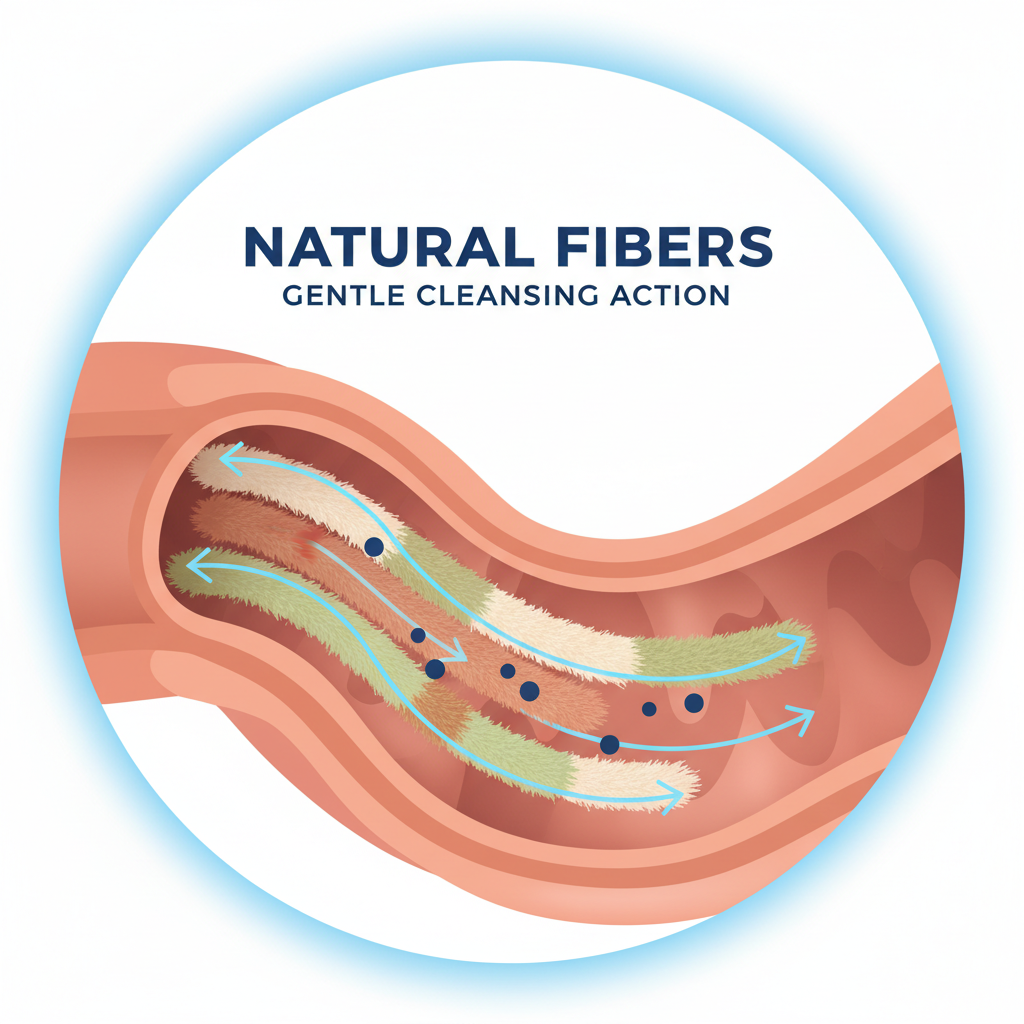
The real magic of furry rabbit ears lies in, you guessed it, the fur! Unlike meat or other digestible materials, the hair on these ears is largely indigestible fiber. As it travels through your dog’s digestive tract, it functions like a natural internal brush. Think of it as a pipe cleaner for their intestines.
This ‘scouring’ action provides several key benefits:
- Cleans the Intestinal Walls: The fur gently scrapes away trapped food particles and other residual waste that can build up over time. A cleaner intestinal tract allows for better nutrient absorption from their regular food.
- Potential Natural Dewormer: While not a replacement for veterinary-prescribed dewormers, the fibrous fur can help clear out certain parasites. The brushing motion can dislodge worms and their eggs from the intestinal lining, which are then passed out in your dog’s stool. Many proponents of natural feeding use it as a preventative measure between regular treatments.
- Promotes Healthy Stools: All that fiber helps to bulk up stool, which can aid in preventing constipation and promoting regular, healthy bowel movements. This can be especially helpful for dogs with sluggish digestive systems.
Expert Tip: Don’t be alarmed if you see some fur in your dog’s poop after they’ve had a rabbit ear. This is completely normal and is a sign that the fur is doing its job and passing through the system as intended!
Beyond the Gut: More Pawsitive Perks of Rabbit Ears
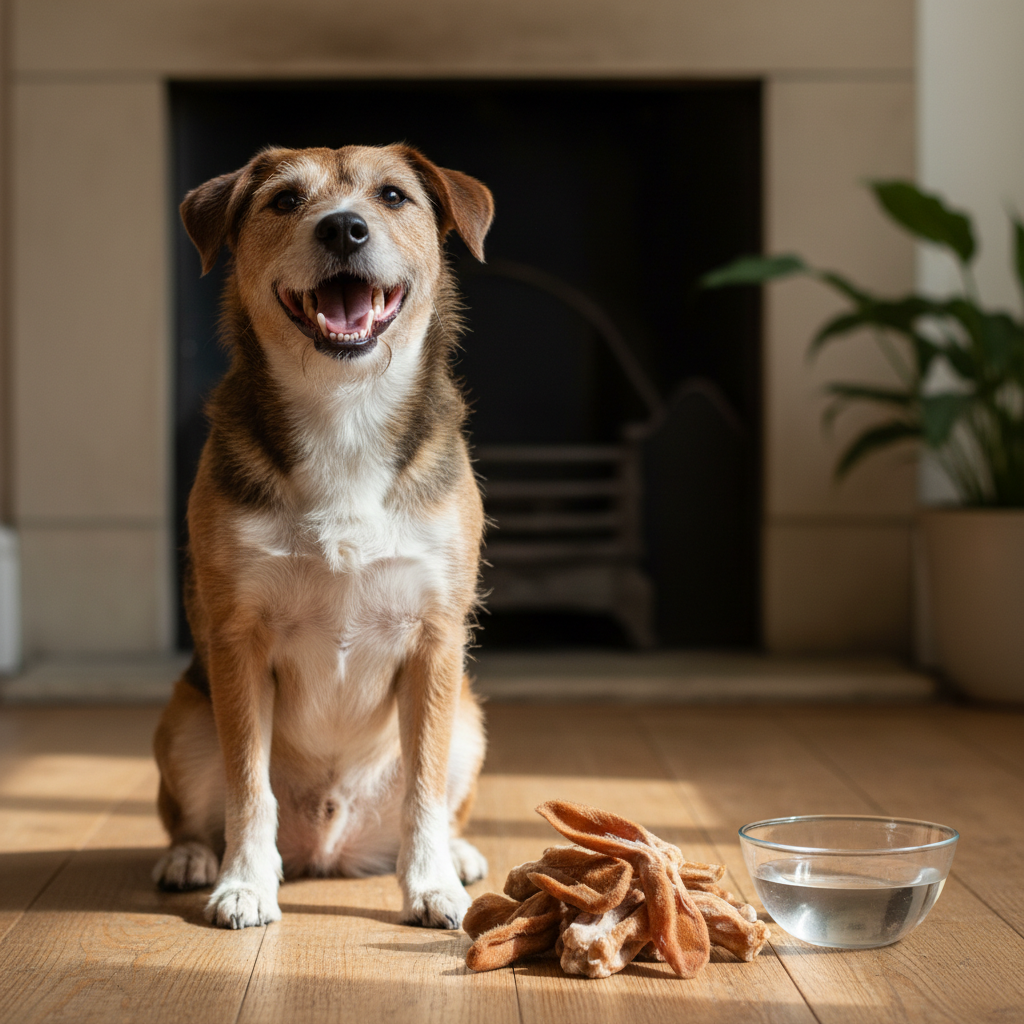
While the gut-cleaning properties are the star of the show, furry rabbit ears offer a whole host of other advantages that make them a fantastic addition to your dog’s treat rotation.
Excellent for Dental Health
The act of chewing on the tough, dried ear helps scrape away plaque and tartar buildup on your dog’s teeth. It’s a natural and enjoyable way for your dog to keep their chompers clean, which can lead to better breath and a reduced risk of dental disease down the line.
Low-Fat, High-Protein Snack
Many popular dog chews can be high in fat. Rabbit ears, however, are naturally low in fat and high in protein, making them an excellent choice for dogs on a weight management plan or those who need a lean protein source. They provide a satisfying chew without adding a lot of extra calories.
Great for Dogs with Allergies
Rabbit is considered a ‘novel protein,’ meaning it’s not a common ingredient in most commercial dog foods. This makes it a fantastic option for dogs who suffer from allergies or sensitivities to more common proteins like chicken, beef, or lamb. If your dog has itchy skin or an upset stomach from other treats, rabbit ears could be the perfect solution.
Safety First: Are Furry Rabbit Ears Safe for Every Dog?
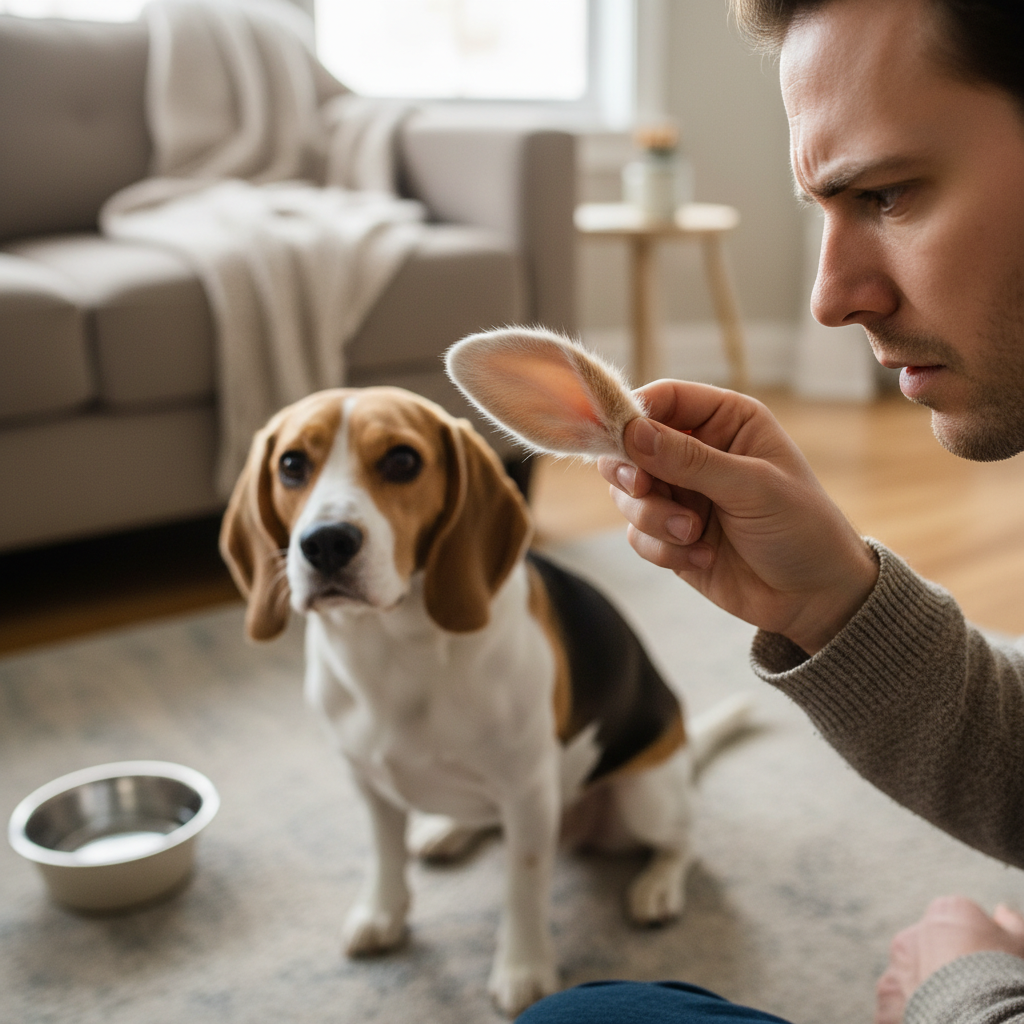
Like any chew, rabbit ears are fantastic when given responsibly, but there are a few safety points to keep in mind. The number one rule is to always supervise your dog with any new chew or treat.
Choking Hazard
For dogs who are notorious ‘gulpers’ and try to swallow things whole, a rabbit ear could pose a choking risk. Always provide a size-appropriate chew and watch your dog to ensure they are chewing it properly, not trying to swallow it in one go. If they manage to chew off a large piece, it’s best to take it away.
Source Matters
It’s crucial to buy rabbit ears from a reputable supplier. Look for brands that state their products are all-natural, with no added chemicals, preservatives, or glues. The ears should be air-dried to retain their nutrients and ensure they are safe for consumption. Avoid cheap, mass-produced versions that may have been treated with harmful substances.
Moderation is Key
Rabbit ears are a treat, not a meal. Too much of a good thing, especially a high-fiber one, can lead to an upset stomach. We’ll cover serving sizes in the next section, but remember to introduce them slowly and keep them as a special, occasional chew.
Puppies and Seniors
For young puppies, it’s best to wait until their adult teeth have come in before offering harder chews. For senior dogs with sensitive teeth, a rabbit ear might be too tough. You know your dog best, so assess their individual chewing style and dental health before offering one.
How to Introduce and Serve Rabbit Ears Safely
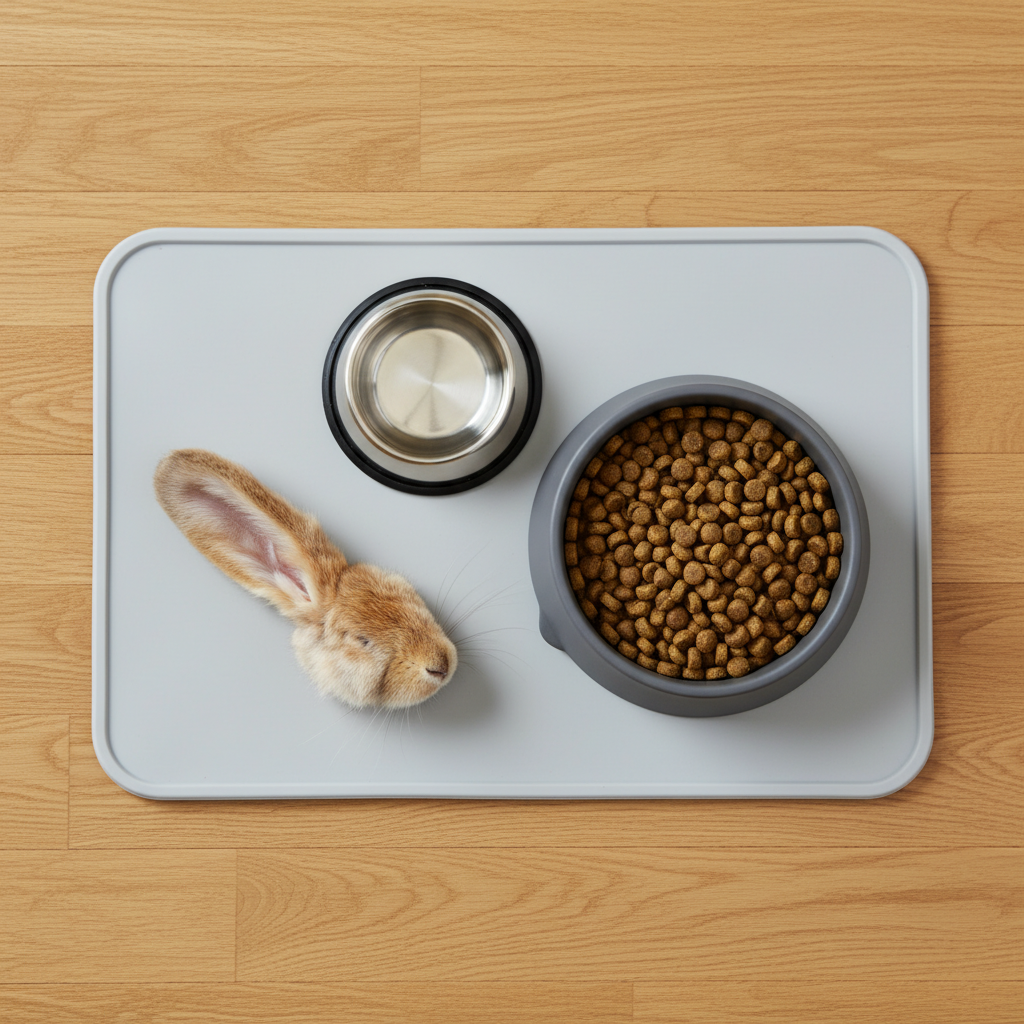
Ready to give it a try? Introducing this new treat is simple. Start by offering your dog just one ear in a calm environment. Hold one end while they get used to the texture and start to chew. This also helps prevent them from gulping it down right away.
Here are some general serving guidelines, but always adjust based on your dog’s individual reaction:
| Dog Size | Recommended Serving |
|---|---|
| Small (Under 20 lbs) | 1 ear per week |
| Medium (20-50 lbs) | 1-2 ears per week |
| Large (Over 50 lbs) | 2-3 ears per week |
Keep an eye on your dog’s digestion for the first 24-48 hours after they’ve had their first ear. As long as their stools are normal, you can incorporate them into their regular treat schedule. And a pro tip: they can be a little messy as small bits of fur might be left behind. It’s a good idea to offer them on a washable mat, in their crate, or even outside to make cleanup a breeze.
Conclusion
So, while furry rabbit ears might not win any beauty contests, they certainly win a top prize for nutritional and digestive benefits. They are a simple, single-ingredient chew that offers a natural way to clean your dog’s gut, improve their dental health, and provide a low-fat, high-protein snack. By choosing a high-quality product and supervising your pup, you can safely add this wonderfully weird treat to their life. It’s a small step toward a more natural and holistic approach to your dog’s well-being—one furry, crunchy, and satisfying chew at a time.