Forget Potatoes: Why Plantain Chips Are The Superior Dog Treat
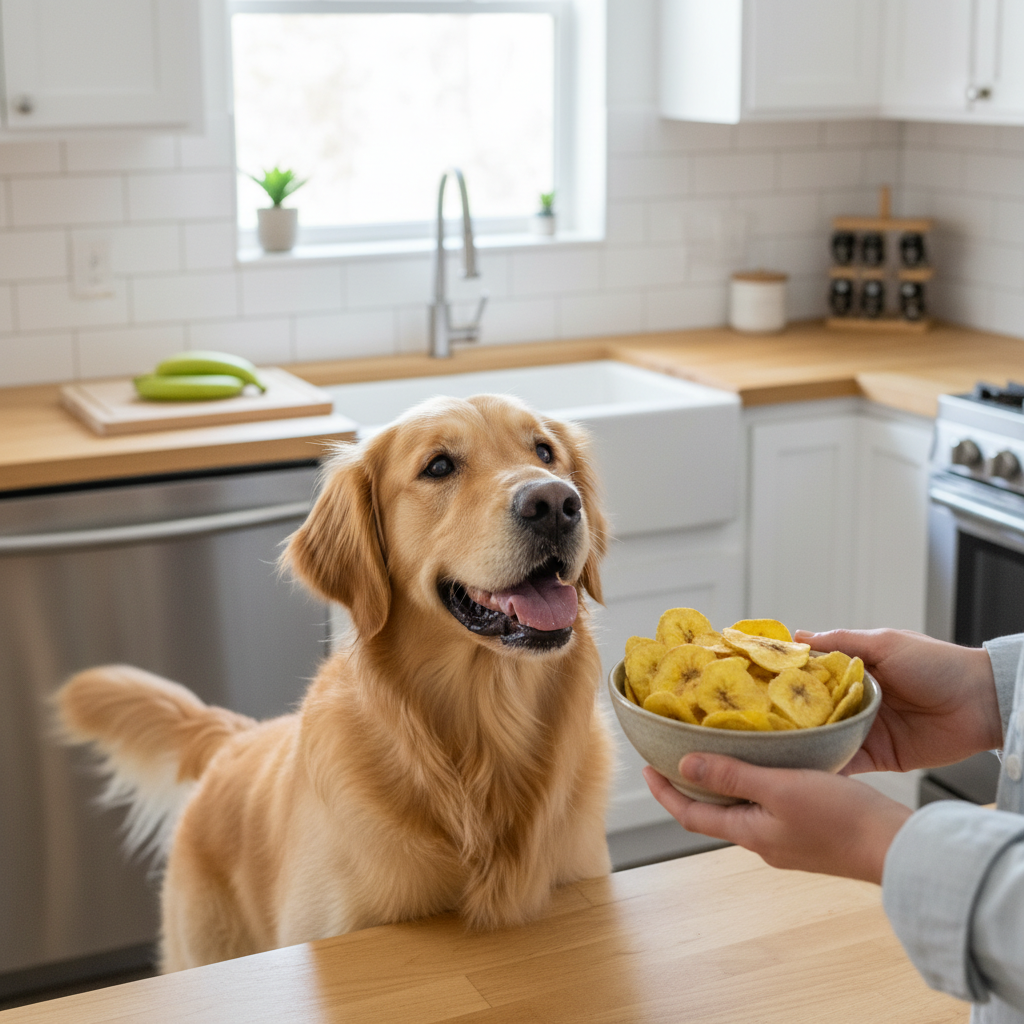
As loving pet parents, we’re always on the lookout for healthy, delicious treats to spoil our four-legged family members. We might reach for a piece of carrot, a slice of apple, or maybe even a bit of cooked potato. But what if I told you there’s a tropical treasure that blows the humble potato out of the water when it comes to canine snacking? Enter the plantain.
You might have seen them in the grocery store looking like oversized bananas, but plantains are a starchy, less-sweet cousin that, when prepared correctly, can be a fantastic, nutrient-packed treat for your dog. It’s time to rethink your treat game. In this guide, we’ll explore why plantain chips aren’t just a fun novelty but a genuinely superior choice compared to potato-based snacks. Let’s peel back the layers on this amazing fruit!
The Nutritional Powerhouse: What Makes Plantains a Paws-itive Choice?
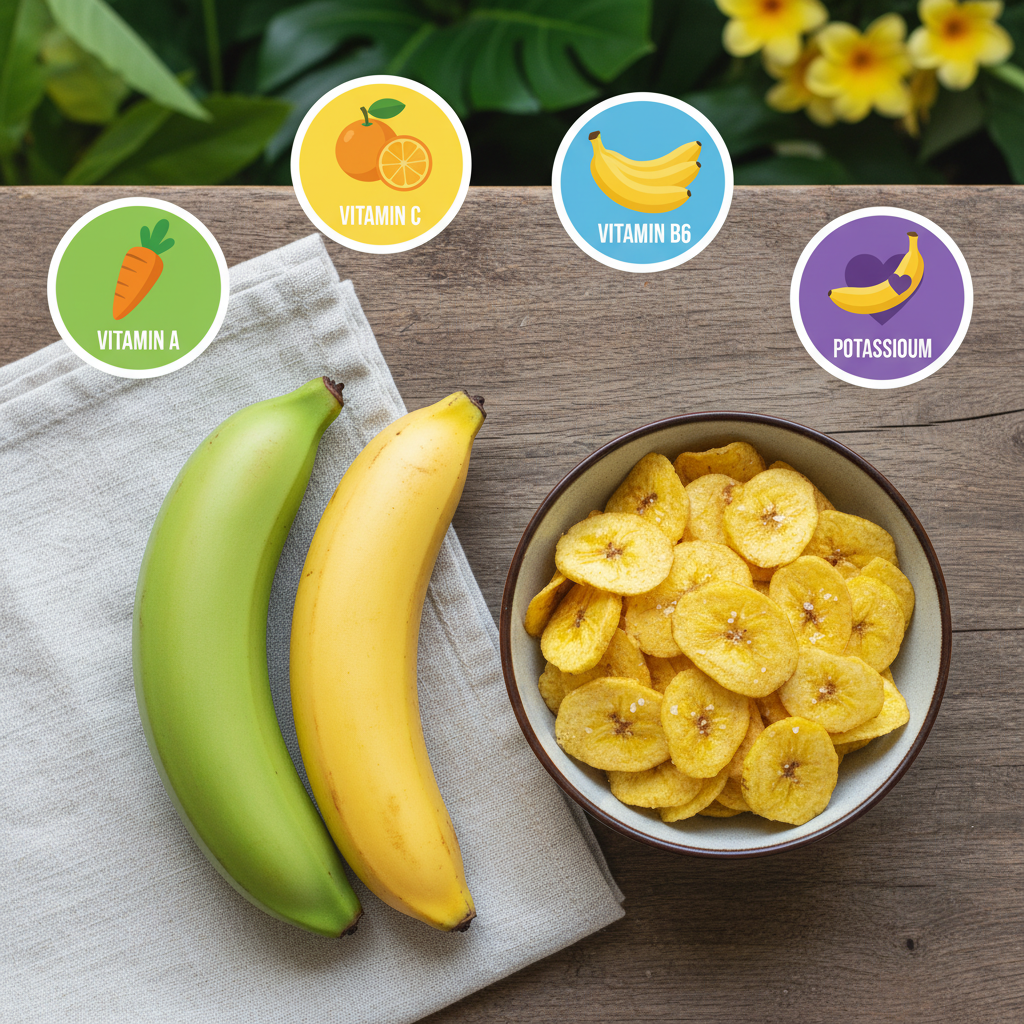
At first glance, plantains and potatoes might seem similar—both are starchy and often served cooked. However, their nutritional profiles tell a different story. Plantains are loaded with vitamins and minerals that can give your dog a healthy boost. Unlike potatoes, which can be problematic, plantains offer a wealth of benefits in every crunchy bite.
Key Nutrients in Plantains:
- Vitamin C: A powerful antioxidant that helps reduce inflammation and supports a healthy immune system.
- Vitamin A: Crucial for maintaining good vision, skin health, and immune function.
- Vitamin B6: Essential for glucose generation, red blood cell function, and a healthy nervous system.
- Potassium: Supports healthy muscle function, nerve signals, and fluid balance. It’s like a natural electrolyte boost!
- Fiber: Plantains are a great source of dietary fiber, which aids in digestion and promotes regular bowel movements.
This combination of nutrients makes plantains an excellent choice for a functional treat—one that not only tastes good but also contributes to your dog’s overall well-being. The fiber content, in particular, can help your dog feel fuller for longer, which is great for pups who are watching their weight.
The Potato Problem: A Side-by-Side Comparison
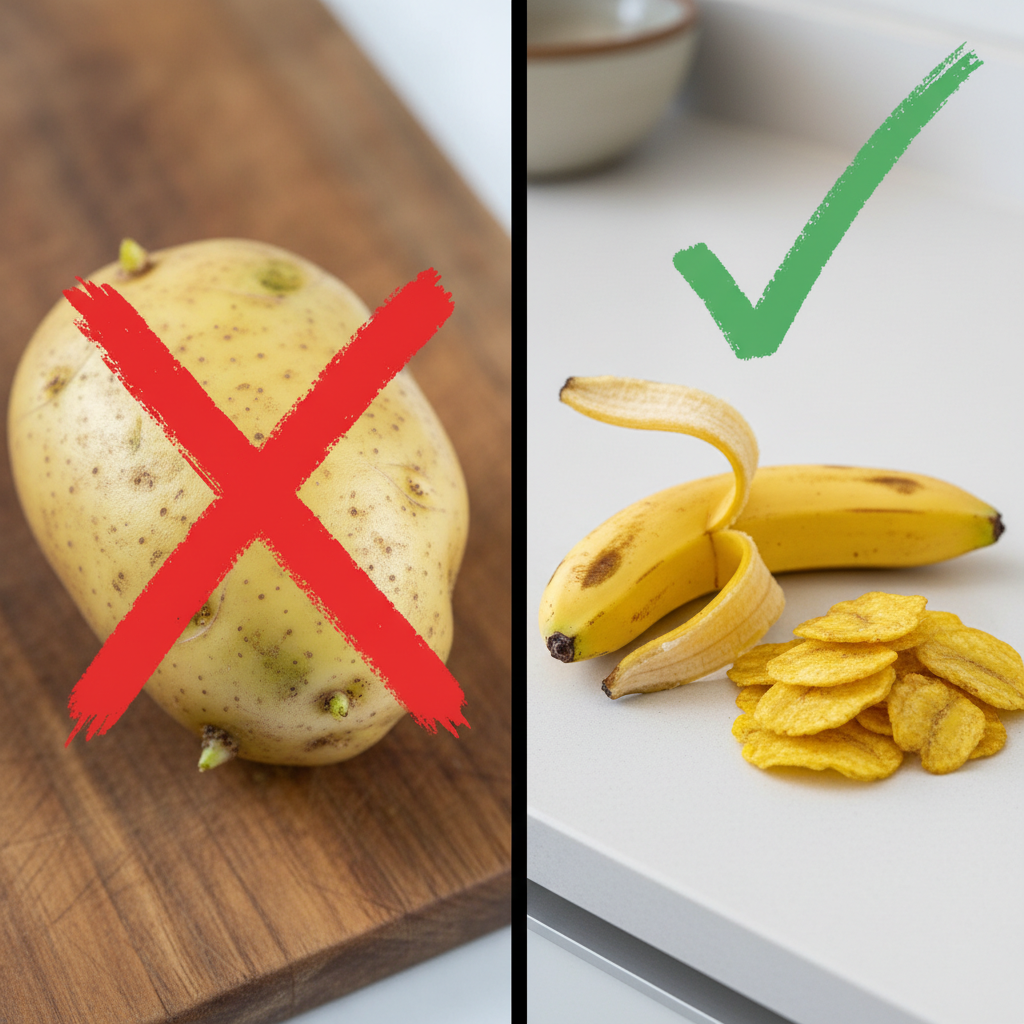
So, what’s the big deal with potatoes? While small amounts of cooked, plain potato are generally safe, they come with a few red flags that make plantains the safer, healthier option.
The Risks of Potatoes for Dogs:
- Solanine Toxicity: Raw potatoes, especially those with green skin, contain a compound called solanine which is toxic to dogs. It can cause everything from gastrointestinal upset to neurological problems. This risk is completely absent in plantains.
- High Glycemic Index: Most common potatoes have a high glycemic index, meaning they can cause a rapid spike in blood sugar. This is particularly concerning for diabetic dogs or those prone to weight gain. Green plantains, on the other hand, have a much lower glycemic index.
- Acrylamide in Fried Versions: The potato chips we eat are a definite no-go. They are often fried, creating a chemical called acrylamide, and are loaded with salt and fat that can lead to pancreatitis and other serious health issues.
Let’s break it down in a simple table:
| Feature | Plantains | Potatoes |
|---|---|---|
| Raw Safety | Safe to eat raw (though less palatable) | Dangerous (contains solanine) |
| Glycemic Index | Lower, especially when green | Higher, can spike blood sugar |
| Key Nutrients | Rich in Vitamins A, C, B6, and Potassium | Good source of Vitamin C and Potassium |
| Fiber Content | High in dietary fiber | Moderate fiber |
| Best Preparation | Baked or dehydrated, no additives | Boiled or baked, completely plain |
Expert Tip: When choosing a starchy treat, always opt for the one with more fiber and a lower glycemic index. For this reason, plantains are the clear winner for your dog’s health.
Preparation is Key: The Right Way to Make Plantain Chips for Your Pup
The number one rule for sharing human food with dogs is that preparation matters—a lot! The delicious, salty, crunchy plantain chips you buy at the store are not safe for your dog. They are typically fried in oil and loaded with salt and other seasonings. The good news is that making dog-friendly plantain chips at home is incredibly easy and affordable.
Simple Baked Plantain Chip Recipe:
- Preheat Your Oven: Set your oven to a low temperature, around 200°F (95°C). The goal is to dehydrate them slowly, not bake them quickly.
- Choose Your Plantain: For a crunchier, less sweet chip, use a green plantain. For a slightly sweeter, chewier treat, use a yellow plantain with a few black spots.
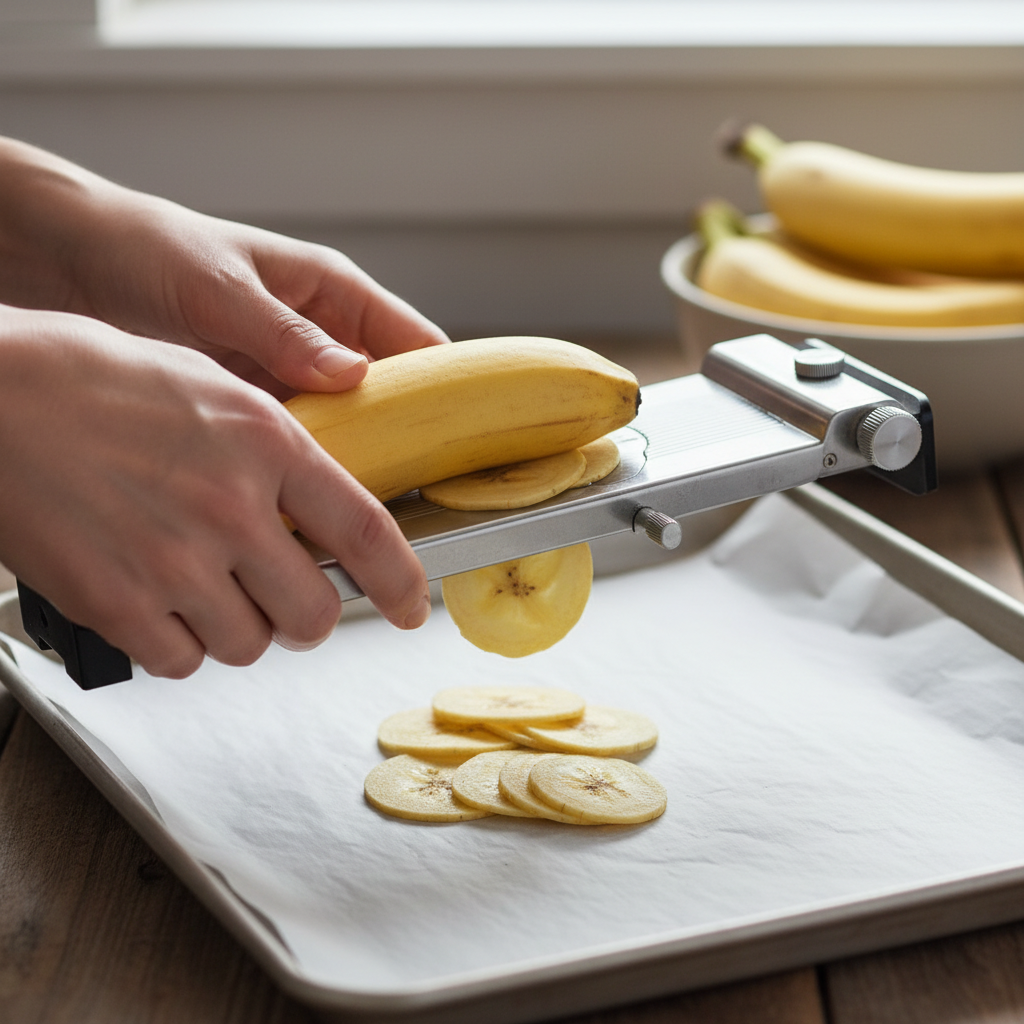
- Slice Thinly: Peel the plantain and slice it into very thin, uniform rounds. A mandoline slicer works wonders here, but a sharp knife will do the job. The thinner the slice, the crispier the chip.
- Arrange on a Baking Sheet: Place the slices in a single layer on a baking sheet lined with parchment paper. Make sure they aren’t overlapping.
- Bake Low and Slow: Bake for 1.5 to 2 hours, flipping them halfway through. They are done when they are dry to the touch and slightly curled at the edges.
- Cool Completely: Let the chips cool on a wire rack. They will get even crispier as they cool down. Store them in an airtight container for up to a week.
Remember: NO oil, NO salt, NO spices. Just pure, delicious plantain!
Serving Size and Safety: How Much is Too Much?
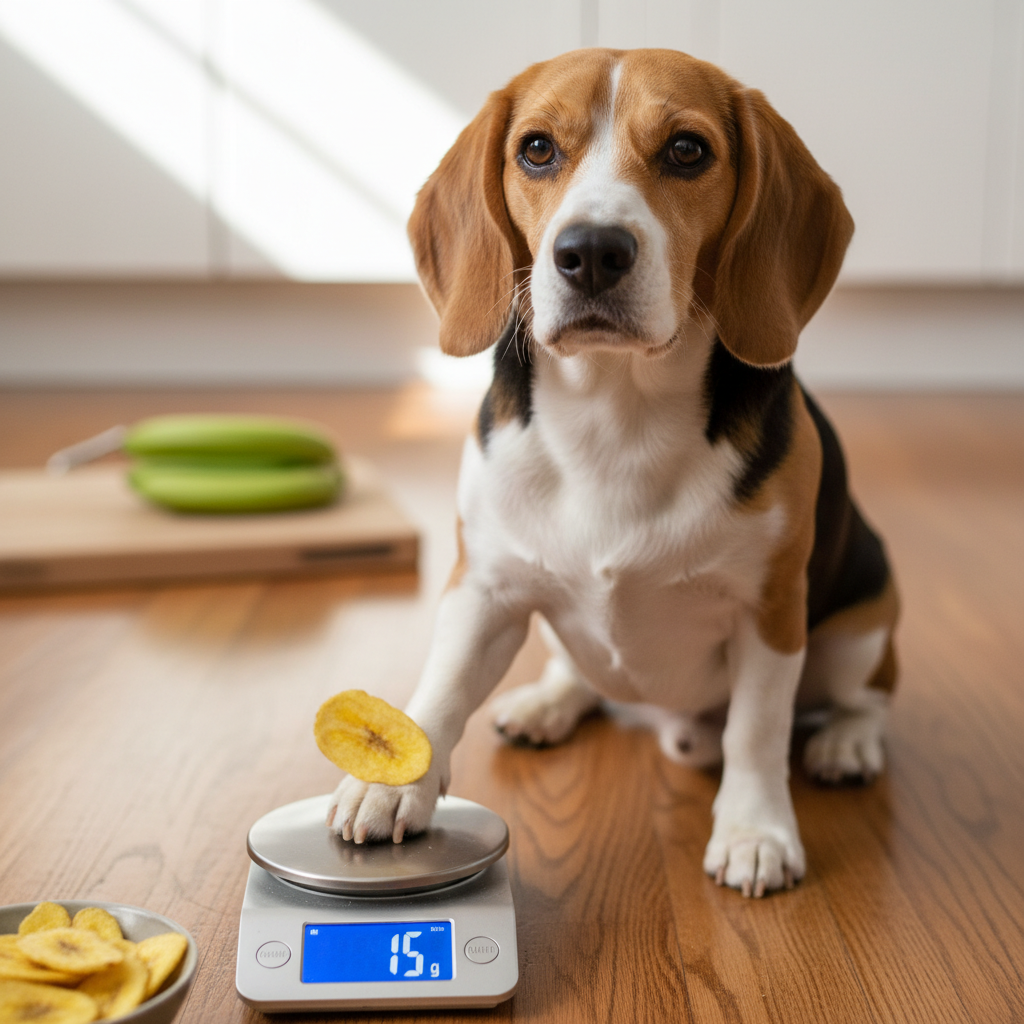
Even with healthy treats, moderation is everything. Plantains, especially ripe ones, contain natural sugars and are relatively high in calories and carbohydrates compared to, say, a cucumber. Overfeeding can lead to weight gain or an upset stomach from too much fiber.
A great rule of thumb for all dog treats is the 10% rule.
Treats should make up no more than 10% of your dog’s total daily caloric intake. The other 90% should come from their complete and balanced dog food.
So, what does this look like in practice?
- For Small Dogs (under 20 lbs): 1-2 small chips per day.
- For Medium Dogs (20-50 lbs): 2-4 chips per day.
- For Large Dogs (over 50 lbs): 4-6 chips per day.
Always introduce any new food slowly to see how your dog’s digestive system reacts. If you notice any signs of an upset stomach, like diarrhea or vomiting, discontinue the treats. While plantain allergies are rare, it’s always best to be cautious. When in doubt, a quick chat with your veterinarian is always a great idea!
Conclusion
It’s time to push the potatoes to the back of the pantry and bring the plantains front and center! When prepared properly, homemade plantain chips are more than just a tasty snack; they are a nutritionally superior, safer, and more beneficial treat for your beloved dog. They offer a fantastic crunch that dogs love, along with a host of vitamins and fiber that support their health from the inside out.
By taking a few minutes to bake a batch of these simple, single-ingredient treats, you can provide your pup with a special reward you can feel great about. So next time you’re in the produce aisle, grab a plantain and treat your best friend to a delicious, healthy, and satisfying crunch!