The #1 Allergy-Friendly Flour You Aren’t Using Yet (Tigernut)
If you’re the parent of a dog with a sensitive stomach or itchy skin, you know the struggle is real. Navigating the world of dog food and treats can feel like walking through a minefield of potential allergens. Wheat, corn, soy, chicken… the list of culprits goes on. You’ve probably tried every grain-free kibble on the market, but what about when you want to bake some special homemade treats for your best friend?
Get ready to meet your new secret weapon. It’s a powerhouse ingredient that’s likely not even on your radar yet, but it’s about to change your dog-treat-baking game forever. We’re talking about tigernut flour. And before you ask, no, it has absolutely nothing to do with tigers or nuts!
Let’s dive into why this humble root vegetable is the #1 allergy-friendly flour you need in your pantry for a happier, healthier pup.
What in the World is a Tigernut? (And Why It’s Not a Nut!)
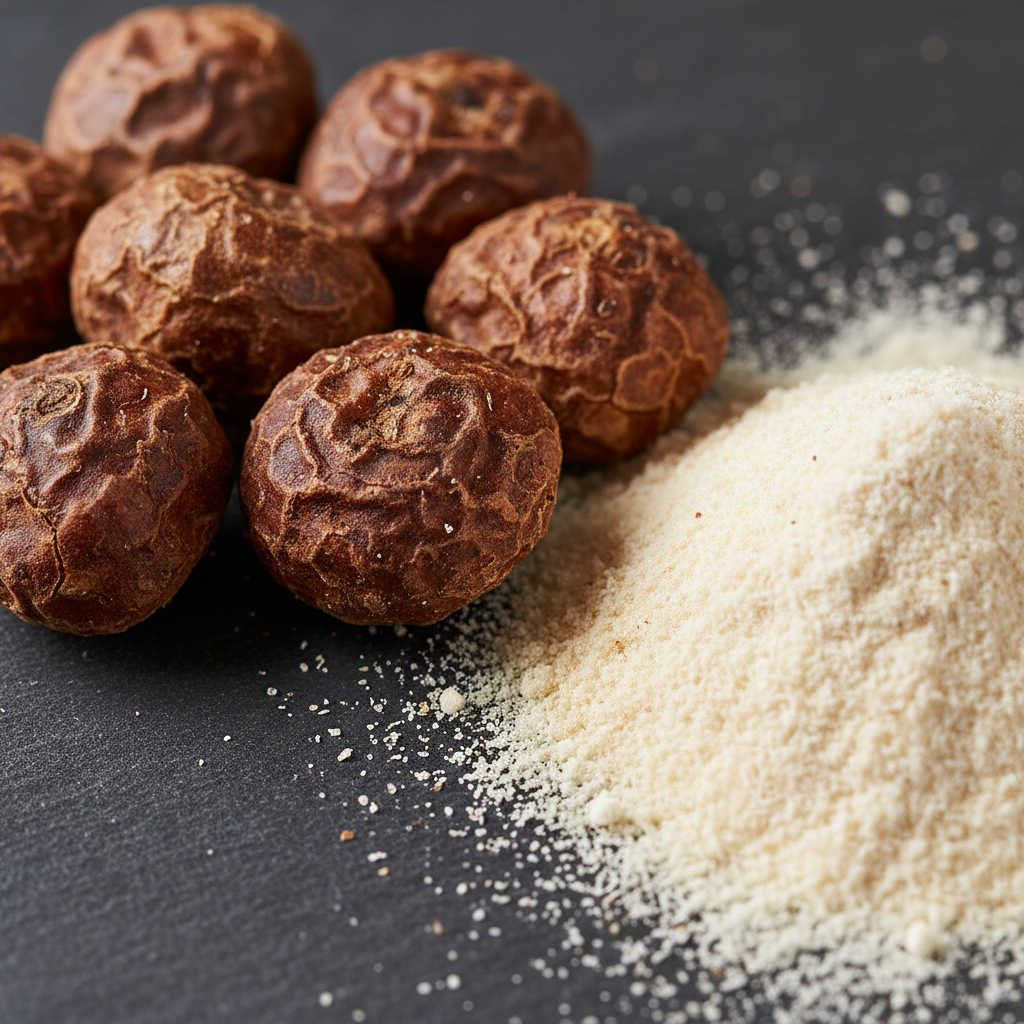
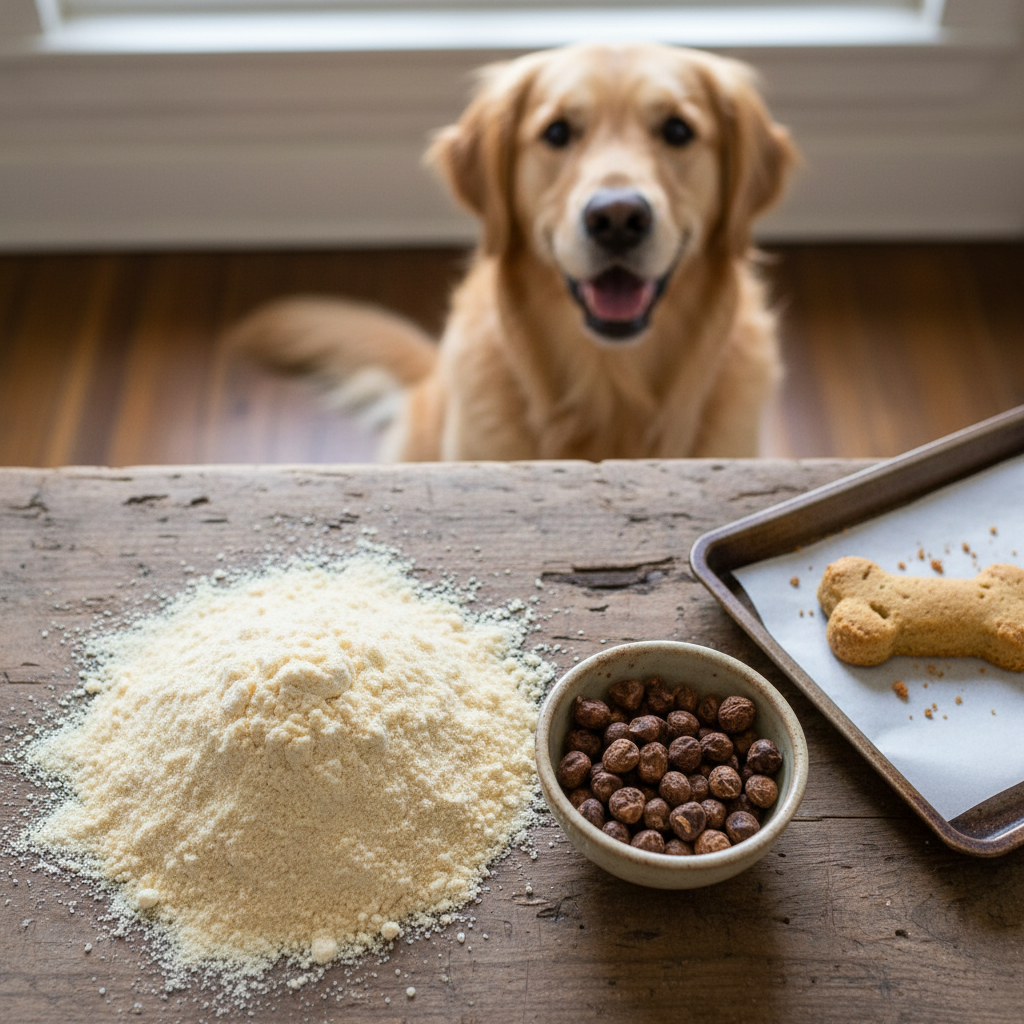
First things first, let’s clear up the confusing name. A tigernut is not a nut at all! It’s a small root vegetable, or tuber, that grows underground, much like a potato or a carrot. They get their name from the faint stripes on their exterior. These tiny tubers have been consumed by humans for centuries and are known for their slightly sweet, nutty flavor, making them a delicious and versatile food source.
Because they are tubers, they are completely free from the proteins that cause nut allergies, making them an incredibly safe option for sensitive dogs (and people!). When dried and ground, they create a fine, pale flour that’s perfect for baking. It’s naturally:
- Grain-Free
- Gluten-Free
- Nut-Free
- Paleo-Friendly
This unique profile immediately sets it apart from common flour alternatives like wheat, rice, or even almond flour, which can be problematic for many dogs.
The Awesome Allergy-Friendly Benefits for Your Pup

So, why should you be excited about tigernut flour? The benefits for your canine companion, especially one with allergies, are pretty amazing. It’s more than just a ‘safe’ flour; it’s a nutritionally dense ingredient that can actively support their health.
A Happy Gut is a Happy Dog
One of the standout features of tigernut flour is its incredible fiber content. Specifically, it’s rich in a type of fiber called resistant starch. This acts as a prebiotic. Think of prebiotics as fertilizer for the good bacteria already living in your dog’s gut. By feeding these beneficial microbes, you help support a balanced gut microbiome, which is crucial for:
- Improved digestion and nutrient absorption
- Regular, healthy bowel movements
- A stronger immune system (a huge portion of which resides in the gut!)
Packed with Essential Nutrients
Tigernut flour isn’t just empty filler. It brings some valuable nutrition to the table. It’s a good source of essential minerals that play vital roles in your dog’s overall health, including:
- Magnesium: Important for muscle function, nerve signaling, and energy production.
- Iron: Crucial for carrying oxygen in the blood.
- Potassium: Helps maintain fluid balance and supports heart health.
Naturally Sweet & Delicious
Dogs have a bit of a sweet tooth, but added sugars are a no-go. Tigernut flour has a natural, subtle sweetness that dogs love. This means you can create tasty treats without needing to add unhealthy sweeteners like sugar or molasses, making your homemade goodies even healthier.
How to Safely Introduce Tigernut Flour to Your Dog’s Diet
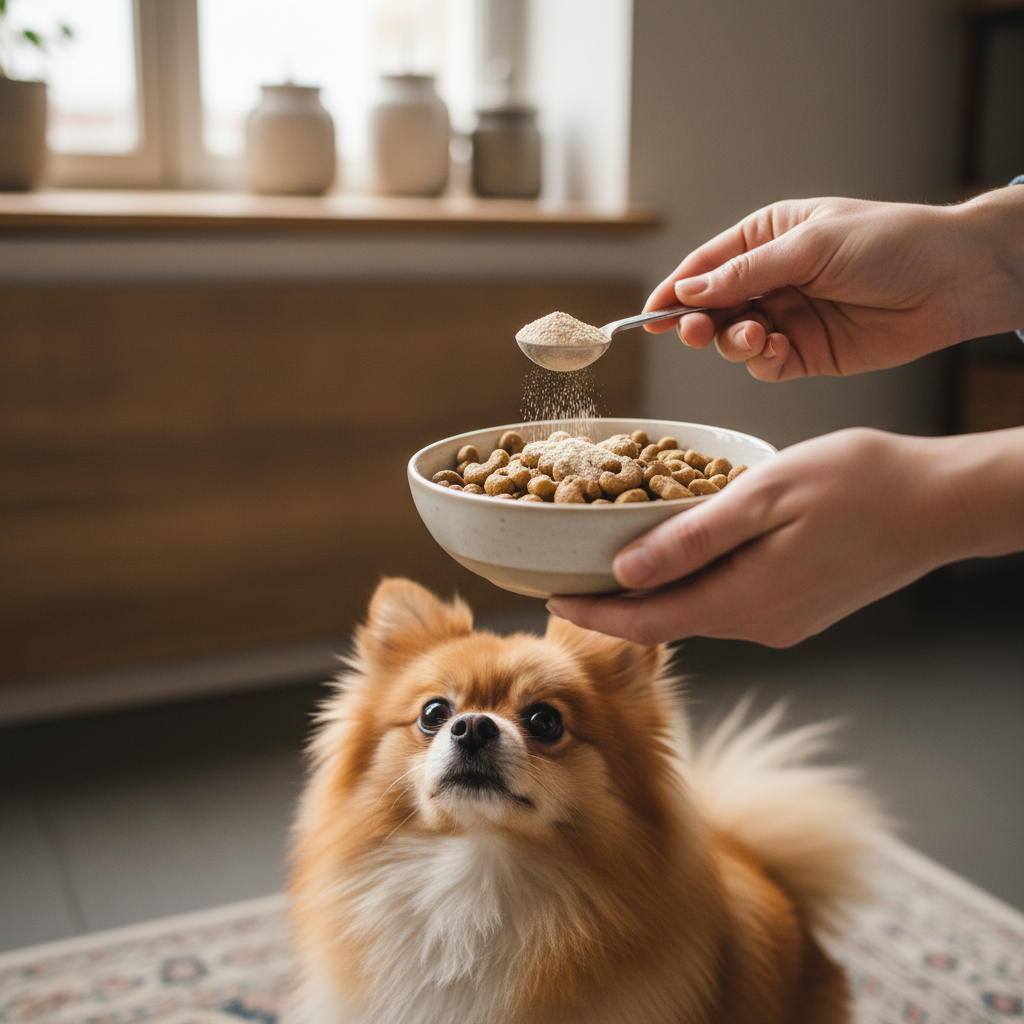
As with any new food, the golden rule is to start low and go slow. Tigernut flour’s high fiber content is a major benefit, but introducing too much too quickly can lead to temporary digestive upset, like gas or loose stools. This is just their system getting used to the new prebiotic goodness!
Here’s a safe way to get started:
- Start with a sprinkle: For your first introduction, simply mix a very small amount into your dog’s regular food. For a small dog, start with 1/4 teaspoon. For a medium or large dog, 1/2 to 1 teaspoon is plenty.
- Observe for a day or two: Keep an eye on your dog’s digestion. If everything looks normal, you’re good to go.
- Bake it in: The best way to use tigernut flour is in homemade treats. When you first start, you can substitute about 25% of the regular flour in a familiar recipe with tigernut flour. As your dog gets used to it, you can increase the ratio or use it as the sole flour in recipes designed for it.
Expert Tip: Because of its fine texture and lack of gluten, tigernut flour can behave differently in baking. It absorbs more moisture than wheat flour, so you may need to adjust the liquid in your recipes slightly. It works wonderfully when combined with a binder like an egg or pumpkin puree.
Easy & Delicious Tigernut ‘Pup-kin’ Spice Treats
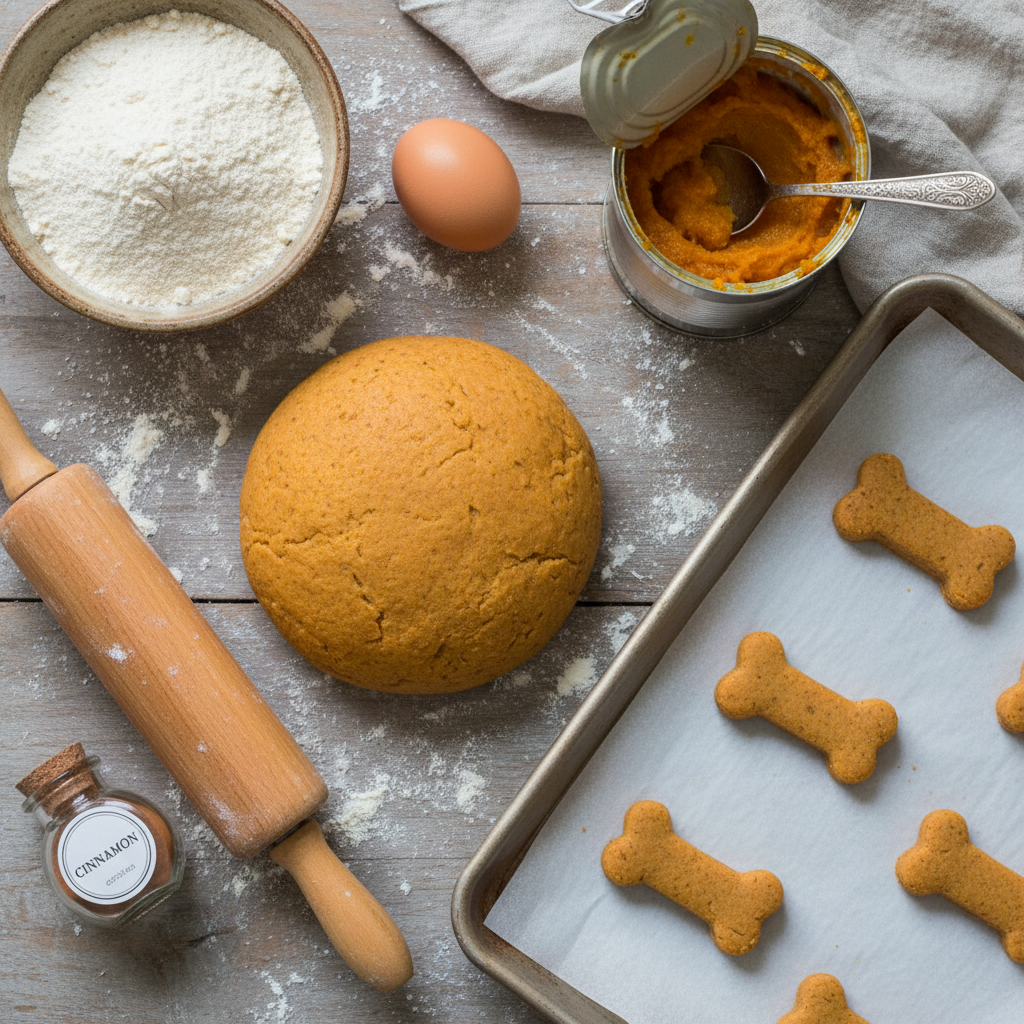
Ready to get baking? Here is a simple, dog-approved recipe that’s perfect for sensitive tummies. It combines the prebiotic power of tigernut with the digestive benefits of pumpkin.
Ingredients:
- 1 cup tigernut flour
- 1/2 cup pure pumpkin puree (not pie filling!)
- 1 large egg
- 1/2 teaspoon ground cinnamon
- 2-4 tablespoons of water, as needed
Instructions:
- Preheat your oven to 350°F (175°C) and line a baking sheet with parchment paper.
- In a medium bowl, whisk together the tigernut flour and cinnamon.
- Add the pumpkin puree and the egg. Mix with a spatula until a thick, slightly sticky dough starts to form.
- If the dough is too dry and crumbly, add water one tablespoon at a time until it comes together. The final consistency should be like a soft cookie dough.
- Lightly flour your work surface with a little extra tigernut flour. Roll the dough out to about 1/4-inch thickness.
- Use your favorite cookie cutters (bone or paw shapes are always a hit!) to cut out the treats and place them on the prepared baking sheet.
- Bake for 15-20 minutes, or until the edges are golden brown and the treats are firm to the touch.
- Let them cool completely on a wire rack before treating your pup. Store in an airtight container for up to a week.
Are There Any Risks or Downsides?

Tigernut flour is overwhelmingly safe and beneficial, but it’s always smart to be aware of the full picture. The potential downsides are minimal and easily managed.
- Too Much Fiber: As we mentioned, the main ‘risk’ is giving too much too soon, which can cause gas or an upset stomach. This isn’t a sign of an allergy but rather an indication to scale back the serving size and introduce it more gradually.
- Calorie Content: Like any flour, it contains calories. Homemade treats are wonderful, but they should still be given in moderation and accounted for in your dog’s daily caloric intake to prevent unwanted weight gain.
- Sourcing: Always ensure you are buying 100% pure tigernut flour. Check the label to make sure there are no added ingredients, preservatives, or sweeteners like xylitol, which is highly toxic to dogs.
When used responsibly, tigernut flour is an exceptionally safe and healthy addition to your dog’s diet.
Conclusion
For dog parents navigating the tricky waters of food sensitivities, tigernut flour is a game-changer. It’s not just another grain-free substitute; it’s a gut-friendly, nutrient-rich, and delicious ingredient that opens up a whole new world of safe and healthy homemade treats.
By swapping out problematic flours for this incredible tuber, you can finally bake for your best friend without worry. You’re giving them a treat that not only tastes great but also actively contributes to their digestive health and overall well-being. So, head to your local health food store or browse online, grab a bag of tigernut flour, and get ready to see one very happy, tail-wagging pup.