Canine Genius: How to Teach Your Dog to Recognize and Pick Colors
Have you ever watched your dog intently study a new toy and thought, ‘What’s going on in that brilliant mind?’ Many dog owners look for new ways to challenge their pups and deepen their connection. Teaching your dog to recognize colors is a fantastic, impressive trick that does both! Now, let’s clear up a common myth: dogs are not completely colorblind. They just see the world differently than we do. Their color spectrum is mostly made up of yellows, blues, and shades of gray. They can’t easily distinguish between reds and greens. But this limited palette is all we need to work with! This guide will walk you through the step-by-step process of teaching your dog to identify colors. It’s less about them becoming art critics and more about teaching them to discriminate between different objects based on a verbal cue. It’s a brilliant brain game that’s built on patience, positive reinforcement, and a whole lot of fun.
Gathering Your Color-Training Toolkit
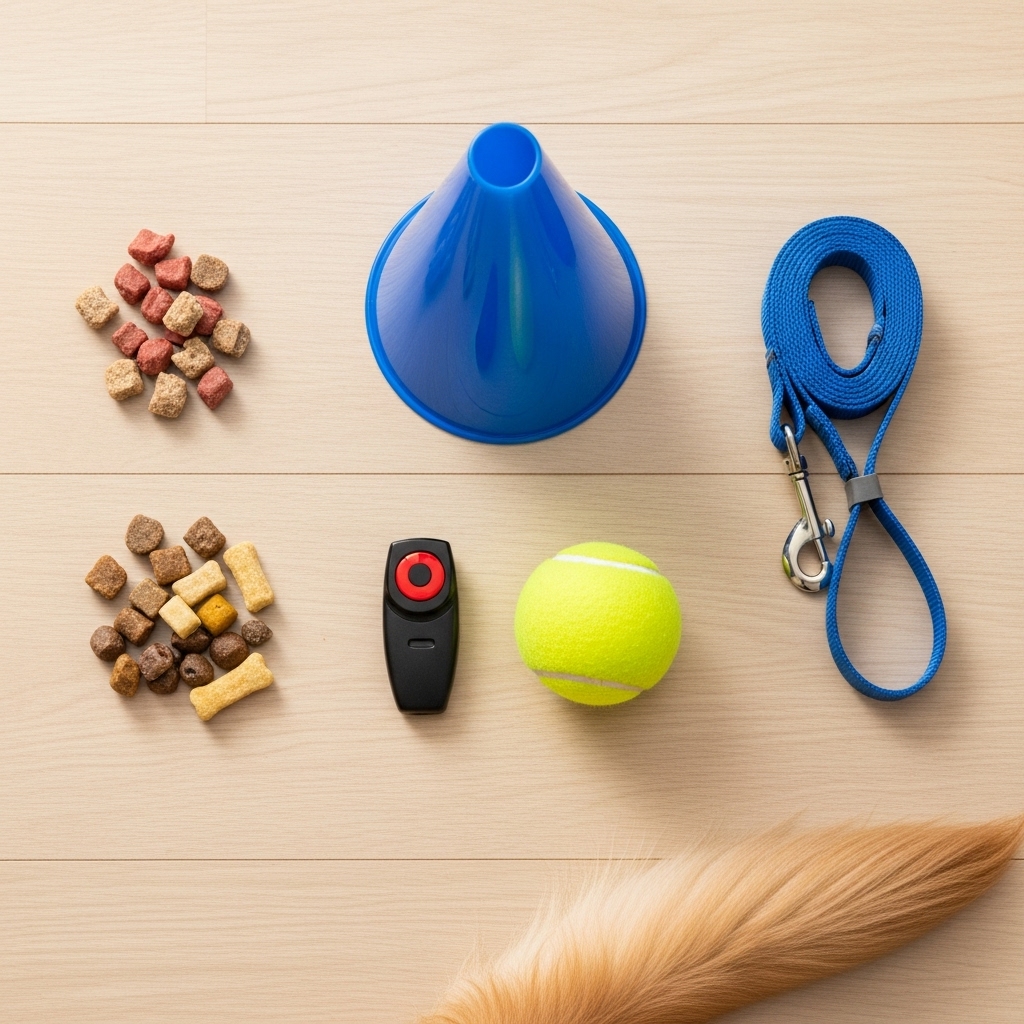
Before you and your canine student embark on this colorful adventure, you’ll need to gather a few essential supplies. Having everything ready will make your training sessions smooth, efficient, and much more enjoyable for both of you. Think of it as setting up your classroom for success!
What You’ll Need:
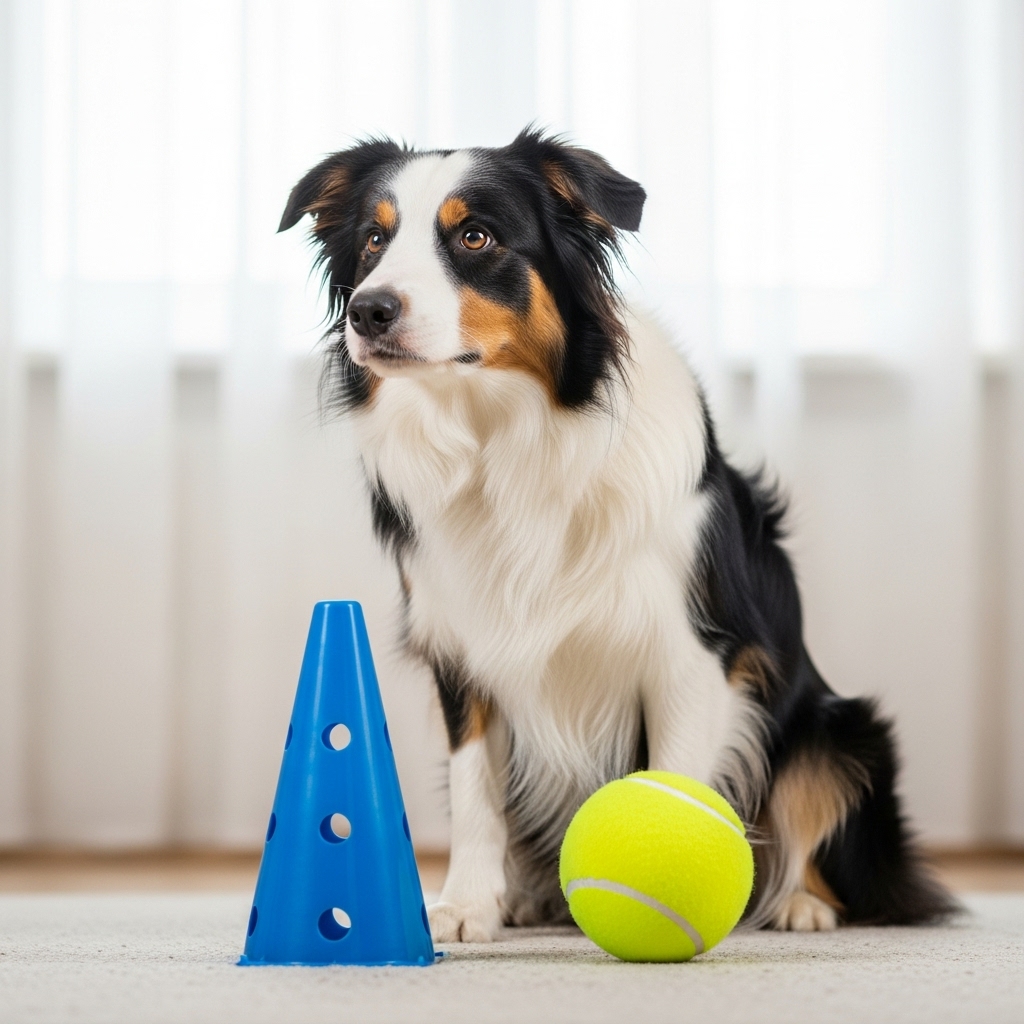
- Distinctly Colored Objects: This is the most important part! You’ll need at least two items that are very different in color, specifically on the blue-yellow spectrum that dogs see well. Good examples include a blue ball and a yellow cone, a blue ring toy and a yellow rubber chicken, or even large, colored pieces of cardstock. The key is to start with two colors that are easy for your dog to tell apart. Avoid reds and greens for now.
- High-Value Treats: Standard kibble might not cut it for this level of brain work. Use extra-special, pea-sized treats that your dog absolutely loves. Think small pieces of chicken, cheese, or their favorite soft training treats. The goal is to make the reward worth the effort.
- A Clicker (Optional, but Recommended): A clicker is a fantastic tool for marking the exact moment your dog does something right. This precision helps your dog understand precisely what action earned them a reward, speeding up the learning process. If you’re not using a clicker, you can use a consistent verbal marker like a sharp “Yes!”.
- A Positive Attitude: Training should always be fun. Bring your patience, your enthusiasm, and be ready to celebrate the small wins. Your dog feeds off your energy, so a happy trainer makes for a happy and willing student.
Step 1: The Foundation – Introduce a Single Color Target
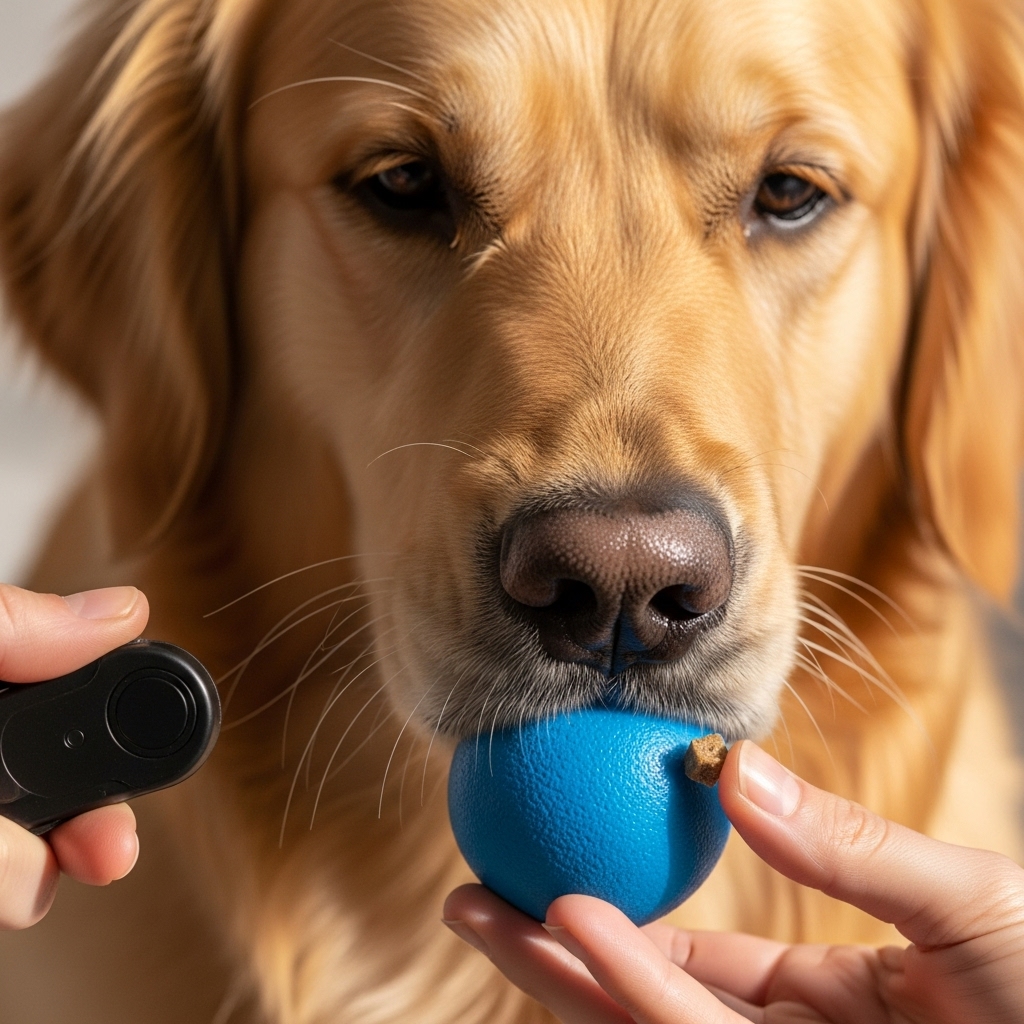
We can’t just jump into asking our dogs to choose between colors. First, we need to teach them the basic skill of interacting with an object on cue. This is called ‘targeting.’ We will teach our dog to touch a specific colored object with their nose or paw. We’ll start with just one color to keep things simple and build a strong foundation.
- Choose Your First Color: Let’s start with the blue object. Place it on the floor in front of your dog.
- Reward Curiosity: The moment your dog shows any interest in the object—looking at it, sniffing it, or moving towards it—click your clicker (or say “Yes!”) and immediately give them a treat. This teaches them that interacting with this new object is a very good thing.
- Shape the ‘Touch’: Continue to click and treat for interactions, gradually waiting for more specific contact. First, they might sniff it, then bump it with their nose. Your goal is a deliberate nose or paw touch. Be patient! This is called ‘shaping’ the behavior.
- Add the Color Cue: Once your dog is reliably touching the object, you can start adding the verbal cue. Just before they touch it, say the color name clearly and happily: “Blue!” As soon as they make contact, click and treat. Repeat this many times over several short sessions. The goal is for your dog to hear the word “Blue” and immediately think of touching that blue object.
Step 2: Making the Choice – Introducing a Second Color
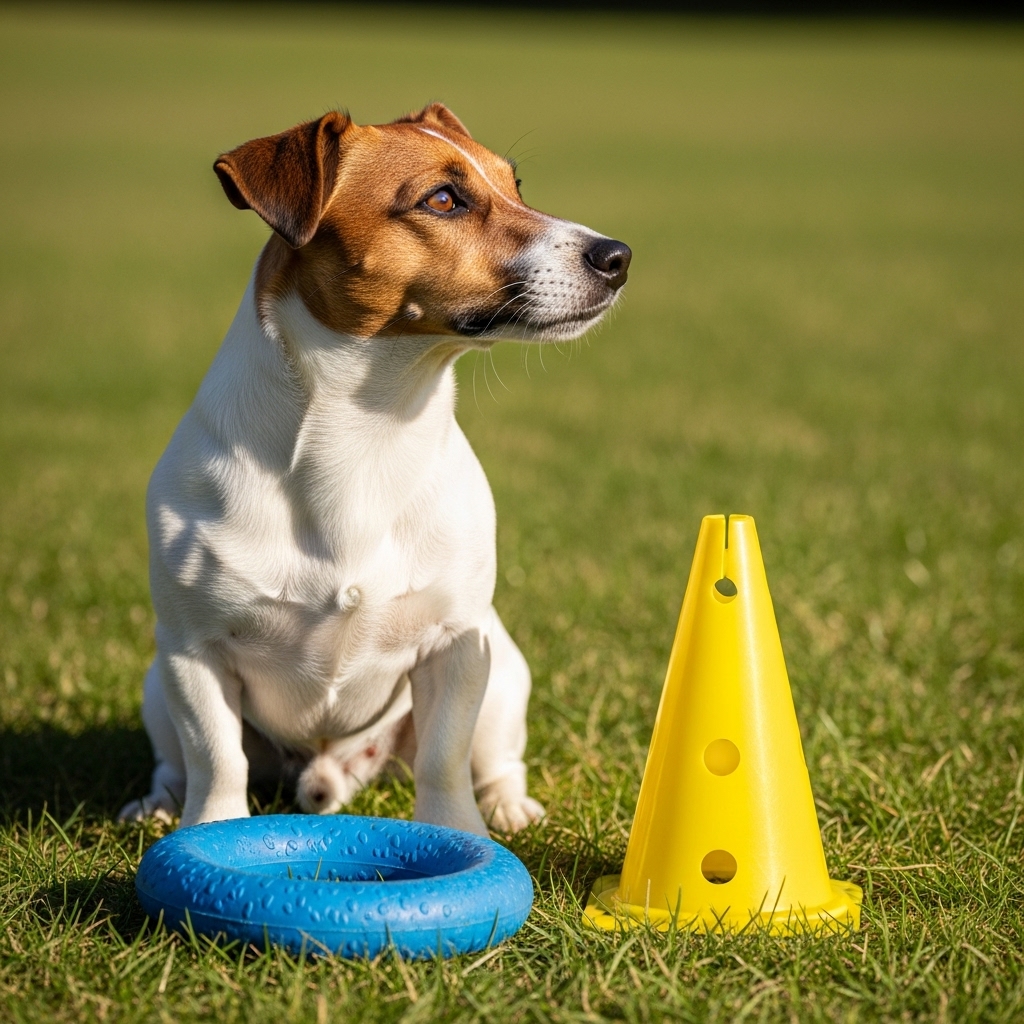
This is where the real magic happens! Once your dog has mastered targeting the first color on cue, it’s time to introduce the second color and teach them the crucial skill of discrimination—choosing the correct item when presented with an option. This step requires patience and a clear understanding of positive reinforcement.
- Teach the Second Color Separately: First, put the blue object away. Now, introduce your yellow object and repeat the exact same process from Step 1. Shape the ‘touch’ behavior and then link it to the verbal cue “Yellow!” Make sure your dog is just as confident with this new color cue as they were with the first one.
- The Big Reveal – Present Both Objects: Now, place both the blue and yellow objects on the floor, a few feet apart from each other. This prevents your dog from accidentally touching the wrong one. Take a breath—it’s test time!
- Give the Cue: Ask your dog for one of the colors. For example, say “Blue!” in a clear, encouraging voice.
- The Moment of Truth: If your dog moves towards and touches the correct object (the blue one), throw a party! Give them a ‘jackpot’ of several treats, one after the other, along with lots of praise. This huge reward tells them they made an excellent choice.
- Handling Mistakes Gracefully: What if your dog touches the yellow object instead? It’s critical that you do… nothing. Don’t say “No,” don’t sigh, don’t pull them away. Simply pick up the objects, reset, and try again after a moment. Any reaction, even a negative one, can be confusing. We want to make the right choice incredibly rewarding and the wrong choice completely neutral.
Expert Tip: Always vary the position of the objects! Dogs are masters of pattern recognition. If the blue object is always on the left, they might learn to just go left, not to actually recognize the color. Mix it up in every repetition.
Troubleshooting and Taking It to the Next Level
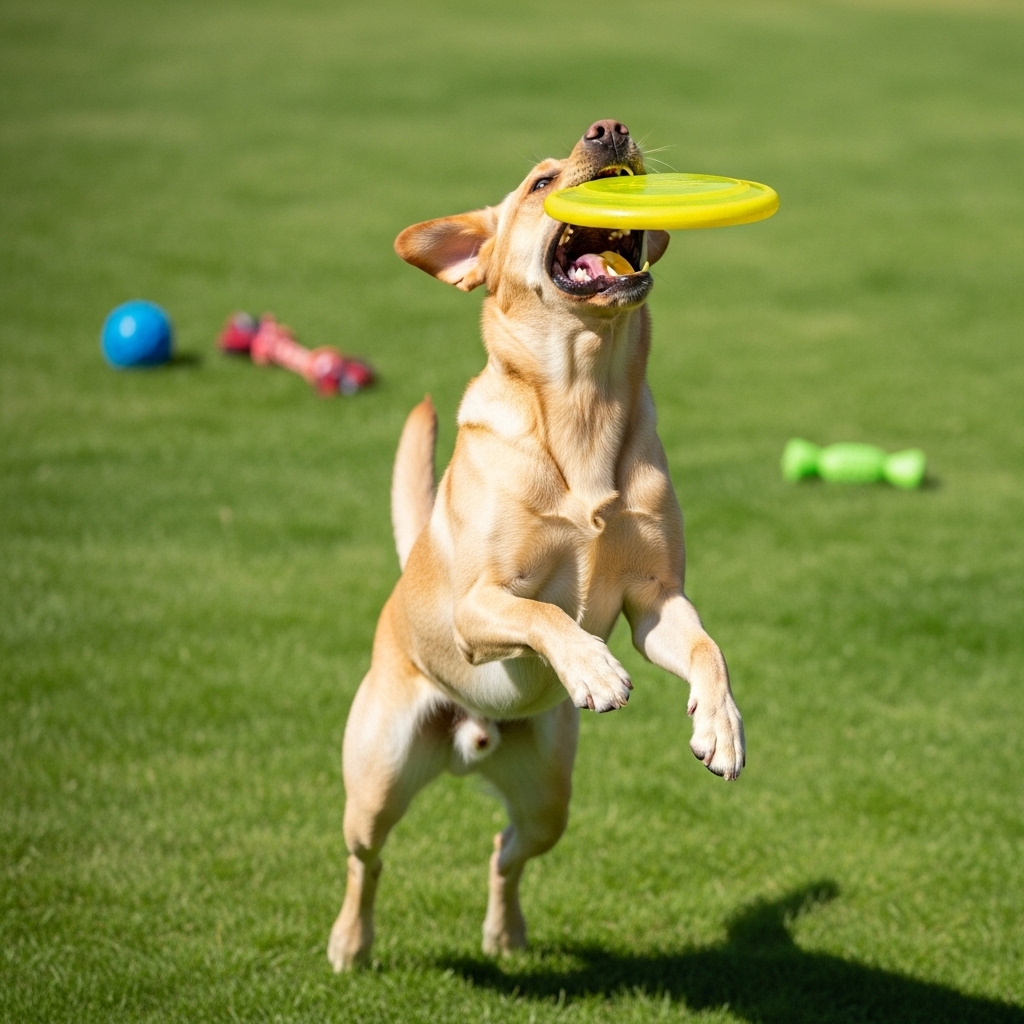
Even with the best plan, you might hit a few bumps in the road. That’s a normal part of any training process! Here are some common challenges and how to overcome them, plus some fun ideas for once your dog has mastered two colors.
Common Training Hurdles
- My dog always picks the object on the same side. This is a classic issue! It means your dog has picked up on a location pattern. The fix is simple: be more random! Before each repetition, switch the items’ positions. Sometimes have them far apart, sometimes close. Sometimes left/right, sometimes near/far.
- My dog seems confused or frustrated. This is a sign to take a step back. The training might be moving too fast, or the sessions might be too long. End the session on a positive note with an easy win (like asking for a simple ‘sit’) and try again later. Keep sessions short and sweet—just 5 minutes at a time is perfect.
- How do I know if they’re really seeing the color? This is the million-dollar question! To test it, try using different objects of the same colors. For example, swap your blue cone for a blue toy car and your yellow ball for a yellow sock. If your dog can still correctly identify the “Blue” and “Yellow” items, you can be confident they’ve generalized the color cue beyond just the original objects.
Advanced Fun: What’s Next?
Once your dog is a pro at two colors, why stop there? You can slowly introduce a third color (like a gray or white object, which will look different from blue and yellow). You can also start using this skill in fun ways, like asking your dog to “Bring me the blue ball” from a pile of toys. The possibilities for enriching your dog’s life through these fun brain games are endless!
Conclusion
Teaching your dog to recognize colors is so much more than just a cool party trick. It’s a powerful way to engage their mind, build their confidence, and communicate with them on a whole new level. Remember that every dog learns at a different pace, so the most important tools in your kit will always be patience and positivity. Celebrate the small successes, laugh at the goofy mistakes, and enjoy the incredible process of unlocking your canine’s genius. By turning training into a game, you’re not just teaching a skill—you’re building a stronger, more joyful bond that will last a lifetime. Now go grab your colors and have some fun!