Sassy Tricks: How to Teach Your Dog to Shake Their Head No” on Command”
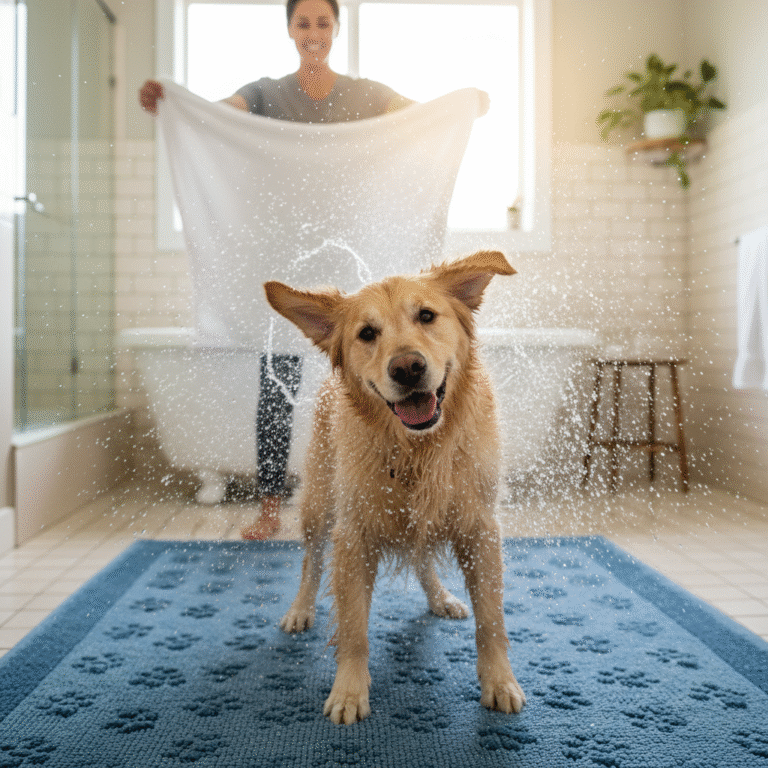
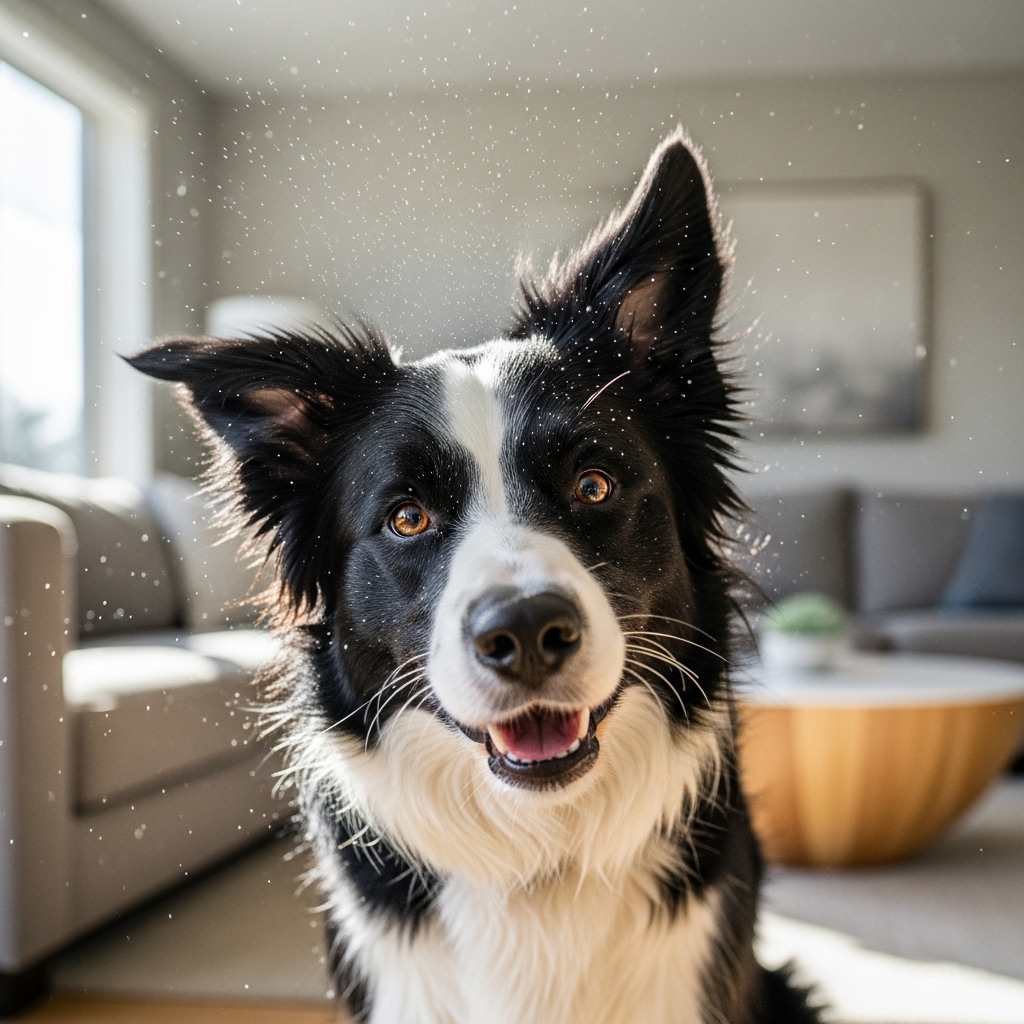
Beyond the classic ‘sit,’ ‘stay,’ and ‘come,’ lies a world of fun, personality-filled tricks that can deepen the bond you share with your furry friend. One of the most charming and amusing tricks you can teach is the head shake for ‘no.’ Imagine asking your dog if they want a bath and getting a definitive head shake in response! It’s not only a crowd-pleaser but also a fantastic way to engage your dog’s brain.
Don’t worry, you don’t need to be a professional dog trainer to master this one. With a little patience, a handful of tasty treats, and a positive attitude, you can teach your pup this sassy new skill. This guide will break down the entire process into simple, easy-to-follow steps. Let’s get started!
Gathering Your Training Toolkit
Before you jump into training, it’s a good idea to get everything you need in one place. The good news is, you won’t need any fancy or expensive equipment for this trick. The most important tool is your positive energy!
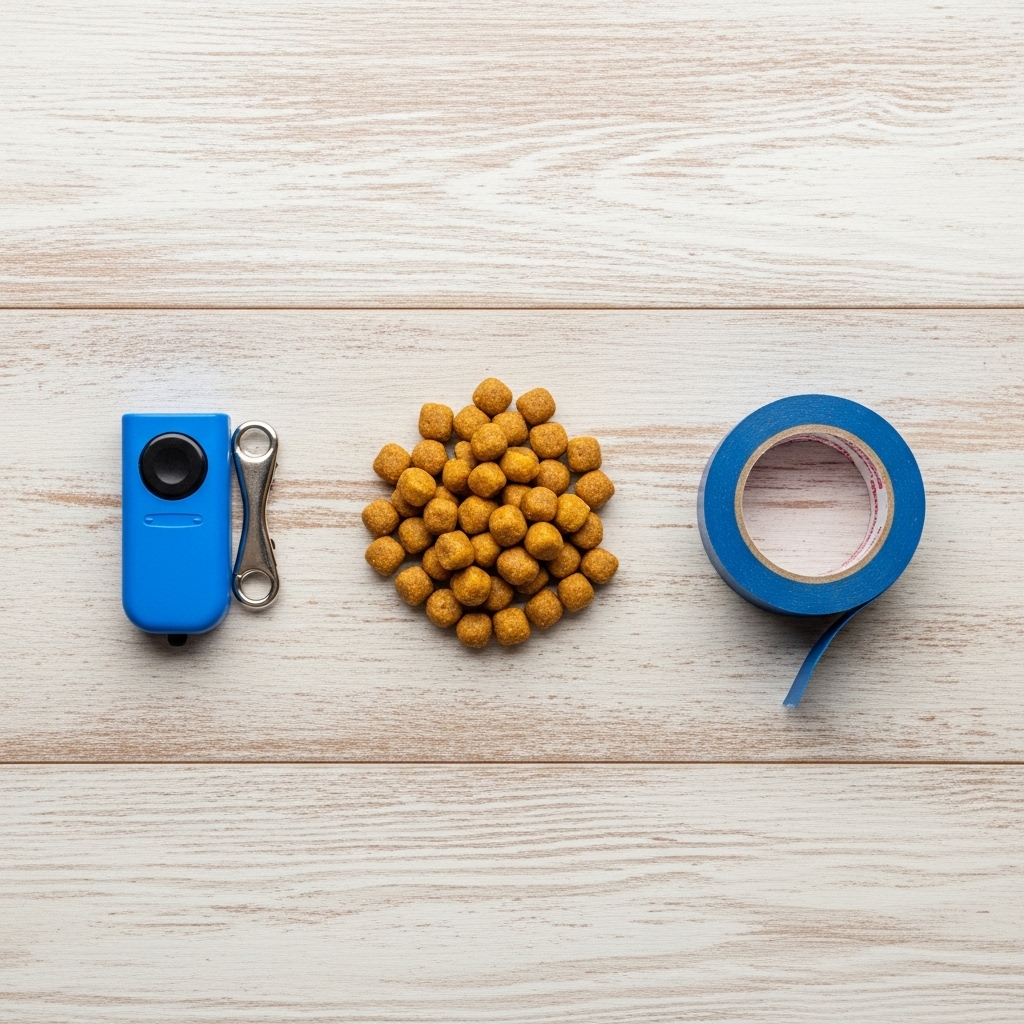
Here’s what you’ll need:
- High-Value Treats: These should be small, soft, and extra delicious treats that your dog absolutely loves. Think tiny pieces of chicken, cheese, or special training treats. The goal is to make the reward so good that your dog is highly motivated to work for it.
- A Clicker (Optional): A clicker is a great tool for ‘marking’ the exact moment your dog performs the correct behavior. If you don’t have one, a consistent verbal marker like a sharp “Yes!” works just as well.
- A Non-Irritating Sticky Item: This is the secret ingredient! A small piece of painter’s tape or a Post-it note is perfect. You need something that will stick lightly to your dog’s fur without pulling or causing discomfort. Never use strong adhesives like duct tape or packing tape.
- A Quiet, Distraction-Free Space: Choose a room in your house where you and your dog can focus without being interrupted by other pets, people, or loud noises. A calm environment sets the stage for a successful training session.
Step-by-Step: Capturing the Natural Head Shake
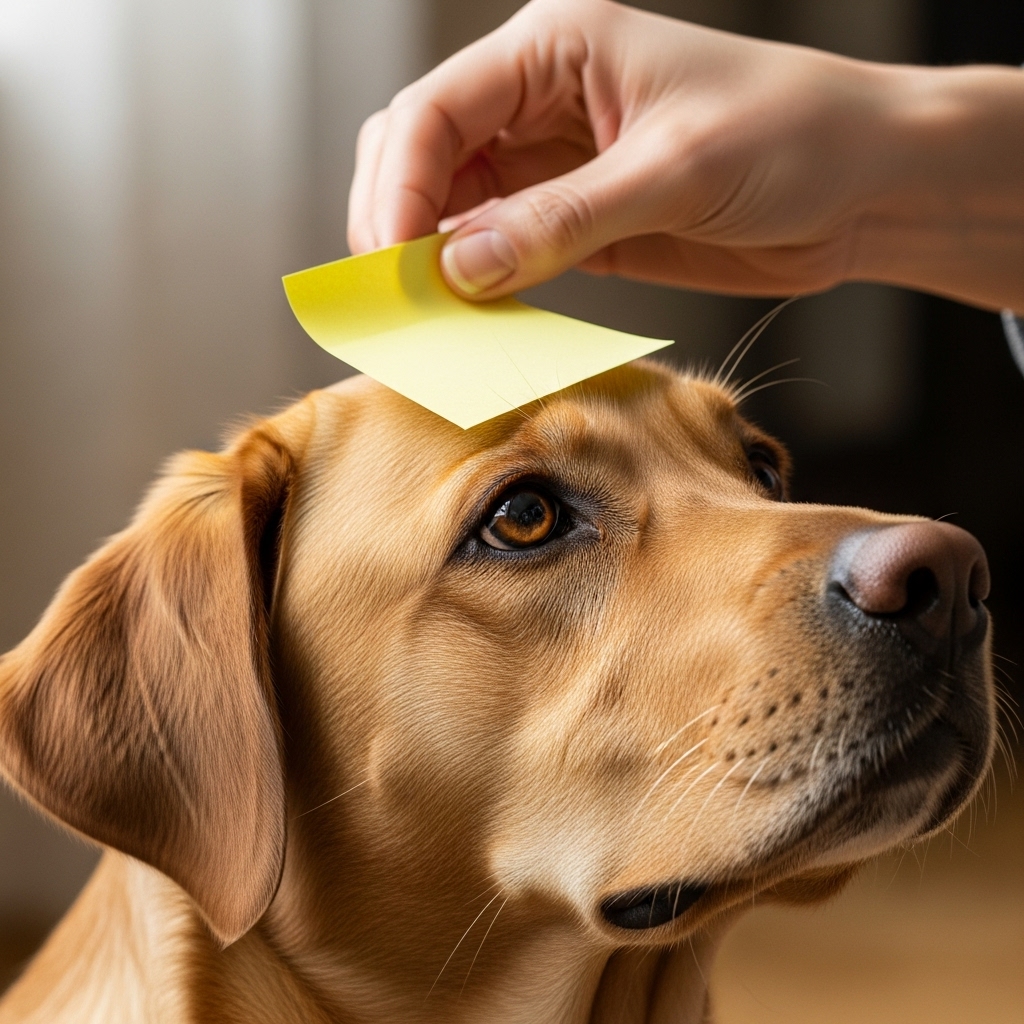
The core of this training method is ‘capturing’ a natural behavior. We’re going to create a situation where your dog wants to shake their head, and then we’ll reward them for it. This makes the learning process feel like a game for them.
- Get Your Dog Comfortable: Start with your dog in a calm sit or stand in front of you. Have your treats and clicker (or verbal marker) ready to go.
- Gently Place the Tape: Take a small piece of painter’s tape (about an inch long) and lightly place it on the top of your dog’s head or on the side of their muzzle. Be gentle and matter-of-fact about it.
- Wait for the Shake: Most dogs will find the sensation of the tape a little odd and will naturally shake their head to try and dislodge it. This is the exact moment we’re waiting for! Be patient and quiet.
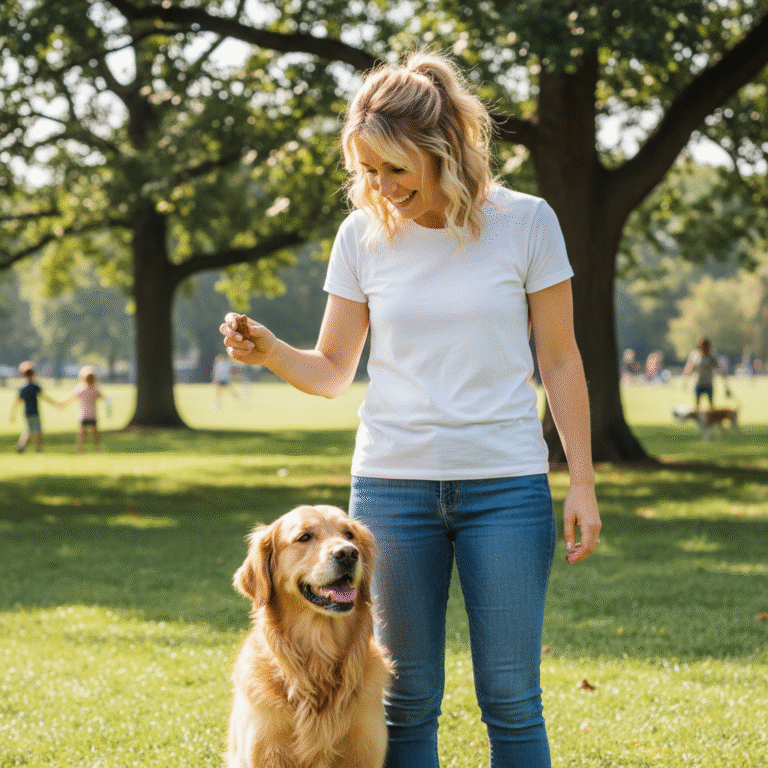
- Mark and Reward: The instant your dog starts to shake their head, click your clicker or say “Yes!” with enthusiasm. Immediately follow up with a delicious treat. As you give the treat, remove the piece of tape.
- Rinse and Repeat: Repeat this process several times in a row. Place the tape, wait for the shake, mark, and reward. Keep the sessions short – no more than 5 minutes at a time – to keep your dog engaged and prevent frustration. Always end on a successful repetition!
Expert Tip: The timing of your ‘mark’ (the click or “Yes!”) is crucial. You want to mark the beginning of the head shake, not after it’s already over. This tells your dog precisely which action earned them the reward.
Phase Two: Adding the Verbal Cue
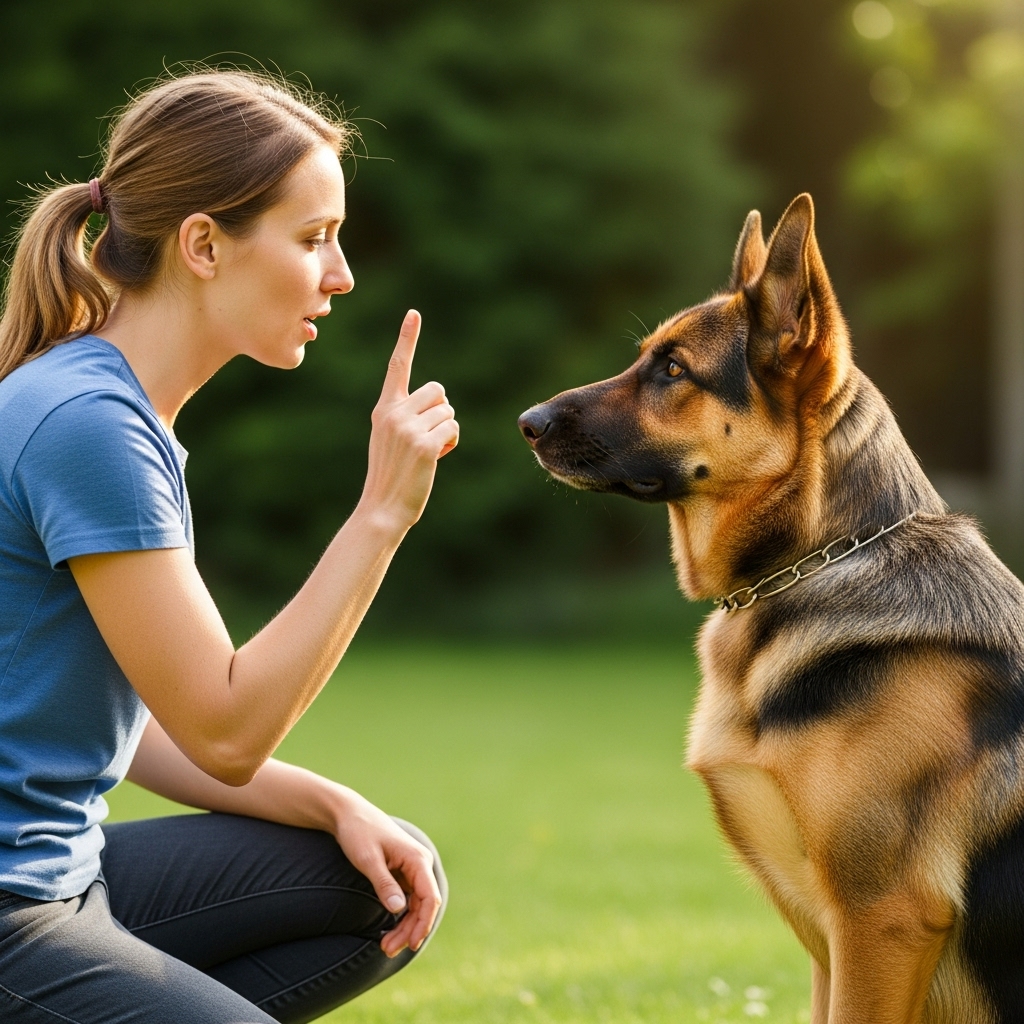
Once your dog reliably shakes their head as soon as you put the tape on, it’s time to associate the action with a verbal cue. This is how you’ll eventually be able to ask for the trick without needing the tape at all.
- Anticipate the Shake: Continue with the tape method, but now, just as you see your dog about to shake their head, say your chosen cue clearly. You could use “No,” “Shake No,” or any other short phrase.
- Say the Cue First: As you practice, start saying the cue right before you place the tape on their head. The sequence should be: Say “No!” -> Place tape -> Dog shakes -> Mark and reward. The goal is for your dog’s brain to connect the word with the action that follows.
- Fade the Prop: After many successful repetitions, it’s time to see if the connection has been made. Say your cue, but only pretend to put the tape on your dog’s head. If they shake their head, throw a jackpot of treats and praise! This is a huge breakthrough.
- Go Prop-Free: The final step is to simply stand in front of your dog, say the cue, and wait. If they shake their head, give them tons of praise and a high-value reward. If they seem confused, just take a step back and do a few more repetitions with the (real or pretend) tape to refresh their memory.
Troubleshooting Common Stumbling Blocks
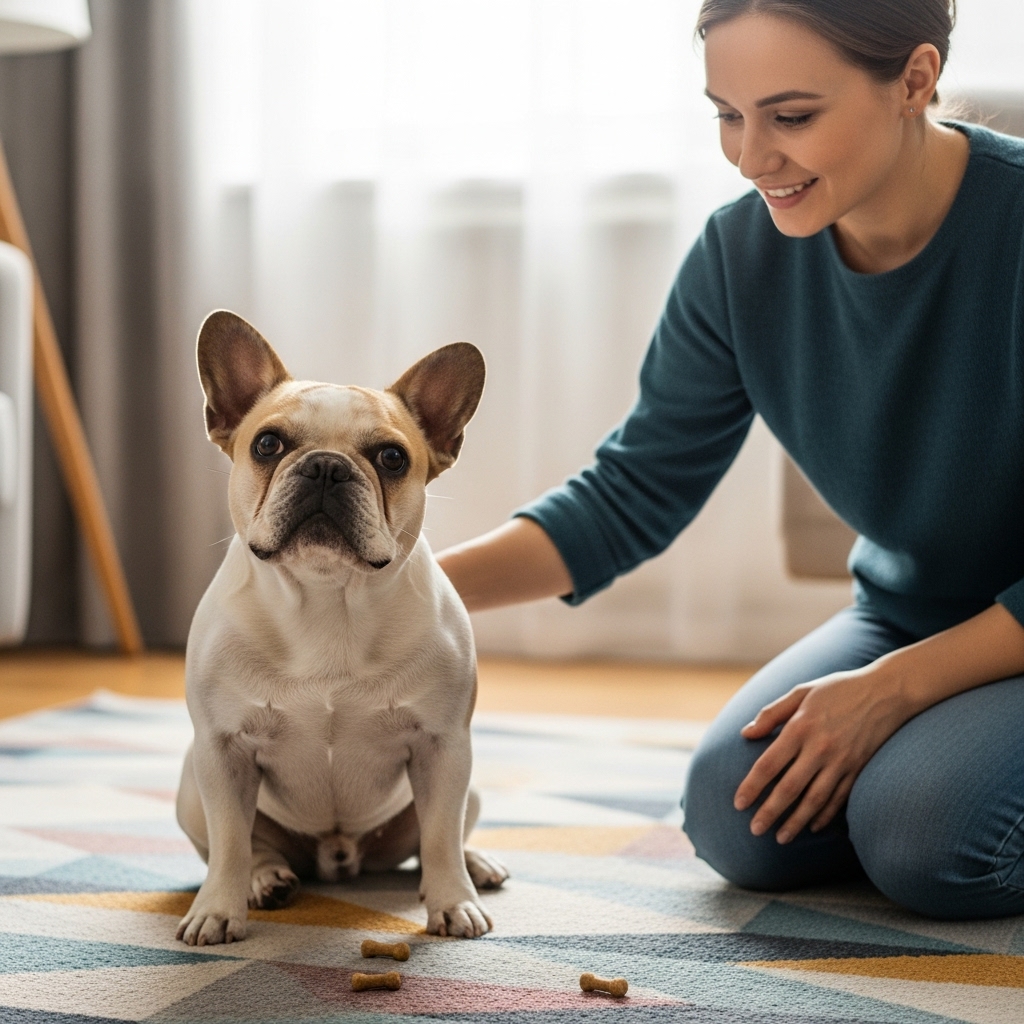
Sometimes training doesn’t go exactly as planned, and that’s perfectly okay! Every dog learns at a different pace. Here are some common issues and how to work through them.
- My dog is scared of the tape. If the tape makes your dog nervous, stop using it immediately. You can try gently tickling their ear with a feather or even just your finger to elicit a small head shake. Mark and reward any head movement in the beginning.
- My dog just paws the tape off. That’s a smart pup! If they paw at the tape instead of shaking, simply ignore the pawing. Only reward the head shake. You may need to try placing the tape in a slightly different spot, like between their ears, where it’s harder to paw at.
- My dog won’t do it without the tape. This is a common issue when fading a prop. It just means you need a few more repetitions to solidify the connection with the verbal cue. Go back to the ‘pretend tape’ step for another session or two before trying to go completely prop-free again.
- The sessions are getting too long. Remember the golden rule: always end on a high note! It’s far better to have a successful 3-minute session than a frustrating 10-minute one. If you or your dog are getting tired, just end with an easy win (like a simple ‘sit’) and try again later or the next day.
Conclusion
Congratulations! You now have all the steps you need to teach your dog the super sassy and fun ‘shake head no’ trick. Remember that dog training is a journey, not a race. Celebrate the small victories, keep it positive, and enjoy the process of learning together. This kind of training does more than just teach a cool trick; it strengthens your communication and deepens the incredible bond you share with your dog.
Now, go grab those treats, find your tape, and get ready to have some fun. We can’t wait to hear how it goes!