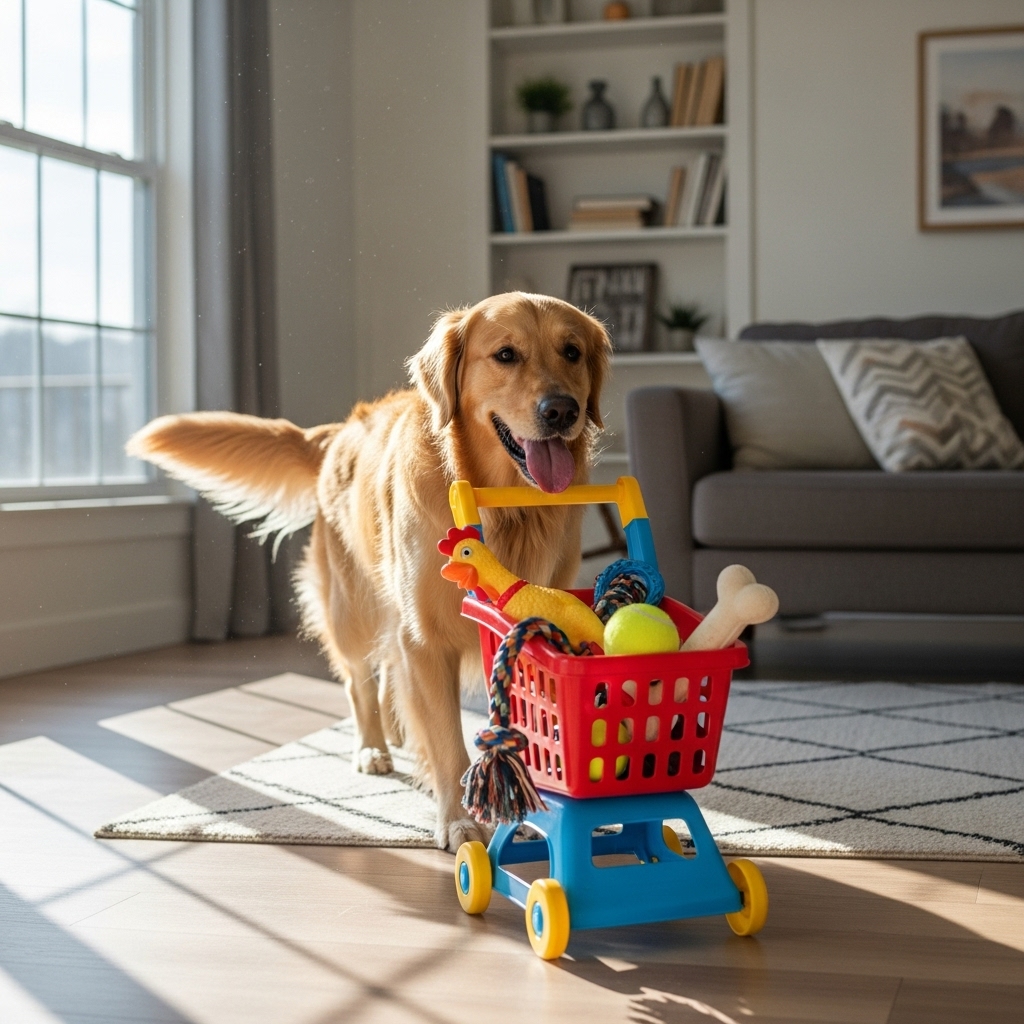
Viral Video Gold: Teach Your Dog To Push A Mini Shopping Cart
Have you ever scrolled through social media and seen a video of a dog doing something so unbelievably cute you watched it ten times? Chances are, you’ve seen a pup confidently pushing its own tiny shopping cart. It’s a trick that’s pure gold for likes and shares, but it’s also a fantastic way to bond with your dog and provide some fun mental stimulation. You might think it’s a complicated feat reserved for canine movie stars, but we’re here to tell you that with a little patience and a lot of tasty treats, your dog can learn it too! This guide will walk you through every step, from picking the right cart to troubleshooting common hiccups. So, grab your clicker and let’s get ready to create some viral video magic!
Gearing Up for Shopping Success
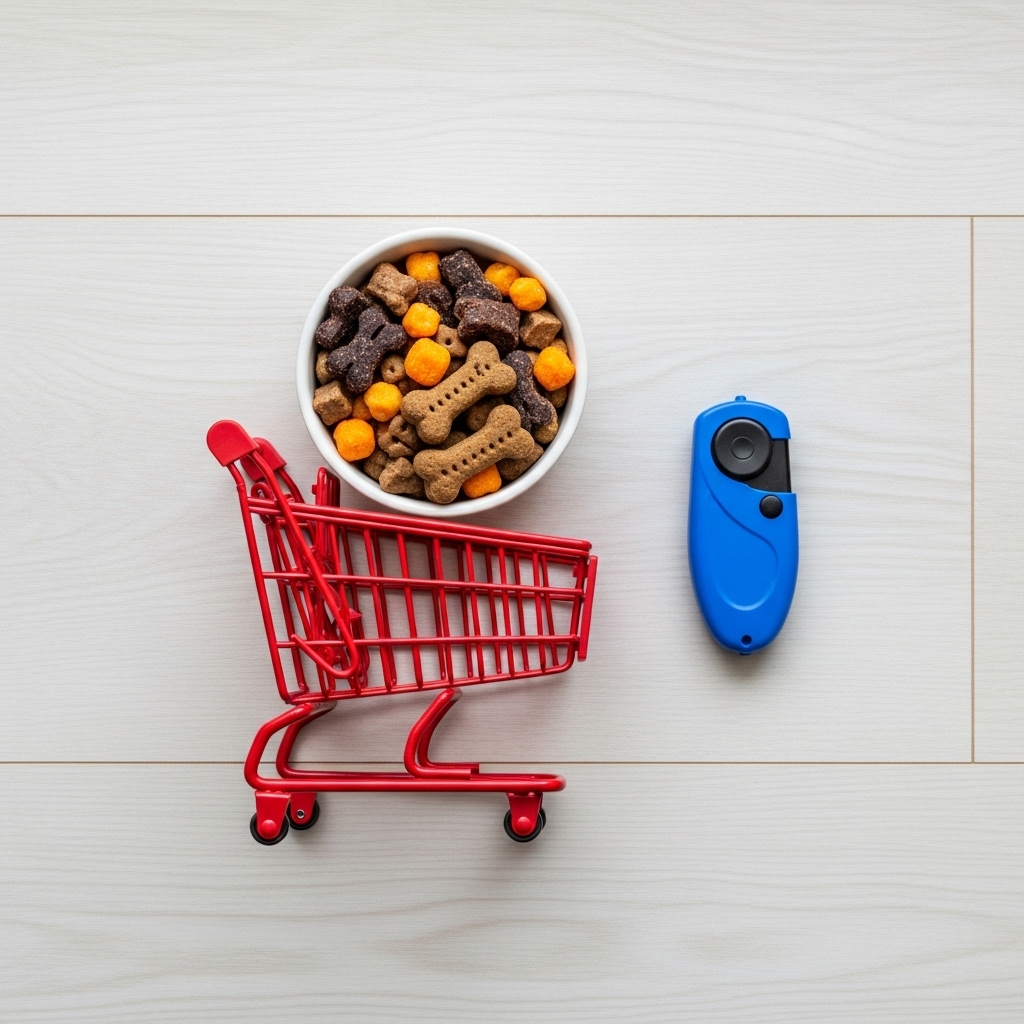
Before you can start training, you need to gather the right supplies. Setting yourself up for success starts with having everything you need on hand. This isn’t just about the cart; it’s about making the learning process as smooth and positive as possible for your pup.
What You’ll Need:
- A Mini Shopping Cart: This is the star of the show! Look for a child’s toy shopping cart. The ideal cart is lightweight but sturdy. Make sure it’s the right height for your dog to comfortably place their paws on the handle. A plastic one is often better than a metal one to start, as it’s less noisy and intimidating.
- High-Value Treats: Forget the everyday kibble. For a trick this special, you need to break out the good stuff! Think small, soft, smelly treats like tiny pieces of chicken, cheese, or commercial training treats that your dog absolutely loves. The goal is to make the reward so enticing that your dog is eager to work for it.
- A Clicker (Optional but Recommended): A clicker is a fantastic tool for marking the exact moment your dog does something right. This precision helps your dog understand precisely what behavior earned them the treat, speeding up the learning process. If you’re not using a clicker, you can use a consistent marker word like “Yes!” said in an upbeat tone.
- A Quiet Training Space: Choose a room with minimal distractions. A living room or hallway with a non-slippery floor is perfect. You want your dog to be able to focus on you and the cart, not on the squirrel outside the window.
Step 1: Making Friends with the Cart
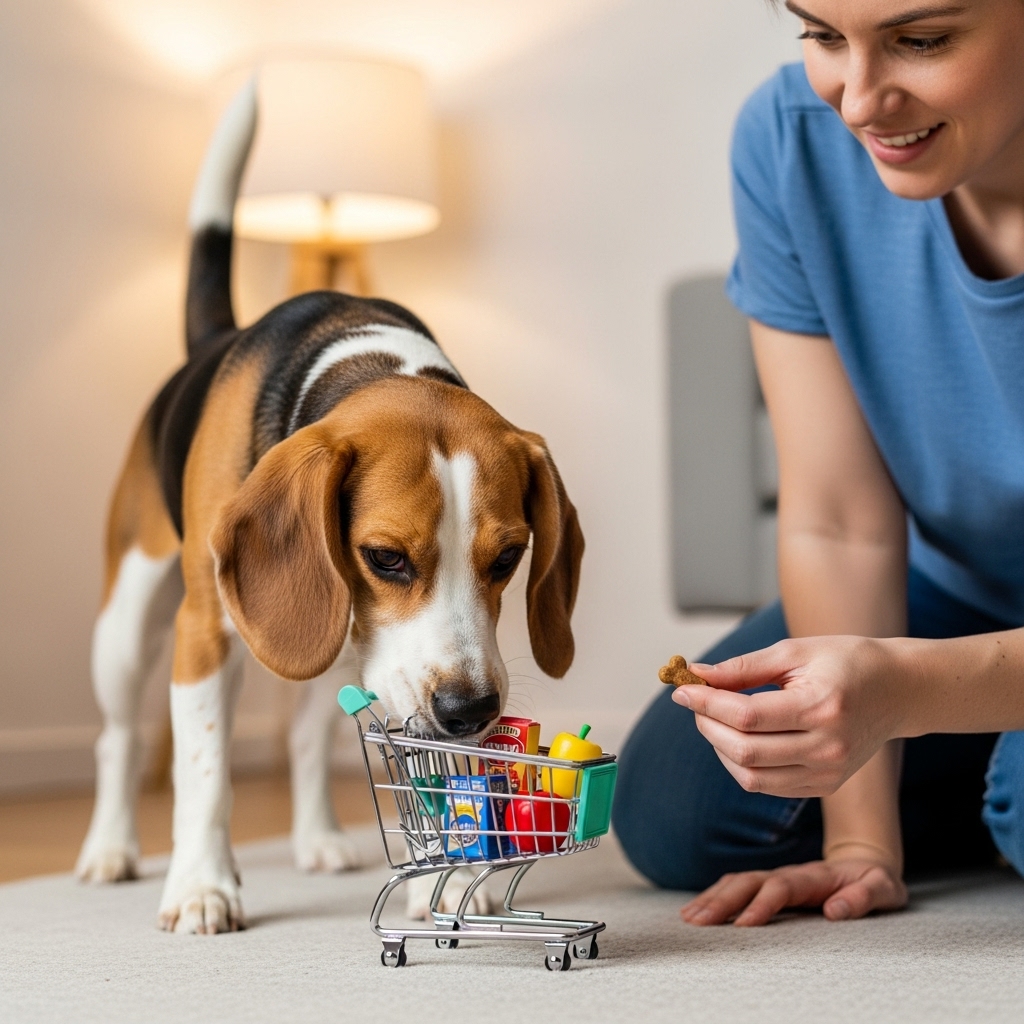
The first and most crucial step is ensuring your dog sees the shopping cart as a fun toy, not a scary monster on wheels. A bad first impression can make the rest of the training much harder. This phase is all about building a positive association through a process called desensitization.
Start by simply placing the cart in the middle of your training space. Let your dog investigate it on their own terms. Don’t push it towards them. Every time your dog sniffs, looks at, or shows any calm curiosity towards the cart, click (or say “Yes!”) and toss them a treat. The treat should come from you, not the cart, so they continue to look to you for guidance.
Do this in short, fun sessions of just a minute or two. If your dog is nervous, place the treats further away from the cart at first, gradually tossing them closer as your dog gets more comfortable. You can also place a few treats in the cart’s basket for them to find. The goal is for your dog to think: “Good things happen when this weird wheeled thing is around!” Only move on to the next step when your dog is completely relaxed and happy in the cart’s presence.
Step 2: From Touching to Paws Up
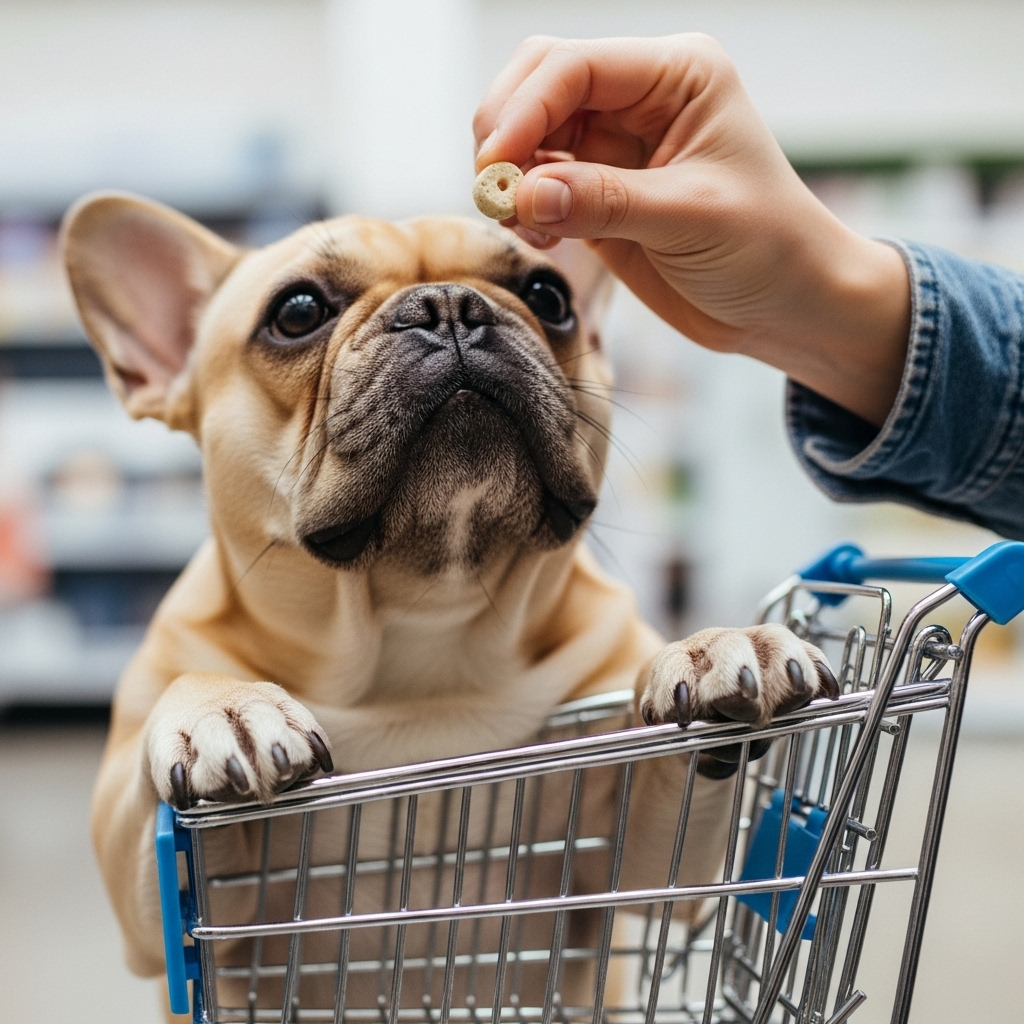
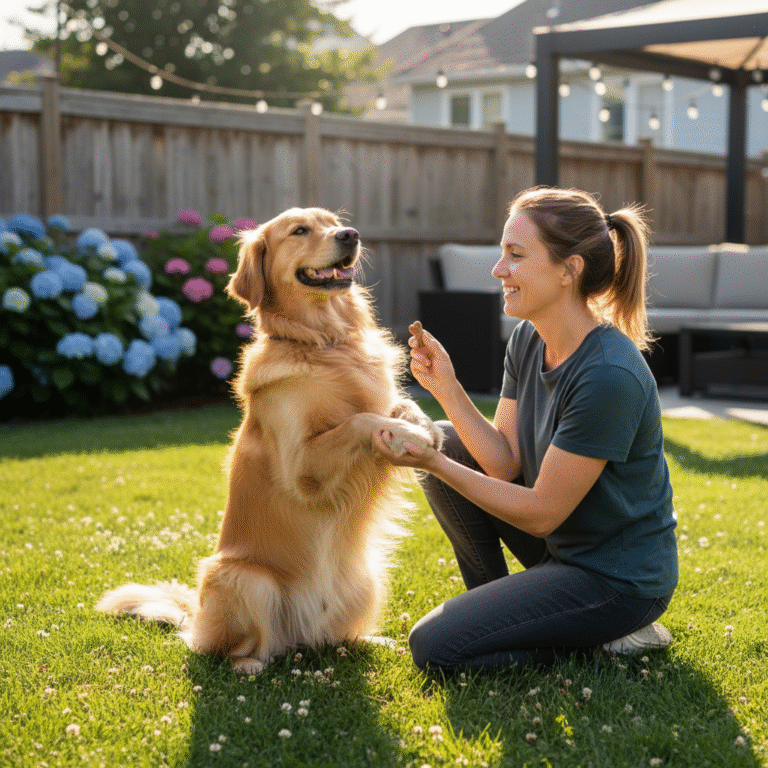
Now that the cart is a friend, we can start teaching your dog to interact with it. We’ll use a technique called ‘shaping,’ which involves rewarding small approximations of the final behavior. Our goal here is to get your dog to voluntarily put their paws on the handlebar.
- Target the Handle: Hold a treat near the handlebar of the cart. When your dog moves their nose towards the treat and touches the handle, click and give them the reward. Repeat this several times until your dog is confidently booping the handle with their nose.
- Introduce a Paw: Once they’re good at nose-targeting, wait for a different behavior. Sometimes, a dog will naturally lift a paw to get at the treat. The very instant they lift a paw, even if it doesn’t touch the cart, click and treat! We’re now rewarding the intention of using a paw.
- Encourage ‘Paws Up’: Continue rewarding any paw movement towards the handle. Gradually, start withholding the click until their paw makes contact with the handle. It might be a quick tap at first, and that’s great! Click and treat enthusiastically.
- Build Duration: Once your dog is consistently placing a paw on the handle, start waiting a split second before you click. This encourages them to keep their paw there for longer. Slowly build up the duration until they can rest both paws comfortably on the handle. This step requires patience, so keep sessions short and always end on a high note!
Step 3: Let’s Get Rolling!
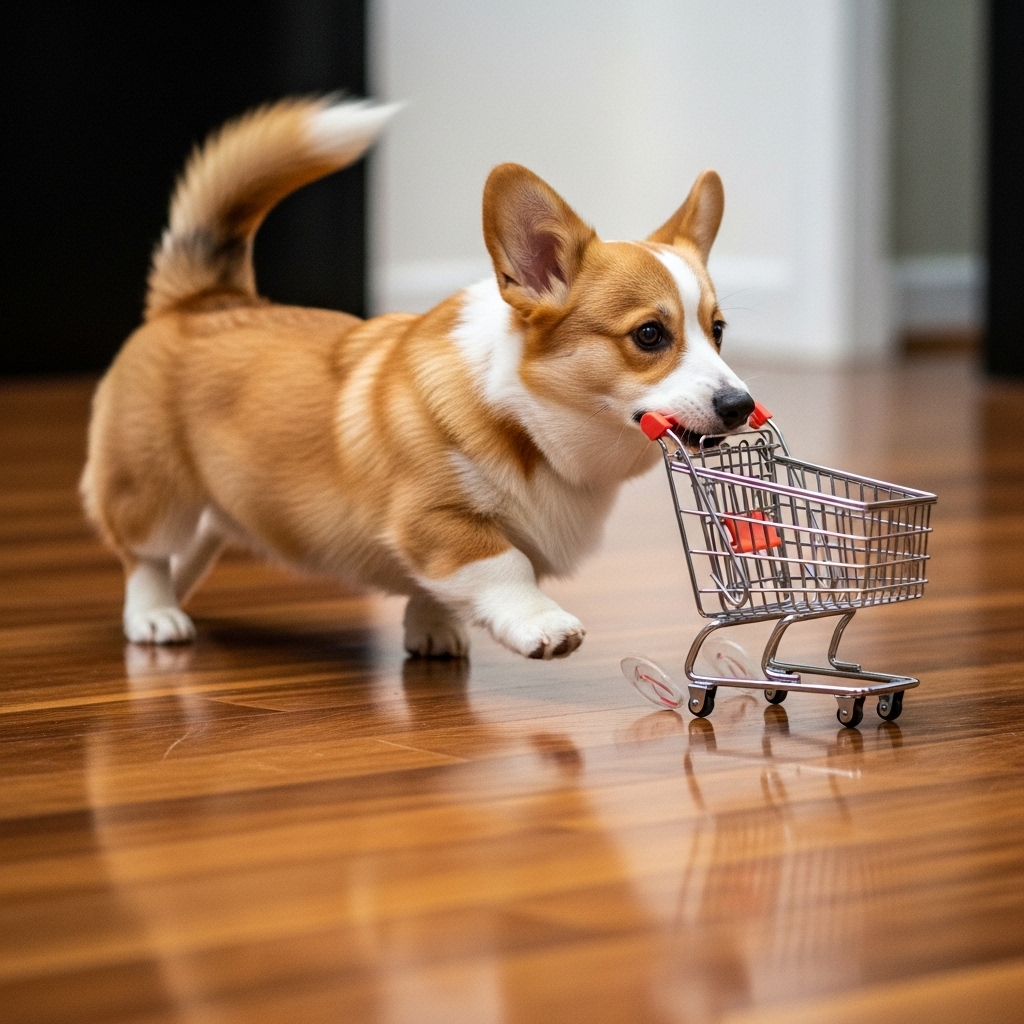
This is the moment we’ve been working towards—adding motion! Your dog knows how to put their paws on the handle. Now, we need to connect that action to the cart moving forward. This is often the trickiest part, as the sudden movement can surprise or even scare some dogs.
With your dog in the ‘paws up’ position, place a treat on the floor just in front of the cart. To get the treat, your dog will have to lean forward, which will naturally cause the cart to roll a tiny bit. The moment the cart moves—even an inch—click and let them have the treat! The click marks the pushing action, not just getting the food.
Expert Tip: If the sound of the wheels on your floor is startling your dog, try practicing on a rug or carpet at first to muffle the noise.
Repeat this process, gradually placing the treat a little further away each time. This encourages your dog to take a full step while pushing. As they get the hang of it, you can add a verbal cue like “Push!” or “Go shopping!” right as they begin the motion. Over time, they’ll associate the word with the action. Eventually, you can phase out luring with a treat on the floor and simply use your verbal cue and reward them from your hand after they’ve pushed the cart a few steps. Celebrate every bit of progress with lots of praise and excitement!
Troubleshooting Common Shopping Mishaps
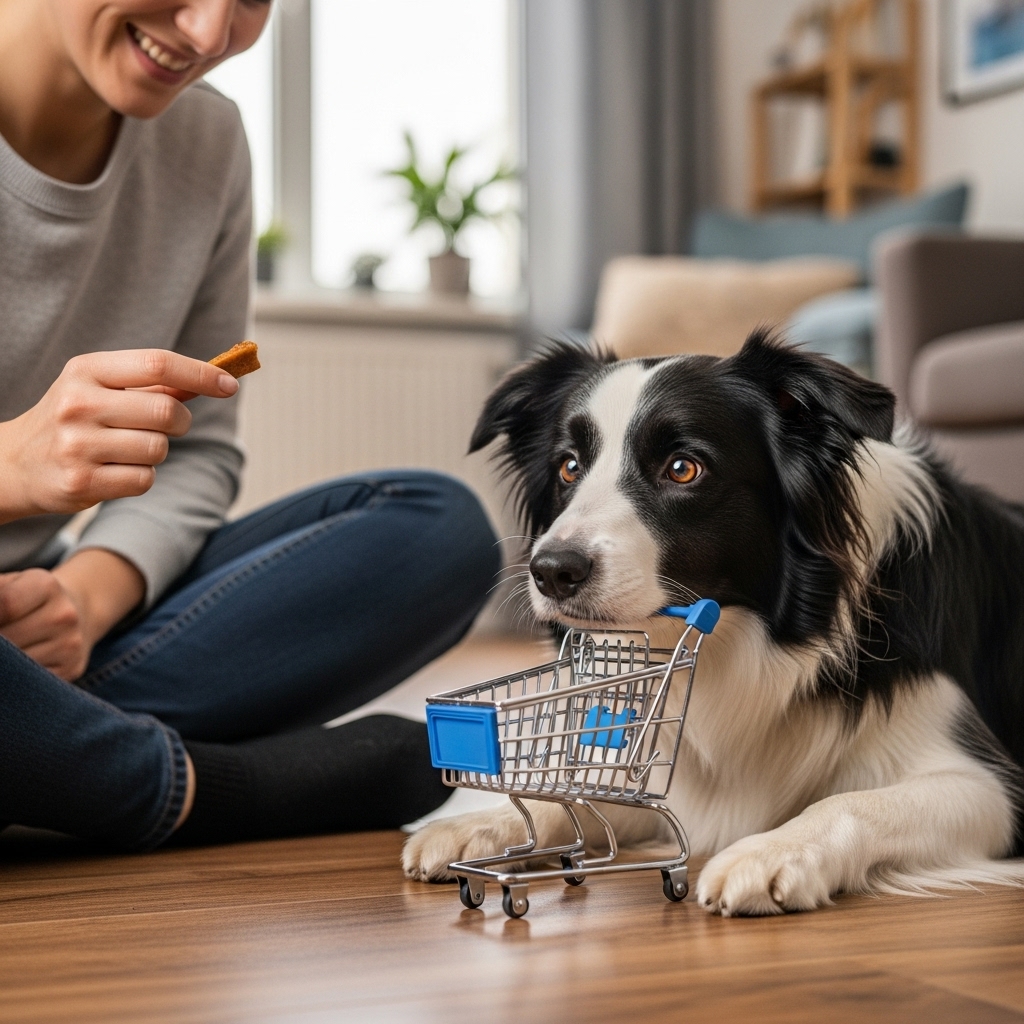
Training is never a straight line, and you’re bound to hit a few bumps in the road. Don’t get discouraged! Here are some common problems and how to solve them.
- My dog is scared of the cart’s movement. This is very common. You may have moved too fast. Go back to Step 1 and spend more time building a positive association. When you re-introduce movement, make it incredibly small. You can even hold the cart steady yourself and just wiggle it slightly, rewarding your dog for staying calm.
- My dog keeps trying to bite or chew the cart. This usually means your dog is getting a little over-excited or frustrated. It’s a good sign to end the session on a positive note (with an easy win, like just touching the cart) and try again later. Keep the sessions short to maintain focus. You can also offer a quick chew toy break between attempts.
- My dog loses interest quickly. Your treats might not be ‘high-value’ enough, or your training sessions might be too long. Keep sessions to 5 minutes or less, and make sure you’re using treats that your dog finds irresistible. Always end before your dog gets bored, leaving them wanting more.
- My dog only pushes with its nose, not its paws. That’s okay! You just need to be more specific with your rewards. Go back to Step 2 and only click and treat for paw interactions. Ignore the nose boops. Your dog is smart; they’ll quickly figure out which behavior earns the reward.
Conclusion
Congratulations, you’ve got all the tools and techniques to teach your dog one of the most charming tricks around! Remember, the key to success is patience, positivity, and celebrating the small victories along the way. Every dog learns at a different pace, so focus on having fun and strengthening your bond. Before you know it, your pup will be pushing their cart like a pro, ready for their close-up. So go ahead, start training, and don’t forget to capture that incredible moment on video. Your dog’s viral stardom awaits!