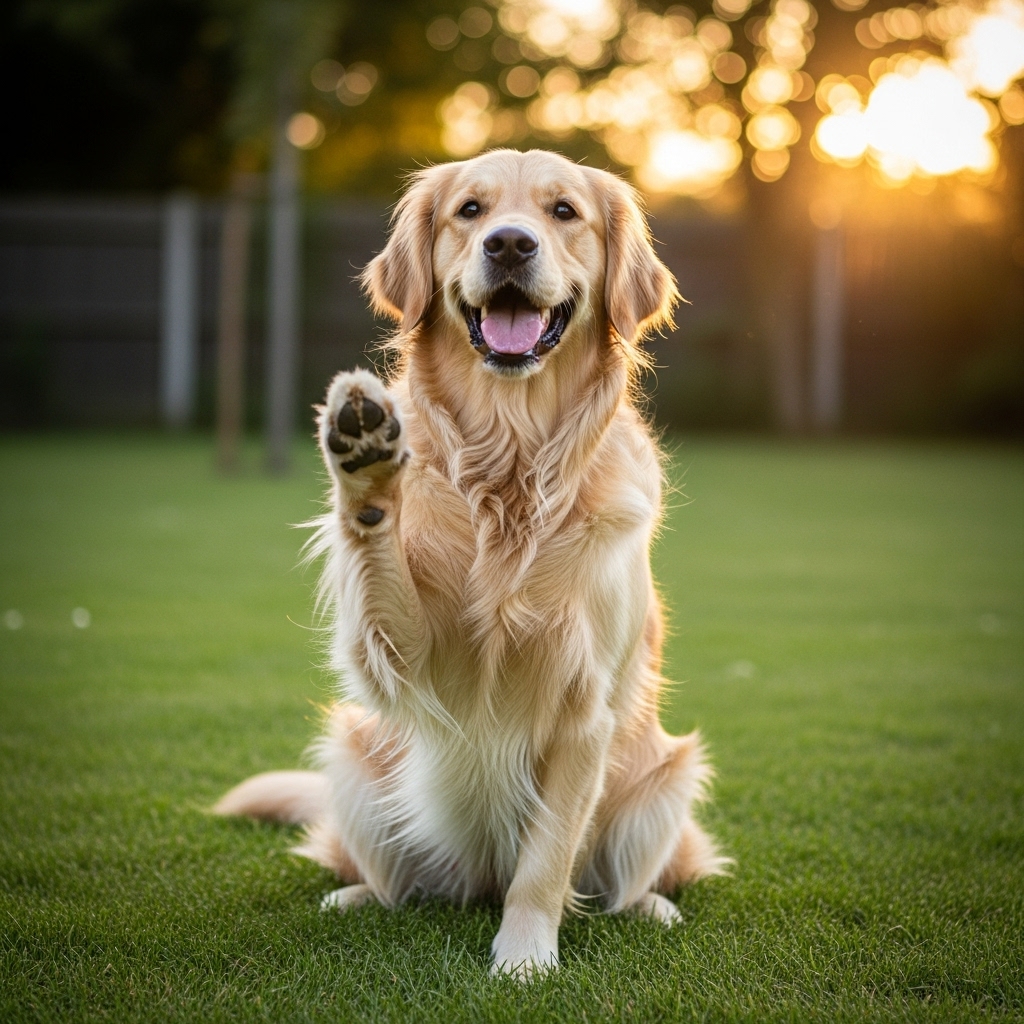
Teach Your Dog to Wave Hello: The World’s Cutest Greeting Trick
Have you ever seen a dog greet someone with a friendly wave and thought, ‘I wish my dog could do that!’? Well, you’re in luck! Teaching your dog to wave hello is not only possible, but it’s also a fantastic way to strengthen your bond, provide mental stimulation, and, let’s be honest, show off a little. This trick looks complex, but it’s built on simple behaviors your dog might already know.
In this guide, we’ll break down the entire process into easy-to-follow steps. We’ll use positive, fun techniques that will have your dog excited for every training session. So grab some treats, find a comfy spot, and get ready to turn your talented pup into the friendliest greeter in the neighborhood!
Getting Started: What You’ll Need
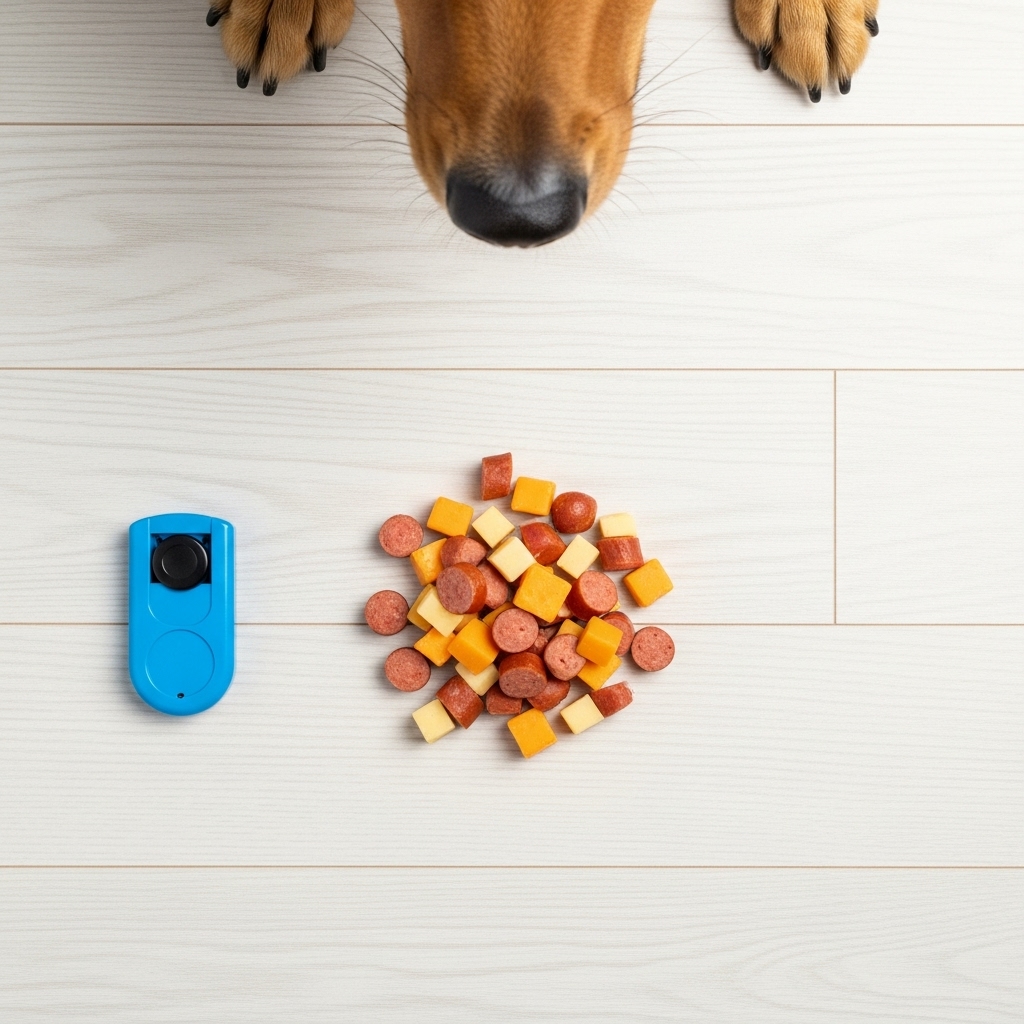
Before you start, let’s gather a few simple tools to set you and your pup up for success. You don’t need any fancy equipment, just a few key items to make the learning process smooth and rewarding for everyone.
- High-Value Treats: These aren’t your dog’s everyday kibble. Think small, soft, and extra tasty morsels like tiny pieces of cooked chicken, cheese, or commercial training treats. The goal is to make your dog really want to work for the reward.
- A Quiet Training Space: Choose a location with minimal distractions. Your living room or a quiet backyard is perfect. Avoid busy areas where squirrels, other pets, or people might steal your dog’s focus.
- A Clicker (Optional): A clicker is a fantastic tool for marking the exact moment your dog does the right thing. If you’ve never used one, don’t worry! You can use a verbal marker like a sharp “Yes!” instead. The key is consistency.
- Patience and a Positive Attitude: This is the most important tool of all! Every dog learns at a different pace. Keep sessions short (5-10 minutes) and always end on a positive note. Your encouragement is the secret ingredient.
The Foundation: Mastering the ‘Paw’ or ‘Shake’ Command
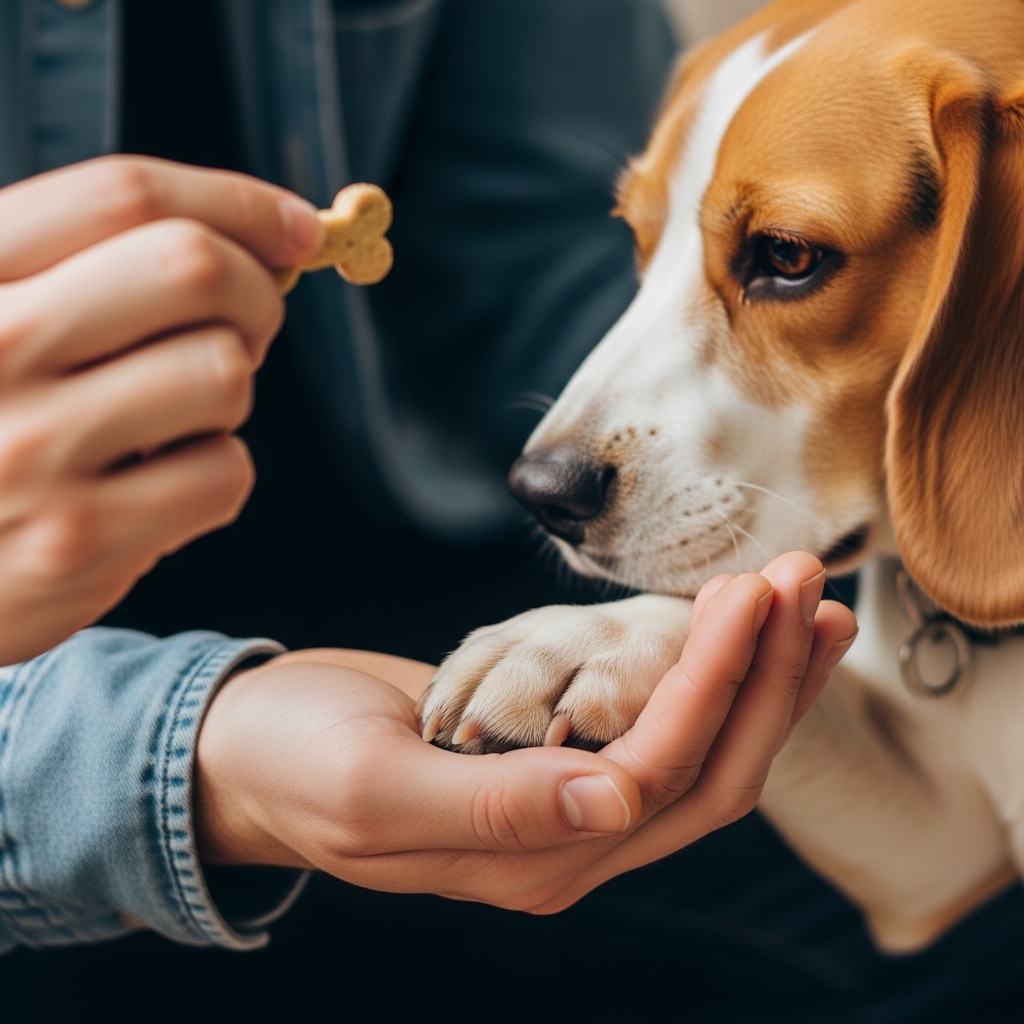
The wave is a natural extension of the classic ‘shake’ or ‘give paw’ command. If your dog is already a pro at shaking hands, you’re one step ahead! If not, let’s get that foundation solid first. A reliable ‘paw’ command is the launching pad for the wave.
How to Teach ‘Paw’
- Lure the Paw: Sit in front of your dog with a treat in your closed fist. Hold your hand near your dog’s paw, close to the ground. Most dogs will naturally sniff and then paw at a hand that smells like a tasty snack.
- Mark and Reward: The instant your dog’s paw touches your hand, use your marker word (‘Yes!’) or click your clicker, then immediately open your hand and give them the treat.
- Repeat: Do this several times in a row. Your dog will quickly learn that touching your hand with their paw gets them a reward.
- Add the Cue: Once your dog is consistently offering their paw, start saying the verbal cue, such as “Paw” or “Shake,” right before you present your hand.
- Practice: Keep practicing until your dog will lift their paw and place it in your hand on cue, even if you don’t have a treat visible. Once this is second nature, you’re ready to move on to the main event!
Step-by-Step: From ‘Shake’ to ‘Wave’
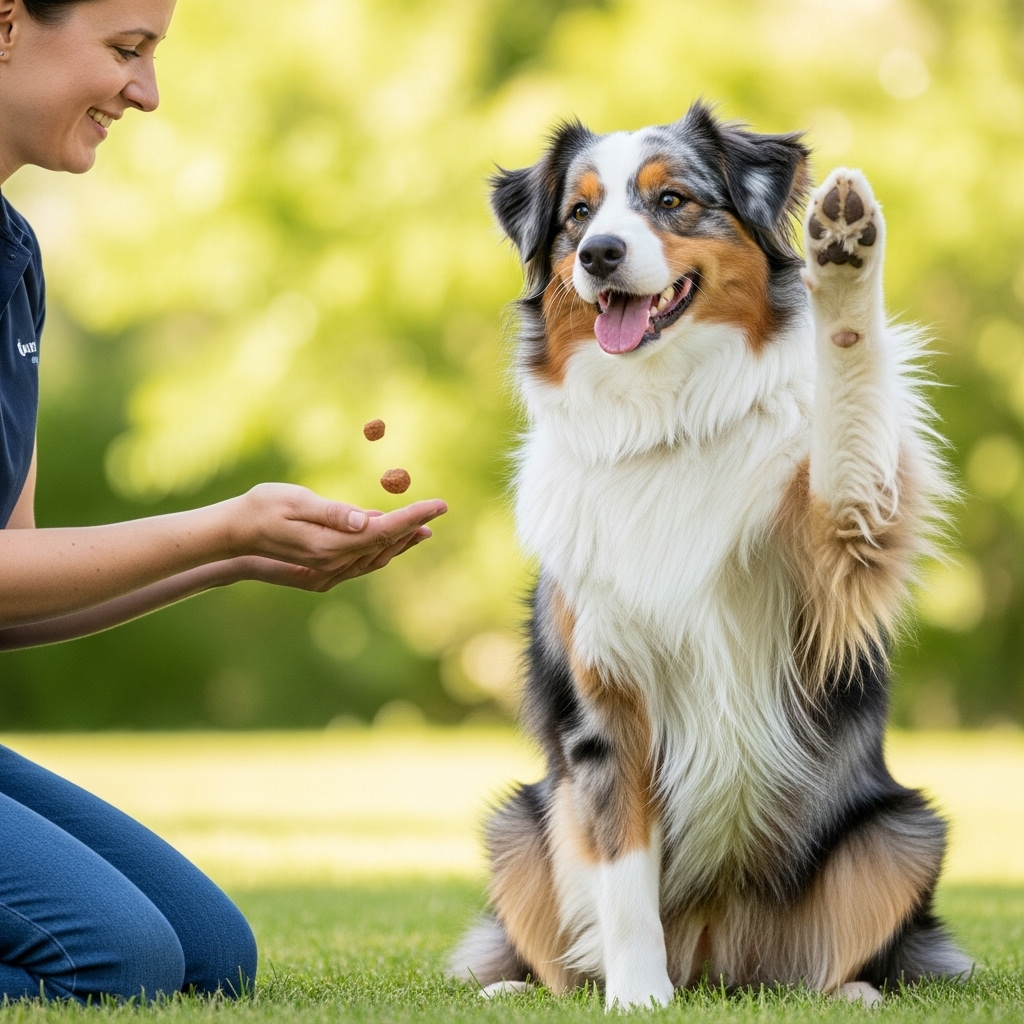
This is where the magic happens! We’re going to shape your dog’s ‘paw’ behavior into a ‘wave’. The key is to reward small approximations of the final behavior. Be patient and celebrate the tiny victories along the way.
Step 1: Raise Your Target
Ask your dog to ‘shake’, but instead of placing your hand right in front of them for them to touch, hold it a few inches higher and slightly further away than usual. Your goal is to make them reach for it.
Step 2: Mark the Lift
As your dog lifts their paw to touch your hand, mark (‘Yes!’ or click) and reward them before their paw makes contact. The reward is for the upward motion itself. This is the most crucial part! You’re shifting the reward from ‘touching the hand’ to ‘lifting the paw in the air’. Repeat this several times until your dog understands.
Step 3: Increase the Distance
Gradually start lifting your hand higher and moving it further away. Your dog should now be lifting their paw into the air without needing a target to touch. If they get confused, just lower your hand a bit to help them succeed, then try again. This lifting motion will start to look like a wave.
Step 4: Introduce the New Cue
Once your dog is reliably lifting their paw high without touching you, it’s time to add the new verbal cue. Just before you give your hand signal, say your new cue, like “Wave!” or “Say Hi!”. After a few repetitions, your dog will begin to associate the new word with the action.
Step 5: Fade the Hand Signal
Your final goal is for your dog to wave on the verbal cue alone. Start making your hand signal smaller and less obvious. Eventually, you should be able to say “Wave!” and get that adorable paw lift without any hand motion at all. You’ve done it!
Troubleshooting Common Hiccups
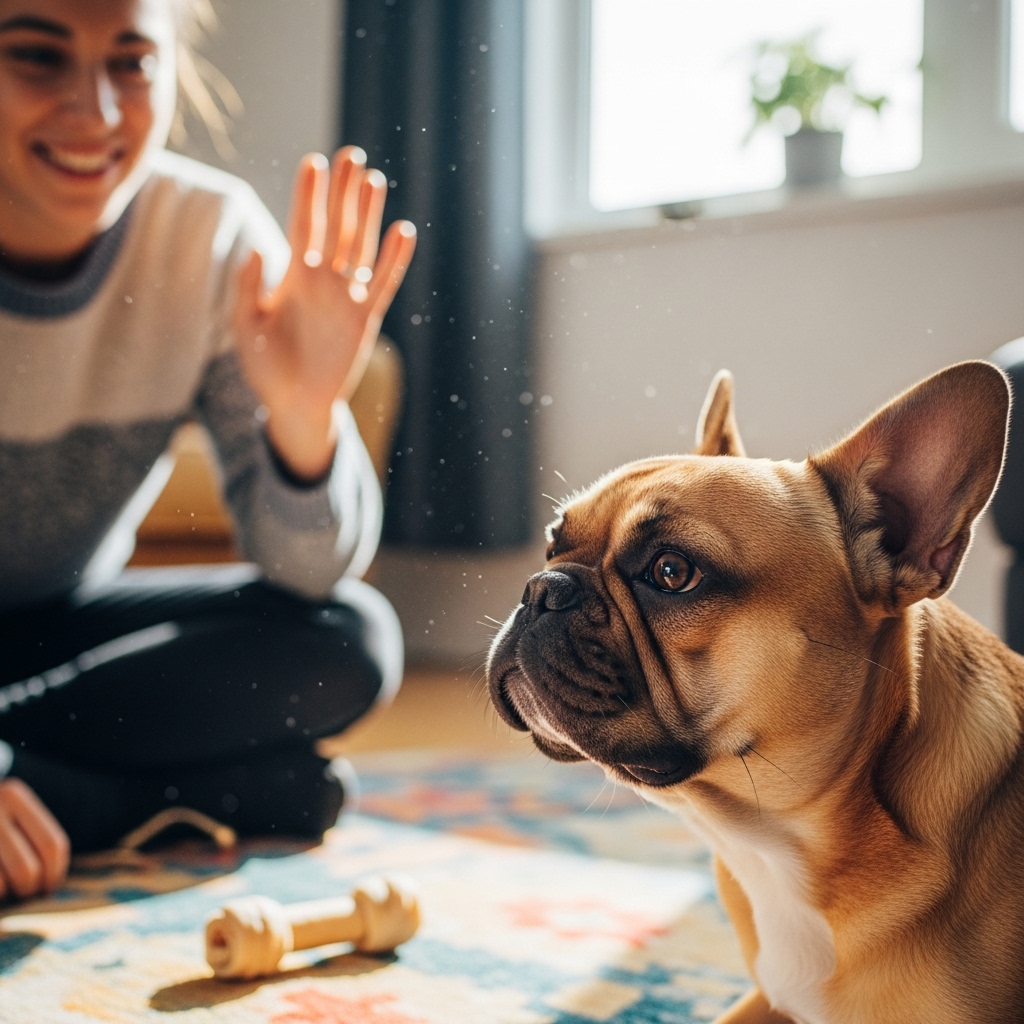
Sometimes training doesn’t go exactly as planned, and that’s perfectly okay! Every dog is different. Here are some common roadblocks you might encounter and how to navigate them with a cool head and a pocket full of treats.
‘My dog just keeps pawing at my hand instead of waving.’
This is very common! It means you’re rewarding the touch, not the lift. Go back to Step 2. Be quicker with your mark and reward. Catch that paw while it’s still in the air, even if it’s just an inch off the ground. The timing of your reward is everything here.
‘My dog won’t lift their paw very high.’
No problem. Go back to rewarding any lift at all. Then, only reward the lifts that are slightly higher than the last one. This is called ‘shaping’. You can also use a treat to lure their head up and back slightly, which often causes the front paw to lift higher naturally.
‘My dog gets bored or distracted easily.’
This is a sign that your training sessions are too long or the environment is too stimulating. Keep your sessions super short—even just 2-3 minutes at a time can be effective. Make sure you’re using treats they absolutely love and that you’re in a quiet space. Always end the session while your dog is still engaged and having fun; this leaves them wanting more for next time.
Expert Tip: If your dog seems frustrated, take a break! End the session with an easy command they know well, like ‘sit’, give them a big reward, and try again later. Training should always be a positive experience.
Conclusion
Congratulations! You now have all the steps you need to teach your dog one of the cutest tricks around. Remember that the journey of training is just as important as the destination. Every click, treat, and moment of praise builds a stronger, more trusting relationship between you and your furry best friend.
Be patient, stay positive, and have fun with it. Before you know it, your dog will be waving hello to friends, family, and anyone who could use a little extra cheer. Now go on and start practicing—you’ve got this!