
The ‘Head Down’ Trick: Instant Calm for Hyperactive Dogs
Ever feel like your dog is powered by a never-ending battery? You’re not alone! A hyperactive dog can be a whirlwind of joyous, but sometimes overwhelming, energy. While daily walks and playtime are essential, sometimes you need a way to help them switch off and relax. Enter the ‘Head Down’ trick. This isn’t just another cute command; it’s a powerful tool that uses body language to influence your dog’s state of mind. By teaching your dog to place their head down on the floor or on their paws, you’re giving them a physical cue to settle, breathe, and find their calm. Ready to bring a little more peace to your household? Let’s get started!
Why This Simple Trick is a Game-Changer for Anxious Pups
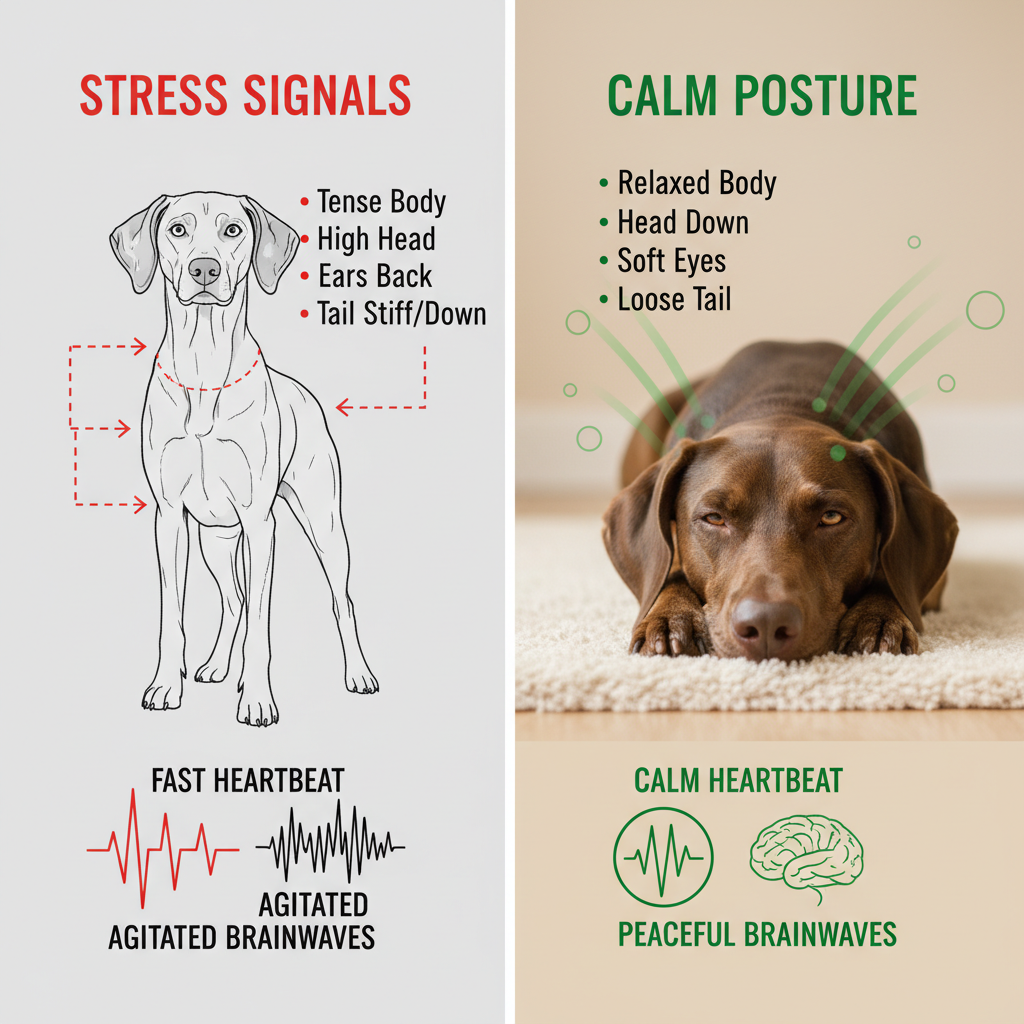
So, what’s the magic behind putting a head on the floor? It’s all about the connection between body and mind, which is just as real for our dogs as it is for us. When a dog is stressed, anxious, or over-excited, their body is tense and ready for action. Their head is up, ears are pricked, and muscles are coiled. The ‘Head Down’ posture is the complete opposite of this.
Here’s the breakdown:
- Encourages Relaxation: The physical act of lowering the head and relaxing the neck muscles sends signals to the brain to calm down. It’s a foundational step in teaching a dog how to self-soothe.
- Builds Focus: A dog holding a ‘Head Down’ is concentrating on a single, simple task. This focus can redirect their brain away from whatever is causing their hyperactivity or anxiety, whether it’s the doorbell, a squirrel outside, or just an excess of energy.
- Creates a Positive Association: By rewarding this calm behavior with treats and praise, you’re teaching your dog that being settled is a wonderful thing. Over time, they’ll start to offer this behavior on their own when they feel overwhelmed.
Expert Tip: Think of this as canine meditation. You’re giving your dog a specific, easy-to-understand ‘job’ that has the wonderful side effect of calming their entire nervous system.
Gearing Up for Success: What You’ll Need
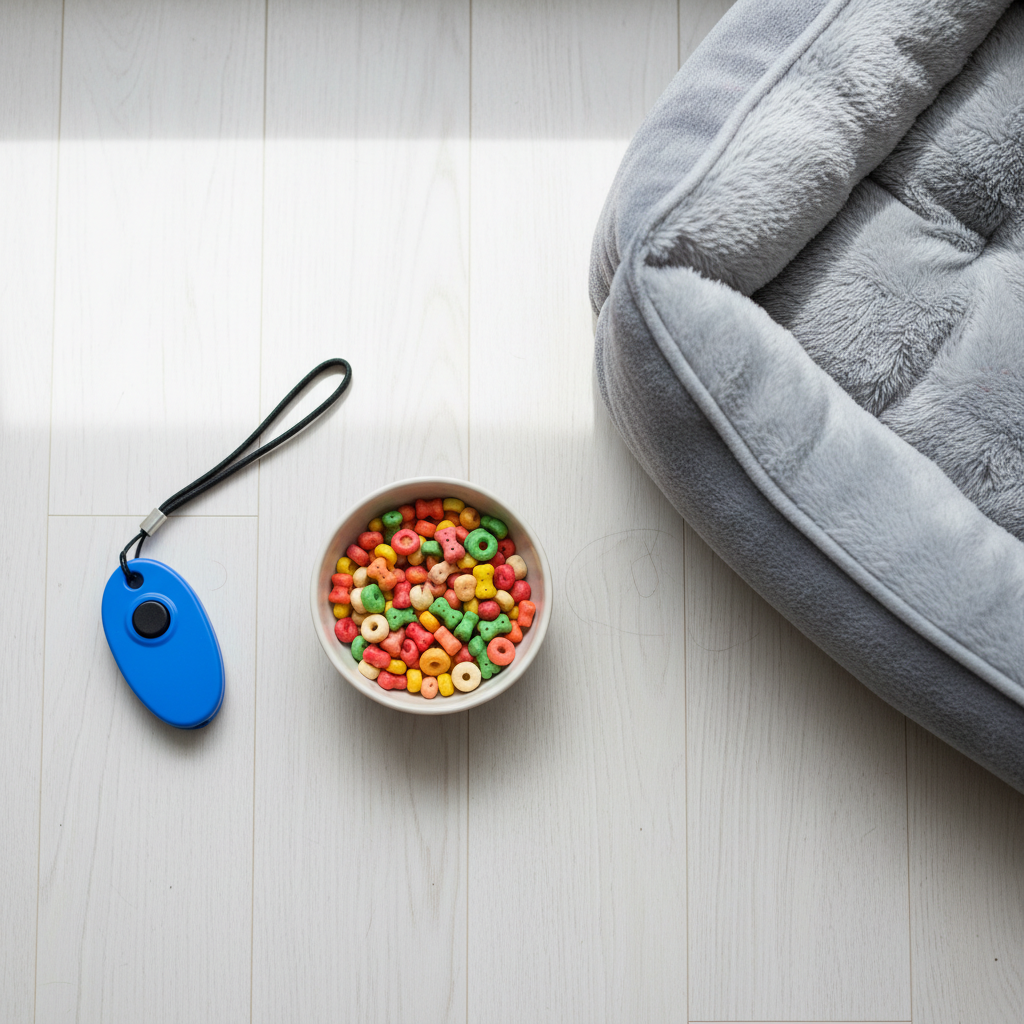
The beauty of this trick is its simplicity. You don’t need any fancy equipment to get started. Before you call your pup over, just gather a few things to set yourself up for a smooth and positive training session.
- High-Value Treats: These should be small, soft, and extra delicious—something your dog truly loves. Think tiny pieces of cheese, chicken, or special training treats. The smaller they are, the more repetitions you can do without filling your dog up too quickly.
- A Comfortable Surface: Start on a soft rug, dog bed, or blanket. A comfy spot makes it more likely your dog will want to lie down and relax. Avoid slippery floors like tile or hardwood initially.
- A Clicker (Optional): If you use a clicker in your training, have it ready! A clicker is great for precisely marking the moment your dog does the right thing (lowers their head), which can speed up their understanding. If you don’t use one, a simple, happy ‘Yes!’ works just as well.
- Patience and a Positive Attitude: This is the most important tool! Training should be fun. Keep sessions short (5-10 minutes max) and always end on a positive note.
The Step-by-Step Guide to Teaching ‘Head Down’
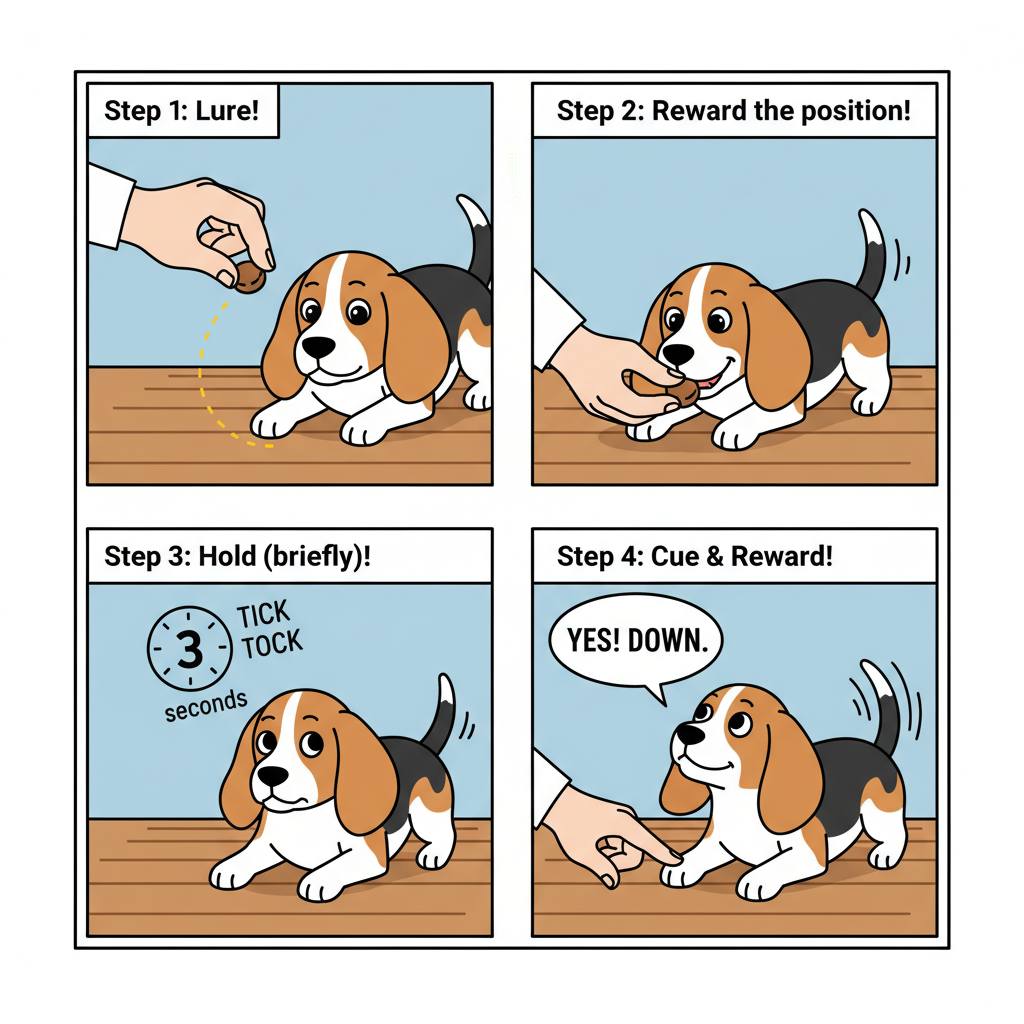
Alright, it’s time for the fun part! Find a quiet moment when your dog is already relatively calm. We’ll build this behavior in small, easy steps. Remember to praise enthusiastically for any effort!
Step 1: Lure the Behavior
Start with your dog in a ‘down’ (lying down) position. Hold a treat in your closed hand and place it on the floor right in front of their nose. As they sniff your hand, slowly drag it along the floor between their paws. Their nose will follow the treat, causing them to lower their head to the ground. The moment their head touches the floor, click or say ‘Yes!’ and give them the treat.
Step 2: Introduce the Verbal Cue
Once your dog is reliably following the lure and putting their head down (after 5-10 successful repetitions), you can add a verbal cue. Just before you lure them, say your chosen cue in a calm, soft voice. Good options are ‘Head Down,’ ‘Settle,’ or ‘Relax.’ Then, perform the lure as before. Mark and reward. The sequence is: Say Cue -> Lure -> Dog’s Head Goes Down -> Mark/Reward.
Step 3: Build Duration
Now that your dog understands the goal, we want them to hold the position. After they put their head down, wait just one second before you mark and reward. Gradually increase the time they have to keep their head down to get the treat—two seconds, then four, then seven. If they lift their head up too early, no problem! Just say ‘Oops!’ and try again with a shorter duration. The goal is to reward them before they make a mistake.
Step 4: Fade the Lure
The final step is to remove your hand motion. Start by making the lure smaller and smaller. Instead of dragging your hand, just point to the spot between their paws. Eventually, you’ll be able to just give the verbal cue ‘Head Down,’ and they’ll perform the action without any hand signal at all. This takes time, so be patient!
Troubleshooting: When Your Pup Just Isn’t Getting It
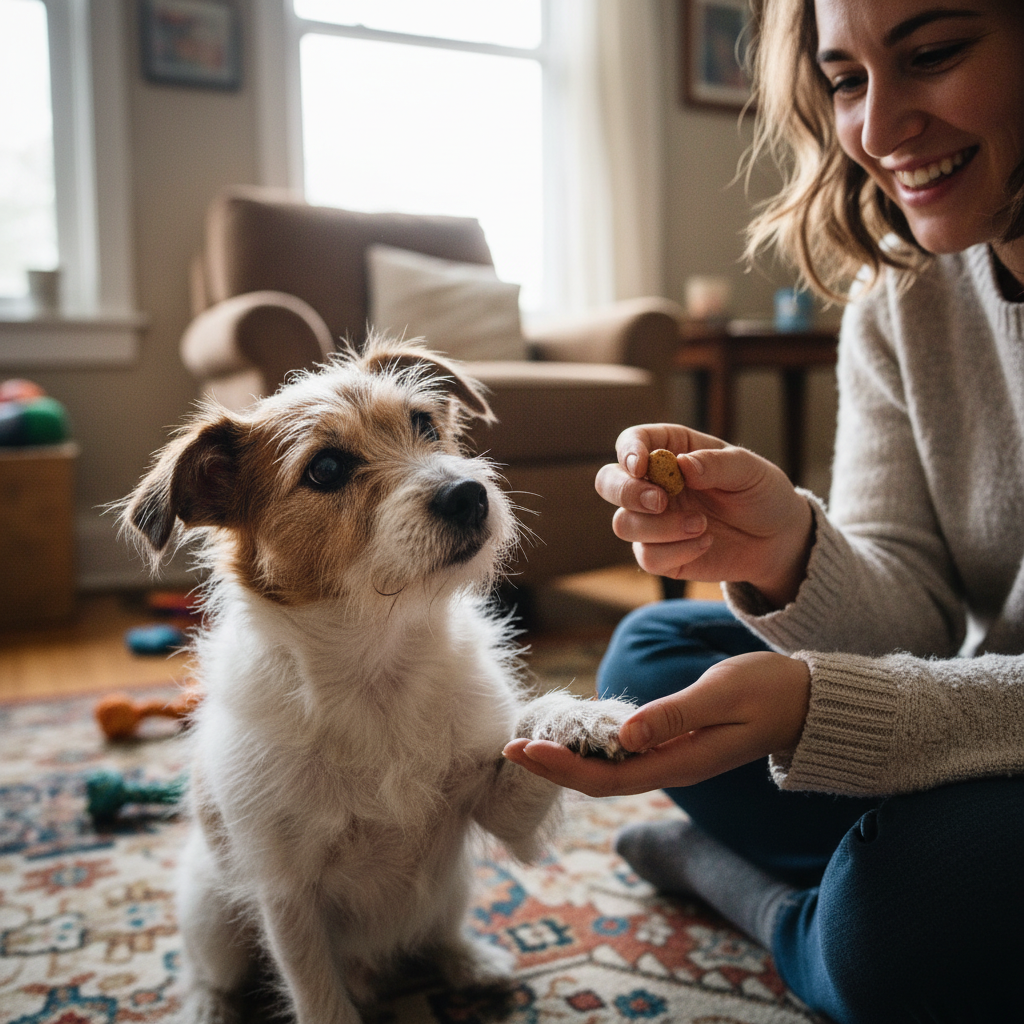
Training is never a straight line, and it’s perfectly normal to hit a few bumps. If you’re struggling, don’t get discouraged! Here are some common issues and how to solve them.
- My dog keeps popping their head right back up!
This is usually a sign that you’re trying to build duration too quickly. Go back a step and reward them the instant their head touches the ground. Make it super easy for them to win! You can also try ‘rapid-fire’ treating: as long as their head is down, give them a tiny treat every second. This teaches them that keeping their head down is highly rewarding.
- My dog is biting or pawing at my hand.
Your treats might be too exciting! Try using a slightly less exciting (but still good!) treat. Also, make sure you are opening your hand to release the treat after they perform the action. If you let them nibble from your closed fist, it can encourage nipping.
- My dog won’t lie down in the first place.
If your dog is too antsy to even lie down, this trick might be too advanced for the moment. Spend some time rewarding them for simply lying down calmly on their bed first. This is called ‘capturing calmness.’ When you see them lying down on their own, calmly walk over and drop a treat between their paws. This teaches them that lying down is a great choice to make.
Putting It All Together: Using ‘Head Down’ in Real Life
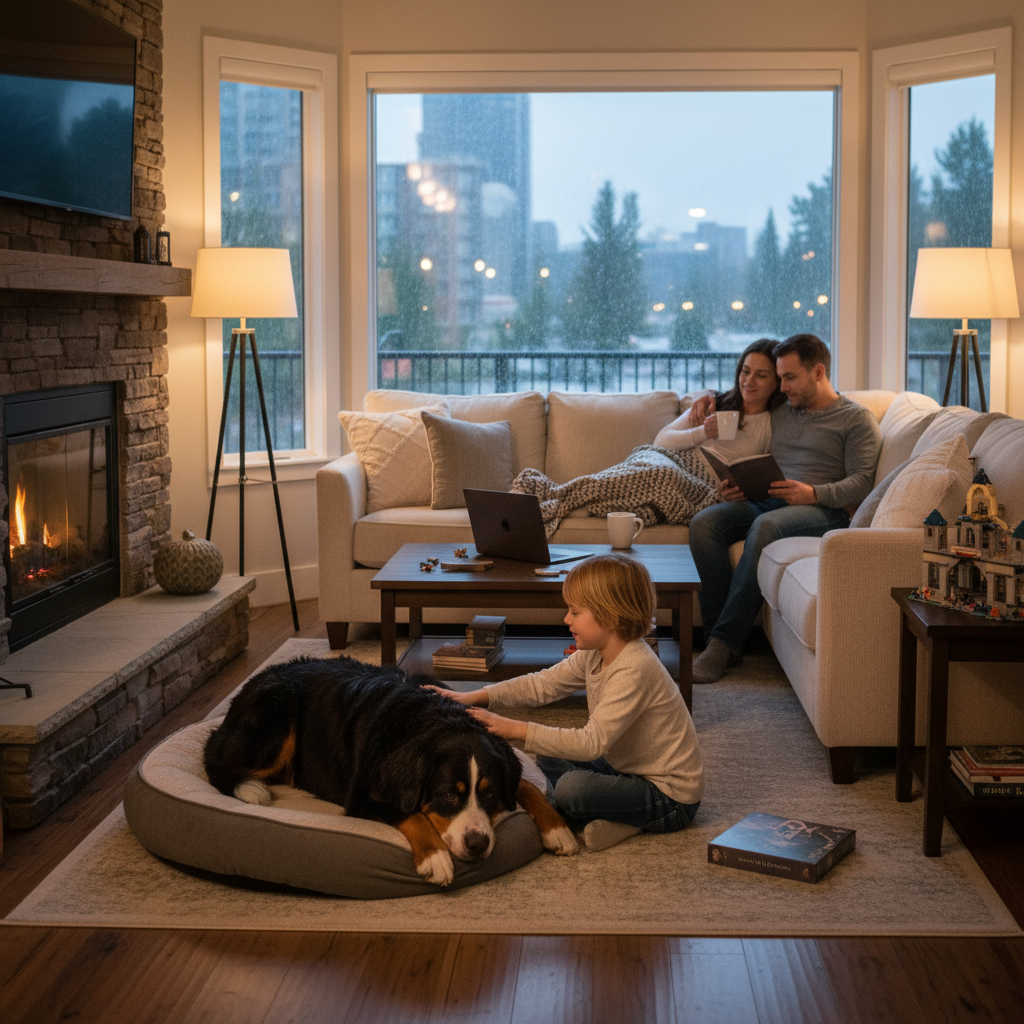
Teaching the trick is one thing; using it effectively is another. The goal is to make ‘Head Down’ your go-to command for encouraging calm in everyday situations.
When Guests Arrive
The doorbell is often a major trigger for excitement. Instead of letting your dog jump all over your visitors, direct them to their bed and ask for a ‘Head Down.’ Reward them periodically for holding the position while your guests settle in. It gives them a productive job to do instead of resorting to chaotic behavior.
During Storms or Fireworks
Loud noises can be terrifying for many dogs. Practicing ‘Head Down’ during these events can give your dog a predictable, comforting behavior to focus on. Combine it with a high-value, long-lasting chew (like a frozen Kong) to create a positive association with a previously scary situation.
At the Vet’s Office or a Café
Want a well-behaved dog in public? ‘Head Down’ is your secret weapon. Asking for this behavior under the table at a dog-friendly patio or on the floor of the vet’s waiting room helps keep them calm and out of the way, earning you compliments on your wonderfully trained companion.
Conclusion
And there you have it! The ‘Head Down’ trick is so much more than a party trick. It’s a communication tool, a relaxation technique, and a fantastic way to deepen the bond you share with your dog. Remember that consistency and patience are your best friends in training. Celebrate the small victories, keep your sessions upbeat, and enjoy the process. Before you know it, you’ll have a powerful command in your toolkit to bring instant calm to any situation, helping your energetic best friend become a more relaxed and balanced member of the family.