Teach Your Dog To Be A Magician With The ‘Pick A Card’ Trick
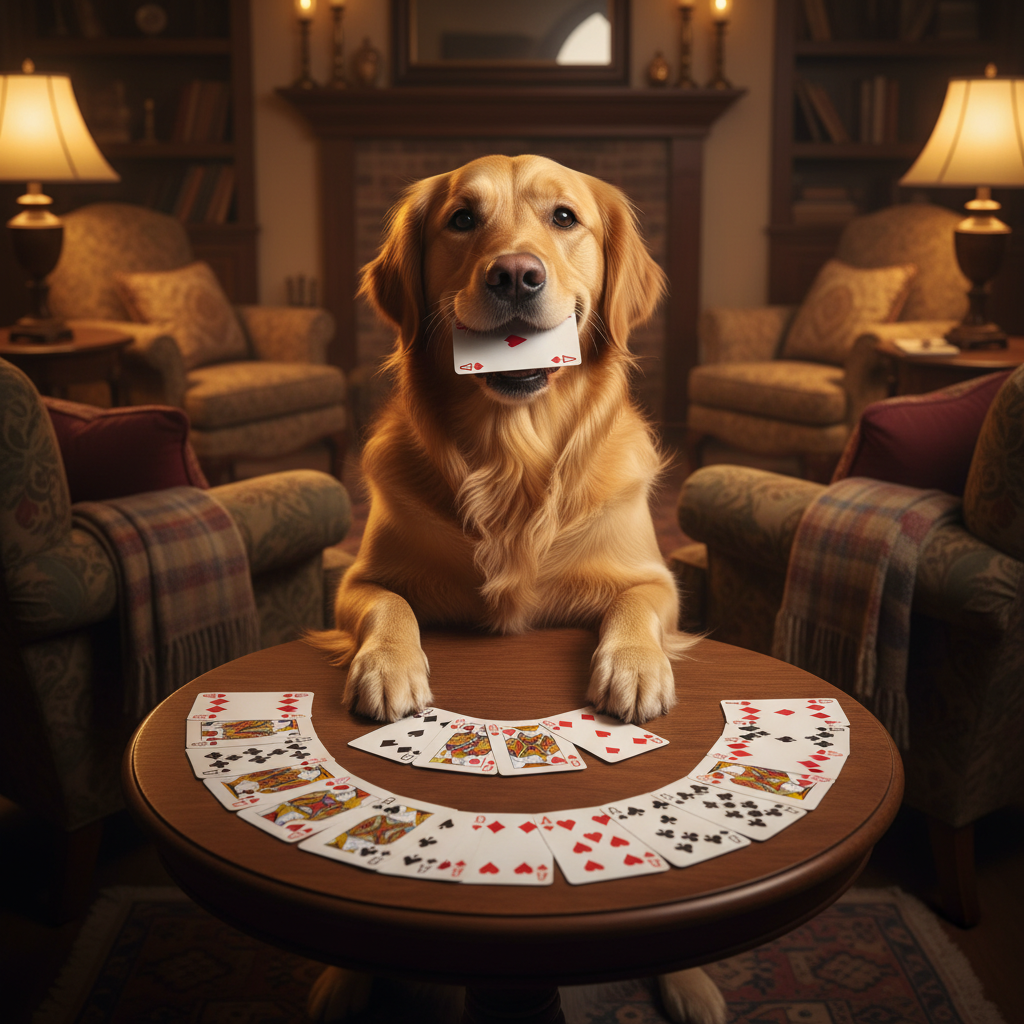
Have you ever wanted to add a truly show-stopping trick to your dog’s repertoire? Something that goes beyond the usual ‘sit’ and ‘stay’? Well, get ready to pull a rabbit—or rather, a playing card—out of your hat! Teaching your dog to ‘pick a card’ is not only an incredibly impressive trick to show off to friends and family, but it’s also a fantastic mental workout for your pup and a wonderful way to strengthen your bond.
You might think this trick is reserved for professional animal trainers, but the truth is, with a little patience, a handful of tasty treats, and a positive attitude, you can turn your canine companion into a master magician. This guide will walk you through everything you need, from the basic building blocks to the final, grand performance. So, grab a deck of cards, and let’s get magical!
Gathering Your Magical Supplies
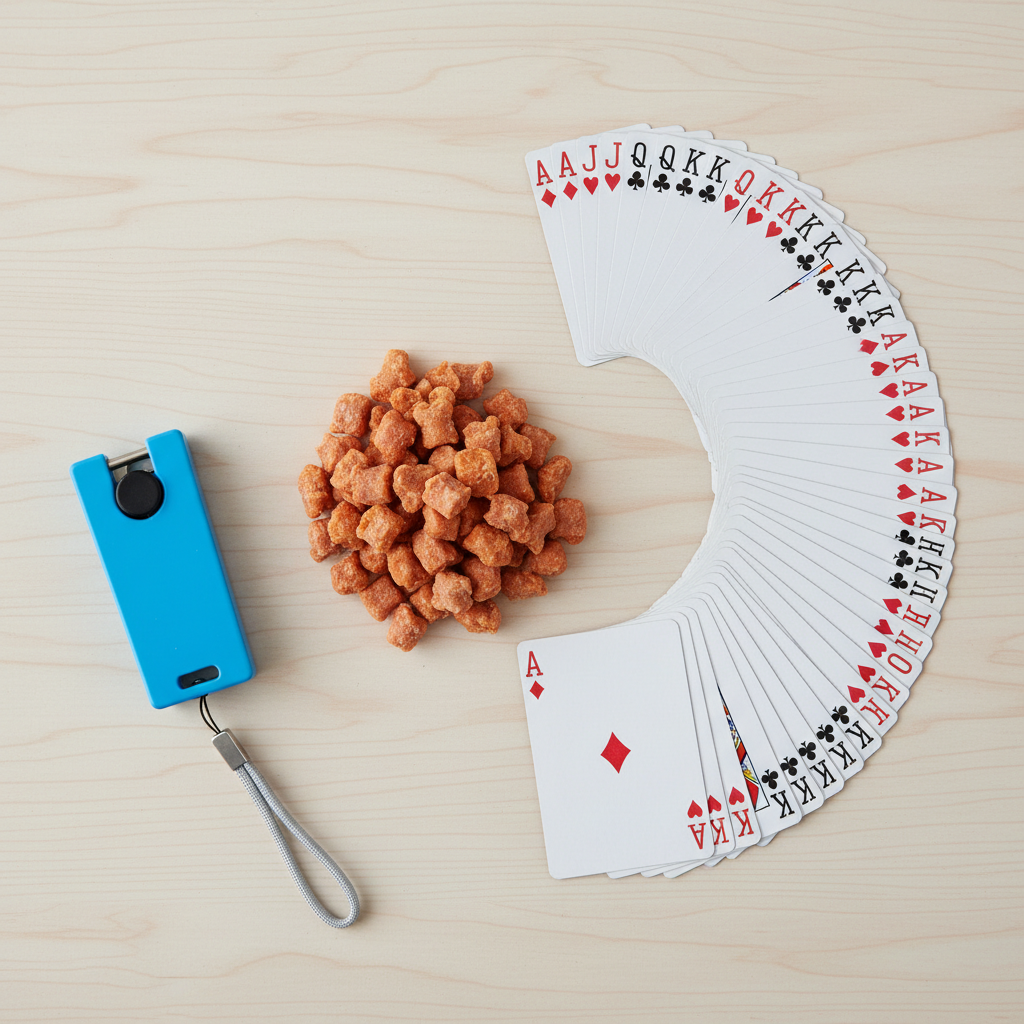
Before you can begin your training, you’ll need to assemble a few key items. Think of these as your magician’s kit! Having everything ready beforehand will make your training sessions smooth and successful.
- High-Value Treats: This is the star of the show! You’ll want small, soft, and extra-delicious treats that your dog absolutely loves. Think tiny pieces of cooked chicken, cheese, or special training treats. The goal is to make the reward so good that your dog is excited to work for it.
- A Deck of Playing Cards: You don’t need anything fancy. In fact, an old or inexpensive deck is perfect, as it’s likely to get a little slobbery. You can even use blank index cards if you prefer.
- A Clicker (Optional but Recommended): A clicker is a fantastic tool for marking the exact moment your dog does the right thing. This precision helps your dog learn much faster. If you’re not using a clicker, you can use a consistent marker word like ‘Yes!’ said in an upbeat tone.
- A Quiet Training Space: Choose a location with minimal distractions. A quiet room in your house is ideal, as it will help your dog stay focused on you and the task at hand.
- Patience and a Positive Attitude: This is the most important supply! Remember, this is a game. Keep your sessions short (5-10 minutes is perfect) and always end on a positive note. Your energy will set the tone for the whole experience.
Step 1: Introducing the Card (The ‘Touch’ Command)
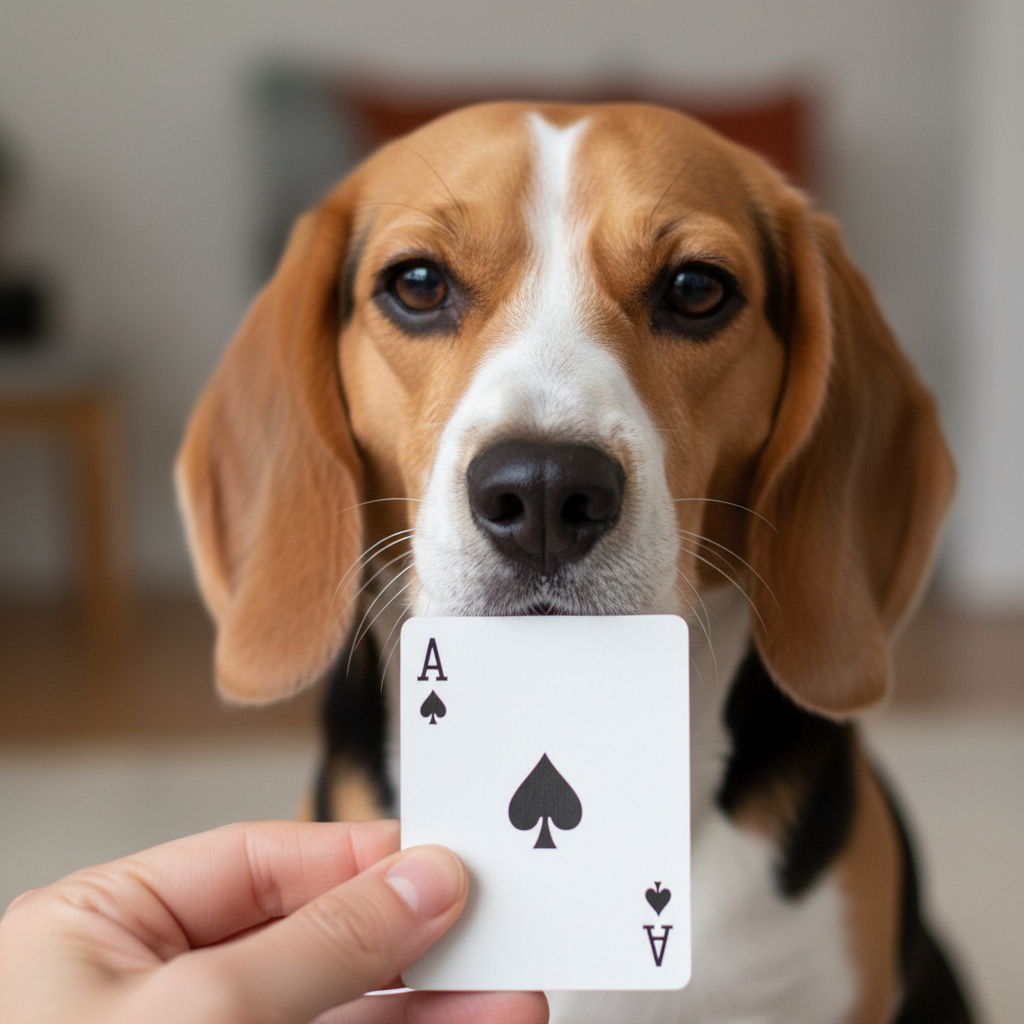
The very first step is to get your dog comfortable with the object you want them to interact with: a single playing card. We’ll start by teaching a simple ‘touch’ or ‘target’ command. This builds a positive association with the cards.
- Hold a single playing card in the palm of your hand or between two fingers.
- Present it to your dog, about nose-level. Out of curiosity, your dog will likely sniff or nudge it.
- The instant their nose makes contact with the card, click your clicker (or say ‘Yes!’) and immediately give them a treat.
- Pull the card away, let them eat the treat, and then present the card again.
- Repeat this process several times. At this stage, you’re just rewarding curiosity.
Expert Tip: If your dog is hesitant, try rubbing a tiny smear of dog-safe peanut butter on the card to encourage that initial touch. Once they get the hang of it, you can fade out the food lure.
Once your dog is reliably touching the card every time you present it, you can add a verbal cue like ‘Touch!’ right before you offer the card. Practice this until your dog confidently targets the card on command.
Step 2: From Touching to Taking (The ‘Hold’ Command)
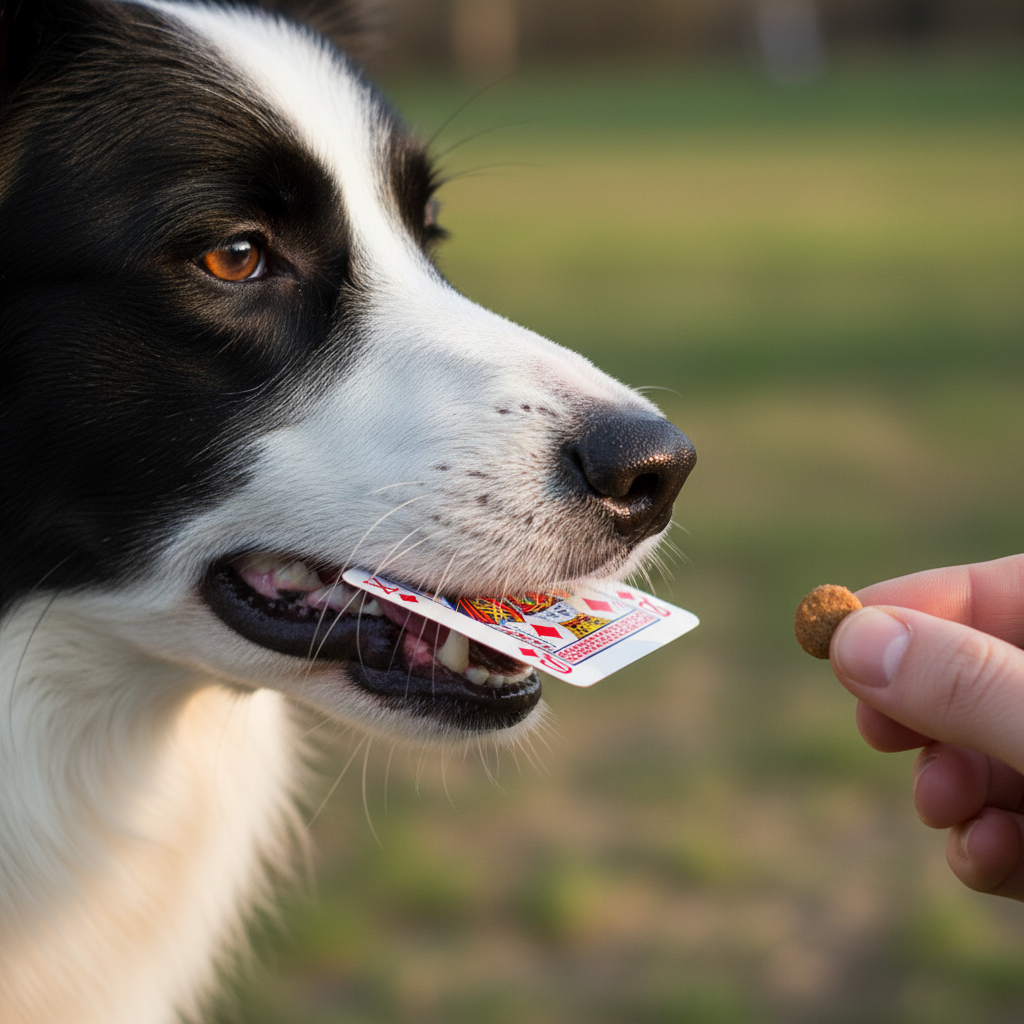
Now that your dog happily touches the card, it’s time to shape that behavior into a gentle hold. This step requires a bit more patience, as we’re asking for a more complex action.
- Start by presenting the card as you did before. This time, wait for a little more than just a nose-touch. Click and treat for any mouth-oriented interaction—a lick, a gentle nibble, or an open mouth touching the card.
- Once your dog is offering mouth contact, start to be more specific. Only click and treat when their mouth actually closes on the card, even for a split second. We call this ‘shaping’ the behavior.
- Gradually increase the duration. Wait for them to hold the card for one second before you click and treat, then two seconds, and so on. The goal is a calm, gentle hold, not a chew-fest.
- When your dog can reliably hold the card for a few seconds, you can add the verbal cue ‘Hold!’ or ‘Take it!’.
Important Takeaway: If your dog starts chewing or shredding the card, it means they’re either getting over-excited or frustrated. Simply take the card away calmly, ask for a simple command they know (like ‘sit’), reward that, and end the session on a positive note. Next time, try a shorter session.
Step 3: Putting It All Together (The Grand Performance)
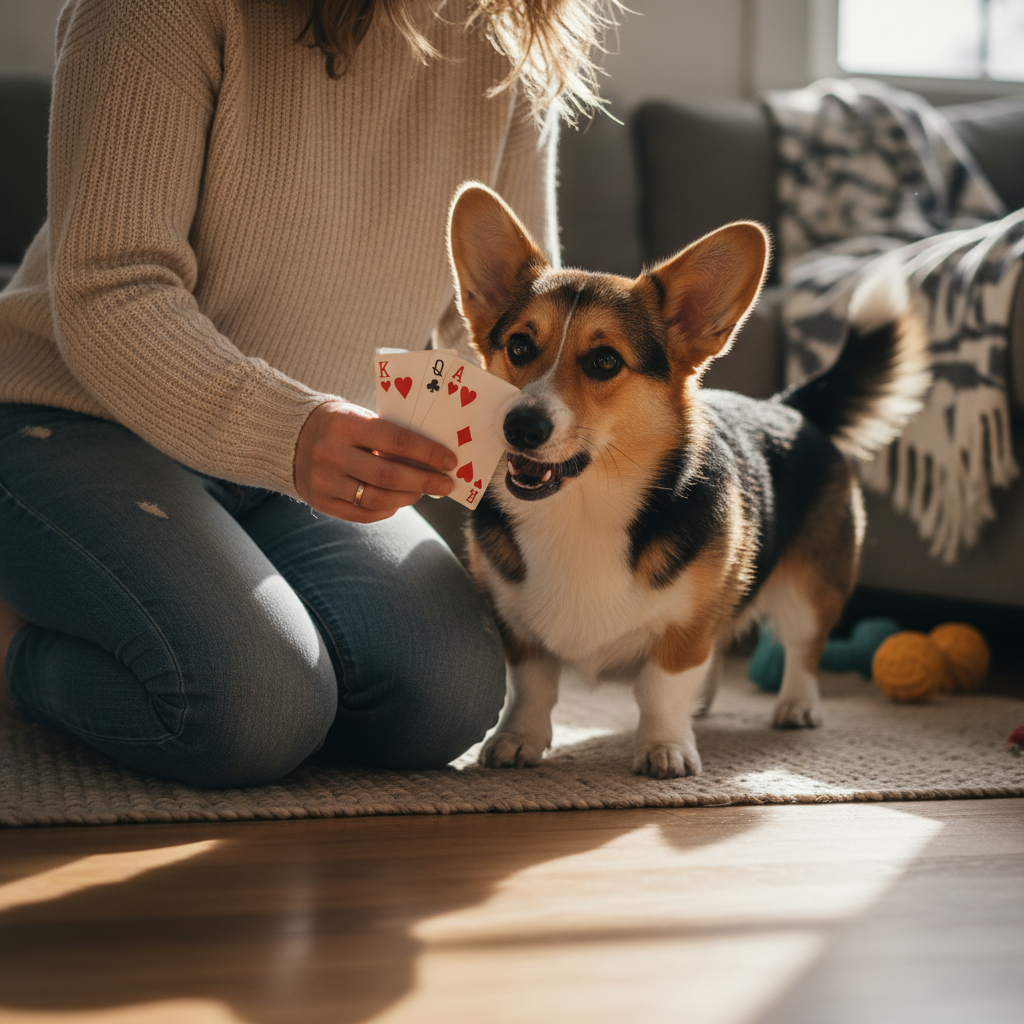
This is where the real magic happens! It’s time to combine the ‘touch’ and ‘hold’ skills into the full ‘pick a card’ trick. We’ll generalize the behavior from one card to a selection of cards.
- Begin by placing just two or three cards on the floor in front of your dog, spaced a few inches apart.
- Give your new cue, something fun like ‘Pick a card!’ or ‘Is this your card?’ and gesture towards the cards.
- Your dog should investigate and, using the ‘hold’ behavior they’ve learned, pick one up. The moment they do, throw a jackpot party! Give them lots of praise and several treats. This is a huge milestone!
- Once they are confidently picking up one card from a small pile, you can make it more like a real magic trick. Hold the cards fanned out in your hand and offer them to your dog.
- Practice until they can smoothly select one card from the fan on your cue.
You’ve done it! Your dog is now a certified magician’s assistant. You can build on this by increasing the number of cards or having them pick a card from a deck placed on a small table.
Troubleshooting Common Hiccups
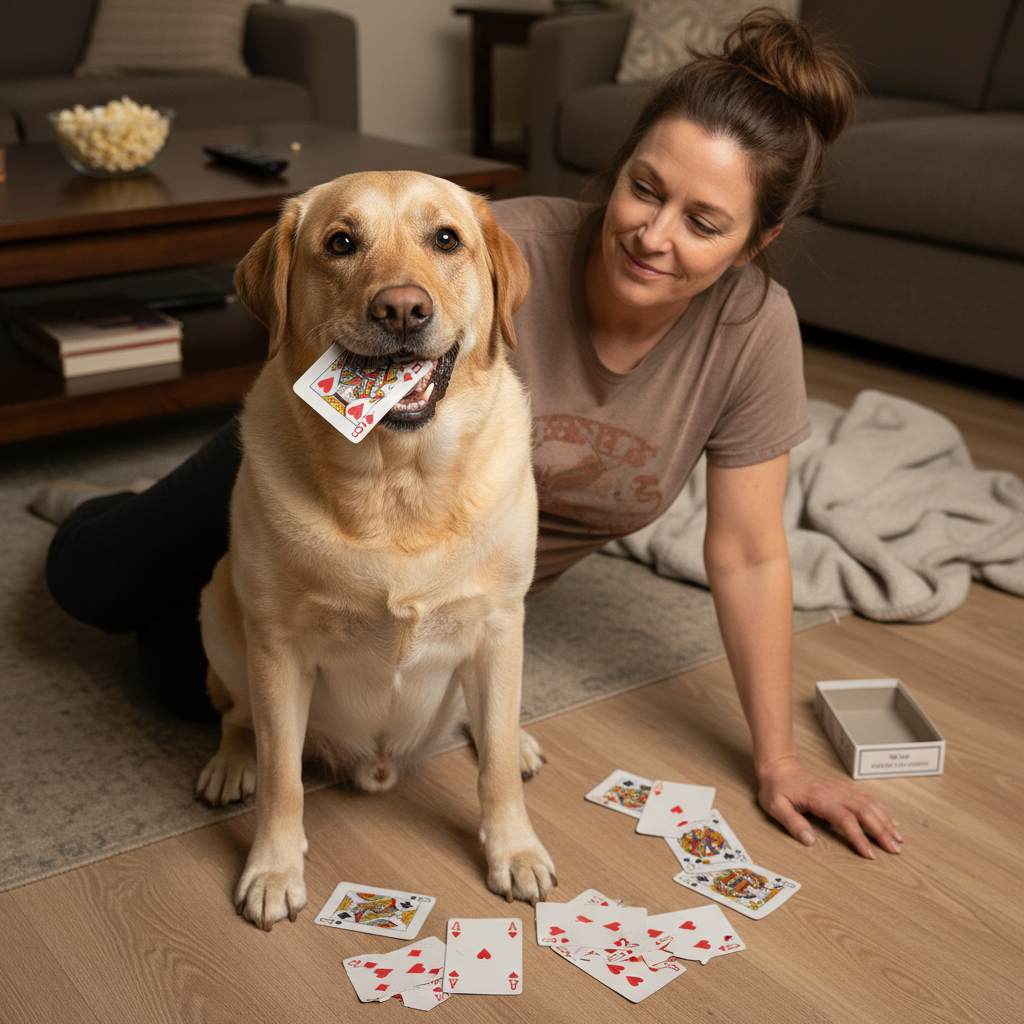
Even the best magicians run into a few snags during practice. If you hit a roadblock, don’t worry! It’s a normal part of the training process. Here are some common issues and how to solve them.
My dog just wants to chew the card!
This is very common! It usually means the dog is a bit over-aroused or doesn’t understand the ‘gentle hold’ concept yet. Go back a step and work on rewarding very short, gentle holds. Make sure you are clicking for the hold, not the chewing. Also, ensure you have a solid ‘Drop it’ command to get the card back safely.
My dog won’t touch the card at all.
If your dog is hesitant, the card might be a strange new object for them. Make it less intimidating. Leave a card on the floor for them to investigate on their own time. Reward any interaction, even just looking at it. You can also go back to the food lure trick (a tiny dab of something tasty) to rebuild their confidence.
My dog grabs the whole fan of cards instead of just one.
This is an issue of precision. Go back to placing just two cards on the floor, but place them further apart. Reward heavily for selecting just one. As they get better, you can slowly move the cards closer together again. When holding the fan, make sure the cards are spaced enough for your dog to easily single one out.
Conclusion
Congratulations! You and your canine partner have embarked on a magical journey together. Teaching the ‘pick a card’ trick is about so much more than just the final performance. It’s about communication, patience, and celebrating the small victories along the way. It’s a testament to the incredible intelligence of our dogs and the special bond we share with them.
Remember to always keep training fun and positive. Every session is an opportunity to connect with your dog and build their confidence. Now go on, show off your talented pup’s new trick—you’ve both earned a round of applause!