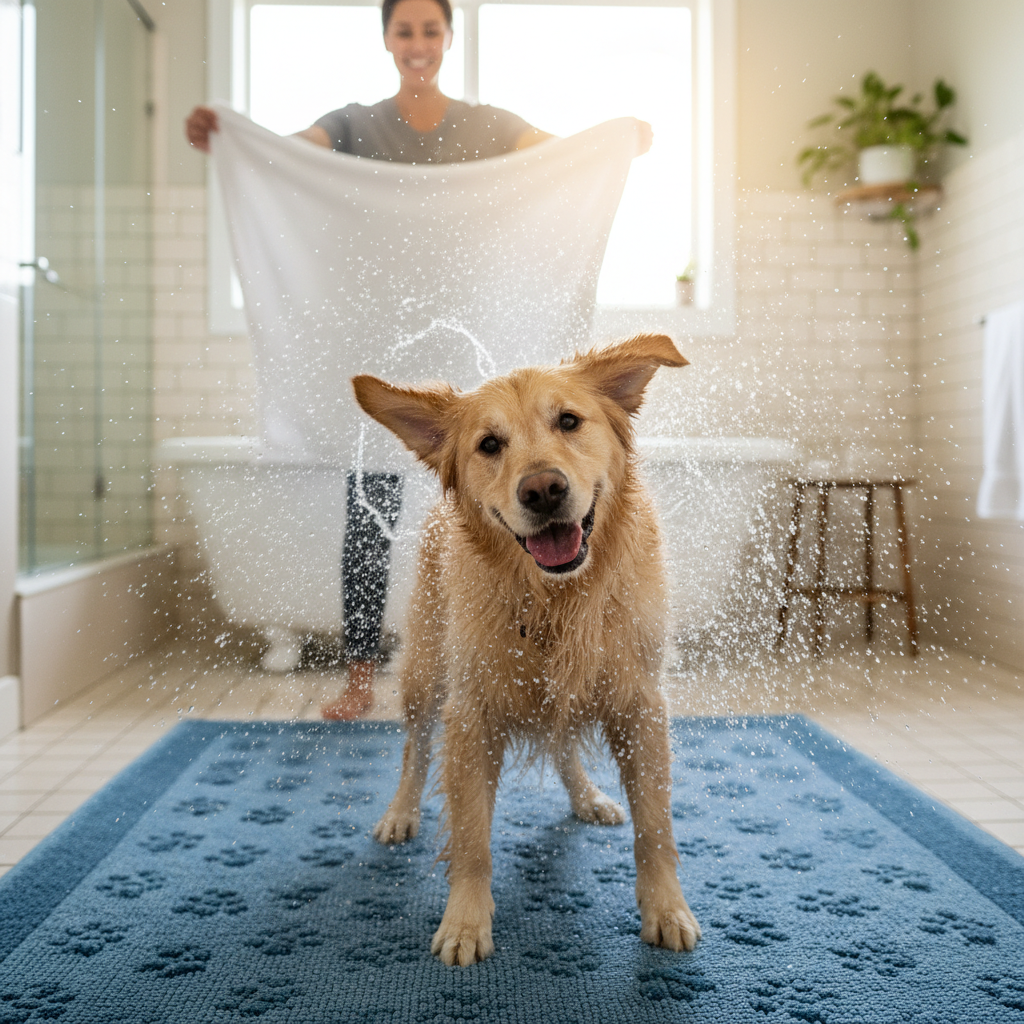
No More Wet Walls: Teach Your Dog to Shake Off on Command
We’ve all been there. You’ve just finished the Herculean task of bathing your dog. You’re reaching for the towel, a sense of accomplishment washing over you, when it happens: The Great Shake. In a split second, a whirlwind of water and fur redecorates your bathroom walls, your mirror, and you. Or maybe it’s after a joyful, rainy walk, and the shake happens right in the middle of your living room rug. While it’s a natural and necessary behavior for a dog, the collateral damage can be frustrating. But what if you could control where that shake happens? Good news—you can! Welcome to your go-to guide for teaching your dog to shake off on command. This simple, fun trick is a game-changer for any dog owner, turning a potentially messy situation into a controlled, impressive command. Let’s get started!
Getting Started: The Tools for a Dry Success
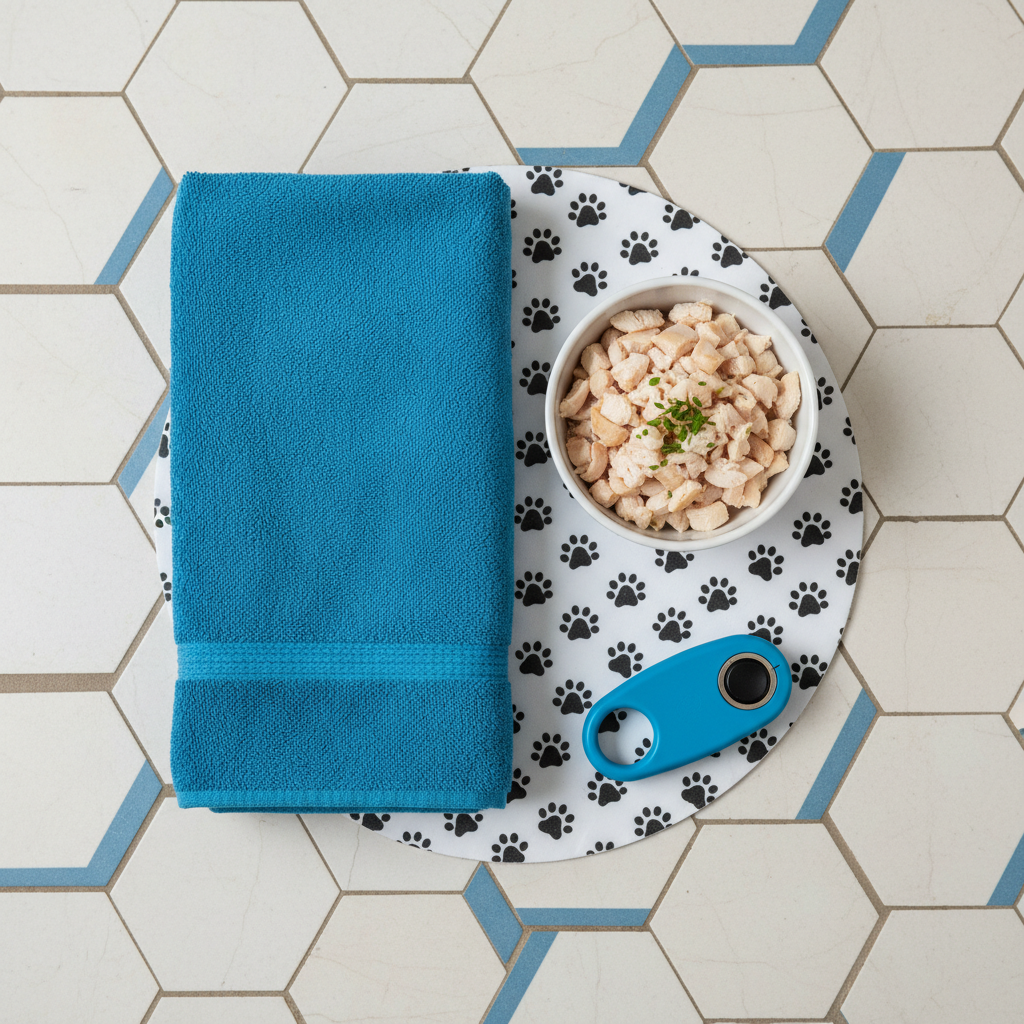
Before you jump into training, it’s best to set yourself up for success. The good news is you don’t need any fancy equipment. This command is all about timing, patience, and positive reinforcement. Here’s what you should gather:
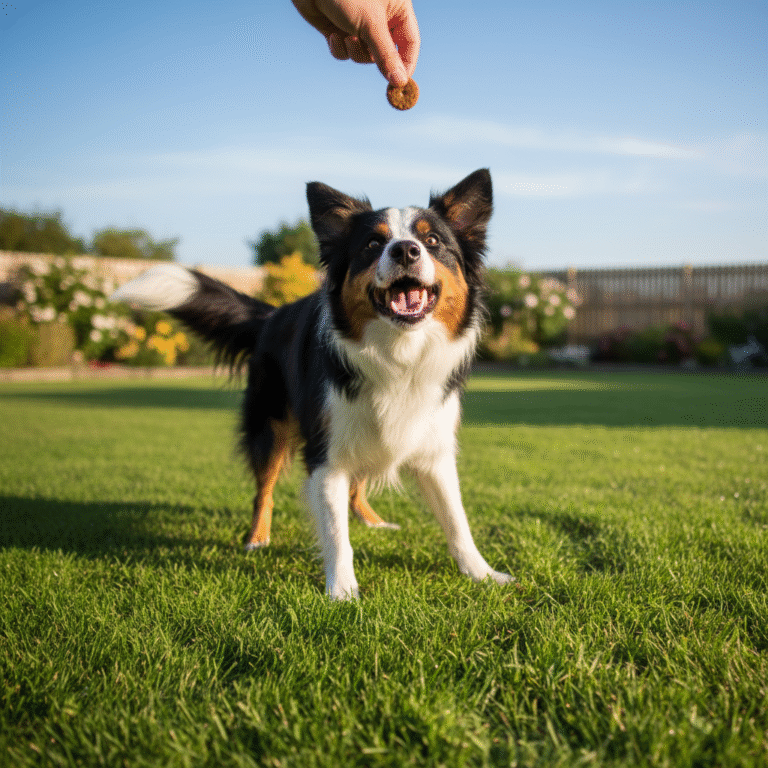
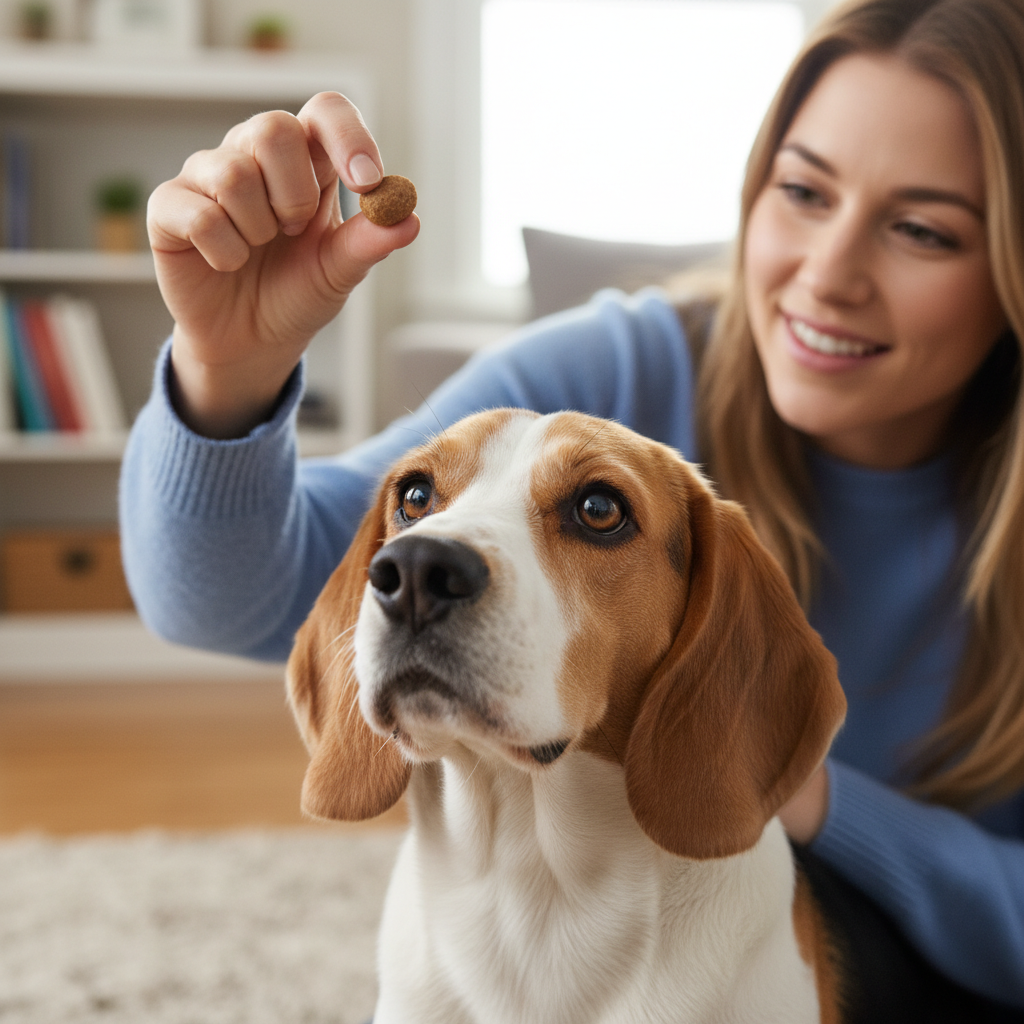
- High-Value Treats: These are the extra-special goodies your dog absolutely loves. Think small pieces of chicken, cheese, or their favorite smelly training treats. The ‘shake’ is a big action, so it deserves a big reward!
- A Designated ‘Shake Zone’: Consistency is key. Choose one specific spot where you want your dog to shake. This could be in the bathtub, on a specific old towel or mat by the door, or in a tiled mudroom. This helps your dog understand that shaking is great, but only in this approved area.
- A Way to Get Your Dog Wet: You’ll need some water to encourage the natural shake! This could be a bath, a gentle spray from a hose in the yard, or just coming inside from a rainy day.
- A Clicker (Optional): If you use a clicker for other training, it’s a fantastic tool for precisely marking the moment the shake begins. If not, a verbal marker like a sharp “Yes!” works just as well.
- Patience and a Positive Attitude: This is the most important tool of all! Training should be fun for both of you. Keep your sessions short (5-10 minutes) and always end on a positive note.
Step 1: Capturing the Natural Behavior
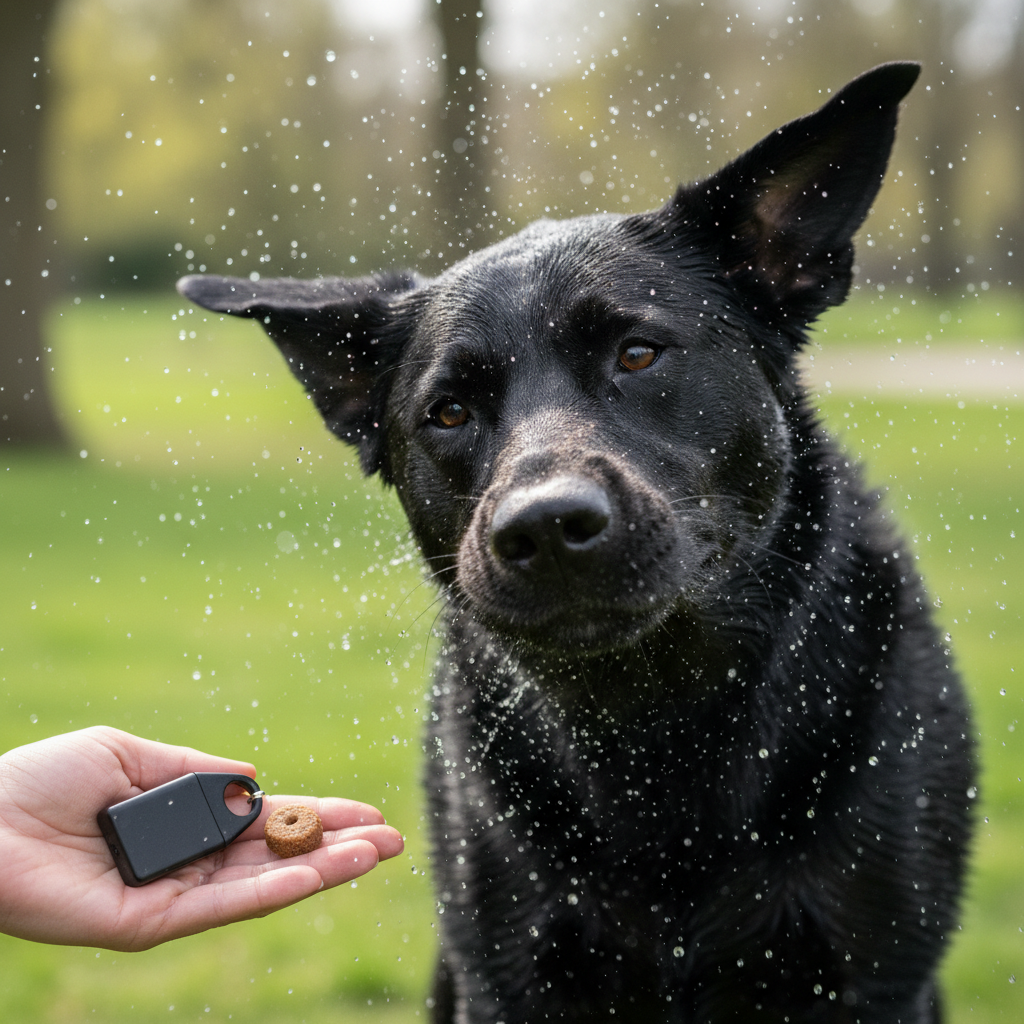
You can’t teach a dog to do something they don’t already do naturally. Luckily, shaking when wet is pure instinct. Our first job isn’t to create the behavior, but to capture it. Think of yourself as a wildlife photographer waiting for the perfect shot. Your goal is to catch your dog in the act of shaking and reward them for it.
Here’s how to do it:
- Get your dog slightly wet. The easiest time to practice is right after a bath, but you can also wet their back with a sponge or take them out for a run through the sprinkler.
- Have your treats and marker (clicker or “Yes!”) ready and accessible.
- Wait. Stand back and observe your dog. The moment—the very second—they begin to shake, mark the behavior with your click or “Yes!”
- Immediately follow the marker with a super tasty treat and lots of praise. “Good shake! That was amazing!”
Expert Tip: Your timing is everything here. You want to mark the beginning of the shake, not the end. This helps your dog connect the action of shaking with the reward that follows.
Repeat this process every time your dog gets wet. At this stage, you are not saying any command. You are simply building a powerful association in your dog’s mind: “When I shake, I get something wonderful!”
Step 2: Adding the Verbal Cue
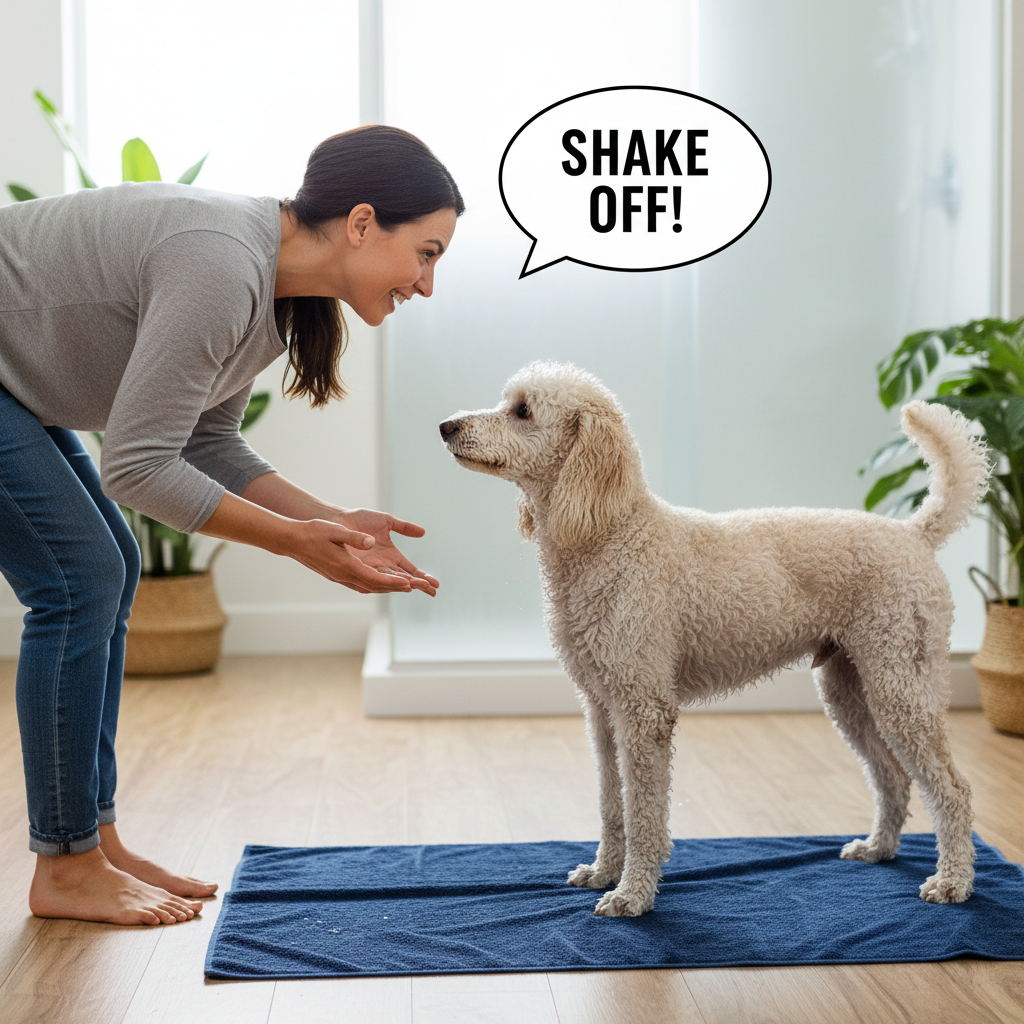
Once your dog reliably shakes after getting wet and looks to you for a treat, you’re ready to put a name to the action. This is where you introduce your verbal cue. Choose a short, clear phrase like “Shake Off!,” “Shake,” or “Dry Off!” and stick with it.
The process is about anticipating the behavior:
- Get your dog wet as before.
- You’ve practiced capturing, so you should now have a good sense of your dog’s body language right before they shake. They might pause, lower their head, or shift their weight.
- The moment you see that pre-shake signal, say your verbal cue clearly and happily: “Shake Off!”
- As soon as they start shaking, mark it (“Yes!”) and deliver the treat with praise.
After several successful repetitions, your dog will begin to connect the words “Shake Off!” with the action of shaking. The goal is to transition from you predicting the shake to your dog responding to the cue. Eventually, you can try giving the cue before they show signs of shaking to see if they offer the behavior on their own. Don’t rush this step! It can take many sessions for the connection to become solid.
Troubleshooting & Common Mistakes
Even with the best plan, you might hit a snag. Don’t worry, it’s a normal part of the training process! Here are some common issues and how to solve them.
My dog won’t shake!
Some dogs are less prone to shaking. If your dog is wet but just standing there, you can try to encourage it. Gently ruffle the fur on their back or blow lightly on their ear. Sometimes, a tiny trickle of water on their neck can trigger the shake reflex. Keep the mood light and fun—never force it.
My dog shakes before I can say the cue!
This is actually a good problem to have! It means your dog has a strong association between being wet and the reward. To fix this, you need to work on your timing. Be quicker with your verbal cue. If they still beat you to it, simply don’t reward the un-cued shake. Wait a moment, then cue them. Only reward the shakes that happen after you’ve given the command.
My dog only shakes in the bathroom.
This means you need to work on generalizing the command. This is our next step, often called ‘proofing.’ You need to show your dog that “Shake Off!” means the same thing in the backyard as it does in the tub. Start practicing in different, appropriate locations.
Proofing the Command: Taking ‘Shake’ on the Road
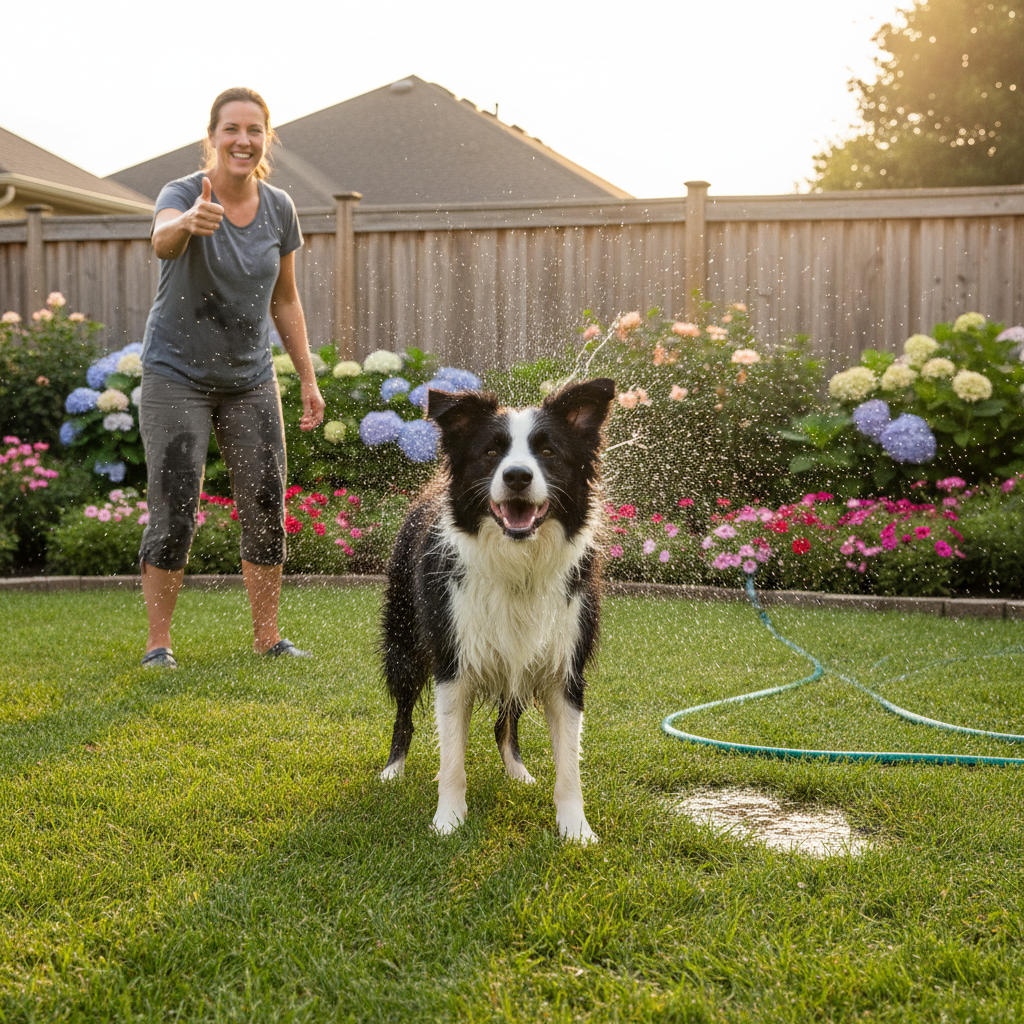
Your dog can now shake on command in the bathroom. Fantastic! But the real magic happens when they can do it anywhere you ask. This is called proofing the behavior, and it involves practicing in new environments with different distractions.
Start small and build up gradually:
- The Back Door: Place your designated ‘shake mat’ or towel right inside the back door. After a rainy walk, lead your dog to the mat and give the command before they have a chance to run through the house.
- The Yard: On a warm day, play with the hose or a sprinkler. Practice asking for a shake in the middle of the yard. This is a great, low-pressure environment.
- Near the Car: After a trip to a lake or a muddy park, ask for a shake on the grass before your dog jumps into the car. This will save your upholstery!
The key to proofing is to manage the environment to ensure success. Always have your high-value rewards ready, and don’t be discouraged if your dog gets it wrong in a new place. Just take a step back, make it easier, and try again. Soon, you’ll have a reliable ‘shake off’ command that you can use whenever you need it most.
Conclusion
Congratulations! By following these steps, you’ve turned a messy, uncontrollable instinct into a fun and incredibly useful command. Teaching your dog to shake off on cue does more than just save your walls and furniture; it deepens the bond you share. It’s another way you and your dog can communicate and work together as a team. Remember that patience, positivity, and plenty of tasty treats are the secret ingredients to any successful training. So next time a rain cloud rolls in or bath time is on the schedule, you can smile knowing you’re just one simple command away from a much drier, cleaner home.