The Hilarious ‘Nod Yes’ Trick That Melts Hearts Instantly
Beyond ‘sit,’ ‘stay,’ and ‘shake,’ there lies a world of quirky, hilarious tricks that can deepen the bond with your furry friend and provide some fantastic mental stimulation. If you’re looking for a new party trick that’s a certified heart-melter, look no further than the ‘nod yes’ command! Imagine asking your dog, ‘Are you a good boy?’ and getting a definitive nod in response. It’s pure gold!
You might think a trick this specific is only for professional movie dogs, but that couldn’t be further from the truth. With a little patience, a handful of tasty treats, and a positive attitude, you can teach your pup this adorable skill. This guide will break down the entire process into simple, easy-to-follow steps. Let’s get nodding!
Gearing Up for Nodding Success: What You’ll Need
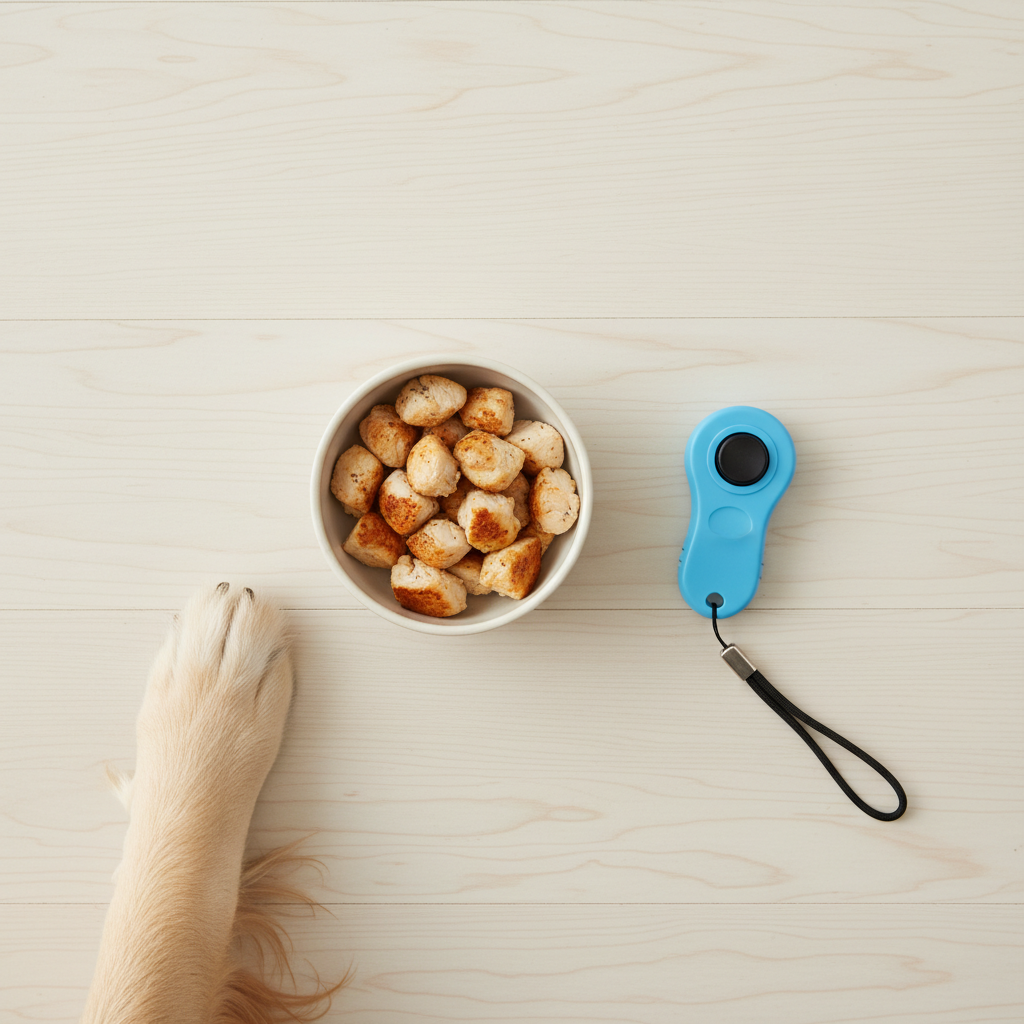
Before you start your training session, it’s best to get all your tools ready. Having everything on hand makes the process smoother and keeps your dog engaged. Luckily, you don’t need any fancy equipment for this trick. Here’s your simple checklist:
- High-Value Treats: These are the extra-special goodies your dog absolutely loves and doesn’t get every day. Think tiny pieces of cooked chicken, cheese, or hot dogs. The smellier and tastier, the better! They need to be small enough to be eaten quickly so you can keep the training pace up.
- A Clicker (Optional): A clicker is a fantastic tool for marking the exact moment your dog does the right thing. If you’ve never used one, don’t worry! You can achieve the same result with a verbal marker word like a sharp, happy ‘Yes!’. The key is consistency.
- A Quiet Training Space: Choose a location with minimal distractions. Your living room, a quiet hallway, or a peaceful backyard are all great options. You want your dog’s full attention on you and the tasty treats.
- A Positive Attitude: This is the most important tool! Dogs are incredibly intuitive and feed off our energy. Keep sessions short (5-10 minutes is perfect), upbeat, and always end on a positive note.
Step 1: The ‘Up’ Motion – Capturing the Head Lift
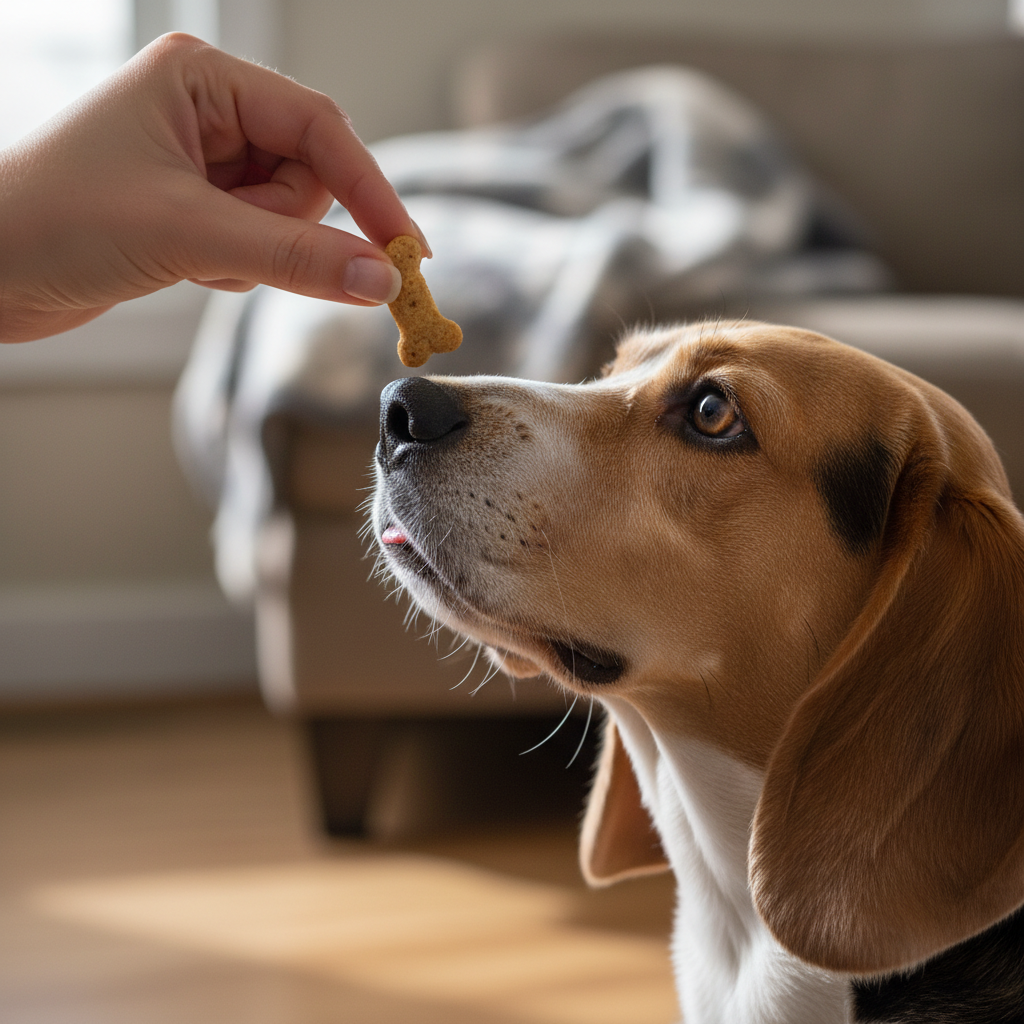
The foundation of a good nod is isolating the two key movements: up and down. We’ll start by teaching the ‘up’ motion. This is the easiest part and builds your dog’s confidence right away.
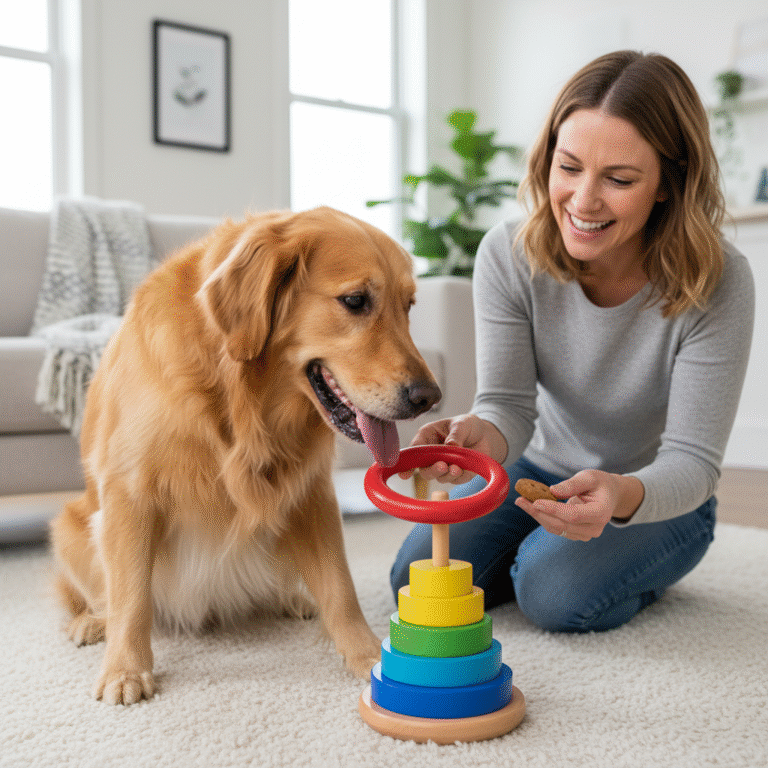
- Hold a high-value treat between your thumb and forefinger.
- Let your dog sniff the treat so they know you have something delicious.
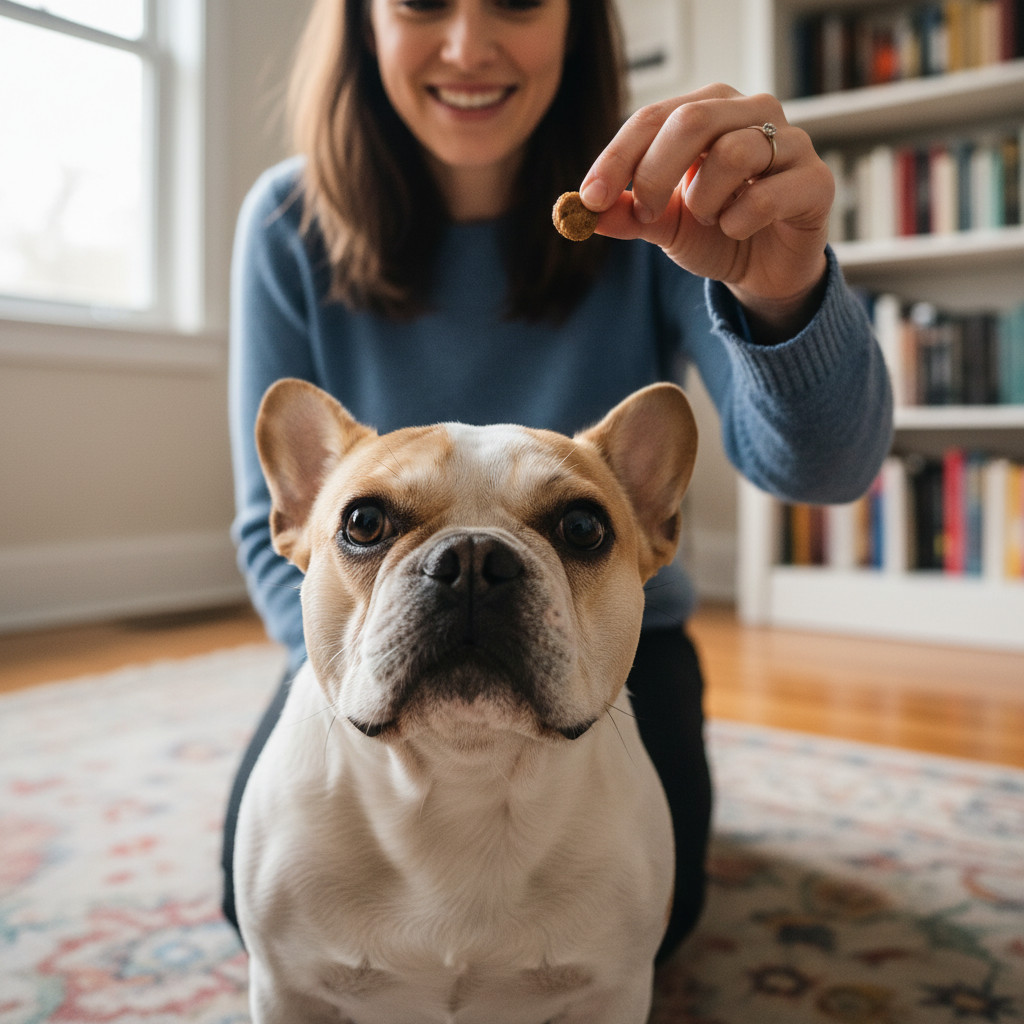
- Slowly lift the treat from in front of their nose to just above their head, slightly behind their eyes. Their nose will naturally follow the treat, causing them to lift their head up.
- The instant their head points upward, click your clicker or say your marker word (‘Yes!’) and immediately give them the treat.
- Repeat this process several times. The goal is for your dog to understand that lifting their head up earns them a reward. Keep the movements small and precise. We’re not trying to get them to jump, just to lift their chin.
Expert Tip: Keep your sessions short! A few successful repetitions in a 5-minute session are far more effective than a frustrating 20-minute drill. Always end on a successful attempt to keep them excited for the next lesson.
Step 2: From ‘Up’ to ‘Nod’ – Adding the Downward Motion
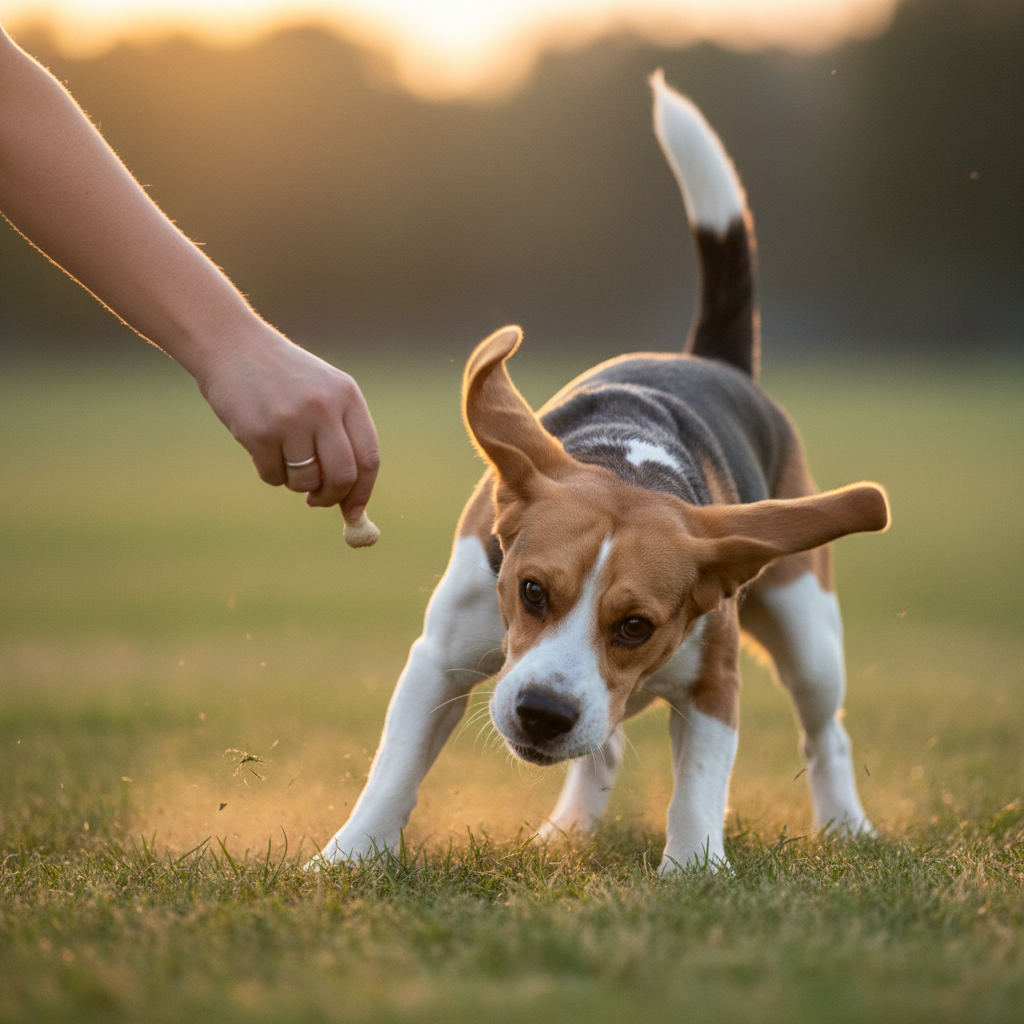
Once your dog is reliably lifting their head for the treat, it’s time to create the full ‘nod’ motion. This step combines the ‘up’ movement you just practiced with a new ‘down’ movement. It’s all about creating a smooth, fluid lure.
- Start just as you did before, luring your dog’s head up with the treat.
- As soon as their head reaches the peak ‘up’ position, immediately and quickly swoop the treat down to their chest level, right between their paws.
- Their head will follow the treat downwards, creating the second half of the nod.
- The moment they complete this full ‘up-then-down’ motion, click or say ‘Yes!’ and give them the treat.
The key here is speed and fluidity. You want it to be one continuous movement: lure up, swoop down, reward. At first, it might look a little clumsy, but with practice, your dog will start to smooth out the motion. You are essentially ‘drawing’ a small arc in the air with the treat, and their nose is the pencil tip following it.
Step 3: Going Pro – Fading the Lure and Adding a Verbal Cue
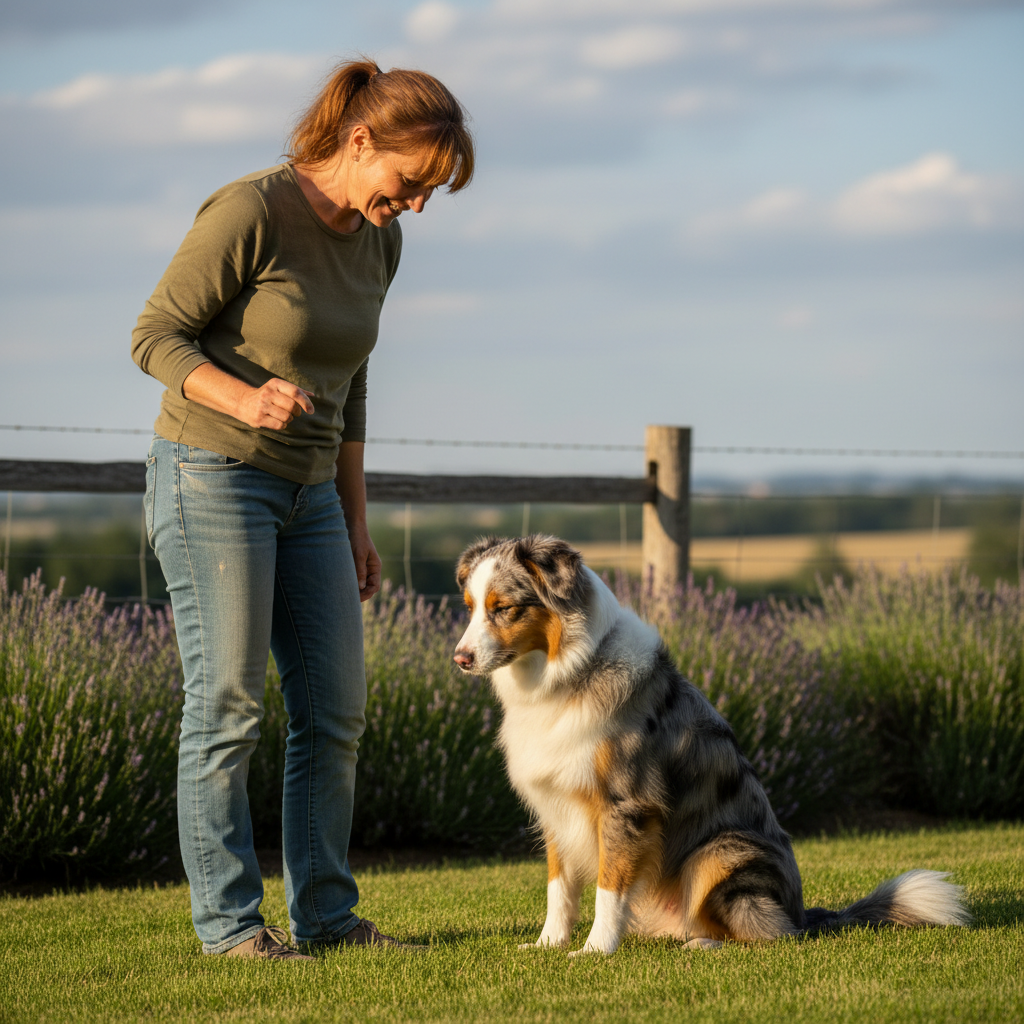
This is where the magic happens! Your dog understands the physical motion; now it’s time to remove the treat lure and attach a verbal cue so you can ask for the trick from a distance.
Fading the Hand Signal
First, start making your hand motion smaller and smaller. Instead of a big swoop with a treat, try doing the same up-and-down motion with an empty hand. Your dog will likely still follow the familiar gesture. Reward them for doing so. Gradually, make the hand signal more subtle—perhaps just a little nod of your own hand or a flick of your finger.
Adding the Verbal Cue
Once your dog responds to the subtle hand signal, you can add your verbal cue. Choose something fun! ‘Do you agree?’, ‘Is that right?’, or a simple ‘Yes?’ are all great options.
- Say your chosen cue clearly right before you give the hand signal. For example: Say ‘Do you agree?’ and then immediately give your subtle hand signal.
- When your dog performs the nod, praise them enthusiastically and give them a treat.
- After many repetitions, your dog will start to associate the words with the action. You can then try saying the verbal cue on its own, without any hand signal. When they nod—jackpot! Reward them with lots of treats and praise. This is a huge breakthrough!
Oops! Troubleshooting Common Nodding Hiccups
Training is never a perfectly straight line. You’re bound to hit a few little bumps in the road. Don’t get discouraged! Here are some common problems and how to solve them:
- Problem: My dog just tries to jump up and grab the treat.
Solution: You might be holding the treat too high or moving it too slowly. Try a quicker, smaller luring motion. If they still jump, briefly take the treat away and restart once all four paws are on the floor. - Problem: My dog’s nod is more of a frantic head bobble.
Solution: Go back a step! Slow down and focus on rewarding a single, smooth up-and-down motion. Break it down into the ‘up’ and ‘down’ components again until the movement is more controlled. - Problem: My dog gets distracted and loses interest quickly.
Solution: Your training sessions might be too long, or your treats might not be exciting enough. Cut your session time to just a couple of minutes and try using an even higher-value reward. Also, double-check that your training environment is free from distractions like other pets, people, or loud noises. - Problem: My dog isn’t getting it.
Solution: Every dog learns at a different pace. Take a break! Sometimes, the best thing you can do is end the session on a positive note with a trick they already know, and try again tomorrow. Patience and positivity are your best friends.
Conclusion
Congratulations! You now have all the steps you need to teach your dog one of the most charming and hilarious tricks around. Remember that the journey is just as important as the destination. Every training session is a chance to strengthen your communication and bond with your dog. Celebrate the small victories, keep it fun, and be patient. Before you know it, you’ll be able to ask your dog if they want to go for a walk and get an enthusiastic nod in return. Now go have some fun and start nodding!