Instagram Gold: Teach Your Dog to Hold a Sign for Photos
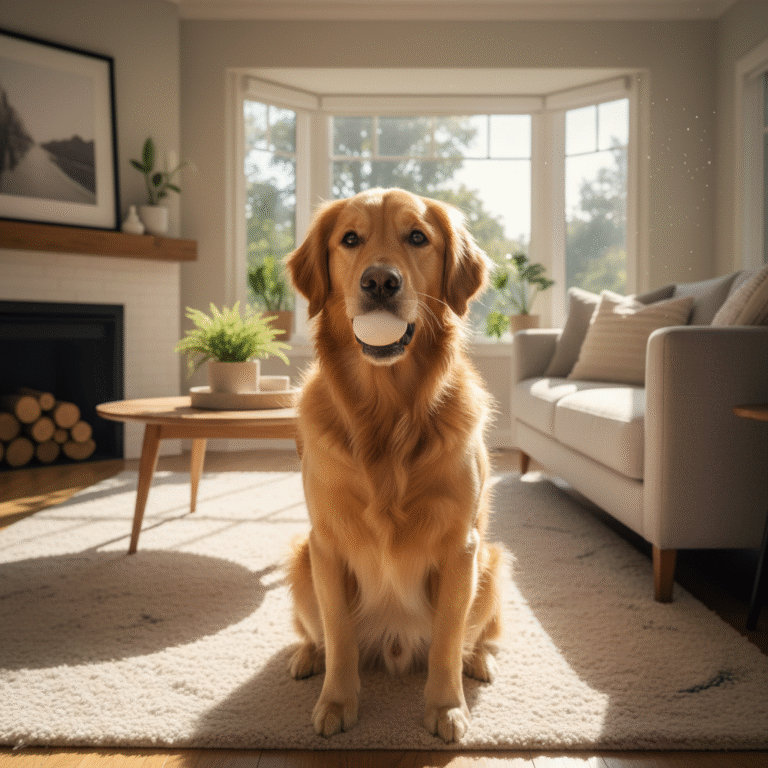
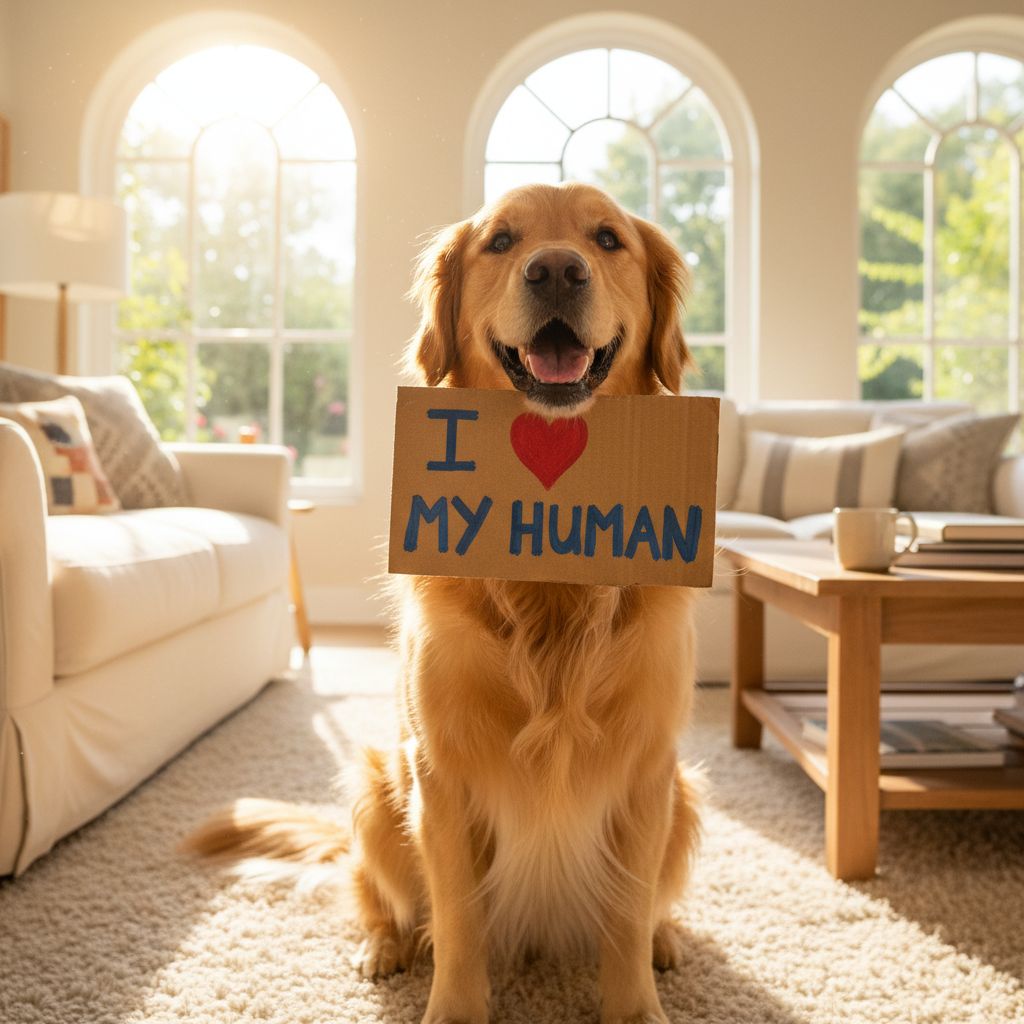
Have you ever scrolled through Instagram and seen those impossibly cute photos of dogs holding signs with funny or sweet messages? It looks like something only a professional movie dog could do, right? Well, I’m here to let you in on a little secret: with a bit of patience and a pocketful of treats, your dog can become a sign-holding superstar, too! This trick is not only a fantastic way to create memorable photos for birthdays, holidays, or just for fun, but it’s also an incredible bonding experience for you and your furry best friend. In this guide, we’ll break down the entire process into simple, easy-to-follow steps using positive, force-free methods. Let’s get ready to capture some Instagram gold!
Gathering Your Pawsome Props & Tools
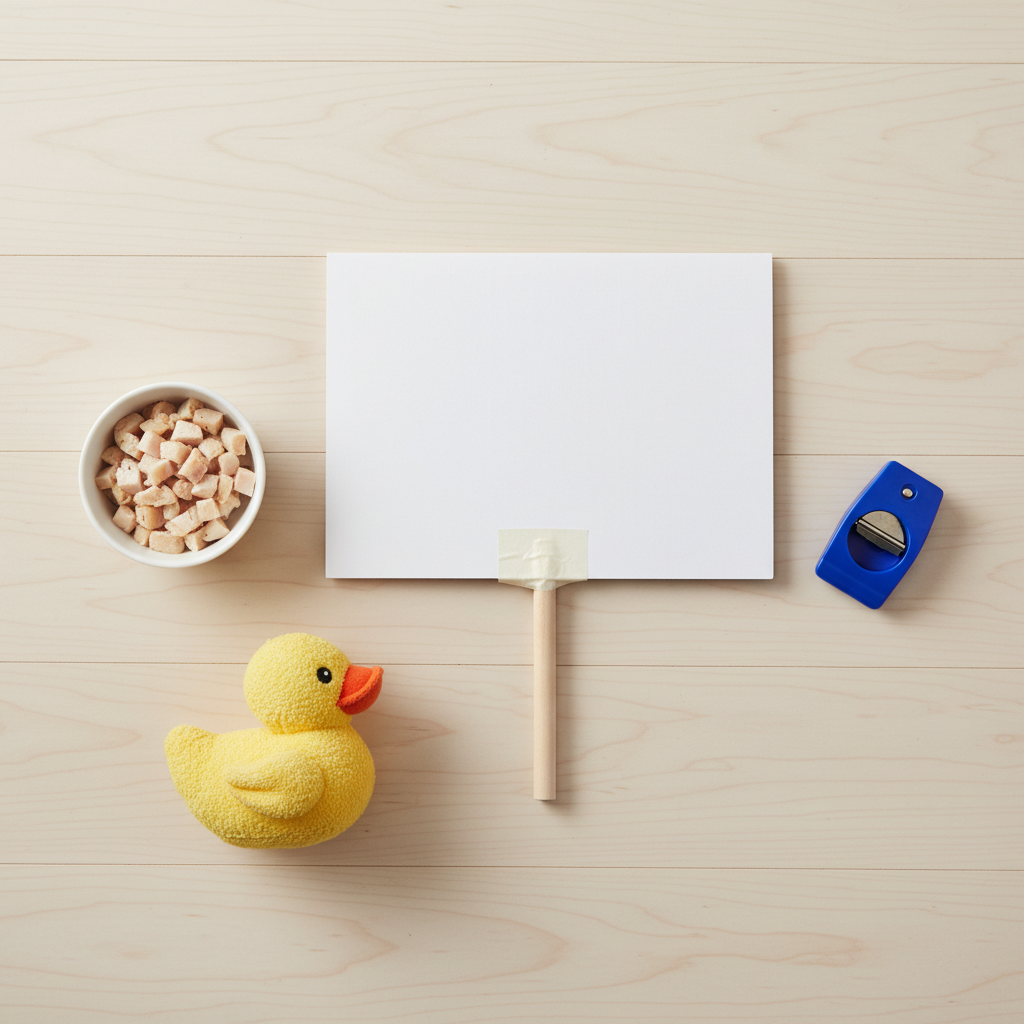
Before you can start training, you need to set yourself up for success. The right tools will make the process smoother and more enjoyable for both you and your pup. Think of this as gathering your artistic supplies for a masterpiece! You don’t need anything fancy or expensive, just a few key items.
What You’ll Need:
- The Sign: This is the star of the show! Start with something very lightweight and easy for your dog to hold. A simple piece of cardboard, a foam board, or even a large paint stir stick works perfectly. Avoid heavy wood or metal signs for now. Keep it plain to start, so your dog isn’t distracted by colors or text.
- High-Value Treats: We’re talking top-shelf stuff here! Regular kibble might not cut it. Think small, pea-sized pieces of cooked chicken, cheese, hot dogs, or your dog’s absolute favorite store-bought training treats. The goal is to make them say, ‘Wow, I’ll do anything for that!’
- A Clicker (Optional but Recommended): A clicker is a fantastic tool for marking the exact moment your dog does something right. The ‘click’ acts as a clear signal that a reward is coming. If you don’t have one, a consistent marker word like ‘Yes!’ or ‘Good!’ works just as well.
- A Quiet, Distraction-Free Space: Choose a room where your dog feels comfortable and won’t be distracted by other pets, people, or squirrels outside the window. A short, focused training session of 5-10 minutes is far more effective than a long, frustrating one.
Expert Tip: When making your sign, consider the handle. A simple dowel or a piece of cardboard rolled into a tube and taped on can be easier for some dogs to hold than a flat edge.
Step-by-Step: From ‘Touch’ to ‘Hold’
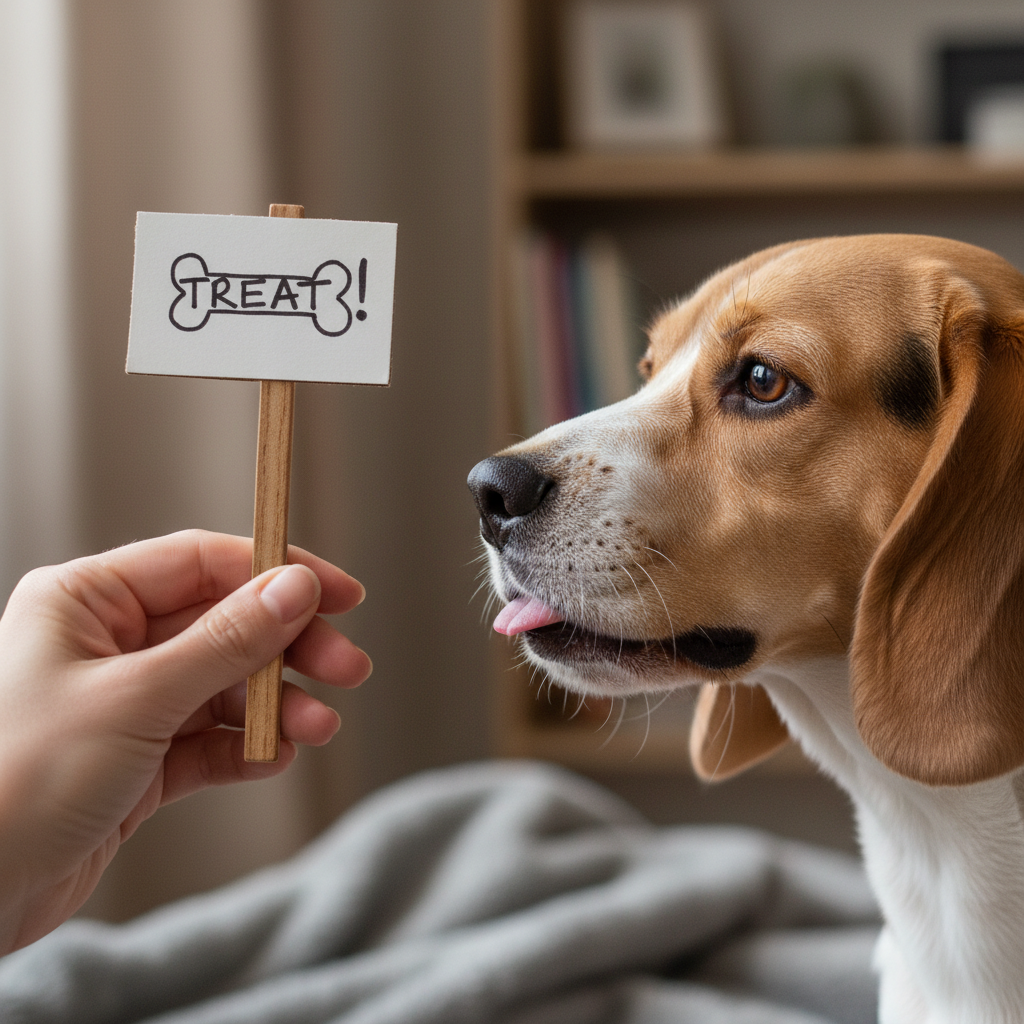
This is where the magic happens! Remember, patience is key. Every dog learns at a different pace, so celebrate the small wins and keep it fun. We’ll build this behavior in small, achievable layers.
Step 1: Introduce the Sign (Targeting)
The first goal is to make your dog comfortable with the sign. We want them to see it as a fun toy, not something scary. Hold the sign out. The moment your dog’s nose touches it, click (or say ‘Yes!’) and give them a treat. Don’t even worry about their mouth yet. We’re just building a positive association. Repeat this a few times until your dog is eagerly booping the sign with their nose.
Step 2: Shaping the ‘Take It’ Cue
Now, we want to encourage mouth interaction. Hold the sign out. This time, wait for your dog to do more than just a nose touch. If they sniff it, lick it, or gently nibble it, click and treat! You are rewarding any attempt to interact with their mouth. Gradually, you’ll only reward them when they actually put their mouth around the sign. Once they are reliably putting their mouth on it, you can add a verbal cue like ‘Take It’ right as they go to grab it.
Step 3: Building the ‘Hold’
This is the trickiest part. At first, your dog will likely grab the sign and drop it immediately. That’s okay! Start by clicking and treating for even a split-second hold. Once they understand the game, slowly increase the duration. Ask for a ‘Take It’, count ‘one-one-thousand’ in your head, then click and treat. Then try for two seconds, then three, and so on. If they drop it before you click, no worries! Just try again for a shorter duration. Once they can hold it for a few seconds, you can add the ‘Hold’ cue.
Step 4: Adding the ‘Drop It’ Cue
A reliable release is just as important as the hold! You don’t want to have to pry the sign out of their mouth. While they are holding the sign, say ‘Drop It’ and present a high-value treat near their nose. They will have to drop the sign to eat the treat. The moment they do, click and give them the reward. With practice, they’ll learn to release the sign on cue.
Lights, Camera, Action! The Photoshoot
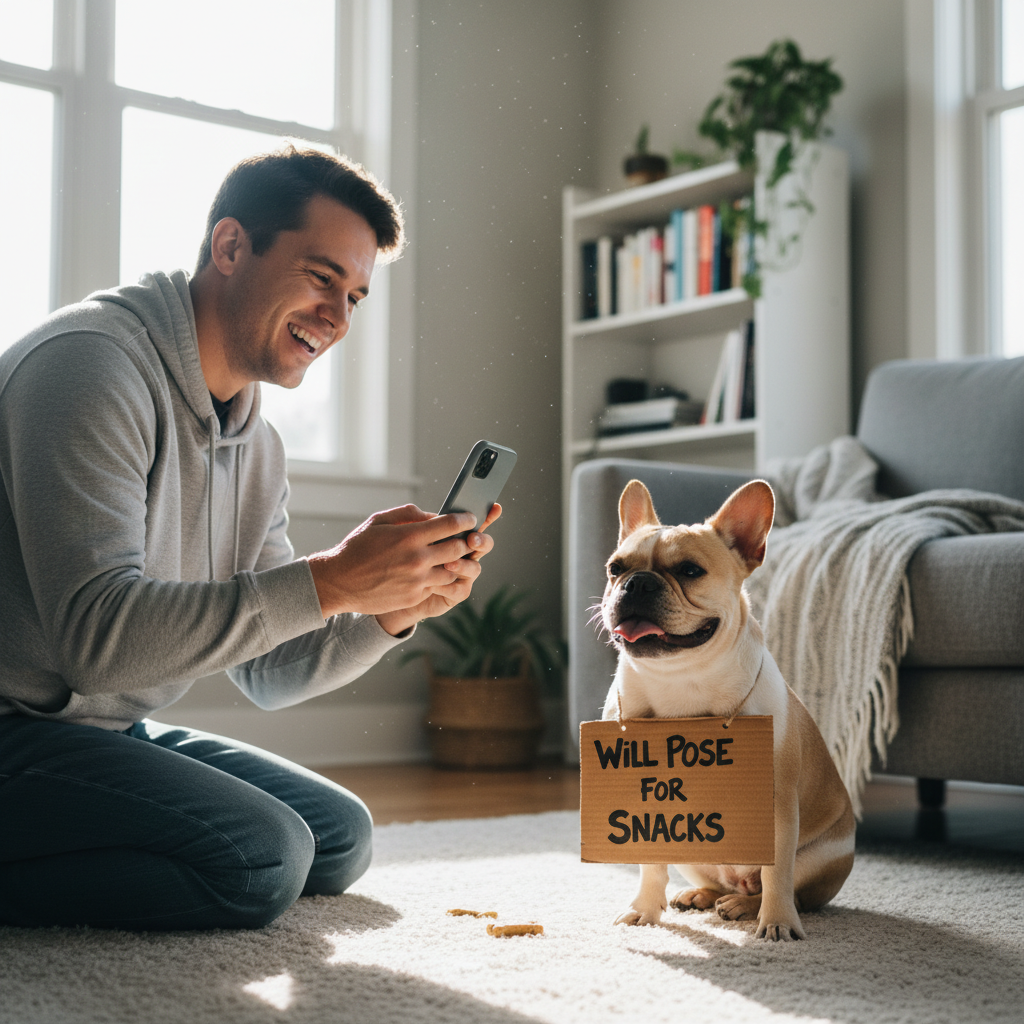
You’ve done the hard work, and your pup is a sign-holding pro! Now it’s time to capture that perfect shot. A successful photoshoot is all about preparation and keeping things positive.
- Prepare Your Set: Find a spot with great natural light, like near a window or outdoors in a shady spot. A cluttered background can be distracting, so choose a simple wall or a nice part of your yard.
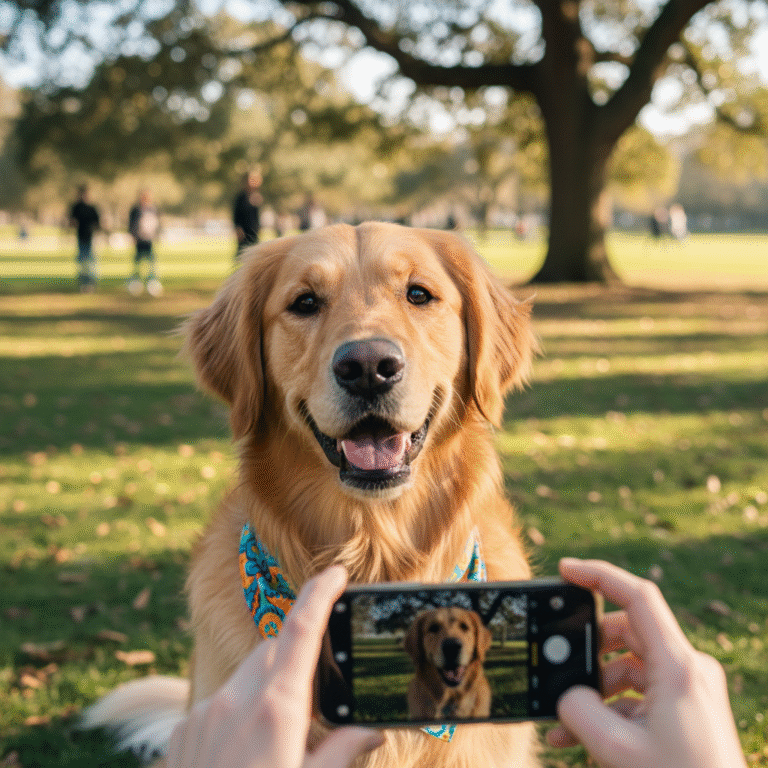
- Get Your Camera Ready: Make sure your phone or camera settings are ready to go. Using ‘burst mode’ can be a lifesaver for capturing that one perfect moment in a sea of wiggles and blinks.
- Keep it Short & Sweet: Your dog’s attention span is short. Plan for a 5-minute photoshoot, not a 30-minute one. It’s better to have several short sessions than one long, stressful one.
- Use a Helper: If possible, have a friend or family member help you. One person can be the photographer while the other handles the dog and the sign. This makes everything much easier!
- Make it a Party: Bring out the best treats and toys. After a successful ‘hold’ for the camera, shower your dog with praise, treats, and play. We want them to associate photoshoots with fun, not work.
Troubleshooting Common Hiccups
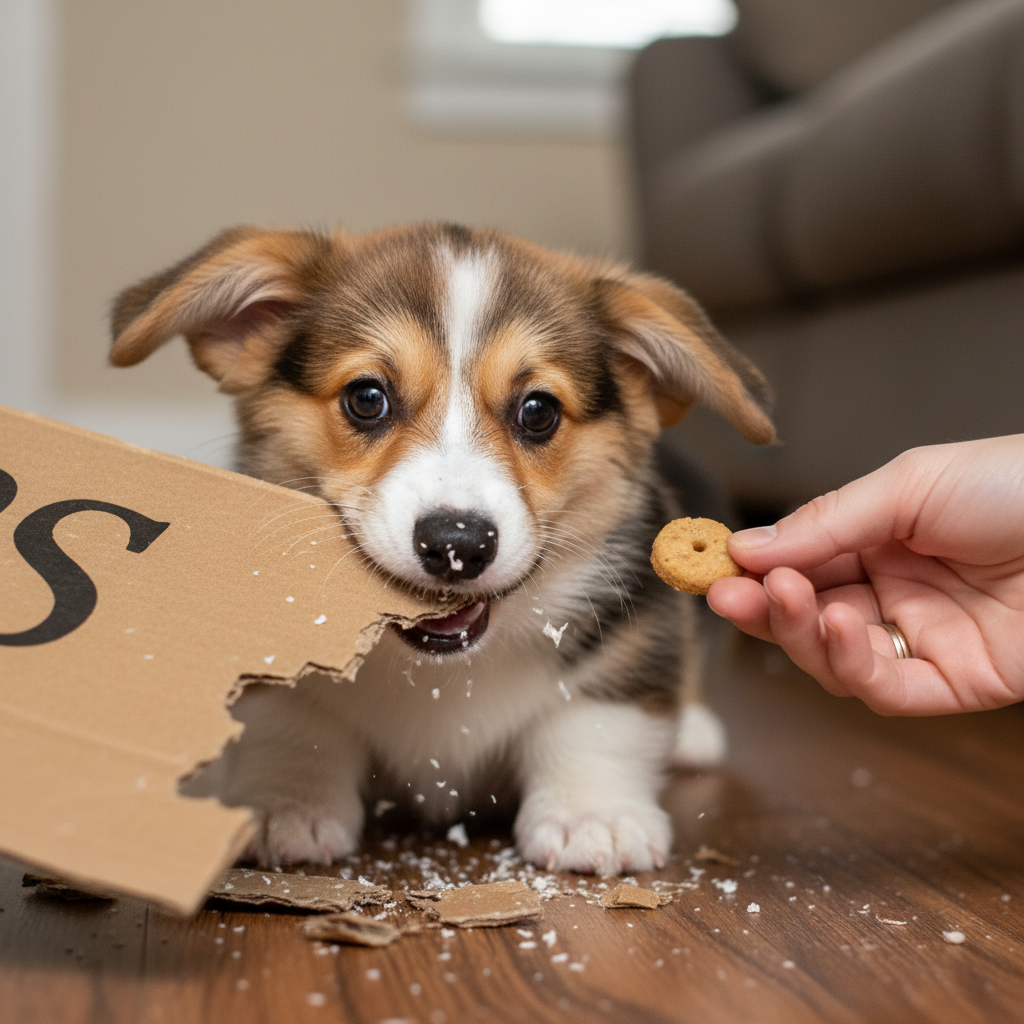
Sometimes training doesn’t go exactly as planned. Don’t get discouraged! Here are some common issues and how to solve them.
- ‘My dog keeps chewing the sign!’
This is very common, especially with puppies. It usually means the training session has gone on too long, or they are getting overexcited. If chewing starts, calmly trade the sign for a super high-value treat and end the session on a positive note. Next time, try a shorter session or a more durable practice sign (like a nylon dog toy or a thick rope). - ‘My dog drops the sign instantly.’
You may be asking for too much, too soon. Go back to rewarding a split-second hold. Make it incredibly easy for them to succeed, and then build the duration very slowly from there. Ensure your treats are exciting enough to make them want to work for it. - ‘My dog won’t even touch the sign.’
The sign might be intimidating. Try a smaller object first, like a pencil or a wooden spoon. You can also try smearing a tiny bit of peanut butter (xylitol-free!) or cream cheese on the part you want them to touch to encourage interaction. Remember to praise any effort, no matter how small. - ‘They do it perfectly inside, but not outside!’
This is a classic issue of generalization. Dogs don’t always transfer skills to new environments automatically. The outside world is full of exciting smells and sounds! Practice the ‘hold’ in different rooms of the house first, then in a quiet backyard, before trying it in a more distracting public space.
Conclusion
Congratulations! You now have all the tools and steps to teach your dog one of the most charming tricks around. Remember that the real reward isn’t just the adorable photo you’ll get in the end; it’s the time you spend working together, strengthening your bond, and learning to communicate with each other. Be patient, stay positive, and most importantly, have fun with your four-legged friend. Now go grab your camera, and get ready to create some amazing memories. We can’t wait to see what you and your pup come up with!