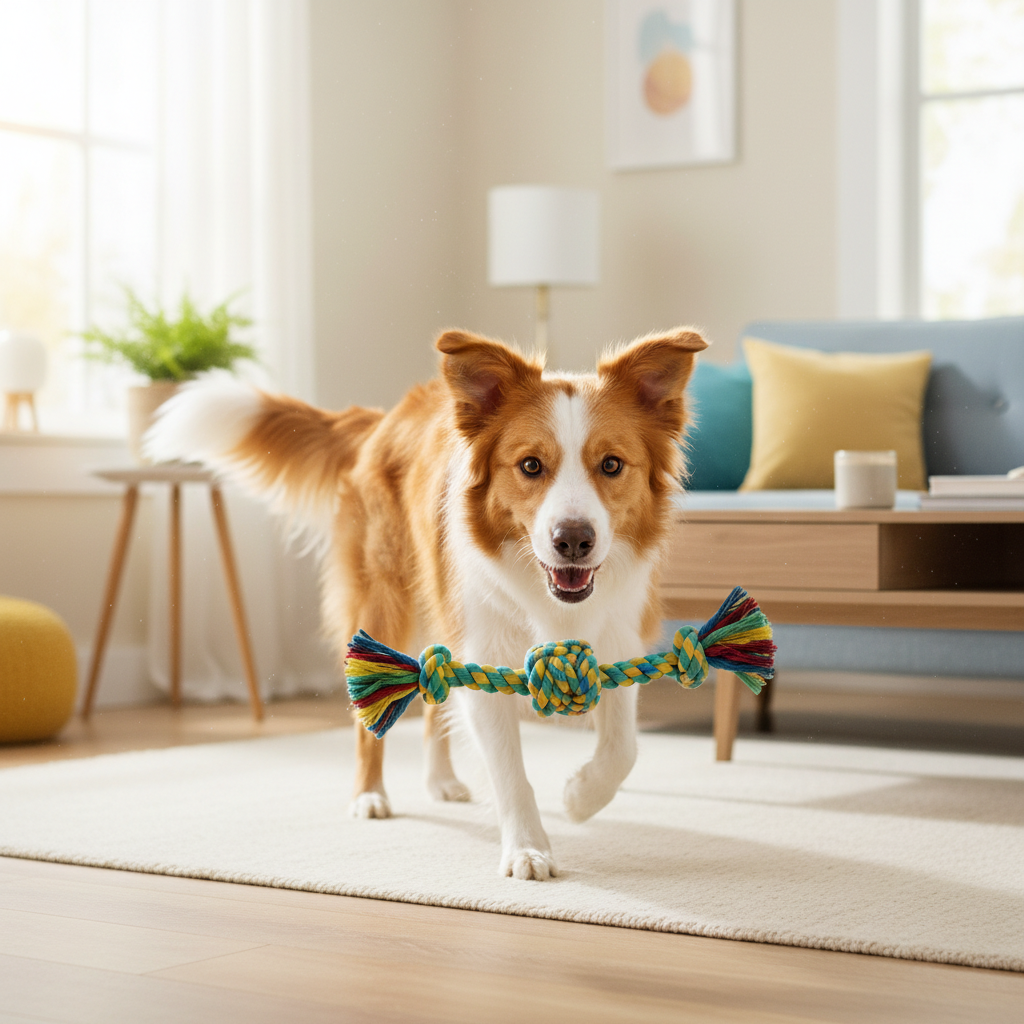
Brain Power: Teach Your Dog To Untie Knots In 10 Minutes
Hey there, fellow dog lovers! Are you ever looking at your furry friend and thinking, ‘I know there’s a little genius in there’? Well, you’re probably right! Dogs are incredibly smart, and just like us, they thrive on mental challenges. While physical exercise like fetch and walks is crucial, flexing their mental muscles is just as important for a happy, well-behaved pup.
That’s where brain games come in, and we’ve got a fantastic one for you today. Forget ‘sit’ and ‘stay’ for a moment—we’re diving into something a little more impressive. We’re going to teach your dog how to untie a knot! It sounds complicated, but you’ll be amazed at how quickly your dog can pick it up. This trick isn’t just a cool party favor; it’s a brilliant confidence-builder and a wonderful way to strengthen your bond. So, grab some treats, and let’s unlock your dog’s inner problem-solver in just 10 minutes!
Gearing Up for Success: What You’ll Need
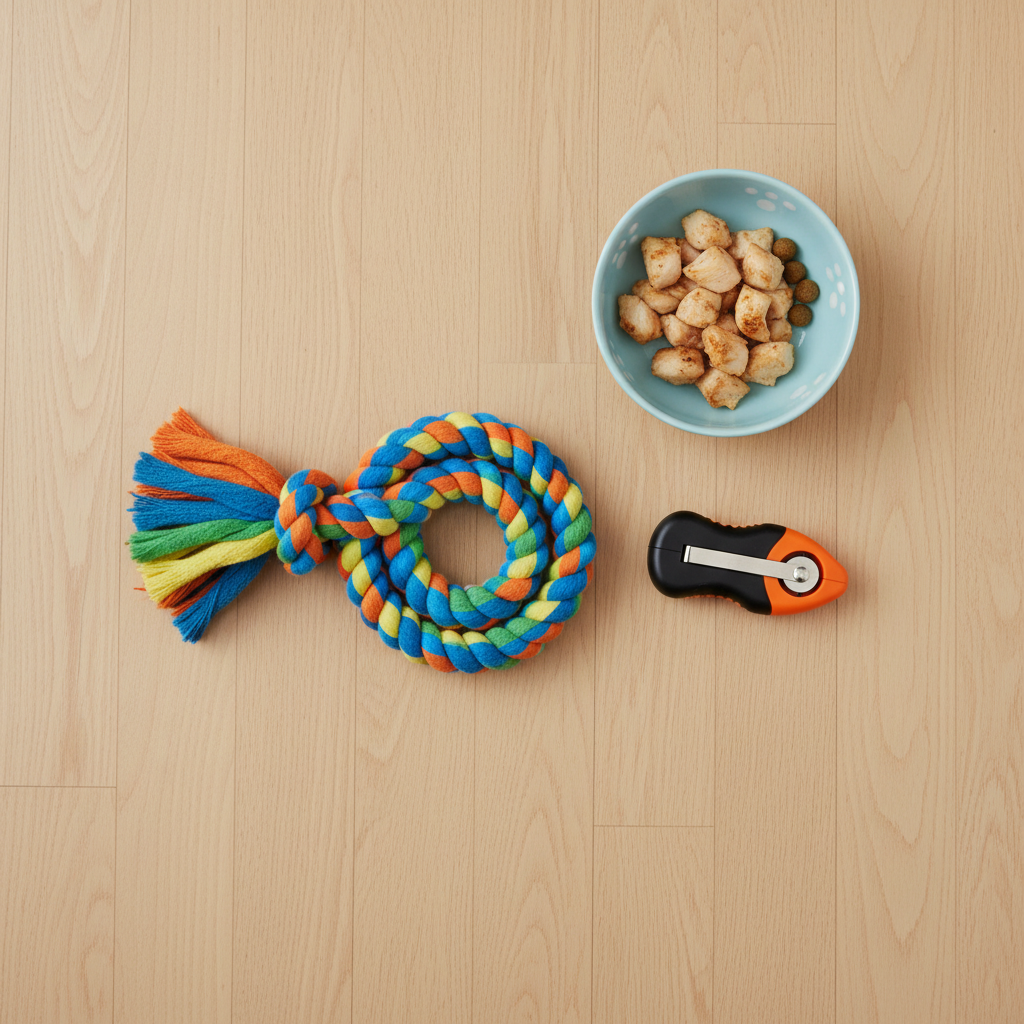
Before we jump into the training, let’s get our supplies in order. The great news is you don’t need any fancy or expensive equipment for this trick. Simplicity is key to making this a fun and stress-free experience for both you and your pup.
Here’s your simple toolkit:
- A Soft Rope: This is the star of the show. Choose a rope that’s easy on your dog’s mouth. A fleece tug toy, a thick braided cotton rope, or even an old (but clean!) bathrobe tie works perfectly. Avoid anything too thin like nylon rope, which could hurt their gums.
- High-Value Treats: We’re asking your dog to think, so we need to pay them well! High-value treats are extra-special goodies that your dog absolutely loves but doesn’t get all the time. Think small pieces of cooked chicken, cheese, or their favorite smelly training treats. Cut them into pea-sized bits so you can reward frequently without filling them up too fast.
- A Quiet, Distraction-Free Space: Set your dog up for success by training in a calm environment. A quiet room in your house is perfect. This helps your dog focus on you and the task at hand without getting sidetracked by squirrels, mail carriers, or other household excitement.
Expert Tip: Keep your training sessions short and sweet! A dog’s attention span, especially when learning something new, is limited. A 5-10 minute session is perfect. Always end on a positive note when your dog successfully completes a step.
The 10-Minute Masterclass: A Step-by-Step Guide
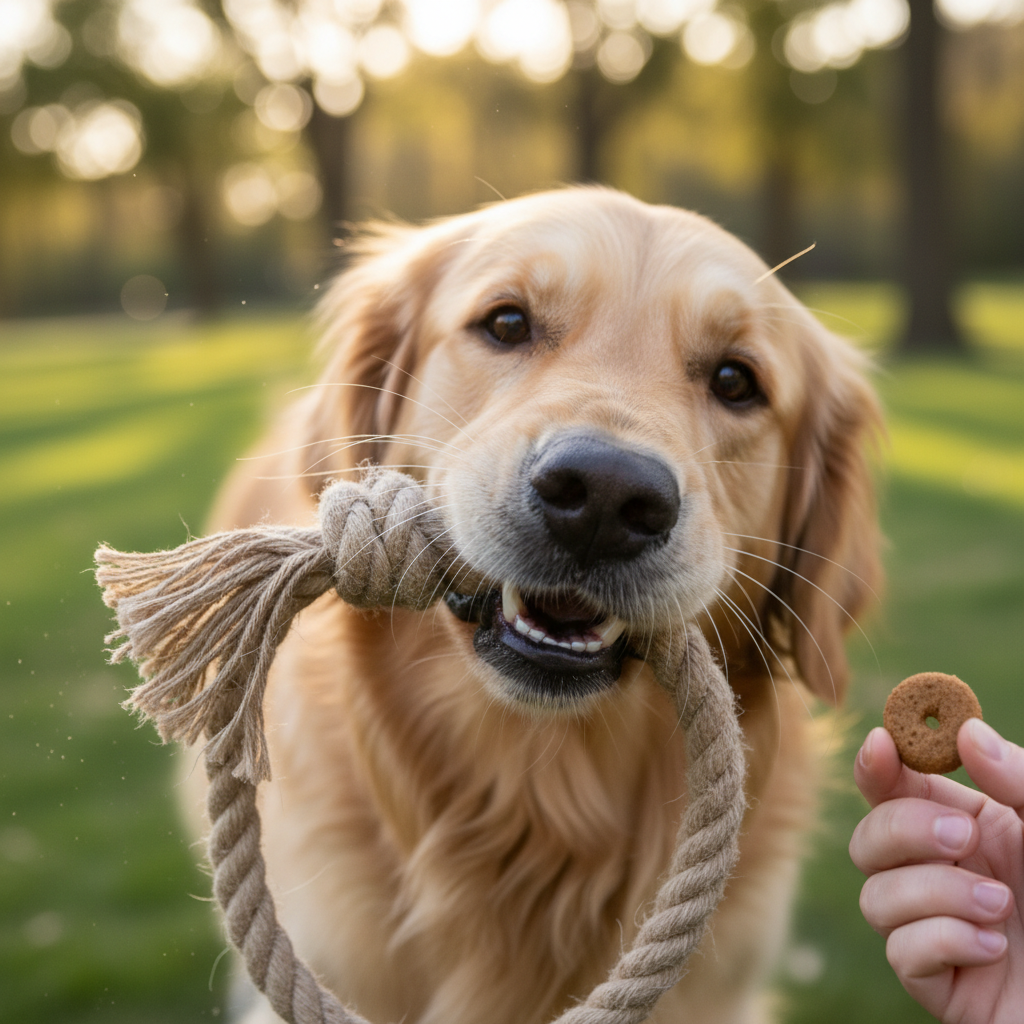
Alright, it’s go-time! Remember to be patient, stay positive, and celebrate the small wins. Your energy will set the tone for the whole session. Let’s break this down into easy, bite-sized steps.
- Step 1: Introduce the Rope (1 Minute): Start by simply presenting the rope to your dog. Let them sniff it and investigate it. The moment they show any interest—a sniff, a nudge, a lick—praise them enthusiastically (‘Good boy!’) and give them a treat. We want them to form a positive association with the rope right away.
- Step 2: Encourage Interaction (2 Minutes): Now, let’s get them to interact with it. Hold the rope and encourage them to bite or hold it. You can use a cue they already know, like ‘Take it’ or ‘Get it’. When their mouth touches the rope, reward them. Gradually build up to them holding the rope for a second or two before getting their tasty reward.
- Step 3: Create the ‘Un-Knot’ (2 Minutes): This is the crucial part. Don’t tie a real knot yet! Instead, make a single, very loose loop in the middle of the rope, leaving a long tail sticking out. Hold the main part of the rope and present the loop to your dog, wiggling the tail end to make it enticing.
- Step 4: Guide the Pull (3 Minutes): The goal is to have your dog grab and pull the tail end of the rope, which will cause the loop to fall apart. Guide them if you need to by tapping the end you want them to grab. The very instant they pull on that tail and the ‘knot’ comes undone, throw a jackpot party! Give them lots of praise and several treats in a row. This is the ‘Aha!’ moment. Repeat this step a few times until they are confidently pulling the correct end.
- Step 5: Add the Verbal Cue (2 Minutes): Once your dog is reliably pulling the tail to undo the loop, it’s time to name the behavior. Just before they go to pull the rope, say your chosen cue in a clear, happy voice. Words like ‘Untie!’, ‘Fix it!’, or ‘Solve it!’ work great. Say the cue, let them perform the action, and reward them.
And that’s it! You’ve just laid the foundation for a brilliant new trick. Practice for a few minutes each day, and your dog will be a knot-busting expert in no time.
Troubleshooting: When Your Pup Gets Puzzled
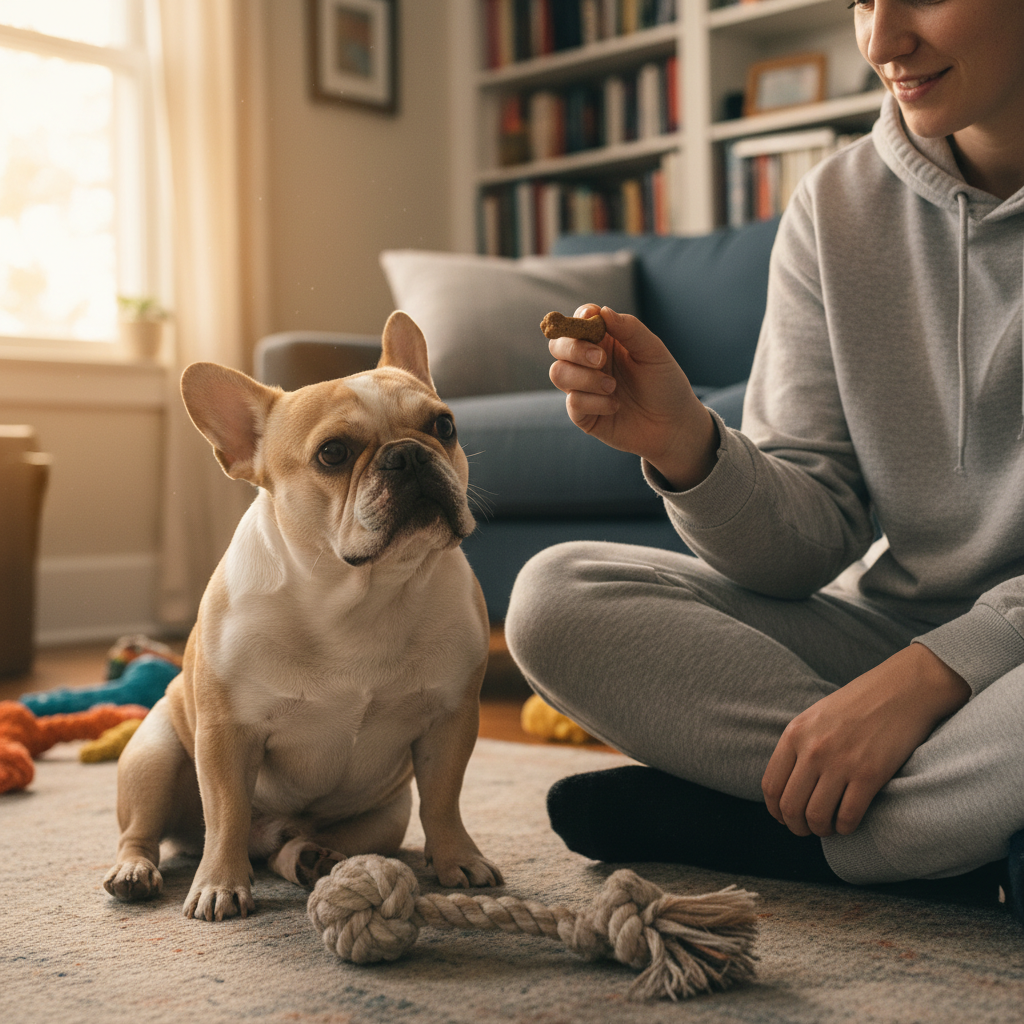
Sometimes, our training sessions don’t go exactly as planned, and that’s perfectly okay! Every dog learns at a different pace. If you hit a snag, don’t worry. Here are some common issues and how to solve them.
- Problem: My dog just wants to chew the rope or play tug-of-war.
Solution: This is super common! It means your dog sees the rope as a toy (which it is!). If they start chewing, calmly withdraw the rope for a few seconds. Re-present it and reward only for the specific ‘pulling the tail’ action. Keep the focus on the problem-solving aspect, not on a game of tug. If tug is their default, use a less exciting rope reserved only for this trick. - Problem: My dog loses interest quickly.
Solution: This is a clear sign that the session is too long or the reward isn’t motivating enough. Cut your training time down to just 2-3 minutes. Also, try upping the value of your treats. If you were using kibble, switch to tiny bits of hot dog. Make it worth their while! - Problem: My dog keeps pulling on the wrong part of the rope.
Solution: Make the correct part more obvious! You can try dabbing a tiny, dog-safe bit of peanut butter on the tail end to entice them to grab that specific spot. You can also make the tail end longer and the loop smaller to make the target clearer. Remember to reward even the smallest attempt in the right direction.
Beyond the Basics: Leveling Up the Challenge
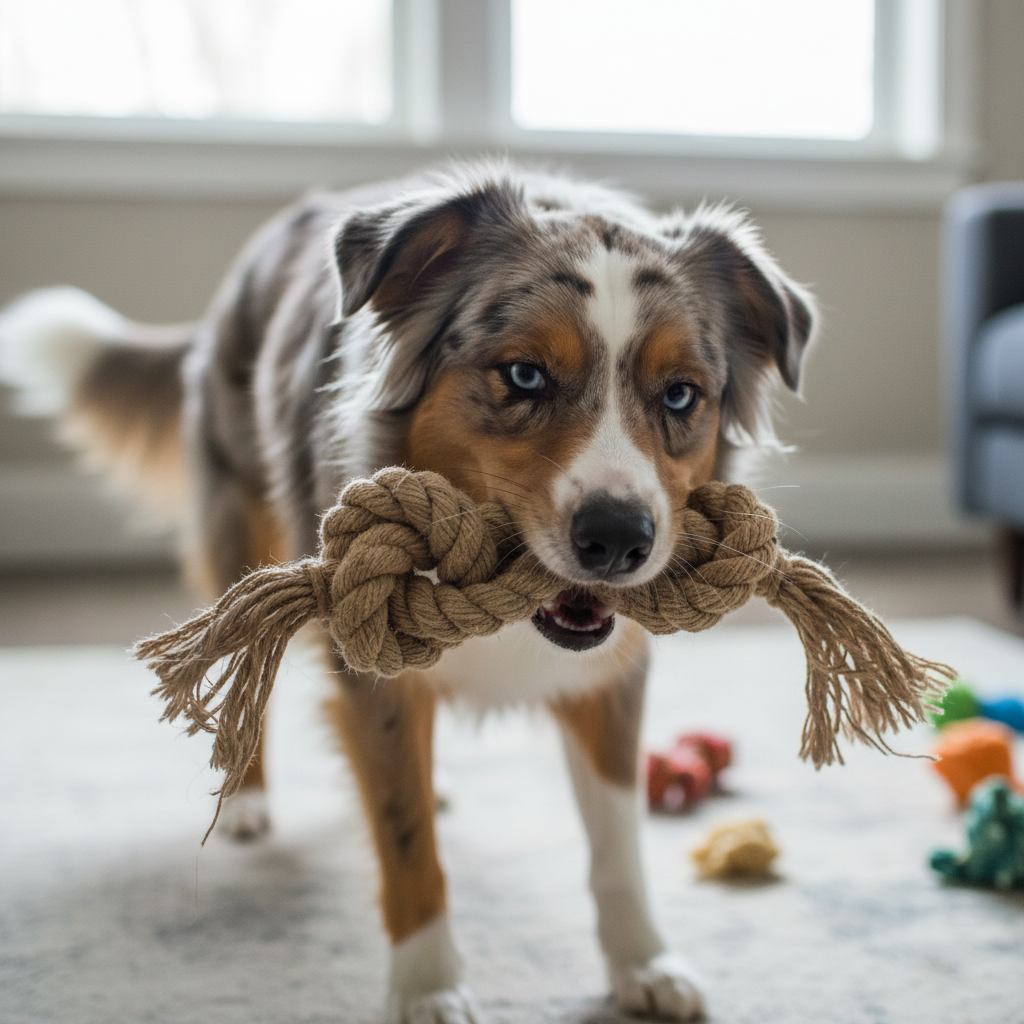
Once your dog has mastered the basic loop, you can start to ‘level up’ the game to keep their brain engaged. This is where the real problem-solving skills begin to shine. Move through these progressions slowly, ensuring your dog is successful and confident at each stage before moving to the next.
Ways to Make the Trick More Challenging:
- Slightly Tighter Knots: Gradually start to tighten the initial loop, turning it into a very loose, simple overhand knot. The principle is the same—they still need to pull the tail end—but it will require a bit more effort.
- Different Materials: Try using different types of ropes or even bandanas and scarves. New textures and weights present a new challenge for your dog to figure out.
- Hide a Treat: A fantastic way to increase motivation! Tuck a smelly treat inside the loose knot. Now, your dog has to untie the knot to get their own reward. This taps directly into their natural foraging instincts.
- The ‘Pretzel’ Knot: For the true canine Einsteins, you can create more complex, multi-loop knots (never make them so tight they can’t be undone). This encourages your dog to think critically about which part they need to pull or manipulate to solve the puzzle.
By gradually increasing the difficulty, you’re not just teaching a trick; you’re teaching your dog how to learn and how to approach a problem with confidence.
Conclusion
Congratulations! You and your clever canine have just unlocked a new level of fun and communication. Teaching your dog to untie knots is so much more than just a neat trick. It’s a powerful tool for busting boredom, building your dog’s confidence, and strengthening the beautiful bond you share. You’ve given your dog a productive outlet for their mental energy, which can lead to a calmer and more content companion.
Remember that the journey is just as important as the destination. Cherish these little moments of learning and discovery with your best friend. Keep it positive, keep it fun, and be amazed at what your dog can do. Now, go show off your pup’s new skill!