Smart Dog Challenge: Teach Your Dog to Turn Book Pages
Have you ever seen those incredibly clever dogs on the internet doing things you never thought possible? Well, get ready to turn your own furry friend into a little genius! We’re diving into one of the most charming and impressive tricks around: teaching your dog to turn the pages of a book. This isn’t just about showing off (though it’s great for that, too!); it’s a wonderful mental workout for your dog, a fantastic bonding experience for you both, and a hilarious way to spend an afternoon. Forget ‘roll over’—it’s time to get literary! In this guide, we’ll walk you through every step, from gathering your supplies to troubleshooting those funny little moments. Let’s get started on the Smart Dog Challenge!
Gearing Up: What You’ll Need for Your Canine Scholar
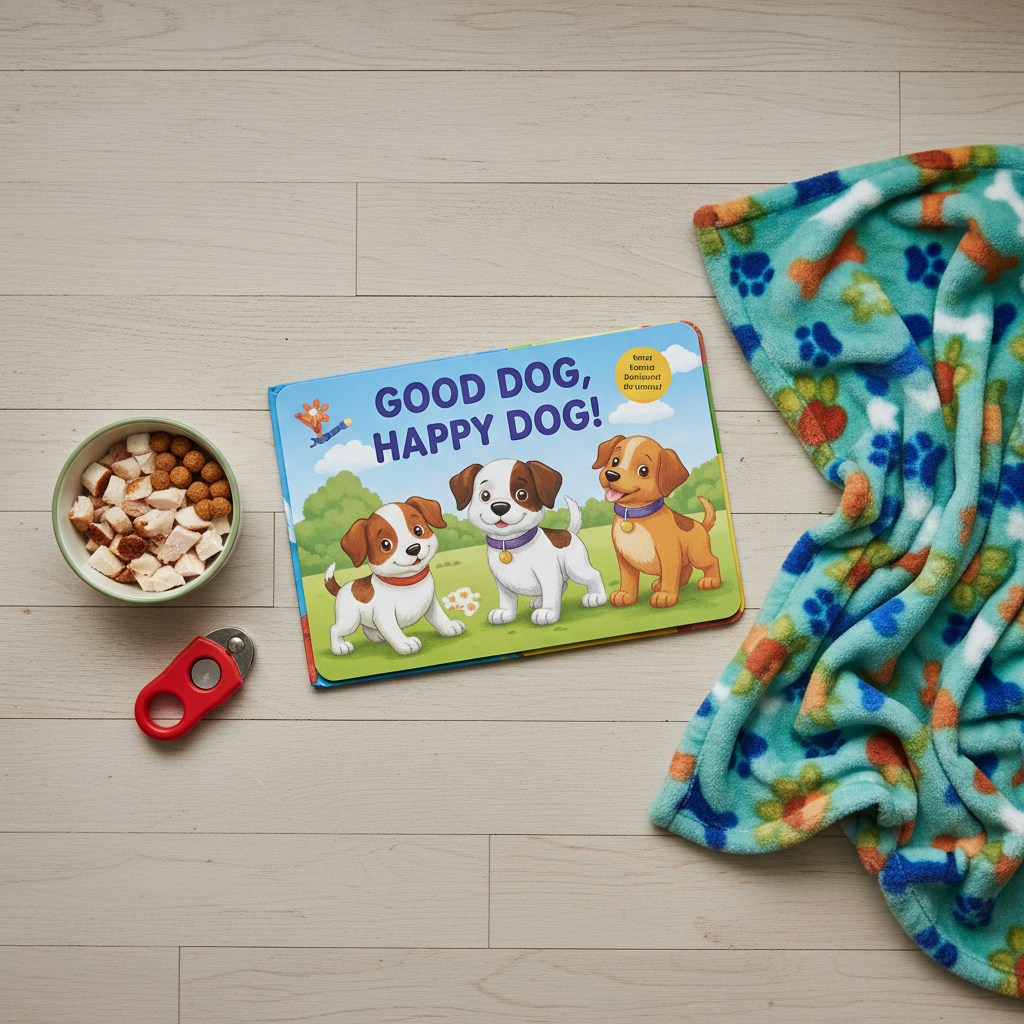
Before you and your pup enroll in ‘Advanced Reading 101,’ let’s make sure you have the right school supplies. The good news is, you probably have most of these things at home already. The key is to set up an environment for success where your dog feels comfortable and excited to learn.
Essential Supplies:
- A Suitable Book: Don’t grab your prized first edition! Start with a sturdy children’s board book or an old, thick-paged magazine. The pages need to be easy for your dog to separate and manipulate without tearing easily. Hardcover picture books work great.
- High-Value Treats: This is a complex trick, so the reward needs to be extra special. Think tiny pieces of chicken, cheese, or their absolute favorite store-bought training treats. You’ll need a lot, so keep them small!
- A Clicker (Optional but Recommended): A clicker is a fantastic tool for marking the exact moment your dog does something right. If you’re not using a clicker, a consistent marker word like “Yes!” works just as well.
- A Comfy Training Space: Choose a quiet area with minimal distractions where your dog can comfortably lie down, like a carpeted living room.
- Patience and a Positive Attitude: This is the most important tool! This trick takes time. Keep sessions short (5-10 minutes max), stay positive, and celebrate the small wins. Your energy will set the tone for the entire learning process.
The Step-by-Step Guide to Turning Pages

Alright, class is in session! Remember, we’re going to break this down into tiny, achievable steps. This process is called ‘shaping,’ where we reward successive approximations of the final behavior. Don’t rush it—let your dog figure out the puzzle.
Step 1: Introduce the Book (Targeting)
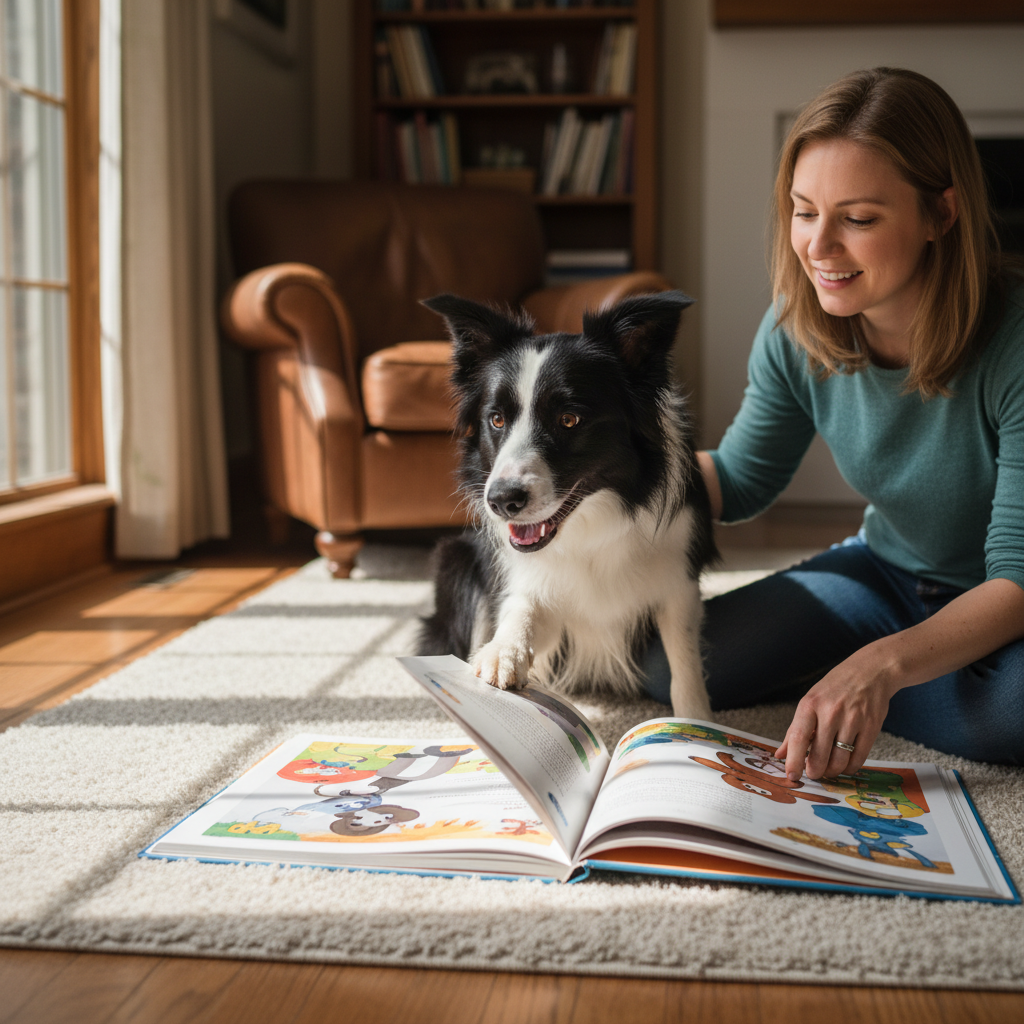
First, we just want your dog to get comfortable interacting with the book. Place the open book on the floor. The moment your dog shows any interest—sniffing it, looking at it, moving toward it—click (or say “Yes!”) and give them a treat. We’re building a positive association. Once they’re happily approaching the book, we’ll ask for a little more. We want them to touch the book with their nose. Hold a treat near a page and when their nose touches the page, click and treat. Repeat this several times until they’re confidently booping the book on their own.
Step 2: From Nose to Paw
Now we transition from the nose to the paw, which is the trickiest part for many dogs. There are two ways to approach this:
- Capturing: Wait for your dog to naturally offer a paw movement near the book. The instant they lift a paw or touch the book with it, even by accident, click and have a jackpot of treats! They’ll wonder what they did, but they’ll start offering that behavior more often.
- Shaping: If they aren’t offering a paw, you can guide them. Hold a treat in your closed fist near the book. They might nudge your hand with their nose first. Wait them out. Eventually, they will likely try to paw at your hand to get the treat. The moment their paw touches your hand over the book, click and treat. Gradually move your hand away so they start pawing at the book itself.
Focus on rewarding any paw interaction with the book—a touch, a scratch, a tap. At this stage, we aren’t worried about the page turning.
Step 3: Refining the Page Turn
Once your dog is consistently pawing at the book, it’s time to refine the movement. Place a treat under the corner of a page. This will encourage them to lift the page with their paw or nose to get the reward. Click and treat for any lifting or shuffling of the page. You can also use a sticky note on the corner of the page to make it easier to lift. Reward any interaction with the sticky note that moves the page. We’re looking for that swiping motion. When they accidentally swipe and the page flips over, give them a huge celebration with lots of treats and praise! This is the ‘aha!’ moment. Repeat this until they start to understand that the swiping motion is what gets the reward.
Step 4: Adding the Verbal Cue
When your dog is reliably turning the page (even if it’s not perfect every time), you can add a verbal cue. Just before they perform the action, say your chosen cue clearly. Good options are “Turn it,” “Page,” or “Read.” Say the cue, wait for them to perform the action, then click and treat. After many repetitions, your dog will start to associate the word with the action. Soon, you’ll be able to simply place the book down, give the cue, and watch your little scholar get to work!
Troubleshooting Common Hiccups
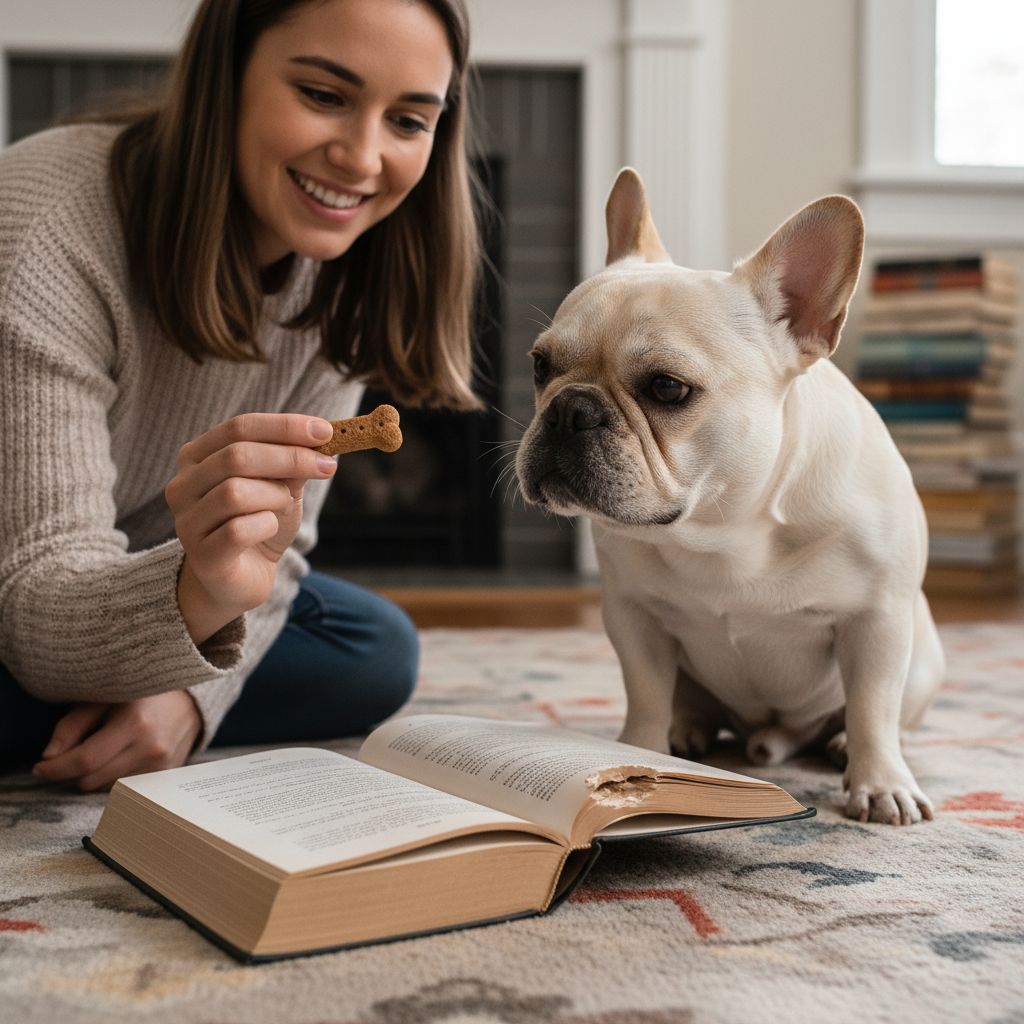
No training session is perfect, and that’s okay! Hitting a snag is part of the learning process. Here are some common challenges you might face and how to navigate them with a smile.
“My dog just wants to eat the book!”
This is super common, especially with puppies. If your dog is biting or ripping the pages, it means they’re a bit too excited or don’t understand the goal yet. Go back a step. Reward them for gentle interactions only, like a soft nose touch. You can also use a sturdier board book that’s harder to destroy. If the behavior persists, end the session on a positive note with an easy command they know (like ‘sit’) and try again later when they’re calmer.
“My dog is using their nose instead of their paw.”
If your dog keeps trying to turn the page with their nose, that’s because nose-targeting is often easier for them. That’s fine! You can either embrace it and have a nose-page-turning dog (still cute!) or go back to specifically rewarding only paw movements. Stop rewarding nose boops entirely and wait patiently for them to offer a paw. It might take a moment for them to figure out the new rules of the game.
“My dog gets frustrated and gives up.”
This is a sign that the training session has gone on too long or the step is too difficult. Always end on a high note! If you see signs of frustration (barking, walking away, excessive yawning), ask for a simple behavior they know well, reward it, and end the session. Next time, make the task easier. Are you asking for a full page turn when they’re still learning to just touch the book? Break it down into even smaller steps and reward every tiny bit of progress.
Expert Tip: The key to trick training is to think like a dog. What’s the smallest, simplest piece of the behavior you can reward right now? Celebrate that, and then build from there. Your dog isn’t being stubborn; they’re just trying to solve the puzzle you’ve presented.
Conclusion
Congratulations, you’ve completed the Smart Dog Challenge! Whether your dog is now flipping through pages like a seasoned librarian or you’re just having a blast with the training process, you’ve accomplished something wonderful. You’ve stimulated your dog’s mind, strengthened your bond, and learned more about how your best friend thinks. Remember, the goal of trick training isn’t perfection; it’s about the joy of learning and working together. So keep practicing, keep laughing, and get ready to amaze your friends and family with your dog’s newfound literary skills!