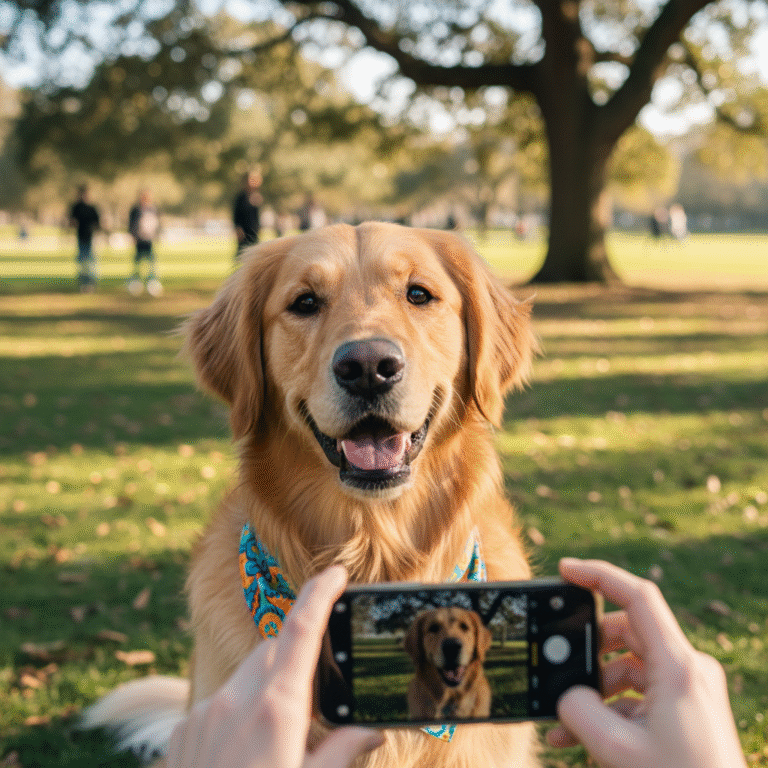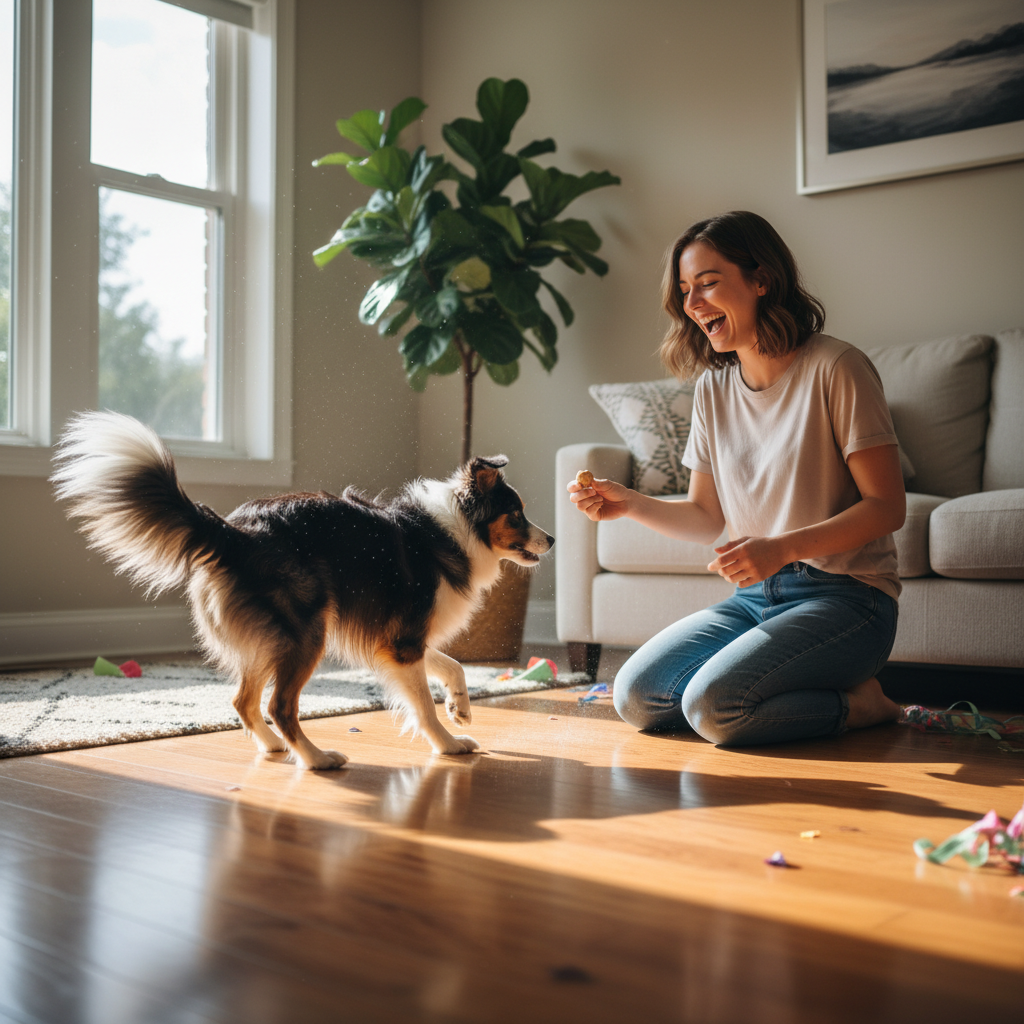
The Coolest Party Trick: Teach Your Dog To ‘Moonwalk’ In 10 Minutes
Have you ever wanted your dog to be the life of the party? To have that one, jaw-dropping trick that makes everyone say, ‘Wow, how did you teach them that?!’ Well, get ready to take a bow, because you’re about to teach your furry friend one of the coolest tricks on the planet: the doggy moonwalk!
Forget ‘sit’ and ‘stay’ for a moment. This move is all about flair, fun, and strengthening the amazing bond you share with your dog. And the best part? It looks incredibly complex, but it’s surprisingly simple to teach. Using just a handful of tasty treats and a dash of patience, you can have your dog gliding backward like a smooth canine criminal in no time. This isn’t just about showing off; it’s a fantastic mental workout for your pup and a hilarious way to spend quality time together. So, let’s get ready to slide!
Gearing Up for Success: What You’ll Need
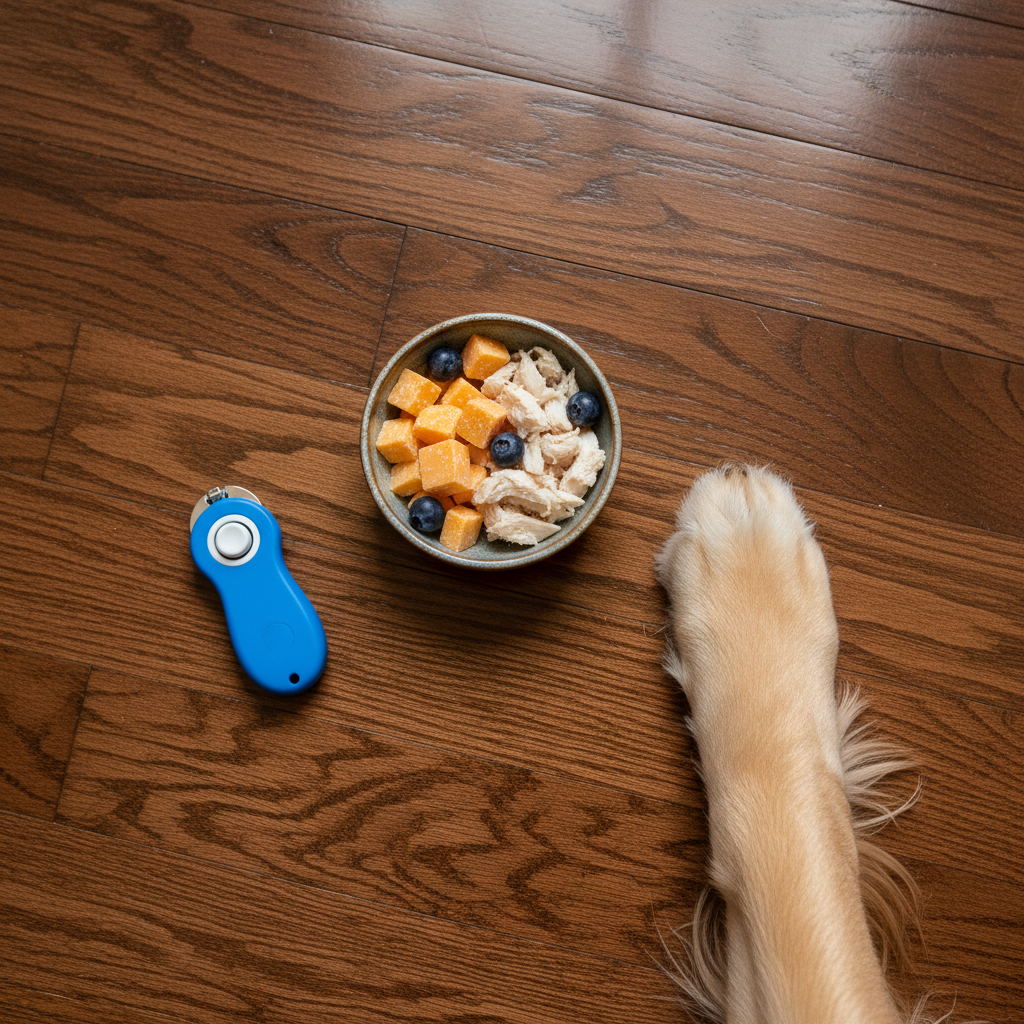
Before you and your pup start busting a move, let’s gather a few simple tools. Having everything ready will make your training session smooth, efficient, and super fun. You probably have all of this at home already!
- High-Value Treats: We’re not talking about their everyday kibble. For a superstar trick, you need superstar rewards! Think tiny, pea-sized pieces of cooked chicken, cheese, hot dogs, or their favorite smelly, soft training treats. The goal is something they’ll go bonkers for.
- A Smooth, Non-Carpeted Floor: The ‘moonwalk’ magic happens on a surface with less friction. Hardwood, laminate, tile, or linoleum floors are perfect. Carpet will snag their paws and prevent the smooth sliding motion we’re aiming for.
- A Clicker (Optional, but Recommended): A clicker is a fantastic tool for marking the exact moment your dog does the right thing. If you don’t have one, a consistent marker word like ‘Yes!’ or ‘Good!’ said in an upbeat tone works just as well.
- A Positive Attitude: This is the most important tool in your kit! Training should always be a game. Bring your energy, your patience, and be ready to celebrate every tiny bit of progress. Keep your sessions short—just 5-10 minutes at a time—to keep your dog excited and engaged.
The Foundation: Mastering the Backward Walk
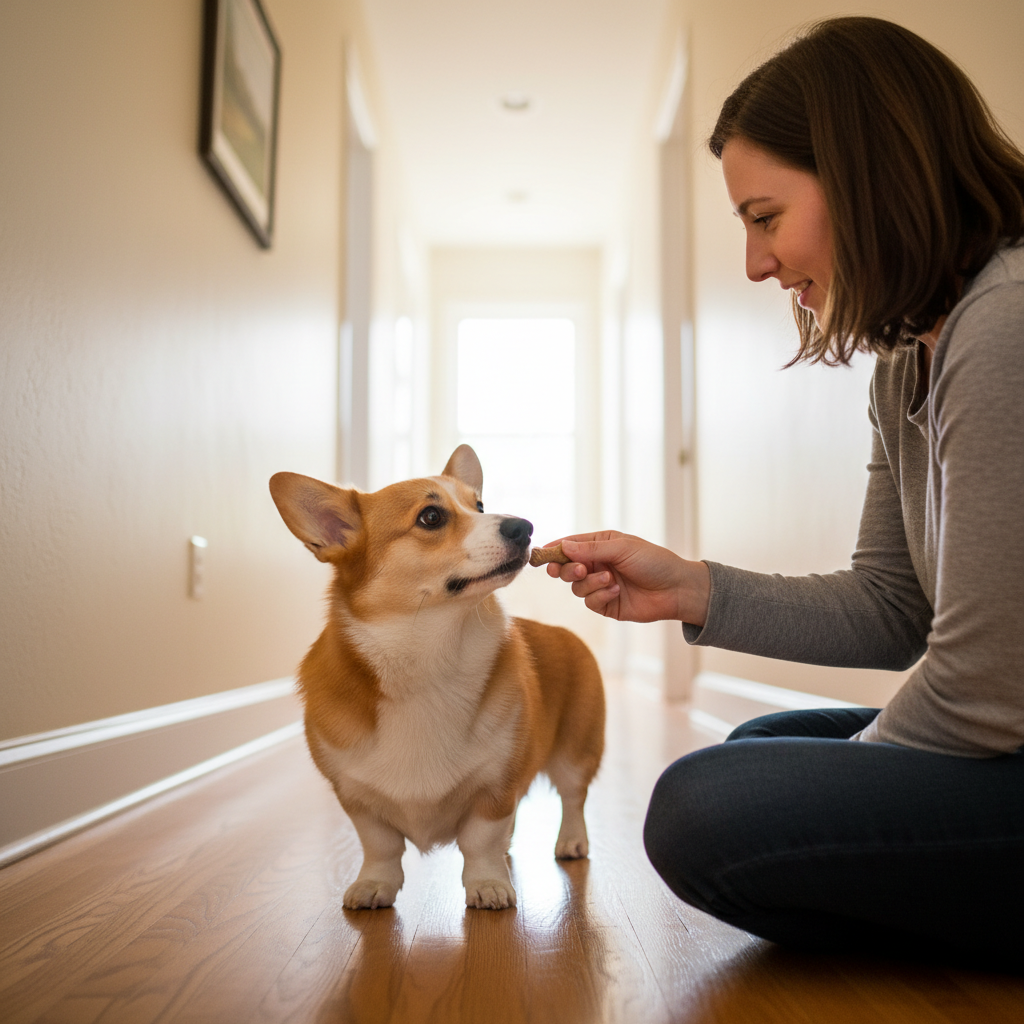
Before your dog can glide like Michael Jackson, they first need to learn a basic backward shuffle. This is the foundational skill for the moonwalk. Don’t worry, it’s a natural movement for them, we just need to help them figure out how to do it on cue. There are two easy ways to teach this.
Method 1: The Hallway Squeeze
This method uses a narrow space to naturally encourage backward movement. Find a hallway or a space between a sofa and a coffee table. Have your dog face you and gently, slowly, walk toward them. With nowhere to go to the side, their natural instinct will be to take a step back to maintain their personal space. The very instant they take even a tiny step back, say ‘Yes!’ and give them a treat. Repeat this a few times, gradually adding the verbal cue ‘Back’ or ‘Scoot’ just before you move toward them.
Method 2: The Treat Lure
If you don’t have a narrow space, you can use a treat to ‘lure’ the motion. With your dog standing in front of you, hold a smelly treat near their nose. Slowly move the treat horizontally toward their chest. To follow the treat, they will need to shift their weight and eventually take a step back. Mark and reward that single backward step immediately! It’s all about rewarding the smallest effort in the beginning.
Expert Tip: Keep the treat low and close to your dog’s body. If you hold it too high, they are more likely to sit down rather than step back. The goal is to guide their body, not just their head.
Putting It All Together: The 5-Step Moonwalk
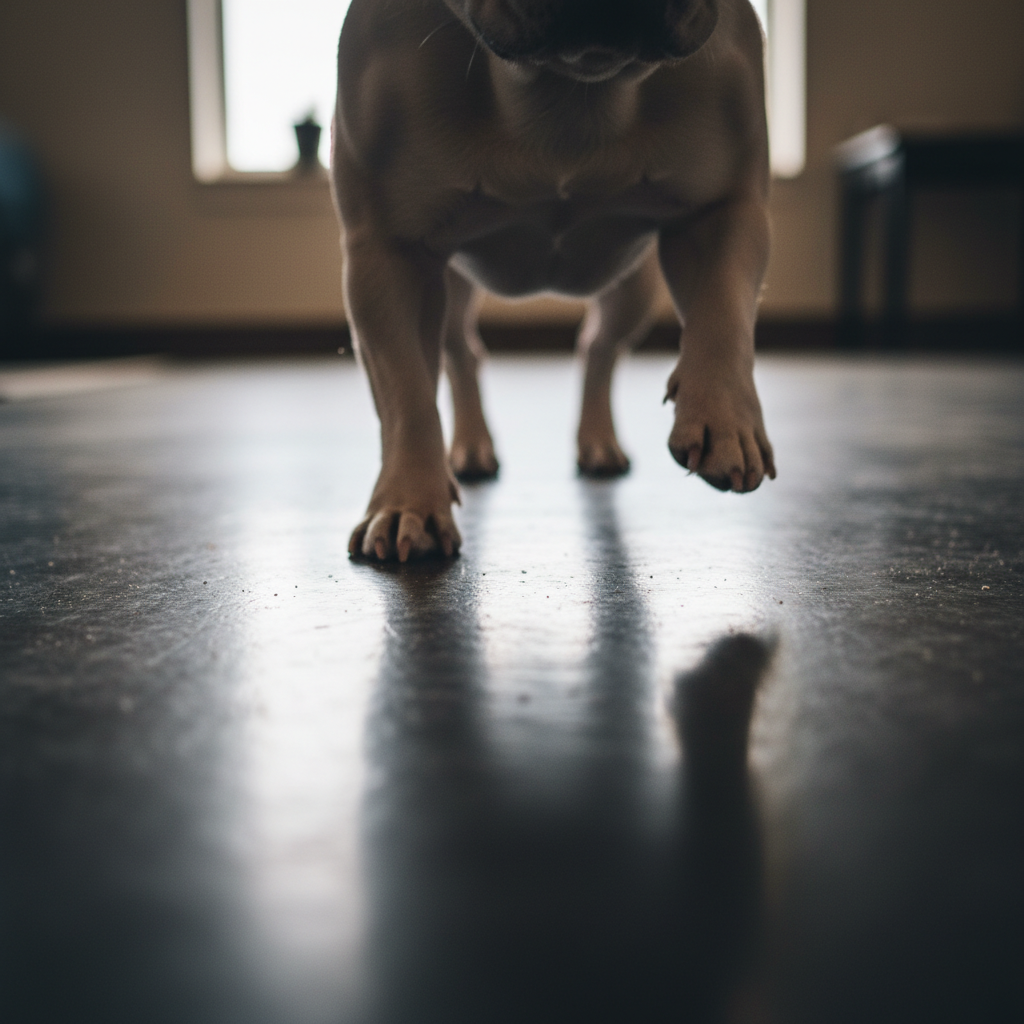
Alright, your dog has the basic backward shuffle down. Now it’s time to add the pizzazz and turn that shuffle into a smooth, show-stopping slide! This is where the magic happens. Follow these steps, and remember that timing is everything.
- Start with the ‘Back’ Cue: Ask your dog to perform the backward walk you just practiced. Give them one or two treats just for that to get them warmed up and in the game.
- Introduce the Head Lift: Now for the secret ingredient. As your dog is stepping backward, use your treat lure to guide their nose not just back, but slightly upward. Move the treat from their nose toward the spot between their ears.
- Catch the ‘Lift and Slide’: This upward lure will cause your dog to lift their head, which shifts their weight off their front paws. As they continue to move back, their front paws will lift slightly while their back paws do the work, creating the ‘moonwalk’ illusion! It might just be for a split second at first.
- Mark and Reward Instantly: The moment you see that front-paw lift combined with the backward slide, click or say ‘Yes!’ and have a jackpot of treats! This is the behavior we want. Make a huge deal out of it! The better the reward, the more likely they are to try it again.
- Add Your Funky Cue: Once your dog starts to offer the lift-and-slide motion more consistently, it’s time to name it! Just before you lure the move, say your new cue in a fun, upbeat voice. Choose something memorable like ‘Moonwalk!’, ‘Slide!’, or ‘Be cool!’. Practice in short bursts, and soon your dog will be sliding on cue!
Troubleshooting Common Glitches
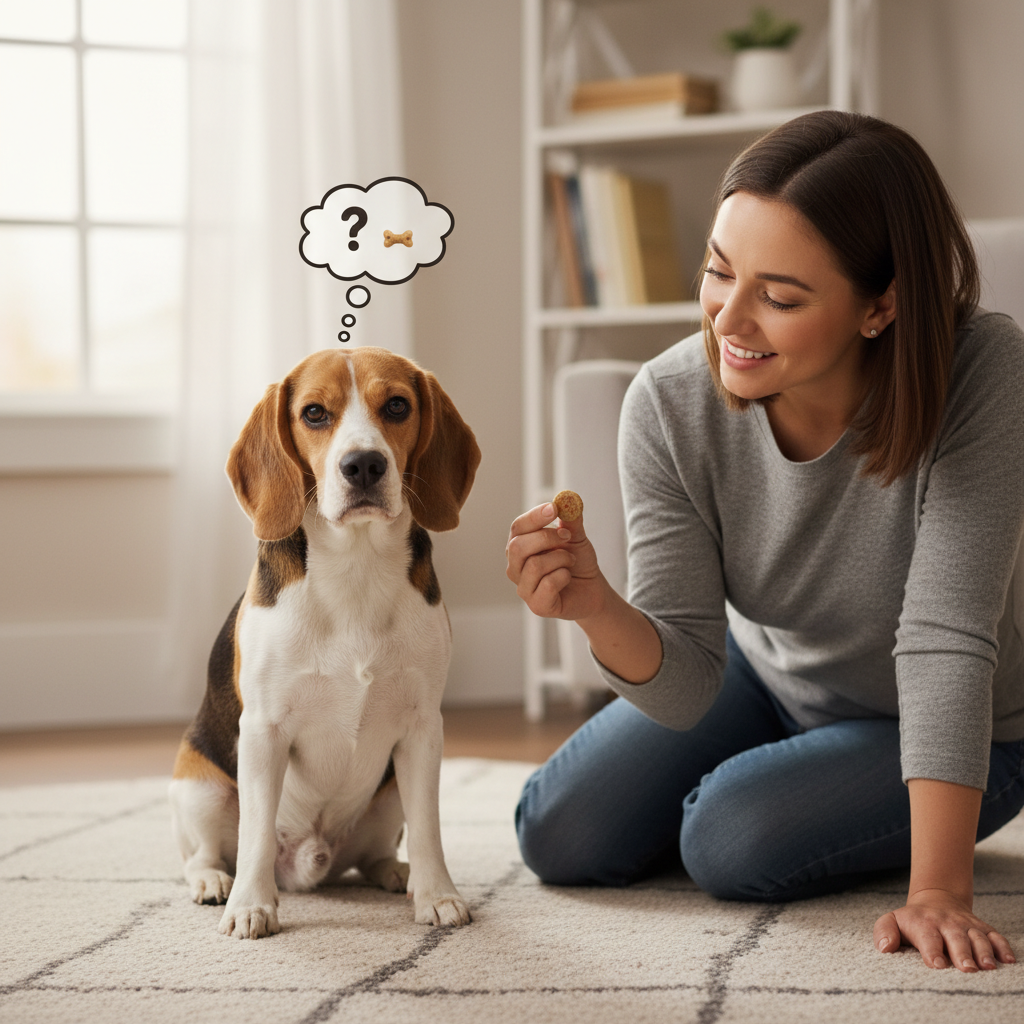
Even the best dancers miss a step now and then! If you and your pup hit a snag, don’t get discouraged. Dog training is all about problem-solving. Here are a few common issues and how to fix them.
- Problem: My dog just sits down instead of backing up.
Solution: This almost always means your treat lure is too high. You’re accidentally luring them into a ‘sit’ position. Try holding the treat lower, at their nose or chin level, and moving it straight back toward their chest. - Problem: My dog keeps spinning around or walking to the side.
Solution: Your training space is likely too wide. Go back to practicing in a narrow hallway or create a makeshift channel with pillows or boxes. This will limit their options and make backing up the easiest choice. - Problem: My dog isn’t interested in the treats.
Solution: Level up your rewards! If they’re turning their nose up at your offerings, it means the treats aren’t ‘high-value’ enough to motivate them for this new challenge. Try something extra special that they only get during training sessions. Also, make sure they aren’t training on a full stomach. - Problem: We’re just not getting the ‘slide’ part.
Solution: Go back a step! Spend more time rewarding any backward movement. Make the backward walk a super fun and rewarding game on its own. Once they are backing up eagerly for 3-4 steps at a time, then re-introduce the slight upward lure. Don’t rush the process; the goal is fun, not perfection on the first day.
Conclusion
You did it! You’ve officially unlocked one of the most entertaining tricks in the book. Remember, the ’10 minutes’ is just a fun goal—the real prize is the laughter, the focus, and the incredible bond you built with your dog while learning it. Every dog learns at a different pace, so celebrate your journey together, whether it took five minutes or five days.
Now it’s time to show off! The next time you have friends over or you’re at the park, ask your dog to ‘Moonwalk!’ and get ready for the applause. You’ve not only taught your dog a cool party trick, but you’ve also given them a fantastic boost of confidence and mental stimulation. Keep practicing, keep it positive, and most importantly, keep having fun together!