Teach Your Dog To ‘Say Prayers’ In 3 Easy Steps (Adorable!)
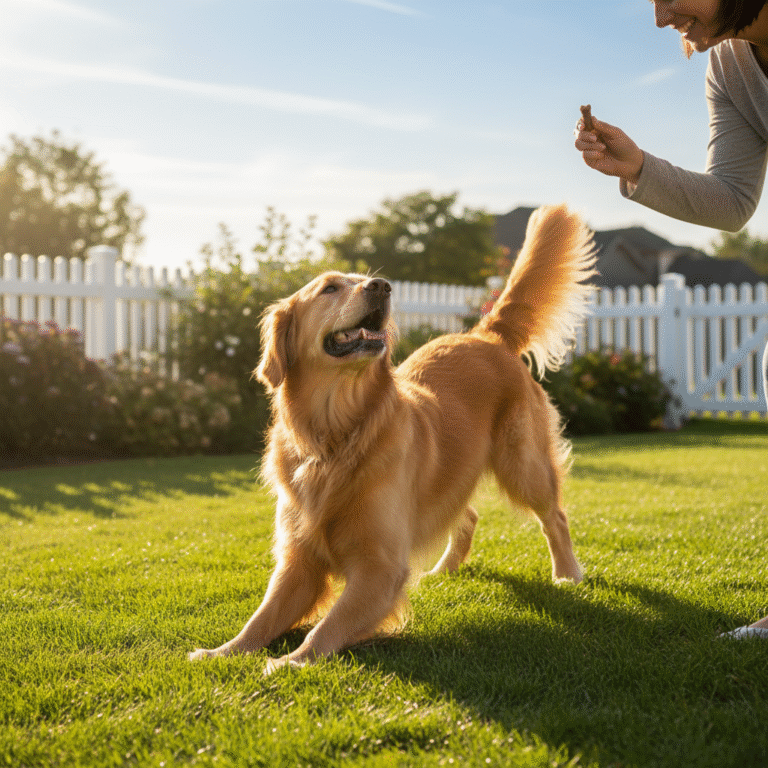
Have you ever seen a video of a dog ‘saying its prayers’ and thought, ‘I wish my dog could do that!’? Well, you’re in luck! This charming trick is not only incredibly cute but also a fantastic mental exercise and bonding activity for you and your furry best friend. It looks complex, but it’s actually built from a few simple behaviors stacked together.
Forget old-school, rigid training methods. We’re all about positive reinforcement here. That means lots of treats, praise, and patience. This approach makes learning fun for your dog and strengthens your relationship. In just three core steps, we’ll guide you through teaching this heartwarming trick. So grab your tastiest treats, find a comfy spot, and let’s get ready to create a truly special moment with your pup!
Getting Started: What You’ll Need
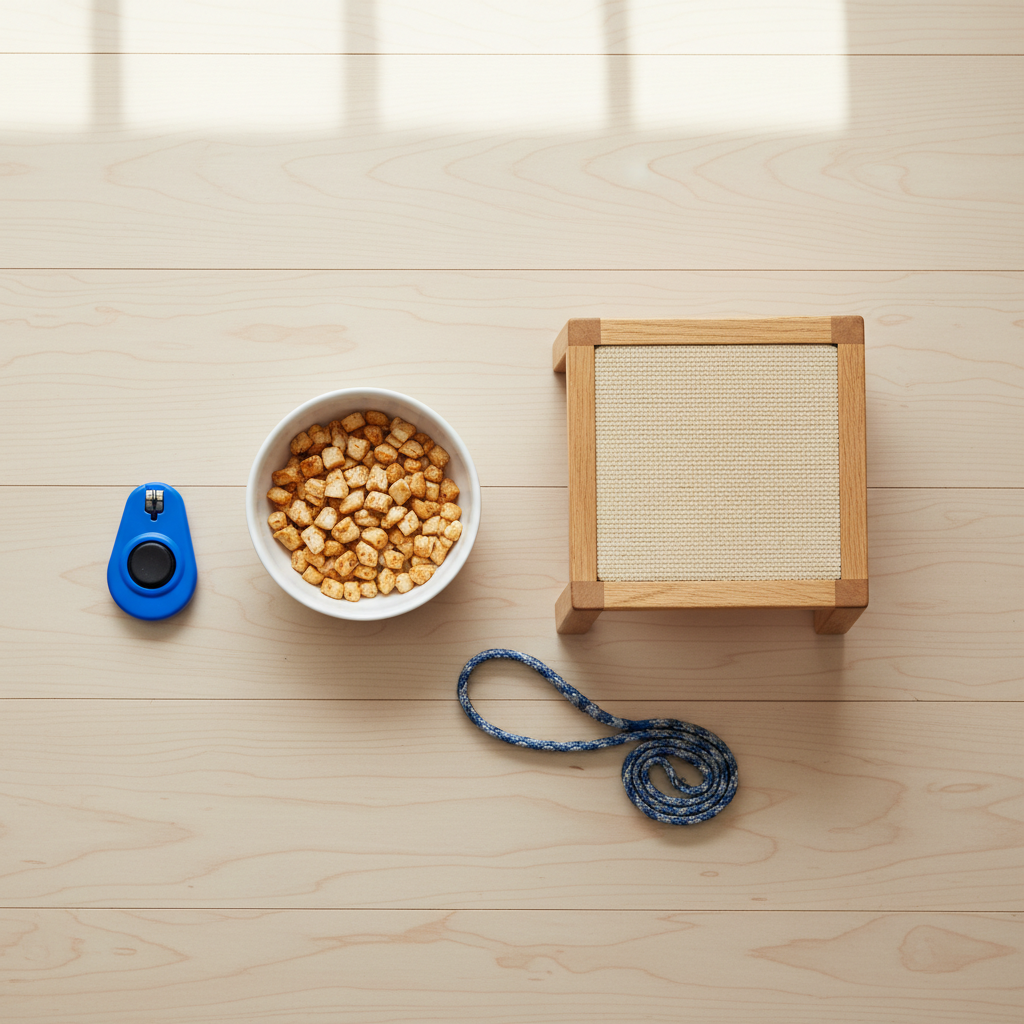
Before we jump into the fun, let’s get our supplies ready. Having everything on hand makes the training session smooth and keeps your dog engaged. You don’t need any fancy equipment; most of these items are probably already in your home!
Your Training Toolkit:
- High-Value Treats: These are the special, extra-yummy treats that your dog absolutely loves. Think small pieces of chicken, cheese, or their favorite soft training treats. Since we’ll be rewarding often, make sure the pieces are tiny—about the size of a pea—to avoid overfeeding.
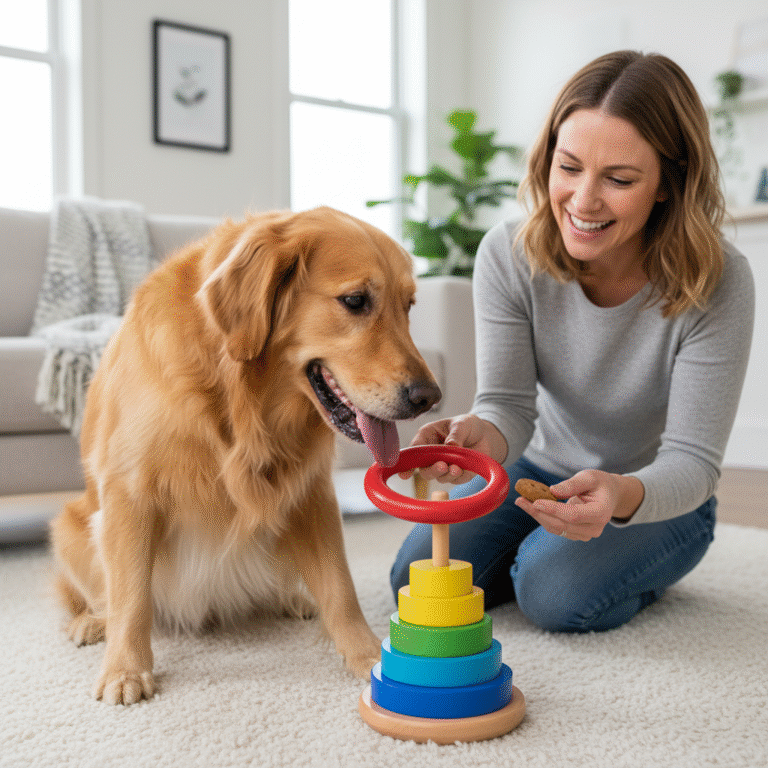
- A Low Stool or Platform: You need an object for your dog to place its paws on. The ideal object is stable and just the right height—low enough for your dog to comfortably rest its paws on, but high enough to be distinct from the floor. A small footstool, a sturdy cushion, or even the edge of a dog bed can work perfectly. Make sure it won’t slide around and scare your pup.
- A Quiet Training Space: Choose a familiar, comfortable area with minimal distractions. Your living room or a quiet bedroom is a great choice. The fewer things competing for your dog’s attention (like other pets, loud noises, or people walking by), the more they can focus on you and the new trick.
- A Clicker (Optional): If you’ve used a clicker for training before, it’s a fantastic tool for this trick. A clicker helps you mark the exact moment your dog does the right thing, making communication crystal clear. If you’re not a clicker user, no worries! A simple, happy verbal marker like a sharp “Yes!” works just as well.
Expert Tip: Keep your training sessions short and sweet! Dogs, especially puppies, have short attention spans. Aim for sessions of 5-10 minutes, once or twice a day. Always end on a positive note, even if it’s for a very simple action, to keep your dog excited for the next session.
Step 1: The ‘Paws Up’ Foundation
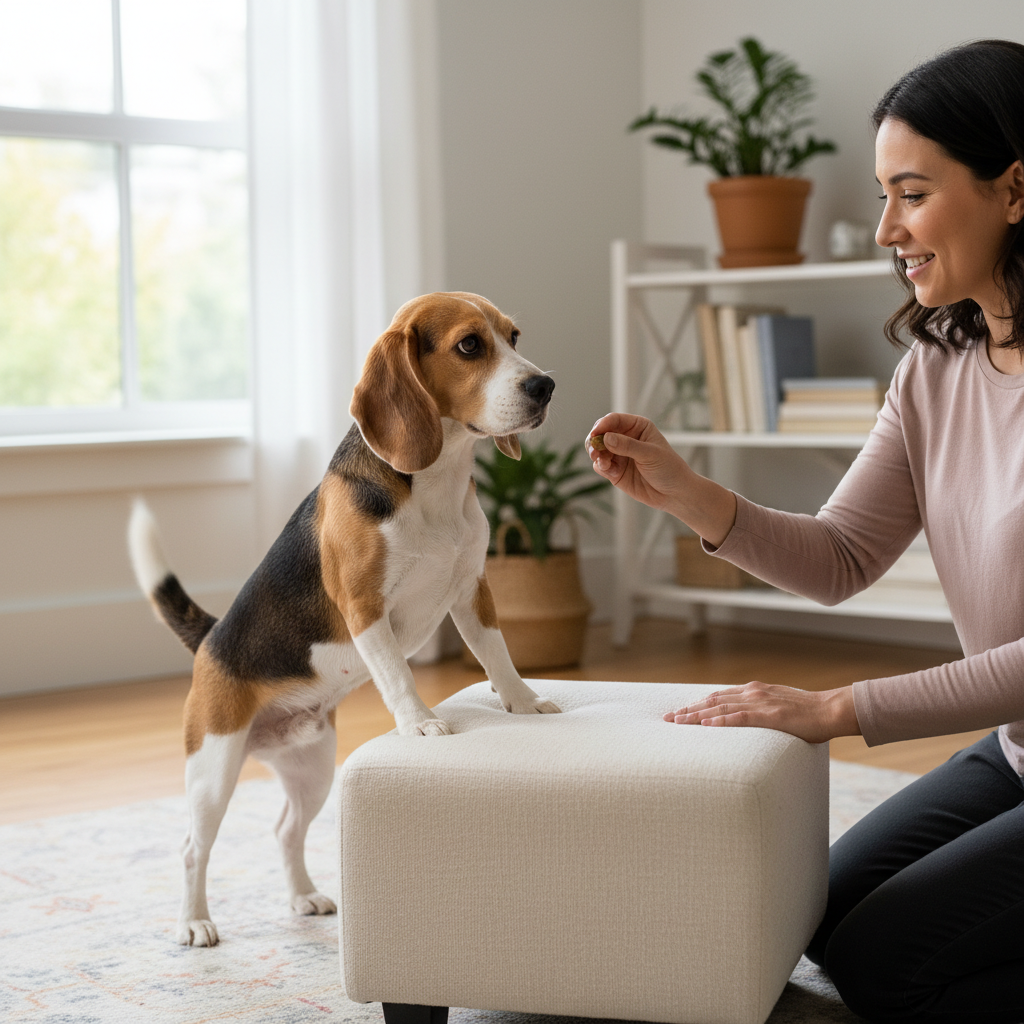
The entire ‘say prayers’ trick is built on one core action: your dog placing its front paws on an object. This is our foundation, so we’ll spend some time making sure your dog is confident and happy with this first step. Let’s break it down.
First, place your chosen stool or platform on the floor in front of you. Sit on the floor with your dog, showing excitement and positivity. The goal is to make the stool an interesting and rewarding object.
- Lure the Paws: Hold a treat in your hand and let your dog sniff it. Slowly move the treat over and slightly behind the stool. To follow the treat, your dog will naturally have to step forward. The moment one or both of their front paws touch the stool, click (or say “Yes!”) and give them the treat.
- Repeat, Repeat, Repeat: Do this several times. Lure them, wait for the paw-touch, mark the moment with your click/”Yes!”, and reward. At this stage, we’re rewarding any interaction with the stool. If they just tap it with one paw, that’s great! Reward it.
- Encourage Both Paws: Once your dog is consistently touching the stool with one paw, start waiting for them to place both paws on it. When they do, give them an extra-special ‘jackpot’ reward—a few treats in a row and lots of verbal praise! This tells them, “That’s exactly what I wanted!”
- Add a Cue (Optional but helpful): When your dog is reliably putting both paws on the stool as you lure them, you can add a verbal cue like “Paws Up” or “Place.” Say the cue just before you lure them. Over time, they will associate the words with the action.
Don’t rush this step! The more comfortable your dog is with putting its paws on the object, the easier the rest of the training will be. Your dog should see the stool as a fun ‘treat button’.
Step 2: Introducing the ‘Head Down’ Motion
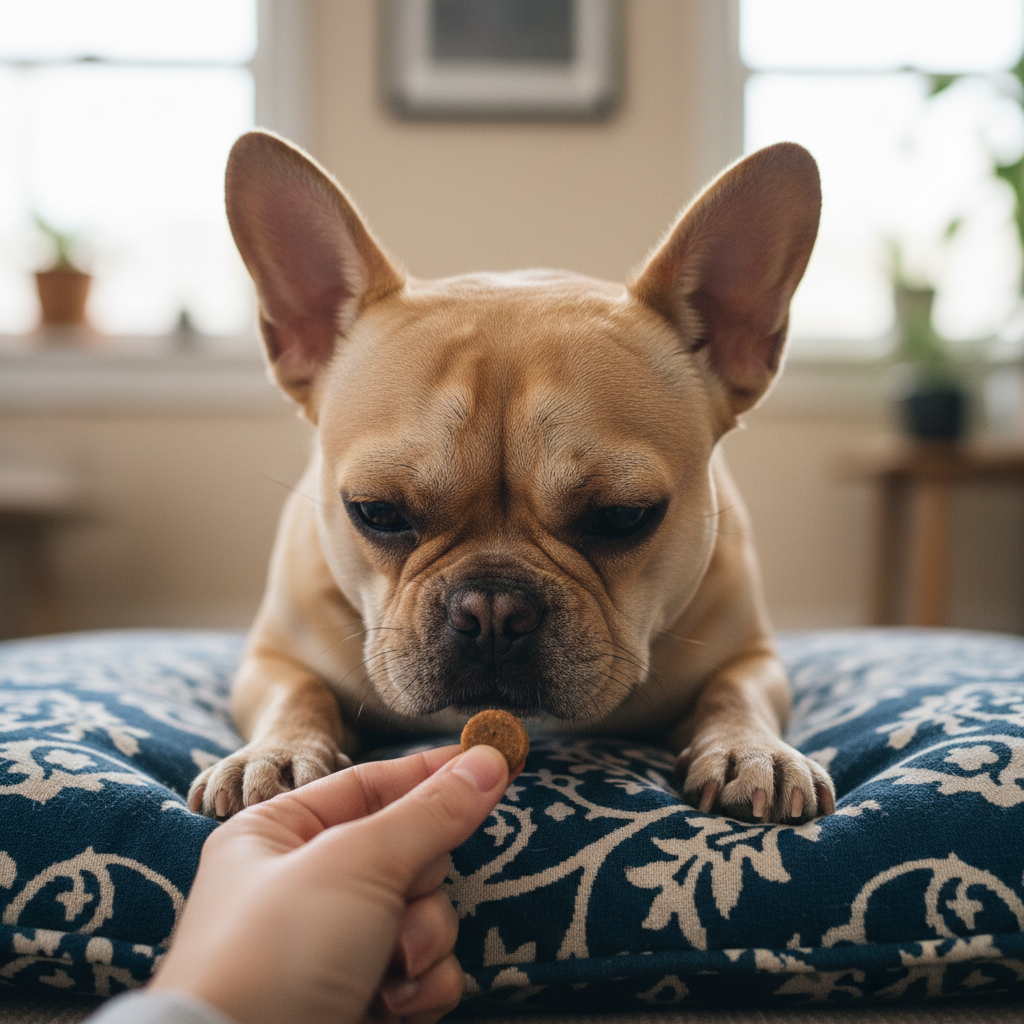
Now that your dog is a pro at ‘Paws Up,’ we’ll add the second piece of the puzzle: bowing their head. This motion is what really gives the trick its ‘praying’ look. We’ll use a treat to guide them into the correct position.
Ask your dog to do the ‘Paws Up’ command on the stool. Once their paws are in place, get ready with another high-value treat in your hand.
- Lure the Head Down: With their paws on the stool, take a treat and lower it from their nose down towards the space between their paws on the stool. Their head will naturally follow the treat.
- Mark the Smallest Dip: The very first time you do this, your dog might only dip their head a tiny bit. That’s perfect! The moment their head starts to lower, click/”Yes!” and give them the treat. We are rewarding the effort and direction.
- Go a Little Lower Each Time: With each successful repetition, try to lure their head a little lower. The goal is to eventually have them tuck their nose all the way down between their paws. Be patient; this might take a few tries or even a couple of short sessions.
- Keep it Positive: If your dog lifts its paws off the stool to get the treat, that’s okay! Simply reset and try again, perhaps not luring the head quite so low this time. The key is to make sure they keep their paws on the stool while their head goes down.
Troubleshooting Tip: Is your dog just stretching its neck and not really bowing? Try luring the treat slightly under the edge of the stool. This encourages them to tuck their chin and truly bow their head to follow the treat’s path.
Practice this ‘Paws Up’ followed by ‘Head Down’ sequence until your dog is performing the combined movement smoothly. For now, we are still luring with a treat and haven’t added the final verbal cue.
Step 3: Putting It All Together & Adding the ‘Say Prayers’ Cue
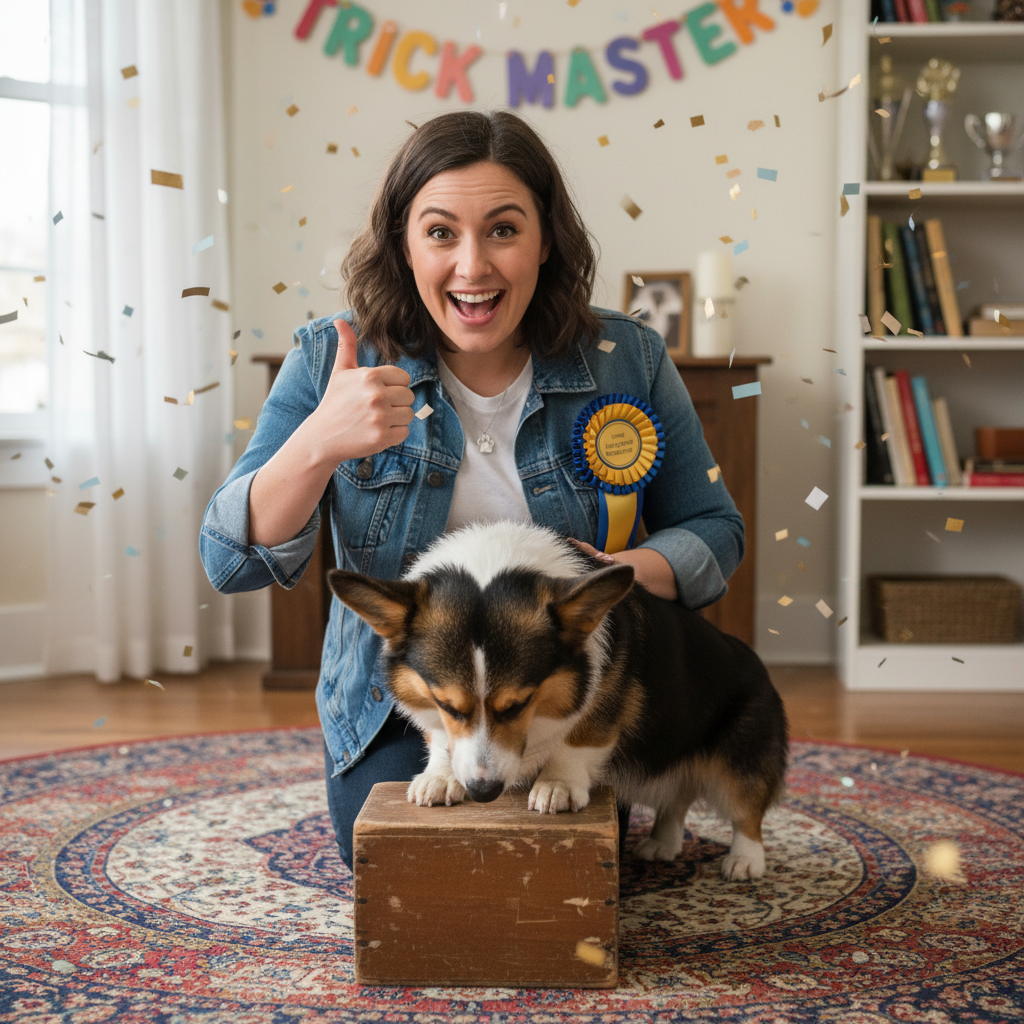
This is the final, magical step where everything comes together! Your dog knows how to put its paws up and how to bow its head. Now, we’ll combine them into one fluid motion and attach our final verbal cue, “Say Your Prayers.”
- Combine the Movements: Ask your dog for a ‘Paws Up.’ Once they are in position, immediately use your treat lure to guide their head down between their paws. As soon as they are in the full ‘prayers’ position (paws up, head down), click/”Yes!” and give a jackpot reward. Practice this combined sequence a few times.
- Introduce the Final Cue: Now, just before you ask for the behavior, say your new cue clearly and happily: “Say Your Prayers!” Then, lure them through the entire motion (paws up, then head down). Mark and reward the final position.
- Fade the Lure: This is the most important part of making it a real trick. After several successful repetitions with the verbal cue and the hand lure, start to make your hand motion smaller. Instead of a full lure with a treat, just gesture with an empty hand. Your dog should start to anticipate the movement. Eventually, you want to fade the hand signal completely so they respond only to the verbal cue.
- Build Duration: Once your dog understands the command, you can start building a little duration. Ask them to “Say Your Prayers” and wait just one second before you click/”Yes!” and treat. Gradually increase the time they hold the position to two or three seconds. This makes the trick more stable and perfect for showing off to friends and family!
Congratulations! You’ve successfully taught one of the most endearing dog tricks out there. Remember to practice it every now and then to keep it fresh in your dog’s mind. It’s a wonderful party trick and a testament to the amazing bond you share.
Conclusion
And there you have it! In three manageable steps, you’ve transformed a few simple movements into the absolutely adorable ‘say prayers’ trick. Remember that the most important ingredients in any training are patience, consistency, and positivity. Every dog learns at a different pace, so celebrate the small victories along the way and enjoy the process.
More than just a cute trick, the time you spend training your dog strengthens your communication and deepens your bond. You’re not just teaching a command; you’re learning to understand each other better. So keep those training sessions fun, keep the treats tasty, and cherish every single ‘aww’-inspiring moment you create together.