The Cutest Trick Ever: Teach Your Dog To Put Their Toys Away
Is your living room floor a permanent obstacle course of squeaky hedgehogs, half-chewed tennis balls, and floppy ropes? You’re not alone! While we love seeing our furry friends happy and playing, the aftermath can be a bit chaotic. But what if I told you there’s a trick that’s not only incredibly cute but also genuinely helpful? A trick that can turn your little mess-maker into a tidy-up champion?
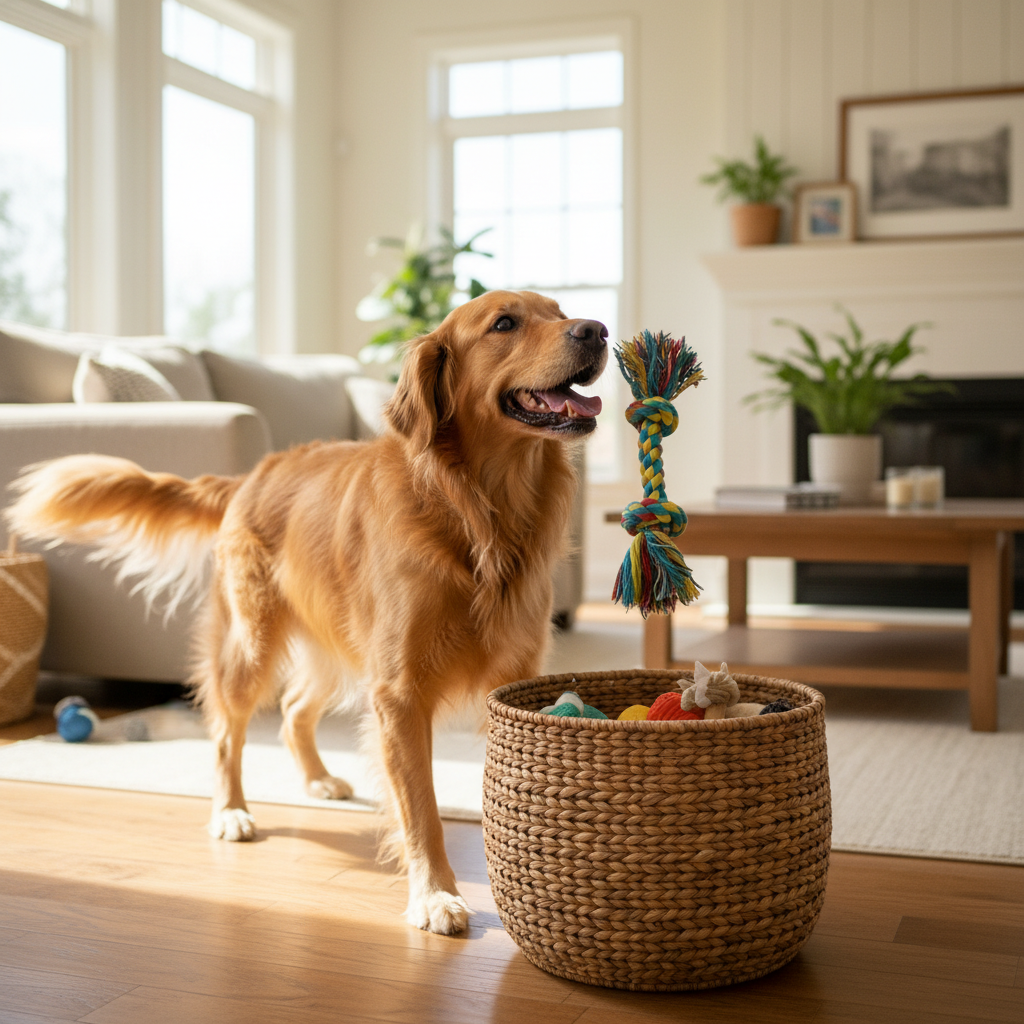
Welcome to the wonderful world of teaching your dog to put their toys away! This isn’t just about having a cleaner house. This fun training exercise is a fantastic way to provide mental stimulation, strengthen your bond, and build your dog’s confidence. It transforms a daily chore into a fun game you can play together. So, grab some tasty treats and let’s get started on teaching the most practical and adorable trick your dog will ever learn.
Gearing Up for Tidy-Up Time: What You’ll Need
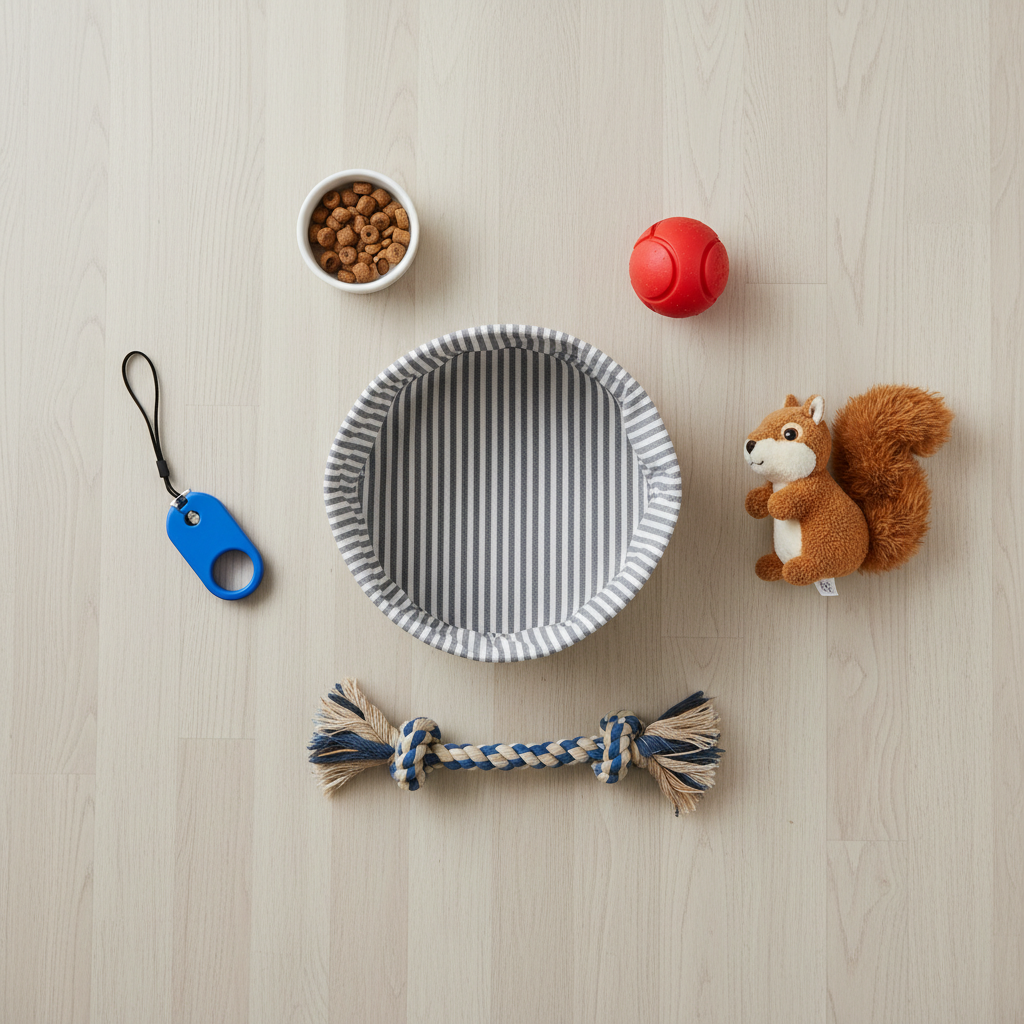
Before we dive into the training, let’s gather our supplies. Setting yourself up for success makes the whole process smoother and more enjoyable for both you and your pup. You don’t need a lot of fancy equipment, just a few key items.
Essential Tools for the Job:
- A Designated Toy Box: Choose a container that is low enough for your dog to easily reach into. A wicker basket, a sturdy fabric bin, or even a simple cardboard box will work perfectly. The key is that it should be a distinct ‘toy box’ and not look like their bed or a laundry basket.
- High-Value Treats: We’re talking the good stuff! Small pieces of cooked chicken, cheese, or special training treats that your dog goes absolutely bonkers for. Since we’ll be rewarding a multi-step process, you want a motivator that really holds their attention.
- A Clicker (Optional but Recommended): A clicker is a fantastic tool for marking the exact moment your dog does something right. This precision can speed up the learning process significantly. If you’re not using a clicker, choose a consistent marker word like “Yes!” or “Good!” to say in an upbeat tone.
- Your Dog’s Favorite Toys: Start with one or two of their absolute favorite toys. Working with something they already love to pick up and carry around gives you a head start.
Expert Tip: Make the toy box itself a fun and positive object from the very beginning. Before you even start training, randomly drop a treat into the box when your dog is watching. Let them investigate and get the reward. This builds a positive association with the box itself!
The Step-by-Step Guide to a Tidy Pup
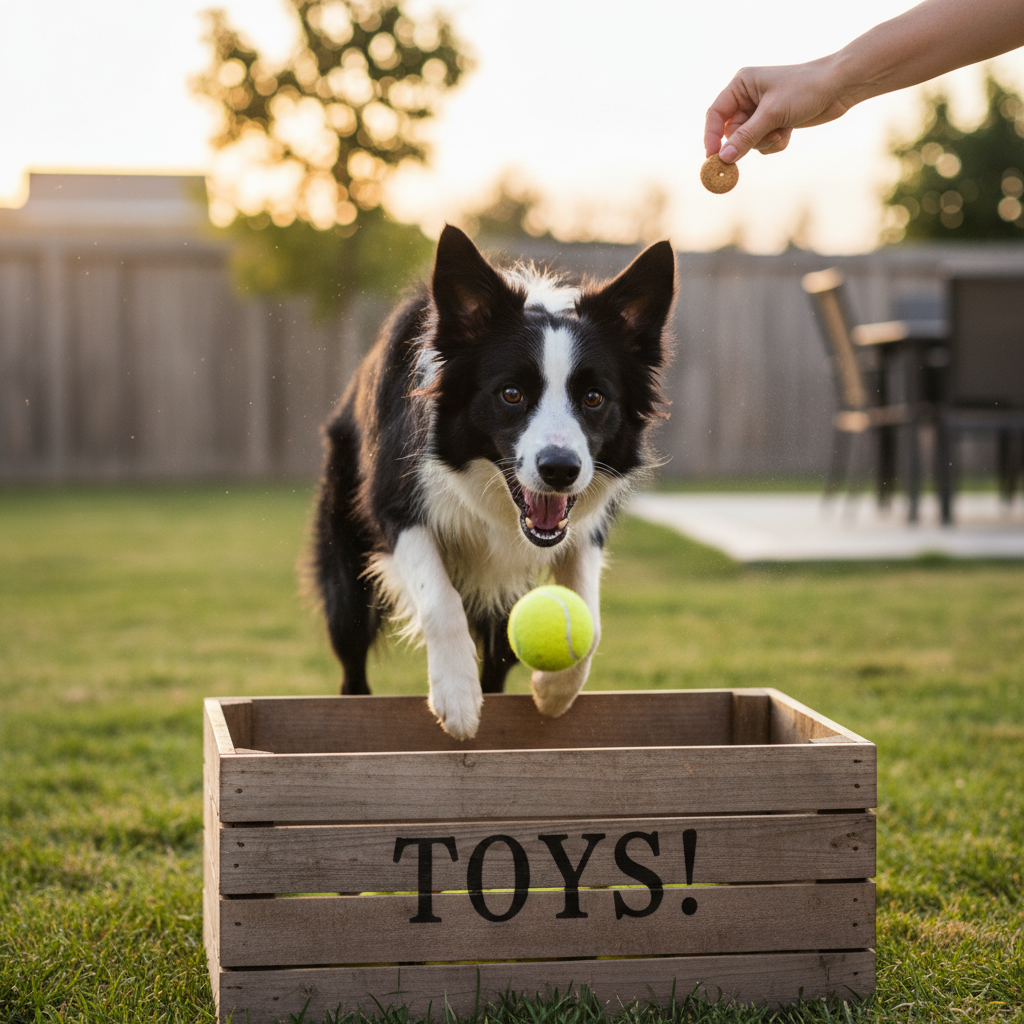
Patience is key! Remember to keep your training sessions short (5-10 minutes max) and always end on a positive note. We’re going to break this complex trick down into tiny, achievable steps. Master one step before moving on to the next.
- Step 1: Introduce the Toy Box. Place the toy box on the floor. Every time your dog shows any interest in it—sniffing it, looking at it, walking near it—click (or say “Yes!”) and give them a treat. We want them to think, “Good things happen around this box!”
- Step 2: Master ‘Drop It’ Over the Box. Ask your dog to take a toy. Once they have it, lure them over to the toy box. Hold a high-value treat near their nose and say “Drop it.” As they open their mouth to take the treat, the toy should fall. The moment it drops into the box, click/”Yes!” and give them a jackpot of treats and praise. If it falls next to the box, that’s okay! Just give a smaller reward and try again. The goal is to reward the toy landing inside.
- Step 3: Fade the Lure. Once they’re reliably dropping the toy in the box with the treat lure, start to fade it. Hold your empty hand over the box and give the “Drop it” cue. When they drop the toy in, click/”Yes!” and then give them the treat from your other hand. This teaches them to perform the action without seeing the reward first.
- Step 4: Combine ‘Take It’ and ‘Bring It’. Now, place a favorite toy a short distance away from the box. Point to the toy and say “Take it” or “Get your toy.” When they pick it up, use an excited voice and pat your leg or the side of the box to encourage them to come towards you. Reward any movement towards the box.
- Step 5: Put It All Together with a Cue. You’re ready to link everything! With your dog near a toy, say your chosen cue, like “Clean up!” or “Put your toys away!” Encourage them to pick up the toy, bring it to the box, and drop it in. When they succeed, throw a party! Lots of praise, treats, and excitement.
- Step 6: Generalize the Behavior. Once they can reliably clean up one toy, start adding more. Scatter a few toys around and give the “Clean up!” cue. Help them at first, pointing to the next toy, but gradually let them do it on their own. Practice in different rooms to help them understand that “Clean up” means putting all the toys in the box, wherever they are.
Troubleshooting Common Roadblocks
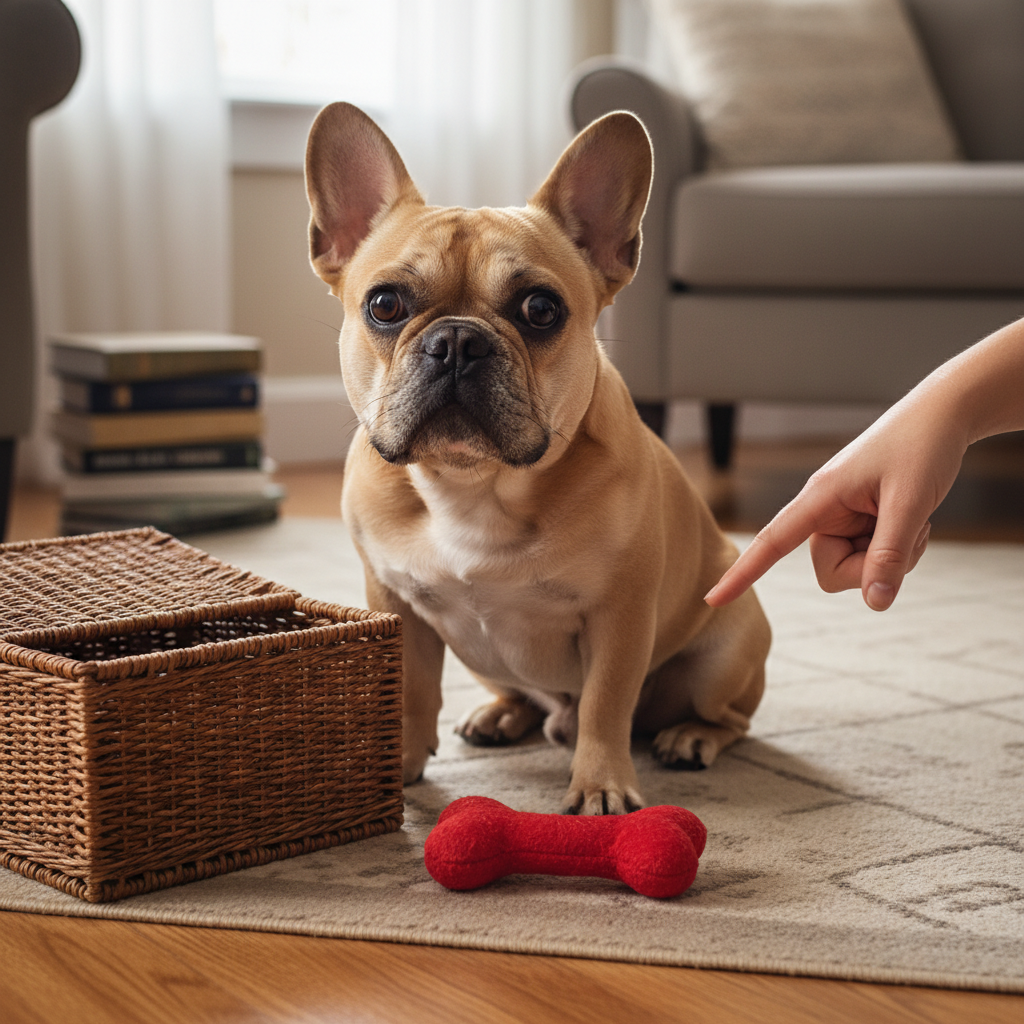
Training is never a perfectly straight line. You’re bound to hit a few bumps along the way. Don’t get discouraged! Here are some common issues and how to solve them.
- My dog drops the toy before reaching the box. This is very common! It usually means you’ve moved forward too quickly. Go back a step. Practice just luring them to the box while they hold the toy, and reward them just for getting there. Shorten the distance between the toy and the box so they have less time to think about dropping it.
- My dog won’t pick up the toy in the first place. Make it a game! Start by playing a light game of tug or fetch with the toy to get them excited and engaged. Then, try the “Take it” cue again. You can also try smearing a tiny bit of peanut butter (xylitol-free!) on the toy to encourage them to put their mouth on it.
- My dog gets distracted and wanders off. Your training sessions might be too long. Keep them short, sweet, and super fun—no more than five minutes at a time. Also, make sure you’re training in a low-distraction environment, away from open windows, other pets, or household commotion.
- They only put one specific toy away. Dogs don’t always generalize well. They might think the “Clean up” game only applies to their favorite squeaky pig. To fix this, you need to practice with all their different toys, one by one. Reward them enthusiastically for cleaning up a new or less-preferred toy to build its value.
Conclusion
Congratulations! You now have all the steps to teach your dog one of the most charming and useful tricks around. Remember that the journey is just as important as the destination. Every training session is a chance to communicate, bond, and have fun with your best friend. The goal isn’t just a tidy floor; it’s the joy of working together and watching your dog’s clever mind at work.
Be patient, stay positive, and celebrate every small success along the way. Before you know it, you’ll be able to say “Clean up your toys!” and watch with pride as your pup happily gets to work. Now that’s a trick worth bragging about!