Teach Your Dog To Roll Over In 10 Minutes Or Less
Have you ever watched a dog gleefully roll over on command and thought, ‘I wish my dog could do that!’? Well, good news! Teaching this classic and adorable trick is much easier than you might think. In fact, with the right approach, a pocketful of tasty treats, and a little bit of patience, you can often teach your dog to roll over in a single, short training session. Forget long, complicated training manuals. We’re going to break this down into super simple, bite-sized steps that any dog (and any owner!) can master. This guide is all about making training fun, fast, and a fantastic bonding experience for you and your furry best friend. So, grab your treats, find a comfy spot, and let’s get ready to roll!
What You’ll Need: The 3-Minute Prep for Success
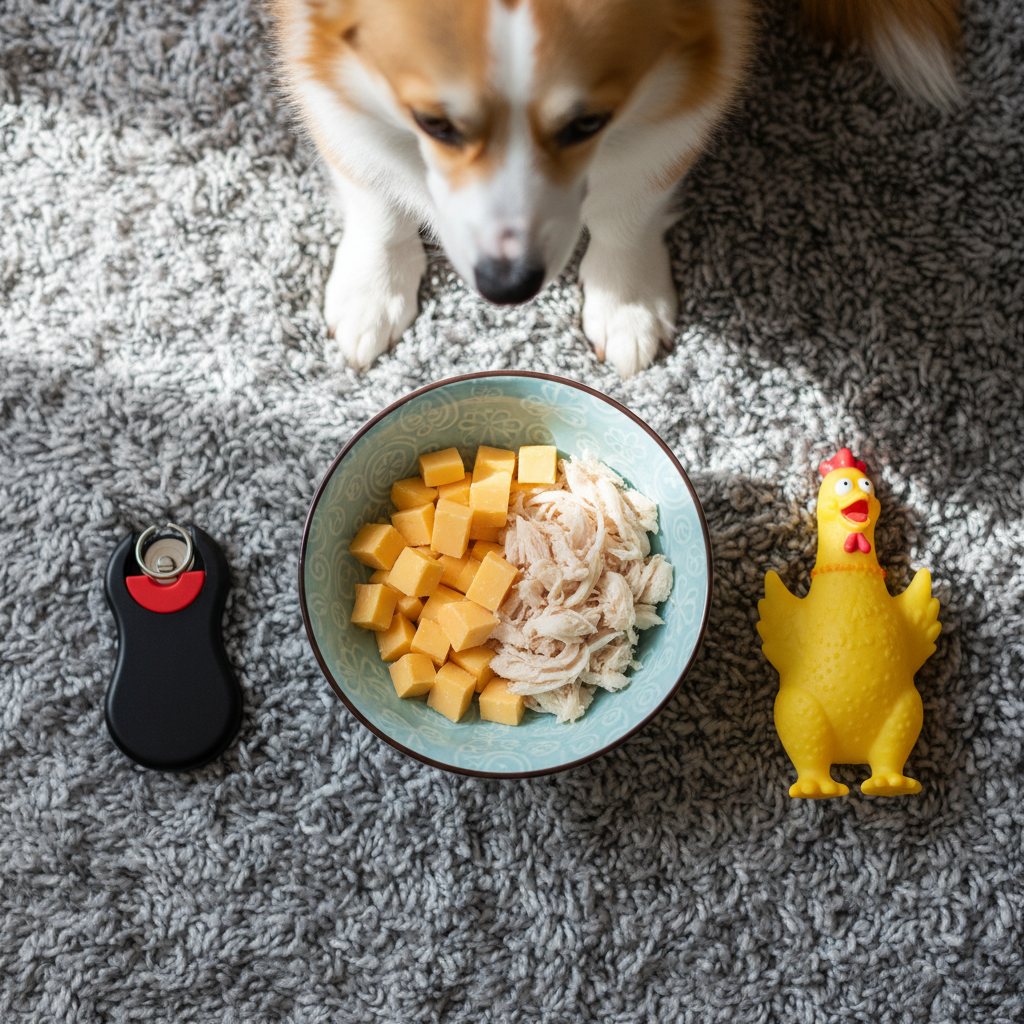
Before you start the timer, let’s get everything in place. A little preparation goes a long way in making your training session smooth and successful. You don’t need any fancy equipment, just a few simple things:
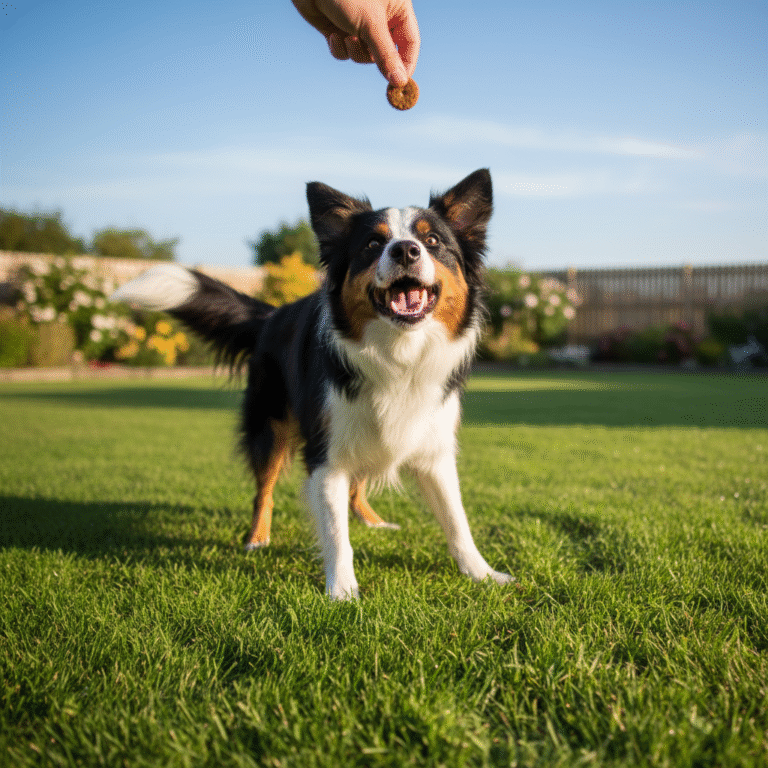
- High-Value Treats: We’re not talking about their everyday kibble. To keep your dog’s attention, you need something extra special. Think small, soft, smelly treats like tiny pieces of chicken, cheese, or commercial training treats. The goal is a treat they can swallow quickly so you can move on to the next repetition.
- A Comfortable, Quiet Space: Choose a location free from distractions. A living room with a soft rug or a quiet backyard is perfect. A comfy surface is key, as your dog will be rolling around on the ground. Hardwood or tile floors can be slippery and uncomfortable for this particular trick.
- A Ready-to-Learn Dog: Your dog should already have a solid ‘down’ or ‘lie down’ command. This is the starting position for the roll over, so it’s a non-negotiable prerequisite. Also, make sure your dog isn’t super hyper or sleepy. A calm but alert state of mind is ideal for learning.
Expert Tip: Keep your training sessions short and sweet! A 5-10 minute session is perfect. This keeps your dog engaged and excited to learn, rather than bored or frustrated.
Step-by-Step: From ‘Down’ to ‘Roll Over’ in 4 Easy Moves
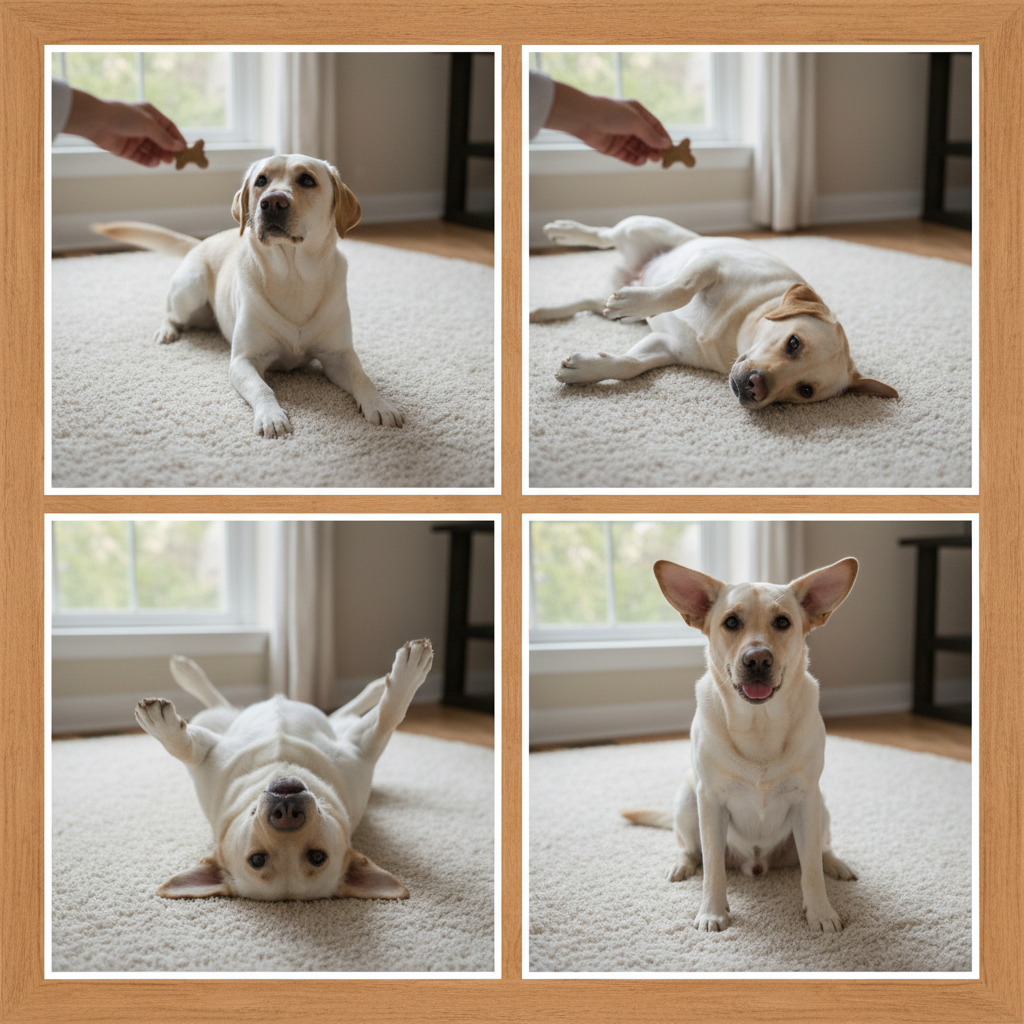
Alright, this is where the magic happens! The secret to teaching the roll over quickly is to use a treat as a lure to guide your dog’s movement. We’ll break the full roll into tiny, easy-to-achieve steps. Remember to praise enthusiastically for every small success!
- Step 1: From ‘Down’ to their Side. Ask your dog to lie down. Once they’re in the ‘down’ position, take a treat and hold it near their nose. Slowly move the treat from their nose towards their shoulder on one side. Their head should follow the treat, causing them to shift their weight and lie on their hip. The moment they do, say ‘Yes!’ and give them the treat. Practice this 3-4 times until they are comfortably flopping onto their side.
- Step 2: Luring them onto their Back. Now that they’re comfortable on their side, we’ll ask for a little more. Start the same way, luring them onto their side. But this time, continue the motion of the treat up and over their backbone. This should encourage them to roll flat onto their back. Many dogs will be hesitant here. Even if they only roll partway, praise them and give them the treat! The goal is to reward any effort in the right direction.
- Step 3: Completing the Full Roll. Once your dog is reliably rolling onto their back to follow the treat, it’s time for the grand finale. Continue the luring motion in one smooth arc from their nose, over their head, and to the other side. This should guide them to roll completely over from their starting position to the same position on the other side. Woo-hoo! When they make it all the way, give them lots of praise and a ‘jackpot’ of several treats.
- Step 4: Practice and Repeat! Now just practice the full motion a few more times to solidify the movement. Keep it fun and exciting! If they get stuck, just go back to the previous step for a couple of successful reps before trying again.
Putting a Name to the Move: Adding the ‘Roll Over!’ Cue
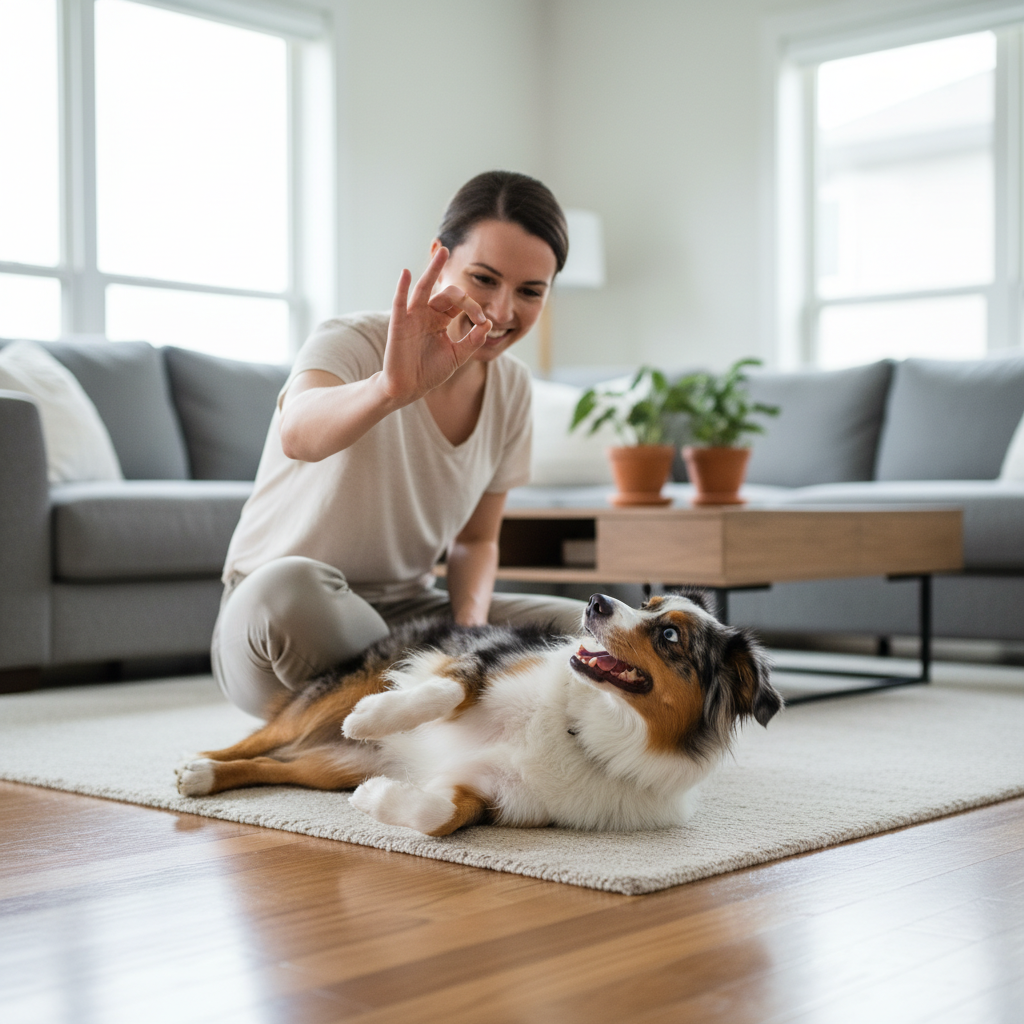
Your dog is now physically performing the roll by following your hand lure. That’s amazing! The next step is to attach a verbal cue to the action so you won’t always have to guide them with a treat. Here’s how to do it:
Once your dog is consistently rolling over with the hand lure, you can start adding the verbal cue. Just before you begin the luring motion with your hand, say your chosen cue clearly and cheerfully—for example, ‘Roll Over!’. Then, immediately perform the hand lure motion as you have been doing. After a few repetitions, your dog will start to associate the words ‘Roll Over!’ with the action of rolling.
Fading the Lure
The final step is to gradually make your hand signal smaller and smaller. Instead of making a big, sweeping arc with the treat, make a smaller circular motion with your hand. Eventually, you can fade the hand motion entirely, so your dog responds to just the verbal cue. This takes practice, so be patient. You can also start rewarding them after the trick is complete, rather than luring them through it. This transitions the treat from a lure to a reward.
Oops! Troubleshooting Common Sticking Points
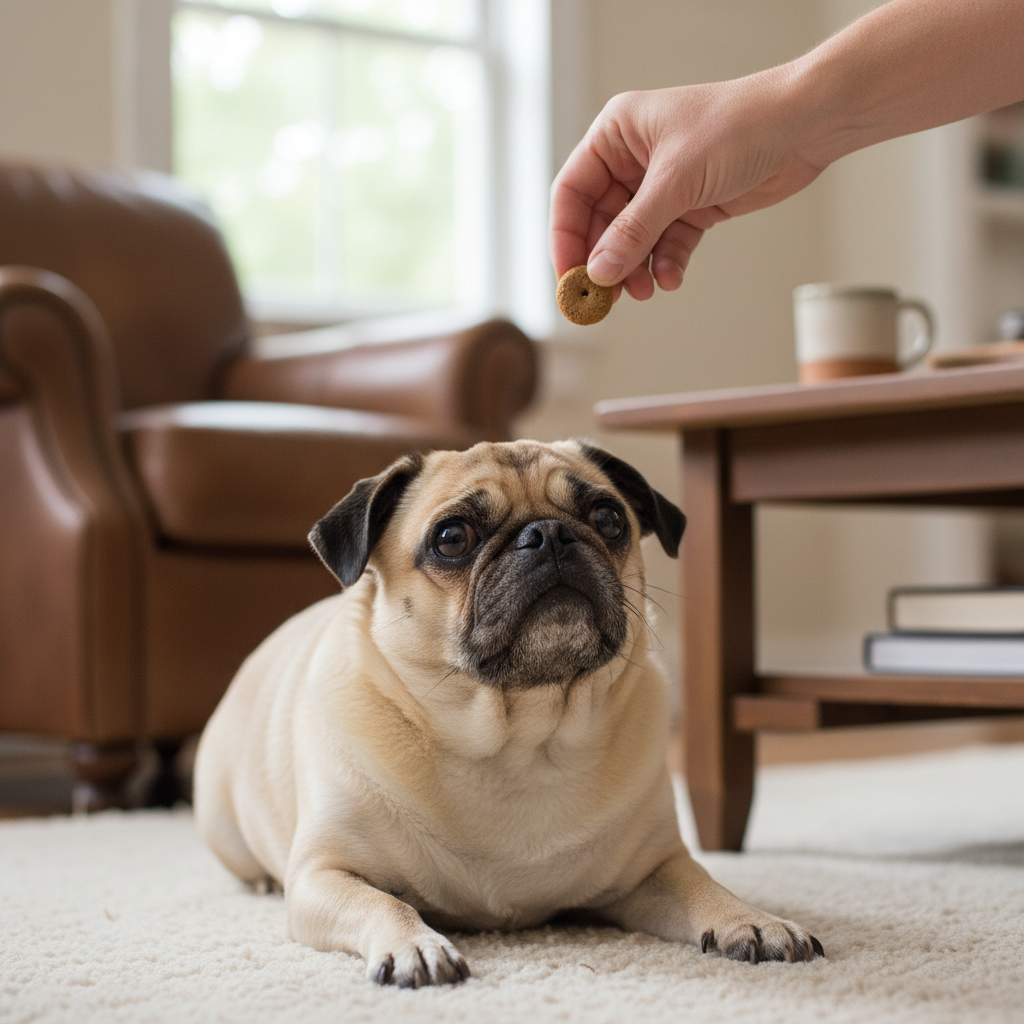
Is your training session hitting a snag? Don’t worry, it happens to everyone! Every dog learns differently. Here are some common problems and how to solve them:
- ‘My dog just chews the treat instead of following it.’ Your treats might be too big or crumbly. Try using a lickable treat like peanut butter on a spoon or a softer, smaller treat they can’t just nibble at. This forces them to follow the source.
- ‘My dog gets onto their side but then just pops back up.’ This is very common! You might be moving the lure too quickly. Slow down the motion, and make sure you are rewarding that initial ‘flop’ onto their side heavily before asking for more. You need to convince them that staying on their side is a great thing to do.
- ‘My dog seems scared to roll onto their back.’ Rolling onto their back is a vulnerable position. Never force them. Go back to rewarding them for being on their side and make it a super positive experience. You can also try giving them belly rubs when they are on their side to build their comfort level. For some dogs, this is a big trust exercise.
- ‘My dog has zero interest and just walks away.’ Your training session might be too long, the treats might not be exciting enough, or they might just not be in the mood. Try again later with better treats, and keep the session under 5 minutes to start. Always end on a positive note, even if it’s just for a simple ‘sit’ or ‘down’.
Conclusion
And there you have it! You now have all the tools and steps to teach one of the most beloved dog tricks around. Remember, the ’10 minutes or less’ is a fun goal, but the real prize is the positive experience you share with your dog. Every pup learns at their own pace, so celebrate the small wins, keep it positive, and most importantly, have fun. Before you know it, your dog will be rolling over on command and soaking up all the praise and attention they deserve. Happy training!