Saltwater Toxicity: How to Train Your Dog to Avoid Ocean Water
There’s nothing quite like watching your dog experience the pure bliss of a beach day. The endless sand for digging, the exciting new smells, and the vast expanse of water to splash in—it’s a perfect canine paradise. But amidst all that fun, there’s a serious hazard that many pet parents overlook: the ocean itself. While a little splash is harmless, a dog drinking saltwater can lead to a dangerous condition called saltwater toxicity. Don’t worry, this doesn’t mean you have to cancel your coastal adventures! With a bit of knowledge, preparation, and some key training, you can keep your furry friend safe and hydrated. Let’s dive into how to protect your pup from the dangers of drinking ocean water.
The Hidden Dangers: Why Ocean Water is a No-Go
You might think a few salty sips are no big deal, but for a dog, it can be incredibly dangerous. Ocean water has a high concentration of sodium. When a dog ingests it, the excess salt draws water out of their body’s cells and into their intestines, leading to a nasty combination of diarrhea and vomiting. This is the body’s first attempt to get rid of the excess salt.
If a dog drinks a significant amount, the salt gets absorbed into their bloodstream, causing a condition called hypernatremia, or salt poisoning. This is a state of severe dehydration where the body’s cells are starved of water. It can quickly affect the brain, causing it to swell and leading to serious neurological symptoms. It’s a medical emergency that can be fatal if not treated promptly.
Key Symptoms of Saltwater Toxicity:
- Excessive thirst or urination
- Vomiting and/or diarrhea
- Lethargy and weakness
- Stumbling or loss of coordination (appearing ‘drunk’)
- Swelling of the body
- Muscle tremors or seizures
- Reduced appetite
Important Takeaway: Saltwater toxicity is much more than just an upset stomach. It’s a rapid-onset dehydration that can have severe neurological consequences. Recognizing the early signs is critical.
Preparation is Key: What to Pack for a Safe Beach Day
A safe beach trip starts before you even leave the house. Thinking ahead and packing the right gear can make all the difference in preventing your dog from getting thirsty enough to even consider drinking from the ocean. Think of it as creating an environment where fresh water is always the easy and appealing choice.
Here’s your essential beach safety checklist:
- Plenty of Fresh Water: This is non-negotiable. Bring more than you think you’ll need. A gallon jug per dog is a good starting point for a multi-hour trip.
- A Portable Water Bowl: A collapsible silicone or fabric bowl is lightweight and easy to carry. The goal is to make offering fresh water as convenient as possible.
- High-Value Training Treats: You’ll need something extra-special to reward your dog for making good choices, especially with so many distractions at the beach. Think small pieces of chicken, cheese, or their absolute favorite store-bought treat.
- A Long Leash (15-20 feet): This gives your dog a sense of freedom while ensuring you have control to reel them in if they head for a drink of seawater or wander too far.
- Shade and Cooling Gear: An umbrella, a small tent, or a cooling mat can prevent your dog from overheating, which drives thirst.
By having fresh, cool water constantly available, you significantly reduce the temptation for your dog to sample the salty stuff.
Step-by-Step: Training the ‘Leave It’ Super-Command
The single most important command for beach safety is a rock-solid “Leave It.” This command teaches your dog to ignore an item and turn their attention back to you. When the “item” is the entire ocean, you need this command to be reliable. Here’s how to build it up from scratch.
Start at Home, Start Easy
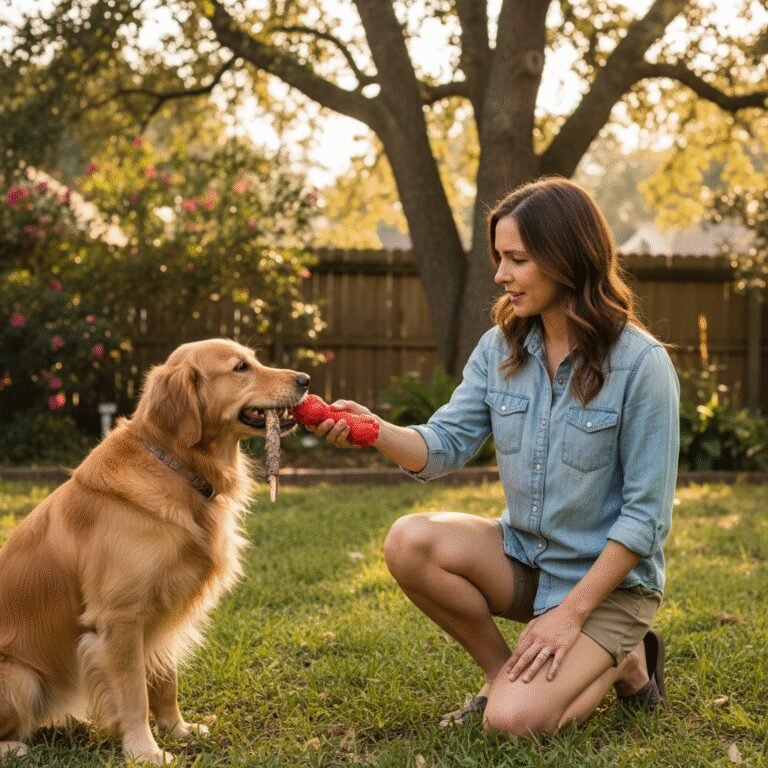
Begin in a quiet room. Place a boring, low-value treat (like a piece of their regular kibble) on the floor and cover it with your hand. Let your dog sniff. The moment they pull their head away, even for a second, say “Yes!” and give them a high-value treat from your other hand. Never let them have the treat under your hand. Repeat until they stop trying to get the covered treat.
Increase the Difficulty
Once they have the hang of it, place the low-value treat on the floor, but don’t cover it. Say “Leave It” as you place it down. If they lunge for it, cover it with your hand. When they hesitate or look at you, praise them and give them the high-value treat. Practice this until they automatically look at you when you say the command.
Take It to the Beach (On Leash)
Now it’s time for the real test. Find a quiet spot on the beach, far from the water’s edge. Keep your dog on a leash. Walk them towards the water. The moment they show interest in drinking, give your cheerful but firm “Leave It” command. When they look back at you, reward them enthusiastically with praise and a high-value treat. Immediately offer them fresh water from their bowl. The goal is to teach them: ‘Ignoring the ocean gets me something better AND the fresh water I crave.’
Practice and Reinforce
Keep your initial beach training sessions short and positive. Don’t expect perfection on day one. It’s a process of building a new habit. Repeat this every time you go to the beach, always reinforcing the ‘Leave It’ command and rewarding with fresh water.
Active Supervision: Your Most Important Tool
Training is a powerful tool, but it’s not a substitute for active supervision. The beach is an exciting, unpredictable environment, and even the best-trained dog can have a moment of weakness. Your attention is the final layer of safety.
Smart Beach Management Tips:
- Stay Hydrated (Proactively!): Don’t wait for your dog to seem thirsty. Proactively offer them fresh water from their bowl every 15-20 minutes. Make a little party out of it! Cheer them on when they drink.
- Use that Long Leash: Keeping your dog on a long lead prevents them from dashing into the surf for a sneaky drink when you’re distracted. It’s about safety, not punishment.
- Provide Plenty of Shade: An overheating dog is a thirsty dog. Set up your spot under an umbrella and encourage frequent rest breaks in the cool sand.
- Engage in Play: Keep your dog’s mind occupied. A fun game of fetch with a water-safe toy (thrown on the sand, not deep into the water) can be a great distraction from the temptation to drink.
By managing the environment and your dog’s hydration levels, you’re setting them up for success and making the training much easier.
Oops! They Drank Some. Now What?
Despite your best efforts, your dog might manage to gulp down some saltwater. Panicking won’t help, but swift action will. What you do next depends on how much they drank and the symptoms they’re showing.
If you saw them take just a small lap or two, the first step is to get them away from the ocean and encourage them to drink plenty of fresh water. This will help dilute the salt they ingested. For the next few hours, keep a very close eye on them for any developing symptoms. A mild case might just result in a bit of diarrhea, which should resolve as long as they are rehydrating with fresh water.
When to Call the Vet Immediately: If you see your dog drink a large amount of water, or if they start showing any of the more serious signs of toxicity, it’s time to leave the beach and call your veterinarian or the nearest emergency animal hospital immediately. Do not wait.
Call your vet if you see:
- Repeated vomiting
- Extreme weakness or lethargy
- Stumbling or disorientation
- Muscle tremors or seizures
Your vet can provide intravenous (IV) fluids to rehydrate your dog safely and monitor their electrolyte levels. Prompt veterinary care offers the best chance for a full recovery.
Conclusion
A beach day with your four-legged friend is a special experience that creates lasting memories. By understanding the real risks of saltwater toxicity, you’re already one step ahead. Remember the three pillars of beach safety: prepare by packing plenty of fresh water and shade, train a reliable ‘Leave It’ command, and supervise actively by managing hydration and play. These steps empower you to protect your companion, ensuring that your coastal adventures are filled with nothing but sandy paws, happy splashes, and safe fun for years to come.