The Giardia Risk: How to Stop Your Dog Drinking From Puddles
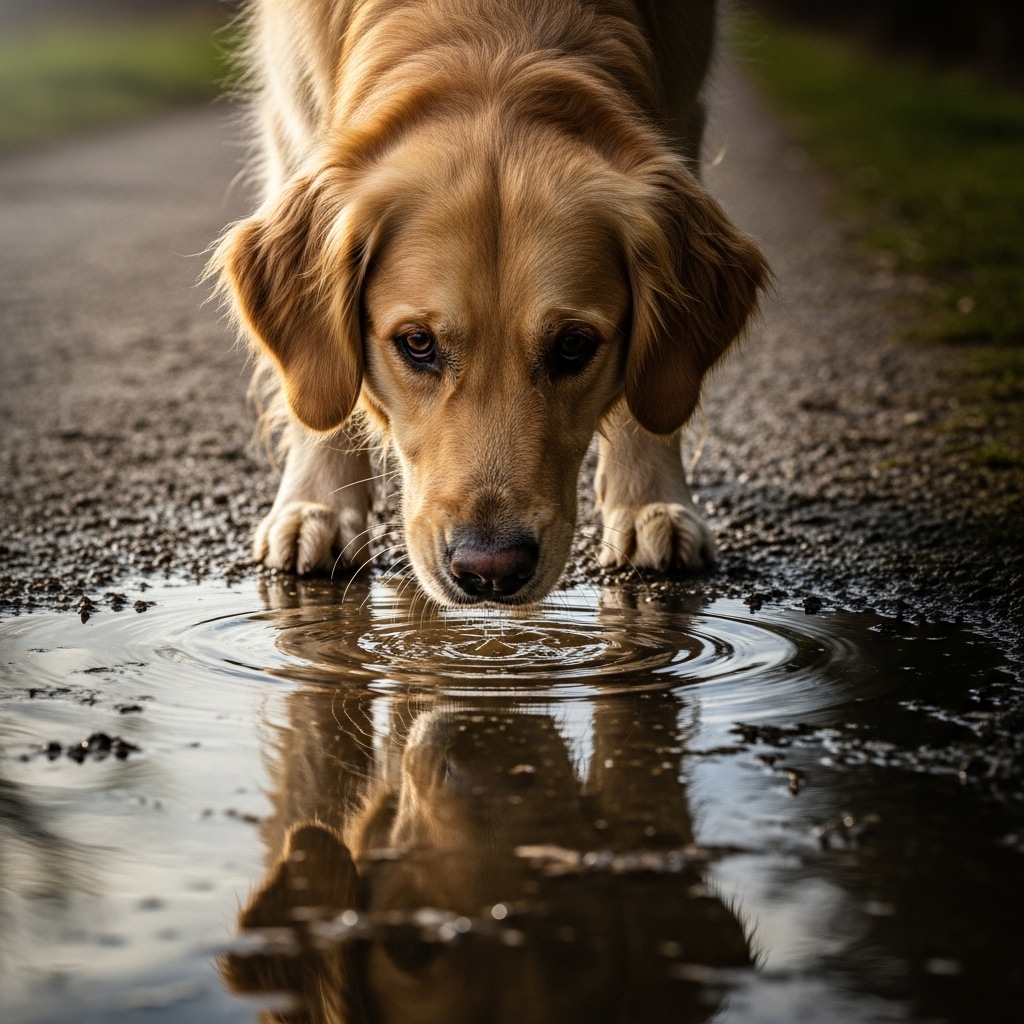
There’s something universally dog-like about the sight of a happy pup enthusiastically lapping water from a freshly formed puddle. To them, it’s a novel, earthy-tasting refreshment. To us, it often seems like a harmless, if slightly messy, habit. But what if that murky puddle is hiding a nasty secret? Unfortunately, standing water is a breeding ground for a host of invisible threats, with one of the most common being a microscopic parasite called Giardia.
Understanding the risks is the first step, but the second, more crucial step is knowing how to effectively and kindly teach your dog to bypass these tempting pools. Don’t worry, it’s not about being the ‘fun police.’ It’s about being a proactive pet parent who keeps their furry friend safe, healthy, and ready for many more adventures. In this guide, we’ll dive into the dangers of Giardia and give you the practical training tools you need to stop your dog from drinking from puddles for good.
What’s Really Lurking in That Puddle? The Giardia Lowdown
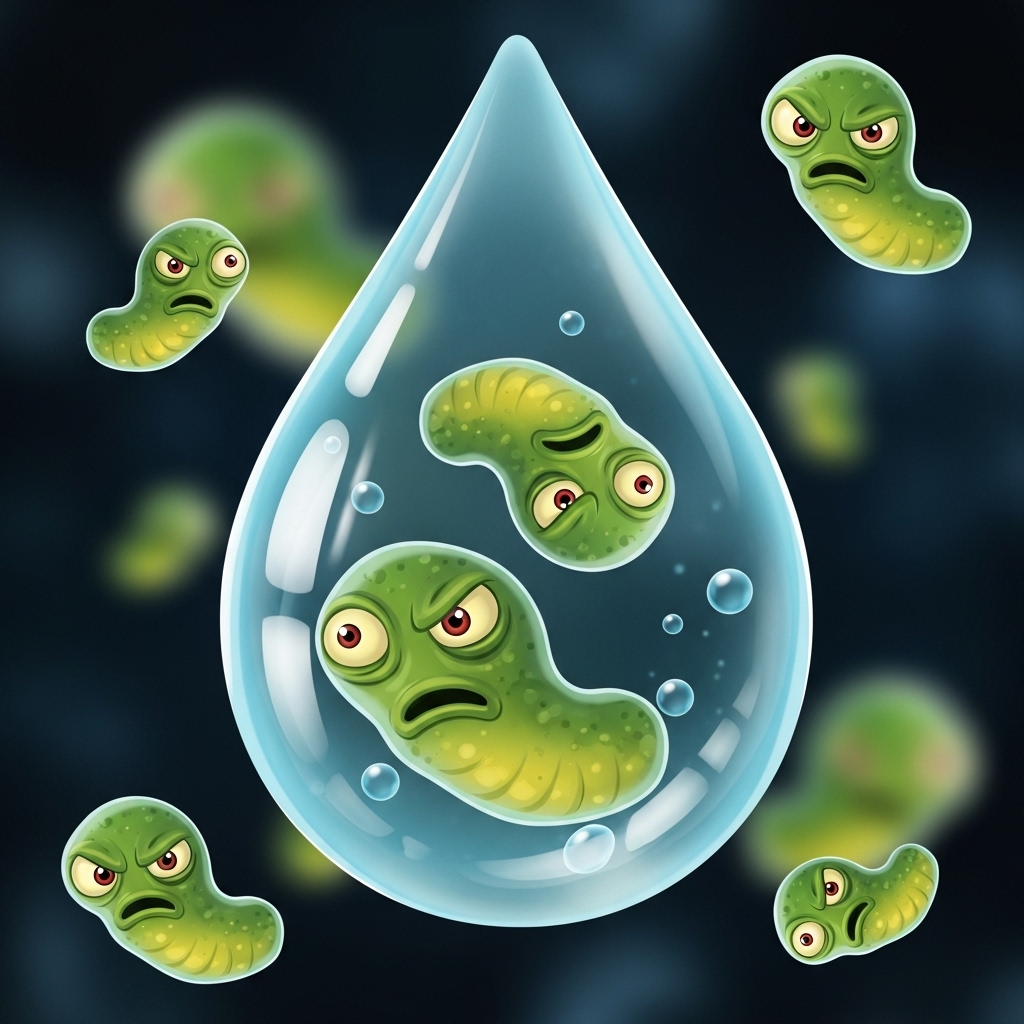
So, what exactly is this invisible villain we call Giardia? Giardia duodenalis is a single-celled parasite that can live in the intestines of mammals, including dogs, cats, and even humans. It’s a hardy little organism that exists in two forms: a fragile, feeding form inside the gut and a hardy, cystic form that is shed in feces.
Here’s the lifecycle that makes puddles so risky:
- An infected animal (like a raccoon, deer, or another dog) poops near a water source.
- The Giardia cysts from the feces contaminate the soil and water.
- These cysts are incredibly tough and can survive for weeks or even months in cool, moist conditions – like a puddle.
- Your unsuspecting dog comes along and takes a drink, swallowing the cysts.
- Once inside your dog’s intestine, the cysts transform back into the feeding form, attach to the intestinal wall, and wreak havoc on their digestive system, all while multiplying and starting the cycle anew.
But Giardia isn’t the only uninvited guest. Puddles can also contain a cocktail of other dangers:
- Leptospirosis: A serious bacterial infection spread through the urine of infected wildlife.
- Chemicals: Runoff from lawns and roads can contain pesticides, herbicides, antifreeze, and oils, all of which are toxic.
- Other Parasites: Worms like roundworm and whipworm can also be transmitted through contaminated soil and water.
Expert Tip: Not all dogs who ingest Giardia will get sick. Some can become asymptomatic carriers, meaning they can shed cysts and infect other animals without showing any signs of illness themselves.
Spotting the Signs: Symptoms of Giardiasis in Dogs
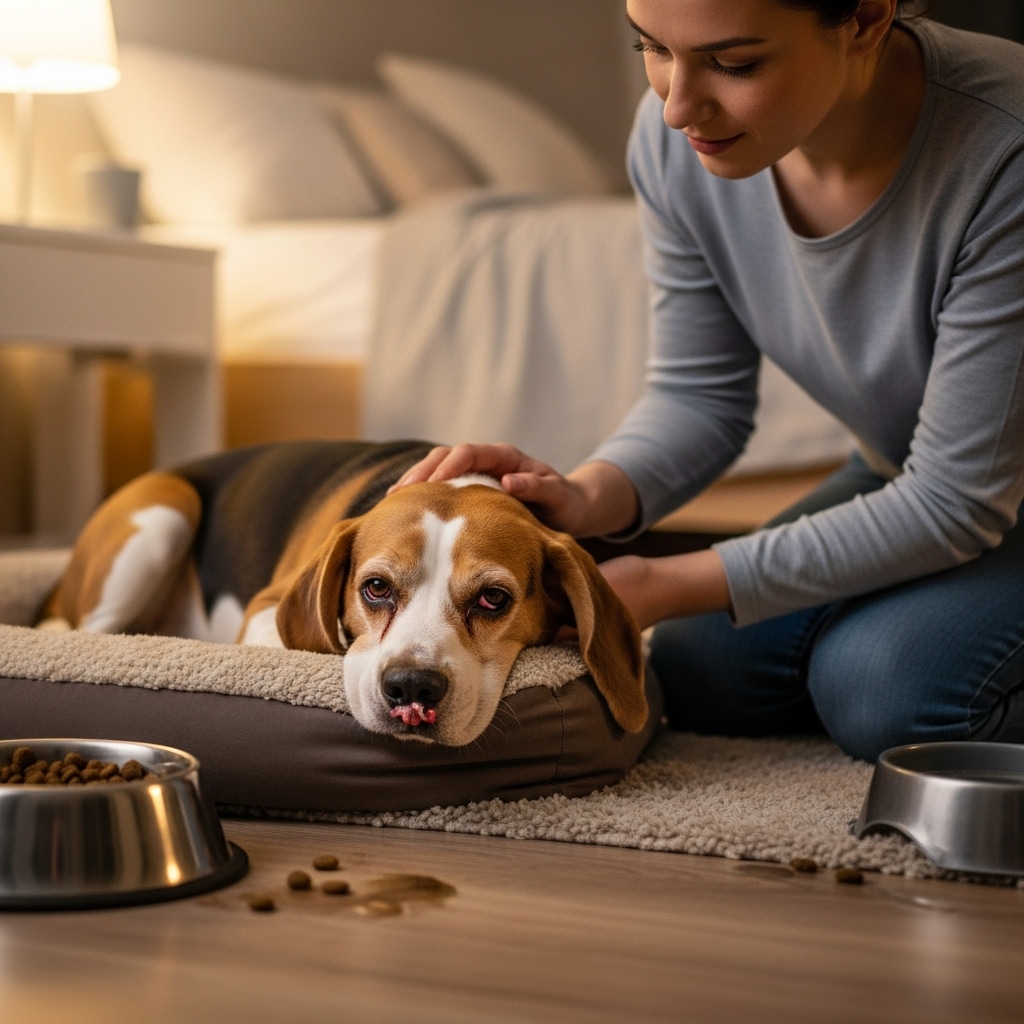
If your dog has been infected with Giardia, the resulting illness is called Giardiasis. The most common sign is diarrhea, which can be sudden, intermittent, or chronic. It’s often soft, poorly formed, pale, and has a particularly foul odor. Because the parasite interferes with the absorption of nutrients, other symptoms can develop over time.
Keep an eye out for these common signs of Giardiasis:
- Persistent Diarrhea: This is the hallmark symptom. It might be watery or have a greasy appearance.
- Vomiting: Intermittent vomiting can accompany diarrhea.
- Weight Loss: Despite a normal or even increased appetite, your dog may lose weight due to poor nutrient absorption.
- Lethargy: Your normally playful pup might seem tired, listless, and uninterested in their usual activities.
- Dehydration: A serious side effect of vomiting and diarrhea.
- Failure to Thrive: In puppies, a Giardia infection can be particularly serious, stunting their growth and development.
When to Call the Vet
If you notice any of these symptoms, especially persistent diarrhea, it’s crucial to contact your veterinarian. They can perform a fecal test to diagnose Giardia and rule out other potential causes. Treatment is typically straightforward, involving specific anti-parasitic medications, but getting a proper diagnosis is key to a speedy recovery.
The ‘Leave It’ Command: Your Puddle-Proofing Power Tool
Now for the solution! The single most effective tool in your training arsenal is a rock-solid ‘Leave It’ command. This command teaches your dog to ignore a tempting item (like a puddle) and turn their attention back to you instead. The key is to start easy and gradually increase the difficulty. Here’s how to do it step-by-step:
Start with a Boring Item:
Place a low-value, uninteresting item (like a piece of plain kibble) in your closed fist. Let your dog sniff your hand. They’ll likely nudge and lick at it. The moment they pull their head away, even for a second, say ‘Yes!’ and give them a high-value treat from your other hand. The reward should always be better than what they’re leaving.
Introduce the Cue:
Once your dog is reliably backing away from your closed fist, you can add the verbal cue. As you present your fist, say ‘Leave It’ in a calm, firm voice. When they pull away, praise them and reward them from your other hand.
Move to an Open Hand:
Now, place the boring item in your open palm. Say ‘Leave It.’ If they lunge for it, simply close your hand. When they hesitate and look at you, mark the behavior with ‘Yes!’ and reward them. The goal is to teach them that ignoring the item is what earns the reward.
Drop It on the Floor:
Once they’ve mastered your open hand, place the low-value item on the floor but cover it with your hand. Say ‘Leave It.’ When they ignore it, reward them. Gradually lift your hand off the item. If they go for it, cover it back up. Practice until you can leave the item uncovered and they won’t touch it.
Increase the Difficulty and Practice Everywhere:
Slowly start using more tempting items. Then, take the training on the road! Practice on your leash in the backyard, on the sidewalk, and eventually near those tempting puddles. Always be ready to reward them enthusiastically for making the right choice.
Proactive Puddle Prevention: Management on Walks
Training is essential, but management is your best friend, especially while your dog is still learning. Management simply means controlling the environment to prevent your dog from practicing the unwanted behavior. Think of it as setting your dog up for success.
Top Management Tips for Puddle-Free Walks:
- Always Carry Fresh Water: A thirsty dog is far more likely to seek out a puddle. Bring a portable water bottle or collapsible bowl and offer your dog frequent sips of fresh, clean water, especially on warm days or long walks.
- Use a Shorter Leash: In areas with lots of puddles (like after a rainstorm), keep your dog on a shorter leash. This gives you more control and allows you to steer them away from temptation before they even have a chance to dip their nose in.
- Be a Watchful Walker: Pay attention to the path ahead. Scan for puddles, discarded food, or other hazards. Being proactive allows you to change your path or ask for a ‘Leave It’ before your dog even notices the puddle.
- Make Yourself More Fun: If your dog is focused on you, they’ll be less interested in the environment. Bring a favorite toy, practice some fun commands, and praise them for walking nicely. A dog who is engaged with their owner is a dog who isn’t searching for trouble.
- Create a Positive Interruption: If you see them heading for a puddle, make a happy, high-pitched sound (like a ‘Pup pup pup!’) and change direction. When they turn towards you, reward them with praise or a treat. This teaches them that turning away from the puddle and towards you is a great thing.
Conclusion
Protecting your dog from the risks of Giardia and other puddle-borne dangers isn’t about limiting their fun; it’s about channeling it in a safer direction. By understanding the real health threats lurking in standing water and committing to consistent training, you empower your dog to make better choices. The ‘Leave It’ command is more than just a party trick—it’s a vital safety skill that can prevent a costly and uncomfortable bout of illness.
Combine this training with smart management techniques, like always having fresh water on hand, and you’ll transform your walks from a stressful game of ‘dodge the puddle’ into the relaxing, enjoyable bonding time they’re meant to be. Your dog’s health is worth the effort, and a happy, hydrated, and healthy companion is the ultimate reward.