Winter Safety Alert: Teaching Dogs To Respect Space Heaters
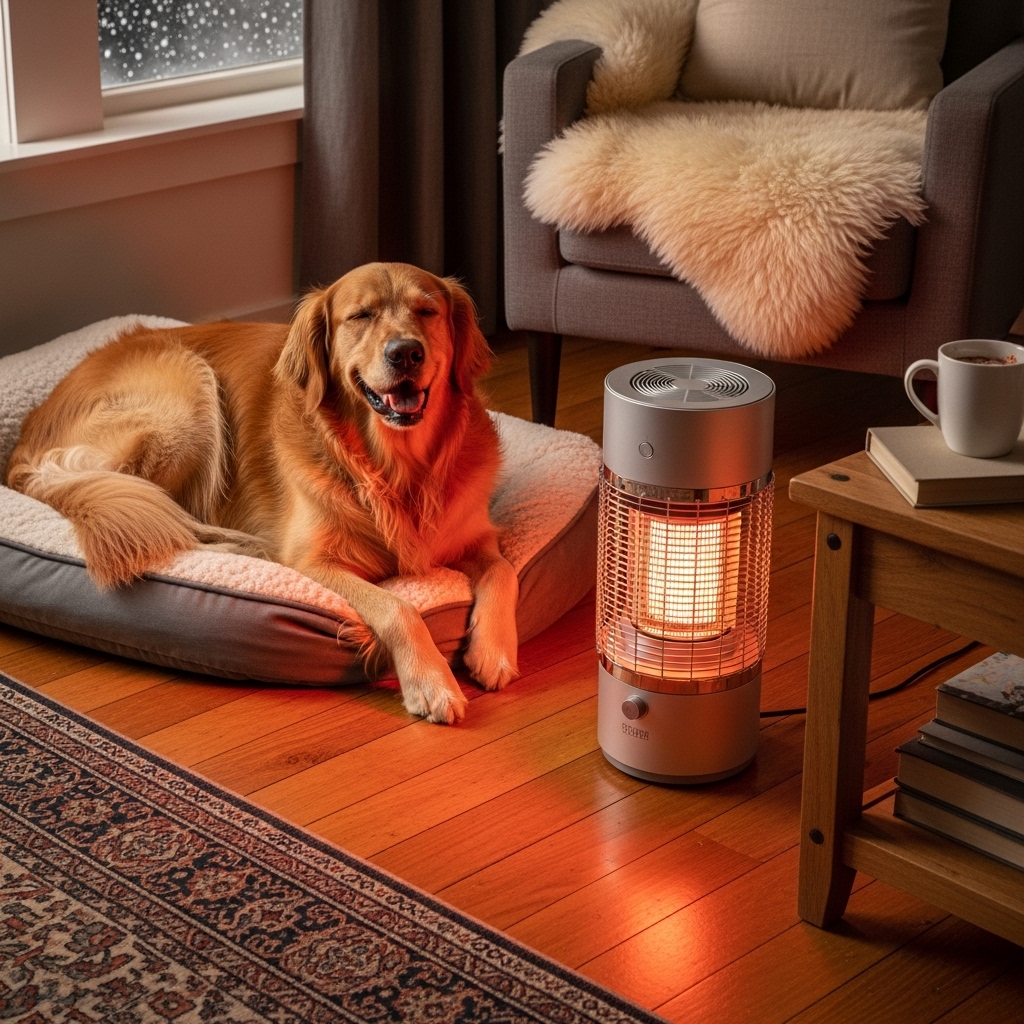
When a winter chill creeps into the house, reaching for a space heater feels like the most natural thing in the world. That instant bubble of warmth is pure bliss! But as you’re enjoying the cozy heat, have you ever noticed your dog inching closer and closer, equally mesmerized by the glowing warmth? While it’s a cute sight, it’s also a major safety concern. From singed whiskers and painful burns to the terrifying risk of a house fire, an unsupervised dog and a space heater are a dangerous combination. Don’t worry, though! You don’t have to choose between a warm home and a safe pet. With a little bit of management and some fun, positive training, you can teach your furry friend to respect the heater’s space. In this guide, we’ll break down exactly how to create a safe environment and train a reliable ‘stay away’ cue, so you can both enjoy the winter season peacefully.
The Unseen Risks: Why Heaters and Pups Need Boundaries
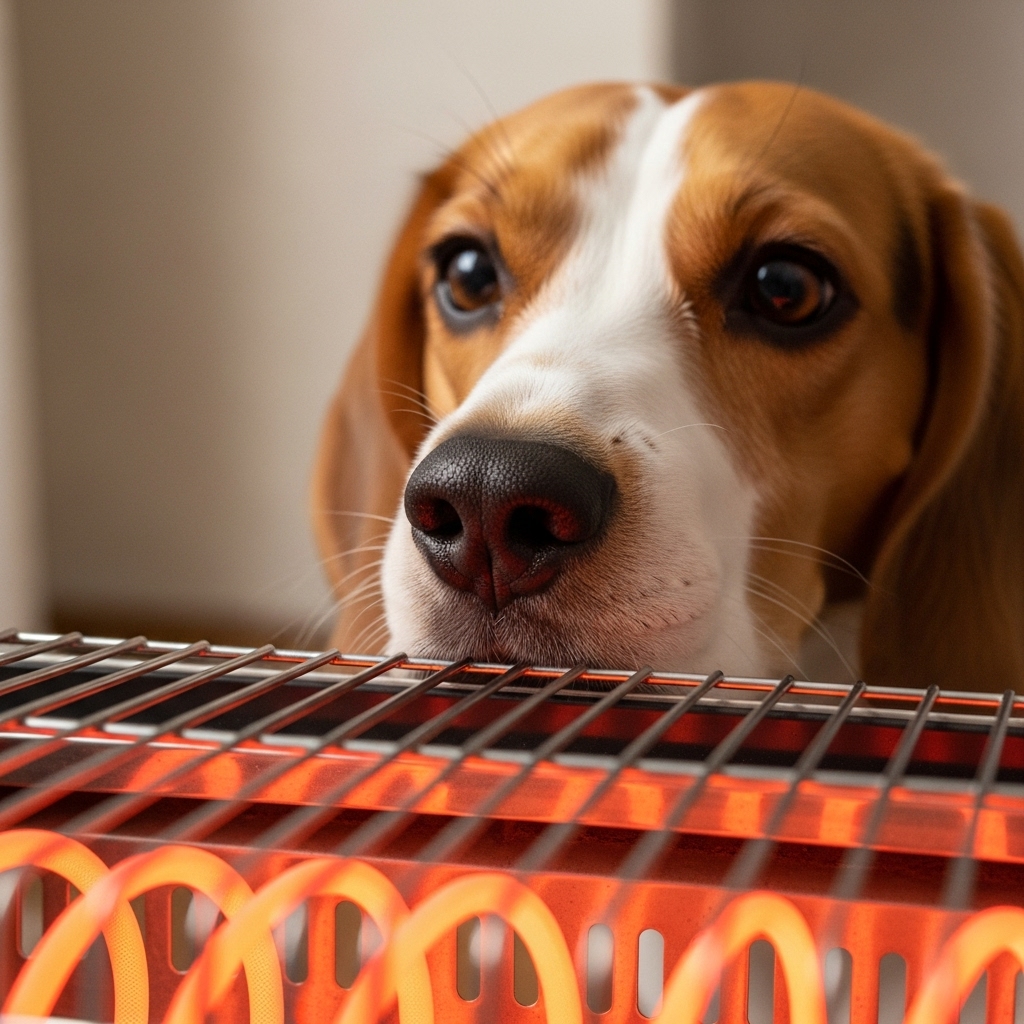
Before we dive into the ‘how-to’ of training, it’s crucial to understand the ‘why.’ It’s not just about a curious nose getting too close. The dangers are real and can be devastating. Recognizing them is the first step in creating a truly safe home.
The Most Common Dangers:
- Painful Burns: A dog’s skin, even under all that fur, is sensitive. The surfaces of many space heaters can get incredibly hot, causing serious contact burns in just a second or two. Paws, noses, and tails are especially vulnerable.
- Singed Fur and Whiskers: Even if they don’t make direct contact, the intense heat can singe your dog’s fur, causing discomfort and a very unpleasant smell. More importantly, whiskers are vital sensory tools for dogs, and damaging them can be disorienting.
- Fire Hazards: This is the big one. A happy, wagging tail can easily knock over a less-stable heater, potentially igniting a nearby rug, blanket, or dog bed. Some dogs might even try to ‘play’ with the heater or its cord, creating a massive fire risk.
- Carbon Monoxide Poisoning: While less common with modern electric heaters, fuel-burning space heaters (like kerosene or propane) can produce carbon monoxide if not properly ventilated. This colorless, odorless gas is toxic to both pets and people. Always ensure you have working CO detectors in your home.
Expert Tip: Never, ever leave a space heater running when you are not home or are asleep, regardless of how well-trained your dog is. Accidents can always happen, and supervision is the ultimate safety tool.
Setting the Stage: Management and Creating a Safe Zone
Training is fantastic, but management is your immediate, foolproof solution. The goal is to make it impossible for your dog to make a bad choice while they’re still learning the rules. Think of it as baby-proofing, but for your four-legged friend.
Step 1: Choose the Right Heater
Your first line of defense is the device itself. When shopping for a new space heater or evaluating your current one, look for these key safety features:
- Tip-Over Protection: An internal switch that automatically shuts the unit off if it’s knocked over. This is non-negotiable for pet owners.
- Cool-Touch Exterior: Heaters with a plastic or specially designed casing that stays cool to the touch are ideal for preventing accidental burns.
- Overheat Sensor: This feature automatically turns the heater off if its internal components get too hot, preventing damage and reducing fire risk.
Step 2: Create a Physical Barrier
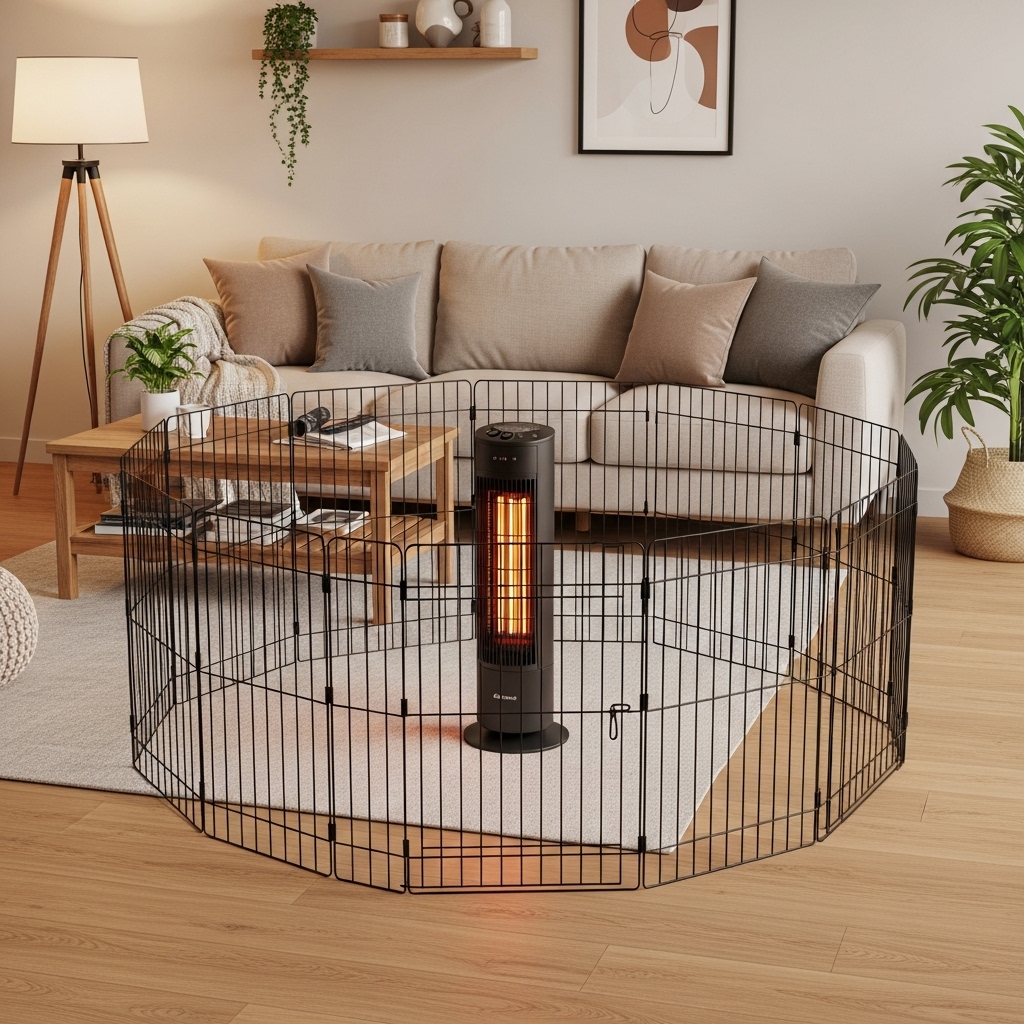
Establish a clear ‘No-Go Zone’ around the heater. A three-foot radius is a good rule of thumb. You can enforce this boundary using:
- Pet Gates or Playpens: Use a configurable pet gate to create a sturdy barrier around the area where the heater is operating.
- Strategic Placement: Place the heater in a corner or on a raised, stable surface where your dog is less likely to run past it or bump into it. Ensure it’s not placed on top of flammable materials.
- Cord Management: Secure the power cord against a wall or use a cord cover. A dangling cord is an irresistible chew toy for some dogs, which is a severe electrical and fire hazard.
The Fun Part: A Step-by-Step Guide to Teaching a ‘Safe Spot’
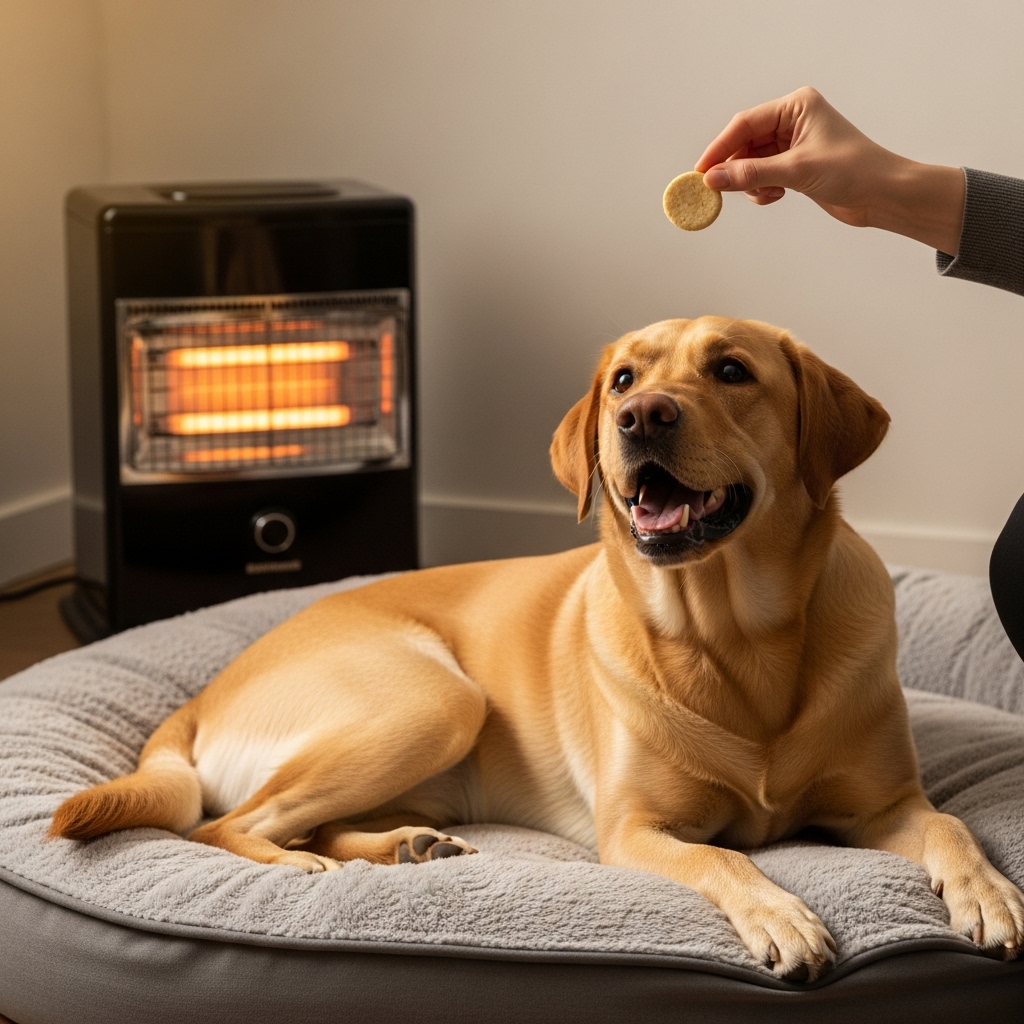
Now let’s teach your dog what you want them to do. Instead of just saying ‘no,’ we’re going to give them a wonderful alternative: relaxing in their very own ‘Safe Spot.’ This is a specific place, like their bed or a mat, that’s a safe distance from the heater.
What You’ll Need: High-value treats (small pieces of cheese, chicken, or their favorite smelly snack) and your dog’s favorite bed or mat.
Step 1: Make the ‘Safe Spot’ Awesome
Without the heater even in the picture, make their bed the best place on Earth. Walk over to the bed with your dog. Any time they put a paw on it, or even look at it, say “Yes!” and toss a treat onto the bed. Let them eat it and walk away. Repeat this several times. They’ll quickly learn that good things happen on this mat.
Step 2: Introduce the ‘Go to Spot’ Cue
Once they are happily going to the mat, add your verbal cue. As they start to move toward it, say “Go to your spot!” in a happy voice. When they get on it, shower them with treats and praise. Practice this from different distances around the room.
Step 3: Introduce the Heater (Turned OFF)
Place the cool, unplugged space heater in the room, a good distance from their ‘Safe Spot.’ Now, repeat Step 2. Cue your dog to go to their spot. If they get on their spot and ignore the heater, give them a jackpot of treats! If they go to sniff the heater, don’t scold them. Simply use a happy voice to call them back to you, and try again, maybe making it easier by starting closer to their bed.
Step 4: Turn the Heater ON
Now for the real test. Place the heater where you’d normally use it and turn it on a low setting. Keep your training sessions short and upbeat. Send your dog to their ‘Safe Spot.’ Reward them for staying there calmly. The goal is to teach them that the best way to enjoy the warmth is from their special, comfy spot, where they also get delicious snacks!
Remember: The key is positive reinforcement. We are rewarding the behavior we want to see (relaxing on the mat) rather than punishing the behavior we don’t (approaching the heater). This builds a positive association and a much more reliable command.
Troubleshooting: When Your Pup Bends the Rules
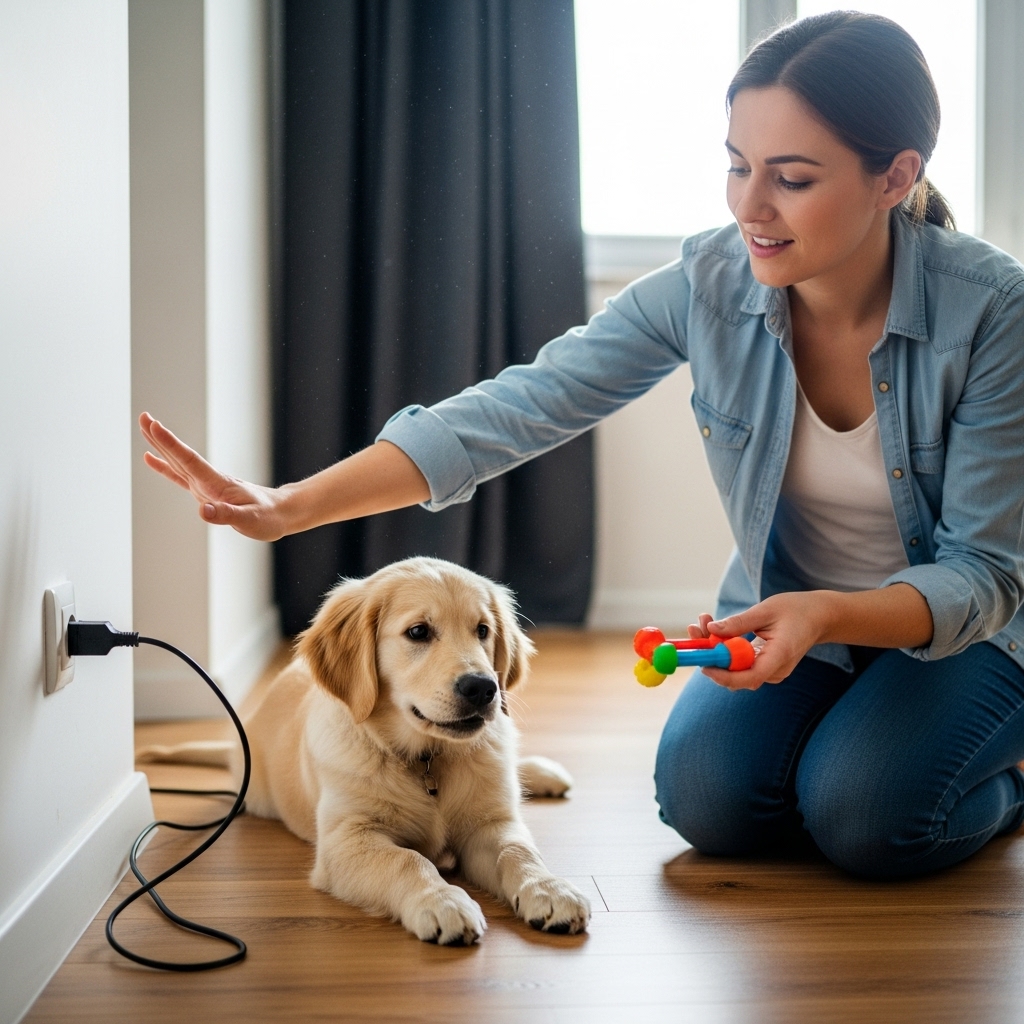
Training never goes in a perfectly straight line. It’s normal to hit a few bumps. Here’s how to handle some common challenges you might encounter while teaching space heater safety.
Help! My dog keeps breaking their ‘stay’ and creeping toward the heater.
This usually means you’ve progressed too quickly. Go back a step! Make the ‘stay’ on their mat shorter and reward more frequently. If the heater is the trigger, move it further away or even turn it off and practice again with it just being present. Your dog needs to succeed, so make it easy for them to win. You can also practice the ‘Leave It’ cue, a valuable command for all sorts of situations.
Help! My dog seems scared of the heater’s sound or smell.
Some dogs are sensitive to new things. Never force them to be near it. Instead, work on counter-conditioning. Turn the heater on from a very far distance where your dog notices it but isn’t scared. Every time they look at it calmly, toss them a super high-value treat. Slowly, over many sessions, you can decrease the distance. You’re teaching them that the presence of the heater predicts amazing things (like chicken!).
Help! My dog chews on everything. I’m worried about the cord!
This is a management issue first and foremost. Use cord concealers or run the cord under a rug or behind furniture so it’s completely inaccessible. At the same time, ensure your dog has plenty of appropriate chew toys. If they start to go for the cord, interrupt them with a cheerful “Oops!” and immediately redirect them to one of their own toys. Make their toy way more fun than the boring old cord.
Conclusion
Keeping our dogs safe during the winter doesn’t mean we have to shiver in the cold. It’s all about finding the right balance between comfort and caution. By combining smart management strategies, like choosing a safe heater and using physical barriers, with consistent, positive training, you can create a secure environment for everyone. Teaching your dog to relax in their ‘Safe Spot’ not only keeps them away from the heater but also strengthens your bond and gives them a wonderful sense of confidence. So, stay warm, stay safe, and enjoy all the cozy snuggles the season has to offer!