How To Keep Your Dog Silent In A Hotel Room (So You Don’t Get Kicked Out)
There’s nothing better than hitting the road with your four-legged best friend. But that dream vacation can quickly turn into a nightmare if your dog decides to serenade the entire hotel hallway at 2 a.m. The fear of a noise complaint, or worse, being asked to leave, is enough to make any pet parent anxious. But don’t cancel your plans just yet!
Keeping your dog quiet in a new, strange environment like a hotel is totally achievable. It just takes a little preparation, the right tools, and a solid game plan. Think of it as setting your pup up for success. In this guide, we’ll walk you through everything you need to know to ensure a peaceful stay for you, your dog, and your neighbors.
Preparation is Key: What to Do Before You Leave Home
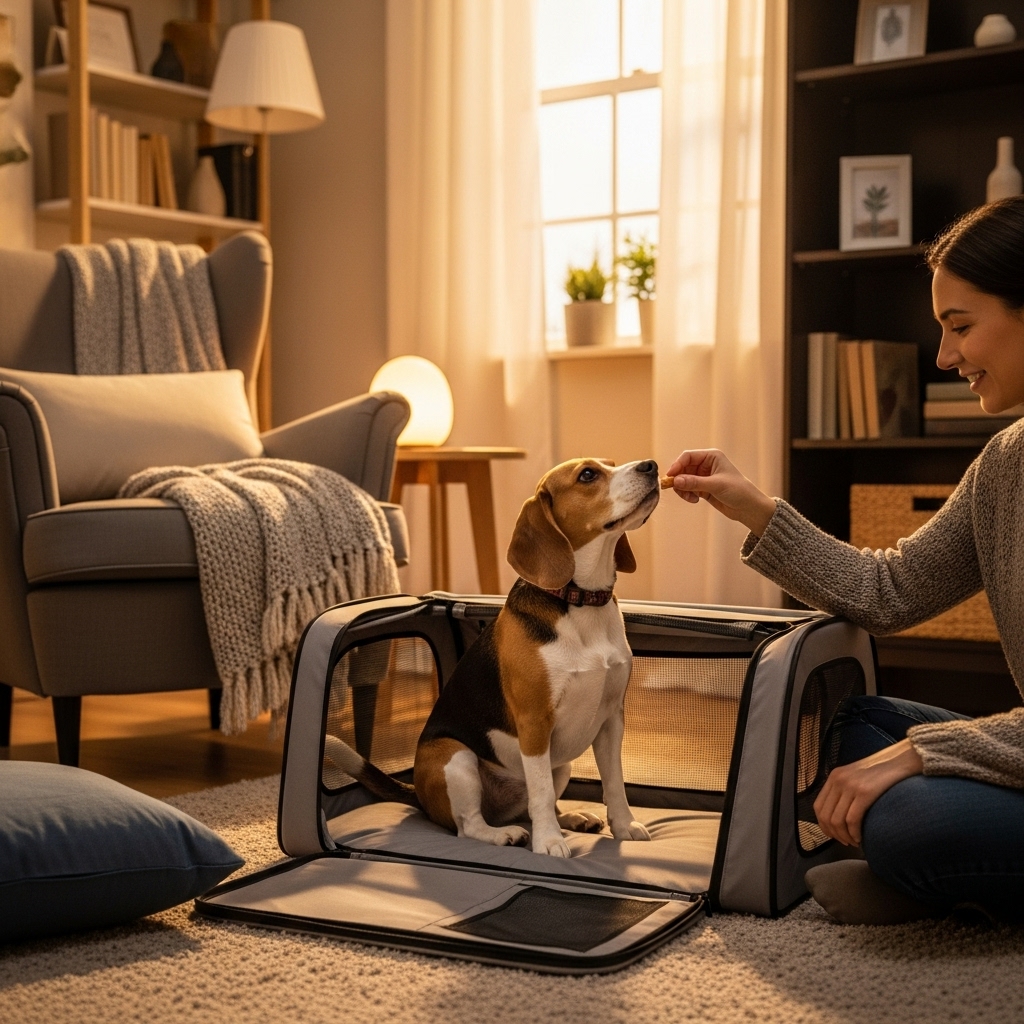
The secret to a quiet hotel stay doesn’t start when you check in; it starts weeks before you even pack your bags. Laying the groundwork at home is the single most important thing you can do.
Practice Crate Time
If your dog isn’t already crate trained, now is the time to start. The goal is to make the crate a safe, cozy den—not a punishment zone. Feed them meals in their crate, give them special high-value toys only when they’re inside, and leave the door open so they can go in and out as they please. A dog who loves their crate will see it as a familiar slice of home, which is incredibly comforting in a strange hotel room.
Desensitize to Hotel Noises
Hotels are full of weird sounds: rolling luggage, slamming doors, unfamiliar voices, and the dreaded ding of the elevator. You can help your dog get used to these triggers at home. Find videos or sound recordings of hotel noises online and play them at a low volume while your dog is doing something enjoyable, like eating or playing. Gradually increase the volume over several days. Reward them with treats for calm, quiet behavior.
Brush Up on the ‘Quiet’ Command
A reliable ‘Quiet’ command is your best friend. Practice this at home by creating situations where your dog might bark, like the doorbell ringing. The moment they bark, say ‘Quiet’ in a calm, firm voice. When they stop, even for a second, praise them and give them a tasty treat. The goal is to teach them that silence earns them a reward.
Setting Up Your Hotel Room for Success
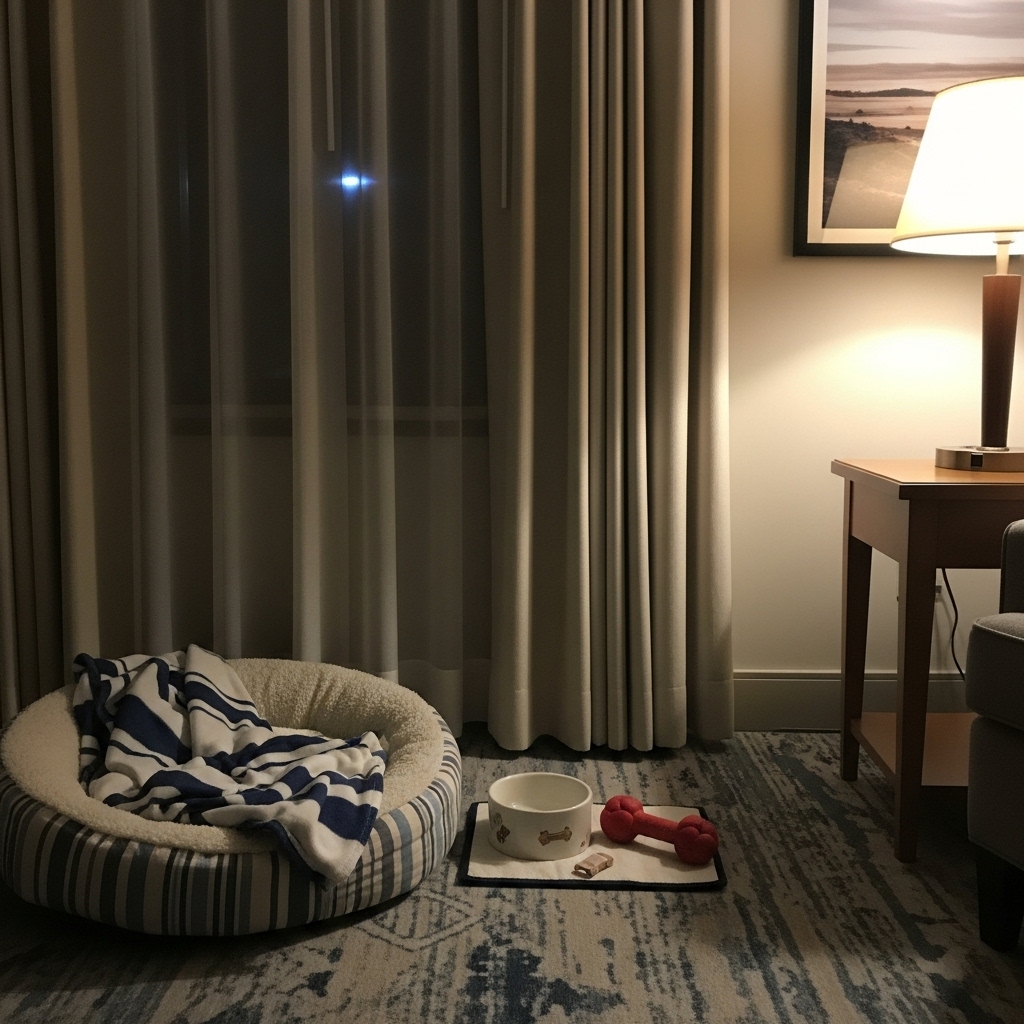
Once you arrive, how you set up the room can make all the difference. Your goal is to create a calm, boring, and comfortable environment that minimizes potential triggers for barking.
- Choose Your Room Wisely: When booking, request a room on the ground floor and at the end of a hallway, away from elevators and ice machines. This will reduce the amount of foot traffic and noise your dog is exposed to.
- Create a ‘Den’: The first thing you should do is set up your dog’s space. Place their crate or bed in a quiet corner of the room. Put their favorite blanket and a toy inside to make it smell like home. This gives them a safe spot to retreat to if they feel overwhelmed.
- Block Out the World: Close the curtains or blinds to prevent your dog from seeing people or other animals outside, which can be a major barking trigger.
- Add Some White Noise: A quiet room can make every little sound seem loud and scary. Use a white noise machine, a fan, or even a white noise app on your phone to create a gentle, consistent sound that helps drown out sudden noises from the hallway.
The ‘Do Not Disturb’ Toolkit: Essential Items to Pack
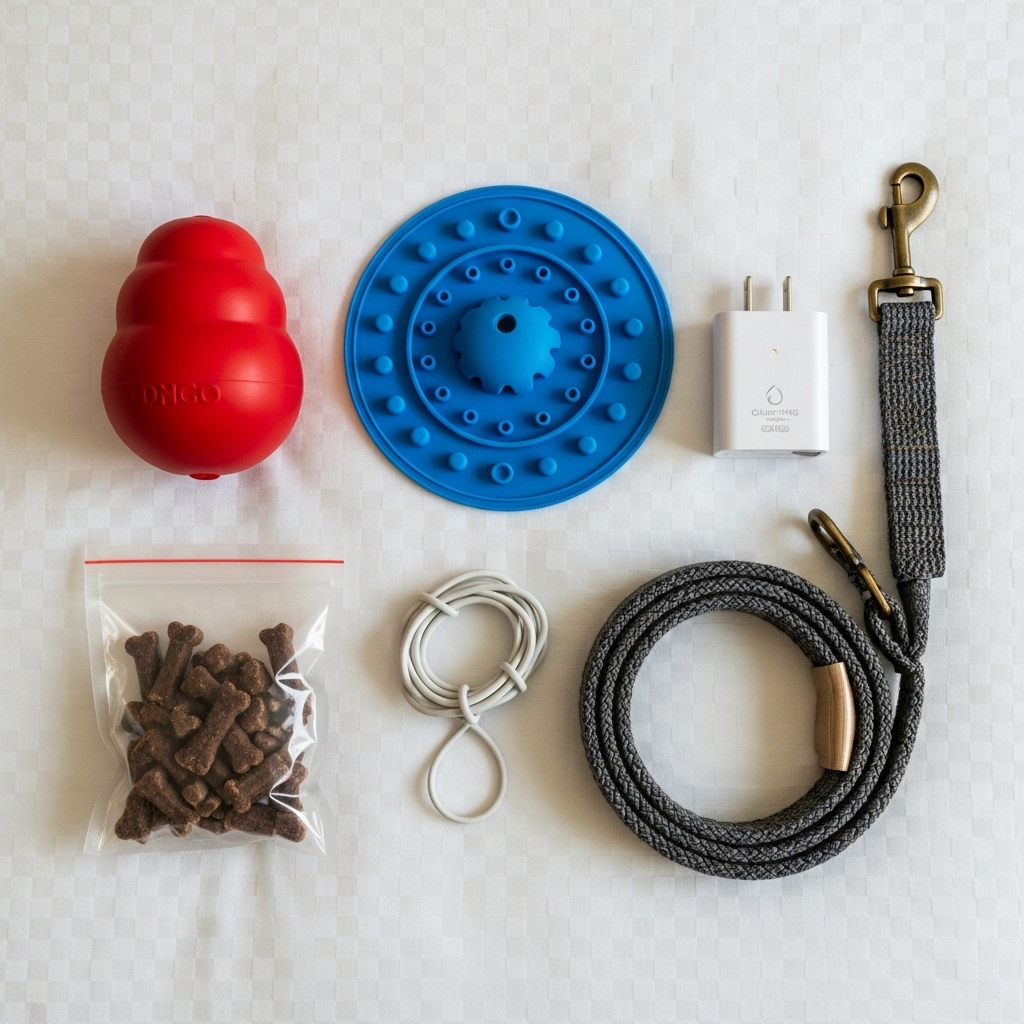
Having the right gear on hand can help you manage your dog’s energy and anxiety, keeping them occupied and quiet. Here’s a checklist of must-have items:
- Long-Lasting Chews & Food Puzzles: A tired dog is a quiet dog, but a mentally stimulated dog is even better. Pack items like frozen Kongs (you can use the hotel’s mini-fridge freezer), lick mats, bully sticks, or puzzle toys. These give your dog a ‘job’ to do, which is a fantastic way to bust boredom and ease anxiety, especially if you need to leave the room for a short time.
- Familiar Items from Home: Don’t underestimate the power of scent. Your dog’s favorite blanket, bed, or even an old t-shirt of yours can provide immense comfort and security.
- Calming Aids: If your dog is naturally anxious, consider packing a calming aid. This could be a pheromone diffuser (like Adaptil) you can plug into an outlet, a calming spray for their bedding, or a compression vest like a Thundershirt.
- A ‘Do Not Disturb’ Sign: While the hotel provides one, consider bringing your own pet-specific sign for the door that says something like, ‘Please Do Not Disturb – Dog Inside!’ This helps prevent housekeeping from accidentally startling your dog (or letting them out!).
Managing Your Dog’s Behavior During Your Stay
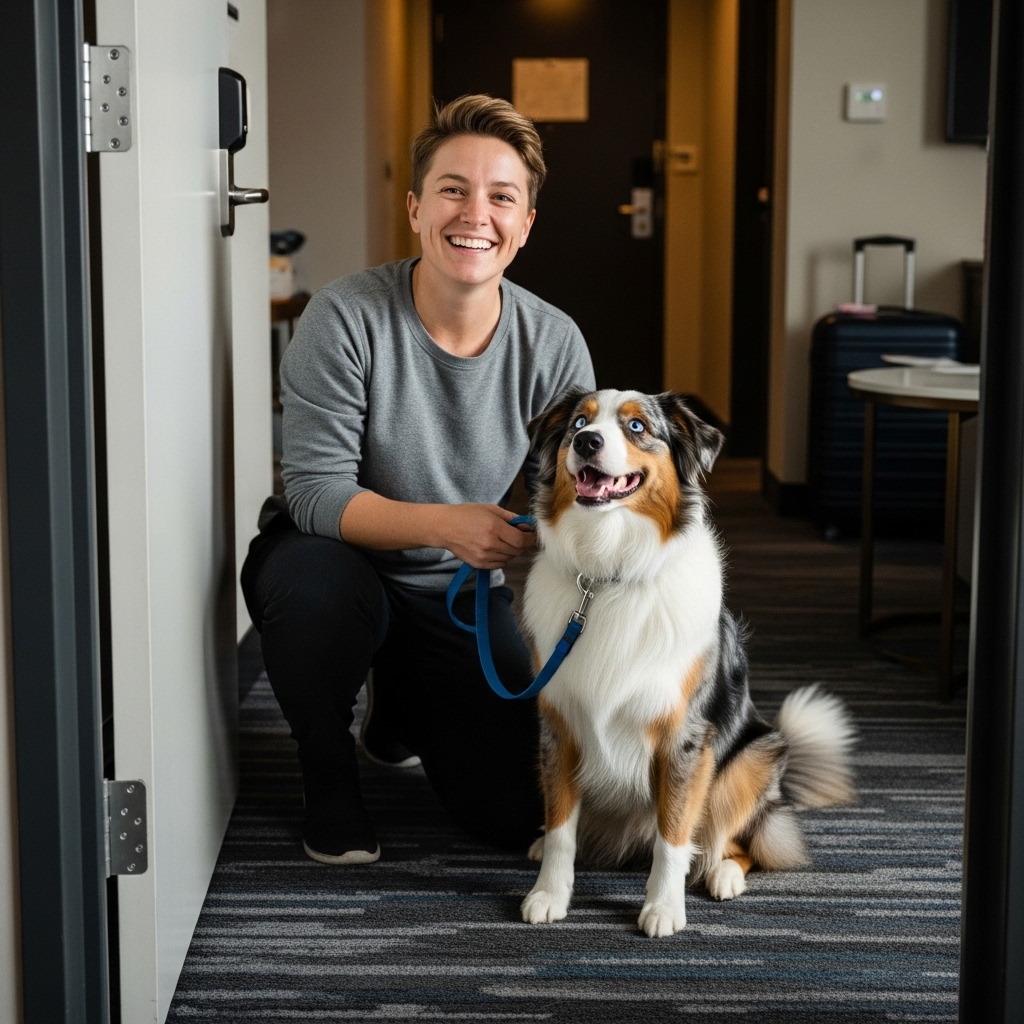
Your daily routine at the hotel is crucial for keeping the peace. It’s all about managing energy and expectations.
Exercise, Exercise, Exercise!
We can’t say it enough: a tired dog is a good dog. Before you ever leave your dog alone in the room, make sure they’ve had a significant amount of exercise. A long walk, a game of fetch at a local park, or a stimulating ‘sniffari’ where they can just explore with their nose will help burn off physical and mental energy, making them more likely to nap peacefully while you’re gone.
Master the Art of the Exit
Never make a big deal about leaving or coming back. Long, emotional goodbyes can actually create separation anxiety. Instead, give your dog their special puzzle toy about 10 minutes before you leave. When it’s time to go, just walk out calmly. When you return, ignore them for the first minute or two until they are calm, then greet them quietly. This teaches them that your comings and goings are no big deal.
Expert Tip: Always do a few ‘test runs’ before leaving for a longer period. Leave the room for 2 minutes, then 5, then 10, returning each time. This builds their confidence that you will, in fact, come back.
Troubleshooting: What to Do If the Barking Starts
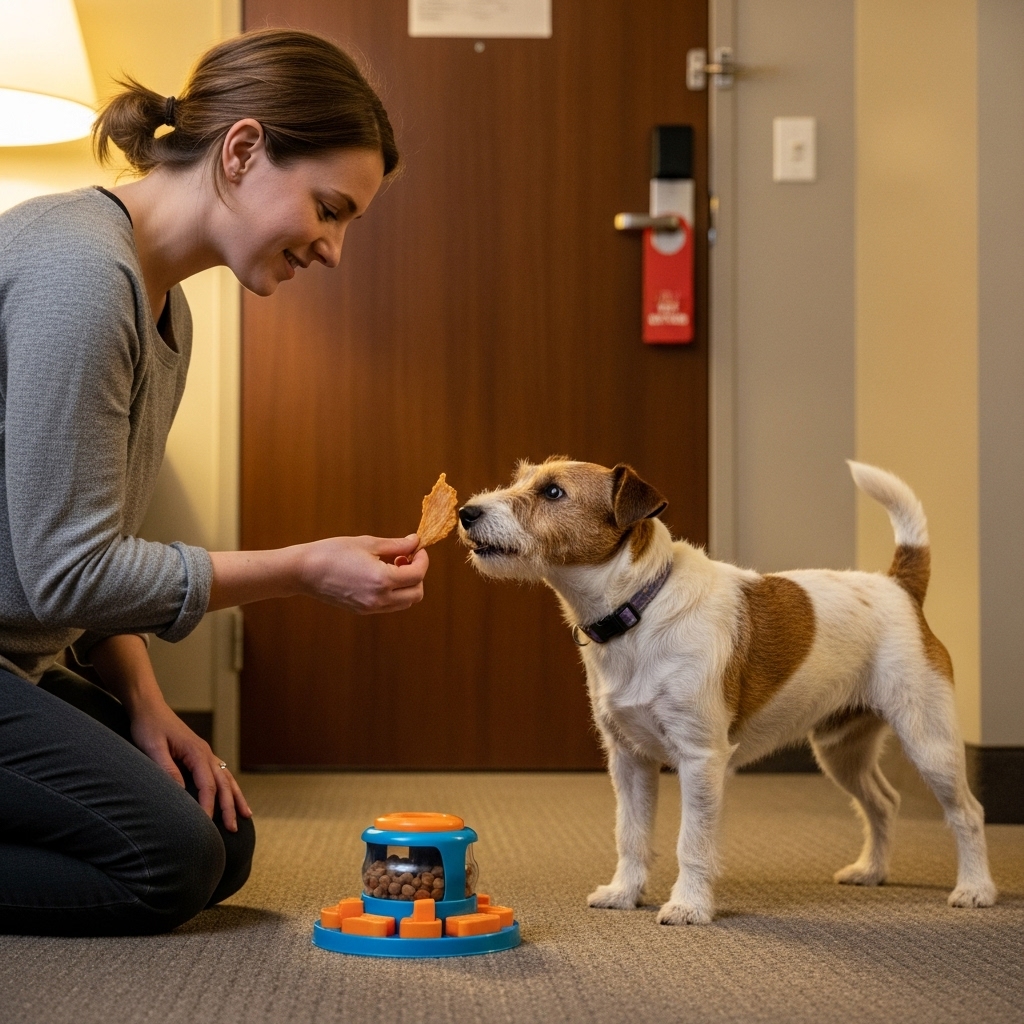
Even with the best preparation, your dog might still let out a few barks. How you react in the moment is key.
Stay Calm and Don’t Yell
Your first instinct might be to yell ‘NO!’ from across the room. Resist the urge! Yelling can make your dog think you’re joining in on the barking, which can escalate the situation. Instead, walk over to them calmly.
Interrupt and Redirect
Use your ‘Quiet’ command in a firm but calm voice. As soon as they are quiet, redirect their attention to something more appropriate. Ask them to do a command they know, like ‘Sit’ or ‘Down,’ and reward them. Or, bring out one of those exciting puzzle toys you packed. The goal is to shift their focus from the trigger (the noise in the hall) to a positive activity.
Assess the Cause
Try to figure out why they are barking. Do they need a potty break? Are they bored? Are they truly scared? If it’s boredom, it’s time for a chew toy. If they need to go out, it’s time for a quick walk. If they’re scared, offer calm reassurance and try turning up the white noise to block out the scary sounds. Understanding the ‘why’ helps you provide the right solution.
Conclusion
Traveling with your dog should be a joyful experience, not a source of constant stress. By preparing ahead of time, creating a comfortable environment in your hotel room, and managing your dog’s energy and anxiety, you can prevent most barking before it even starts. Remember to be patient and positive. A quiet, well-behaved dog makes for a happy traveler and ensures you’ll both be welcomed back on your next adventure. Now go out there and make some amazing memories together!