Bite Inhibition 101: How to Teach Your Dog a ‘Soft Mouth’
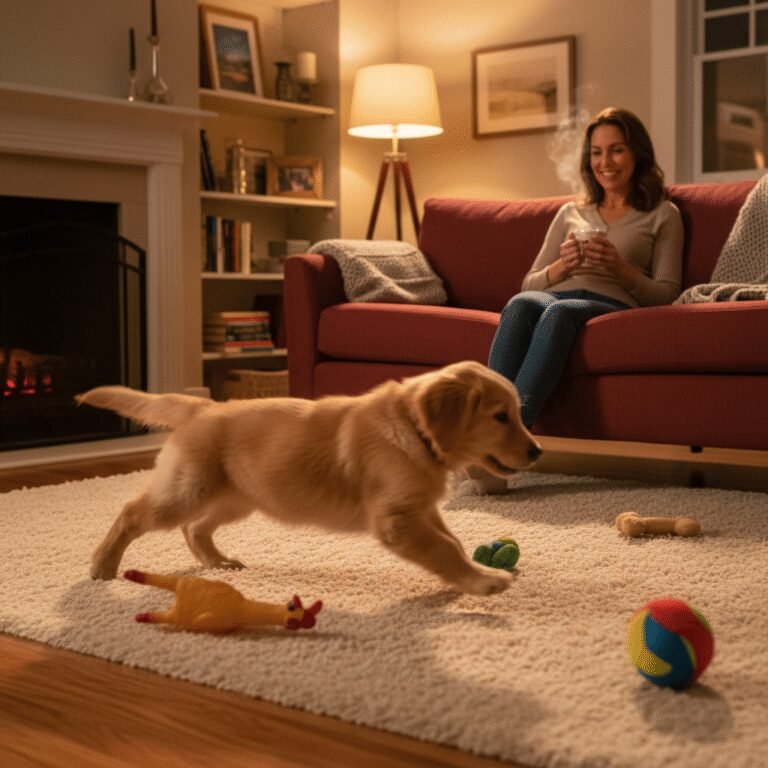
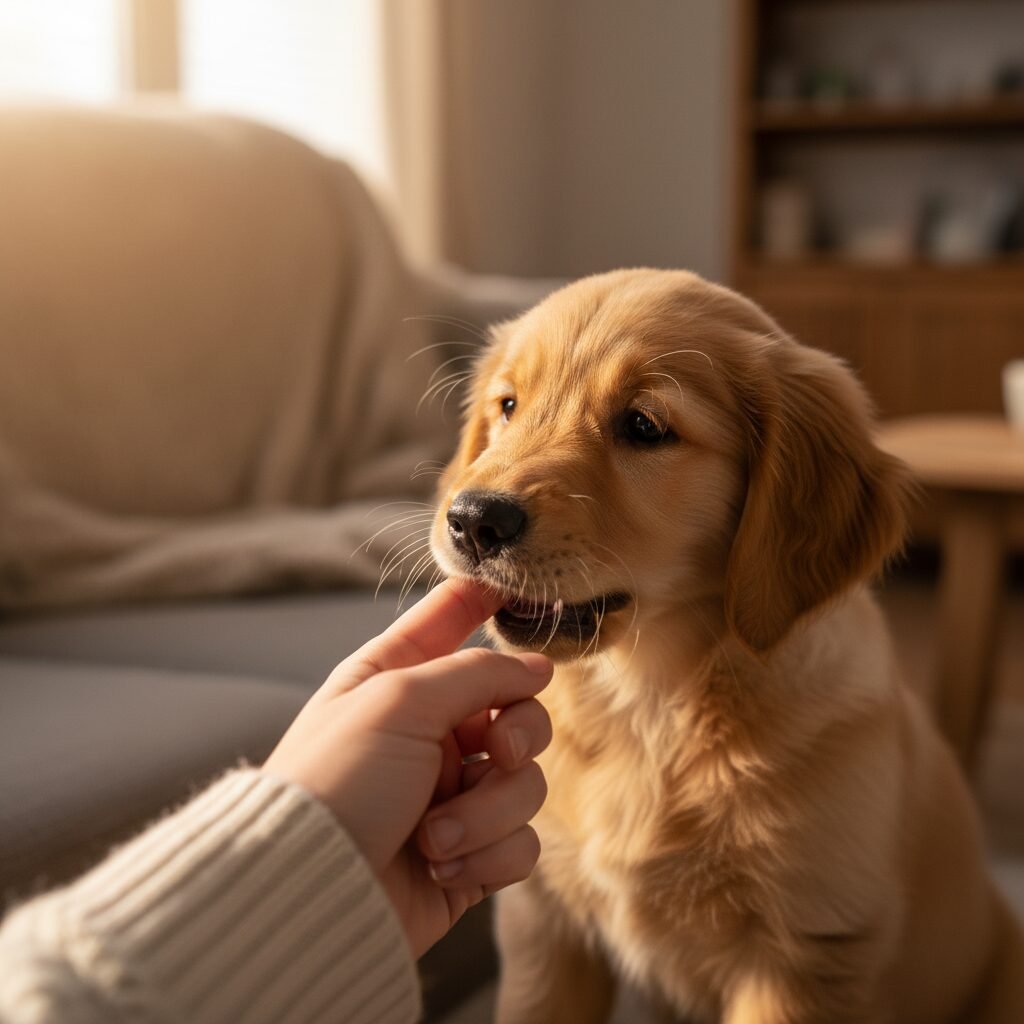
Picture this: you’re on the floor, enjoying a delightful play session with your new puppy. It’s all fun and games until… OUCH! Those tiny, razor-sharp teeth make contact with your hand a little too enthusiastically. Sound familiar? This is a classic puppy moment, and it’s the perfect opportunity to teach one of the most important lessons a dog can learn: bite inhibition.
So, what exactly is bite inhibition? Simply put, it’s a dog’s ability to control the force of their mouthing. It’s not about stopping them from using their mouth to play and explore—that’s natural dog behavior! Instead, it’s about teaching them the difference between a playful nibble and a painful bite. Think of it as teaching them good manners for their mouth. A dog with a ‘soft mouth’ understands how to be gentle, a skill that is absolutely essential for their safety and the safety of everyone they meet. Let’s dive into how you can become your dog’s best teacher on this crucial subject.
Why is a ‘Soft Mouth’ So Important?
Before we get into the ‘how,’ let’s talk about the ‘why.’ Teaching bite inhibition isn’t just about making playtime more comfortable for you; it’s a fundamental aspect of raising a well-adjusted and safe canine companion. Here’s why it’s a non-negotiable skill:
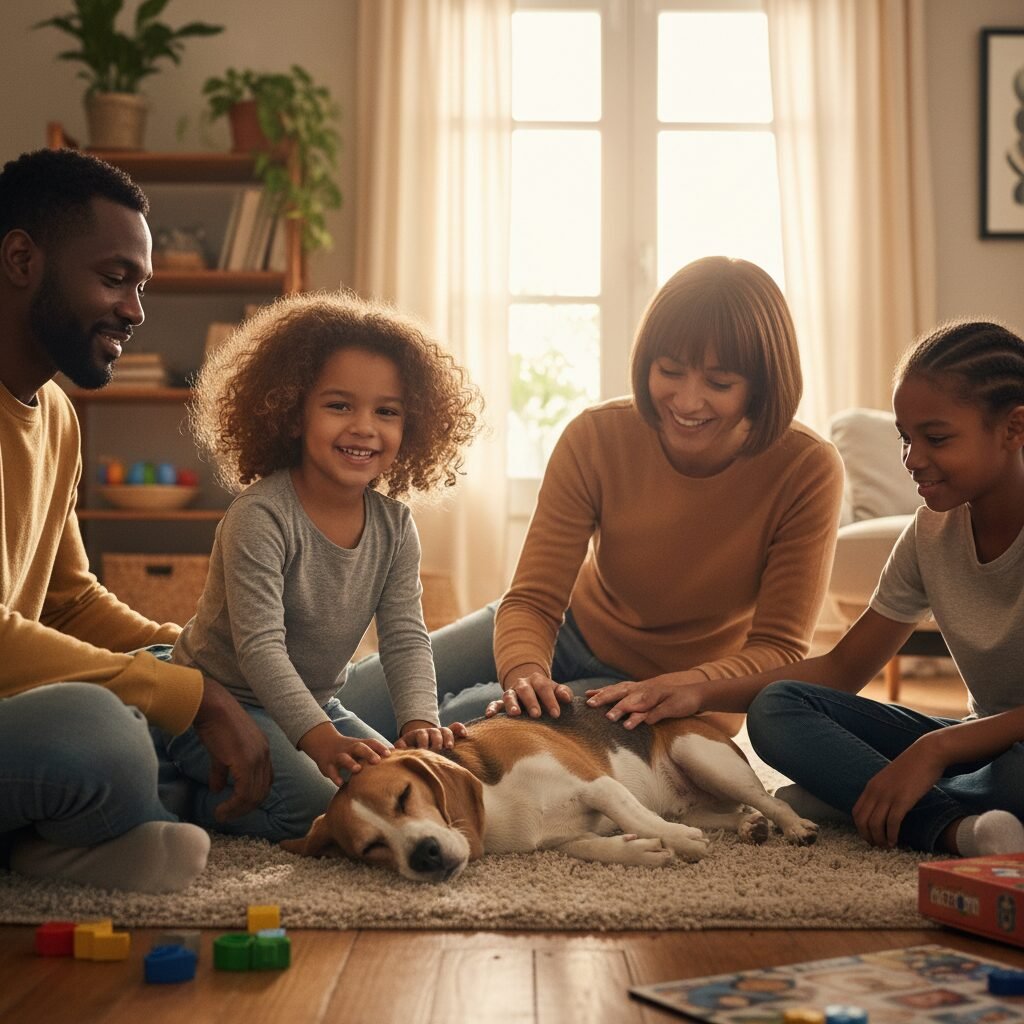
- Safety First: A dog with good bite inhibition is significantly less likely to cause serious injury if they ever bite out of fear, pain, or surprise. They have learned to control their jaw pressure, which can be the difference between a minor nip and a severe wound. This is especially critical in homes with children, elderly family members, or other pets.
- Appropriate Play: Dogs use their mouths to play with each other and with us. Teaching them to be gentle ensures that play stays fun and doesn’t escalate into something rough or dangerous. It helps them build positive relationships with other dogs and people.
- Better Communication: The training process strengthens the bond between you and your dog. It teaches them to be responsive to your cues and helps them understand human pain signals, making them more empathetic and attentive companions.
Teaching bite inhibition is proactive, not reactive. You’re giving your dog the tools to handle future stressful situations safely before they ever happen.
Nature’s First Classroom: How Puppies Learn from Mom & Siblings

Believe it or not, your puppy’s education in bite inhibition started long before they came to live with you. Their very first teachers were their mother and littermates. This early learning is fascinating and provides the foundation for our own training efforts.
When a litter of puppies plays, they nip, chew, and bite each other constantly. If one puppy bites a sibling too hard, the victim will let out a loud yelp and immediately stop playing. The fun comes to a screeching halt! This is a powerful lesson for the biter: ‘When I bite too hard, my playmate goes away.’ Through countless repetitions, they learn to moderate the force of their bites to keep the game going.
The mother dog is the head professor in this classroom. She will correct puppies that are too rough with her or their siblings, often with a quick, assertive growl or a gentle pin. By understanding this natural process, we can see that our role is to continue this education, stepping in as the new ‘playmate’ and teacher who sets the rules for interacting with fragile human skin.
Step-by-Step Guide: Teaching Your Puppy Bite Inhibition
Alright, it’s your turn to be the teacher! The key here is consistency and clear communication. The goal is to first teach your puppy that human skin is sensitive, and then gradually shape their mouthing into a gentle pressure. Here’s how to do it:
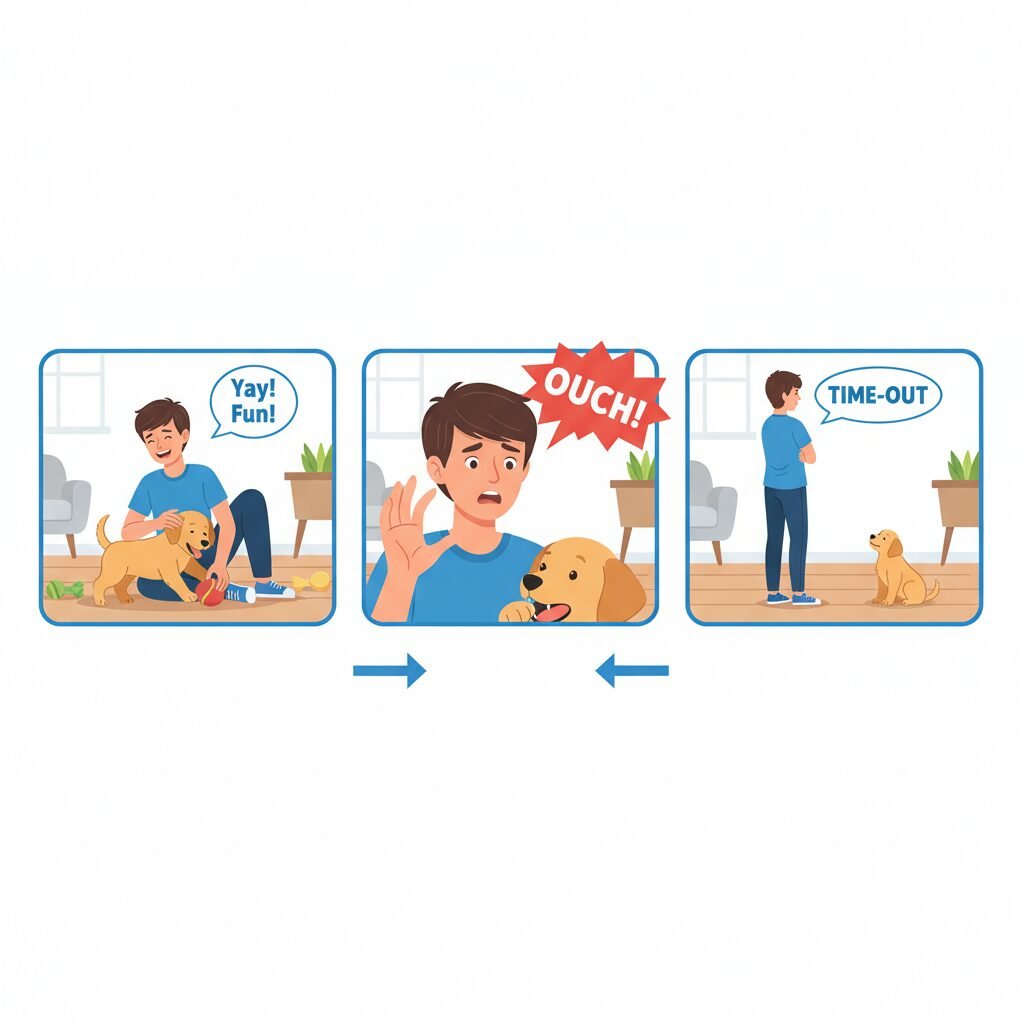
- Engage in Play: Start a gentle play session with your puppy. Let them mouth your hands and fingers. It’s important to allow this, as you can’t teach them to be gentle if you never let them use their mouth.
- Mark the Bite: The moment you feel a bite that’s too hard, immediately let out a high-pitched, sharp ‘Ouch!’ or ‘Yip!’. It should be surprising, like a puppy’s yelp, not angry or scary.
- Implement a ‘Time-Out’: As soon as you yelp, let your hand go limp and pull it away. Stand up and ignore your puppy for about 15-30 seconds. This social withdrawal is a powerful consequence. It teaches them that hard bites make their favorite playmate (you!) disappear.
- Resume and Repeat: After the short time-out, you can re-engage in play. This process will need to be repeated many, many times. Patience is your best friend! Your puppy is learning a brand-new concept.
- Raise Your Standards: Once your puppy has learned to stop the truly painful bites, it’s time to refine the skill. Start yelping for bites that are moderately hard. Over time, you’ll continue this process until they are only applying very gentle, soft pressure with their mouth.
Remember to always praise and reward gentle mouthing! If your puppy licks your hand or mouths softly, tell them ‘Good job!’ in a happy voice.
Modifying the Method for Adult Dogs
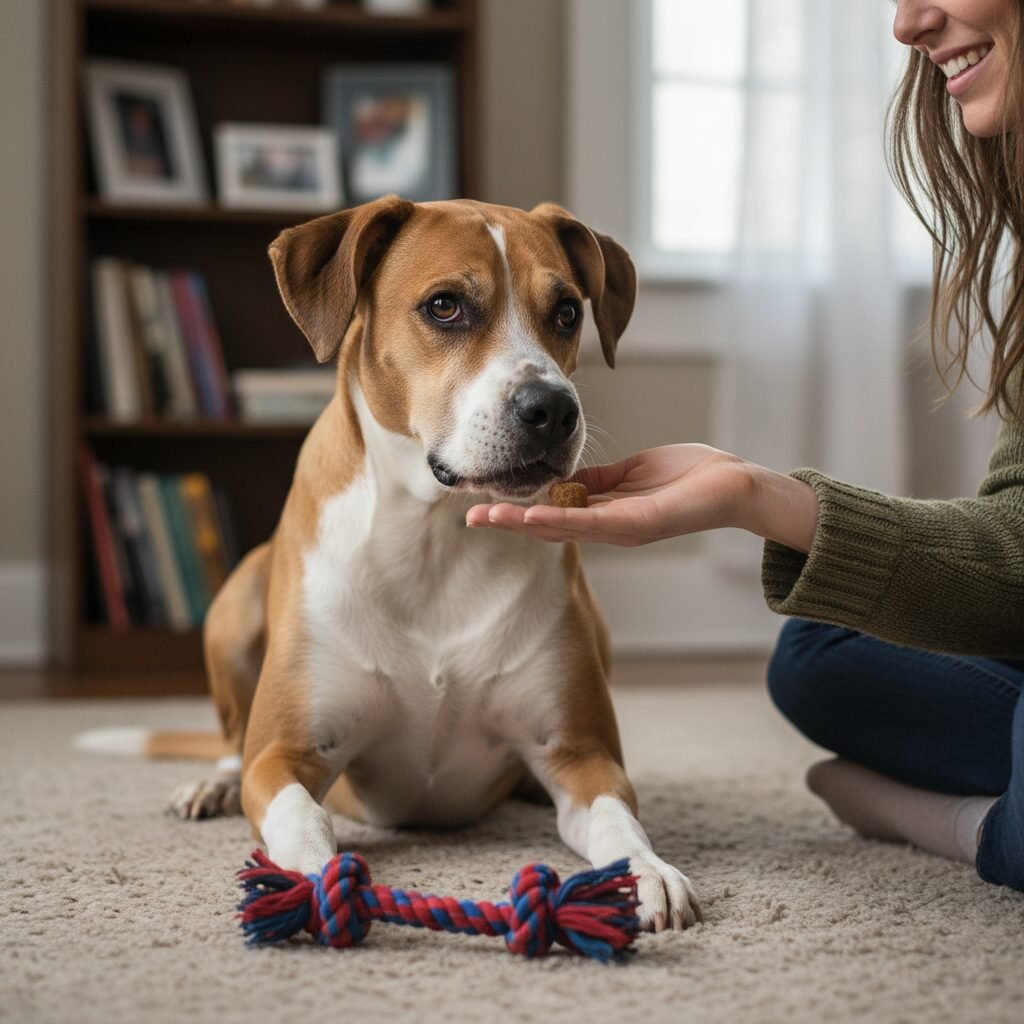
What if you’ve adopted an adult dog who never learned this skill? The principles are the same, but the approach needs a few adjustments. An adult dog’s jaw is much stronger, and their habits are more ingrained, so safety is paramount.
With an adult dog, you might want to use the ‘Ouch!’ and time-out method, but you should also heavily focus on redirecting their mouth onto appropriate items before they make a mistake. Always have a toy handy. If you’re petting your dog and you see them getting ready to mouth your hand, immediately offer them a toy and praise them enthusiastically for biting the toy instead.
The ‘Trade Up’ Game
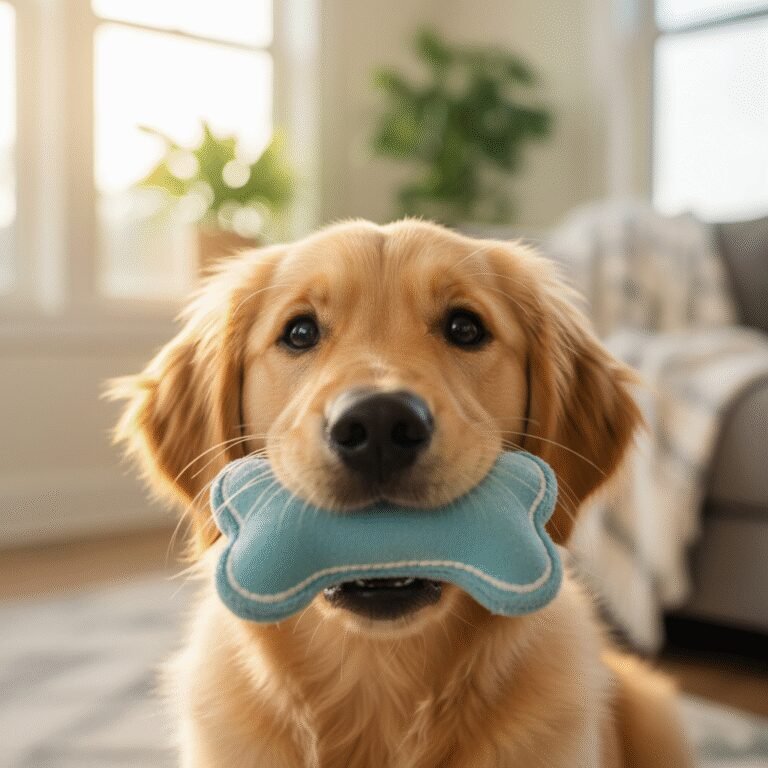
This is fantastic for teaching a soft mouth. Teach your dog the ‘drop it’ cue. When they have a toy, offer them a super high-value treat (like a piece of chicken). The moment they drop the toy to take the treat, say ‘Drop it!’ and give them the reward. This discourages hard mouthing on hands and teaches them that letting go of things is a good thing.
If an adult dog’s biting seems aggressive rather than playful, or if you’re not seeing progress, it is always best to consult a certified professional dog trainer or behaviorist.
Don’t Do That! Common Mistakes to Avoid
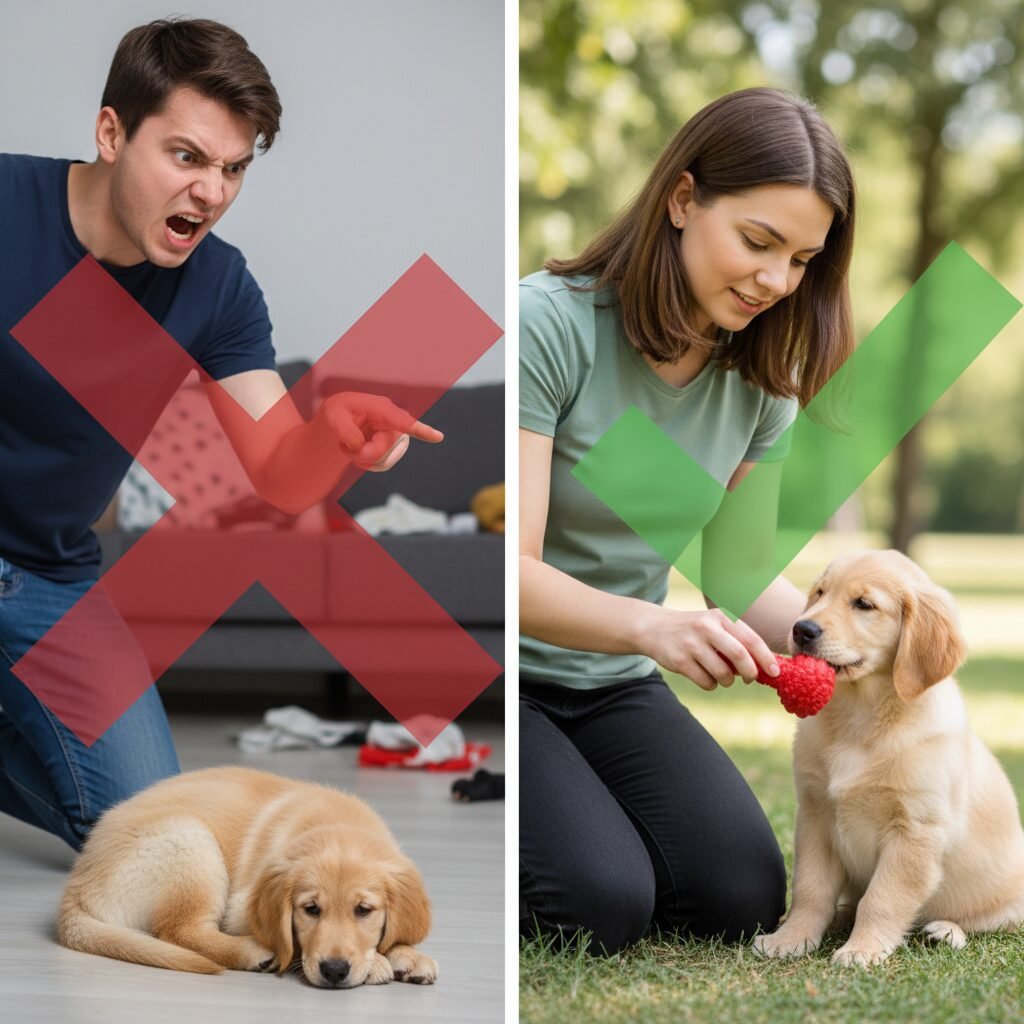
The road to a soft mouth can have a few bumps. Avoiding these common mistakes will make the journey smoother and more effective for both you and your dog:
- Using Physical Punishment: Never slap, hit, or hold your dog’s mouth shut. This is not only ineffective but can severely damage your relationship. It can make your dog fearful of hands and may even lead to defensive aggression.
- Encouraging Rough Play: Avoid overly exciting games that encourage frantic biting, such as wrestling or letting them chew on your clothes. Keep play controlled and structured.
- Being Inconsistent: This is the biggest training killer. Every single person in the household must be on the same page. If one person allows hard biting, your dog will get confusing mixed signals and the training will fail.
- Yelling Instead of Yelping: Remember, the ‘Ouch!’ is meant to be a surprising marker, like a puppy’s yelp. Yelling in an angry tone can either over-excite your dog or frighten them, neither of which is helpful for learning.
Conclusion
Teaching your dog to have a soft mouth is one of the greatest gifts you can give them—and yourself. It’s a journey that requires patience, consistency, and a positive attitude, but the payoff is immense. By following these steps, you’re not just correcting a nuisance behavior; you’re building a foundation of trust, communication, and safety that will last a lifetime. You’re teaching your dog how to navigate our human world gently and confidently. So, embrace the process, celebrate the small victories, and enjoy the journey of raising a wonderfully well-mannered canine companion.