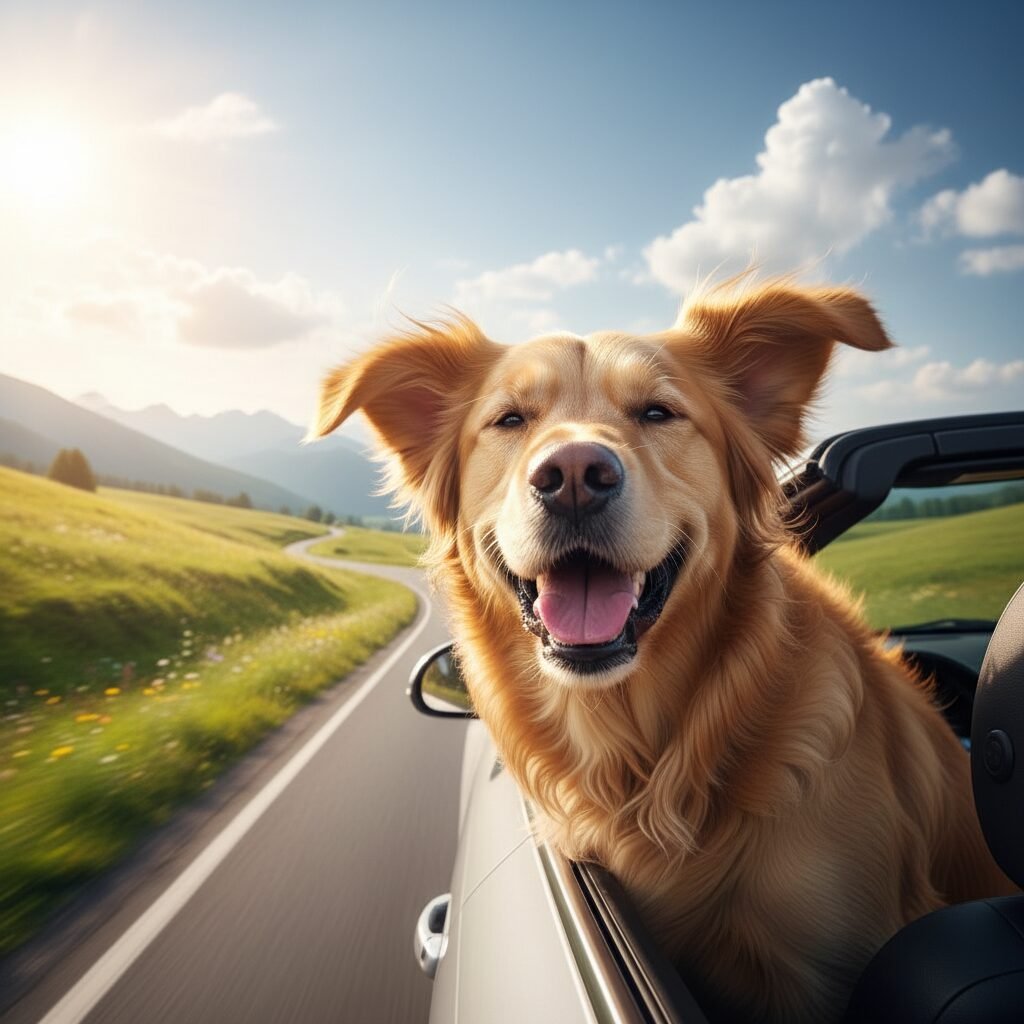
Stop The Whining! How To Make Your Dog Love Car Rides Instantly
Does the jingle of car keys send your dog running for cover? Do car trips involve a symphony of whining, barking, and frantic pacing? It can be incredibly stressful for both you and your furry friend. Many owners feel frustrated, wondering if they’re doomed to have a dog who hates the car forever. But here’s the secret: most dogs aren’t being ‘bad’ on purpose. Their behavior often stems from three main culprits: motion sickness, fear and anxiety, or sometimes even over-the-top excitement.
The great news is that you can absolutely change this! With a little patience and a process called desensitization and counter-conditioning, you can help your dog build a new, positive association with the car. This guide will walk you through the exact steps to turn your car-phobic pup into a happy, road-tripping companion. Let’s get started!
Step 1: First, Rule Out Motion Sickness
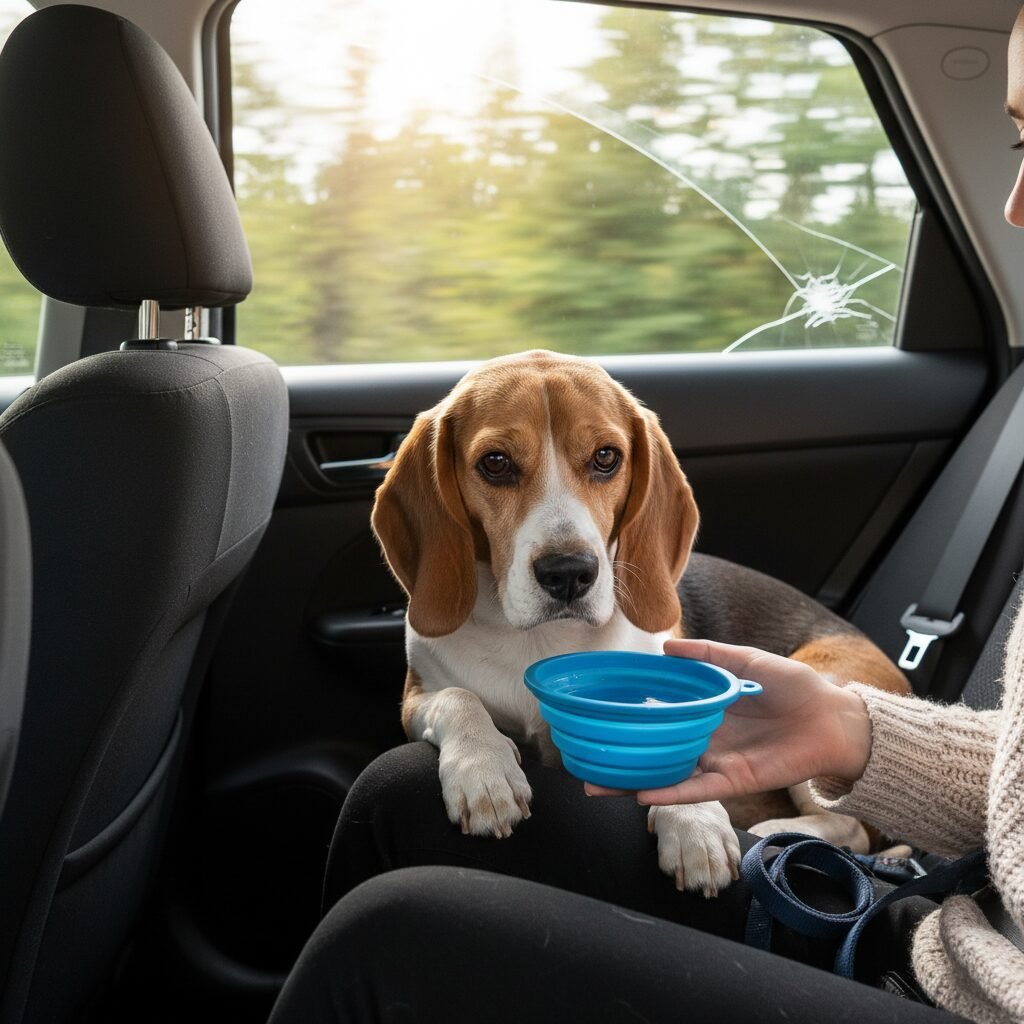
Before we dive into behavior training, it’s crucial to make sure your dog isn’t feeling physically ill. Just like some people, many dogs experience motion sickness, and no amount of training will help if they feel nauseous every time the car moves. Look for these tell-tale signs:
- Excessive drooling
- Constant yawning or lip-licking
- Whining and restlessness
- Vomiting or retching
- Unusual stillness or lethargy
If you suspect motion sickness is the culprit, here are a few things you can do to help:
- Ensure Good Airflow: Crack the windows a few inches to help equalize the air pressure and provide fresh air. Avoid smoking in the car with your dog.
- Face Forward: Using a secured crate or a doggy car seat that allows your dog to face forward can sometimes reduce nausea.
- Limit Food Before Travel: Avoid feeding your dog a large meal right before a car ride. A light snack a few hours before is usually fine.
- Talk to Your Vet: If the problem persists, your veterinarian is your best resource. They can rule out any underlying medical issues and may prescribe effective anti-nausea medications like Cerenia or even suggest over-the-counter options like Dramamine (always consult your vet for the correct dosage and safety).
Once you’re confident that your dog isn’t feeling sick, you can move on to addressing the behavioral side of things.
Step 2: The Foundation – Make the Car a Happy Place (Without Moving!)
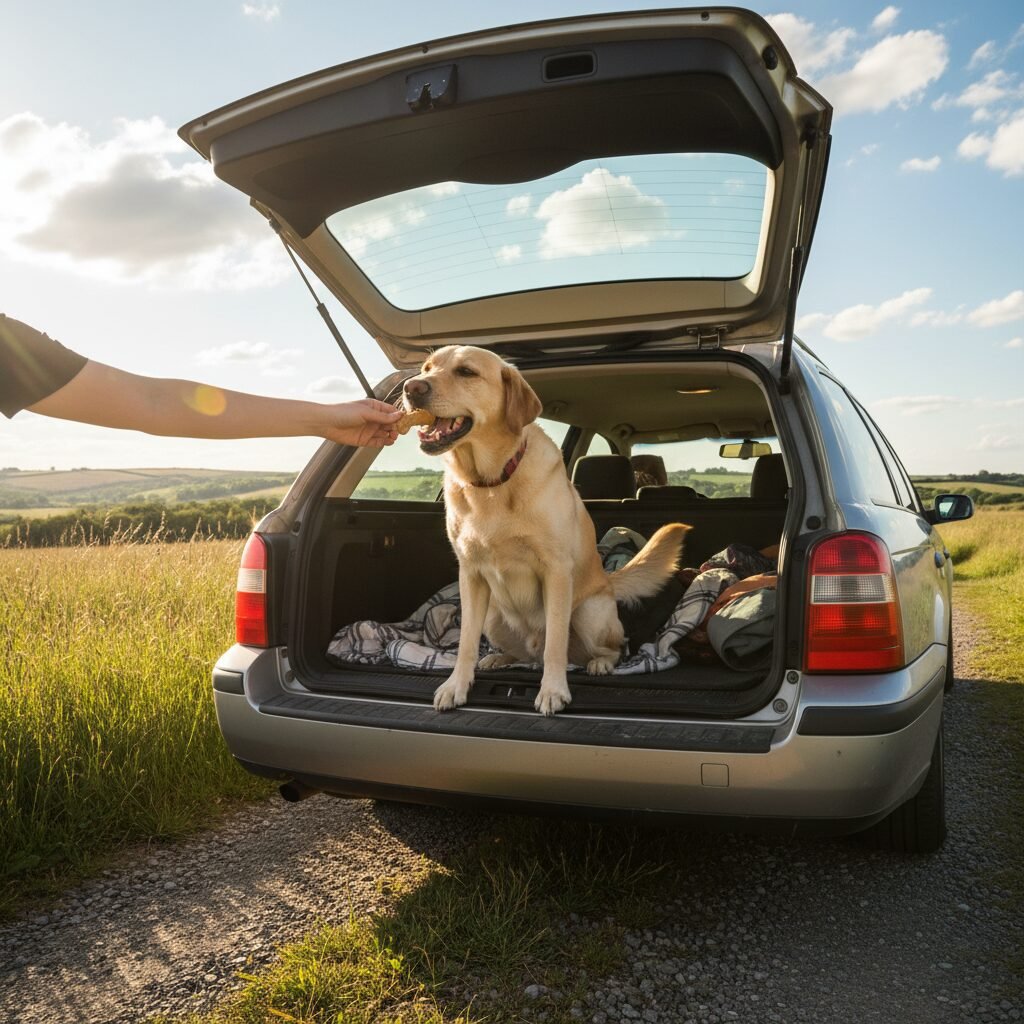
The goal of this step is to change your dog’s entire perception of the car. Right now, they might see it as a scary metal box that leads to unpleasant experiences (like the vet). We need to transform it into the world’s best treat-dispensing, toy-giving, praise-filled paradise. The key here is that the car doesn’t move at all during this phase.
Let’s break it down:
- Start Outside: Begin by simply walking with your dog on a leash around the parked car in your driveway or garage. Every time your dog calmly looks at or sniffs the car, say “Yes!” in a happy voice and give them a super high-value treat (think tiny pieces of chicken, cheese, or hot dog).
- Open the Doors: Once they are comfortable being near the car, open all the doors. Let them investigate on their own terms. Don’t force them inside. Reward any curiosity with praise and treats.
- The ‘In-and-Out’ Game: Toss a treat into the car onto the seat or floor. If your dog jumps in to get it, shower them with praise. Let them jump right back out. This is not about staying in; it’s about making the choice to enter a positive one. Repeat this several times over a few days.
- Meal Time in the Car: For dogs who are really nervous, try feeding them their regular meals in the car (with the doors open and the engine off). This builds a powerful positive association.
Keep these sessions short and sweet—just 2-5 minutes at a time is perfect. End on a positive note while your dog is still happy and engaged. The goal is for them to see the car and think, ‘Oh boy, fun things happen there!’
Step 3: Introducing the Engine and Closing Doors
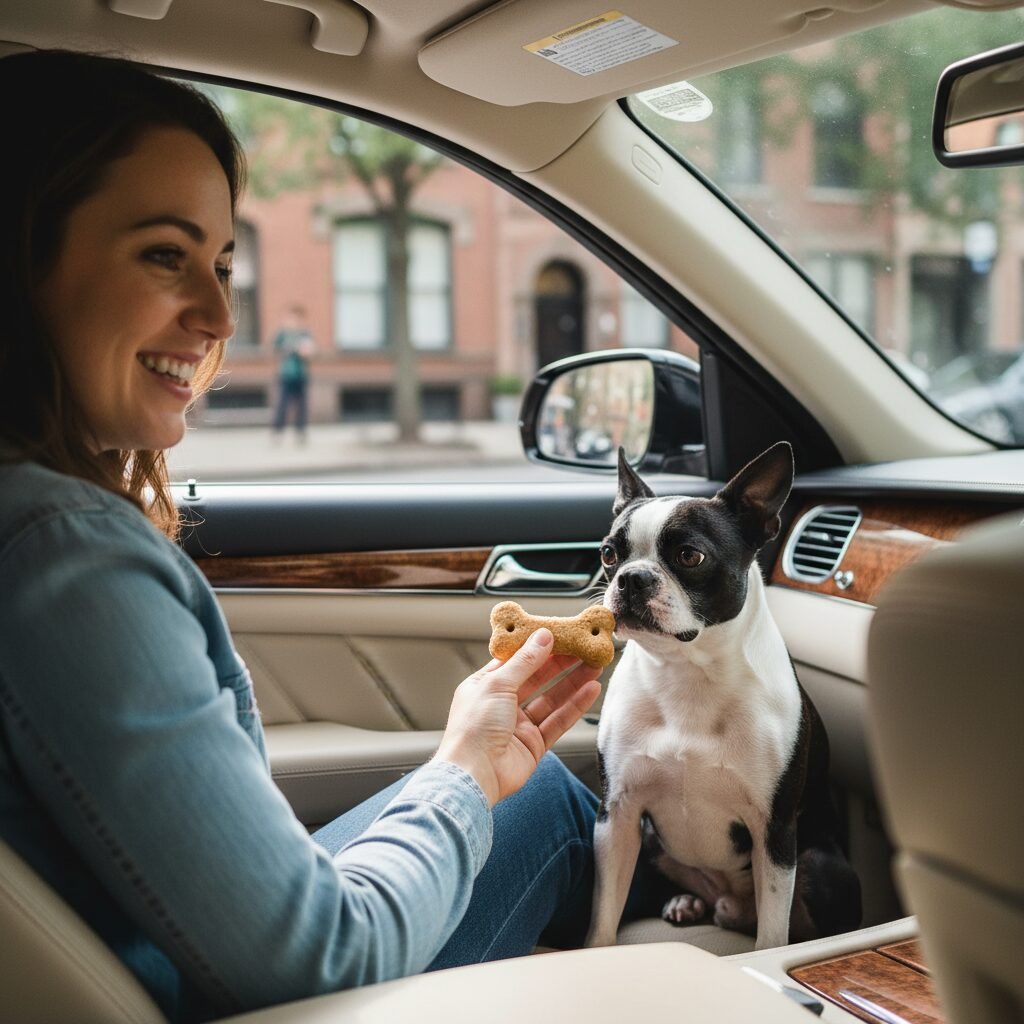
Once your dog is eagerly hopping into the stationary car, it’s time to slowly introduce the other elements that might trigger anxiety. Remember, the golden rule is to go at your dog’s pace. If they show signs of stress (panting, yawning, whining), you’ve moved too fast. Simply go back to the previous step where they were successful.
- Sit and Relax: Start by getting into the car with your dog. Just sit there together for a minute or two. Give them a special chew toy they only get in the car, like a Kong filled with frozen peanut butter. This keeps them happily occupied.
- Closing the Doors: While they are enjoying their toy, briefly close the door, then immediately open it and praise them. Gradually increase the amount of time the door is closed, from a few seconds to a minute.
- The Sound of the Engine: This is a big step! While you and your dog are sitting in the car, reach over and turn the engine on for just one second, then turn it off. Immediately give them a jackpot of treats. The sequence is: engine noise -> treats -> engine off. You want the engine sound to predict that amazing treats are coming.
- Increase Duration: Over many sessions, slowly increase how long the engine is on. Turn it on for 3 seconds, then 5, then 10, all while providing a steady stream of praise and treats for calm behavior.
This phase can take time, so be patient! You are methodically rewiring your dog’s brain to associate these once-scary sounds and feelings with safety and rewards.
Step 4: Let’s Roll! Your First (Extremely) Short Trips
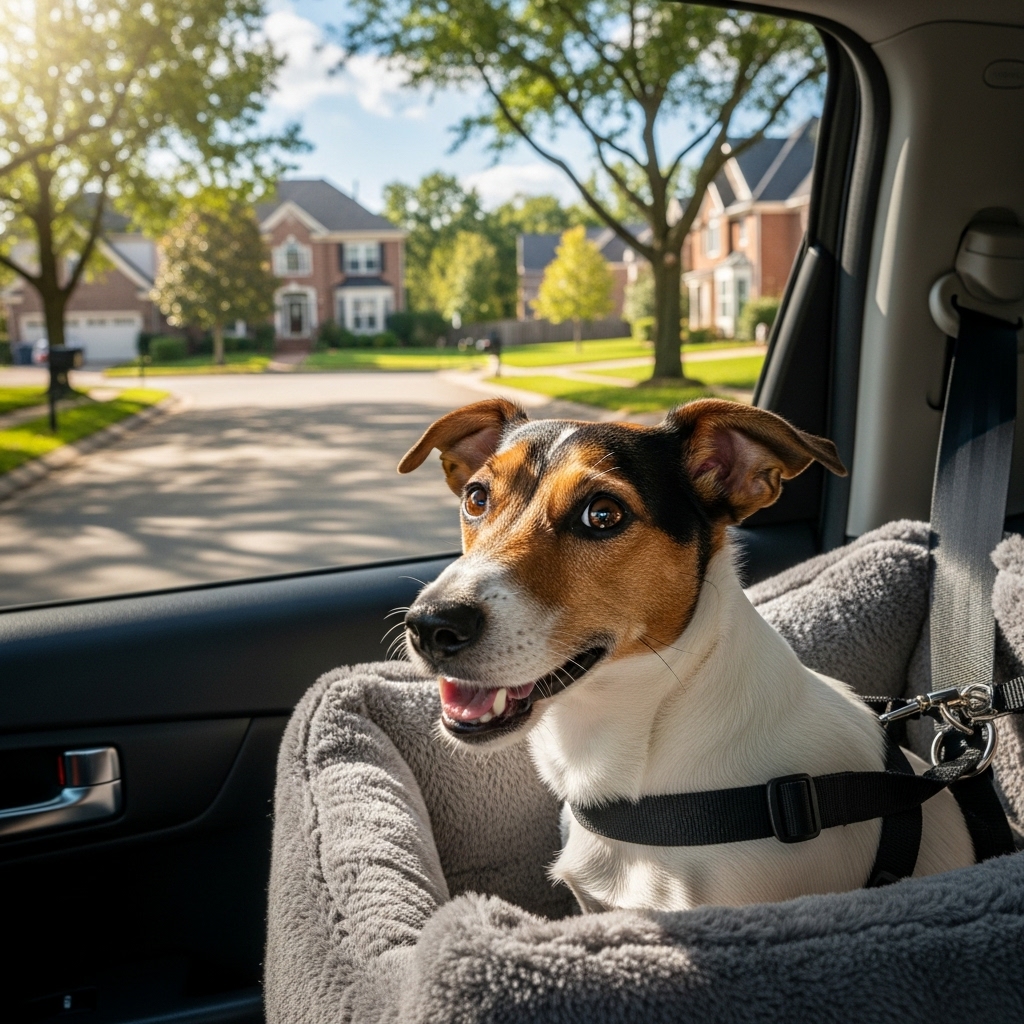
Your dog is now comfortable with the car being on and the doors being closed. It’s time to add a little bit of motion. The secret to success here is to make the trips incredibly short and the destinations incredibly fun.
- The Driveway Trip: Your first trip should be just backing out of the driveway and pulling right back in. That’s it! Act like it was the best trip ever, with lots of praise and a treat when you’re done.
- The End of the Block: Next, drive to the end of your street and come back. Keep the mood light and happy. You can have a second person in the car to deliver treats for calm behavior.
- Make the Destination Awesome: The biggest mistake people make is that the only destination is the vet or groomer. You must break this association! Drive your dog to a nearby park, a friend’s house they love, or a pet-friendly store. The car ride should be the magical portal to fun things.
- Keep it Positive: Put on some calming music, speak in a happy, soothing voice, and ignore any minor whining if it starts. If the whining is severe, the trip was too long. Make the next one shorter.
By making every early trip short and sweet with a fantastic payoff at the end, your dog will quickly learn that car rides are the best thing ever.
Essential Gear for Safe and Happy Travels
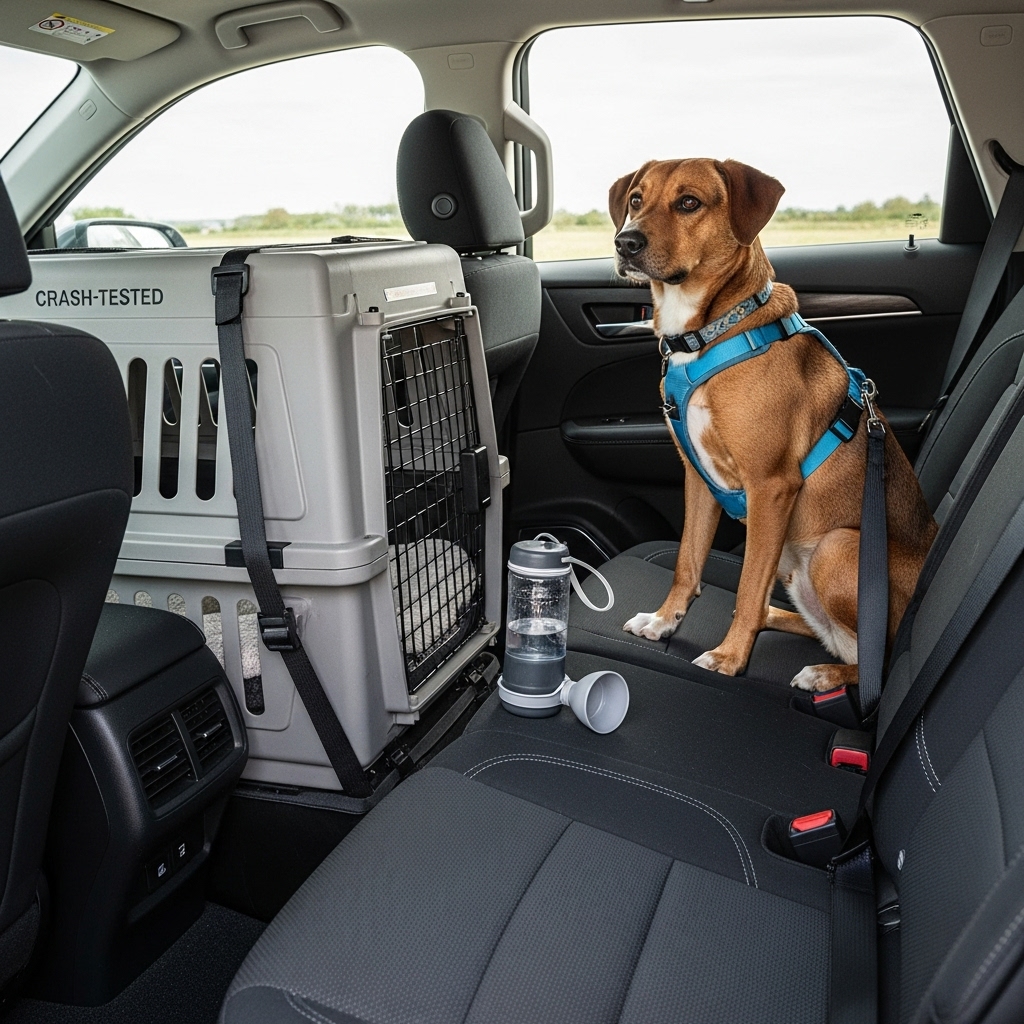
Setting your dog up for success also means equipping your car with the right gear. Safety and comfort are paramount for making car rides enjoyable for everyone.
Safety First: Restraints are Non-Negotiable
An unrestrained dog is a danger to themselves and everyone else in the car. In a sudden stop, they can become a projectile, and a loose dog can easily distract the driver. Here are the best options:
- Crash-Tested Crate: This is the safest way for a dog to travel. A sturdy crate, securely fastened in the cargo area or back seat, provides a protective shell.
- Canine Seat Belt: This is a special harness that attaches to the car’s seat belt system. Look for one that has been crash-tested and fits your dog snugly. Never attach a seat belt to your dog’s regular collar, as this can cause neck injury.
- Doggy Car Seat/Booster Seat: Great for smaller dogs, these seats are secured by the car’s seat belt and give your pup a boost to see out the window, which can sometimes help with anxiety.
Comfort is Key
Making the space comfortable can also reduce stress:
- A Familiar Blanket: Bring a blanket or bed that smells like home to place in their seat or crate.
- Special Car Toys: Have a high-value puzzle toy or chew that they only get to have in the car. This makes the ride a special occasion.
- Calming Aids: Pheromone sprays like Adaptil can be sprayed in the car 15 minutes before you leave to create a sense of calm.
Conclusion
Turning a fearful dog into a happy traveler is a journey, not a race. The most important ingredients are your patience, consistency, and a big bag of tasty treats! Remember to celebrate the small victories and always end on a positive note. By following these steps and going at your dog’s pace, you’re not just stopping the whining; you’re building a deeper bond of trust and opening up a whole new world of adventures you can share together. So, grab those keys, stay positive, and get ready for many happy road trips ahead!