Fire Safety Hack: Train Your Dog To Wake You During A Smoke Alarm
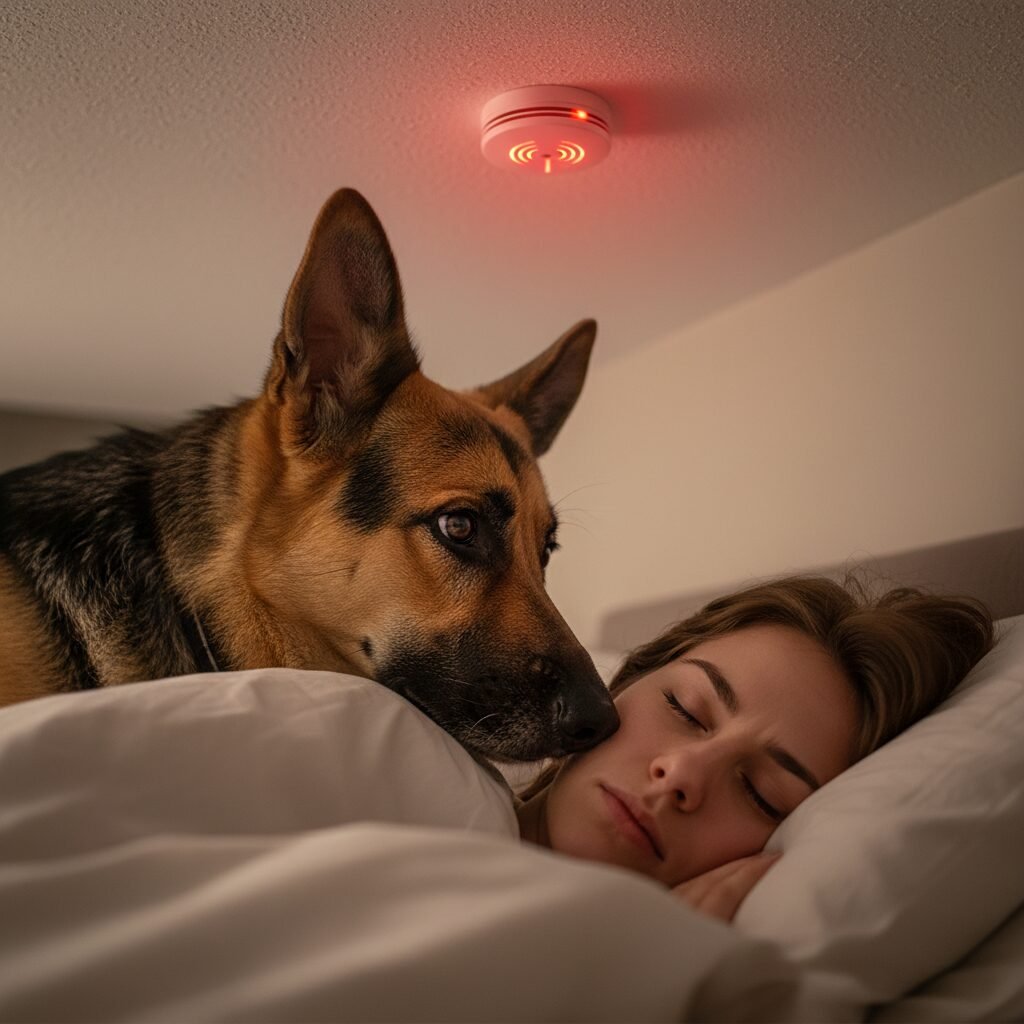
We all sleep a little deeper knowing our smoke alarms are standing guard, ready to shriek at the first sign of danger. But what if you’re a heavy sleeper? Or what if your kids sleep through the alarm? It’s a scary thought. Now, imagine a wet nose and a persistent nudge, a furry hero trained for this very moment. That’s not a scene from a movie; it’s a real skill you can teach your canine companion.
Training your dog to wake you during a smoke alarm is more than just a cool trick—it’s a potentially life-saving hack that strengthens your bond and adds a powerful layer of security to your home fire safety plan. It transforms your best friend into an active participant in your family’s well-being. Ready to get started? Let’s walk through how to turn your pup into a household hero, one treat at a time.
Prepping for Success: Gathering Your Training Toolkit
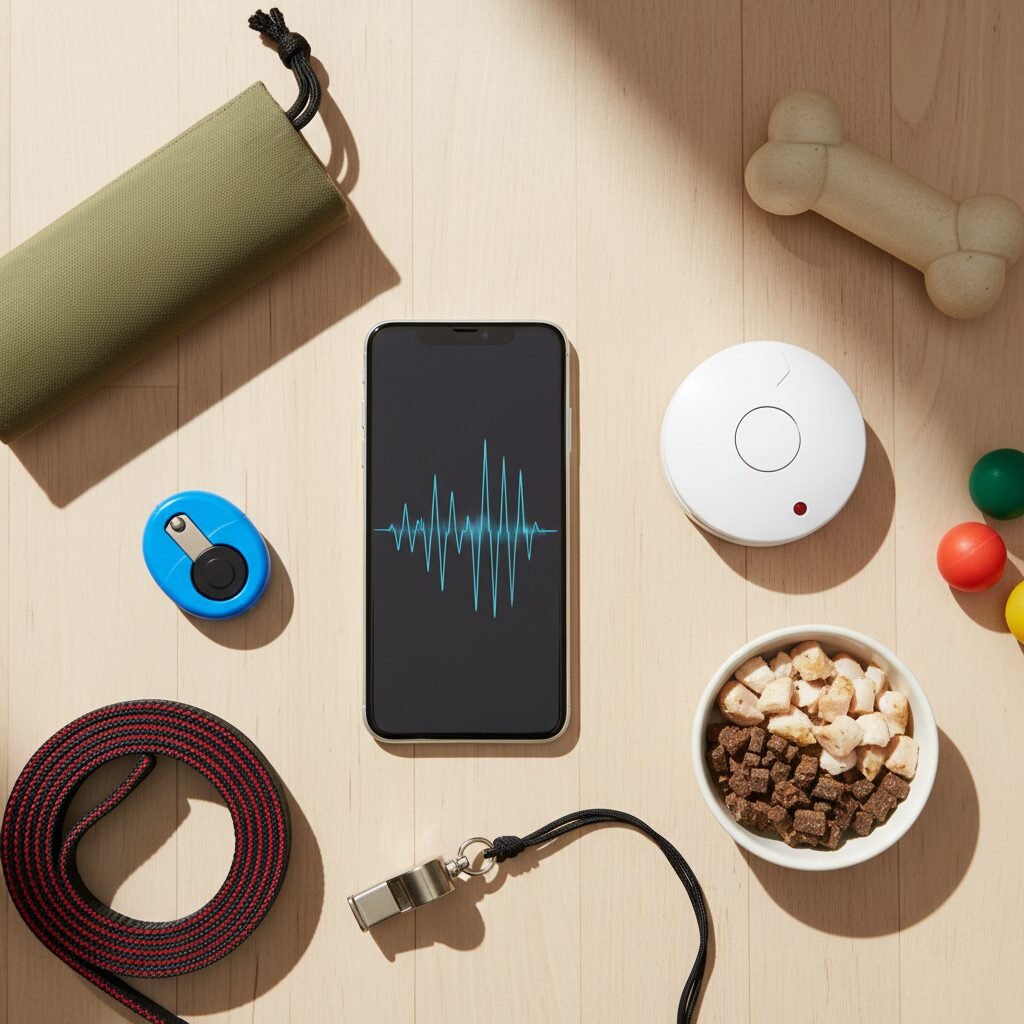
Before you jump into training, it’s essential to set yourselves up for success. A little preparation goes a long way in making the process smooth, fun, and effective for both you and your dog. You don’t need a lot of fancy equipment, just a few key items and the right mindset.
What You’ll Need:
- A Smoke Alarm Sound: You can use your actual smoke alarm (just press the ‘test’ button), but for better control over volume, it’s often easier to use a recording of the sound on your smartphone. This allows you to start quietly and gradually increase the intensity.
- High-Value Treats: We’re talking about the good stuff! Think small pieces of cooked chicken, cheese, or special dog treats that your pup absolutely adores. The reward needs to be exciting enough to make a strong positive association with the alarm sound.
- A Clicker (Optional): A clicker is a fantastic tool for marking the exact moment your dog does the right thing. If you’re new to clicker training, don’t worry! The principle is simple: click the instant the desired behavior happens, then immediately follow with a treat.
- Patience and a Positive Attitude: This is the most crucial tool of all. Training should be a fun game, not a chore. Keep sessions short (5-10 minutes is perfect) and always end on a positive note. Your dog feeds off your energy, so stay upbeat!
Expert Tip: Before you begin, test your dog’s initial reaction to the alarm sound at a very low volume from a distance. If they show extreme fear (shaking, hiding, panicking), this training might be too stressful for them. In such cases, it’s best to consult a professional positive reinforcement trainer for guidance on sound sensitivity.
The Training Blueprint: From Sound to Nudge in 6 Steps

This is where the magic happens! We’ll break down the training into small, manageable steps. The key is to go at your dog’s pace and celebrate every bit of progress. Remember, we are building a positive connection between the sound and a specific action.
- Step 1: Make the Sound Awesome (Counter-Conditioning): The first goal is to change your dog’s perception of the smoke alarm. Play the sound at a very low volume—barely audible. The instant the sound starts, toss a handful of high-value treats on the floor. The sound stops, the treats stop. Repeat this several times. Your dog will quickly learn: beep beep beep = raining chicken!
- Step 2: Teach the ‘Nudge’ or ‘Touch’: Separately, let’s teach the physical alert. Hold a treat in your closed fist. Your dog will likely sniff, lick, or paw at your hand. The moment their nose touches your hand, say “Yes!” or click, and give them the treat from your other hand. Practice this until your dog is confidently booping your hand with their nose as soon as you present your fist. You can add a verbal cue like “Nudge” or “Touch.”
- Step 3: Combine the Sound and the Nudge: Now, let’s link the two behaviors. Play the alarm sound at a low, comfortable volume. As it’s playing, present your hand and ask for the “Nudge.” When they touch your hand, stop the sound, praise them enthusiastically, and give them a jackpot of treats.
- Step 4: Fade the Hand Cue: Over several sessions, start waiting a second or two after the sound starts before you present your hand. The goal is for your dog to hear the sound and automatically offer the nudge without you asking. When they do, it’s a huge cause for celebration!
- Step 5: Increase the Challenge: Once your dog is reliably nudging you when they hear the sound, you can gradually start making it harder. Slowly increase the volume of the alarm over many sessions. Also, practice in different rooms of the house to help them generalize the skill.
- Step 6: Take it to the Bedroom: The final step is to practice the real-life scenario. Lie down on your bed (you can pretend to be asleep). Have a partner or use a remote to play the alarm sound from another room. When your dog comes to the bed and nudges you, shower them with praise and rewards. This is the moment it all comes together!
Hitting a Snag? Troubleshooting Common Issues
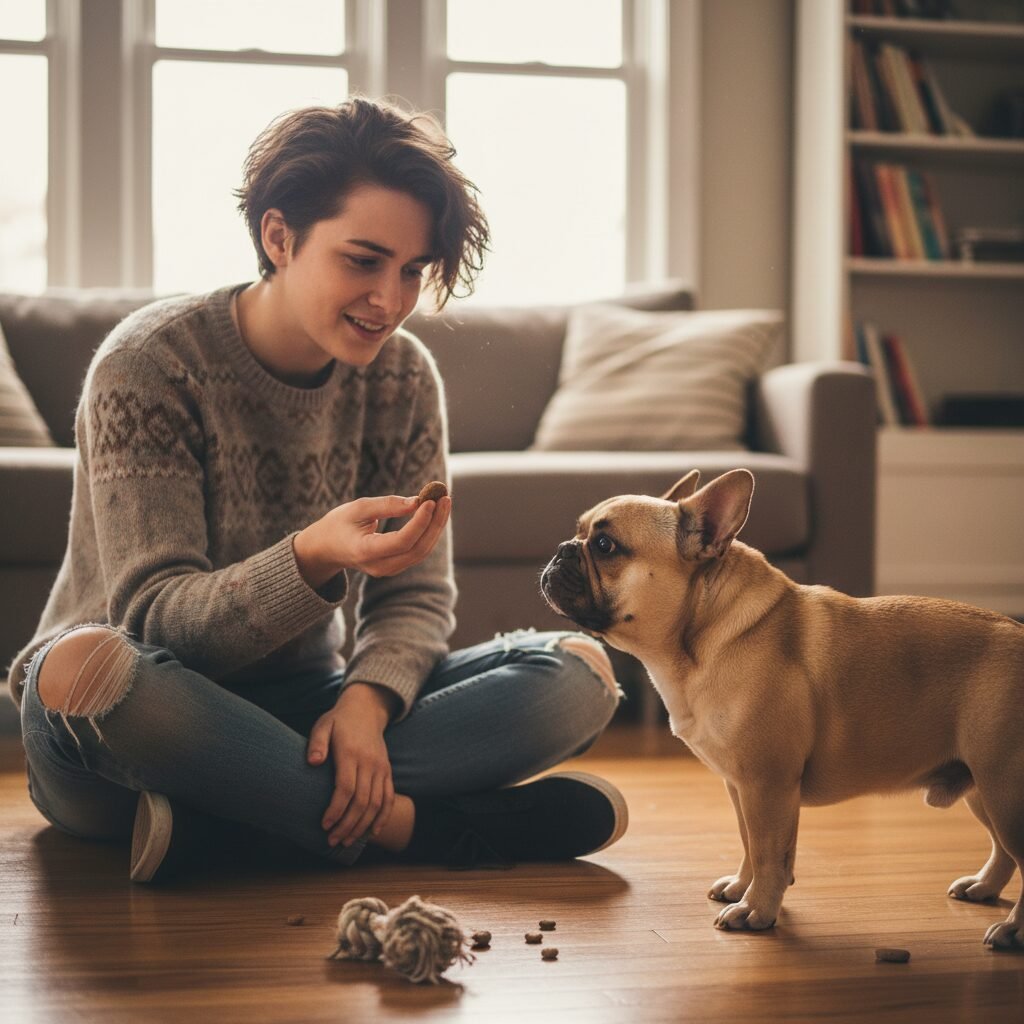
Training is never a straight line; there will be bumps along the way. Don’t get discouraged! Here are some common challenges and how to navigate them with a cool head and a pocket full of treats.
- My dog is still scared of the sound. You may have increased the volume too quickly. Go back to a volume where they are comfortable and successful. Spend more time on Step 1, making the association overwhelmingly positive. You can even try muffling the sound with a blanket at first.
- My dog just barks instead of nudging me. Barking is a natural alert for many dogs. The key is to not reward it. Stay quiet and wait. The moment your dog stops barking and makes any physical contact—even a slight brush against your leg—mark and reward that. You are shaping the behavior towards the nudge you want.
- My dog isn’t interested and wanders off. Your sessions might be too long, or the reward might not be valuable enough. Cut your training time down to just a few minutes, and try a higher-value treat. End the session before your dog loses interest so they are always left wanting more.
- It’s not working in the bedroom. The context change can be confusing. Go back a few steps and practice in the bedroom with you sitting on the bed first, then lying down. Break it down and reward small successes, like just coming into the room when the alarm sounds.
Remember: Every dog learns at a different pace. If you’re feeling stuck, taking a break for a day or two can often help. When you come back to it, start with an easier step to build confidence before tackling the tricky part again.
Keeping the Skill Sharp: Maintenance and Your Family Plan

Congratulations, you’ve taught your dog an incredible new skill! But like any skill, it needs practice to stay sharp. The final piece of the puzzle is integrating this training into your overall home safety routine.
Practice Makes Perfect (and Safe)
You don’t need to drill this every day, but running a surprise ‘fire drill’ every month or two is a great idea. It keeps the behavior reliable and top-of-mind for your dog. Make it a fun game, and always follow a successful practice run with lots of praise and a special reward.
Integrate Your Dog into Your Escape Plan
This training is a tool, not the entire plan. Your family should have a designated meeting spot outside the home. When you practice your dog’s alert, continue the drill by leashing them up and walking to your meeting spot together. This ensures that in a real emergency, your dog knows the entire routine.
Don’t Forget the Basics
A trained dog is a fantastic secondary alert system, but it is not a replacement for technology. Continue to test your smoke alarms monthly and replace the batteries at least once a year. Your dog’s nose is amazing, but your smoke alarm is your first line of defense.
Conclusion
Teaching your dog to wake you at the sound of a smoke alarm does more than just enhance your safety; it deepens the incredible partnership you share. It’s a testament to their intelligence and their profound connection to their human family. By investing this time, you’re not just training a behavior—you’re empowering your best friend to be a protector.
So, grab those treats, keep it positive, and celebrate the small victories. The peace of mind that comes from knowing your loyal companion has your back, even when you’re fast asleep, is one of the greatest rewards of all.