Indoor Tethering: The Management Tool That Saves Puppies From Trouble
Welcome to the wonderful, chaotic world of puppy parenthood! If you’re currently navigating a sea of potty puddles, shredded shoes, and mysterious bite marks on your furniture, you’re not alone. Raising a puppy is an adventure, but it can also be exhausting. What if there was a simple management tool that could prevent most of these headaches while teaching your puppy good habits from day one? Enter indoor tethering. It might sound strange, but this technique is a game-changer for new puppy owners. It’s not about punishment or restriction; it’s about guidance, safety, and setting your puppy up for a lifetime of success. Think of it as your secret weapon for a calmer, cleaner, and more connected life with your new furry family member.
What Exactly Is Indoor Tethering (And What It’s Not)?
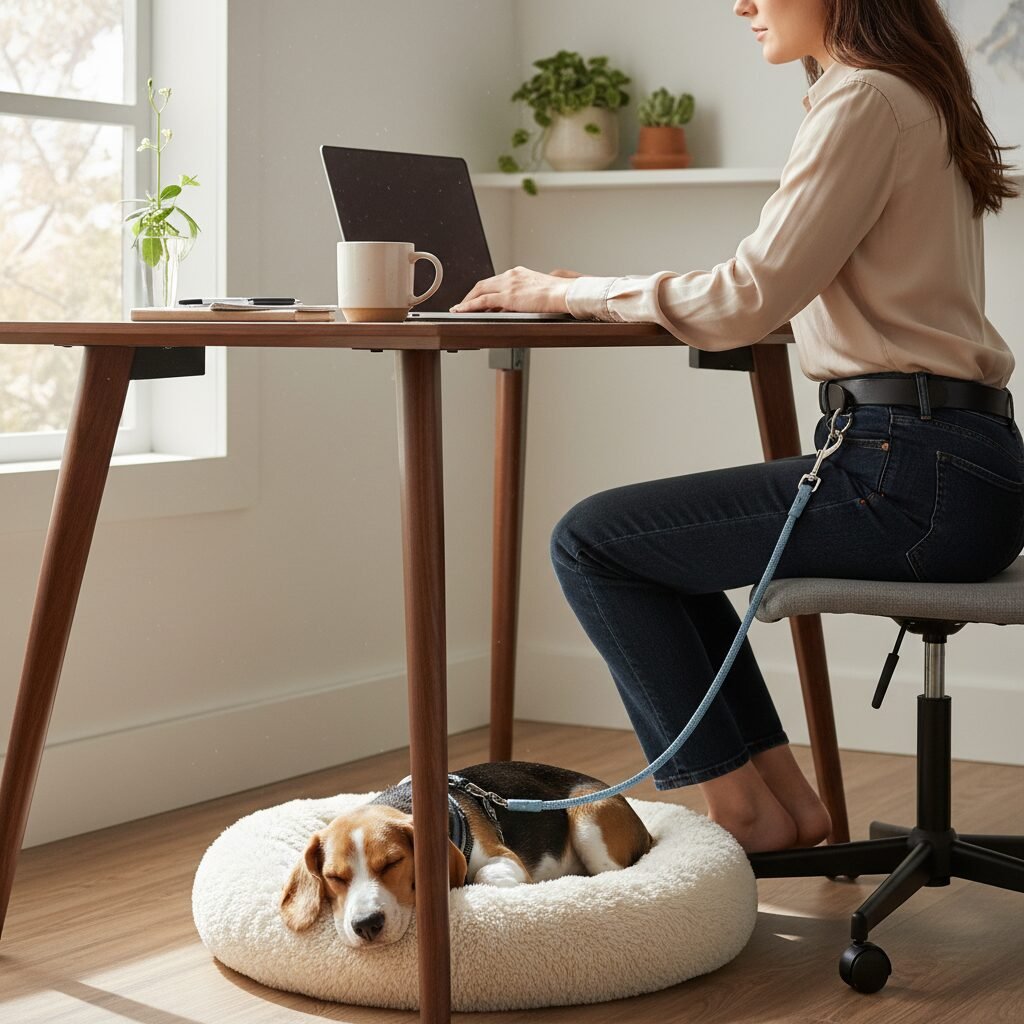
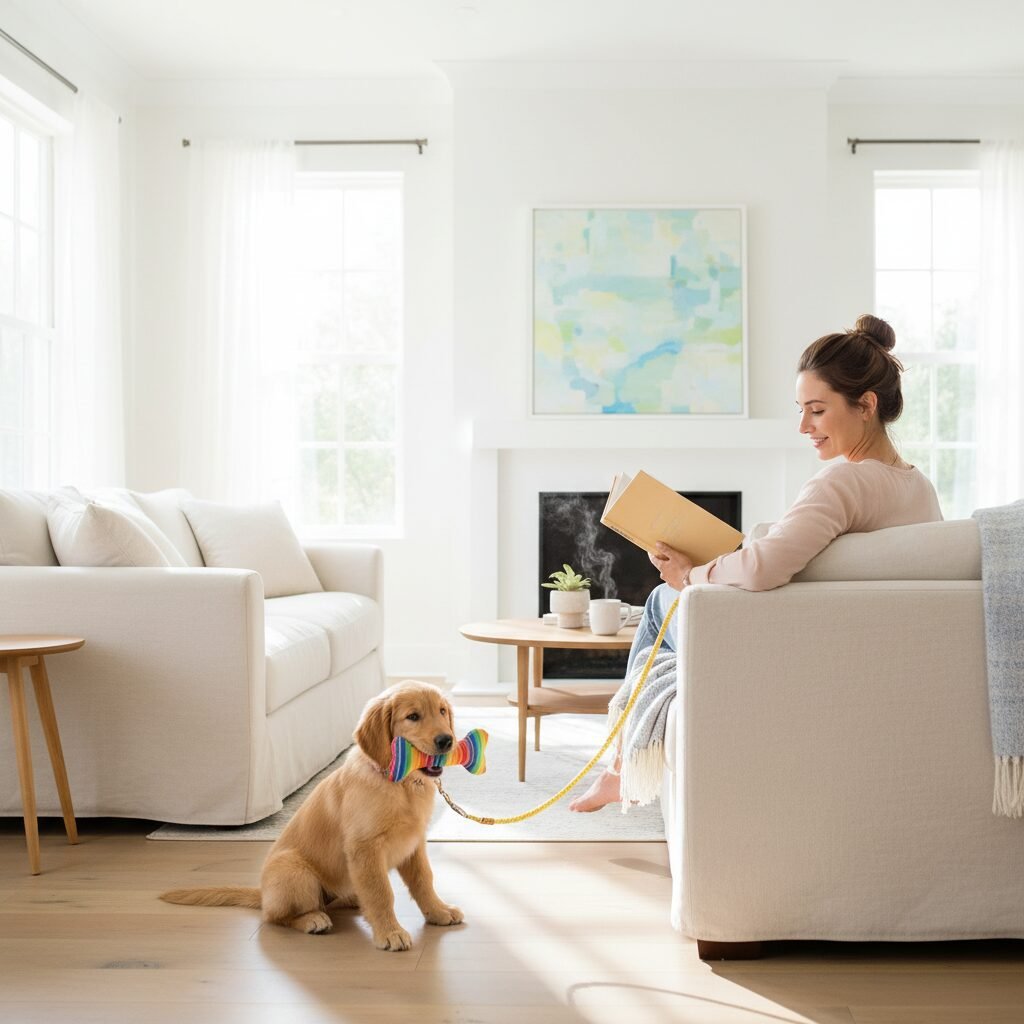
Let’s clear the air right away. Indoor tethering is not about tying your dog up and leaving them alone. It’s the complete opposite! At its core, indoor tethering is a short-term, supervised management technique where your puppy wears a harness and is attached to you or a heavy, immovable piece of furniture via a standard leash.
The entire goal is to keep your puppy in your immediate vicinity. This allows you to actively supervise them without having to chase them around the house constantly. It’s a proactive way to prevent unwanted behaviors before they even start.
Here’s what makes it so different from other methods:
- It’s supervised: You are always present and interacting with your puppy. This is crucial. A puppy should never be left alone on a tether.
- It’s temporary: This is a tool for the puppy stage, not a permanent lifestyle. You use it during busy times of the day when you can’t give your pup your undivided attention.
- It’s positive: The experience should be filled with comfy beds, fun toys, and your reassuring presence. It’s about teaching your puppy to be calm and content in your space.
Key Takeaway: Indoor tethering isn’t a punishment. It’s a management strategy that keeps your puppy safe, prevents mistakes, and helps you teach them the rules of the house in a gentle, effective way.
Your Essential Toolkit for Successful Tethering
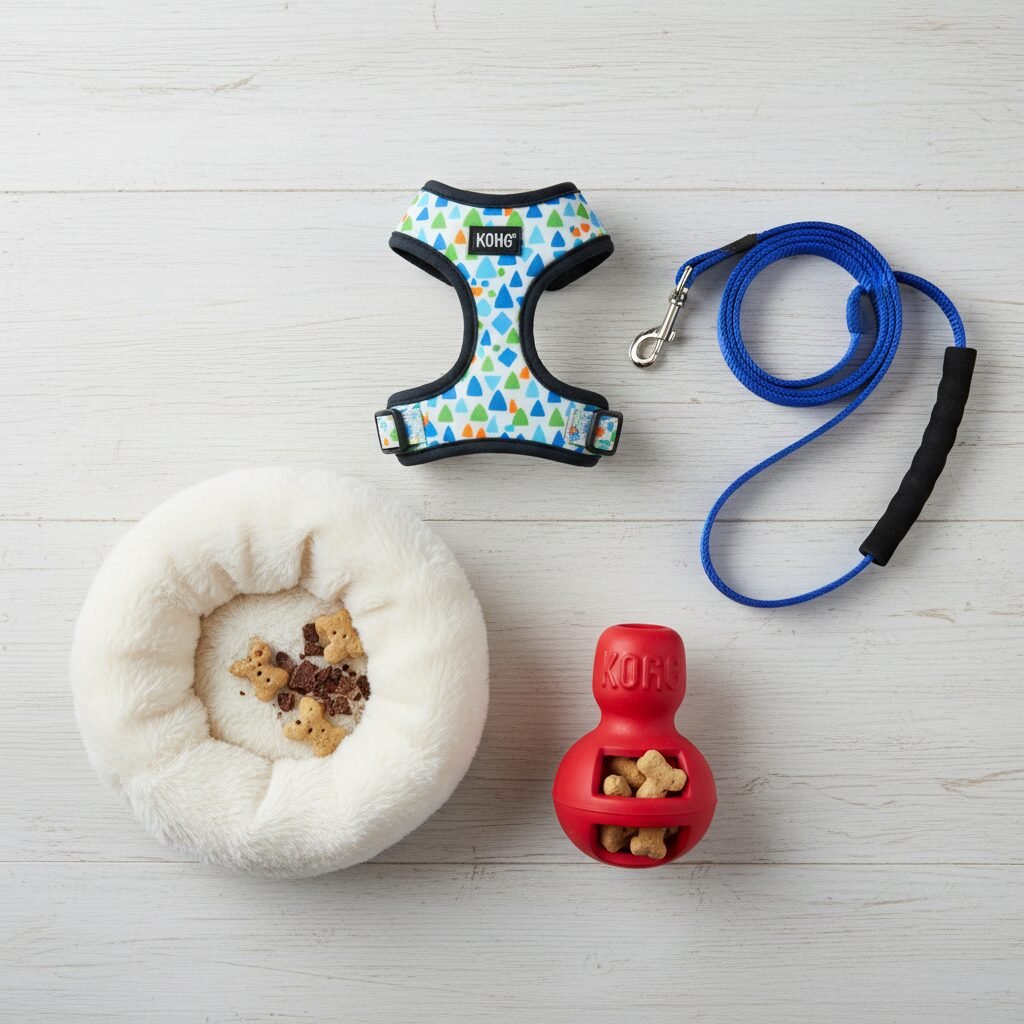
Getting started with indoor tethering is simple and doesn’t require a lot of fancy equipment. Having the right tools, however, will make the process safer and more comfortable for your puppy. Here’s your shopping list:
- A Comfortable Harness: This is non-negotiable. Attaching a tether to a collar can put dangerous pressure on your puppy’s trachea if they pull or get tangled. A well-fitting, comfortable harness distributes pressure evenly across their chest and shoulders.
- A Standard 4-6 Foot Leash: Forget the retractable leashes for this! A simple, fixed-length leash made of nylon or leather gives you predictable control and is less likely to get tangled. Six feet is usually the perfect length to give them a little freedom without letting them get into trouble.
- A Designated ‘Happy Place’: Place a comfortable dog bed, mat, or blanket where you plan to tether your puppy. This gives them a cozy spot to settle down and relax.
- High-Value Chew Toys: The secret to a happy tethered puppy is keeping their brain busy! Have a rotating selection of safe and engaging toys, like a frozen KONG, a bully stick, or a durable puzzle toy. This teaches them what they are allowed to chew on.
- (Optional) A Chew-Proof Tether: If you have a super-chewer on your hands, you might consider a vinyl-coated cable tether for times when they are attached to furniture. Just ensure it’s a safe, quality product.
A Step-by-Step Guide to Introducing Tethering
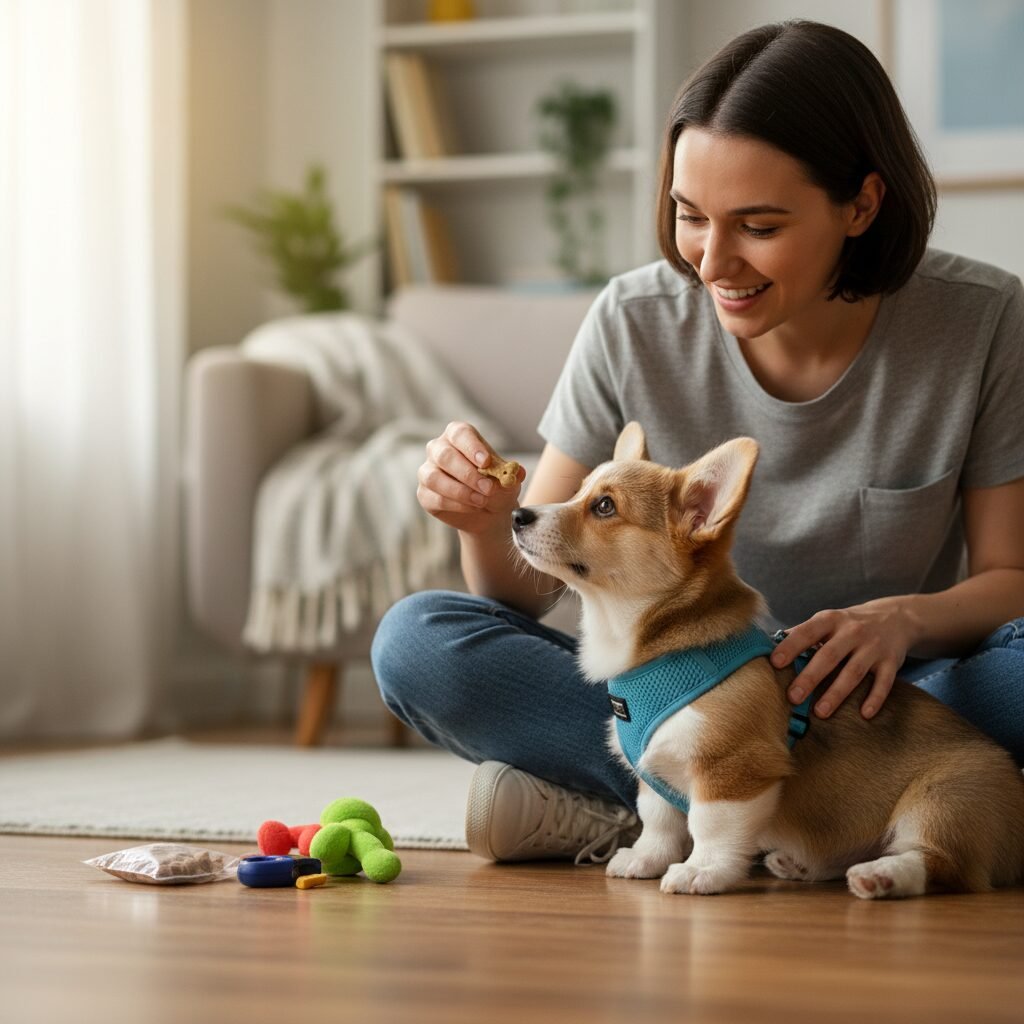
Introducing any new concept to a puppy requires patience and positivity. The goal is for your puppy to associate tethering with calm, happy times with you. Follow these steps to get started on the right paw.
- Make Gear Fun: Before you even clip the leash on, let your puppy investigate the harness. Give them treats as they sniff it. Put it on for a few seconds, give a treat, and take it off. Repeat this until they are excited to see the harness.
- Start with Short Sessions: Your first tethering session might only be five minutes long. Attach the leash to your belt loop while you sit on the couch and watch TV. Give your puppy their special chew toy on their bed right next to you. End the session while they are still calm and happy.
- Keep It Positive: Don’t wait for your puppy to get fussy. Casually drop treats onto their bed when they are lying down quietly. Speak to them in a calm, happy voice. You are teaching them that being calm near you is a very rewarding experience.
- Gradually Increase Duration: As your puppy gets used to it, you can slowly increase the time. Try tethering them while you work on your laptop at the kitchen table or while you fold laundry. Always be mindful of their needs for potty breaks and playtime.
- Supervise, Supervise, Supervise: We can’t say this enough! Your eyes must be on your puppy. This allows you to praise good behavior, interrupt and redirect unwanted behavior (like chewing the leash), and spot their ‘I need to go potty’ signals instantly.
The Amazing Benefits of Indoor Tethering
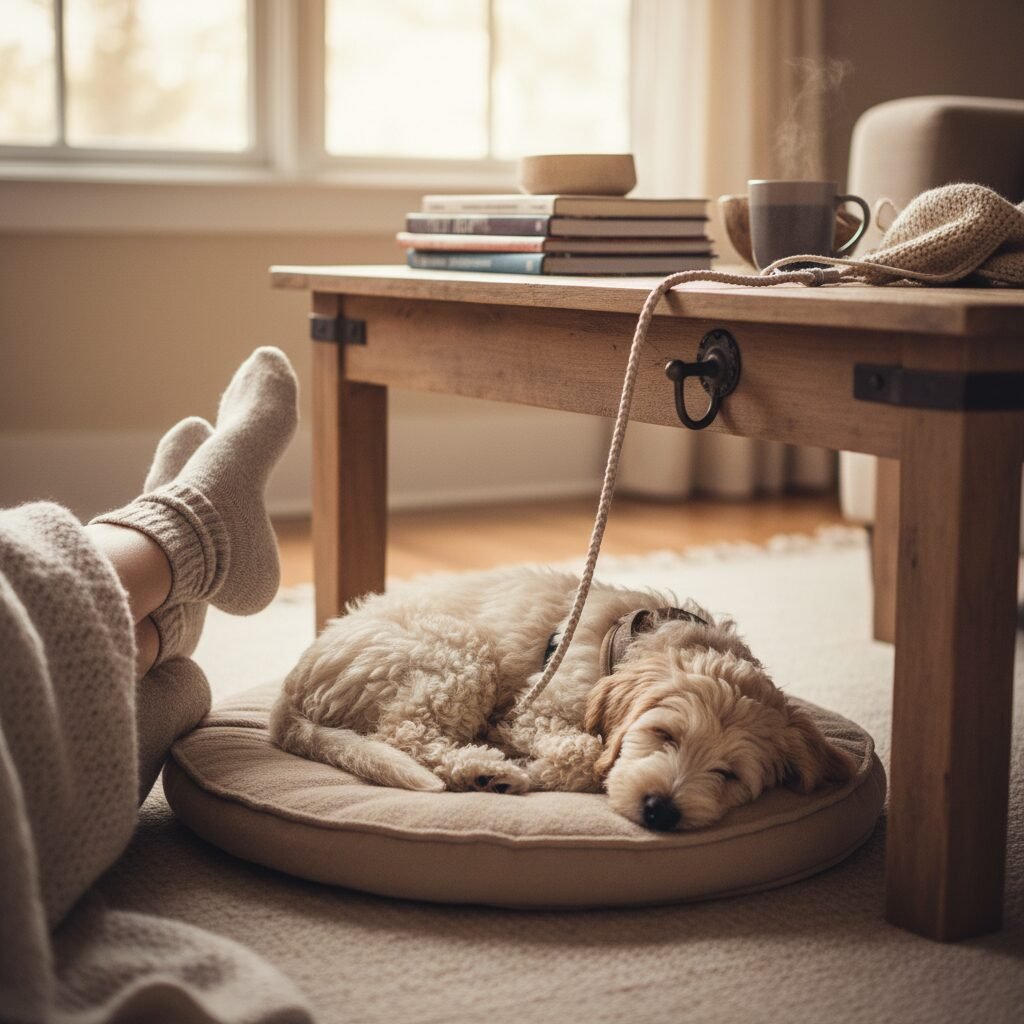
So, why go to all this trouble? Because the payoff is huge! Using indoor tethering correctly during those crucial first few months can solve some of the biggest puppy problems and build a foundation for a well-behaved adult dog.
- Potty Training Supercharger: When your puppy is tethered to you, you’ll never miss a potty cue again. You’ll see the circling, sniffing, and whining the second it starts, allowing you to whisk them outside for a successful potty break. This dramatically reduces indoor accidents.
- Prevents Destructive Chewing: Puppies explore the world with their mouths. Tethering prevents them from wandering off to discover the joys of chewing on your baseboards, electrical cords, and favorite shoes. Instead, you can guide them toward their appropriate chew toys.
- Builds a Stronger Bond: Tethering keeps your puppy physically close, which helps strengthen your connection. They learn to see you as the source of all good things—comfort, safety, and treats!
- Teaches an ‘Off Switch’: Many puppies don’t know how to just ‘settle.’ Tethering teaches them how to relax and be calm in the house, even when things are going on around them. This is an invaluable life skill for any dog.
- Improves Focus and Engagement: By limiting distractions, your puppy learns to focus more on you. This can make future obedience training much easier.
Common Mistakes to Avoid (And How to Fix Them)
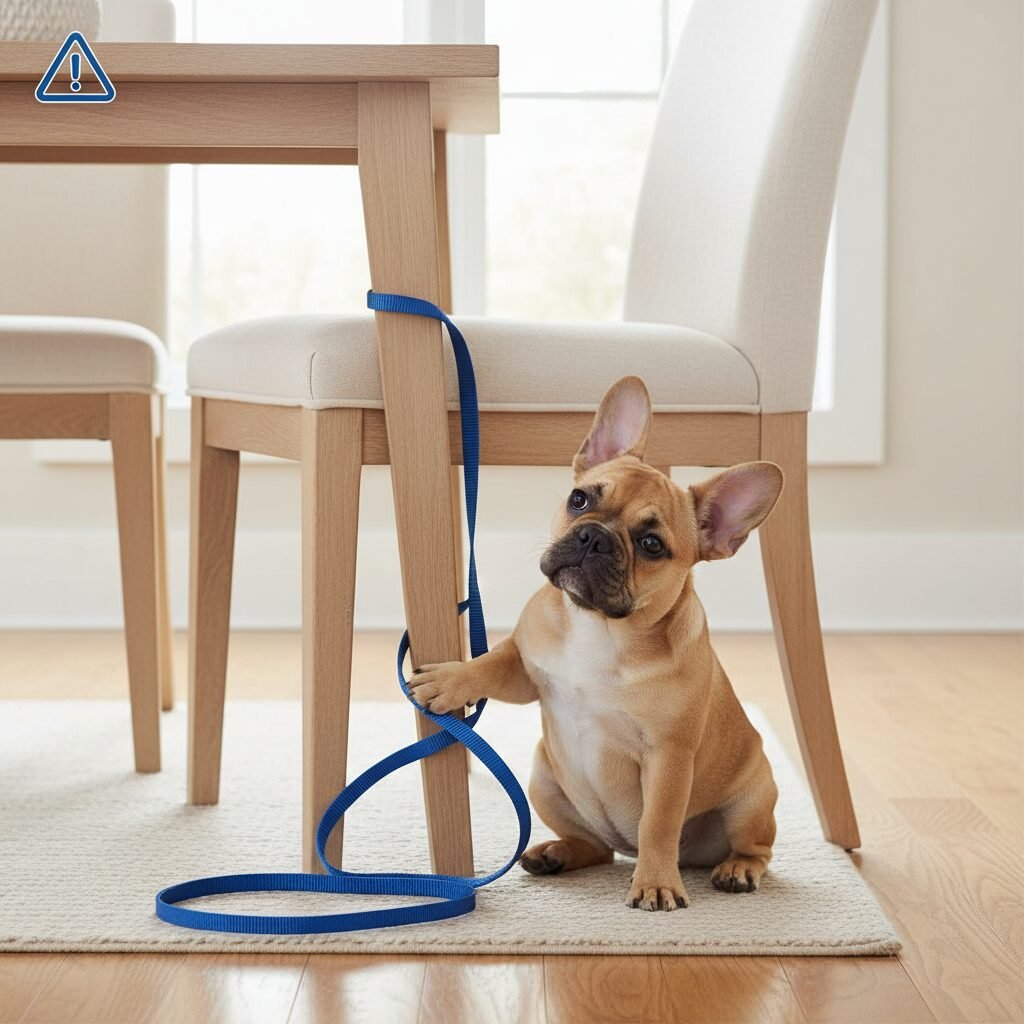
While indoor tethering is an incredible tool, it can be misused if you’re not careful. Avoiding these common pitfalls will ensure the experience is safe, positive, and effective for both you and your puppy.
- Mistake #1: Using it as a Punishment. Never attach your puppy to a tether because they did something ‘bad.’ Tethering should always be a proactive management tool, not a reactive punishment. The association must stay positive.
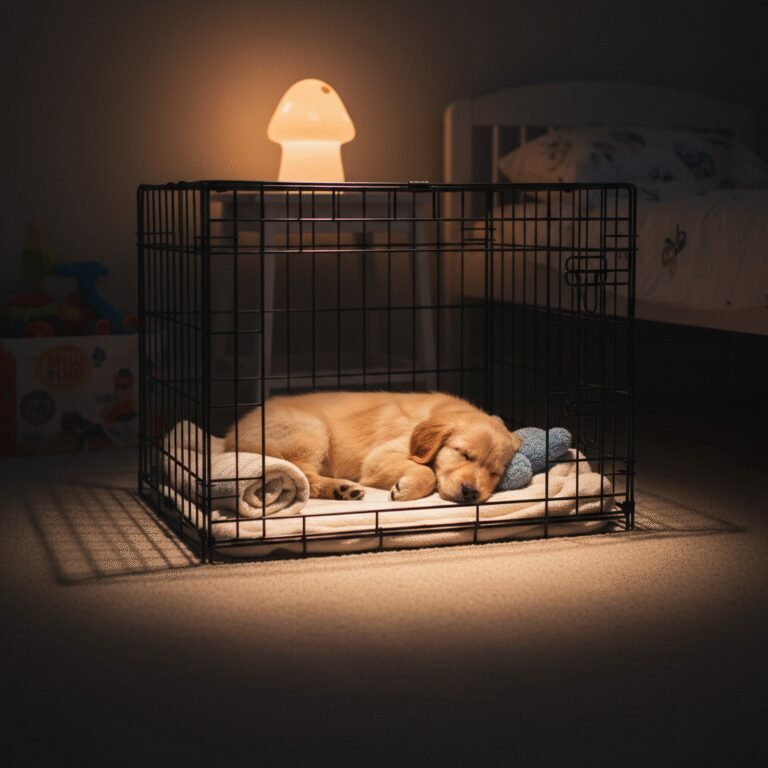
- Mistake #2: Leaving the Puppy Unsupervised. This is the most dangerous mistake. A puppy left alone on a tether can get tangled, which can lead to panic and serious injury. If you have to leave the room, untether your puppy and put them in their crate or a puppy-proofed area.
- Mistake #3: Tethering for Too Long. Puppies need freedom to play and explore. Tethering sessions should be broken up with active playtime, training sessions, and potty breaks. A good rule of thumb is no longer than an hour or two at a time, depending on the puppy’s age and energy level.
- Mistake #4: Not Providing an Outlet. A tethered puppy is a bored puppy unless you give them a ‘job.’ This is where those high-value chew toys and puzzle feeders come in. A busy brain leads to a happy, calm puppy.
- Mistake #5: Creating Tension on the Leash. The leash should be loose and relaxed. If the puppy is constantly pulling at the end of the tether, the session has gone on too long, or they need a break for exercise or a potty trip.
Conclusion
Bringing a puppy home is the start of a beautiful journey, and tools like indoor tethering are here to make that journey smoother and more joyful. By using it as a short-term, supervised, and positive management technique, you’re not just preventing accidents; you’re actively teaching your puppy how to be a wonderful, well-behaved companion. You’re building trust, teaching calmness, and creating a bond that will last a lifetime. So, grab that harness and a fun toy, and get ready to enjoy a more peaceful puppyhood, one tethered session at a time.