This DIY Gluten Detection Training Could Save Your Life
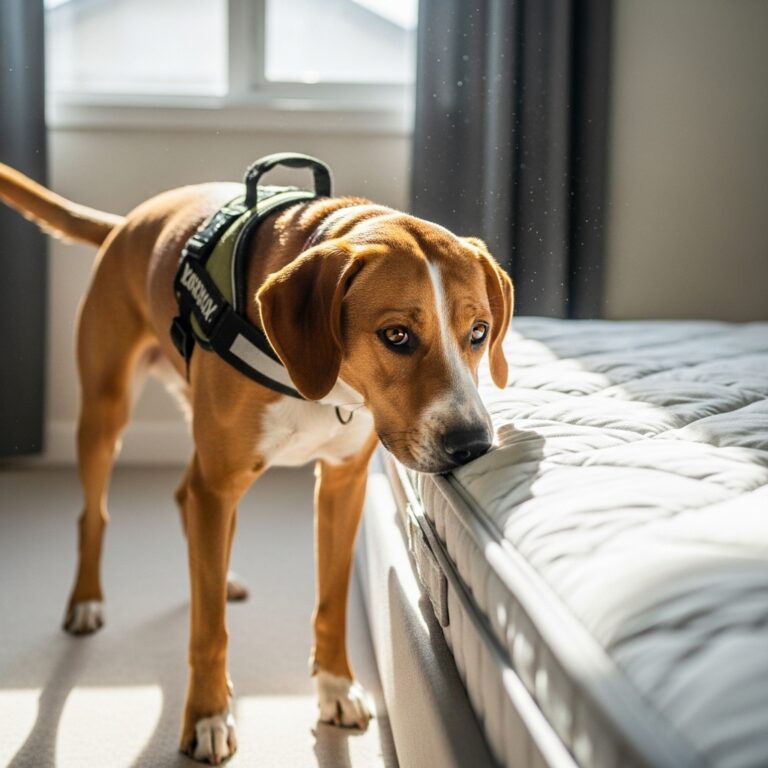
Imagine going out to eat, attending a party, or even just buying groceries without the constant fear of cross-contamination. For millions of people living with Celiac disease or severe gluten sensitivities, this anxiety is a daily reality. A single, hidden crumb of gluten can lead to days of illness. But what if you had a furry, four-legged guardian angel with a super-powered nose to watch your back? That’s where a gluten detection dog comes in, and the amazing news is, you might be able to train your own loyal companion for this life-changing task. This isn’t just a cool trick; it’s a way to reclaim your freedom and peace of mind. In this guide, we’ll walk you through the incredible journey of teaching your dog to sniff out gluten, strengthening your bond and potentially saving you from a world of hurt. Let’s get started!
Is Your Dog the Right Candidate for the Job?
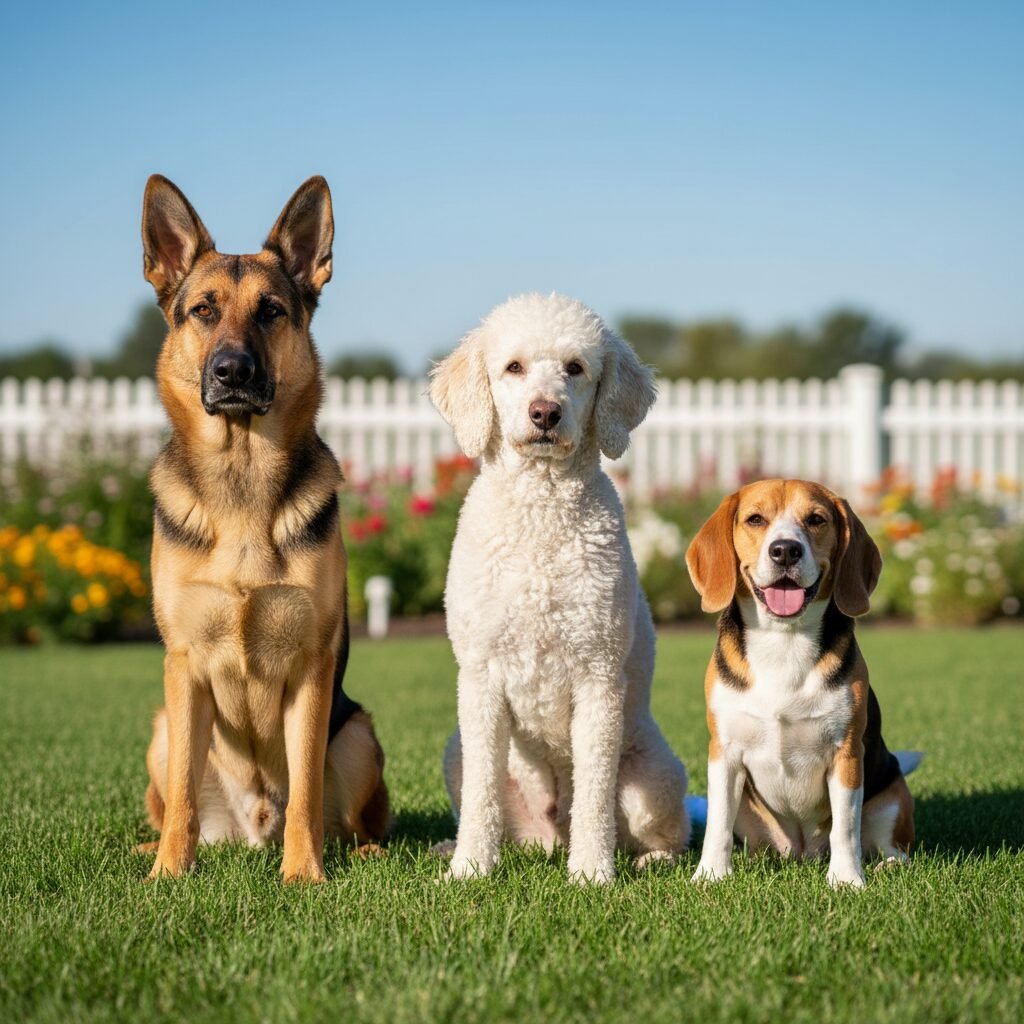
Before you start ordering supplies and setting up training sessions, it’s crucial to ask the most important question: is your dog cut out for this kind of work? While most dogs love their owners, not every pup has the right temperament and drive for scent detection. This is a serious job that requires focus, reliability, and a specific set of innate skills. Think of it like hiring for a highly specialized position! Here are the key traits to look for in a potential gluten-sniffing superstar:
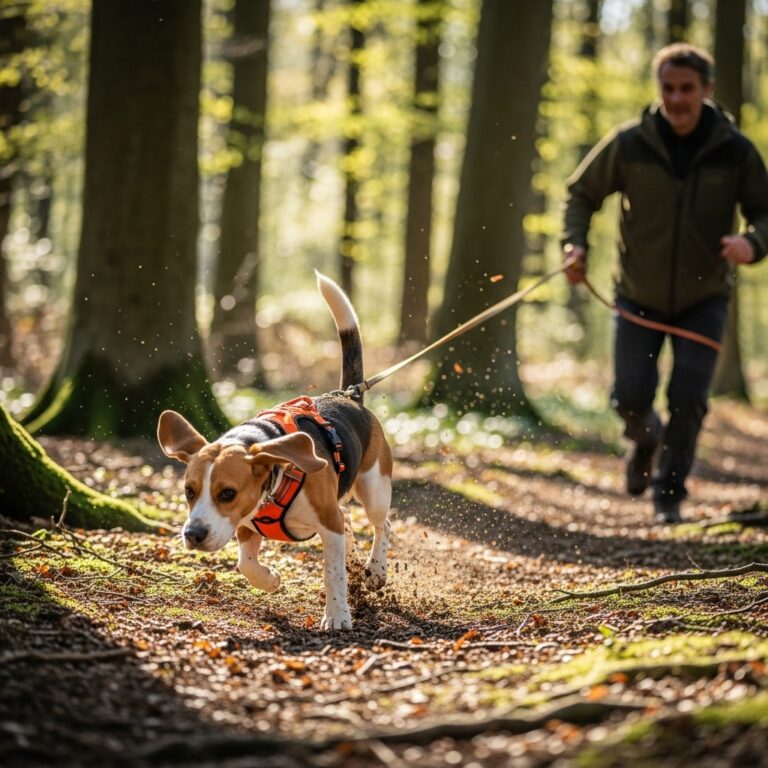
- A Superb Sniffer: This is non-negotiable. Breeds known for their powerful noses, like Beagles, German Shepherds, and Labradors, are often naturals. However, many mixed-breed dogs have fantastic scenting abilities too! The key is a dog that loves to use its nose.
- High Food or Toy Drive: The entire training process is built on rewarding the dog for finding the scent. If your dog is passionately motivated by a specific treat or a favorite toy, you have a powerful tool for teaching them. A dog that’s lukewarm about rewards will be much harder to train.
- Eagerness to Please: A dog that genuinely enjoys working with you and is eager to learn will make the process much more enjoyable and successful. This collaborative spirit is the foundation of a great working relationship.
- Calm and Steady Demeanor: A gluten detection dog needs to work in a variety of environments, from quiet homes to busy restaurants. A dog that is easily spooked, overly anxious, or highly reactive to new sights and sounds will struggle to focus on the task at hand.
- Good Health and Stamina: The dog should be in good physical condition, free from any respiratory issues that might affect their sense of smell.
Expert Tip: Don’t rule out your dog just because they aren’t a ‘typical’ scent hound breed. Motivation and a strong bond can often outweigh breed stereotypes. Observe your dog: do they spend ages sniffing on walks? That’s a great sign!
If your dog ticks most of these boxes, you’ve got a fantastic candidate! If not, don’t be discouraged. You can still enjoy a wonderful life with your pet, but it’s better to be realistic about their suitability for this specific, demanding job.
Gathering Your Gluten-Scenting Toolkit
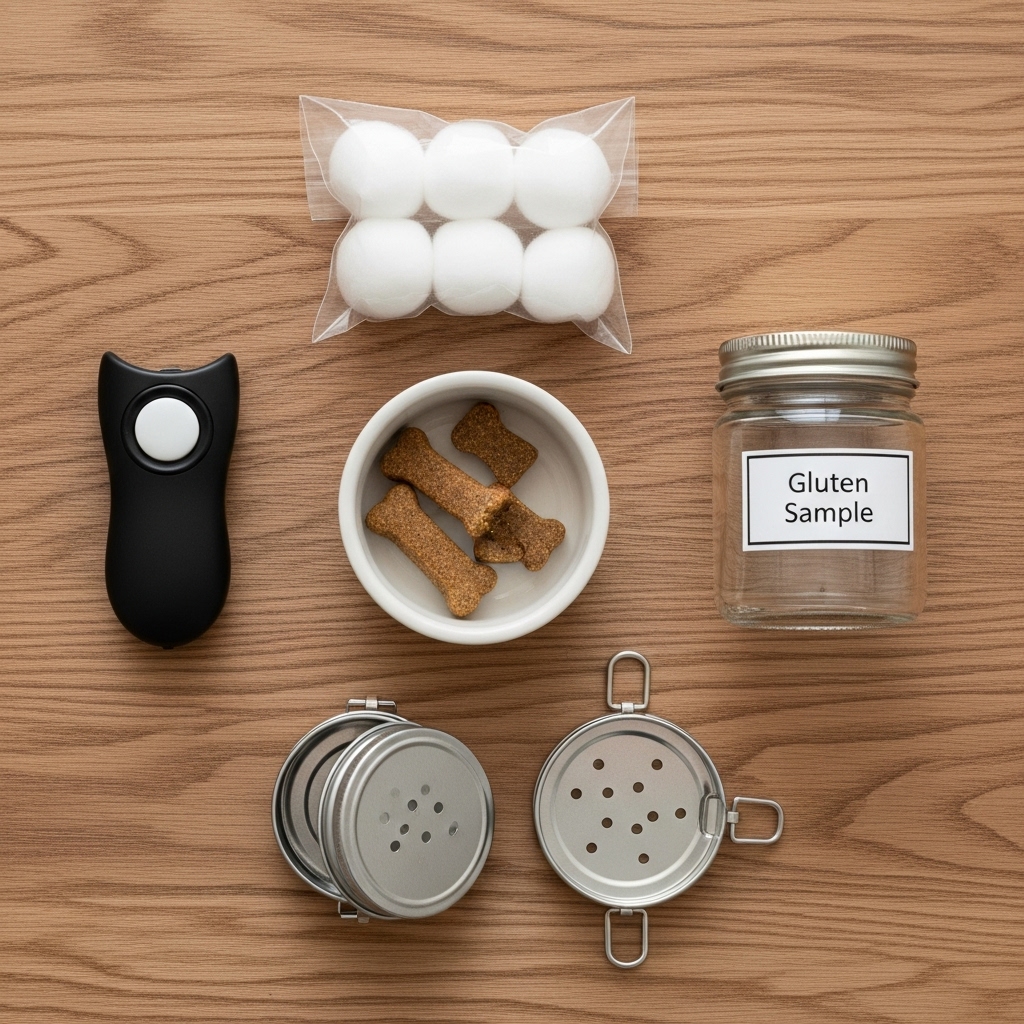
Alright, you’ve got your canine candidate ready to go! Now it’s time to assemble your training toolkit. Having everything prepared before you start will make your sessions smoother and more effective. You don’t need a lot of expensive, high-tech gear; most of these items are simple and easy to find. Think of this as setting up your classroom for success.
Essential Supplies:
- Gluten Scent Source: This is your target odor. You need a pure, potent source. Pure wheat flour, vital wheat gluten, or even bread crumbs work well. Crucially, this must be stored in a sealed, airtight container, completely separate from your food, to avoid any cross-contamination in your home.
- Scent Vessels: You need something to hold the scent for your dog to find. Small metal tins with holes in the lid (like an empty lip balm tin with holes punched in it) or small, clean glass jars are perfect. You’ll also need ‘blank’ vessels that have never touched gluten to teach your dog to ignore non-target scents.
- Cotton Balls or Swabs: These are used inside the scent vessel to hold the gluten source, preventing your dog from accidentally ingesting it.
- High-Value Rewards: This is your dog’s paycheck! These aren’t your everyday kibble. Think small, delicious morsels that your dog goes absolutely wild for, like tiny pieces of cooked chicken, cheese, or special training treats. The reward must be more exciting than anything else in the environment.
- A Clicker (Optional but Recommended): A clicker is a fantastic tool for marking the exact moment your dog performs the correct behavior (like sniffing the gluten tin). The ‘click’ is a clear, consistent signal that means ‘Yes! A treat is coming!’
- A Leash and Harness: For working in new environments and keeping your dog safe and focused.
Safety First: The most critical part of this setup is preventing accidental gluten exposure for you. Handle the gluten source with dedicated utensils and gloves, and wash your hands thoroughly afterward. Your health comes first, always.
The Step-by-Step Training Process: From Sniff to Signal
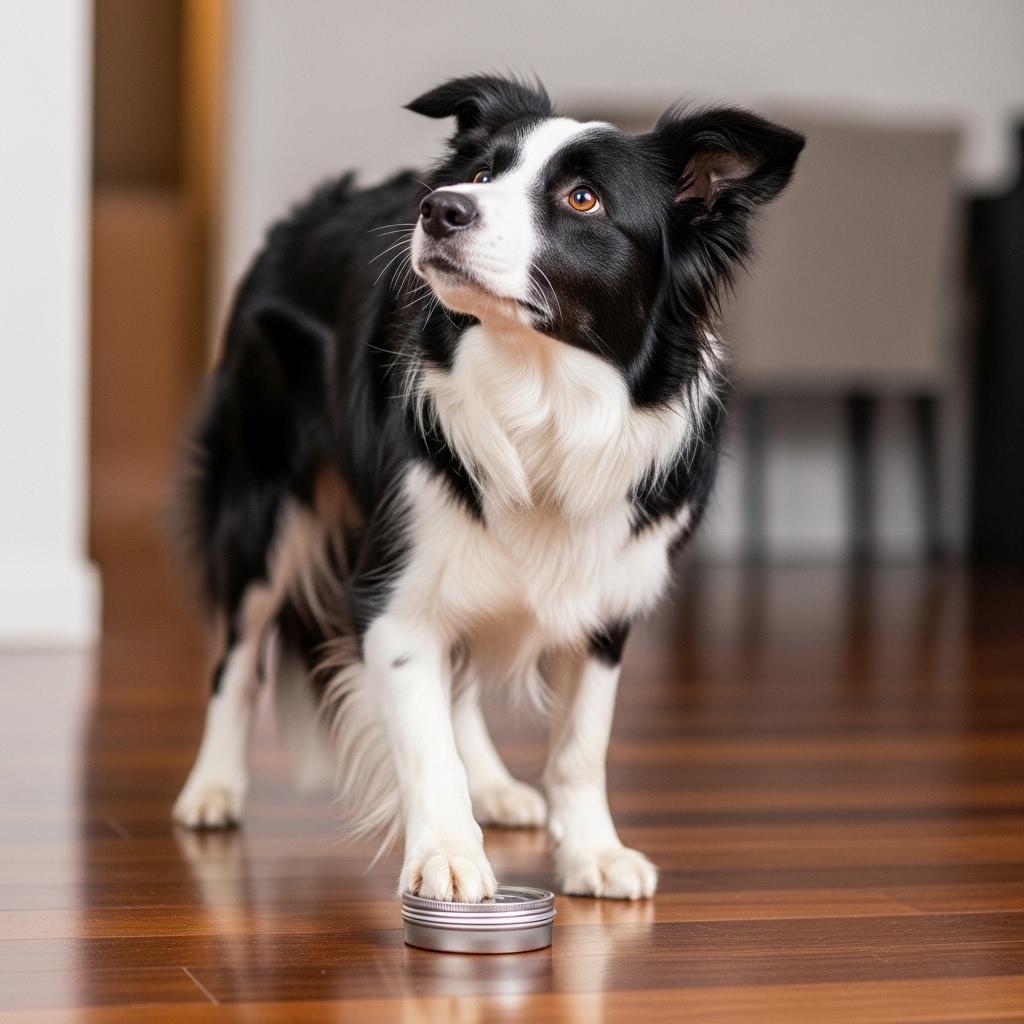
This is where the magic happens! Remember, training should always be fun, positive, and done in short, engaging sessions (5-10 minutes is perfect). Patience is your best friend. Your dog is learning a new language, so be a kind and understanding teacher.
Step 1: Charging the Scent
The first goal is simple: teach your dog that the smell of gluten is the best smell in the world because it predicts a fantastic reward. Start in a quiet room with no distractions. Hold the open gluten tin in one hand and your clicker and treats in the other. The moment your dog’s nose moves toward or touches the tin, click and immediately give them a treat. Repeat this many times. You’re building a powerful positive association: Gluten Scent = Click = Delicious Treat.
Step 2: The Scent Lineup
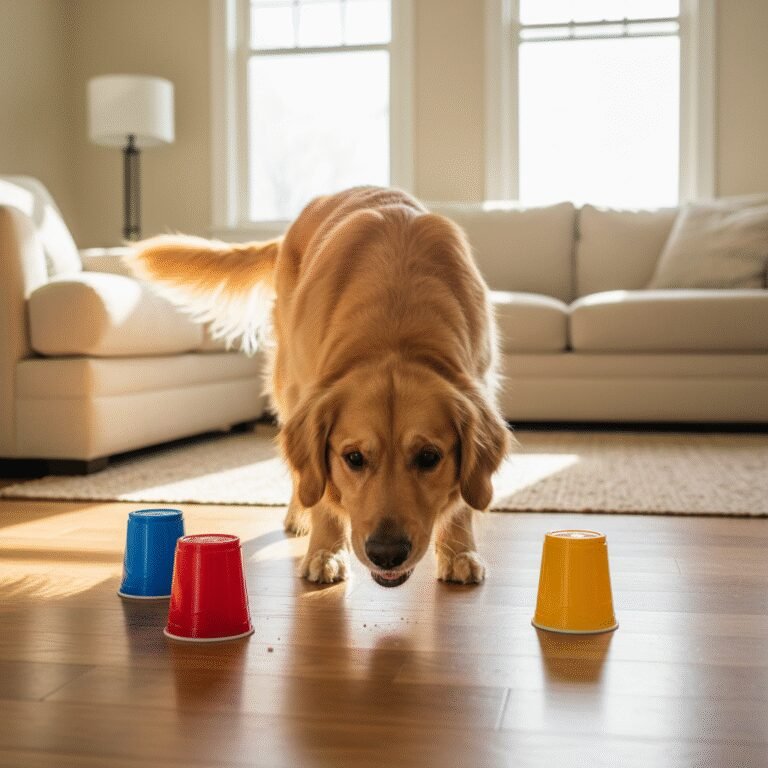
Once your dog is eagerly booping the gluten tin, it’s time to see if they can pick it out. Place two or three scent vessels in a line on the floor—one with gluten and the others empty and clean. When your dog investigates and sniffs the correct gluten tin, click and reward them with a jackpot of treats! If they sniff a blank tin, simply say nothing and wait. This teaches them that only the gluten scent pays out.
Step 3: Teaching an Alert Signal
You need a clear, obvious signal from your dog when they find gluten. A paw touch or a ‘sit’ are common, reliable alerts. Once your dog is consistently finding the right tin in the lineup, start waiting to click. Wait for them to offer a behavior. If they paw at the tin, click and reward! If they sit, click and reward! You are now shaping the alert. Consistently reward only that specific action (the paw or the sit) when they are at the source of the scent. This becomes their way of saying, “Hey, I found it!”
Step 4: Playing ‘Find It’ Games
Now, make it a game! Start hiding the gluten tin in easy spots around the room while your dog waits. Then, release them with a fun cue like “Find it!”. Act excited when they search. When they find the tin and give you their alert signal, throw a party! Lots of praise, clicks, and treats. Gradually make the hiding spots more difficult—under a pillow, next to a chair leg, etc. This builds their confidence and search drive.
Step 5: Proofing and Generalization
This is the final and most advanced stage. Your dog needs to learn to perform this skill anywhere, not just in your quiet living room. Start practicing in your backyard, then a quiet park, and eventually, in more distracting (but safe and controlled) environments. You will also need to ‘proof’ the behavior by placing the gluten scent next to other food items that do not contain gluten, teaching your dog to signal only for the target scent. This is a critical step for real-world accuracy.
Troubleshooting Common Training Hurdles
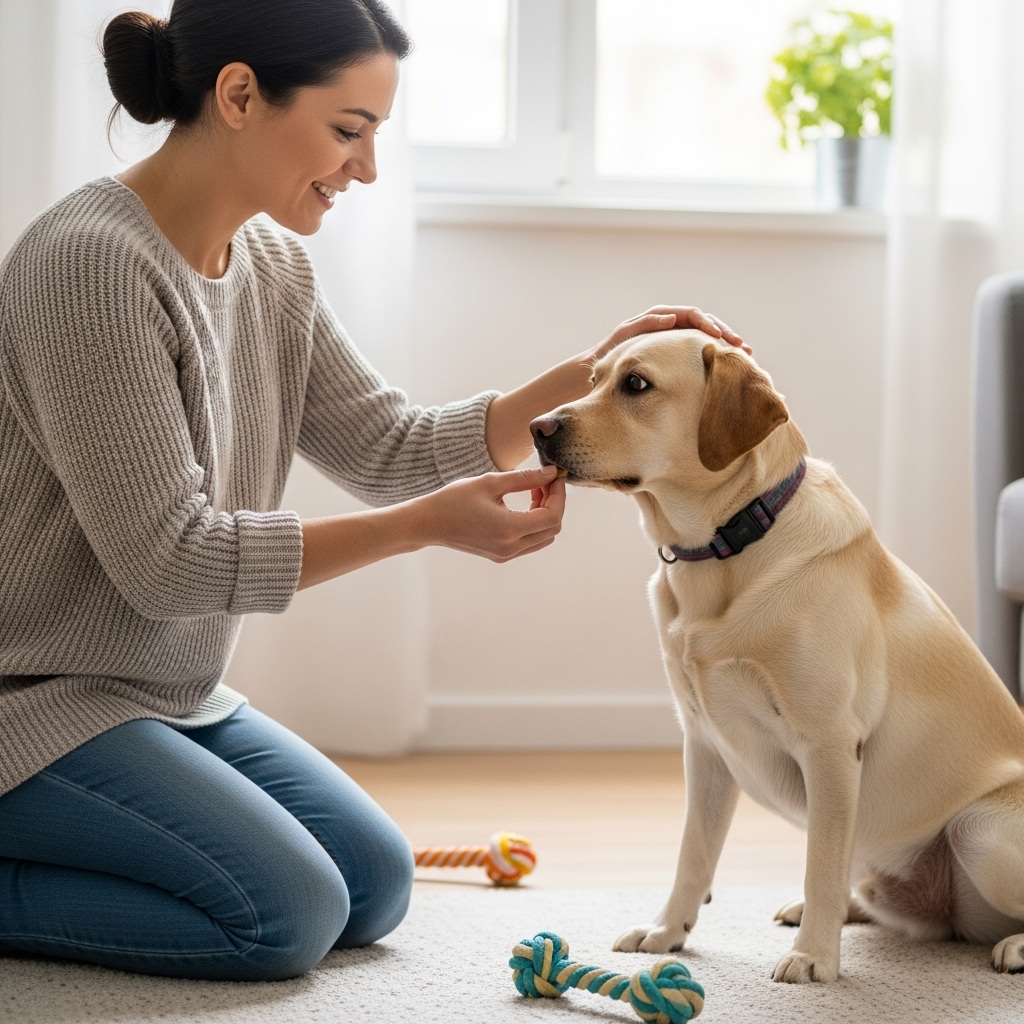
Even with the best dog and the best plan, you’ll likely hit a few bumps in the road. That’s completely normal! Dog training is never a straight line. Here are some common challenges and how to navigate them with a positive attitude.
- My dog isn’t interested in the scent. Your reward might not be ‘high-value’ enough! Try a different, more exciting treat. Also, make sure your training sessions are short and upbeat. If your dog seems bored, end the session on a positive note and try again later.
- My dog keeps giving ‘false alerts’ on empty tins. This often means you’ve moved ahead too quickly. Go back a step to the simple scent lineup. Make the difference between the ‘hot’ tin and the ‘cold’ tins very clear. Give a massive reward for the correct choice and absolutely nothing for the wrong one. Don’t punish or say “no”; just ignore the incorrect choice.
- My dog is distracted by everything else. Your training environment is too challenging for their current level. Go back to a quieter, more boring location where the gluten scent is the most interesting thing around. Gradually re-introduce distractions as your dog’s focus improves.
- The training sessions feel like a chore. If you’re not having fun, your dog isn’t either! Put on some music, use an excited voice, and celebrate every small success. If you get frustrated, it’s always better to end the session and take a break. Your relationship with your dog is the most important thing.
A Gentle Reminder: This DIY guide is a starting point. A fully trained, public-access-ready service dog requires thousands of hours of training, not just in scent detection but also in obedience and public manners. For life-threatening allergies, consulting with a professional service dog trainer is always the safest route.
Conclusion
Embarking on the journey to train a gluten detection dog is an incredible act of love and partnership. It’s a process that builds immense trust, communication, and a bond that goes beyond typical pet ownership. By following these steps with patience, positivity, and consistency, you can empower your dog with a skill that provides an invaluable layer of safety and confidence in your daily life. Remember to celebrate the small victories and cherish the process. You’re not just training a dog; you’re building a teammate who can help you navigate the world more freely and with less fear. What an amazing gift to give each other!