Is Your Dog A Bully? 7 Signs It’s Time To Leave The Dog Park
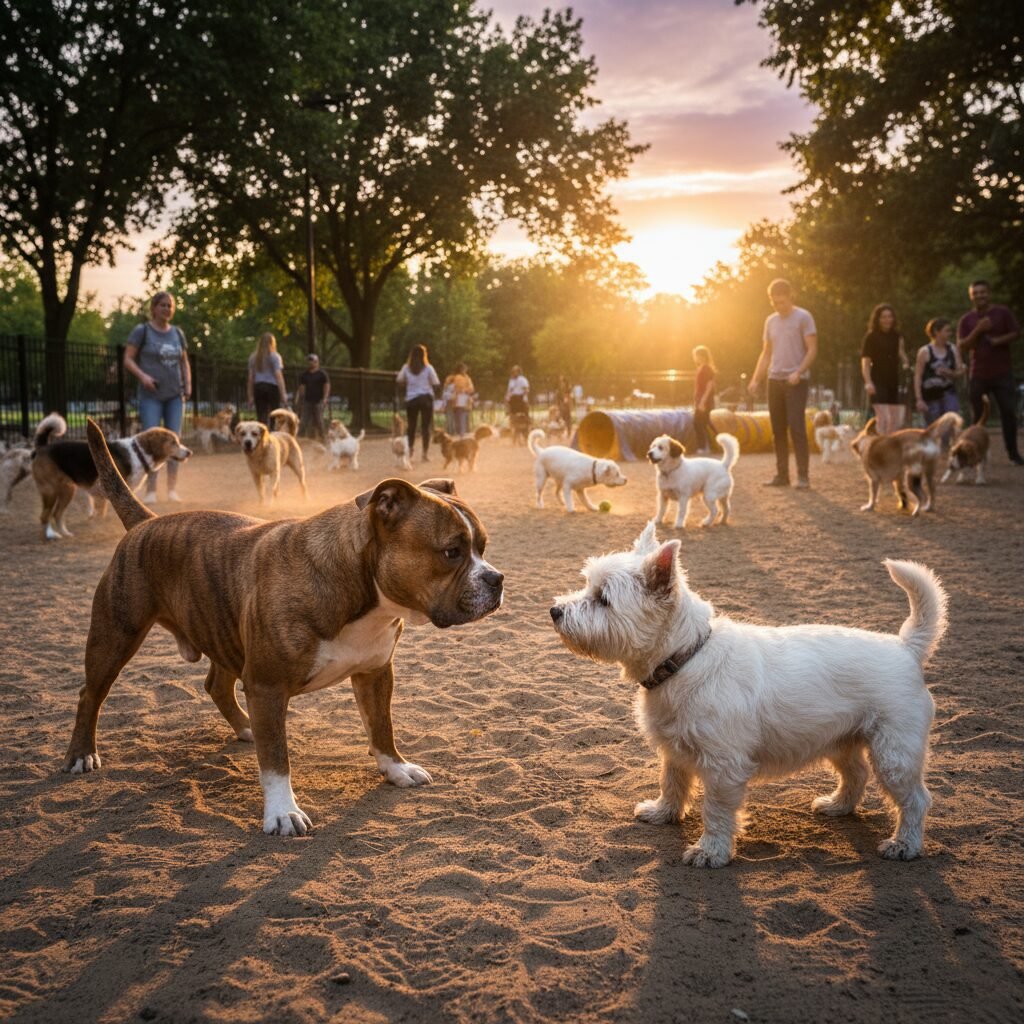
The dog park. It can be a slice of canine paradise—a place for our furry friends to romp, run, and socialize to their heart’s content. We love seeing them happy, but sometimes a nagging question pops into our heads as we watch the chaos: Is my dog playing, or are they being a bully? It’s a tough question, and the line between rambunctious fun and true bullying can be blurry.
Healthy play is all about give-and-take. It’s bouncy, loose, and involves role reversals—the chaser becomes the chased, the wrestler ends up on the bottom. Bullying, on the other hand, is one-sided. It’s about intimidation and control, and it can quickly escalate into a dangerous situation. Recognizing the signs isn’t about shaming your dog (or you!), it’s about being a responsible pet parent who ensures a safe environment for every pup. Ready to become a dog park detective? Here are seven key signs that it might be time to grab the leash and head home.
Sign 1: They’re a ‘Fun Police’ Officer
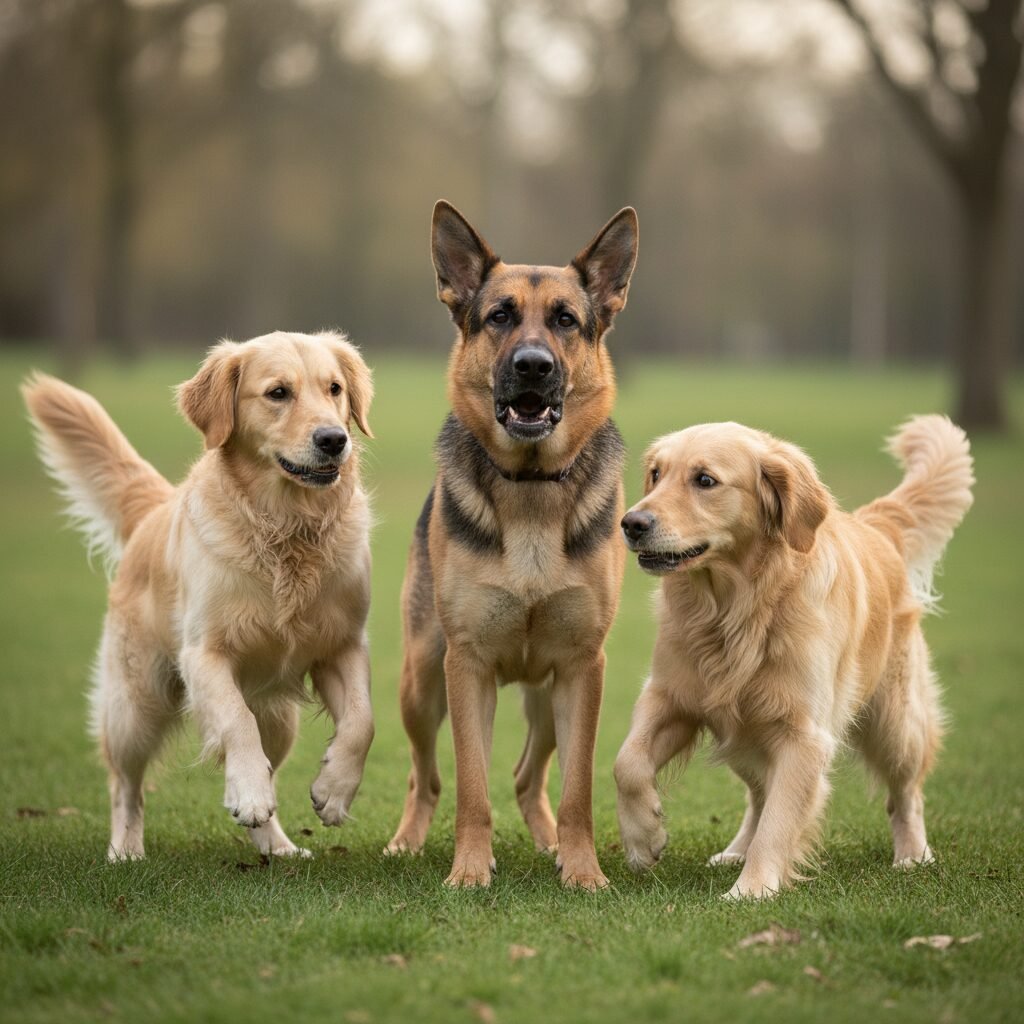
Does your dog seem to monitor all the other dogs’ activities? The ‘Fun Police’ is a dog that rushes in to break up play between other dogs. They might body-slam a pair of wrestling pups, bark incessantly at dogs playing chase, or shove themselves between a dog and its owner. This isn’t about joining the fun; it’s about controlling it.
This behavior often stems from anxiety or a misplaced herding instinct. The dog feels the need to manage the energy of the park, but their methods are rude and disruptive. They create tension instead of harmony, and their interruptions can easily cause a happy wrestling match to turn into a real scuffle.
Keep an eye out for a dog that seems more interested in stopping play than participating in it. Healthy play is inclusive; policing is exclusive.
Sign 2: They Completely Ignore ‘Go Away’ Signals
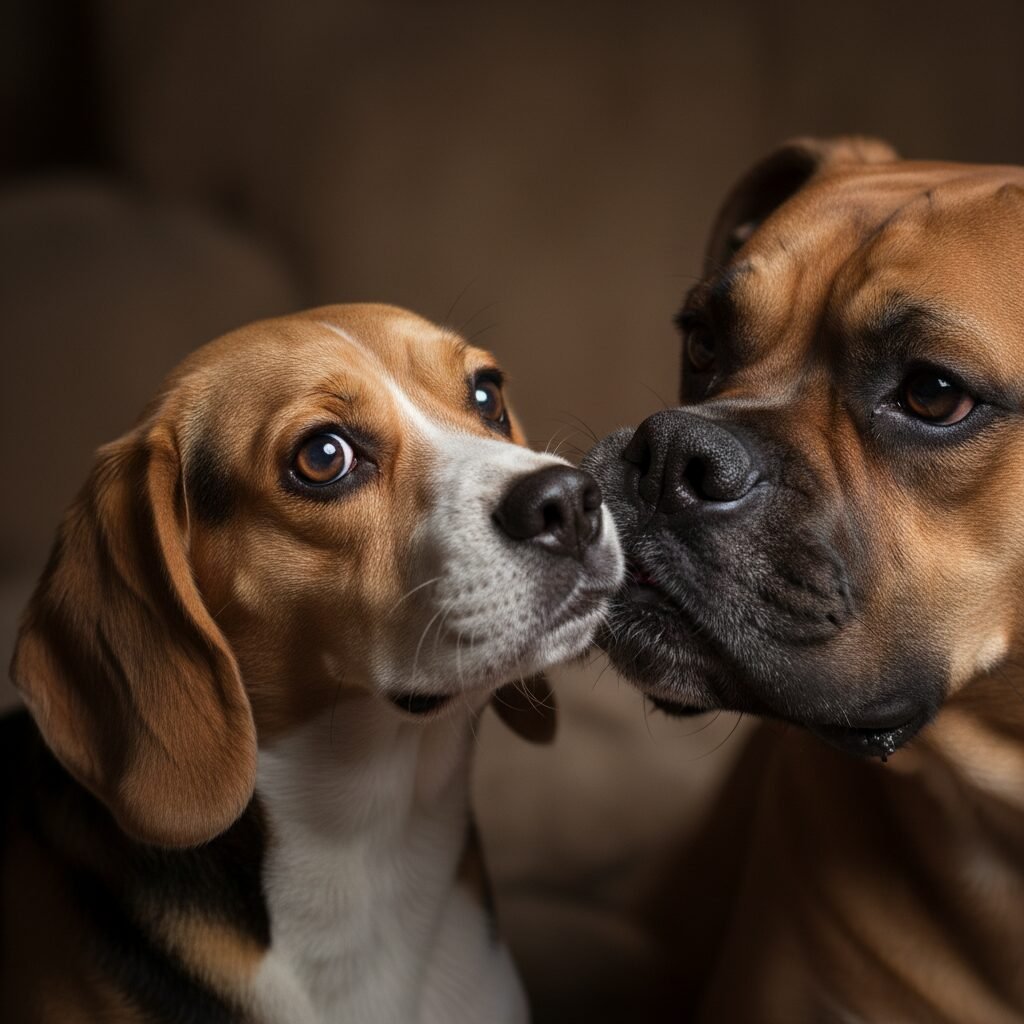
Dogs have a rich, subtle language they use to communicate. When a dog feels uncomfortable, they’ll offer ‘calming signals’ to de-escalate a situation. These can include:
- Whale Eye: Showing the whites of their eyes.
- Lip Licking: Flicking their tongue out when not thirsty or hungry.
- Turning Away: Averting their head or entire body.
- Tucked Tail: A clear sign of fear or submission.
A well-socialized dog will see these signals, understand the other dog is saying, ‘I need some space,’ and back off. A bully, however, plows right through these requests. They don’t listen when another dog yelps, they ignore the submissive belly-up pose, and they continue to pester, poke, and provoke a dog that is clearly saying, ‘No, thank you.’ This inability to read social cues is a massive red flag.
Sign 3: Pinning and Standing Over Other Dogs
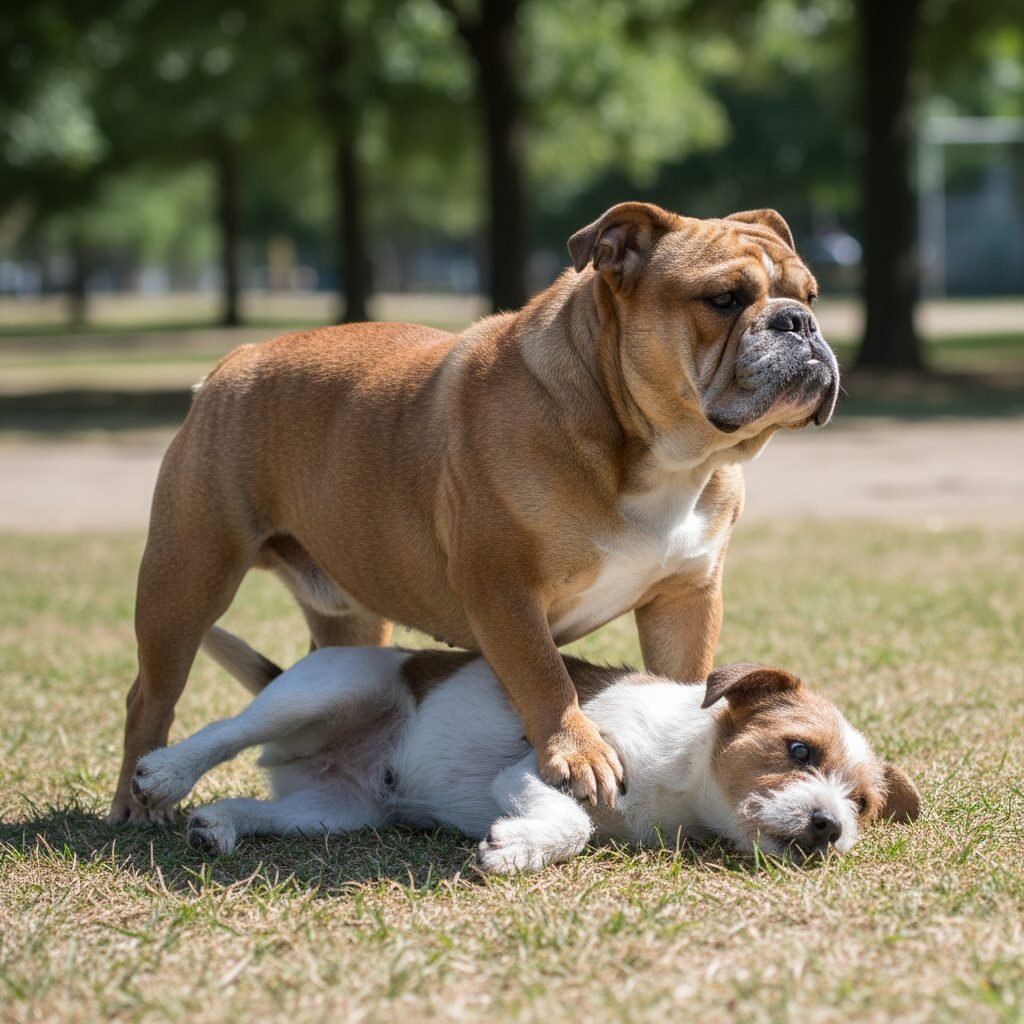
You’ll often see this during wrestling. One dog will pin the other to the ground. In polite play, this is brief, and roles will soon reverse. When it becomes bullying, the top dog will hold the other dog down for an uncomfortably long time, often with a stiff, intimidating posture. They might stand over the other dog, refusing to let them up even when the pinned dog is showing clear signs of distress, like yelping or struggling frantically.
This ‘standing over’ behavior, also known as ‘looming,’ is a classic power move. It’s the dog equivalent of a person standing over your desk with their arms crossed, staring you down. It’s not playful; it’s a form of intimidation designed to assert dominance and control.
Sign 4: The Chase is Relentless and One-Sided
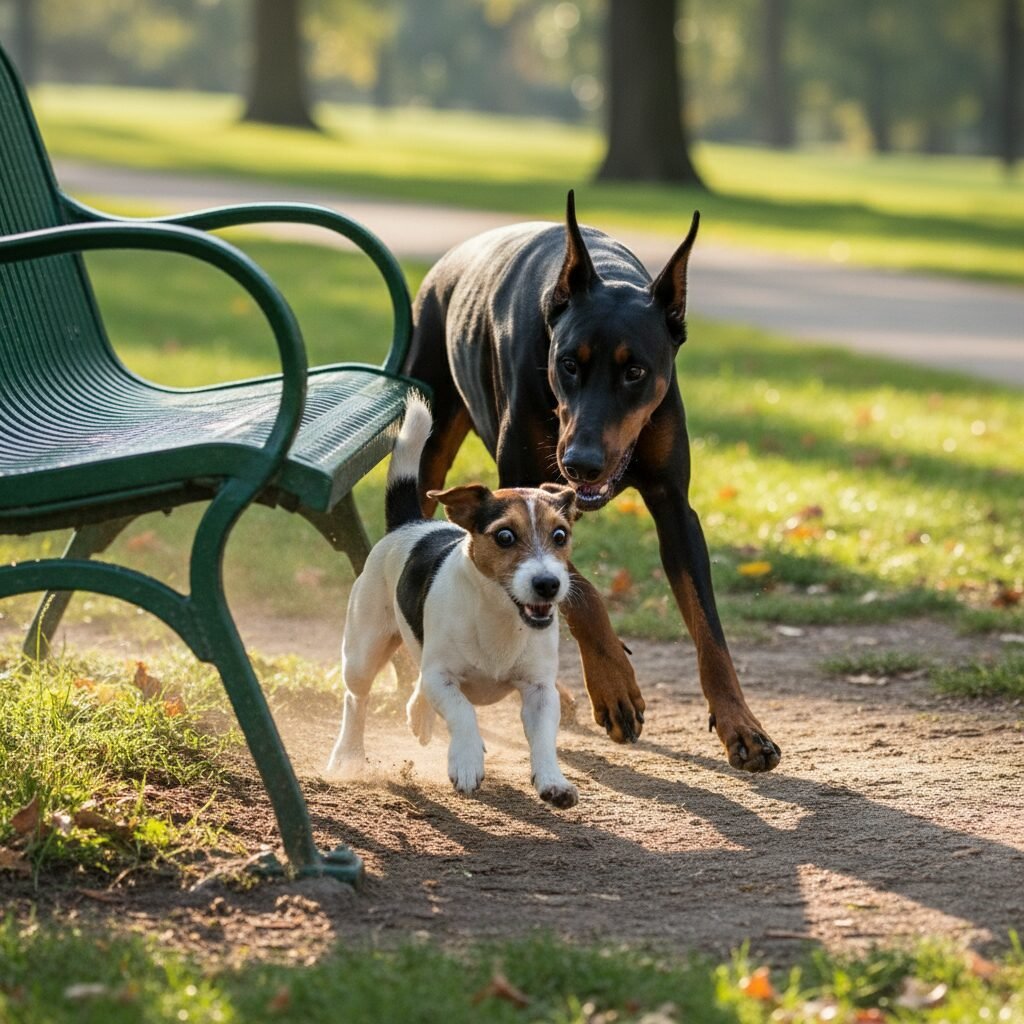
A game of chase should be a two-way street. One dog chases, then the other dog chases. There are breaks, happy barks, and wiggly bodies. A bullying chase is different. It’s a relentless pursuit. The bully fixates on one dog, often a smaller or more timid one, and chases them without pause. The dog being chased will look scared—tail tucked, running for its life, trying to hide behind its owner or under a bench. The bully isn’t playing a game; they’re hunting. This can be incredibly stressful and dangerous for the targeted dog.
Sign 5: They Resource Guard… Everything
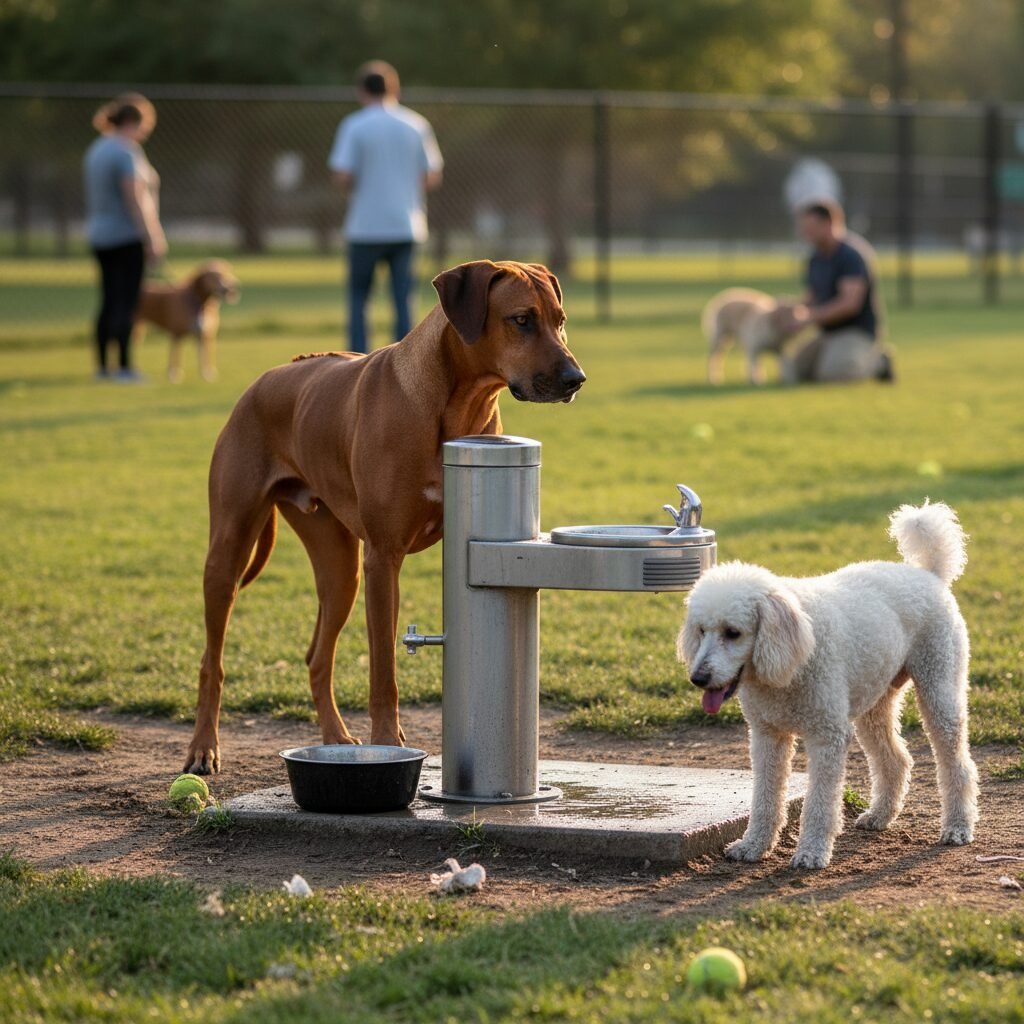
Resource guarding is when a dog acts aggressively to keep control of something they value. At home, that might be a food bowl or a favorite toy. At the dog park, a bully might decide to guard things that aren’t even theirs. They might hover over the communal water bowl, giving a hard stare or low growl to any dog that approaches. They might ‘claim’ a specific bench, the entrance gate, or even their owner, blocking other dogs from getting near. This behavior creates a minefield for other dogs, who can’t predict what might trigger a defensive and aggressive reaction.
Sign 6: Inappropriate and Excessive Humping
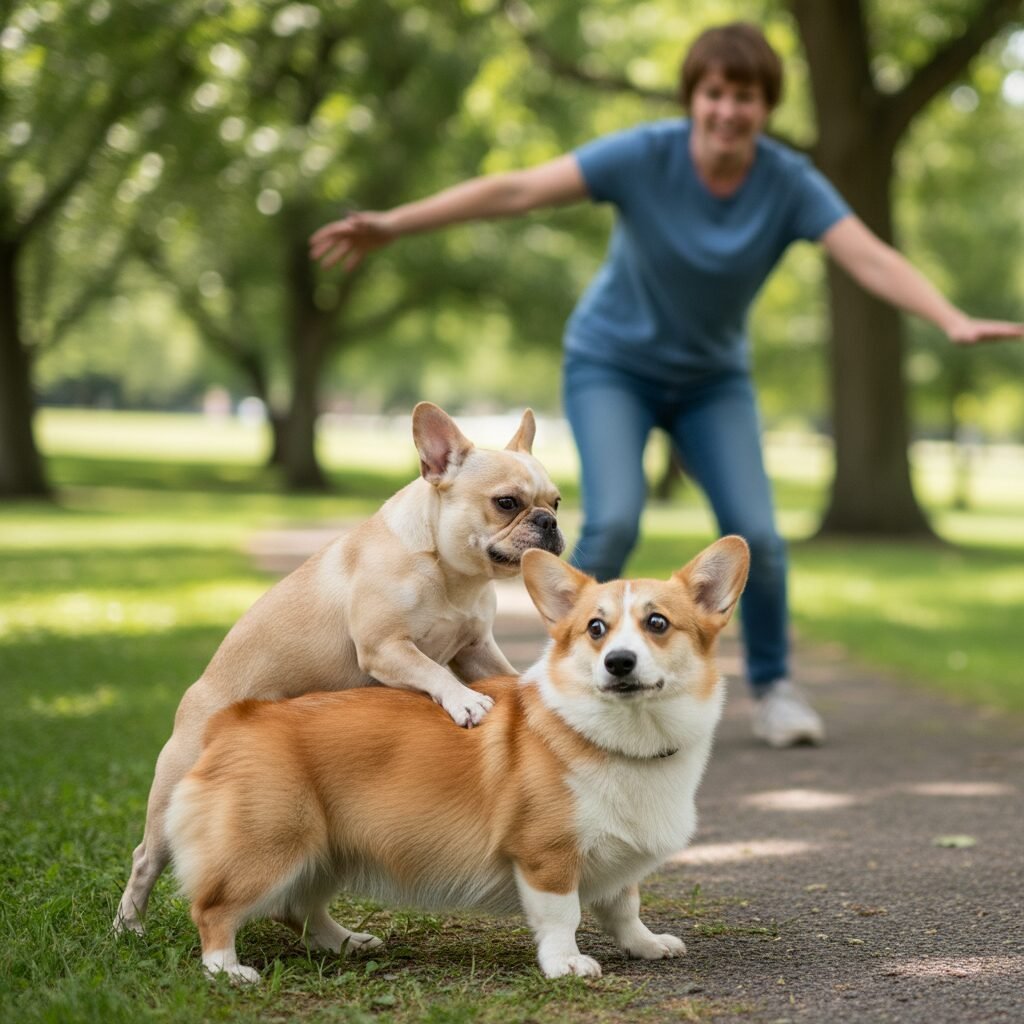
Let’s be real, this one makes everyone uncomfortable. While humping can sometimes be a sign of overexcitement or even play, in a bullying context, it’s about dominance and control. A bully will repeatedly try to mount other dogs, particularly those who are trying to get away. They don’t stop when the other dog growls, snaps, or yelps. It’s not a mutual, silly activity; it’s a non-consensual act of intimidation that can easily spark a fight when the targeted dog finally has enough.
Sign 7: They’re the ‘Tornado’ in the Room
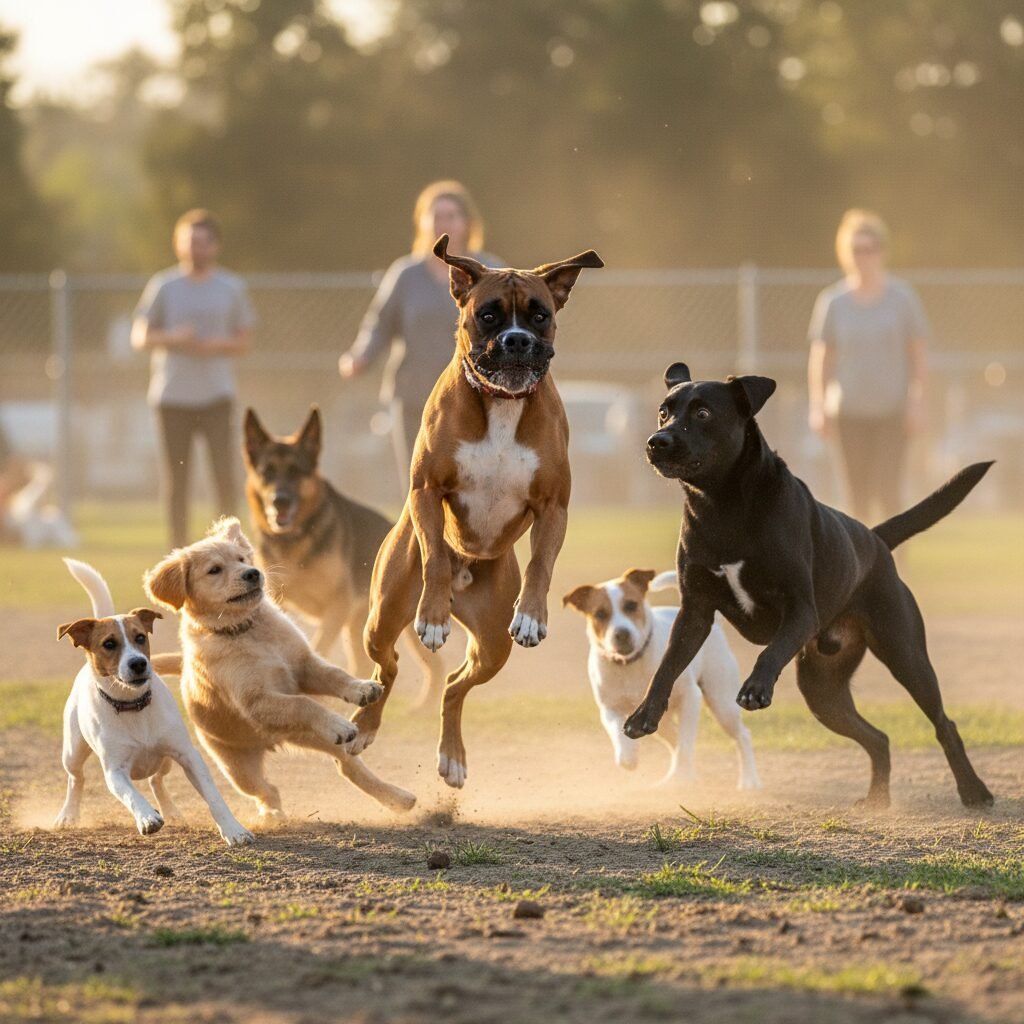
Sometimes, a dog isn’t targeting one specific pup but is simply too much for the entire park. This is the ‘Tornado’ dog. They have zero chill. They barrel into delicate or small dogs, crash into groups of dogs that were playing nicely, and generally escalate the energy level to a frantic, chaotic state. They can’t read the room’s energy and don’t know how to adjust their play style. While their intentions might not be malicious, their lack of self-control and awareness makes them a liability. Their chaotic energy is often the spark that ignites a park-wide conflict.
Okay, I See the Signs. Now What?
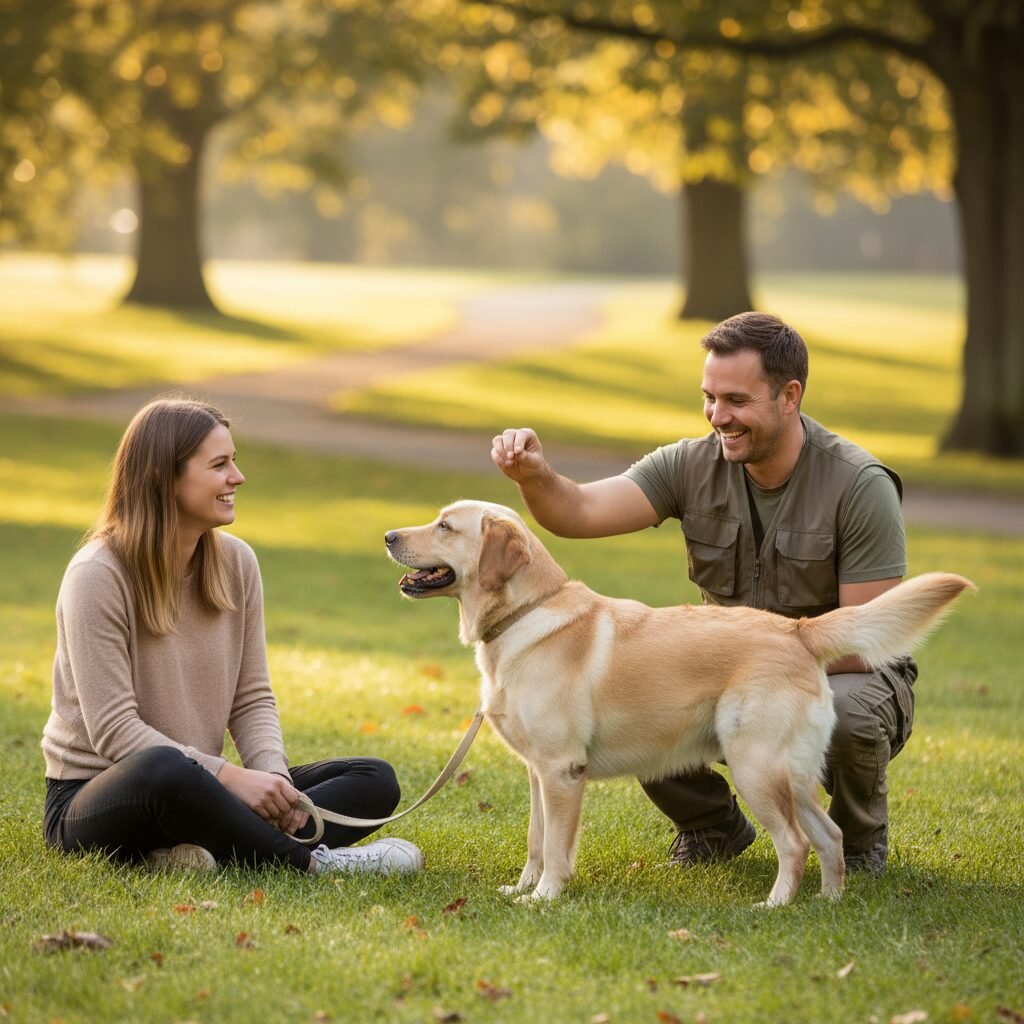
Realizing your dog might be the bully can be disheartening, but it’s the first step toward positive change. It doesn’t mean your dog is ‘bad’—it means they’re struggling with self-control and social skills in a highly stimulating environment. Here’s your game plan:
- Leave Immediately: The moment you see bullying behavior, calmly leash your dog and leave. Don’t wait for it to escalate. You are your dog’s advocate, and that means removing them from situations they can’t handle.
- Practice ‘Super-Recall’: Work tirelessly on your dog’s recall command in low-distraction environments. A dog that won’t come back to you has no business being off-leash in a dog park.
- Arrange Structured Playdates: The dog park might be too overwhelming. Find one or two dogs with compatible play styles and arrange one-on-one playdates in a fenced yard. This allows for positive social interaction in a controlled setting.
- Consult a Professional: Don’t be afraid to seek help. A certified professional dog trainer or veterinary behaviorist can give you the tools and strategies to manage your dog’s behavior and build their social confidence the right way.
Conclusion
Being the owner of a dog park bully isn’t a life sentence. It’s an opportunity to understand your dog’s needs better. For some dogs, the high-stakes, unpredictable environment of a dog park is simply too much. By recognizing these seven signs, you’re not just preventing a potential fight; you’re advocating for your dog’s well-being. Swapping the dog park for structured playdates, training sessions, or long hikes might be the best decision you ever make for your four-legged friend, strengthening your bond and ensuring every interaction they have is a positive one.