The Emergency ‘Stop’ Command That Could Save Your Dog’s Life
Imagine this heart-stopping moment: your dog slips their leash and joyfully bolts towards a busy street. You scream their name, but the allure of a squirrel or another dog is just too strong. It’s a nightmare scenario for any dog owner. While a good recall is essential, there’s another, less common command that can act as an instant emergency brake: the ‘Emergency Stop’.
This isn’t your average ‘stay’ or ‘wait’. The emergency stop, or ‘freeze’ command, is a lightning-fast cue that tells your dog to cease all forward motion and plant their paws, no matter what they are doing or where they are going. It’s a powerful safety tool that builds on trust and clear communication. In this guide, we’ll walk you through exactly why this command is so critical and how to teach it using positive, fun, and effective methods. Let’s build a safer world for your best friend, one command at a time.
Why the ‘Emergency Stop’ is a Non-Negotiable Safety Skill
You might be thinking, ‘I’ve already taught my dog to ‘stay,’ isn’t that good enough?’ While ‘stay’ is a fantastic command for impulse control, the emergency stop serves a different, more urgent purpose. Let’s break it down:
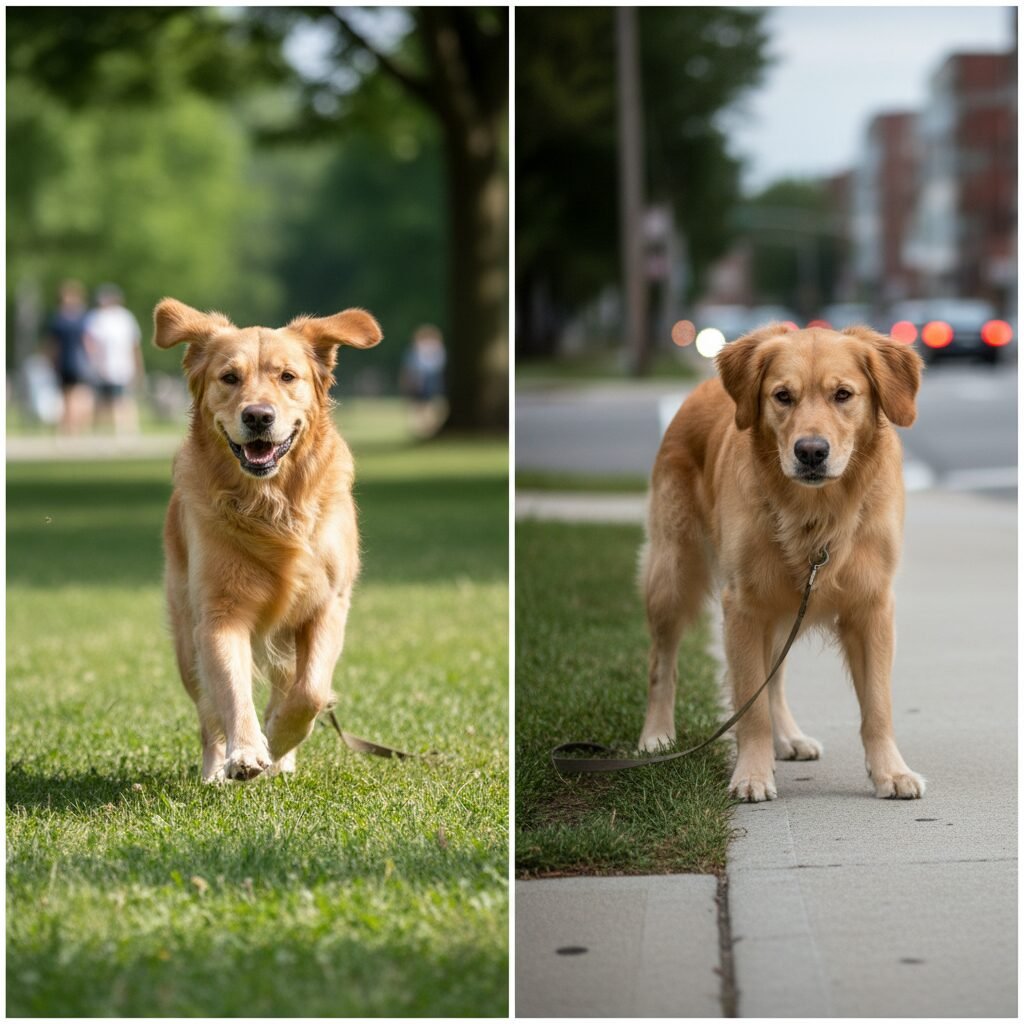
- ‘Stay’ is about position: When you tell a dog to ‘stay,’ you’re asking them to hold a specific position (sit, down, or stand) until you release them.
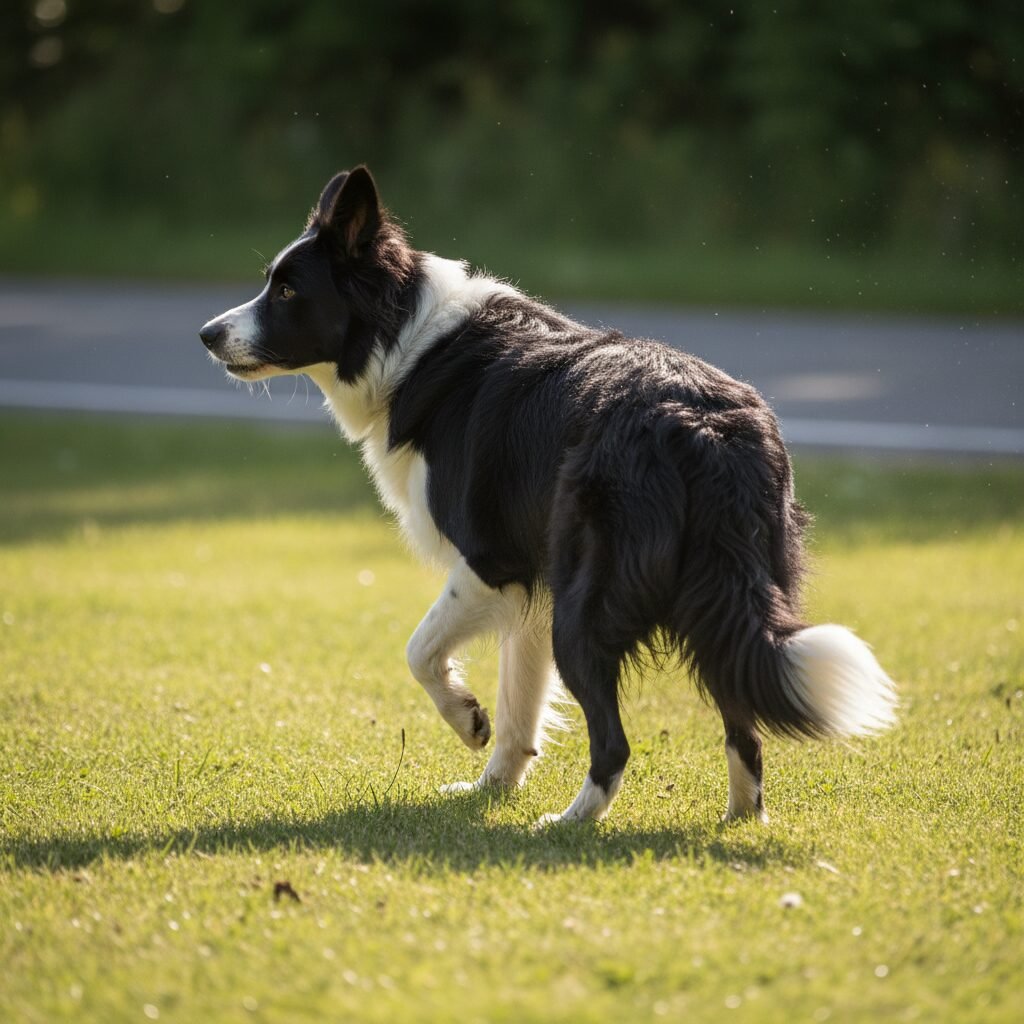
- The ‘Emergency Stop’ is about motion: This command is about instantly halting all forward movement. Your dog could be standing, crouching, or even mid-bound—the goal is simply to stop moving forward immediately.
This single command can be the difference between safety and tragedy in numerous real-world situations:
- Traffic: Preventing your dog from running into a road is the most obvious and vital use.
- Wildlife Encounters: Stopping your dog from chasing a porcupine, skunk, or potentially dangerous animal.
- Toxic Dangers: Freezing your dog before they can gobble up dropped food, antifreeze, or other harmful substances on the ground.
- Dog-to-Dog Interactions: Halting your dog’s approach to an unknown dog that may be fearful or aggressive, preventing a potential fight.
Expert Tip: The power of the emergency stop is its surprise factor and its unwavering positive association. It should only be used for training and true emergencies, never for mundane things like calling your dog for a bath!
Setting Up for Training Success: Tools and Treats
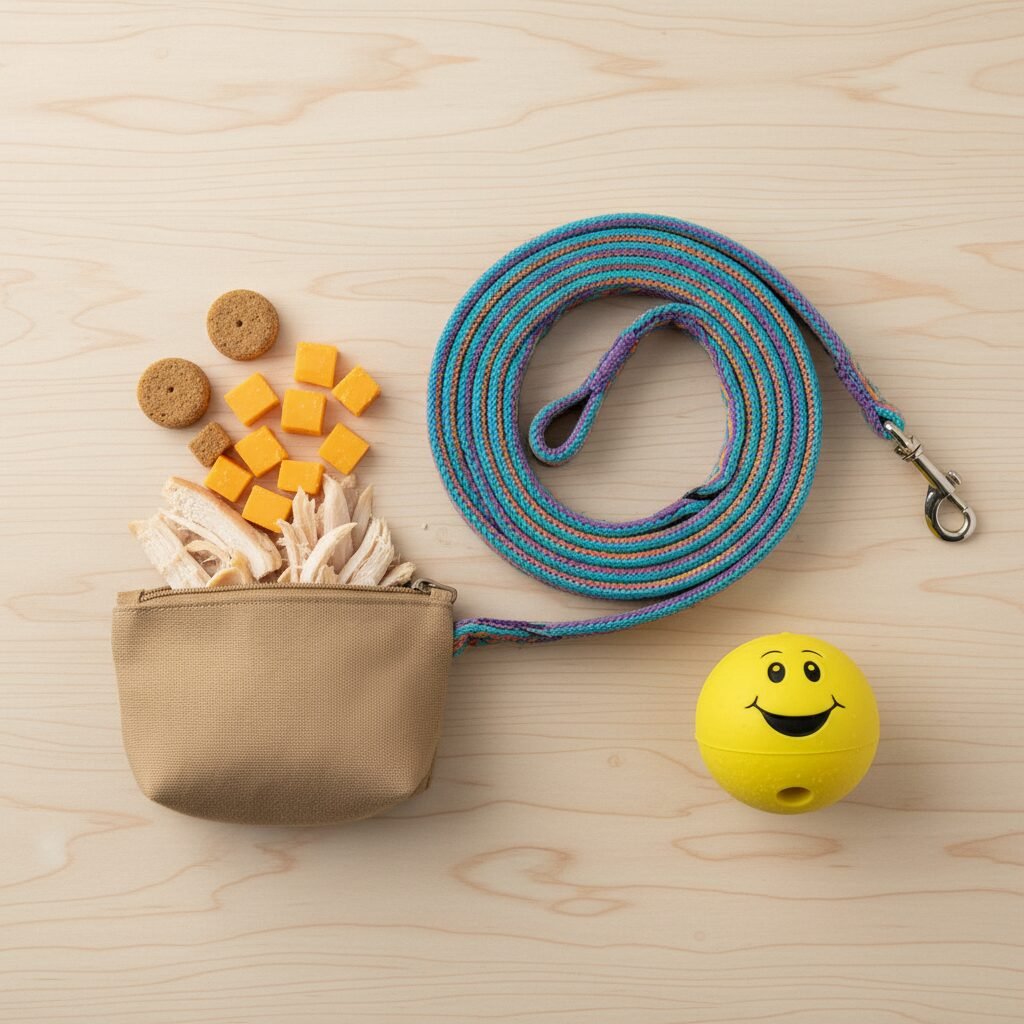
Before you start, let’s gather a few simple items to make your training sessions as effective and positive as possible. You don’t need a lot of fancy gear, but having the right tools makes all the difference.
What You’ll Need:
- High-Value Treats: We’re not talking about their everyday kibble. For this command, you need the good stuff! Think small, pea-sized pieces of cooked chicken, cheese, hot dogs, or special commercial treats your dog adores. The reward needs to be worth slamming on the brakes for.
- A Long Leash (15-30 feet): A long line gives your dog a sense of freedom while ensuring you maintain control and can gently guide them if they don’t respond at first. This is a crucial safety tool for practicing at a distance.
- A Quiet Training Space: Start in a low-distraction environment where your dog can focus, like your backyard or a quiet park during off-peak hours.
- An Upbeat Attitude: Your dog feeds off your energy! Keep training sessions short (5-10 minutes), fun, and always end on a positive note.
Remember, the goal is for your dog to think that hearing the ‘stop’ command is the best thing that could possibly happen because it means a jackpot of amazing treats is coming their way.
Teaching the ‘Freeze!’: A Step-by-Step Guide

Ready to get started? We’ll build this command in small, successful stages. Choose a unique, sharp-sounding cue word that you don’t use for anything else. Words like ‘Freeze!’, ‘Stop!’, ‘Halt!’, or ‘Hold!’ work well.
- Step 1: Introduce the Cue with a Lure. Start with your dog on a regular 6-foot leash in your quiet space. Toss a low-value treat (like a piece of kibble) just out of their reach. As they move toward it, say your cue (‘Freeze!’) in a happy, clear voice and simultaneously use the leash to gently prevent them from moving forward. The very instant they stop, praise them enthusiastically (‘Yes! Good freeze!’) and give them a super high-value treat directly from your hand.
- Step 2: Fade the Leash Pressure. Repeat Step 1 multiple times. As your dog begins to anticipate stopping on the verbal cue, start using less and less leash pressure. Your goal is for them to stop based on your voice alone, with the leash just being there for safety.
- Step 3: Increase the Distance. Now, switch to your long line. Let your dog walk or trot ahead of you. When they are 10-15 feet away, call out your ‘Freeze!’ command. If they stop, make a huge deal of it! Run up to them, shower them with praise, and deliver a jackpot of high-value treats. This ‘chase the dog to reward them’ game makes the stop extra exciting. If they don’t stop, give a gentle check on the long line to remind them, and then reward the moment they pause.
- Step 4: Add Motion and Play. Once your dog is reliably stopping from a walk, start practicing while they are in motion. Have them trot or jog alongside you, then give the cue. Practice during a game of fetch; cue them to ‘Freeze!’ as they run for the ball. Always reward big! This teaches them that the command applies even when they’re excited and moving fast.
Making It Bulletproof: Adding Distractions
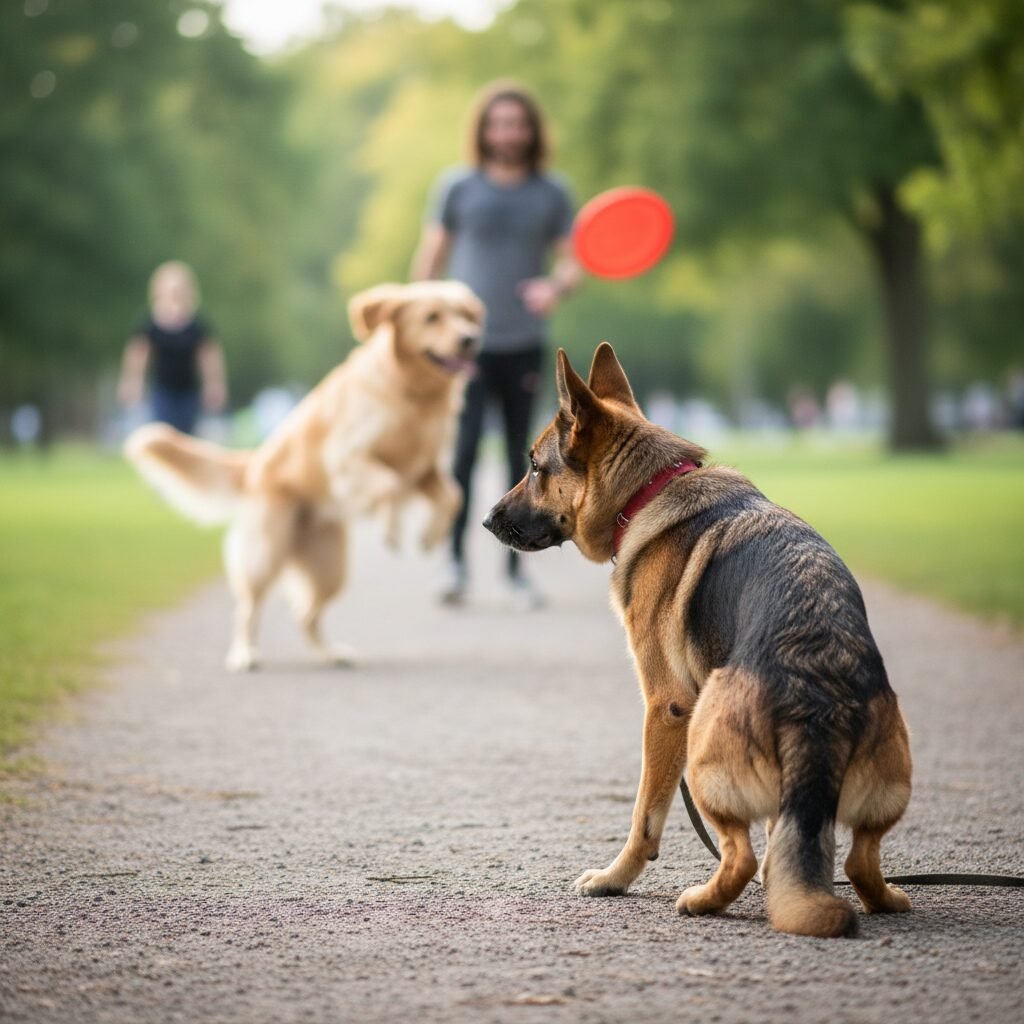
A command is only truly useful if it works in the real world, and the real world is full of distractions. The process of teaching a dog to perform a command despite distractions is called ‘proofing.’ The key is to introduce distractions gradually so your dog can still be successful.
How to Proof the Command:
- Start Small: Begin in your yard. Have a family member walk by calmly. Ask for the ‘Freeze!’ If your dog succeeds, reward them. If not, you’re too close to the distraction—increase the distance and try again.
- Increase the Challenge: Once they master simple distractions, up the ante. Try it while another person is playing with a ball in the distance, or while a calm dog is walking on the other side of the park. Always keep your dog on the long line for safety during this phase.
- Vary the Environment: Practice in different locations: a new park, a quiet sidewalk, a field. New sights and smells are distractions, too!
- The Golden Rule: Set your dog up for success. Don’t ask for a ‘Freeze!’ when a squirrel is two feet away if you haven’t built up to that level of difficulty. Gradually closing the distance to distractions over many sessions is the key.
Important Takeaway: Proofing is a marathon, not a sprint. Every successful repetition in a distracting environment strengthens the command and makes it more reliable for a real emergency.
Conclusion
Teaching an emergency stop command is one of the most profound gifts of safety you can give your dog. It’s more than just a trick; it’s a lifeline, a testament to your bond, and a communication tool for the most critical of moments. It requires patience, consistency, and a whole lot of delicious treats, but the peace of mind it provides is priceless.
Remember to keep your training sessions fun and positive, and always celebrate the small victories. By investing this time now, you’re equipping your furry friend with a skill that could one day prevent a tragedy. You’re not just training a dog; you’re building a partnership based on trust and safety that will last a lifetime.