No More Scaredy Dog: Socializing Puppies to Beards, Hats, and Costumes
Welcome to puppy parenthood! It’s a world of fluffy cuddles, tiny paws, and… a sudden, startling fear of your favorite baseball cap? If you’ve ever put on a hat and watched your adorable pup morph into a barking, backing-away ball of anxiety, you know how real this is. To a puppy, a person they know and trust suddenly changing their shape or covering their face can be genuinely scary. Their world is new, and they’re hardwired to be cautious.
The good news is that we can teach them that these things aren’t monsters in disguise. This process is a key part of socialization—the critical period (usually from 3 to 16 weeks of age) where we introduce them to the world in a positive way. Getting them comfortable with beards, hats, and even silly costumes now prevents bigger fears and anxieties down the road. Let’s turn those scaredy-dog moments into fun training games and build a brave, confident companion for life!
Why Bother with Beards and Big Hats? Understanding Your Puppy’s Perspective
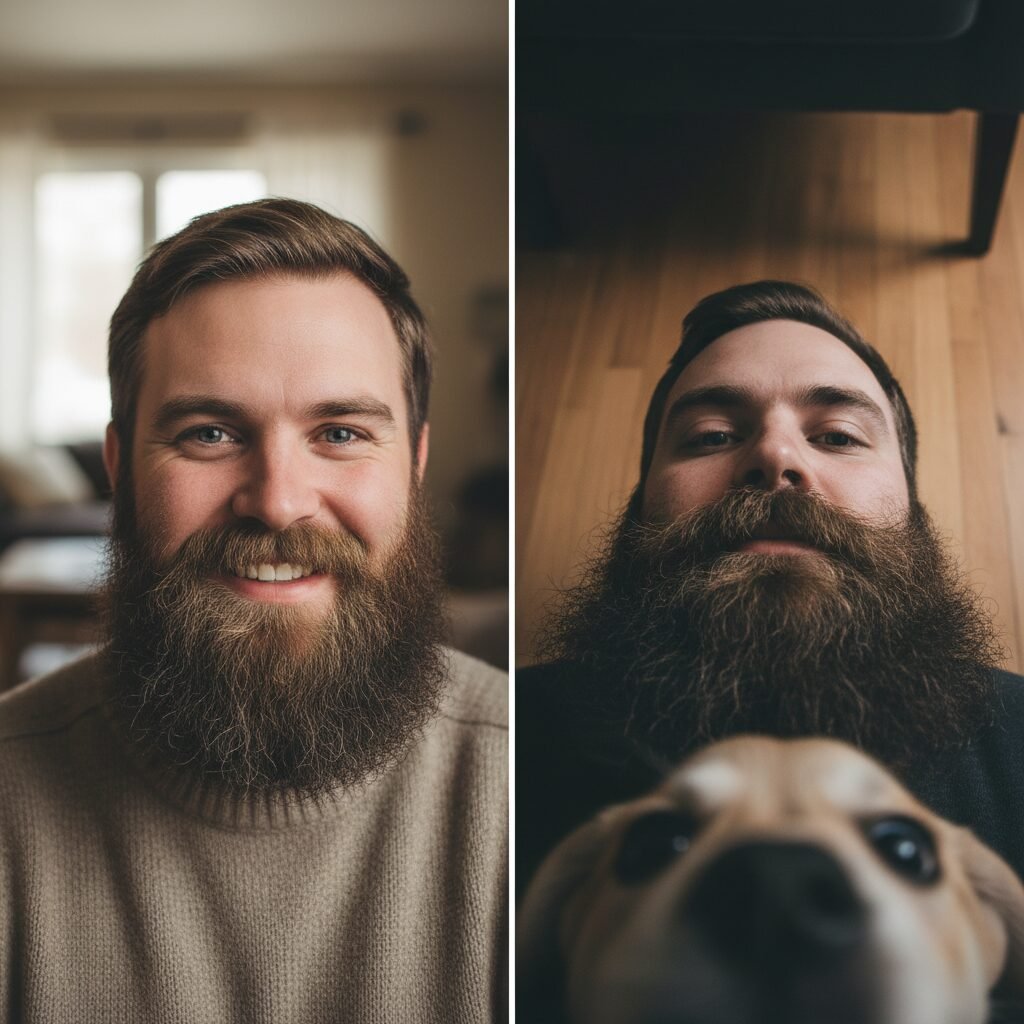
Before we jump into the ‘how,’ let’s get into our puppies’ heads for a minute. Dogs, especially young ones, are masters of observation, but their perception is different from ours. They rely heavily on recognizing familiar shapes and outlines. When you suddenly pop on a wide-brimmed hat, your entire silhouette changes. That familiar ‘human’ shape is now something different, something potentially threatening.
It’s the same with beards or costume masks. Dogs read a ton of social cues from our faces. When we cover our mouths and chins with a beard (real or fake!) or a mask, we obscure those signals. Is that person smiling? Are they friendly? Your puppy can’t tell, and their safety-first instinct kicks in. This isn’t your puppy being silly; it’s them being a smart, cautious canine.
By proactively and positively introducing these ‘scary’ items, we’re not just teaching them that a hat is just a hat. We’re teaching them a much bigger lesson: new things can be fun and rewarding, not frightening. This builds resilience that will help them navigate all sorts of novel situations throughout their life.
Your Fear-Fighting Toolkit: Gathering the Essentials
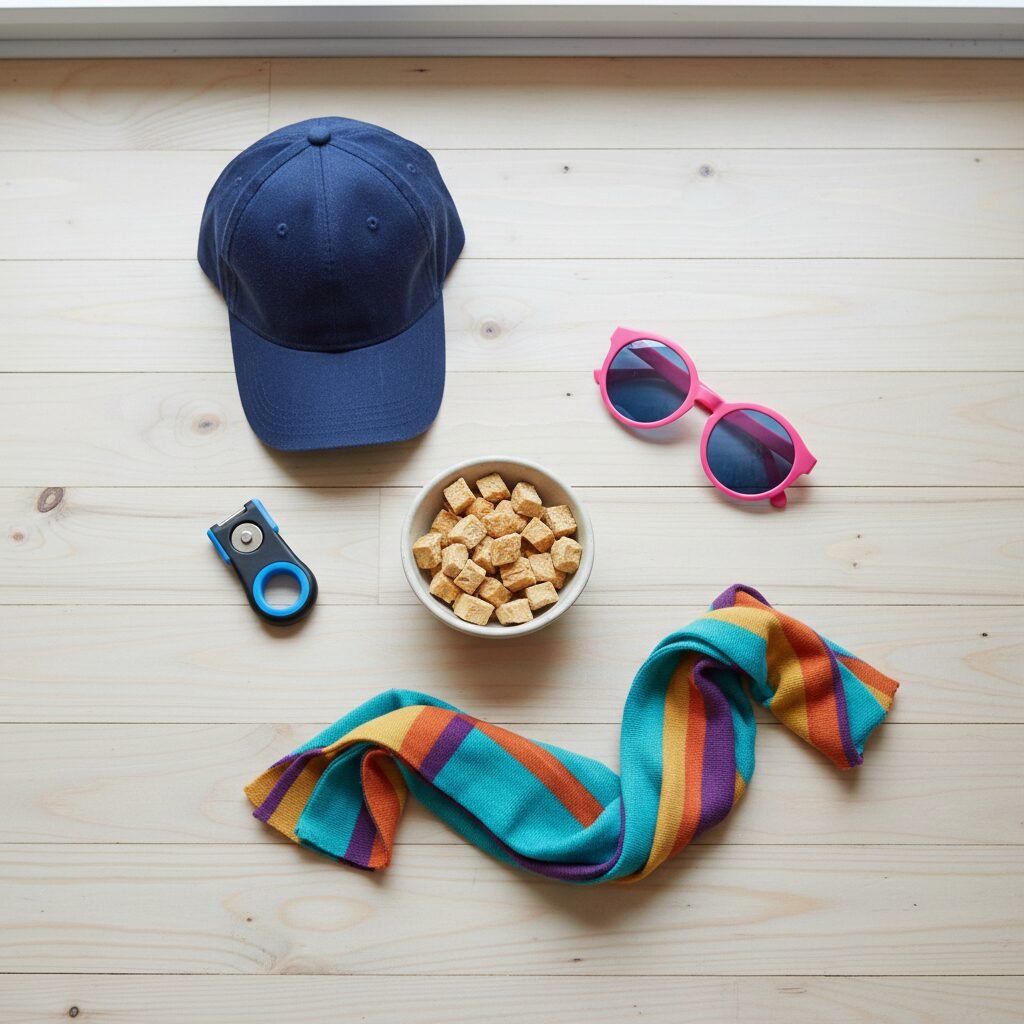
The best part about this kind of training is that you don’t need a lot of fancy equipment. The most important tool is your patience! But a few other things will make the process smooth and successful. Here’s what you should gather:
- High-Value Treats: We’re not talking about their everyday kibble. Think tiny pieces of cooked chicken, small cubes of cheese, or smelly, soft training treats. The goal is to make the reward so amazing that it outweighs any nervousness.
- The ‘Scary’ Items: Start simple! Don’t jump straight to a full Halloween costume. Choose one item at a time. Good starters include: a soft beanie or baseball cap, a funny pair of sunglasses, a fake mustache-on-a-stick, or a light, flowy scarf.
- A Clicker (Optional): If you use a clicker for other training, it’s a fantastic tool here. The ‘click’ marks the exact moment your puppy shows the brave behavior you want, followed immediately by a treat.
- A Positive Attitude: Your puppy feeds off your energy. If you’re laughing and having fun, they’re more likely to see this as a game. Stay calm, upbeat, and patient.
The Step-by-Step Guide to a Brave Pup
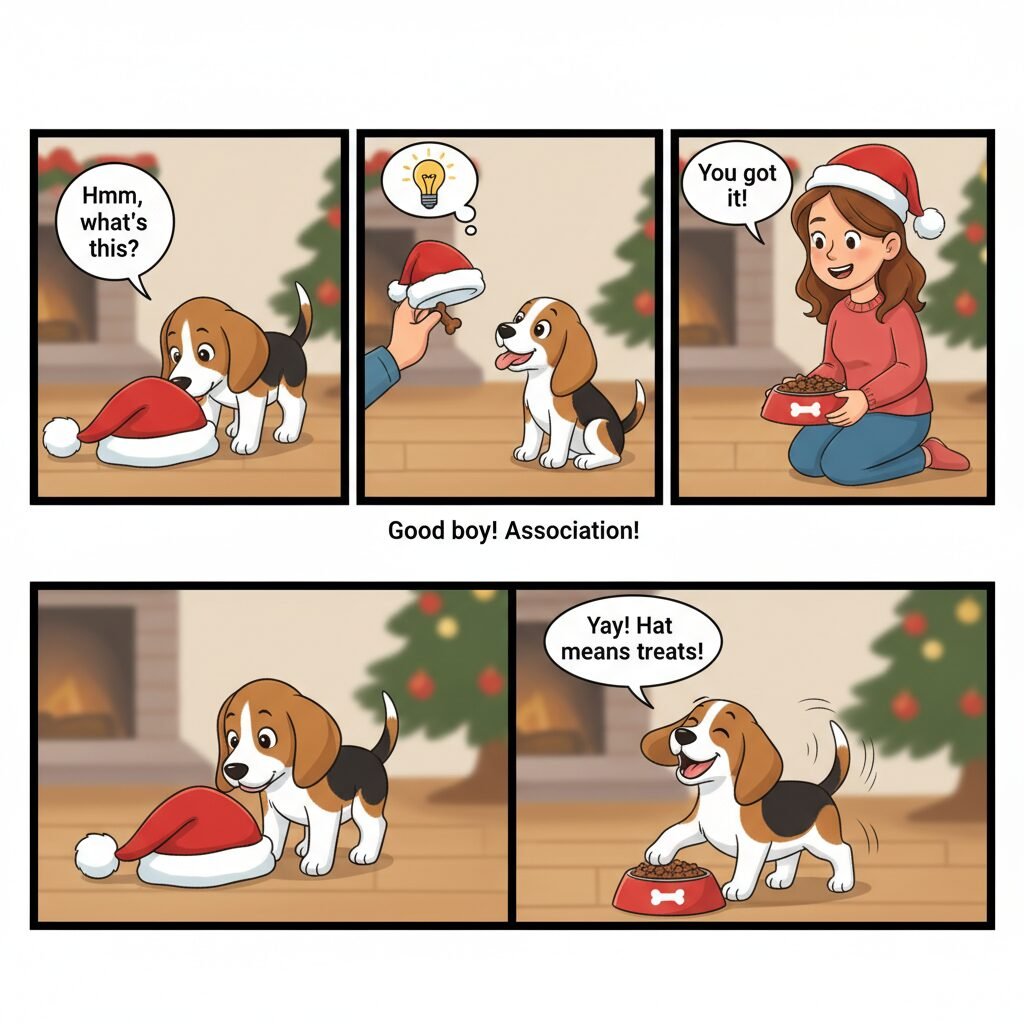
Ready to play? Remember to keep sessions short (just a few minutes at a time) and always end on a positive note. Here’s how to introduce a new object, like a hat:
- Step 1: The Object is Just an Object. Place the hat on the floor in the middle of the room. Don’t draw attention to it. Let your puppy discover it on their own. When they go near it, sniff it, or even just look at it calmly, praise them and give them a treat. Let them learn that the hat’s presence predicts yummy things.
- Step 2: You + The Object = Awesome. Sit on the floor and pick up the hat. Hold it in your lap. Every time your puppy looks at the hat, click (if using) and treat. Don’t try to put it on yet. You’re simply building a positive association with the object being near you.
- Step 3: Tiny Peeks. Now for the big step! While your puppy is a comfortable distance away, briefly put the hat on your head for one second, then immediately take it off and toss them a treat. The sequence is key: Hat on -> Hat off -> Treat. You want them to learn that the hat appearing and disappearing makes treats appear.
- Step 4: Increase Duration and Proximity. Once your pup is comfortable with the one-second peek, try wearing it for two seconds. Then three. Do this over several short sessions. As they get more confident, you can slowly, gradually decrease the distance between you. If they show any signs of fear (tucked tail, backing away), you’ve moved too fast. Simply go back to the previous step where they were successful.
- Step 5: Generalize the Experience. Your dog needs to know that all hats are okay, not just your one specific hat. Repeat the process with different types of hats. Then, ask a trusted friend or family member to come over and go through the same steps. This helps your puppy understand that different people wearing hats are also safe and friendly.
You can use this exact same process for beards, sunglasses, capes, and any other costume piece you can think of!
Troubleshooting: What If My Puppy Is Still Scared?
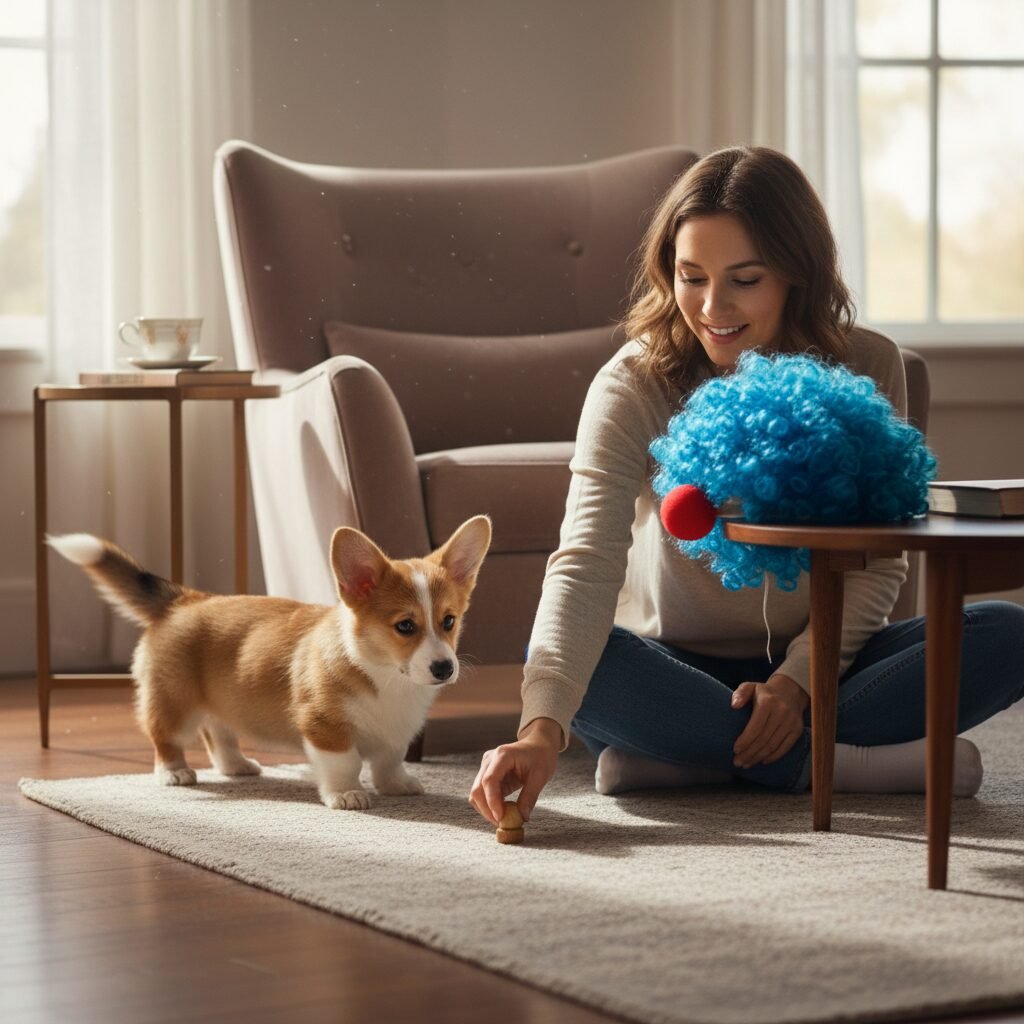
Sometimes, despite our best efforts, our puppies get overwhelmed. That’s okay! Training is never a straight line. Here’s how to handle common roadblocks:
My puppy starts barking at the object!
Barking is often a ‘distance-creating’ behavior. It means your pup is saying, “Whoa, that’s too much for me right now!” It’s a clear signal that you’ve progressed a bit too quickly. The solution is simple: go back to the last step where they were calm and successful. This usually means increasing the distance between your puppy and the object significantly and rewarding for just looking at it from far away.
My puppy runs and hides!
Never, ever force an interaction. If your puppy runs away, let them. Chasing them or forcing them to confront the scary object will only confirm their fears. End the session on a positive note by asking for a simple cue they know, like ‘sit,’ and rewarding them for it. You can try again later, but start from the very beginning (object on the floor) in a space where they have a clear escape route so they feel in control.
He was fine yesterday but is scared again today!
Welcome to puppy ‘fear periods’! These are normal developmental stages where puppies can suddenly become fearful of things they were previously fine with. Don’t be discouraged. Just take a deep breath, lower your expectations for the day, and work at a level your puppy is comfortable with. Patience and consistency are your superpowers.
Conclusion
Turning a ‘scaredy dog’ into a confident canine is one of the most rewarding parts of being a pet parent. By patiently teaching your puppy that new and strange things like hats, beards, and costumes are nothing to fear, you’re giving them an incredible gift. You’re building their confidence, strengthening your bond, and preparing them for a happy, well-adjusted life in our weird and wonderful human world. So grab those treats, have fun with it, and celebrate every small step of bravery. Your future adventure-ready dog will thank you for it!