Safe Socialization: How to Expose Your Puppy to the World Before Shots
Bringing a new puppy home is one of life’s purest joys! Their clumsy paws, boundless energy, and endless cuddles are intoxicating. But alongside the fun comes a big responsibility: socialization. You’ve probably heard that the period between 3 and 16 weeks is a make-or-break window for developing a confident, friendly adult dog. You’ve also heard your vet say your puppy can’t be on the ground in public places or meet strange dogs until they’re fully vaccinated. Talk about a dilemma!
It can feel like a stressful race against time, but take a deep breath. The good news is that socialization and safety are not mutually exclusive. The key is understanding what socialization truly means. It’s not about letting your puppy run wild at the dog park; it’s about providing positive, controlled exposure to the world. This guide will walk you through exactly how to do that, ensuring your pup gets the mental foundation they need while their immune system gets the protection it requires.
The ‘Why’: Understanding the Critical Socialization Window
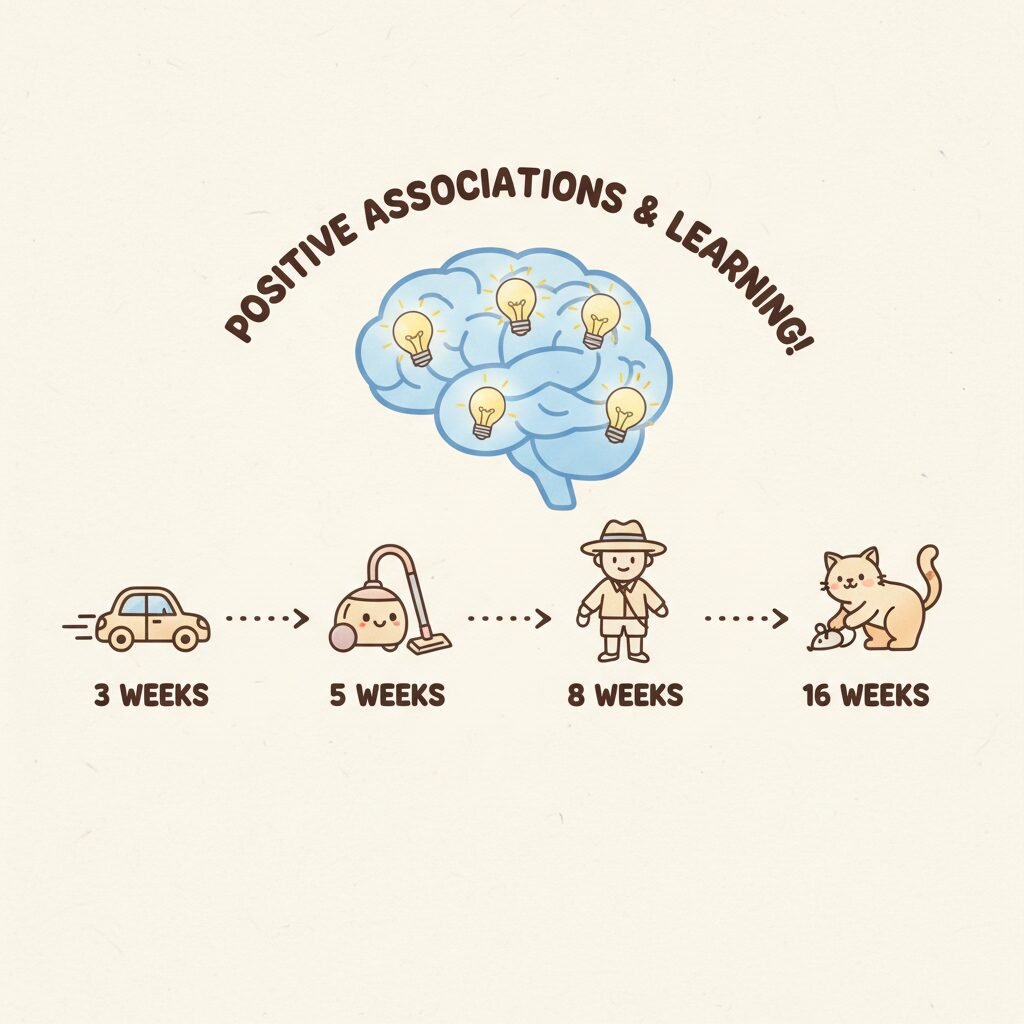
Let’s start with the science, but in a friendly way! Think of your puppy’s brain from 3 to about 16 weeks of age as a super-absorbent sponge. During this brief period, they are biologically programmed to learn about what is safe and what is dangerous in their environment. Experiences they have now—good or bad—will shape their personality and reactions for the rest of their life.
A puppy who is positively exposed to a variety of sights, sounds, surfaces, and smells during this window learns that the world is a fun, interesting place, not something to be feared. This is the foundation for preventing common behavioral issues like:
- Fear-based aggression: Lashing out at new people, dogs, or objects because they are perceived as a threat.
- Anxiety: Generalized fear of new situations, leading to trembling, hiding, or destructive behavior.
- Phobias: Intense, specific fears of things like vacuums, skateboards, or people in hats.
The challenge, of course, is that this critical window overlaps perfectly with their period of vulnerability to serious diseases like parvovirus and distemper. That’s why we need to get creative and prioritize exposure over direct, uncontrolled interaction.
The Golden Rule: Socialization vs. Unsafe Interaction
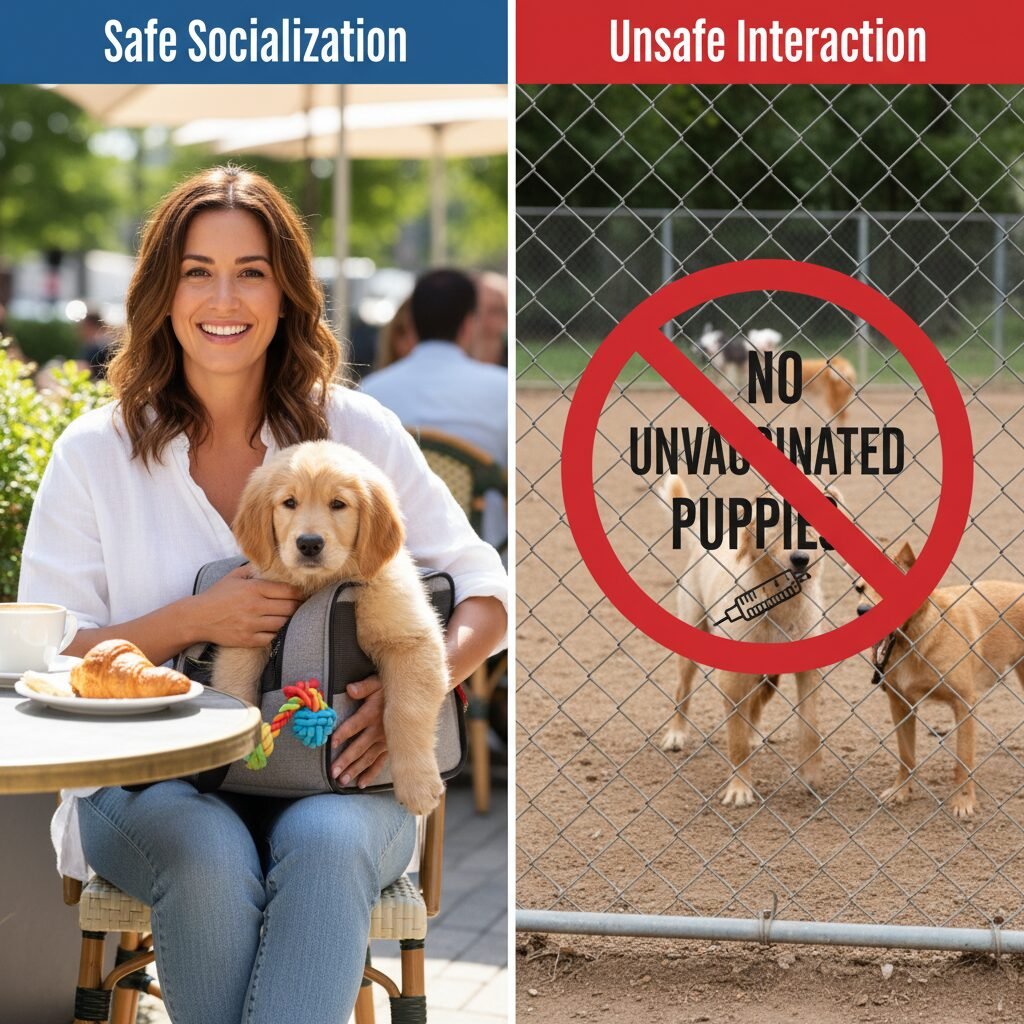
This is the most important concept to grasp: Socialization is not the same as interaction. Many new owners mistakenly believe socialization means their puppy needs to play with as many other dogs as possible. Before they are fully vaccinated, this is a dangerous misconception.
Let’s break it down:
- Safe Socialization (Exposure): Your puppy experiences the world from a safe space. They see other dogs from a distance, hear the sounds of traffic, see people of all shapes and sizes, and smell the scents of a coffee shop—all while feeling secure with you. The goal is for them to observe and process without being overwhelmed or put at risk.
- Unsafe Interaction: Your unvaccinated puppy is on the ground, having nose-to-nose contact with dogs of unknown vaccination history or in areas where sick dogs may have been (like a public dog park or pet store floor). This carries a high risk of disease transmission.
Think of yourself as a tour guide for a tiny tourist. You’re pointing out the sights and sounds of the world from the safety of a tour bus (your arms, a carrier, or a stroller), not dropping them off in the middle of a chaotic crowd.
Your Pre-Vaccination Socialization Toolkit
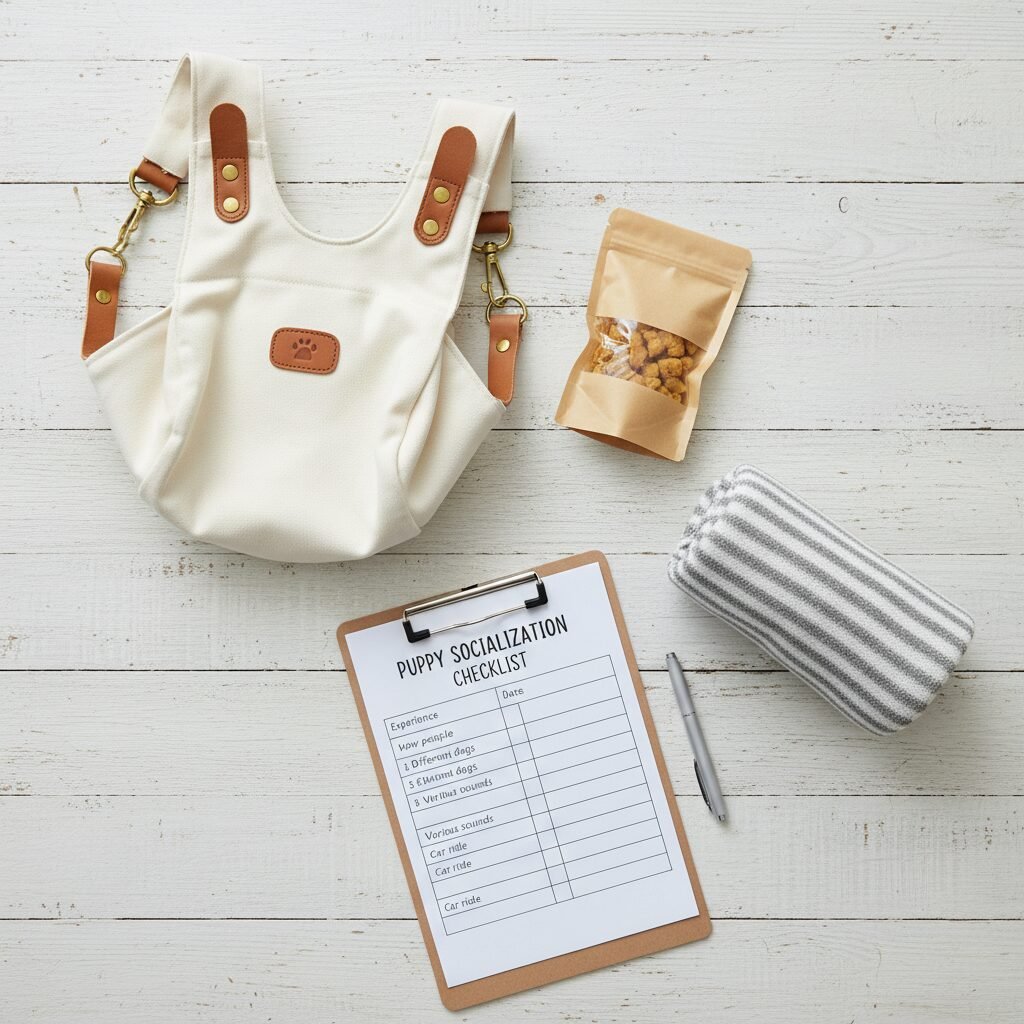
Getting ready for your safe socialization adventures is easy! You don’t need a lot of fancy equipment, just a few key items to ensure your puppy is safe, comfortable, and having a great time. Here’s your checklist:
- A Secure Carrier: This can be a sling, a front-pack carrier, a puppy backpack, or even a stroller. The goal is to keep your puppy off the ground and feeling secure against your body.
- A Designated Mat or Blanket: Bring a specific blanket from home that you can lay down on a friend’s (clean) floor or a park bench. This gives your puppy a safe, familiar ‘island’ to experience things from.
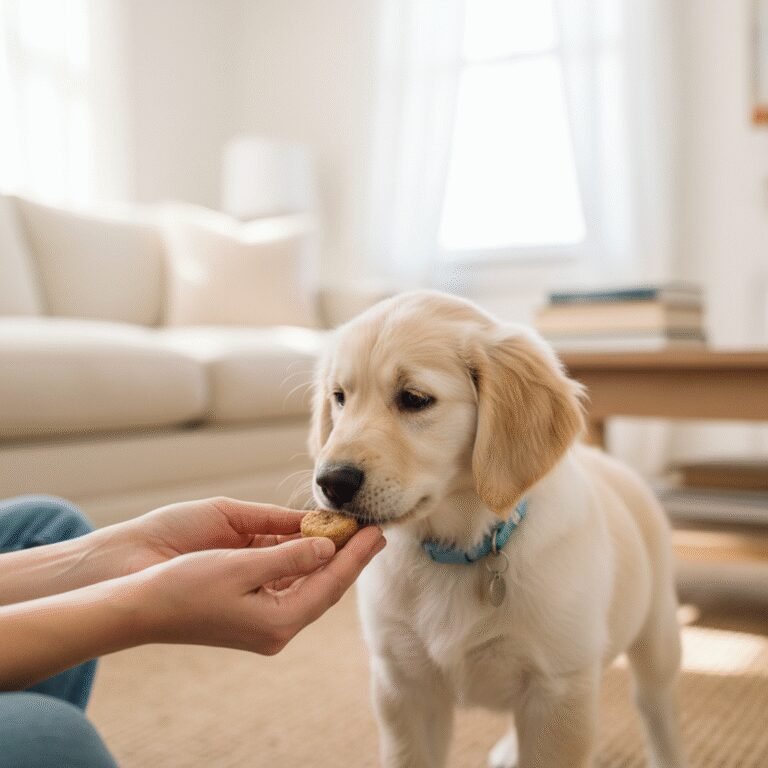
- High-Value Treats: We’re not talking about their regular kibble. Think tiny pieces of boiled chicken, cheese, or special puppy treats that will make them extra happy. The goal is to create a positive association with new experiences.
- A Socialization Checklist: It can be helpful to keep track of what your puppy has experienced. This ensures they get well-rounded exposure. Categories might include: Sounds (sirens, doorbells), Surfaces (grass in a safe yard, carpet), People (with beards, wearing glasses, using canes), and Places (from a distance).
Step-by-Step Safe Outings: Your Puppy’s First Adventures
Ready to get started? Remember to keep sessions short and sweet (5-10 minutes is plenty at first) and always end on a positive note. Here’s how to structure your outings.
Step 1: Start at Home
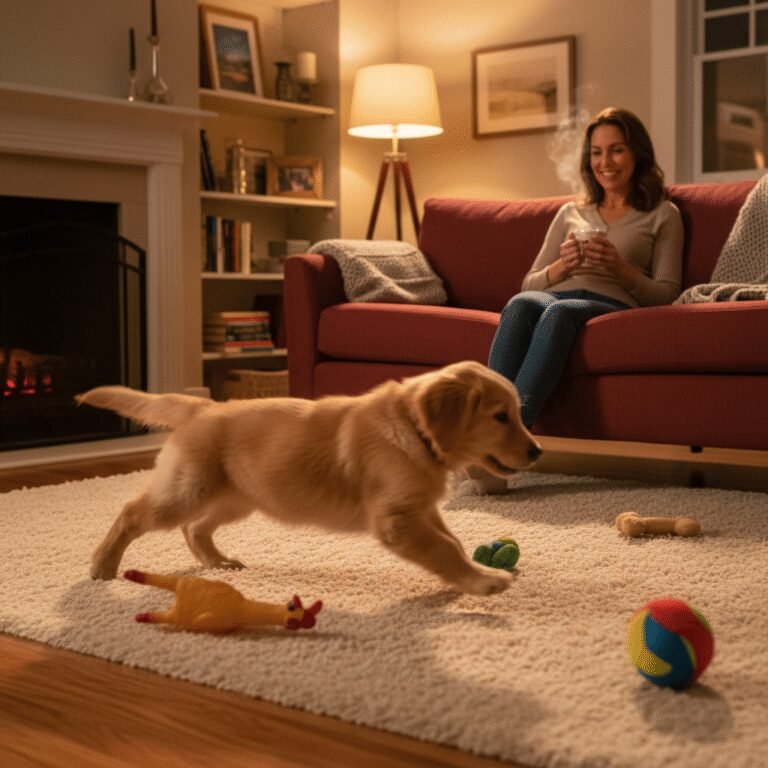
Your house is a treasure trove of new experiences! Have friends over, expose your puppy to the sound of the vacuum cleaner from another room (with lots of treats!), and let them walk on different surfaces like rugs, tile, and a crinkly tarp.
Step 2: The Happy Car Ride
Make the car a fun place. Start by just sitting in a parked car with treats. Progress to short rides around the block that end back at home with a fun game, not always at the vet’s office.
Step 3: ‘Carry-Me’ Field Trips
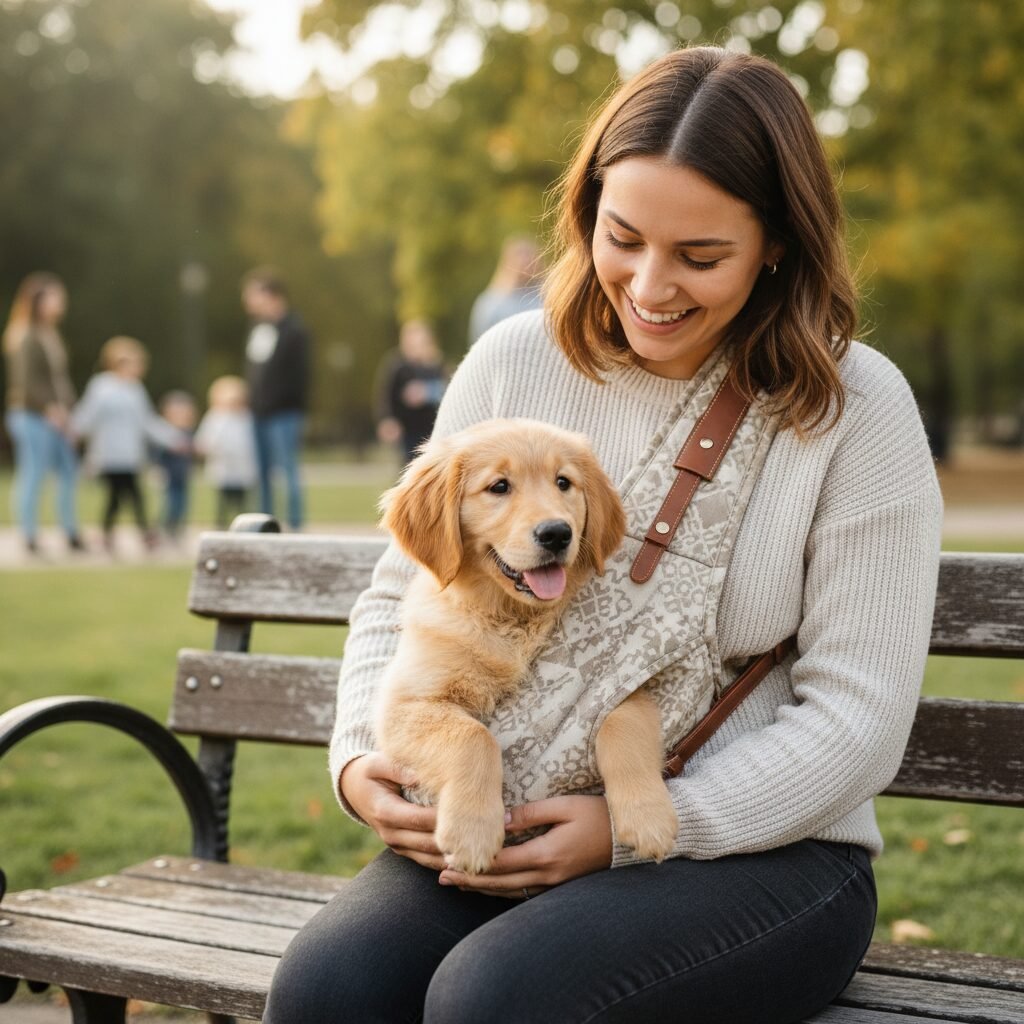
This is where your carrier comes in. Take your puppy on adventures where their paws never touch the ground. Ideas include:
- Sitting on a bench in a town square to watch people and cars go by.
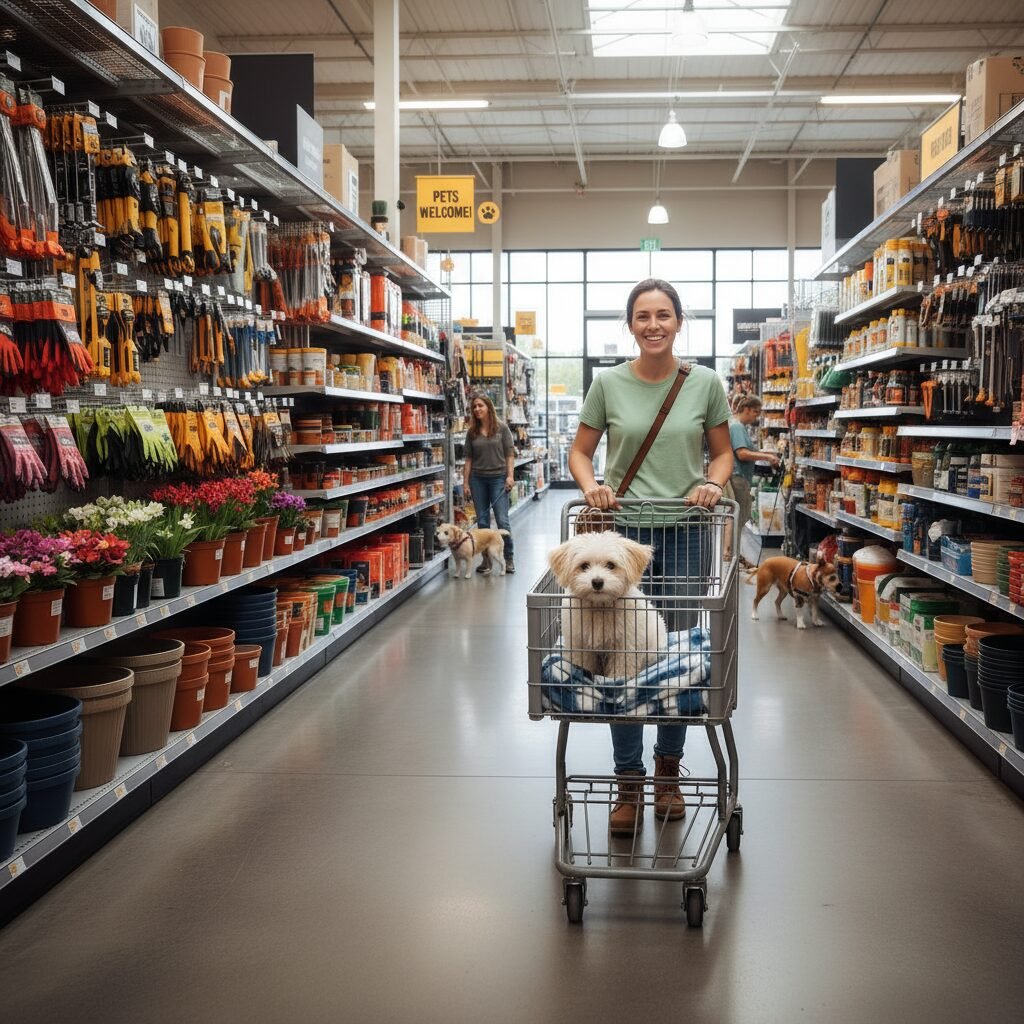
- Going to a pet-friendly store (like a hardware or home goods store) with your puppy in the shopping cart on a blanket.
- Visiting an outdoor cafe and letting your puppy observe from your lap.
Step 4: Curated Canine Meetups
Your puppy can meet other dogs, but they must be carefully chosen. The ideal playmate is a calm, gentle, healthy adult dog that you know is fully vaccinated. The best place for this meeting is in a safe, private, and clean backyard—never a public park.
Listen to Your Puppy: How to Read Their Body Language
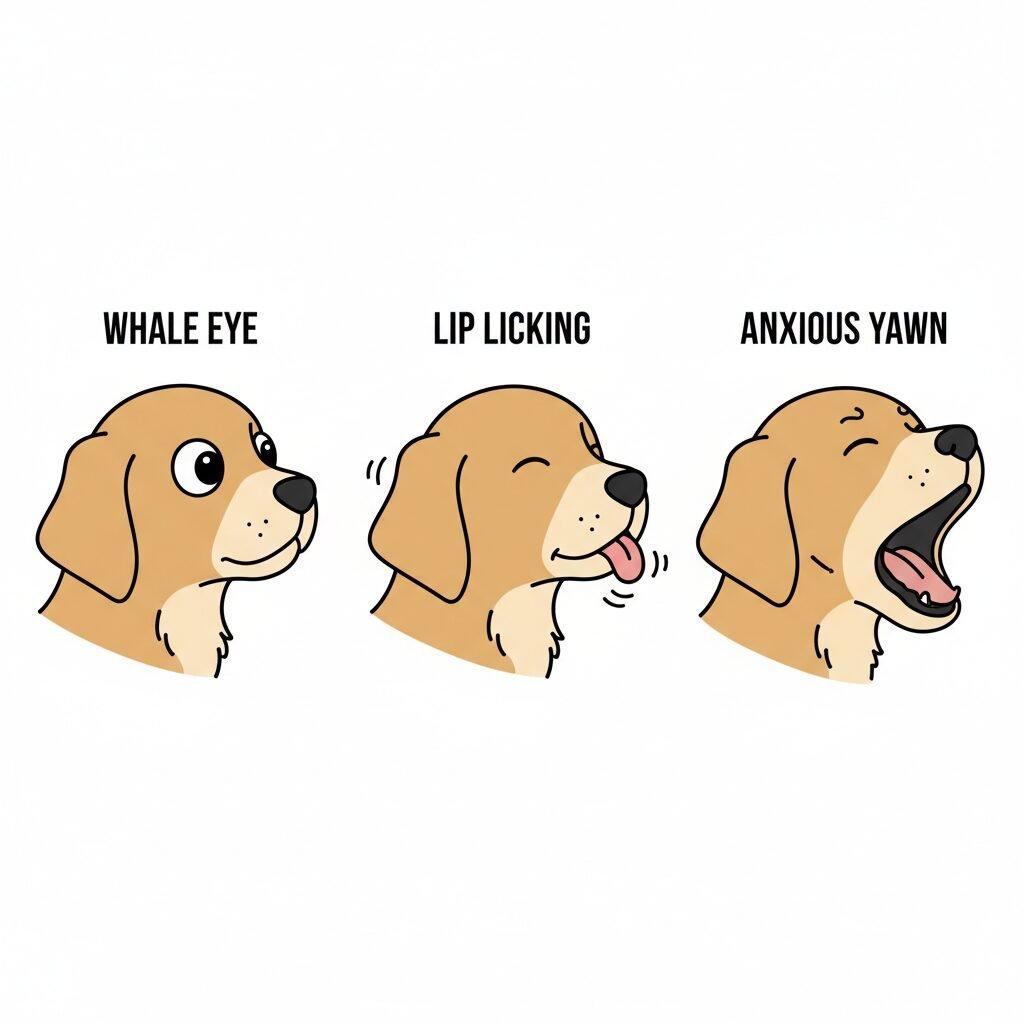
The goal of socialization is to build confidence, not create fear. Pushing your puppy too far, too fast can do more harm than good. It’s absolutely essential to learn to read their signals and know when they’re feeling overwhelmed. If you see these signs of stress, it’s time to calmly leave the situation and give them a break.
- Whale Eye: You can see the whites of their eyes in a wide, fearful stare.
- Tucked Tail: Their tail is tucked tightly between their legs.
- Lip Licking & Yawning: When not tired or hungry, these are classic signs of anxiety.
- Freezing or Cowering: They become stiff and refuse to move, or try to make themselves smaller.
- Panting: When they are not hot or thirsty.
If you notice these behaviors, don’t force it. Simply increase the distance between your puppy and the scary thing, offer a comforting word and a treat, and end the session. The next time, try from a much greater distance where they can observe without feeling threatened. Every puppy is an individual; go at their pace!
Conclusion
Navigating your puppy’s early weeks can feel like a balancing act, but it doesn’t have to be scary. By redefining socialization as safe exposure, you can give your puppy the world without putting them in harm’s way. Remember the golden rules: keep their paws off public ground, choose any doggy friends wisely, and always listen to their body language. By taking these thoughtful steps now, you are investing in a future with a happy, confident, and well-adjusted canine companion who is ready to join you on a lifetime of adventures. Happy socializing!