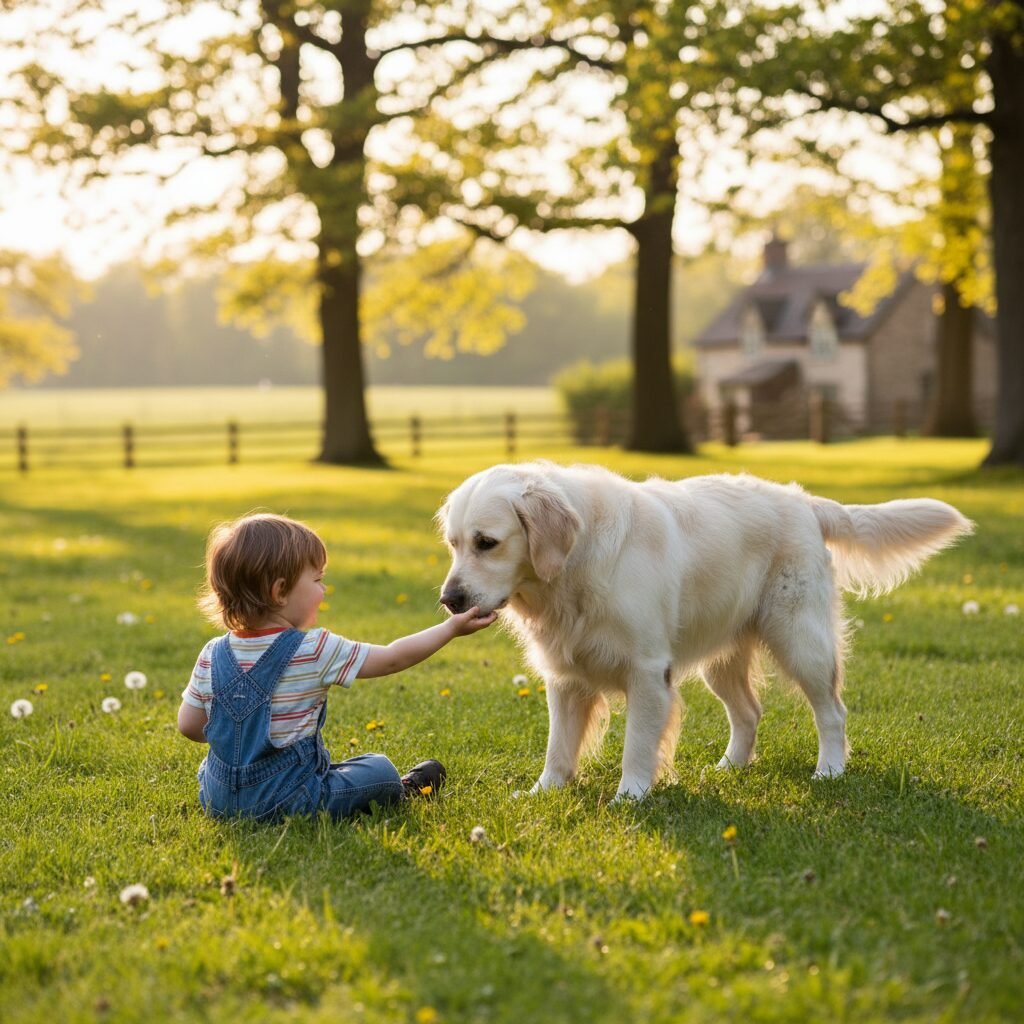
Safe Kids, Happy Dogs: Essential Rules For Preventing Bites
There’s nothing quite like the bond between a child and their dog. It’s the stuff of storybooks—a loyal, furry friend and a giggling playmate. But ensuring that relationship stays happy and safe requires more than just love; it requires understanding, respect, and a clear set of rules. Dog bites are almost always preventable, and the key is education, for both the two-legged and four-legged members of your family.
Think of yourself as a translator and a safety supervisor. Your job is to teach your child how to understand your dog’s signals and to ensure your dog always feels secure. In this guide, we’ll walk you through the essential rules and practices that will help you create a home where both your kids and your dogs can thrive together, safely and happily. Let’s get started!
First, Let’s Learn to Speak ‘Dog’
Before we can set rules for our kids, we need to understand what our dogs are telling us. Dogs communicate primarily through body language, and missing their cues is often the first step toward a misunderstanding that can lead to a bite. Teaching your kids to recognize these signals is a superpower in bite prevention.
Many people think a wagging tail always means a happy dog, but that’s not the whole story! The speed and height of the wag matter. A loose, sweeping wag is usually friendly, but a high, stiff, fast wag can signal agitation.
Key Signals to Watch For:
- Yawning and Lip Licking: When not tired or hungry, these are often signs of stress or anxiety. It’s your dog’s way of saying, ‘I’m feeling a little uncomfortable with this situation.’
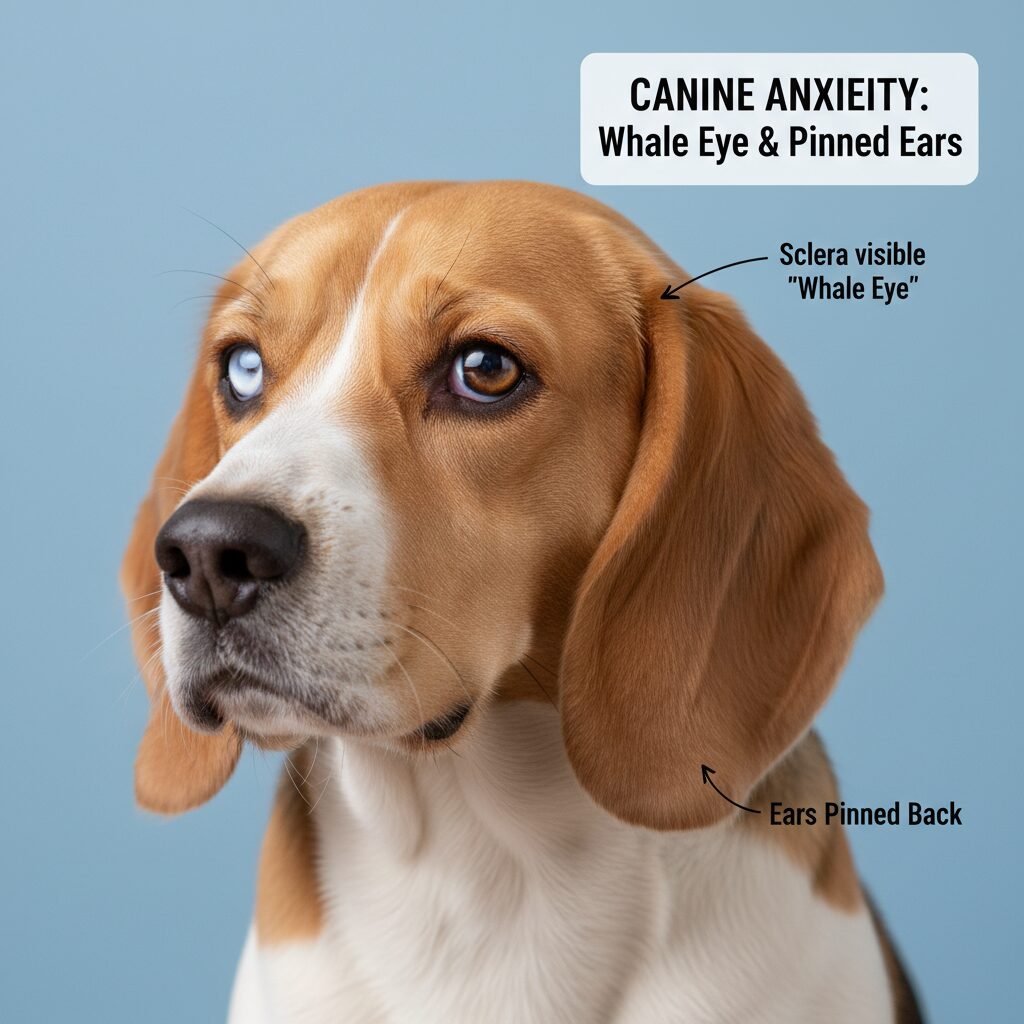
- Whale Eye: This is when a dog turns its head away but keeps its eyes on the person or thing that’s bothering it. You’ll see the whites of their eyes in a crescent shape. This is a clear signal to give them space.
- Stiff Body and Tucked Tail: A tense, frozen body is a major warning sign. If their tail is tucked between their legs, it indicates fear. A fearful dog is more likely to bite if it feels it can’t escape.
- Ears Pinned Back: Flat or pinned-back ears are another common sign of fear or anxiety.
By learning to spot these subtle cues, you can intervene before your dog feels the need to escalate its communication to a growl or a snap. Teach your kids, ‘If the dog walks away, let him go. He’s asking for a break.’
The Golden Rules: What Every Child Must Know
Once you and your child can spot the signs of an uncomfortable dog, it’s time to establish some non-negotiable rules for interaction. These should be taught and reinforced consistently, just like rules about not touching a hot stove or looking both ways before crossing the street.
Our Family’s Dog Safety Rules:
- Always Ask First: Teach your child to always ask the owner’s permission before petting a dog they don’t know. The magic words are, ‘May I please pet your dog?’
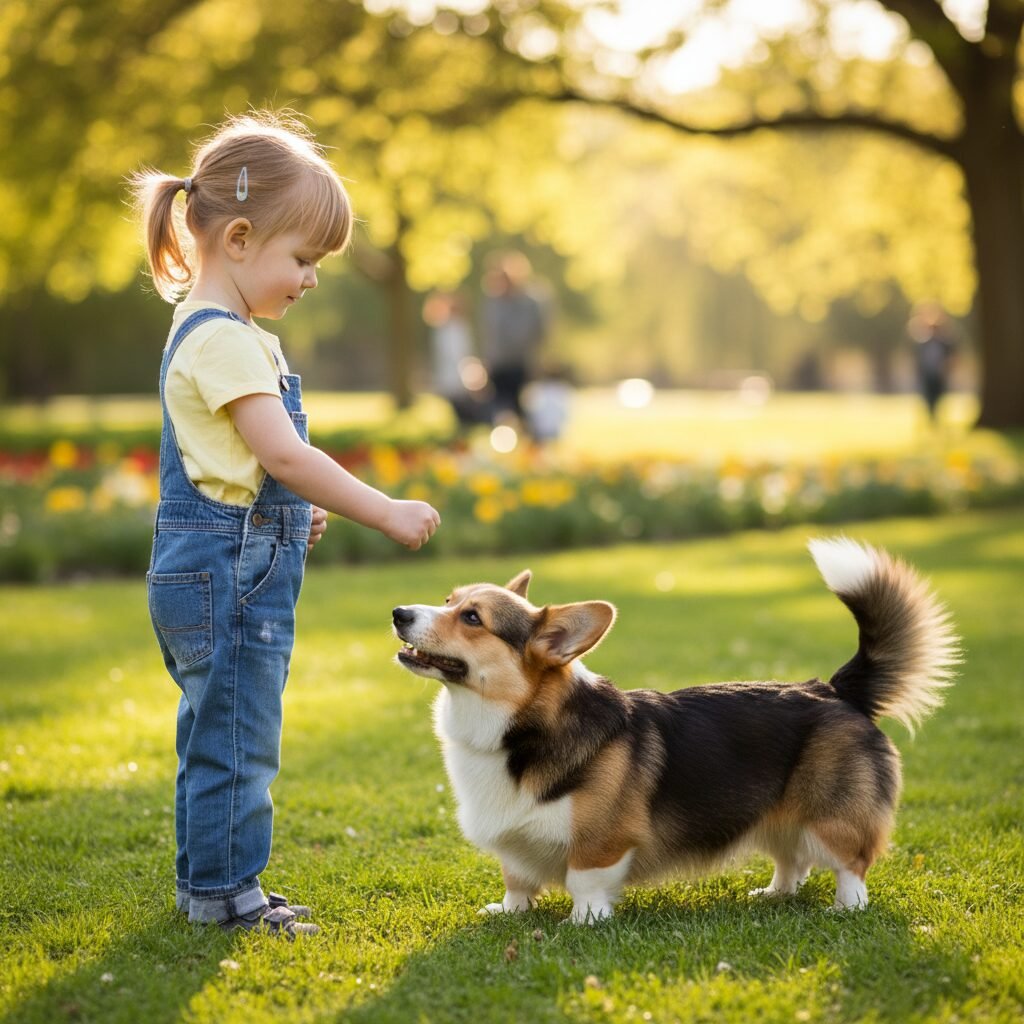
- Let the Dog Come to You: Instead of rushing toward a dog, teach your child to stand still and let the dog approach them.
- The Sniff Test: Instruct your child to offer the back of their hand (like a gentle fist) for the dog to sniff. This is less intimidating than an open hand coming down from above.
- No Hugs or Kisses: While we see it as affection, many dogs feel trapped and threatened by a child hugging their neck or putting their face close. Teach ‘gentle pets’ instead of ‘hugs and kisses.’
- Leave Sleeping (and Eating) Dogs Lie: A dog’s food, toys, and bed are their personal property. It’s crucial to teach children never to bother a dog when it is eating, chewing on a toy, or sleeping. A startled dog is far more likely to snap.
- Be a Tree: If a strange, loose dog approaches, teach your child to ‘be a tree.’ This means standing still, folding their ‘branches’ (arms) in front of them, and looking at their ‘roots’ (their feet) until the dog loses interest and leaves. Running can trigger a dog’s chase instinct.
Creating a Canine Comfort Zone
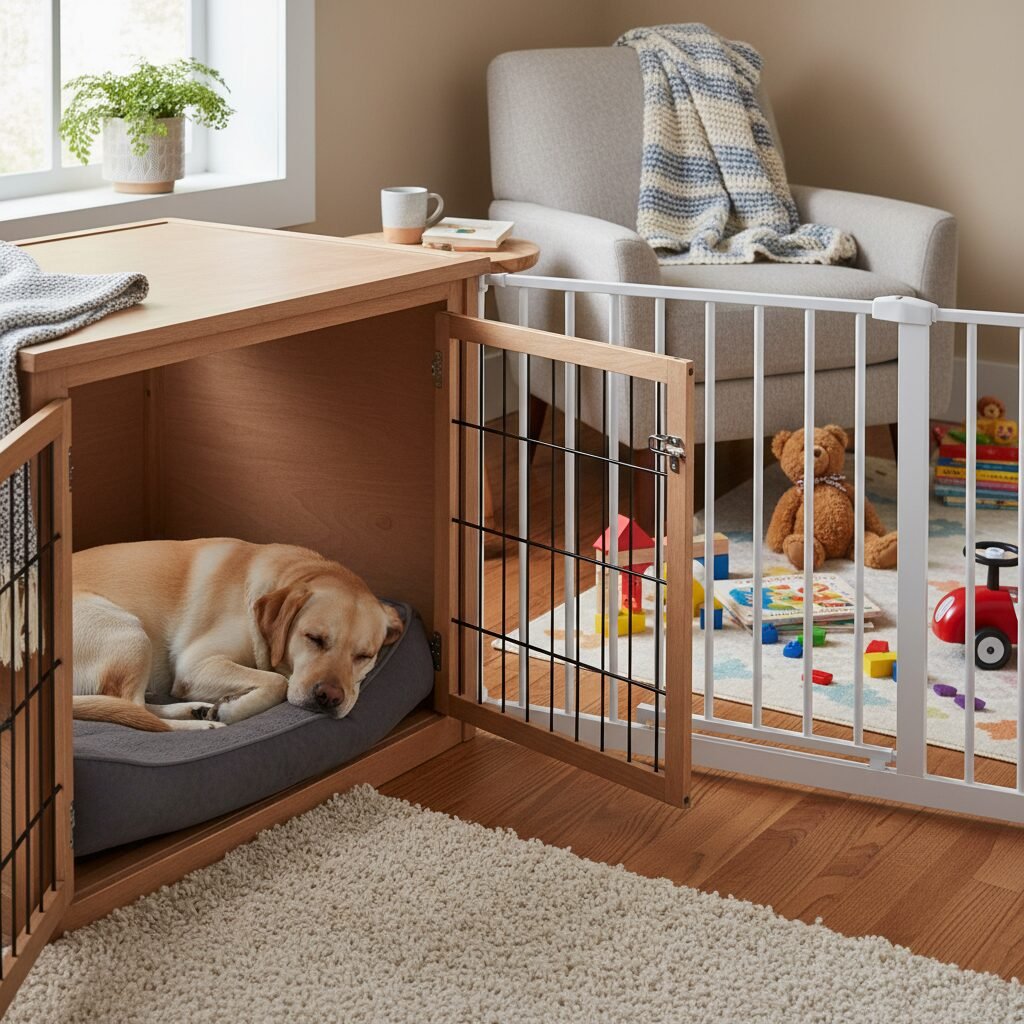
Every dog deserves a safe space in the house that is entirely their own. This ‘comfort zone’ is a place where they can retreat when they feel overwhelmed, tired, or just need a break from the hustle and bustle of family life. The most important rule of this space? It’s off-limits to kids.
This could be a crate (with the door left open), a comfy dog bed in a quiet corner, or even a specific room. When your dog is in their safe zone, they are not to be disturbed. No exceptions. This teaches your dog that they always have an escape route, which dramatically reduces the chance they’ll feel cornered and need to defend themselves.
How to Set Up a Safe Zone:
- Choose a Location: Pick a low-traffic area of your home, away from the main playroom or hallway.
- Make it Comfy: Fill the space with a comfortable bed and a few favorite, safe toys.
- Introduce it Positively: Make the crate or bed a wonderful place to be. Give your dog high-value treats or puzzle toys only in this spot. Never use the crate as punishment.
- Enforce the ‘No Kids Allowed’ Rule: Explain to your children that this is the dog’s private bedroom and they must respect that boundary, just as they’d want their own privacy respected.
The Power of Active Supervision
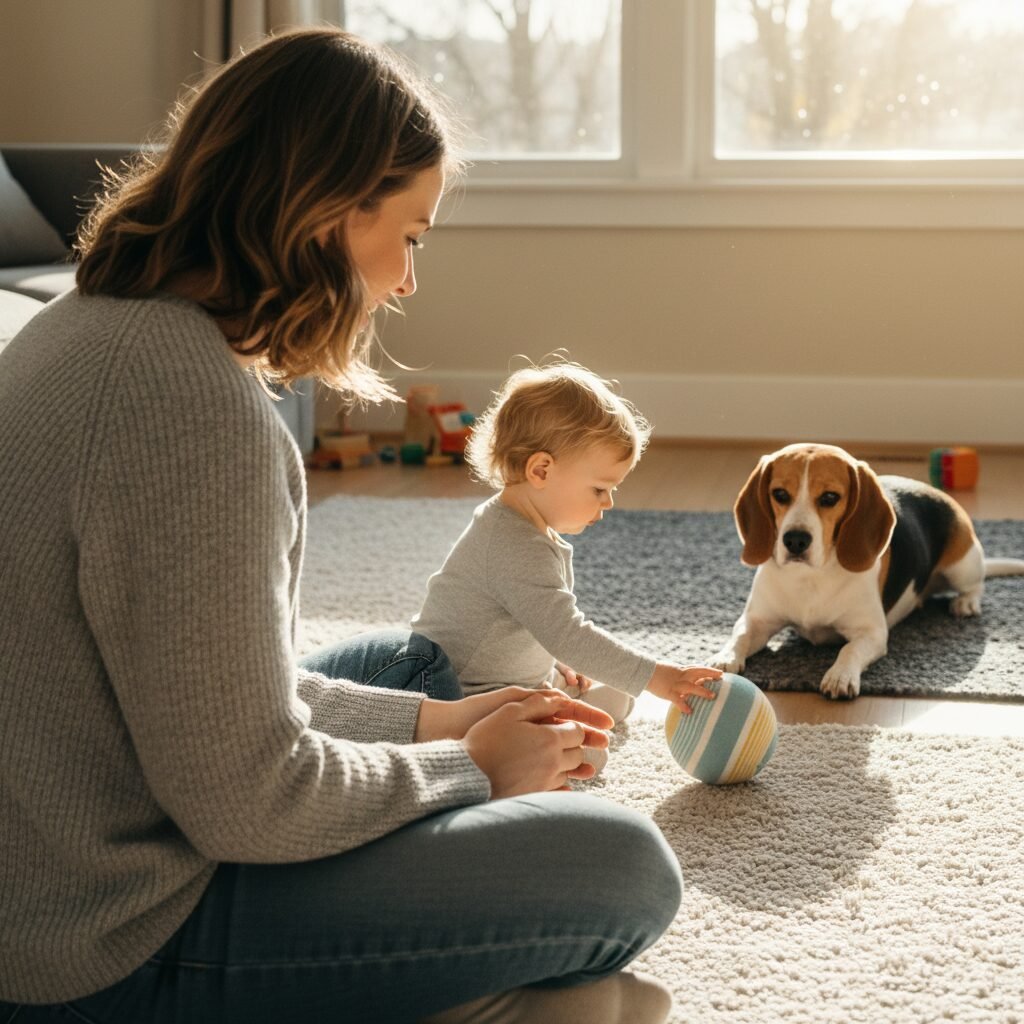
This might be the single most important rule of all: never leave a young child and a dog alone together, period. Even for a second. It only takes a moment for a situation to change. And ‘supervision’ doesn’t mean being in the same house or even the same room while you’re distracted by your phone, cooking, or chores. It means active, eyes-on supervision.
Active supervision involves watching the interactions, listening to the dog’s body language, and being ready to step in and manage the situation. It’s about being a proactive participant in their relationship, not a passive bystander.
What Active Supervision Looks Like:
- Redirecting Rough Play: If your child starts getting too rowdy, pulling on ears, or trying to ‘ride’ the dog, step in immediately and redirect your child to a more appropriate activity.
- Giving the Dog a Break: If you notice your dog showing signs of stress (like yawning or lip licking), it’s your cue to say, ‘Okay, Fluffy needs a little break now!’ and guide the dog to its safe zone or take your child to another room for a different game.
- Managing Greetings: When friends come over, manage the initial greeting. A dozen excited kids rushing a dog can be incredibly overwhelming. Keep your dog on a leash or in their safe zone until the initial excitement dies down.
Your constant, active presence is the best safety net you can provide. It protects both your child from getting bitten and your dog from being put in a situation where it feels it has no other choice.
Conclusion
Building a safe and loving environment for your kids and dogs is one of the most rewarding parts of having a family pet. It’s a continuous process of teaching, managing, and supervising. By empowering your children with the knowledge to ‘speak dog,’ establishing clear and consistent rules, and always providing active supervision, you’re not just preventing bites—you’re nurturing a bond of mutual respect and friendship that can last a lifetime.
Remember, safety doesn’t happen by accident. It’s the result of mindful effort. With these rules as your guide, you’re well on your way to raising safe kids and happy dogs who can be the very best of friends.