This One Command Could Save Your Dog’s Life: Teaching Emergency Drop It
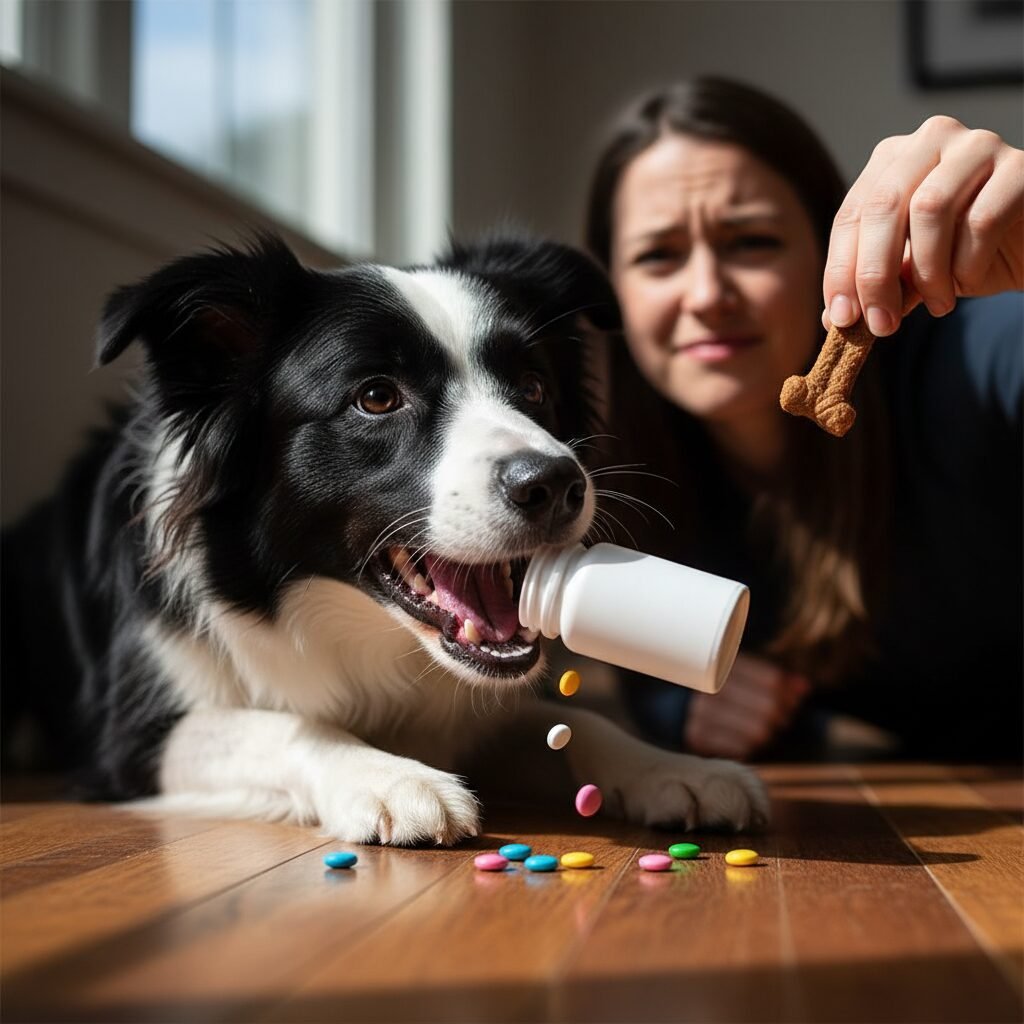
Picture this: you’re walking your dog, and they snatch up a discarded chicken bone from the sidewalk before you can react. Or maybe you’re at a friend’s party, and your pup gobbles up a fallen piece of chocolate brownie. Your heart leaps into your throat. In these terrifying moments, a simple ‘drop it’ that works for a tennis ball might not be enough. This is where the Emergency Drop It comes in—a super-powered, non-negotiable command that can be the difference between a close call and a trip to the emergency vet.
Don’t worry, teaching this command isn’t as intimidating as it sounds. With a little patience, consistency, and a whole lot of tasty treats, you can build a reliable response that will give you invaluable peace of mind. Let’s get started on teaching your best friend the one command that could truly save their life.
Why a Regular ‘Drop It’ Isn’t Always Enough
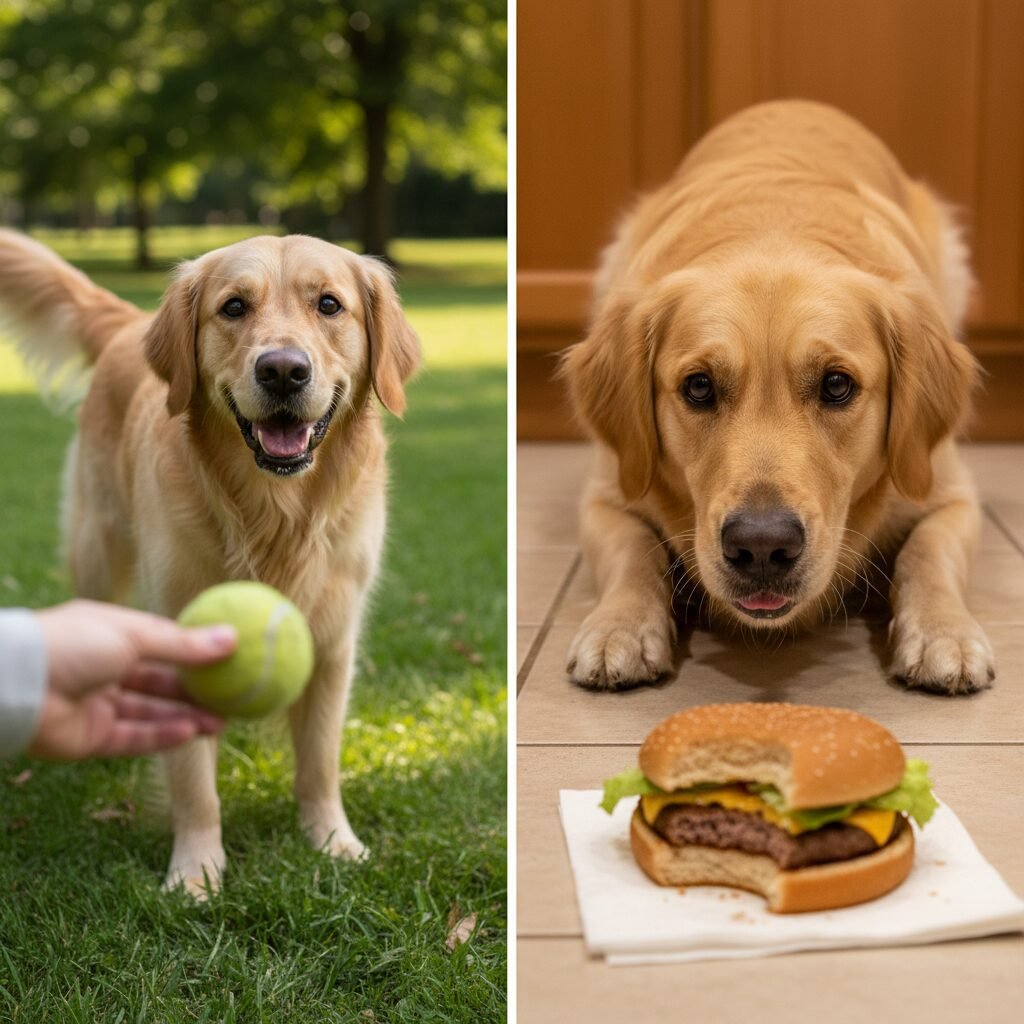
You might be thinking, ‘But my dog already knows drop it!’ And that’s fantastic! Most dogs learn to trade a toy for a treat or another toy. This is a casual ‘drop it,’ and it works perfectly for everyday play. However, the value of the object is key. A squeaky toy is fun, but is it as amazing as a greasy pizza crust found on the street? Probably not, in your dog’s opinion.
The Emergency Drop It is different because it’s built on a foundation of extremely high-value rewards and is reserved for true danger. It communicates an urgency and a promise of something so good that dropping the forbidden item is the best possible choice your dog can make. Think of it as a conversational request (‘drop it’) versus a panic button (‘EMERGENCY DROP IT!’). We need to teach our dogs to respect that panic button and trust that when we press it, it’s for a very good reason—and a very good reward.
Gathering Your High-Value Training Toolkit
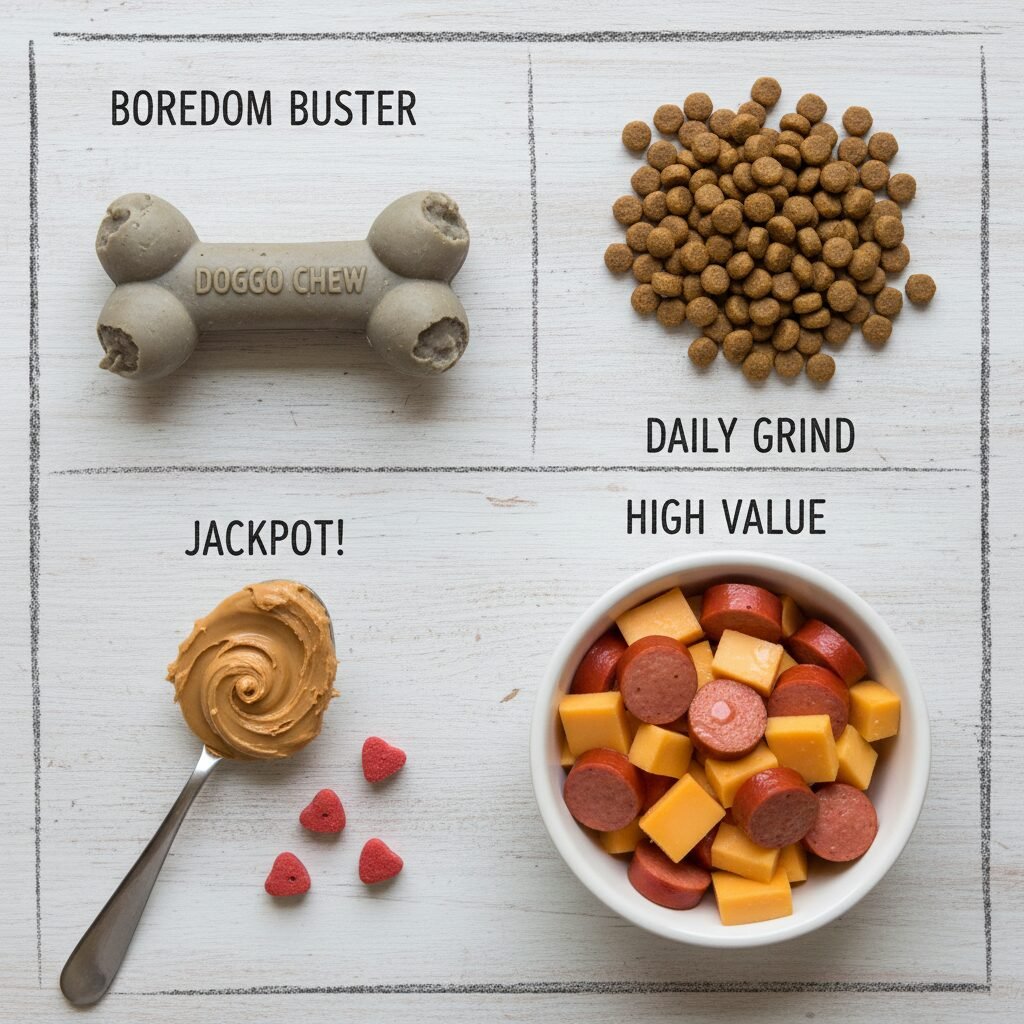
To build a command this powerful, we need to bring out the big guns. Your dog’s everyday kibble isn’t going to cut it. We need to create a reward system that makes your dog feel like they’ve won the lottery every time they obey. Here’s what you’ll want to have on hand:
- Low-Value Items: A few of your dog’s less exciting toys or durable chews they’re familiar with.
- Mid-Value Treats: Your dog’s standard training treats or pieces of their kibble.
- High-Value Treats: This is the good stuff! Think small pieces of real meat like chicken or turkey, cheese cubes, bits of hot dog, or smelly fish-based treats. These should be things your dog goes crazy for but doesn’t get every day.
- The Jackpot Reward: This is the ultimate prize, reserved for practicing with ‘forbidden’ items. It could be a handful of high-value treats, a special toy they only get for this exercise, or even a lick of peanut butter (xylitol-free, of course!).
The key is to create a clear difference in value. Your dog needs to understand that dropping something boring gets them something good, and dropping something amazing gets them something absolutely incredible.
Step-by-Step Guide: Building a Rock-Solid Foundation
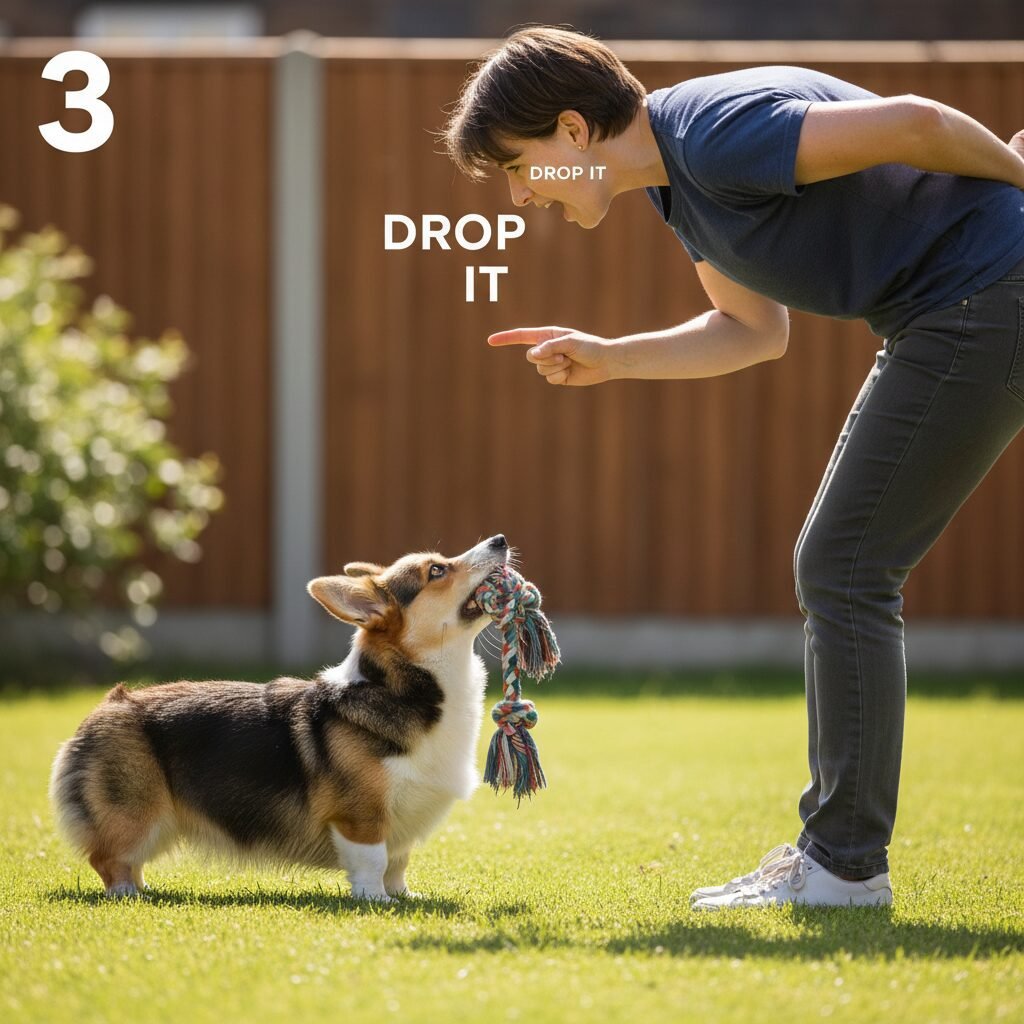
We’ll build this skill from the ground up, ensuring your dog is happy and successful at every stage. Keep your training sessions short (5-10 minutes) and always end on a positive note!
The Trade-Up Game
Start easy. Give your dog a low-value item, like an old toy. Let them hold it for a second, then present a high-value treat right in front of their nose. The moment they open their mouth to take the treat and drop the toy, say ‘Yes!’ and give them the treat. Don’t say the cue yet. We’re just teaching them that dropping things for you is a great deal.
Introducing the Cue: ‘Drop It’
Once your dog is reliably dropping the toy to take the treat, we can add the verbal cue. As you present the treat, say ‘Drop It!’ in a cheerful, upbeat tone, just before they drop the item. Mark the action with ‘Yes!’ and reward. Repeat this until your dog starts to associate the words ‘Drop It’ with the action of releasing the item.
Fading the Lure
Now, let’s see if they understand the cue without seeing the bribe first. Give them the toy. Say ‘Drop It!’ but keep the treat hidden behind your back. The moment they drop the toy, say ‘Yes!’ and immediately produce the treat from behind your back and reward them. This is a crucial step in teaching them to respond to the cue itself, not just the sight of food.
Practicing with Different Objects
Once they’ve mastered one toy, start practicing with other low-to-mid value items. Use different toys, a rolled-up sock, or a plastic bottle. The goal is to generalize the command so they understand ‘Drop It’ applies to everything, not just one specific toy.
Leveling Up: Making Your Command ‘Emergency’ Proof
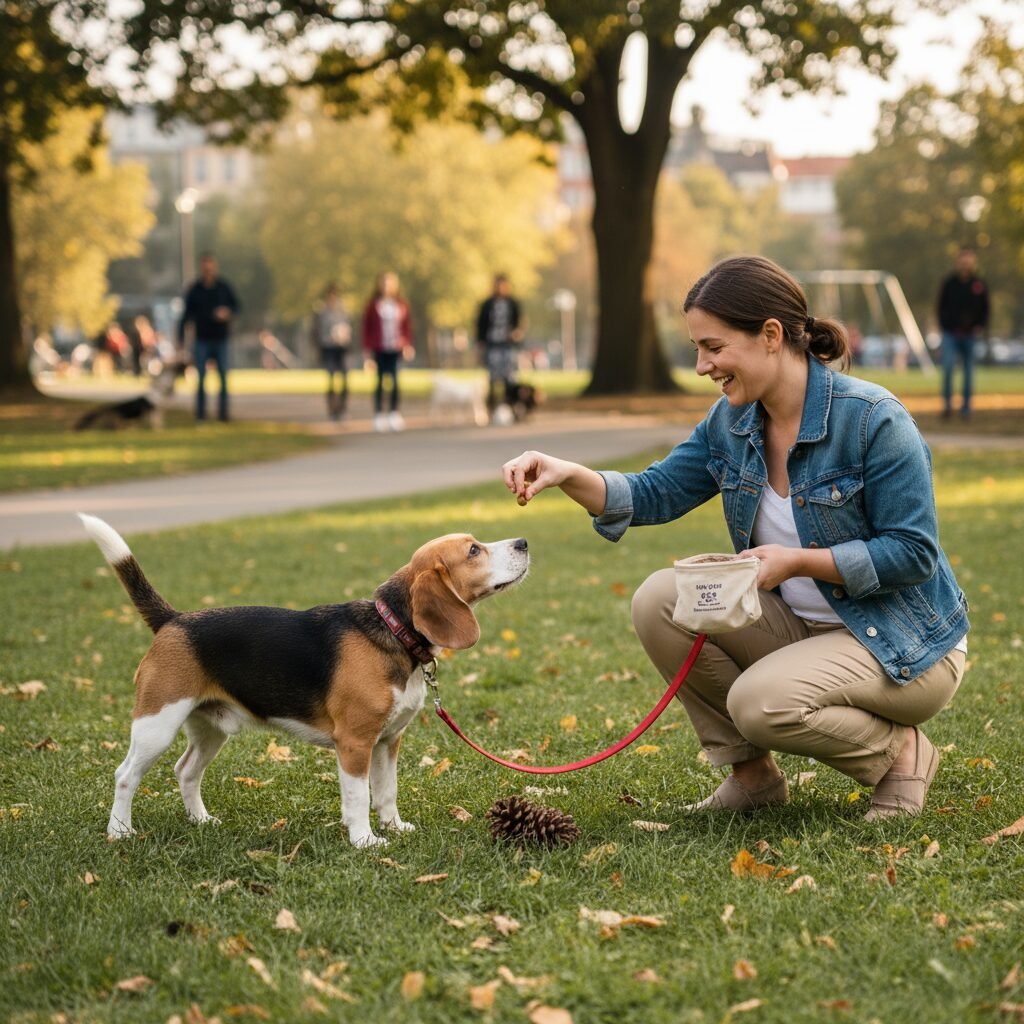
A command that works in your quiet living room might fail on a busy street. ‘Proofing’ is the process of teaching your dog to respond reliably in any situation. This is where we make the command truly life-saving.
- Change the Scenery: Practice in the backyard, then in the front yard, then on a quiet sidewalk. Gradually increase the level of distraction.
- Increase the Item’s Value: This is where you need to be careful and manage the situation. Safely practice with things your dog finds more valuable. For example, have them ‘drop’ a high-value chew for a jackpot reward. You can even set up mock scenarios by ‘accidentally’ dropping a paper towel on the floor and asking them to drop it for a huge reward.
- Create a Unique Emergency Cue: Consider using a different, more serious-sounding cue for true emergencies, like ‘Spit it out!’ or ‘Danger!’ Use this cue only when it’s a real emergency. This prevents the cue from losing its power. If you use it, the reward must always be a massive jackpot to maintain its high value.
Remember, the goal is not to trick your dog, but to teach them that listening to you, especially when you sound urgent, leads to the best possible outcome for them.
Troubleshooting: When ‘Drop It’ Doesn’t Go as Planned
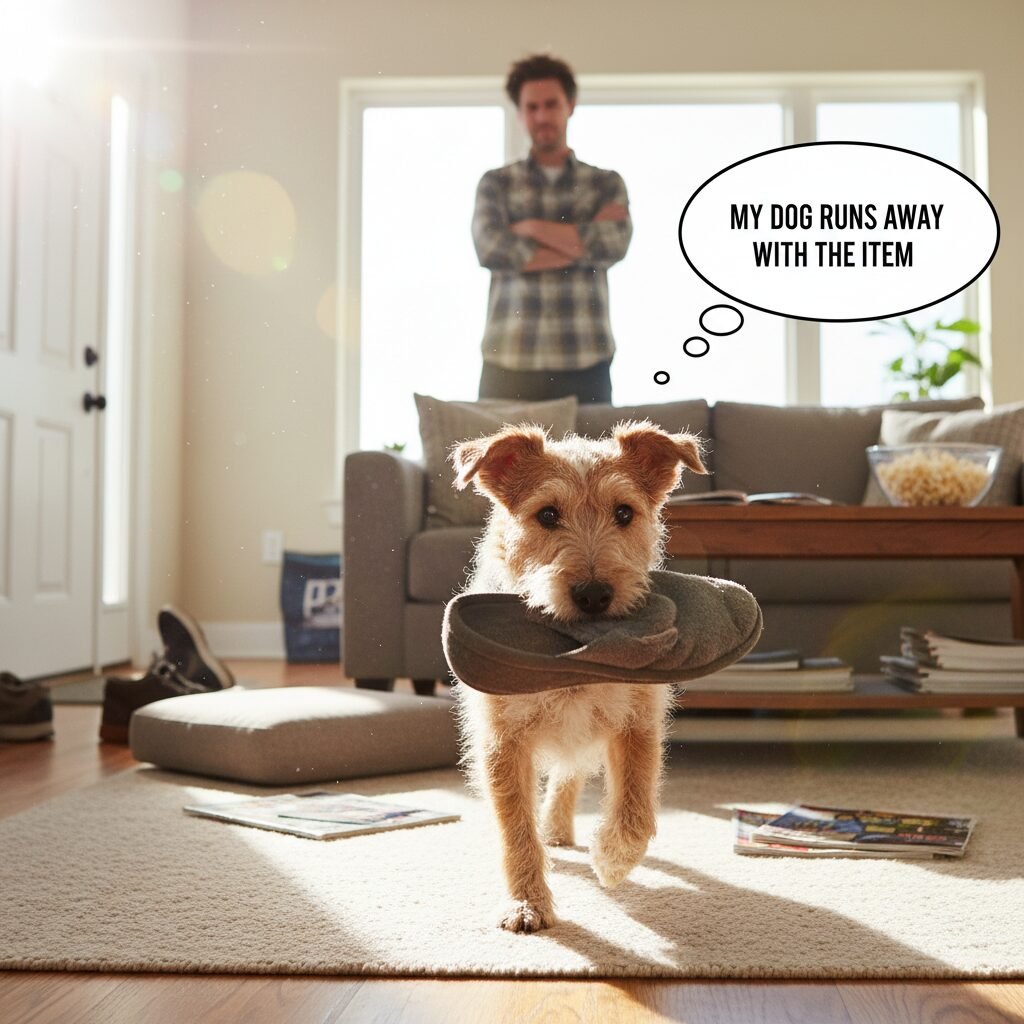
It’s normal to hit a few bumps in the road. Here are some common problems and how to solve them:
My dog runs away with the item!
This is often a sign of resource guarding. Never corner your dog or chase them. Instead, make the trade even more appealing. Toss a handful of super high-value treats on the floor away from them. While they’re busy hoovering up the treats, you can safely retrieve the item. Go back to basics and make the ‘Trade-Up Game’ incredibly rewarding to build trust.
They won’t drop it unless they see the treat first.
This means you moved on from the lure too quickly. Go back a step! Practice showing the treat, then hiding it just for a split second before you give the cue. Gradually increase the time the treat is hidden. Make the reward extra special when they succeed to motivate them.
It works perfectly at home, but not on our walks.
This is a classic proofing problem. The distractions outside are way more interesting! You need to increase the value of your rewards when you’re outside. The treats you use at home might not be good enough to compete with the smells and sights of the great outdoors. Bring your absolute best ‘jackpot’ treats for walk training sessions.
Conclusion
Teaching an Emergency Drop It is one of the most important gifts you can give your dog. It’s more than just a command; it’s a safety net that protects them from their own curiosity. Remember to be patient, stay positive, and celebrate every small success. By investing the time now, you’re building a foundation of trust and communication that will not only strengthen your bond but could one day prevent a tragedy. So grab those treats, find a fun toy, and start building that life-saving skill today. Your dog is counting on you!