The ‘Teenage’ Phase: Why Your Good Puppy Suddenly Stopped Listening To You
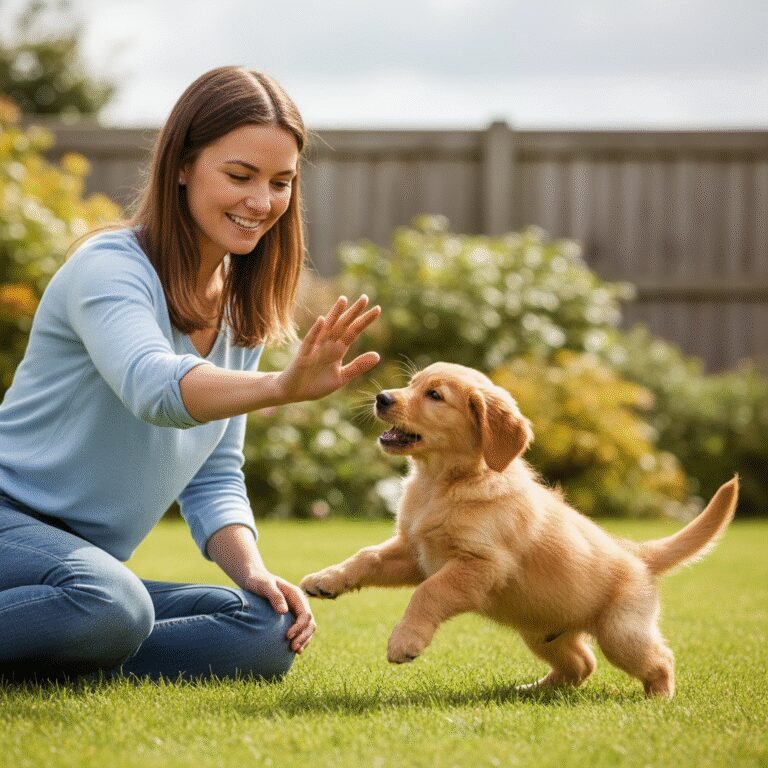
Remember those first few months with your puppy? The adorable fluffball who followed you everywhere, eagerly learned ‘sit,’ and seemed to hang on your every word. You probably thought, ‘I’ve got this! I have the best puppy in the world.’ And then, somewhere between six and eighteen months, it feels like a switch flipped. Suddenly, ‘come’ is an optional suggestion, your shoes are prime chew toys again, and your once-attentive pup seems to have forgotten everything you taught them. Sound familiar?
If you’re nodding along, take a deep breath. You haven’t failed as a dog parent, and your puppy hasn’t become ‘bad’ overnight. Welcome to the canine adolescent phase—the infamous ‘teenage’ years. It’s a completely normal, albeit challenging, developmental stage. This guide will walk you through what’s happening in your pup’s brain and body, and more importantly, how you can both survive and thrive during this turbulent time.
Welcome to the Teenage Years: What’s Happening to Your Pup?
Canine adolescence is a perfect storm of hormones, brain development, and a burgeoning sense of independence. Just like human teenagers, your dog is going through significant changes that directly impact their behavior. Understanding the ‘why’ can make the ‘what’ a lot less frustrating.
Hormonal Havoc
A surge of hormones is coursing through your dog’s body. This can lead to behaviors like increased marking (for males), moodiness, and a renewed interest in pushing boundaries with both you and other dogs. Their world is expanding, and their hormones are telling them to explore their place in it, which sometimes means challenging the rules.
An Unfinished Brain
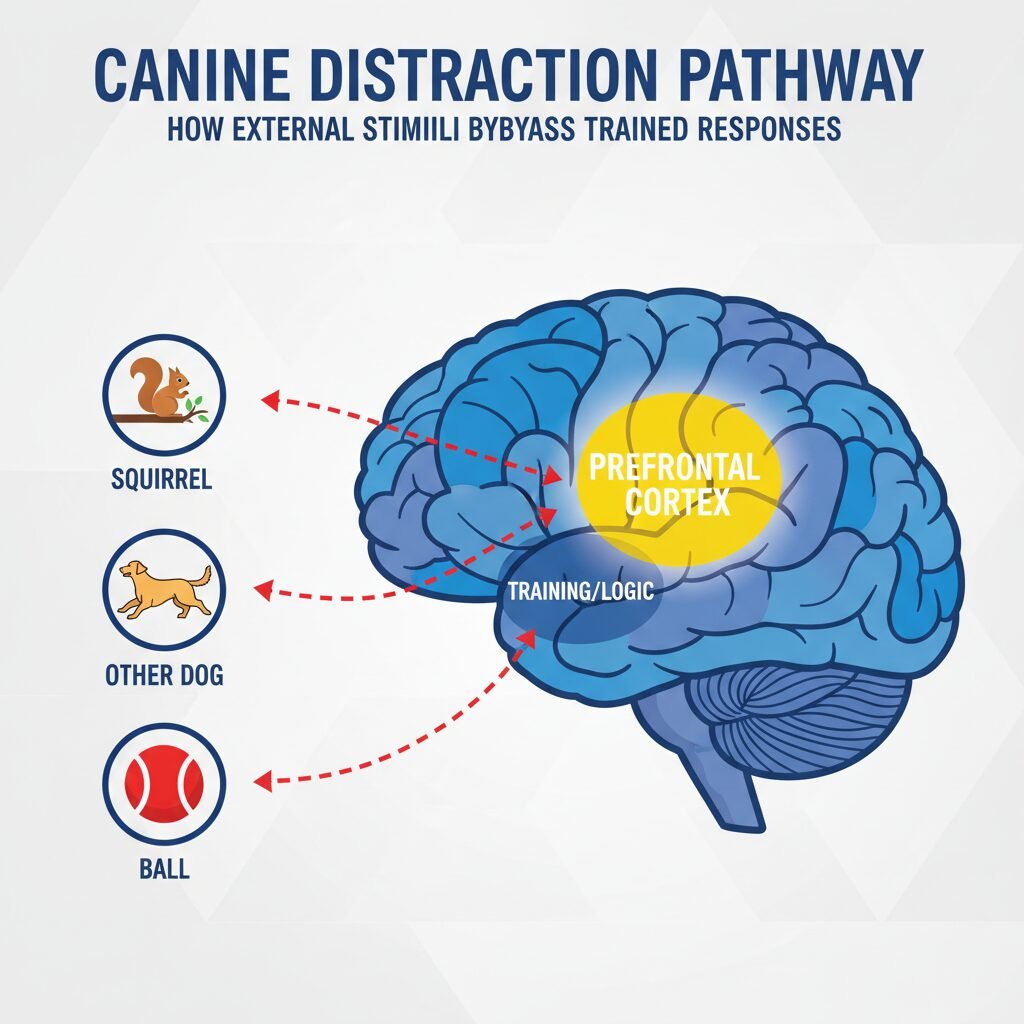
The part of the brain responsible for impulse control and decision-making, the prefrontal cortex, isn’t fully developed yet. This is why your adolescent dog might see a squirrel and completely forget the ‘stay’ command you just gave. It’s not that they are willfully disobeying you every time; sometimes, their brain is simply overwhelmed by a more interesting stimulus. Their desire for immediate gratification often overrules their training.
The Independence Paradox
Your puppy is growing up and naturally wants to explore the world on their own terms. This can conflict with their previous reliance on you. It’s a push-and-pull between ‘I need you’ and ‘I can do this myself.’ This internal conflict often manifests as what we perceive to be stubbornness or disobedience. They are testing the limits to see what they can get away with, a crucial part of learning about their environment and social structure.
Is This Normal? Common Signs of a Teenage Dog
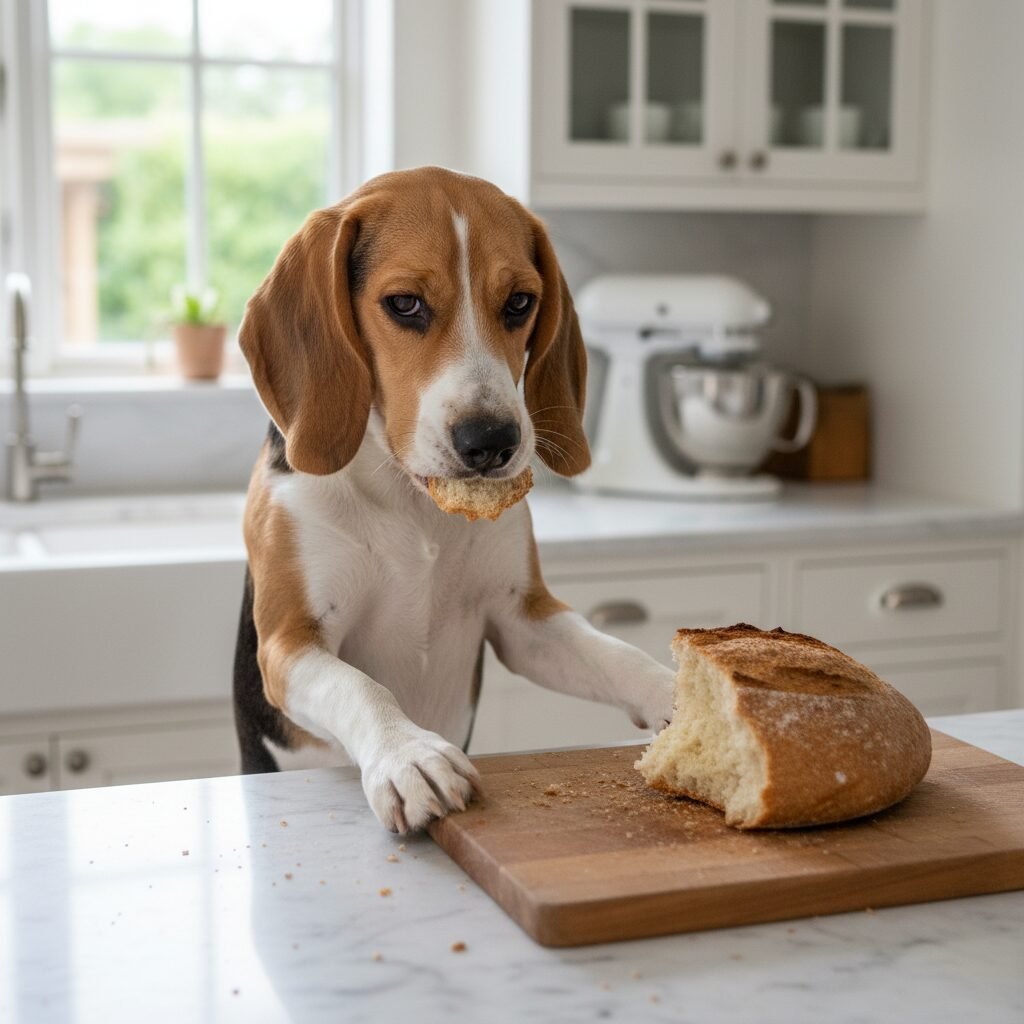
If you’re wondering whether your dog’s new quirks are part of this phase, here are some classic teenage behaviors. You’ll likely recognize a few!
- Selective Hearing: You know they heard you call their name. They might even flick an ear in your direction. But the allure of sniffing that fascinating patch of grass is just too strong to ignore. Commands they once knew perfectly are now seemingly forgotten.
- Regression in Training: It’s not uncommon for adolescent dogs to have setbacks in areas they previously mastered. This can be especially true for potty training and leash walking. Pulling on the leash, which you thought was a thing of the past, might suddenly reappear.
- Increased Chewing and Destructiveness: Your dog is likely done teething, but a second wave of chewing can emerge out of boredom, frustration, or just a desire to explore with their mouth. Your furniture, shoes, and remote controls are all fair game again.
- Boundary Pushing: Remember how you taught them not to jump on the counter? A teenage dog might just decide to test that rule again… and again. They are constantly evaluating the rules of the house.
- Heightened Fear or Reactivity: Some dogs go through a ‘fear period’ during adolescence. Things that never bothered them before, like a vacuum cleaner or a plastic bag blowing in the wind, can suddenly seem terrifying. This can also manifest as increased barking or reactivity towards other dogs or people.
Your Survival Guide: Training Through the Teenage Turmoil
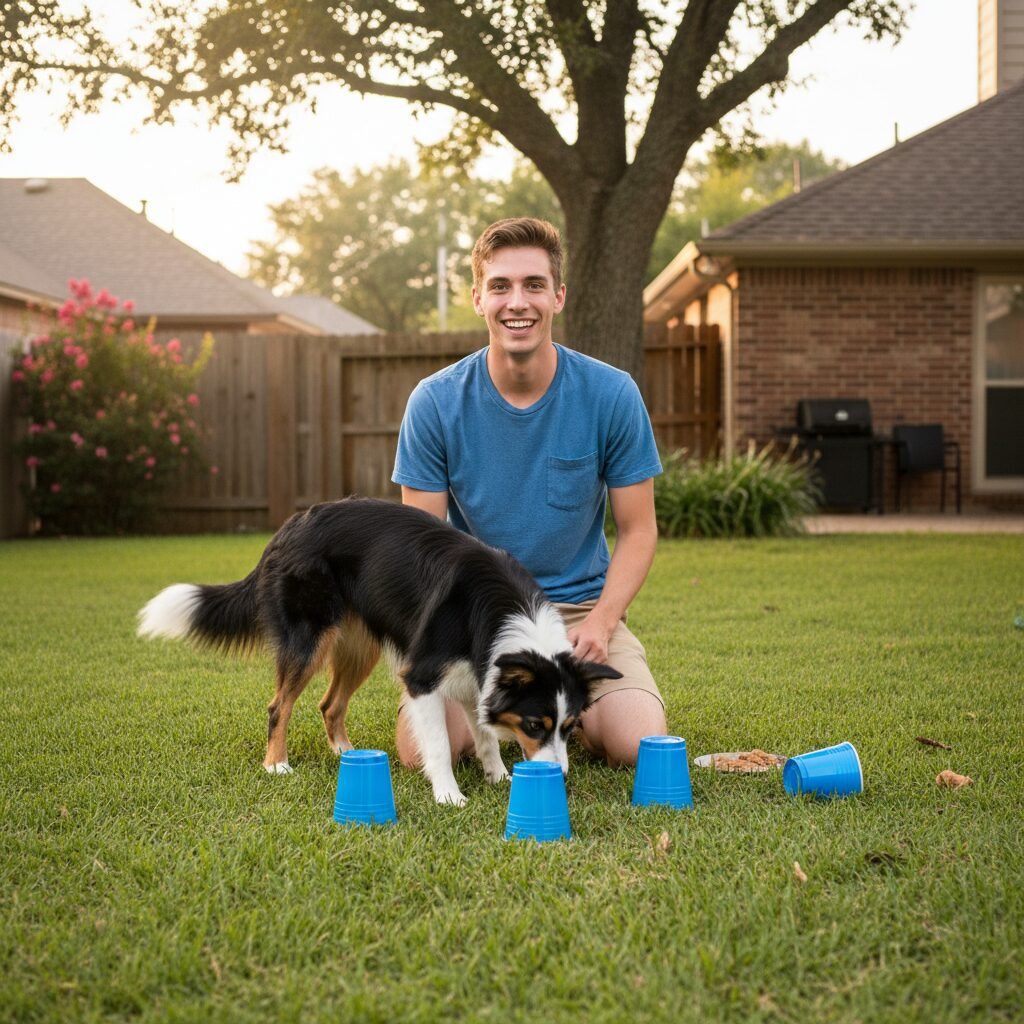
The good news is that this phase doesn’t last forever. The work you put in now will pay off immensely, shaping your rebellious teen into a well-adjusted adult dog. It’s all about management, consistency, and patience.
Go Back to Basics
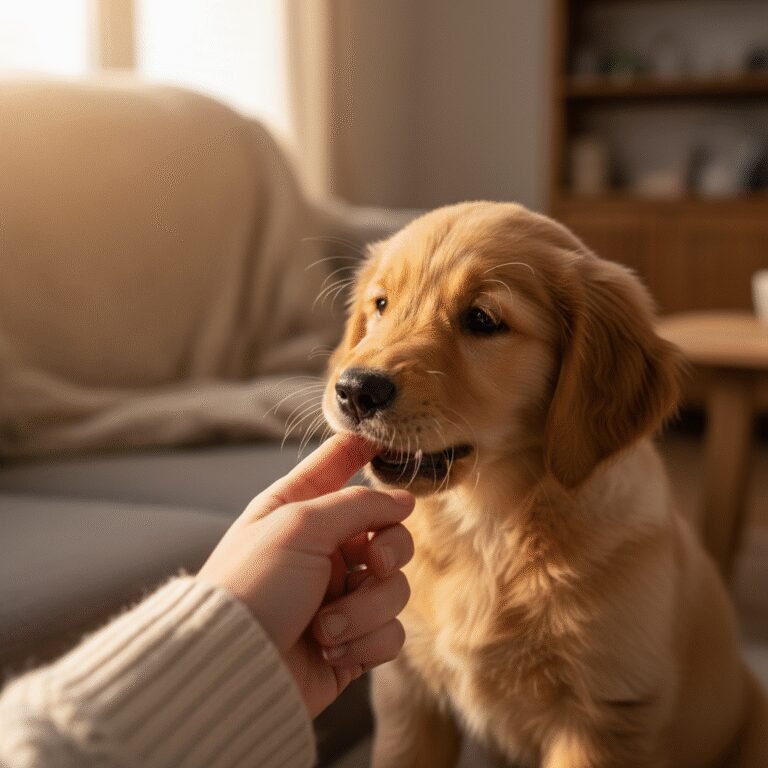
Pretend you have a brand-new puppy. Shorten your training sessions and make them incredibly fun and rewarding. Go back to teaching ‘sit,’ ‘stay,’ ‘come,’ and ‘down’ in low-distraction environments. Use high-value treats (think chicken, cheese, or hot dogs) to make paying attention to you more appealing than anything else.
Be a Benevolent Dictator: Consistency is King
This is the most critical element. The rules have not changed. If dogs aren’t allowed on the couch, they are never allowed on the couch. Every member of the family needs to be on the same page. Inconsistency is confusing and teaches your dog that sometimes the rules are optional.
Manage the Environment
Don’t set your dog up for failure. If they’ve started chewing shoes again, don’t leave them lying around. Use baby gates to block off certain rooms, and don’t hesitate to use their crate for short periods when you can’t supervise them. A well-managed dog can’t practice bad behaviors.
Enrichment is Everything
A tired and mentally stimulated teenager is a well-behaved teenager. Increase their physical exercise, but also ramp up their mental enrichment.
Puzzle toys, snuffle mats, and scent work games are fantastic ways to engage their brain and burn energy. A 15-minute ‘find the treat’ game can be just as tiring as a 30-minute walk.
Patience, Not Punishment: Common Mistakes to Avoid
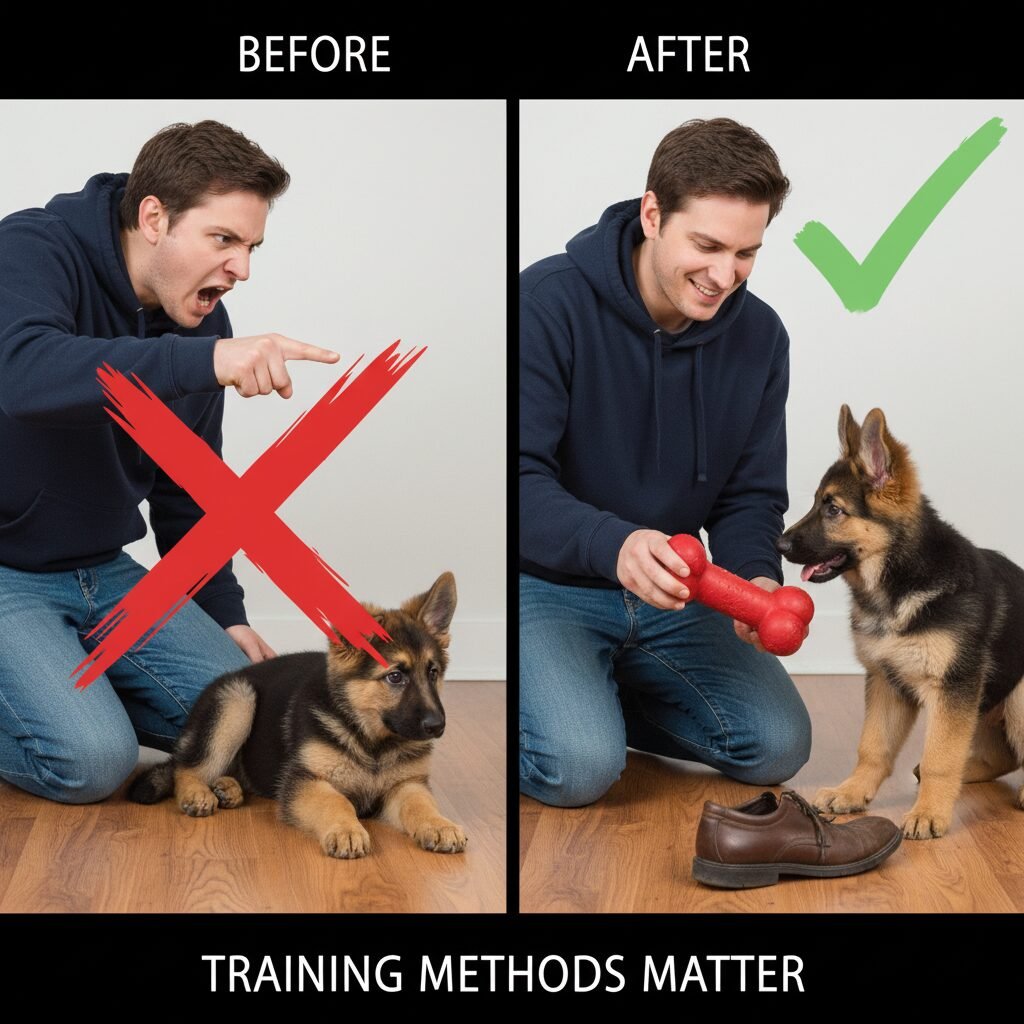
How you react to your dog’s teenage antics can either strengthen your bond or damage it. Navigating this phase requires a calm and understanding approach. Here are a few common pitfalls to avoid.
Don’t Resort to Punishment
It can be tempting to scold or punish your dog when they ignore a command or destroy another pillow. However, punishment-based methods can create fear, anxiety, and aggression, which will only make the situation worse. It can erode the trust you’ve built and make your dog less willing to engage with you. Instead, focus on redirecting unwanted behavior and rewarding the good choices, no matter how small.
Don’t Stop Training or Socializing
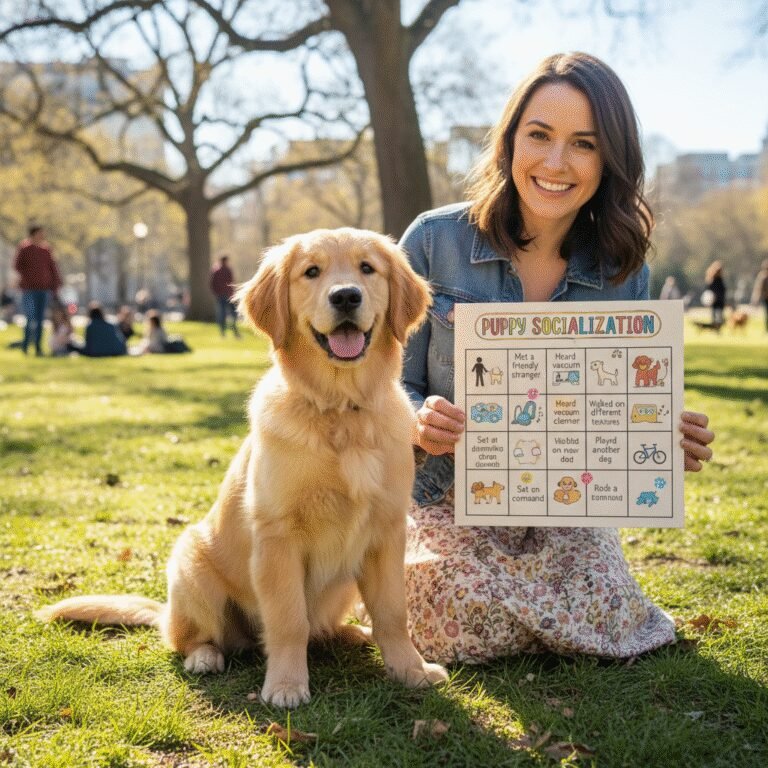
Some owners get so discouraged that they stop training altogether, thinking it’s pointless. This is the worst thing you can do! Your dog needs your guidance now more than ever. Continue with positive reinforcement training and maintain positive socialization experiences. Opt for controlled environments, like a structured training class or a one-on-one playdate with a well-behaved adult dog, rather than a chaotic dog park.
Don’t Take It Personally
This is arguably the hardest part. Your dog is not doing this to spite you or because they don’t love you anymore. Their behavior is a product of their developmental stage. Remembering that this is a biological process, not a personal attack, can help you maintain your patience and your sense of humor. They are not giving you a hard time; they are having a hard time.
Conclusion
Navigating the teenage phase can feel like a marathon, but remember, there is a finish line. This period of rebellion is temporary. By staying consistent, managing their environment, keeping training fun, and leading with patience, you are reinforcing the foundation for a wonderful adult companion. The effort you invest now will be rewarded tenfold with a confident, well-behaved, and deeply bonded canine family member. So hang in there, celebrate the small victories, and don’t forget to laugh at the ridiculous antics. You’ll both get through this, and your relationship will be even stronger for it.