The First 24 Hours: A Survival Guide for New Puppy Parents
Congratulations! You’ve just brought home a bundle of furry joy, and your life is about to change in the most wonderful way. But let’s be honest, those first 24 hours can feel a little… overwhelming. You’re filled with excitement, but also a million questions. Am I doing this right? Why are they crying? How many times do they need to pee?!
Take a deep breath. You’ve got this! The goal for this first day isn’t perfection; it’s about building trust, establishing a sense of safety, and starting a few simple routines. This guide is your friendly companion for navigating every step, from the moment you walk through the door to that first sleepy sunrise together. Let’s make this first day a fantastic foundation for your lifelong friendship.
Before You Arrive: Creating a Safe ‘Puppy Zone’
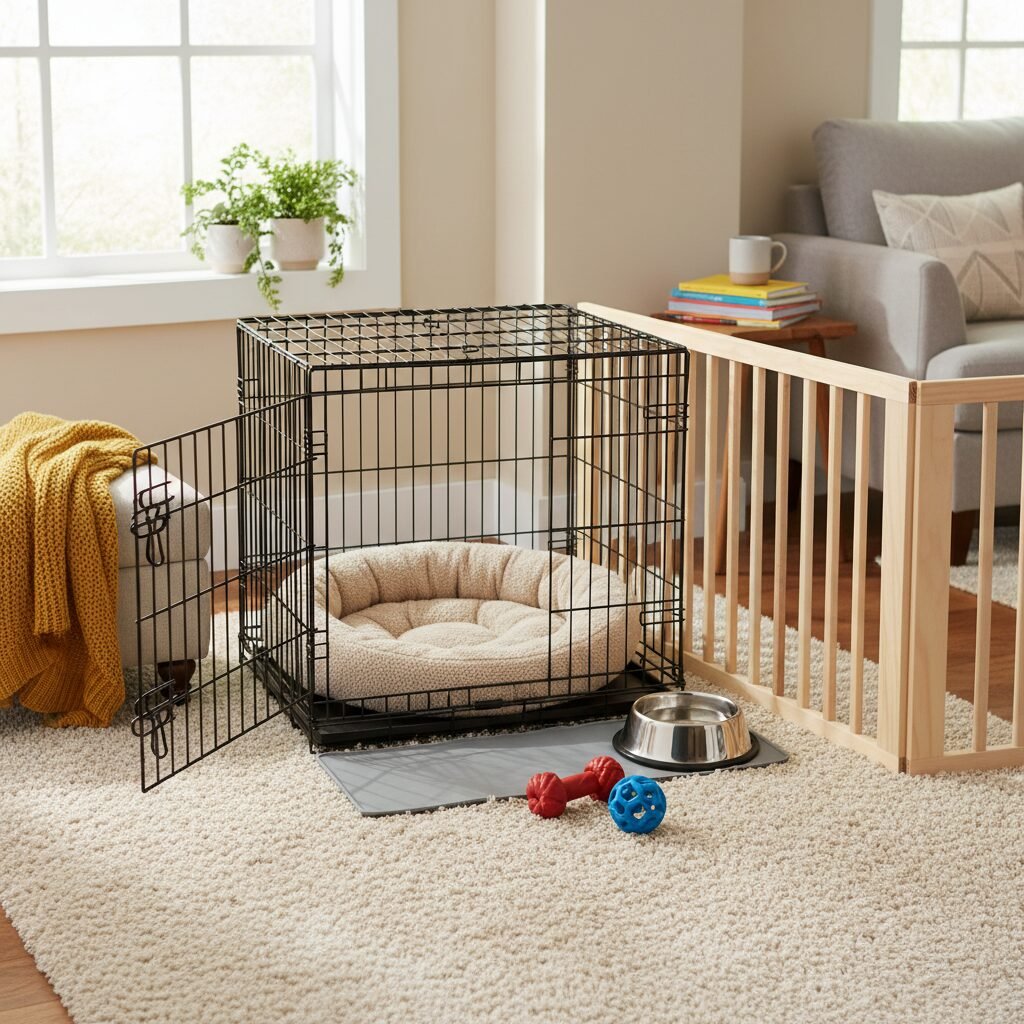
The secret to a calm arrival is preparing your home before your puppy’s paws even touch the floor. Instead of giving them free reign of the entire house (which can be incredibly overwhelming for a tiny pup), set up a designated ‘puppy zone.’ This is their personal sanctuary, a place where they can feel secure and where you can manage their safety.
Think of it as their first bedroom. This area should be located in a part of the house where the family spends time, like the living room or kitchen, so they don’t feel isolated. Use baby gates or a playpen to block it off.
Your Puppy Zone Checklist:
- A Comfortable Crate: Choose a size-appropriate crate. It should be just big enough for them to stand up, turn around, and lie down comfortably. Make it extra cozy with a soft blanket or bed.
- Water Bowl: Always have fresh, clean water available. Use a heavy, spill-proof bowl.
- Chew Toys: Puppies explore with their mouths! Provide 2-3 safe, age-appropriate chew toys to redirect their chewing instincts.
- Potty Pad (Optional): If you’re using them, place a potty pad in a corner of the zone, away from their bed and water.
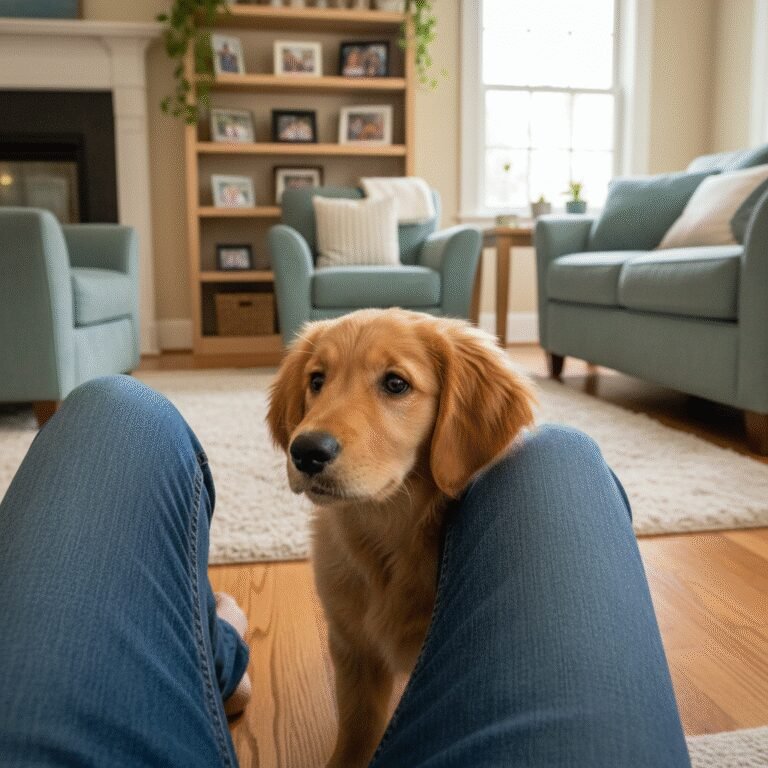
- Puppy-Proofing: Get on your hands and knees and look at the world from their perspective. Remove or secure electrical cords, move toxic plants, and pick up any small objects they could swallow.
By setting this up in advance, you create a calm environment for them to enter, rather than a chaotic one where you’re scrambling to set things up while a curious puppy is underfoot.
The ‘Gotcha’ Moment: The Car Ride and First Introduction
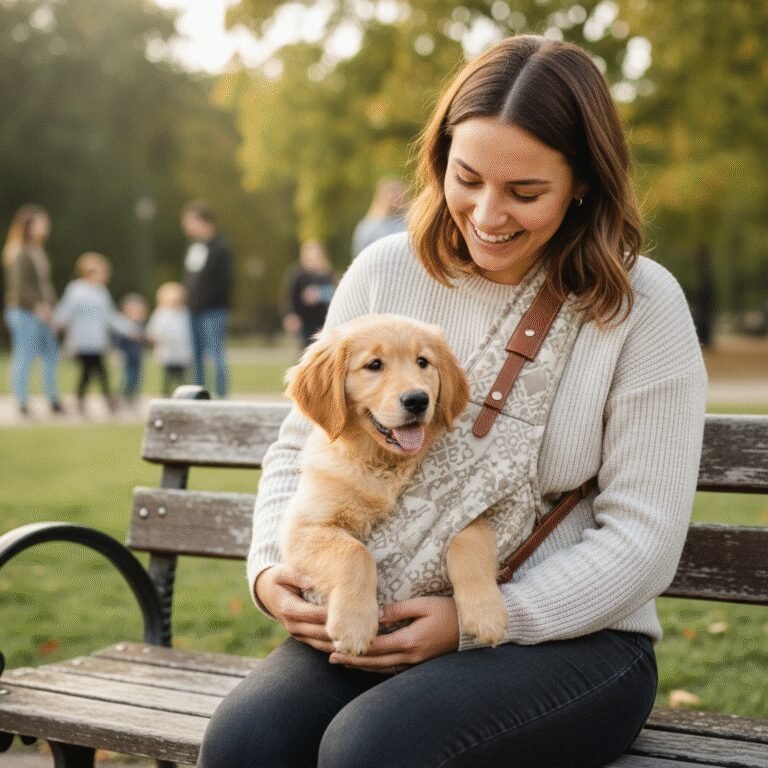
The big moment is here! The journey home is your puppy’s first adventure with you. Safety is paramount. Never let a puppy ride loose in the car. Use a secure travel carrier or a puppy car seat. It might seem kinder to hold them, but it’s dangerous for both of you in case of a sudden stop.
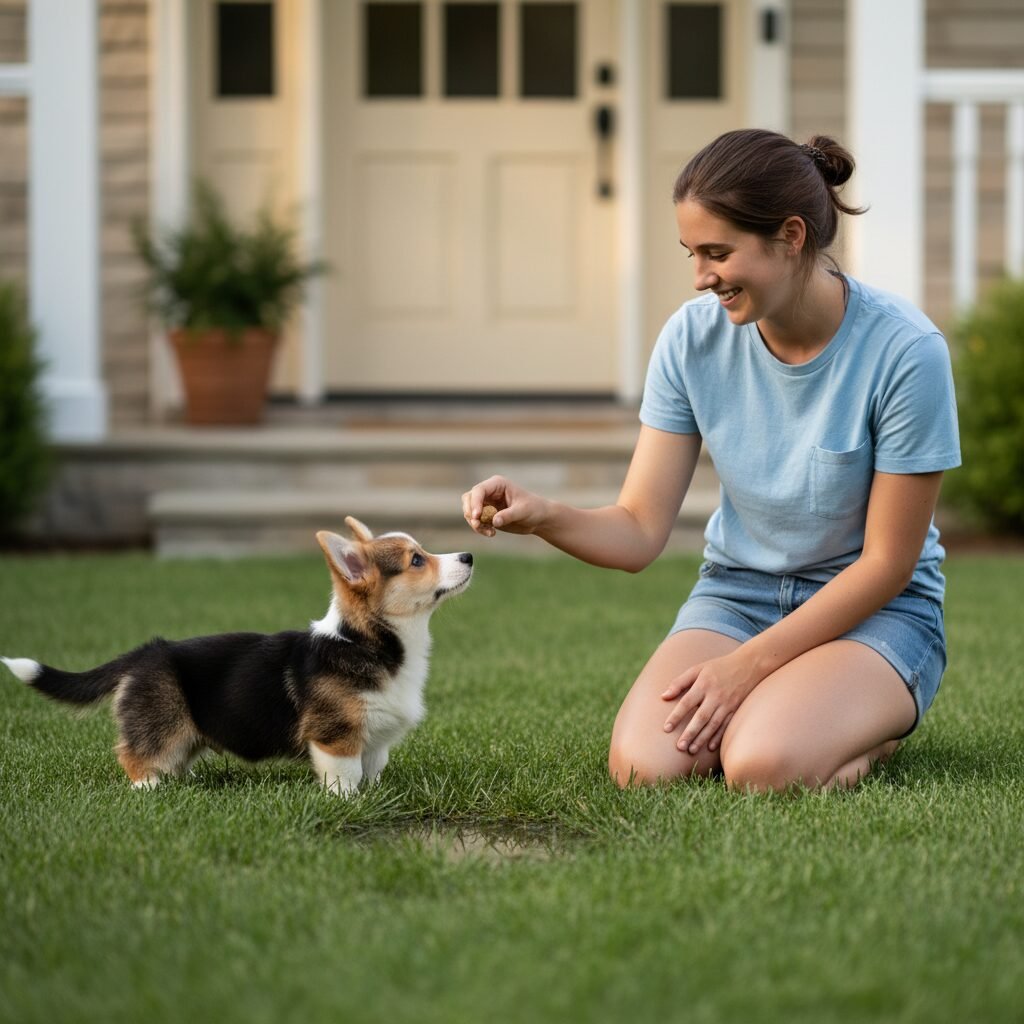
When you arrive home, resist the urge to immediately bring them inside for cuddles. The very first thing you should do is take them to their designated potty spot in your yard.
Step-by-Step Arrival Plan:
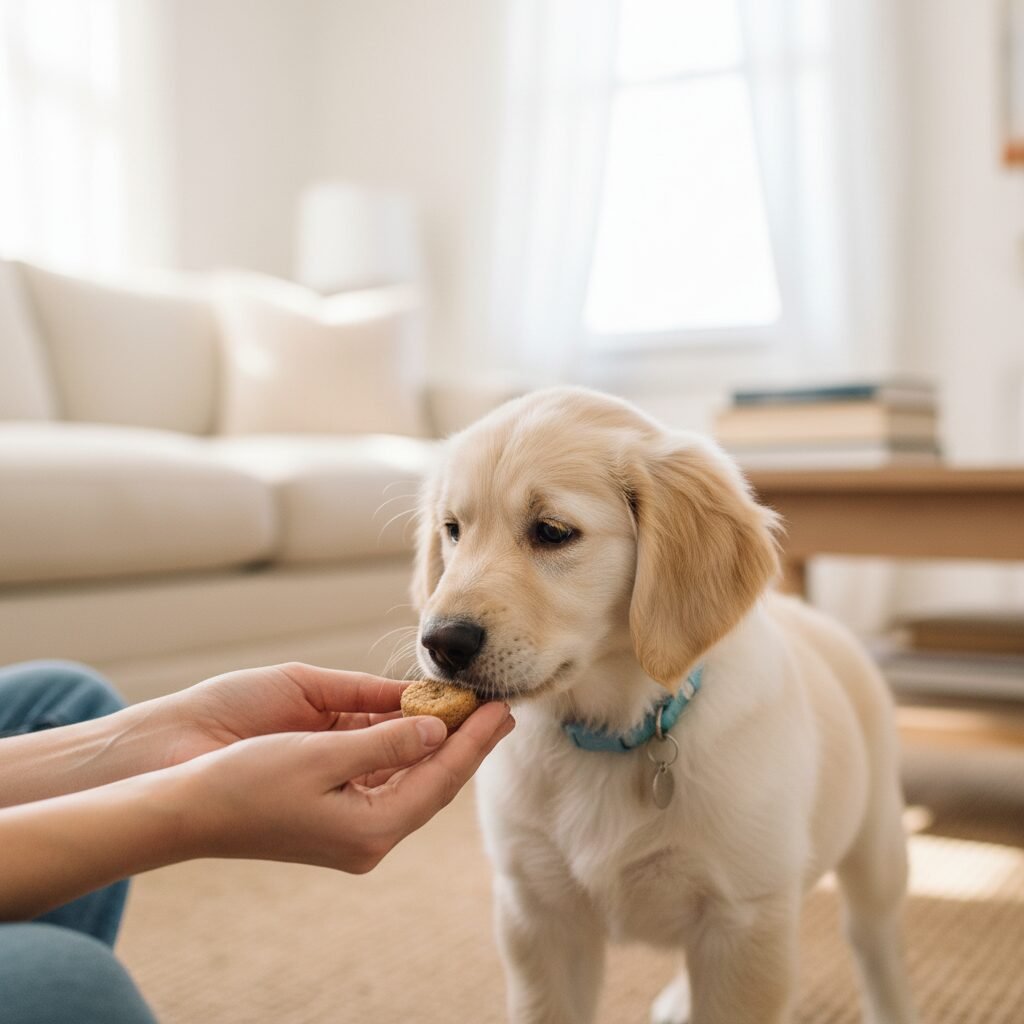
- First Stop: Potty Spot. Carry your puppy directly from the car to the spot in your yard you want them to use. Put them down and wait patiently. The moment they pee or poop, praise them enthusiastically (e.g., “Good potty!”) and offer a high-value treat. You’ve just started house training!
- Calm Introduction to the House. Keep the leash on and let them calmly explore their designated ‘puppy zone.’ Let them sniff and get their bearings. For now, keep other pets separated and introductions with family members low-key. Too much excitement can be stressful.
- Show Them Their Resources. Gently guide them to their water bowl and show them the toys and bed inside their crate. Let them explore at their own pace. Don’t force them into the crate; just let them discover it’s a safe and comfy spot.
Expert Tip: Keep the homecoming party small. While everyone is excited to meet the new arrival, overwhelming your puppy with too many new faces and hands can cause anxiety. A calm, quiet introduction to their new life is best.
Setting the Scene: Potty, Playtime, and Peaceful Naps
The first day is all about establishing a predictable rhythm. Puppies thrive on routine, and it helps them understand the rules of their new world. The three most important activities to schedule are potty breaks, playtime, and naptime.
The Potty Training Grind
A young puppy’s bladder is tiny. To prevent accidents, you need to be proactive. Take them out:
- First thing in the morning
- Last thing at night
- After waking up from a nap
- After a play session
- After eating or drinking
- At least every 1-2 hours, regardless
Always praise and reward success outdoors. If an accident happens inside (and it will!), don’t scold them. Simply clean it up thoroughly with an enzymatic cleaner to eliminate odors that attract them back to the same spot, and resolve to take them out sooner next time.
Play and Engagement
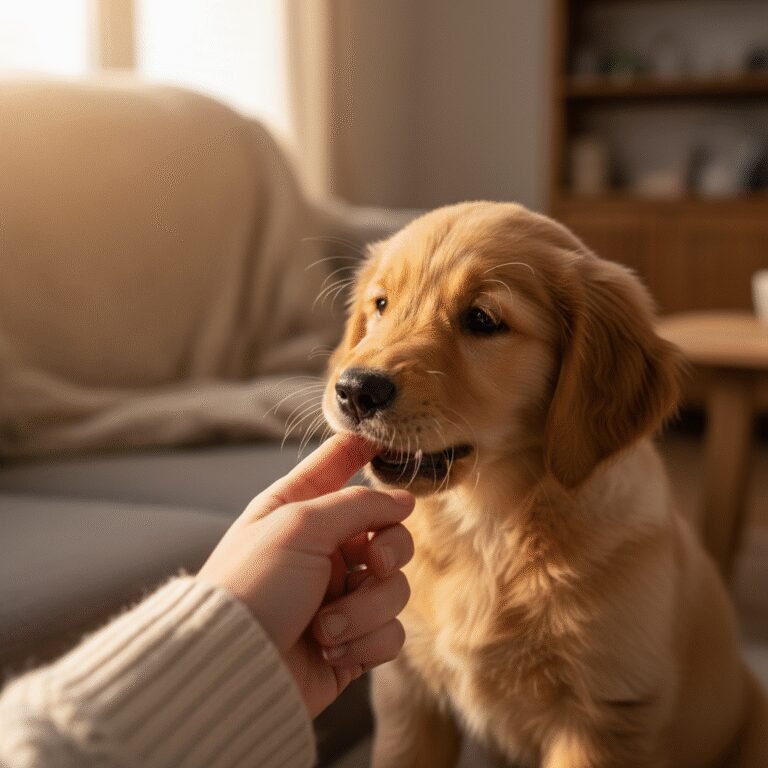
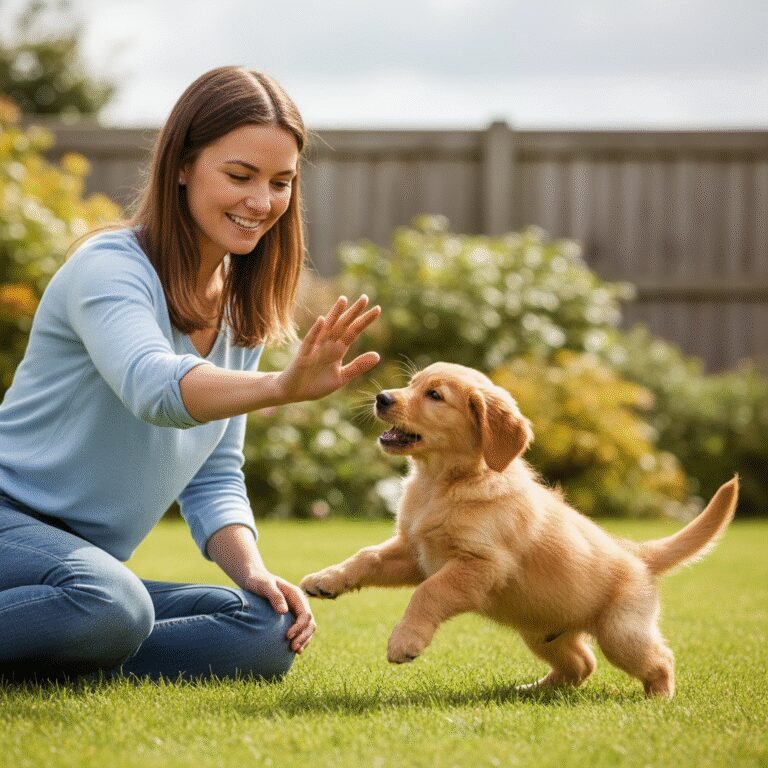
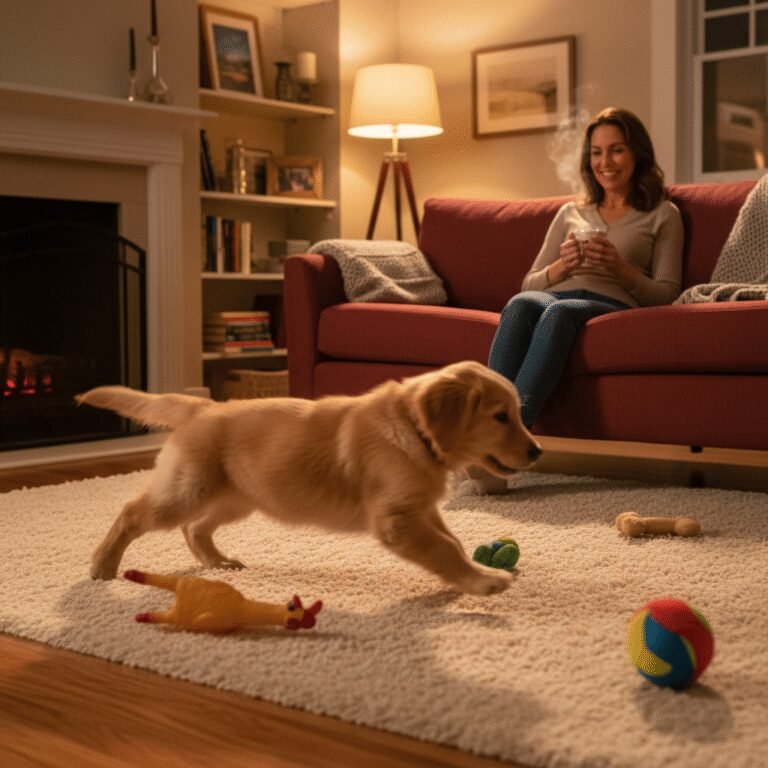
Playtime is crucial for bonding and burning off that puppy energy. Keep play sessions short, around 5-10 minutes at a time. Use appropriate toys like soft tug ropes or squeaky plushies. This is also a great time to introduce their name. Say their name in a happy tone, and when they look at you, give them a treat!
The Power of Naps
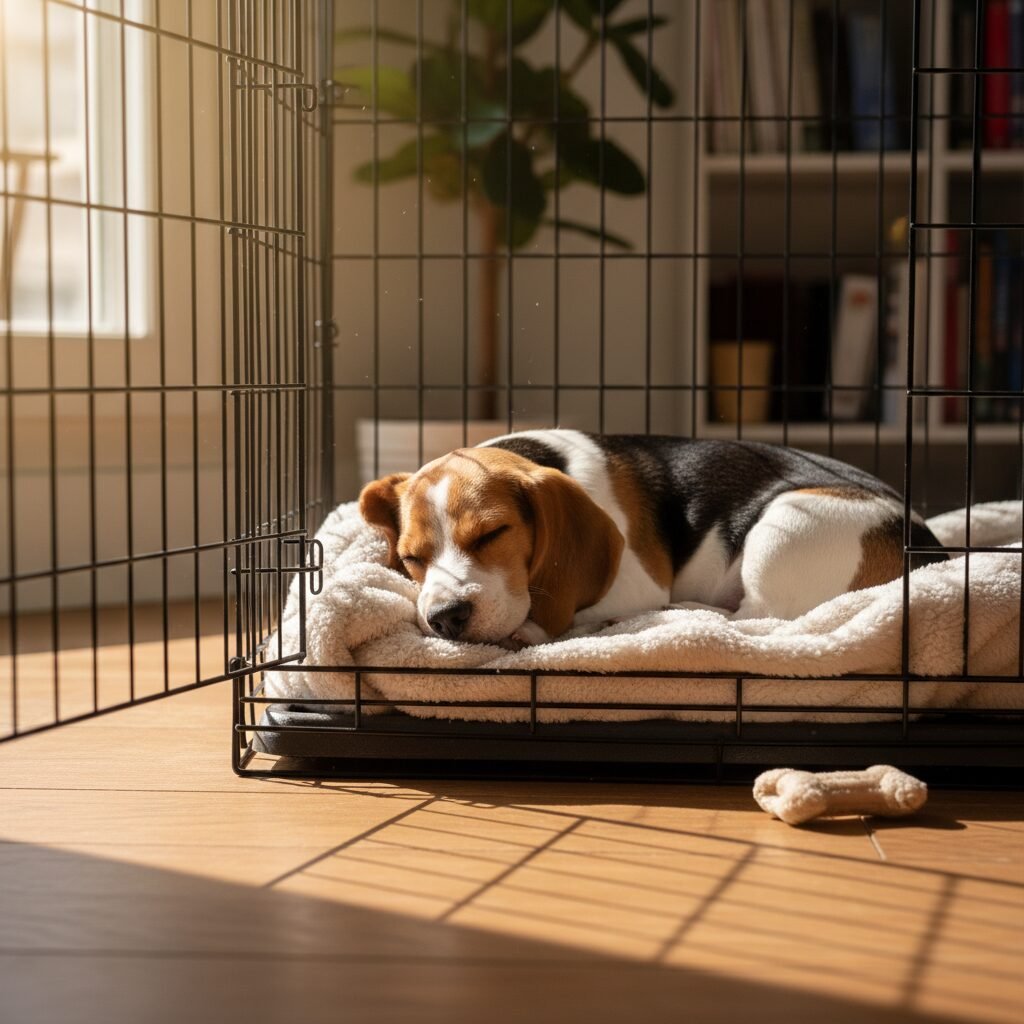
It might surprise you, but puppies need 18-20 hours of sleep a day! An overtired puppy is a bitey, cranky puppy. Enforce naptime by guiding them to their crate or bed in their puppy zone when you see them getting sleepy. A tired pup is more likely to settle down for a peaceful nap in their new den.
Surviving the First Night: Bedtime and Handling the Whining
The first night alone can be scary for a puppy who has only ever known the comfort of their mom and littermates. Your goal is to make them feel safe, not isolated. The whining and barking can be tough, but how you respond sets the stage for future nights.
Setting Up for Success:
- Final Potty Trip: Take them out for one last potty break right before you intend to go to sleep. Make it calm and boring—no playtime.
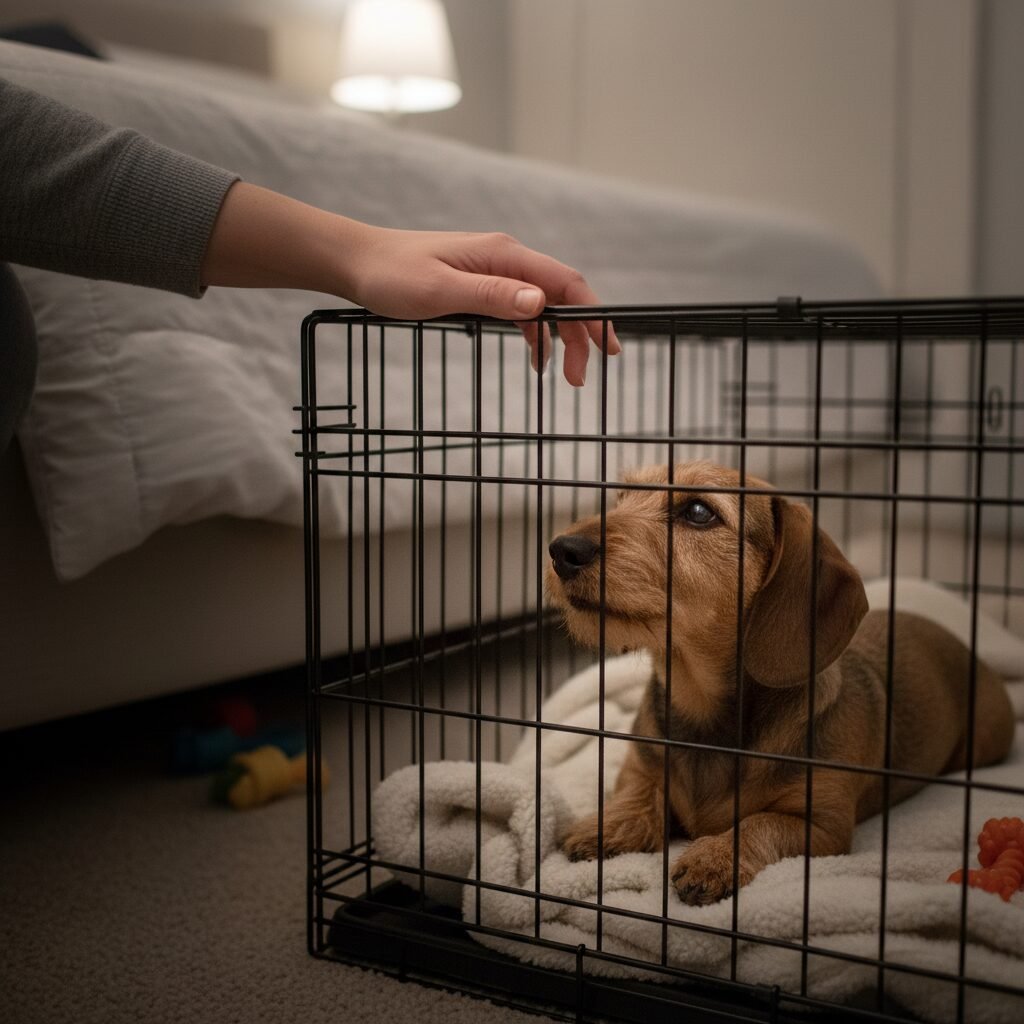
- Crate by the Bed: For the first few weeks, it’s incredibly helpful to have the crate right next to your bed. Your puppy can hear you, smell you, and see you, which provides immense comfort. You can even dangle your fingers by the crate door if they get fussy.
- Make it Cozy: A warm blanket is a must. Some people use a ticking clock wrapped in a blanket to simulate a maternal heartbeat or a special snuggle toy with a heat pack.
What to Do When They Whine
First, it’s important to determine why they’re whining. Are they just lonely, or do they genuinely need to go potty? A young puppy likely cannot hold it all night.
If it’s been a few hours and they start whining, they probably need to go out. Keep the potty trip swift and uninteresting. Use a dim light, carry them to their spot, give them a chance to go, and then place them right back in the crate. No talking, no playing, no fun. This teaches them that whining at night is only for potty breaks, not for social hour.
If you’ve just taken them out and they start crying, they are likely just feeling lonely. Try to ignore it for a few minutes. It’s hard, but if you give in and let them out every time they make a peep, you teach them that crying gets them what they want. Often, they will settle down on their own after a short time.
Conclusion
You made it through the first 24 hours! There may have been a puddle or two, some whining, and moments of doubt, but you also had endless cuddles and unforgettable firsts. Remember, this is the very beginning of a beautiful journey. Be patient with your new puppy, and be patient with yourself. Consistency, positive reinforcement, and a whole lot of love are the keys to raising a happy, well-adjusted dog. Welcome to the wonderful world of puppy parenthood—the best is yet to come!