Is Your Puppy Suddenly Scared? Understanding Fear Periods
Have you ever watched your once-bold, confident puppy suddenly turn into a quivering ball of fluff at the sight of a garden gnome or a flapping trash bag? You’re not alone, and your puppy isn’t broken. This sudden shift in behavior can be baffling and worrying for any pet parent, but take a deep breath. Your little one is likely going through a completely normal developmental stage known as a fear period.
Think of it as a software update for your puppy’s brain. These phases are temporary but critical for their survival instincts to kick in. Understanding what’s happening and how to respond is key to helping your puppy grow into a well-adjusted, confident adult dog. Let’s dive into what fear periods are, why they happen, and how you can be your puppy’s calm, supportive guide through the spooks.
What in the World Is a Puppy Fear Period?

A puppy fear period is a specific developmental stage where a puppy becomes more sensitive and prone to fear of new things, and sometimes, even familiar ones. During this time, their brain is making rapid connections about what is safe and what is potentially dangerous in the world. A single scary experience during a fear period can sometimes have a more lasting impact than it would at other times.
Puppies typically go through two distinct fear periods:
- The First Fear Period (8 to 11 weeks): This often coincides with the time a puppy leaves its mother and littermates to go to a new home. Their world is expanding dramatically, and their brains are on high alert for potential threats. This is why positive, gentle socialization is so crucial during this window.
- The Second Fear Period (6 to 14 months): This one is often called the ‘adolescent fear period’ and can be more challenging because your puppy is bigger and may have a bigger reaction. It can seem to come out of nowhere. A dog that has always been fine with strangers might suddenly start barking at the mail carrier. This phase is linked to sexual maturity and another period of rapid growth and brain development.
Expert Tip: Don’t think of these as setbacks! See them as opportunities to build trust and teach your puppy that you are their safe space. Your calm reaction teaches them how to react.
How to Spot the Spooked Puppy Signs
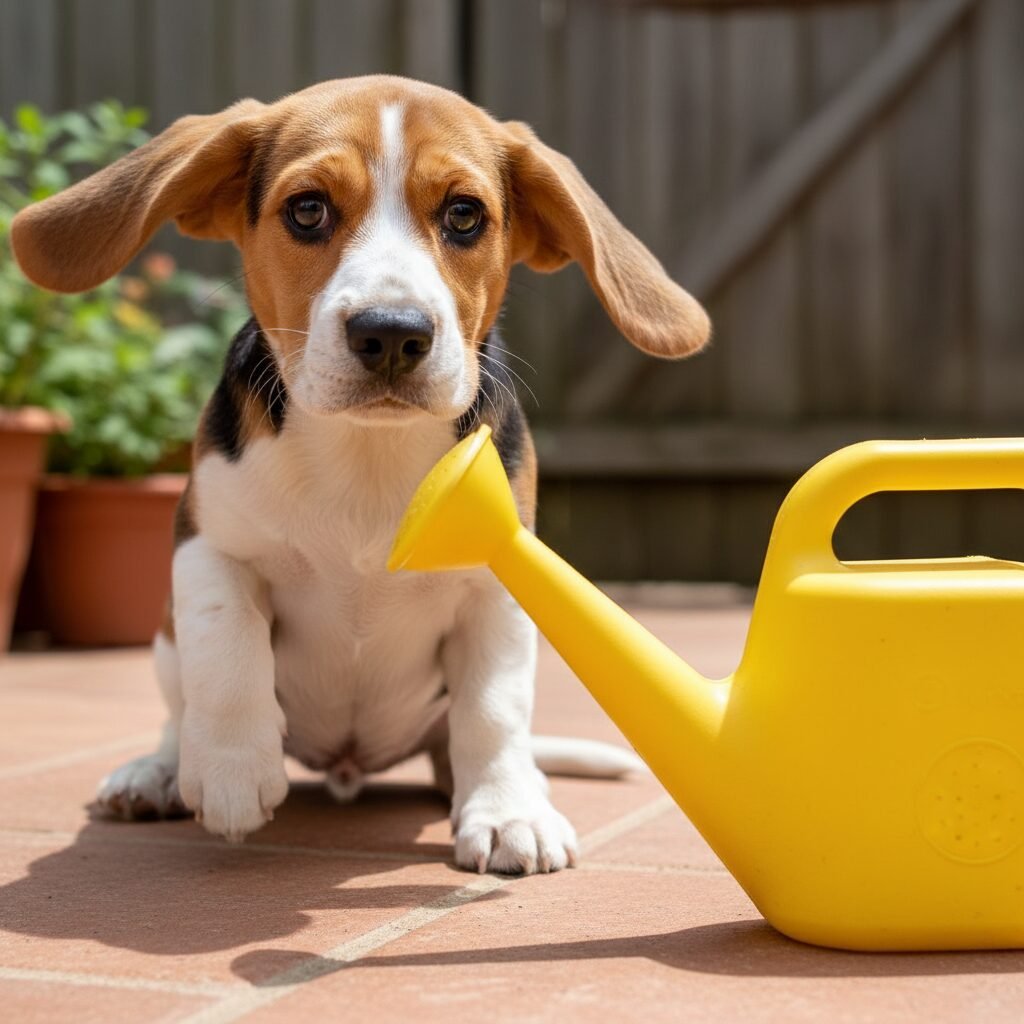
The signs of a fear period can be subtle or very obvious, and they often appear overnight. The key is the sudden change in behavior. What was once no big deal is now a five-alarm fire for your pup. Keep an eye out for:
- Sudden Spooking: Startling easily at noises or objects that were previously ignored.
- Hesitation and Avoidance: Refusing to walk past a certain object, like a Halloween decoration or a parked bicycle.
- Body Language Changes: You might see a tucked tail, flattened ears, wide ‘whale’ eyes, trembling, or freezing in place.
- Increased Barking: Suddenly alarm-barking at familiar people, dogs, or objects.
- Hiding or Retreating: Seeking comfort by hiding behind you, under furniture, or trying to run back home during a walk.
- Reluctance to Explore: A puppy that was once an eager explorer might now stick close to your side.
Recognizing these signs for what they are—a developmental phase, not a permanent personality flaw—is the first step to handling them correctly.
Your Fear Period Playbook: The Dos and Don’ts
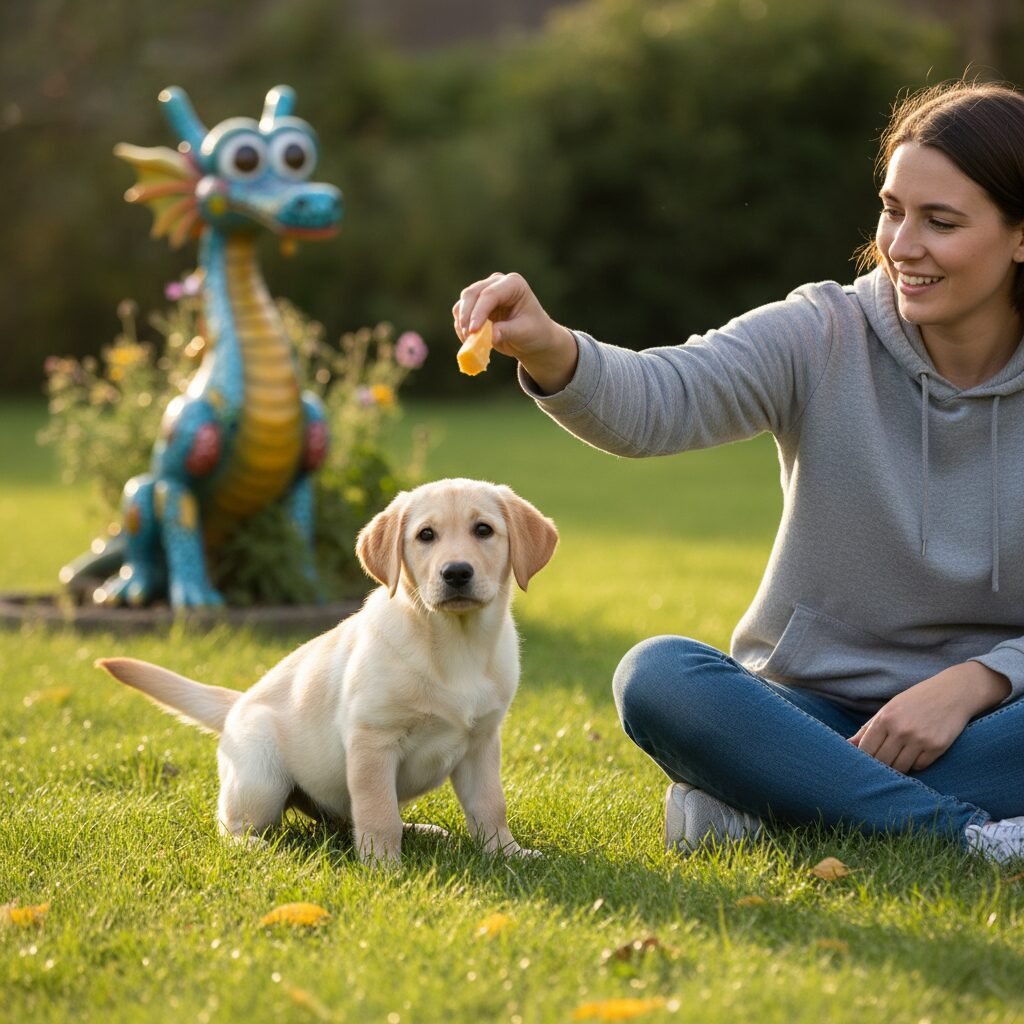
How you react during a fear period is incredibly important. Your goal is to build confidence, not reinforce fear. Here’s a simple playbook to guide you.
The DOs: How to Build Confidence
- Stay Calm & Cheerful: Your puppy takes cues from you. If you act anxious or frustrated, it will confirm their belief that something is wrong. Use a happy, upbeat tone of voice. You are their rock!
- Manage the Environment: If you know something is a trigger (like the loud garbage truck), try to manage exposure. Close the blinds and play some music or do a fun training session as a distraction.
- Create Positive Associations: From a distance where your puppy feels safe, pair the scary thing with something amazing, like high-value treats (chicken, cheese) or a favorite toy. This is called counter-conditioning. Let them observe the ‘scary’ object while getting yummy snacks.
- Allow a Graceful Retreat: Never force your puppy to confront their fear head-on. This can make the fear much worse. Allowing them to move away gives them a sense of control and safety.
- Focus on Fun Training: Work on simple, fun cues like ‘touch’ or ‘sit’. Success in training builds overall confidence that can spill over into other areas of their life.
The DON’Ts: What to Avoid
- Don’t Force It: Never drag your puppy towards something they are afraid of. This is called ‘flooding’ and it can be incredibly damaging, teaching them that they can’t trust you to keep them safe.
- Don’t Coddle or Over-Comfort: While it’s tempting to scoop up your puppy and say “It’s okay, it’s okay” in a soothing voice, this can be interpreted as praise for being scared. A quick, cheerful pat and moving on is better.
- Don’t Punish the Fear: Never scold, yell at, or punish a puppy for being scared. Fear is an involuntary emotion, not bad behavior. Punishing it will only add anxiety and damage your bond.
- Don’t Over-Socialize: While socialization is important, a fear period is not the time to throw your puppy into a chaotic, overwhelming situation like a crowded dog park or a loud festival. Stick to calm, controlled, and positive experiences.
When to Call in the Pros

Most of the time, fear periods are just a bump in the road. With patience and positive management, your puppy will move past it. However, sometimes fear can become more serious and develop into a true anxiety disorder. It’s time to consult a professional if you notice the following:
- The fear doesn’t subside: If the fearful behavior continues for many weeks or months without any improvement.
- Intensifying reactions: The fear is getting worse instead of better.
- Inability to recover: Your puppy is spooked by something and remains anxious and on-edge for hours afterward.
- Aggressive responses: The fear is leading to behaviors like growling, snarling, or snapping. This is a sign that your puppy feels they need to defend themselves.
- It’s impacting their quality of life: They are too scared to go on walks, eat properly, or engage in normal puppy activities.
If you’re seeing these signs, don’t wait. Contact a qualified, force-free professional dog trainer or a veterinary behaviorist. They can help you create a specific plan to help your puppy and prevent a temporary fear from becoming a lifelong problem.
Conclusion
Navigating your puppy’s fear periods can feel like walking on eggshells, but remember: this is a normal, healthy part of growing up. Your role isn’t to create a world with nothing scary in it, but to teach your puppy that they have the skills and the support to handle new things. By staying calm, being patient, and focusing on positive reinforcement, you’re not just getting through a phase; you’re building a foundation of trust and resilience that will last a lifetime. So hang in there, celebrate the small victories, and before you know it, that scary plastic bag will be just another boring old bag again.