
How I Potty Trained My Puppy in Just 7 Days (No Accidents!)
Bringing a new puppy home is one of life’s most joyful experiences, yet it often comes with a significant source of stress: housebreaking. The fear of ruined rugs and constant cleanup is valid, but I assure you that potty training does not need to be a months-long ordeal. As a canine specialist, I have refined a method that, when followed with precision and dedication, can establish solid potty habits in just one week.
The title of this guide, How I Potty Trained My Puppy in Just 7 Days (No Accidents!), is not merely a catchy headline; it is a testament to the power of consistency, biological understanding, and proactive supervision. This intensive approach requires your full attention for seven days. It shifts the focus from correcting mistakes to preventing them entirely. By understanding your puppy’s digestive rhythm and leveraging their natural instinct to keep their sleeping area clean, we can fast-track their education. Below, I will outline the exact protocol I use to transition a puppy from confused to clean in record time.
Phase 1: The Essential Toolkit and Preparation
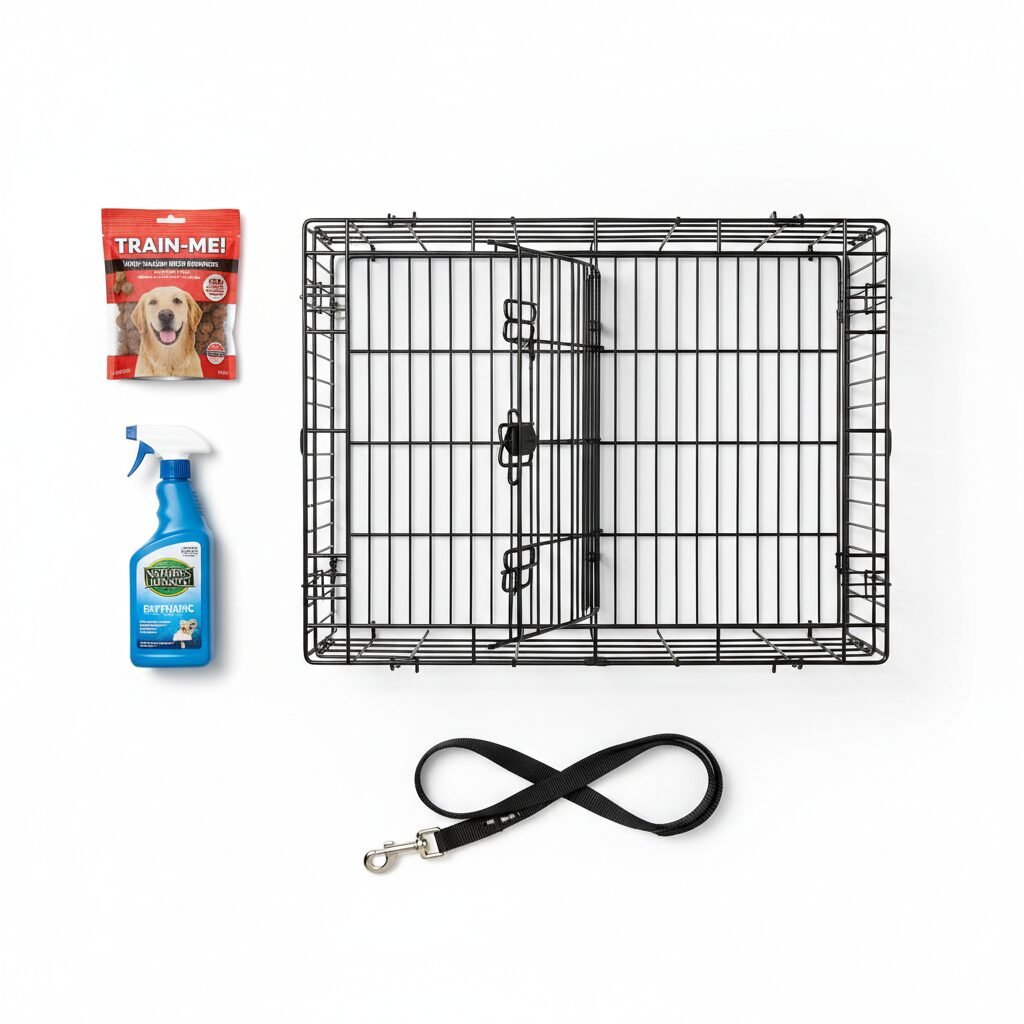
Before the seven-day clock begins, you must have the correct infrastructure in place. Attempting to train a puppy without these tools is akin to trying to build a house without a blueprint. The success of this week relies heavily on management.
- The Crate: This is non-negotiable. Dogs are den animals and instinctively avoid soiling where they sleep. The crate must be just large enough for the puppy to stand, turn around, and lie down. If it is too large, they will soil one corner and sleep in the other. Use a divider panel to adjust the size as they grow.
- Enzymatic Cleaner: Standard household cleaners do not destroy the pheromones found in urine. If a puppy smells their scent, they will return to that spot. An enzymatic cleaner breaks down the proteins, removing the scent marker entirely.
- High-Value Treats: You need a reward that is better than average kibble. Small pieces of freeze-dried liver or boiled chicken work best to reinforce the behavior immediately.
- The Leash: During this week, your puppy will be on a leash even inside the house, a technique known as ‘tethering’ or the ‘umbilical cord method.’
Phase 2: The Strict 7-Day Schedule
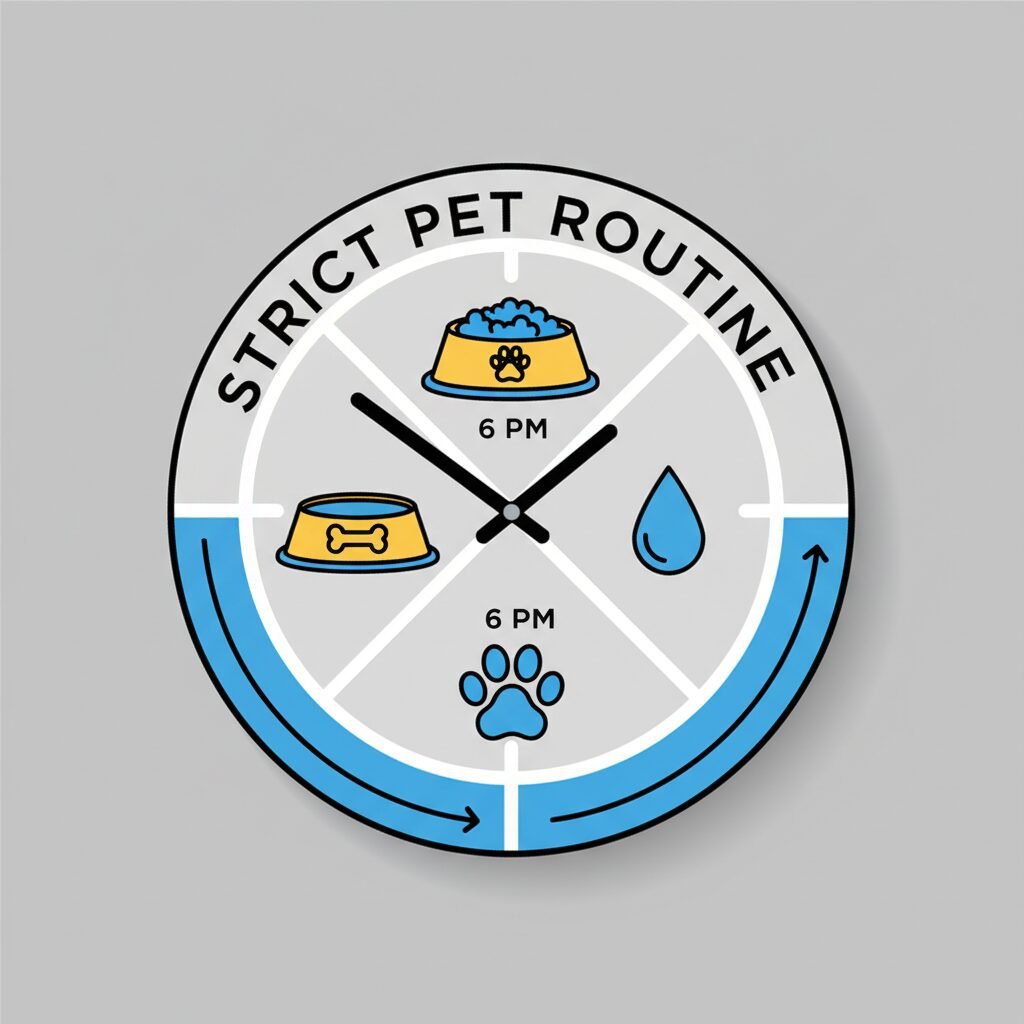
The secret to ‘no accidents’ is anticipating the need to go before the puppy even realizes it. Puppies have very predictable digestive systems. For the next seven days, you must adhere to a rigid schedule. This removes the guesswork and creates a biological rhythm for your dog.
The Critical Intervals
You must take your puppy outside:
- Immediately upon waking up (morning and after naps).
- Immediately after eating or drinking.
- Immediately after a play session.
- Every 30 to 60 minutes during awake time (depending on age).
During this week, you cannot wait for the puppy to signal you. By the time they are sniffing or circling, it is often too late. You must be proactive. If you take them out and they do not go, they must go back into the crate or be tethered to you for 10 to 15 minutes before trying again. This prevents the common scenario where a puppy refuses to go outside, comes in, and immediately soils the carpet.
Phase 3: The ‘Umbilical Cord’ Supervision Method
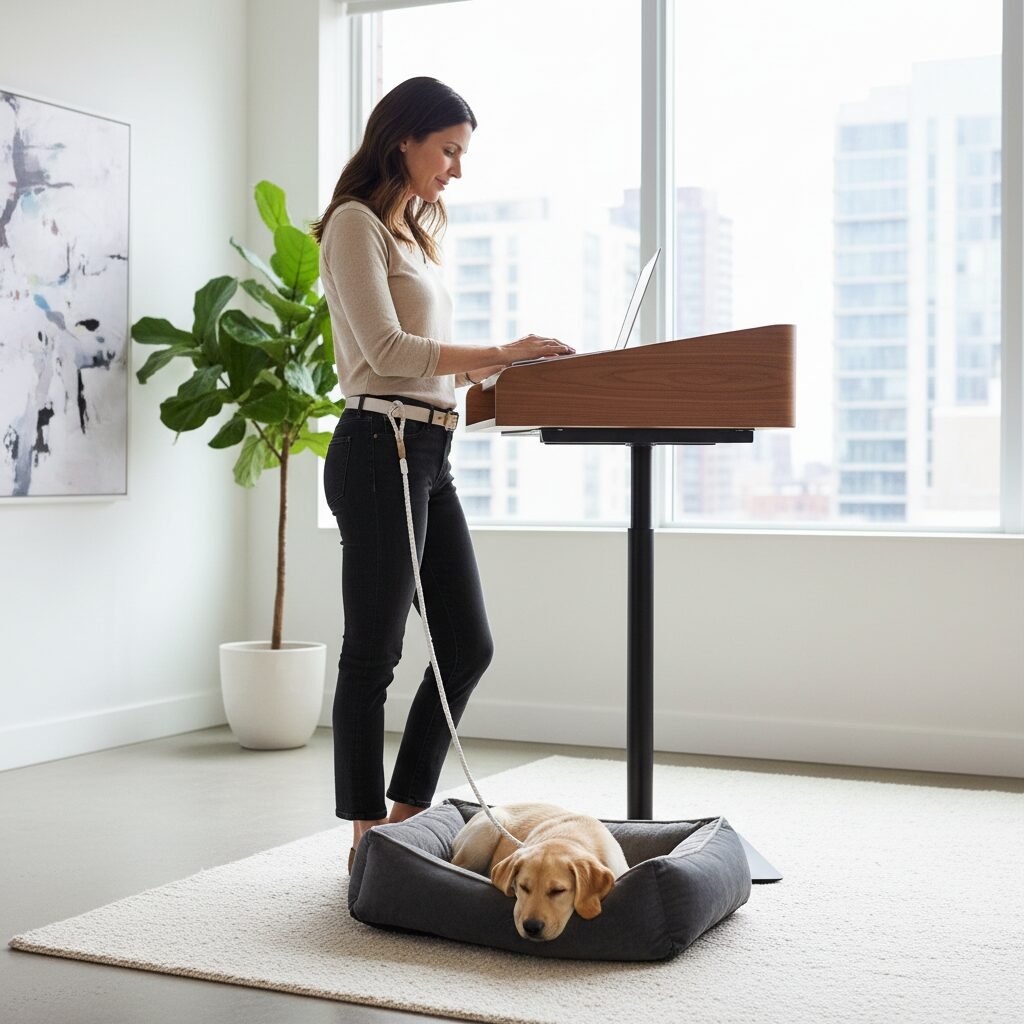
How do we ensure no accidents? We eliminate the opportunity. The most common mistake owners make is allowing a puppy too much freedom too soon. If you are not actively playing with or training your puppy, they should be in one of two places: in their crate or tethered to you.
This technique is often called the ‘Umbilical Cord Method.’ By keeping the puppy on a leash attached to your belt loop or holding the leash while you watch TV or work, you can instantly detect signs of needing to eliminate. These signs include:
- Sudden sniffing of the ground.
- Circling in a tight spot.
- A sudden loss of interest in a toy.
- Squatting.
Because the puppy is right next to you, you can interrupt the behavior immediately (with a gentle ‘Oops!’ or clap) and rush them outside. If they are wandering free in another room, you have lost the battle before it began.
Phase 4: The Reward Event
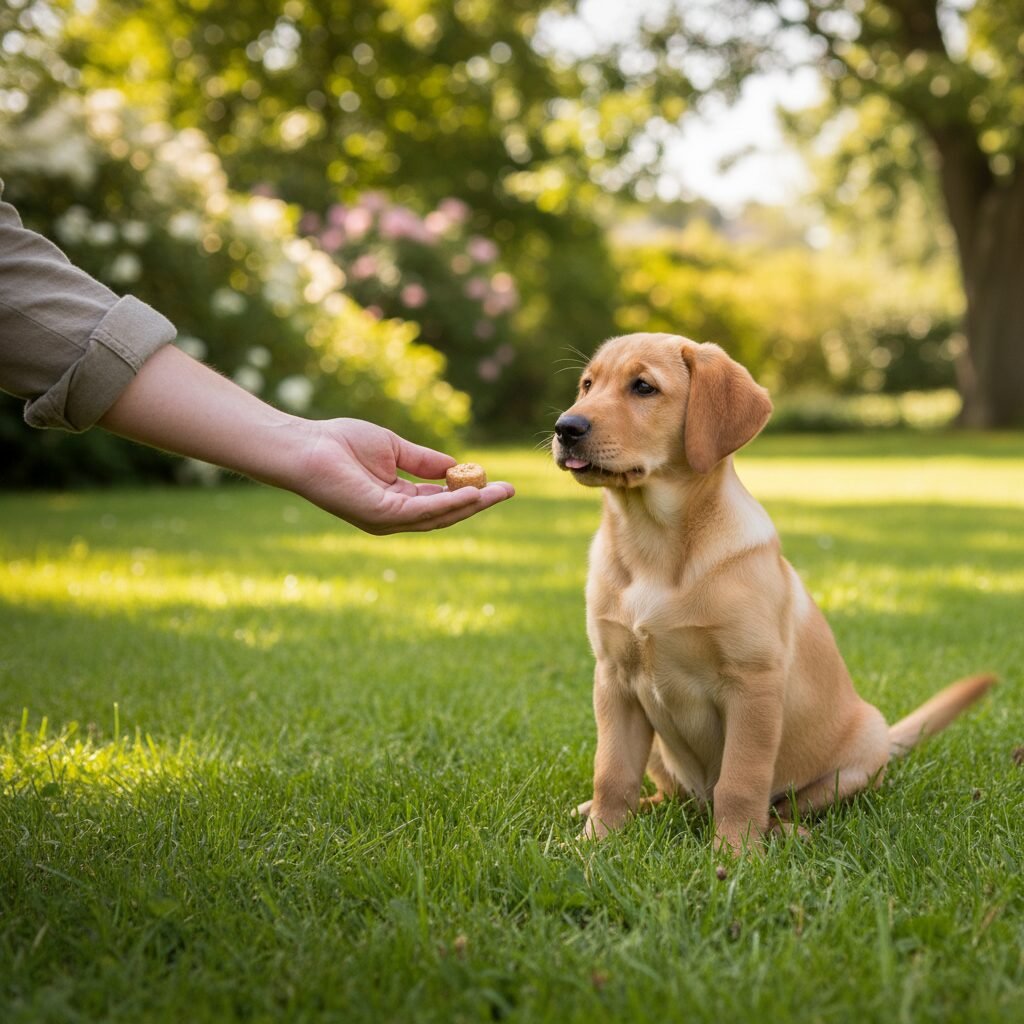
When your puppy successfully eliminates outside, you must throw a party. This is not the time for subtlety. As they are finishing (not before, or you might interrupt them), say a cue word like ‘Go Potty.’ The second they finish, deliver the high-value treat and offer enthusiastic verbal praise.
Why this works: We are using operant conditioning. The puppy learns that Grass + Peing = Chicken + Praise, whereas Carpet + Peeing = Nothing (or interruption). Dogs are opportunistic; they will repeat behaviors that earn them rewards. During these seven days, never send the puppy out alone. You must be there to deliver the payment for the job well done immediately. If you wait until they come back inside to give the treat, you are rewarding them for coming inside, not for eliminating outside.
Phase 5: Managing Nighttime and Regression
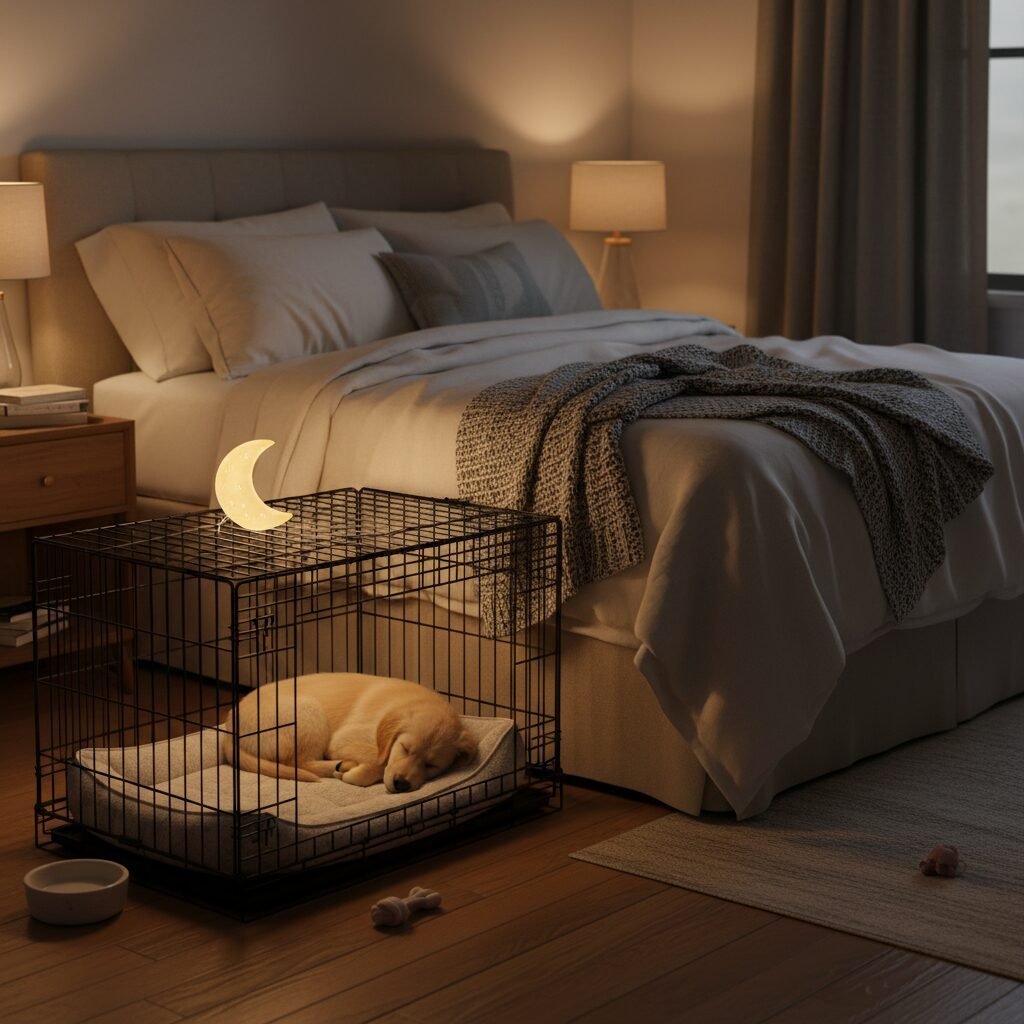
Nighttime training is a physiological challenge. Puppies generally can hold their bladder for their age in months plus one hour. A two-month-old puppy can wait perhaps three to four hours. To ensure a dry crate:
- Restrict Water: Remove water access 2 hours before bedtime.
- Scheduled Alarms: Do not wait for the puppy to whine. Set an alarm for the middle of the night (e.g., 3:00 AM). quietly take them out, keep the lights low, do not play, reward the potty, and immediately return them to the crate.
If you experience regression after the seven days, it is almost always due to loosening the rules too quickly. If an accident happens, do not punish the puppy. Punishment creates fear and causes the puppy to hide when they need to go. Instead, roll up a newspaper and hit yourself on the head for not supervising closely enough. Clean the spot with your enzymatic cleaner and return to the strict schedule for a few days.
Conclusion: Consistency is the Key to Success
Potty training a puppy in seven days is an intensive process that demands 100% of your attention, but the payoff is a lifetime of cleanliness and trust. By utilizing the crate, adhering to a strict biological schedule, and employing the umbilical cord method, you remove the opportunity for mistakes and heavily reinforce the correct behavior.
Remember, the ‘No Accidents’ claim is a goal achieved through your vigilance. If you follow this protocol, your puppy will learn that outside is the only acceptable place to eliminate. Be patient, be consistent, and celebrate the small victories. Your dedication this week will set the foundation for a happy, hygienic relationship with your canine companion for years to come.