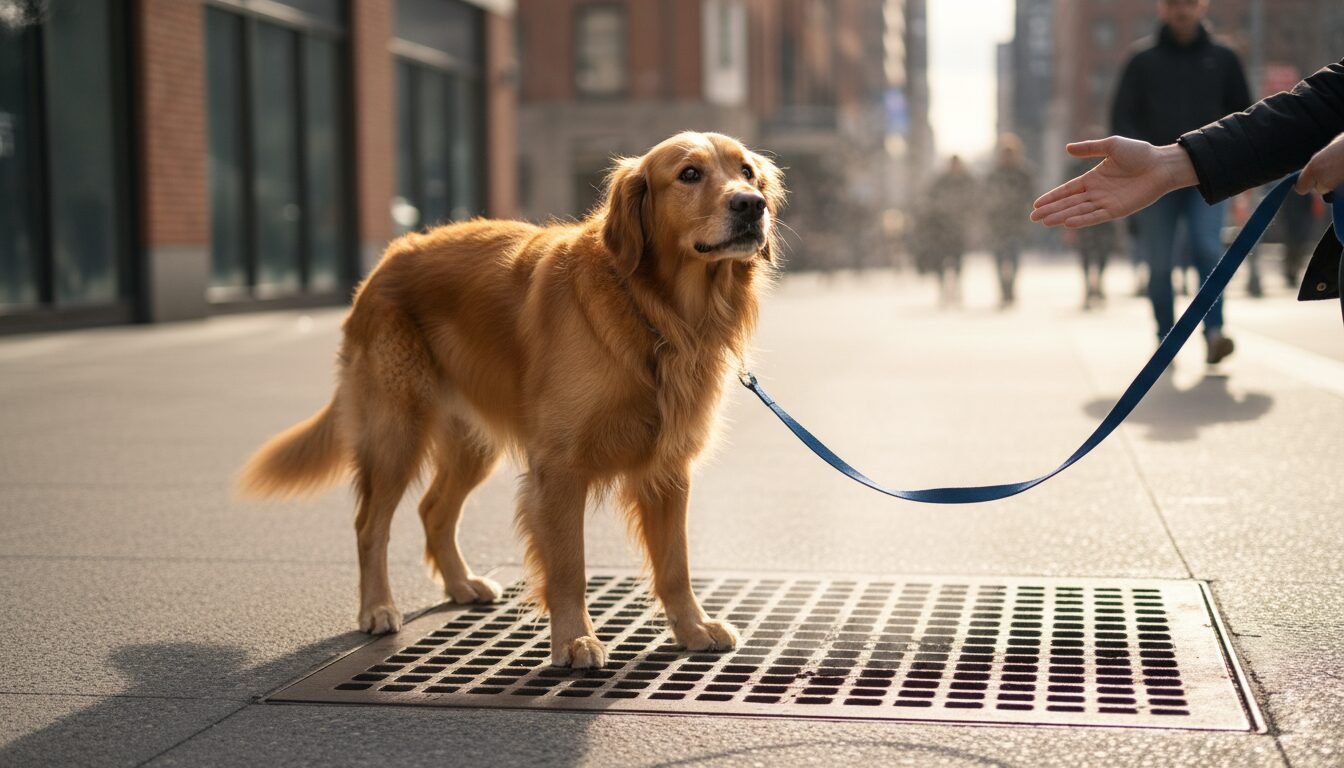
City Dogs: Conquering The Fear Of Sidewalk Grates And Manholes
For the urban canine, the city sidewalk is a tapestry of scents, sights, and sounds. However, it is also an obstacle course filled with potential terrors that many rural dogs never encounter. Among the most common and persistent phobias for city dogs is the fear of sidewalk grates, cellar doors, and manhole covers. To a human, these are simply mundane infrastructure; to a dog, they represent a terrifying void, an unstable surface, or a source of frightening noises and smells.
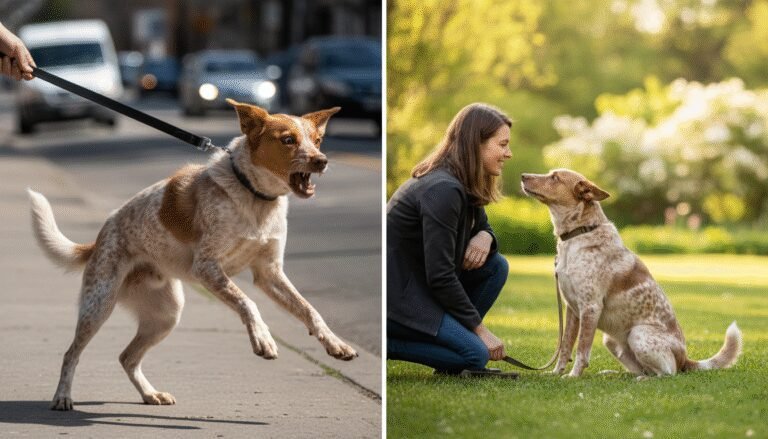
If your daily walk turns into a wrestling match every time you approach a subway grate, or if your dog dramatically veers into the street to avoid a manhole cover, you are witnessing a very natural survival instinct. In the wild, stepping on unstable ground or a surface where one can see a drop-off could result in injury or death. Therefore, your dog’s hesitation is not stubbornness; it is self-preservation.
As a canine specialist, I often work with owners who feel frustrated by this behavior, especially when navigating crowded city streets where avoidance is difficult. The good news is that with patience, understanding, and the right training techniques, you can help your dog conquer this fear. This guide will walk you through the psychology behind the fear and provide a structured, step-by-step approach to desensitization, transforming your fearful pup into a confident city explorer.
The Psychology of the Fear: Why Grates are Scary
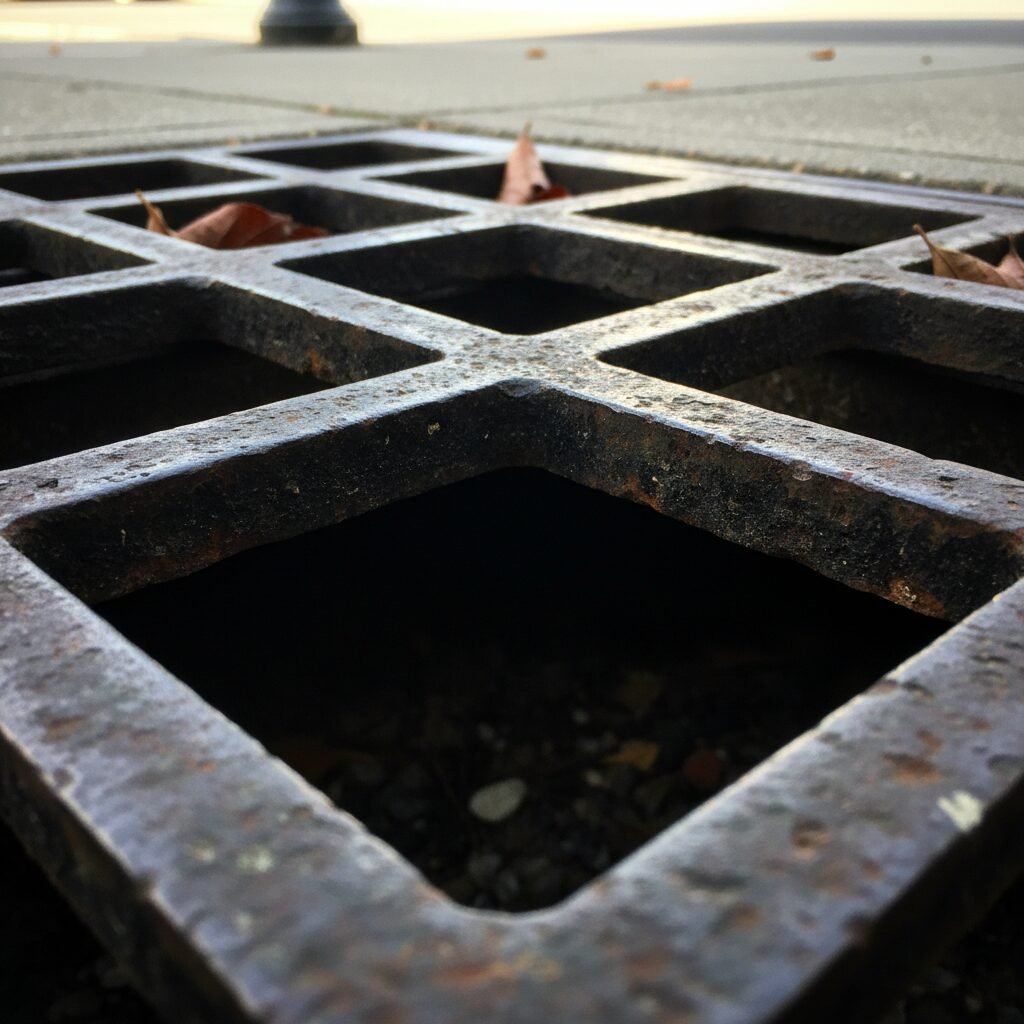
Before we can fix the behavior, we must understand the root cause. When a dog refuses to walk over a grate, they are reacting to sensory overload. There are three primary factors at play:
- The Visual Cliff: Dogs do not see the world exactly as we do. When they look down at a grate, they often focus on the gaps rather than the bars. This creates a ‘visual cliff’ effect, where their brain tells them they are about to step into a hole.
- Texture and Stability: Metal is slippery, cold, and feels significantly different from concrete or asphalt. Furthermore, some grates rattle or shift slightly under weight. To a dog, this instability signals that the ground is unsafe.
- Sound and Scent: Subway grates often emit loud mechanical noises, the rumble of trains, or blasts of warm, stale air. These sudden environmental changes can be startling and reinforce the idea that the object is dangerous.
Understanding that this is a multi-sensory fear helps us approach training with empathy. We are not just teaching them to walk on metal; we are teaching them to trust that the ground will hold them.
Preparation: Tools for Success
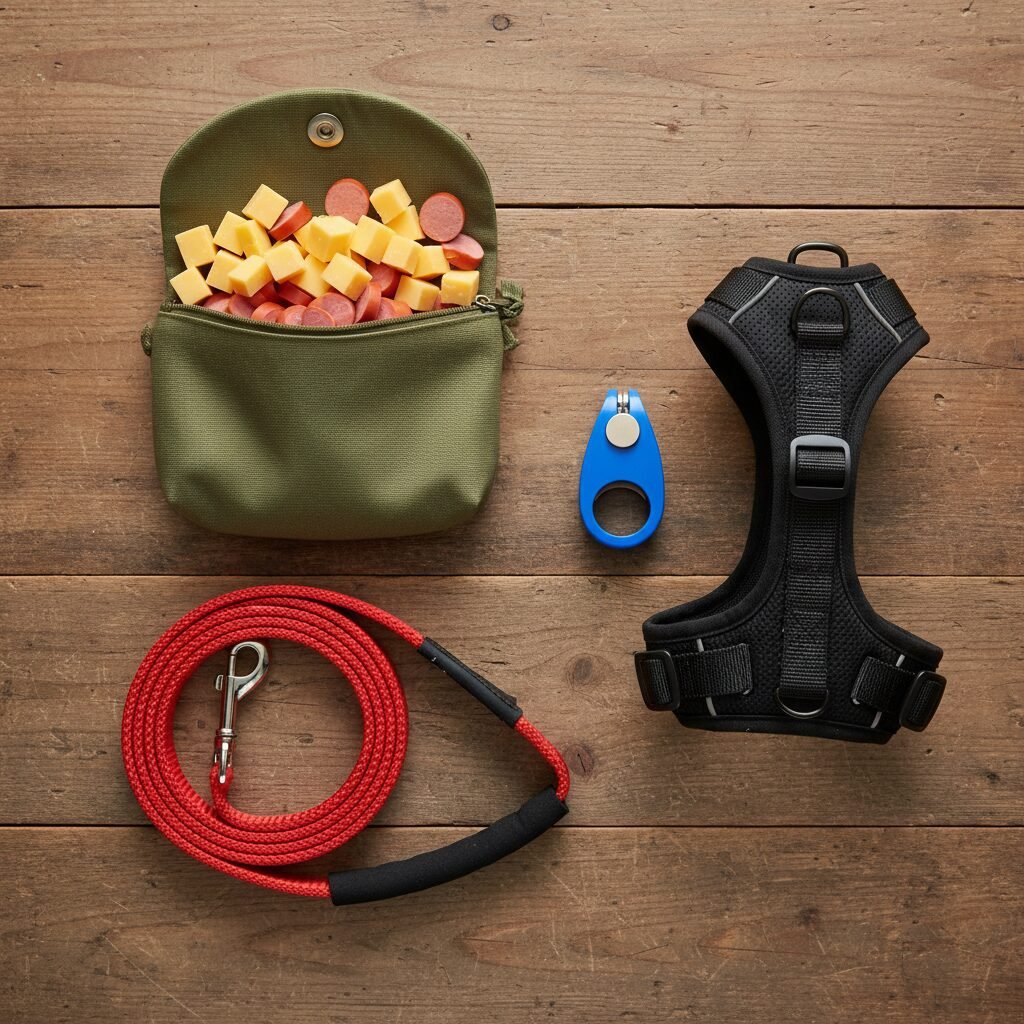
You cannot force a dog to overcome a phobia; you must negotiate it. To do this effectively, you need the right tools to motivate your dog and ensure their safety.
High-Value Reinforcement
Dry kibble is rarely enough to compete with the fear of a scary grate. You need ‘high-value’ treats—something your dog loves more than they fear the object. Small pieces of cheese, boiled chicken, or freeze-dried liver are excellent choices. The goal is to create a positive association: Grates equal chicken.
Proper Equipment
Ensure your dog is wearing a secure, well-fitted harness rather than a collar. If a dog panics on a grate, they may back up or thrash. A collar can slip off or cause injury to the trachea. A harness provides security and allows you to gently guide them without inflicting pain. Additionally, use a standard fixed-length leash. Retractable leashes offer no control and can be dangerous in city environments.
Step-by-Step Desensitization Training
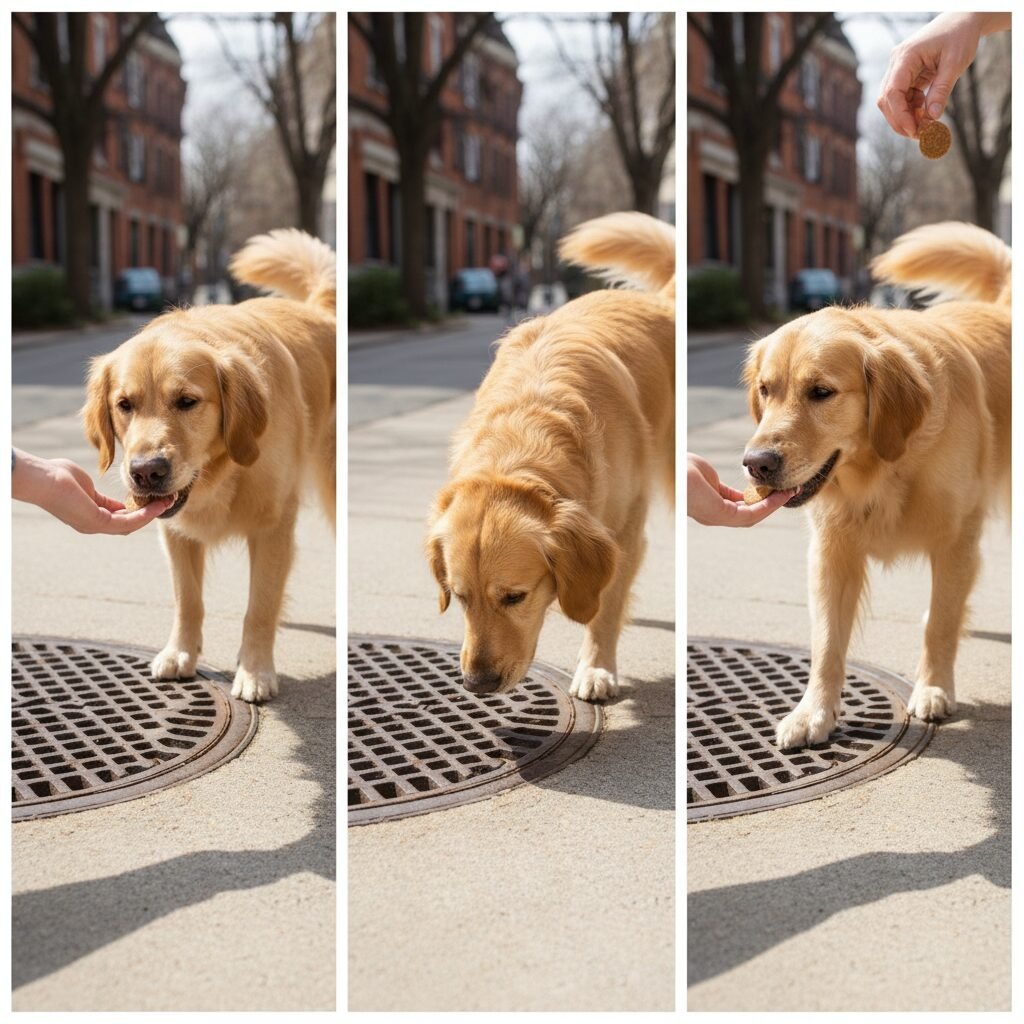
The most effective method for treating this phobia is Desensitization and Counter-Conditioning (DSCC). This process involves exposing the dog to the scary object at a low intensity while pairing it with something wonderful.
Phase 1: The ‘Look at That’ Game
Start at a distance where your dog notices the grate but is not panicking. This is their ‘threshold.’ When your dog looks at the grate, immediately mark the behavior with a verbal marker (like “Yes!”) or a clicker, and give them a treat. Repeat this multiple times. We are teaching the dog that the mere sight of the grate predicts a reward.
Phase 2: Closing the Gap
Gradually decrease the distance to the grate. If your dog hesitates or shows signs of stress (lip licking, pinned ears, tail tucked), you have moved too fast. Back up and try again. The goal is to get close enough for the dog to sniff the edge of the grate without stepping on it. Reward heavily for investigating the object.
Phase 3: One Paw at a Time
Once your dog is comfortable standing next to the grate, encourage them to place a single paw on the metal rim or the solid frame surrounding the grate. Do not lure them into the center yet. Mark and reward the moment a paw touches the metal. Repeat this until they are confidently tapping the frame.
Phase 4: Crossing the Threshold
Find a grate that is flush with the ground and does not rattle. Encourage your dog to walk across a corner of it—minimizing the time they are actually on the metal. Use a lure (a treat in front of their nose) to guide them across. As they build confidence, you can gradually ask them to cross wider sections.
Common Mistakes to Avoid
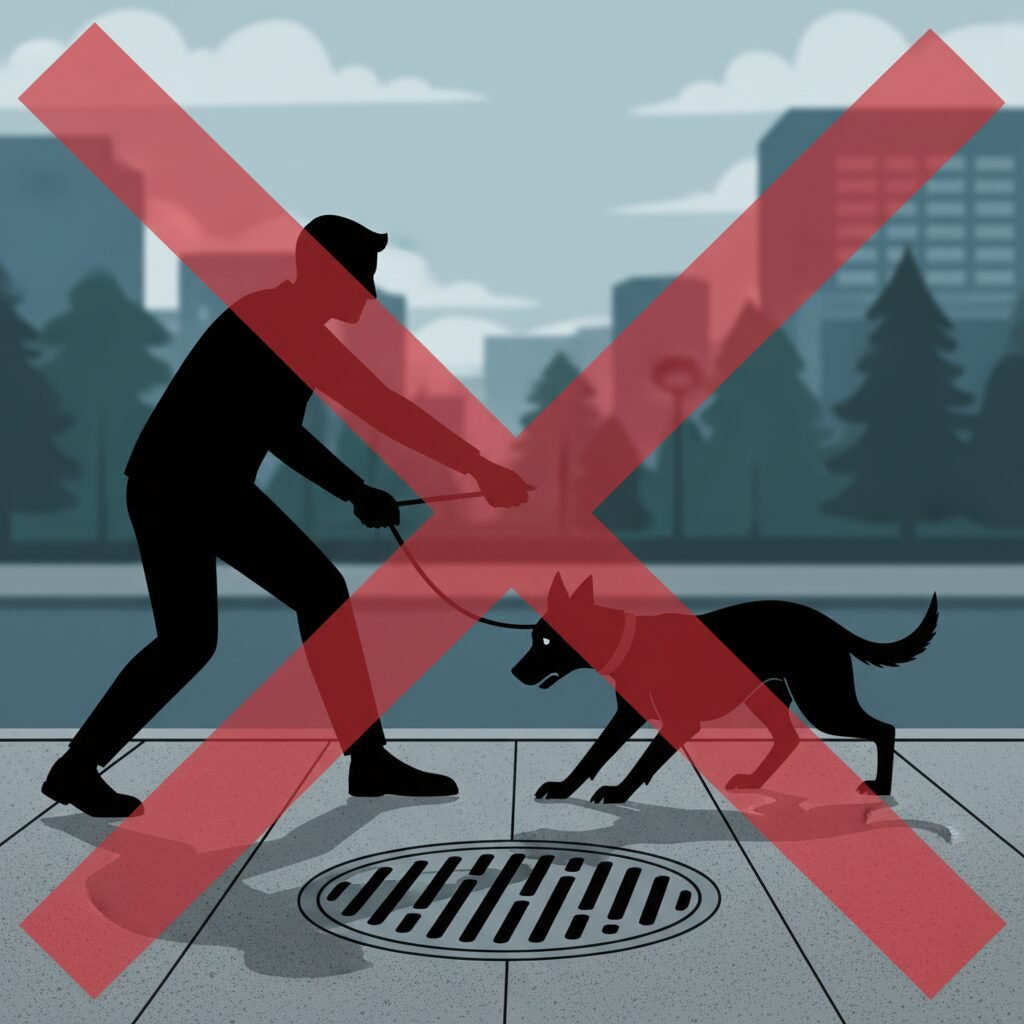
Even with the best intentions, owners can inadvertently make the fear worse. Avoiding these common pitfalls is crucial for long-term success.
- Flooding (Forcing the Dog): Dragging a terrified dog onto a grate will not show them it is safe; it will confirm their belief that you are unpredictable and the environment is dangerous. This can lead to ‘learned helplessness’ or increased aggression.
- Picking the Dog Up: While picking up a small dog seems like a quick fix, it denies them the opportunity to learn. It validates that the obstacle is indeed too dangerous for them to handle and they need rescuing.
- Scolding or Reassuring: Scolding a fearful dog increases anxiety. Conversely, excessive coddling (“It’s okay, don’t be scared”) can sometimes validate the fear depending on your tone. It is best to remain neutral, confident, and upbeat.
Troubleshooting and Maintenance
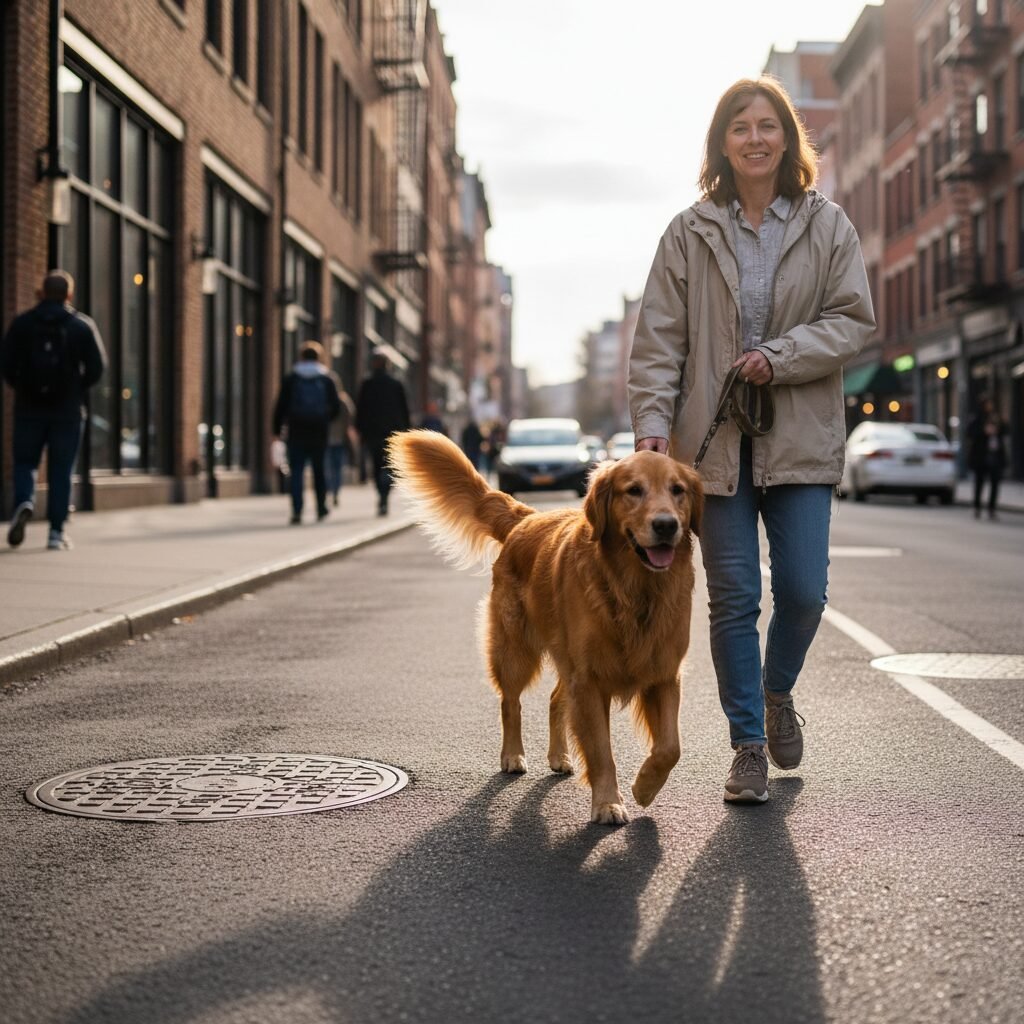
Training is rarely a linear process. You may have days where your dog regresses, especially if a grate makes a loud noise as they step on it. If this happens, simply go back a few steps in the training process. Return to Phase 1 or 2 and rebuild the confidence.
It is also important to recognize that not all grates need to be conquered. Large, cavernous subway ventilation grates can be genuinely intimidating and sometimes hot. It is perfectly acceptable to teach your dog a “Go Around” cue for specific obstacles that are unnecessary to cross. The goal is not to force your dog to walk on every piece of metal in the city, but to eliminate the panic response so that walks are safe and enjoyable.
Patience is the Key to City Confidence
Conquering the fear of sidewalk grates and manholes is a journey that requires patience, consistency, and a deep supply of high-value treats. Remember that you are asking your dog to override a biological survival instinct in favor of trusting you. This is a significant request.
Celebrate small victories. If your dog sniffs a grate today that they ran away from yesterday, that is progress. By using positive reinforcement and respecting your dog’s pace, you will build a bond of trust that extends far beyond the sidewalk. Eventually, the city streets will no longer be an obstacle course, but a shared path for adventure.