Dog Won’t Poop In The Rain? 5 Weather-Proof Potty Hacks
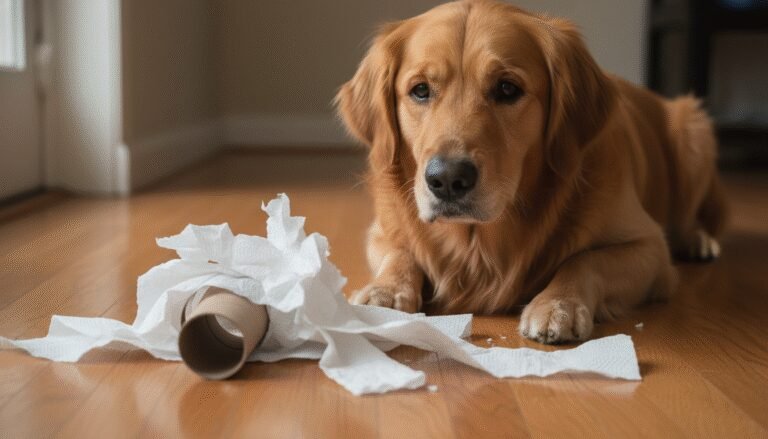
It is a scenario familiar to countless dog owners: the sky opens up, rain begins to pour, and suddenly, your otherwise perfectly house-trained companion refuses to step foot outside. You find yourself standing in the doorway, leash in hand, pleading with a reluctant dog who looks at the wet ground with absolute disdain. This refusal to eliminate in the rain is not merely stubbornness; it is often rooted in sensory discomfort or anxiety.
As a canine specialist, I frequently encounter clients dealing with ‘fair-weather’ dogs. The good news is that this behavior can be modified. By understanding the root cause of your dog’s hesitation and implementing strategic environmental and behavioral changes, you can weather-proof your dog’s potty habits. In this guide, we will explore the psychology behind this aversion and provide five actionable, weather-proof hacks to ensure your dog stays comfortable and your floors stay clean, regardless of the forecast.
Understanding the Aversion: Why Dogs Hate the Rain
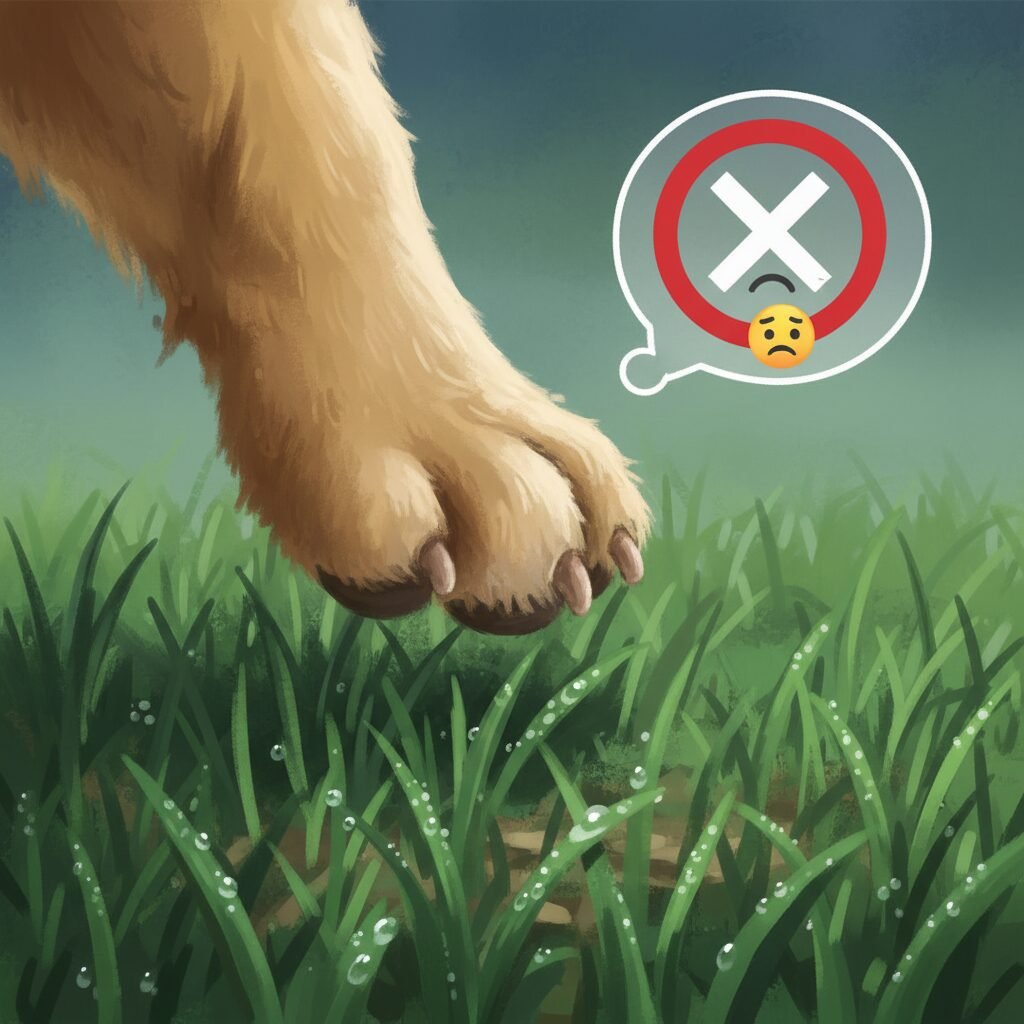
Before implementing solutions, it is crucial to understand why your dog is refusing to go. For many canines, the refusal is not an act of defiance but a reaction to sensory overload. The sound of rain hitting the ground, the feeling of wet drops on their coat, and, most significantly, the sensation of wet, cold grass on their paws can be overwhelming.
Some dogs, particularly smaller breeds or those with low body fat (like Greyhounds or Whippets), feel the cold more intensely. Others may have had a negative experience in the past, such as being startled by thunder while trying to eliminate. Recognizing that your dog is experiencing discomfort rather than being ‘naughty’ allows us to approach the problem with empathy and patience, which is the foundation of successful training.
Hack #1: Create a Shelter or Dry Zone
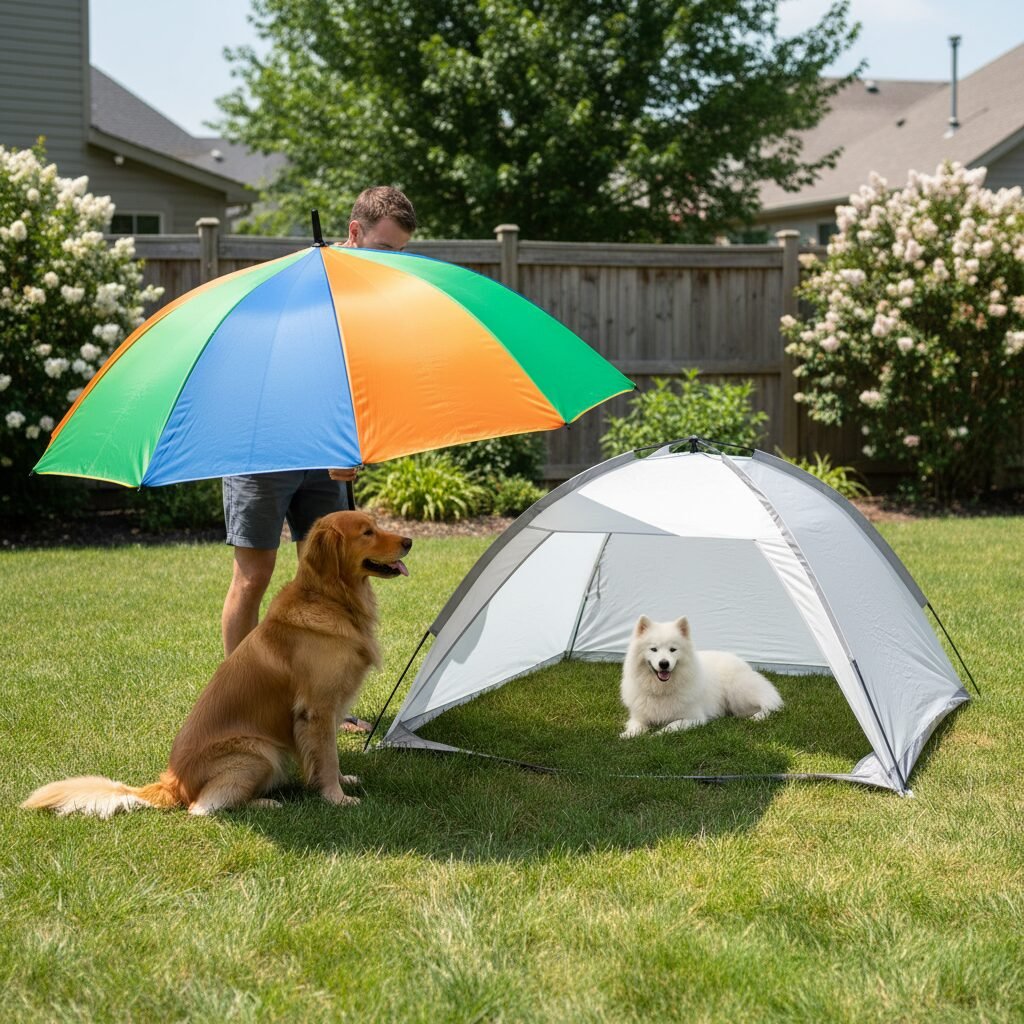
If the sensation of rain hitting their body is the primary deterrent, providing immediate shelter is the most effective solution. You can create a ‘dry zone’ in your yard that serves as a designated potty area during inclement weather.
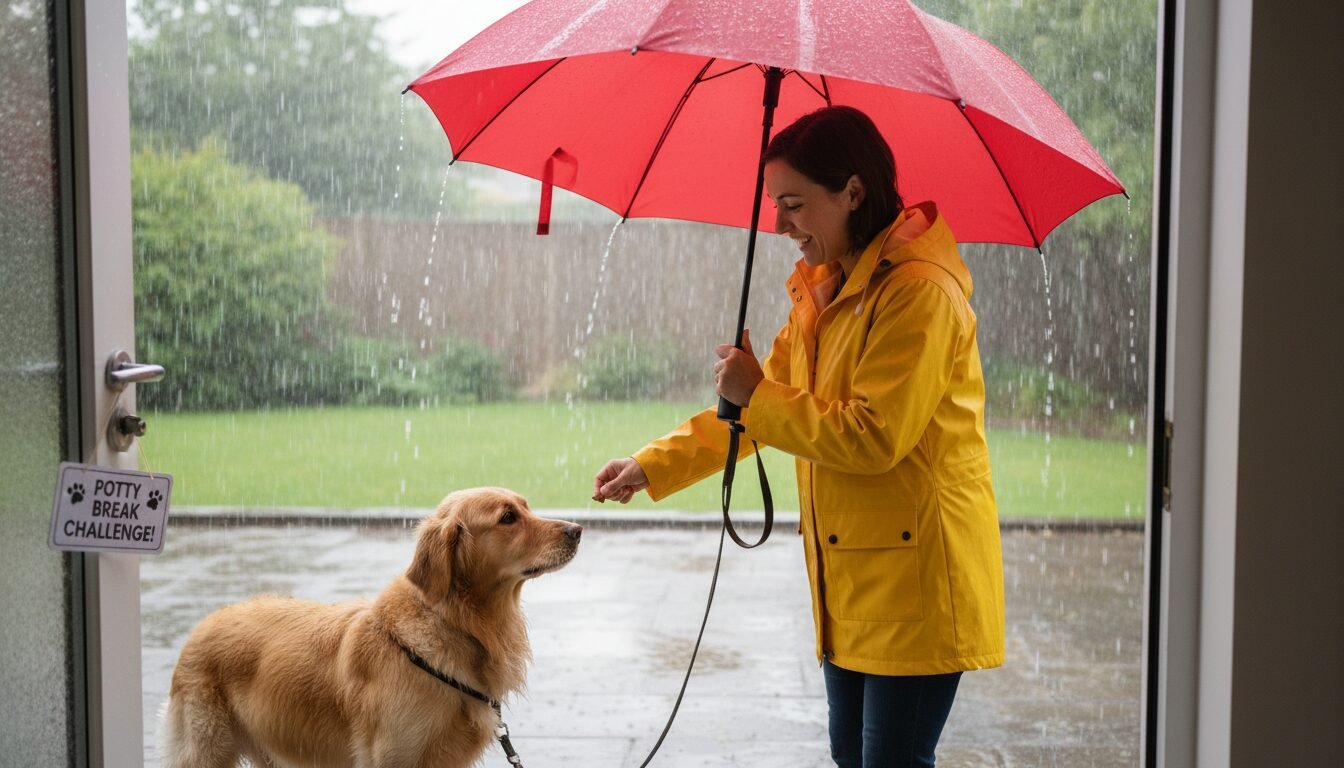
- Use a Large Umbrella: Invest in a large golf umbrella. Walk your dog out on a leash, holding the umbrella over them to simulate a roof. This creates a moving dry spot that can help them feel secure enough to squat.
- Pop-Up Canopies: If you have a backyard, consider setting up a small pop-up gazebo or tarp over a specific patch of grass. This keeps the ground relatively dry and prevents the rain from hitting the dog directly.
- Natural Cover: Utilize existing structures like the overhang of a roof, a carport, or the area beneath a dense tree. Guide your dog specifically to these areas immediately upon going outside.
Hack #2: Utilize Rain Gear for Comfort
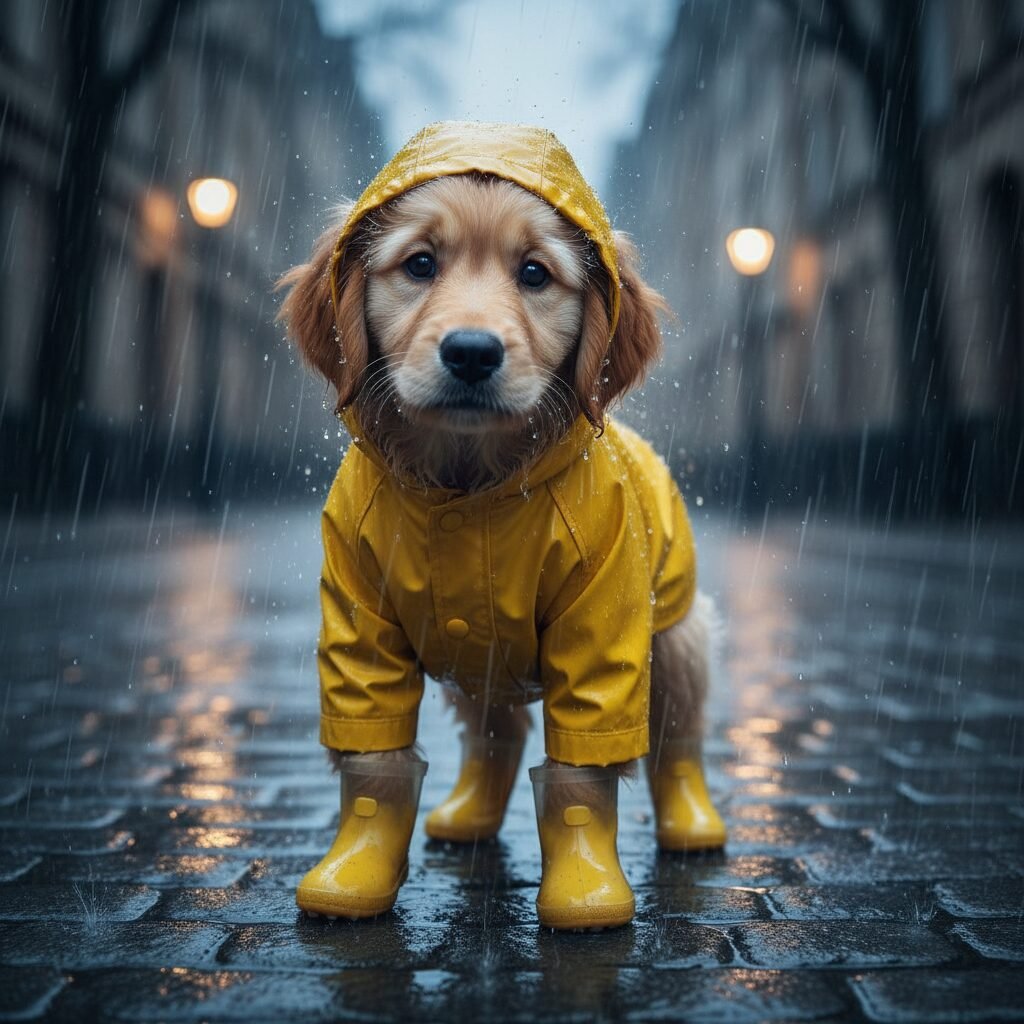
For dogs that dislike the sensation of getting wet or cold, functional apparel can be a game-changer. However, the key here is ensuring the gear itself does not cause immobility. Many dogs freeze up when wearing clothes if they have not been properly desensitized to them.
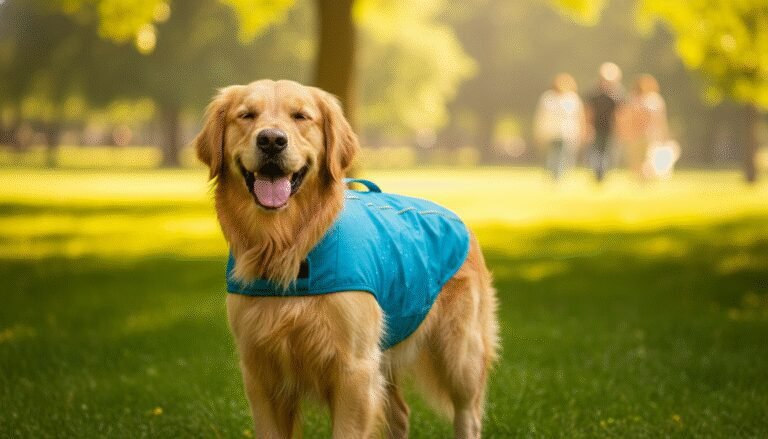
Raincoats: A well-fitted raincoat keeps the dog’s back and core dry, which helps maintain body temperature. Look for coats that cover the belly as well, as splash-back from the ground is a common irritant.
Booties: If your dog displays an aversion to wet grass (often indicated by shaking their paws or walking gingerly), waterproof booties can help. Ensure you introduce these indoors first, using high-value treats to associate the boots with positive experiences before venturing out into the rain.
Hack #3: Train a Specific ‘Hurry Up’ Cue
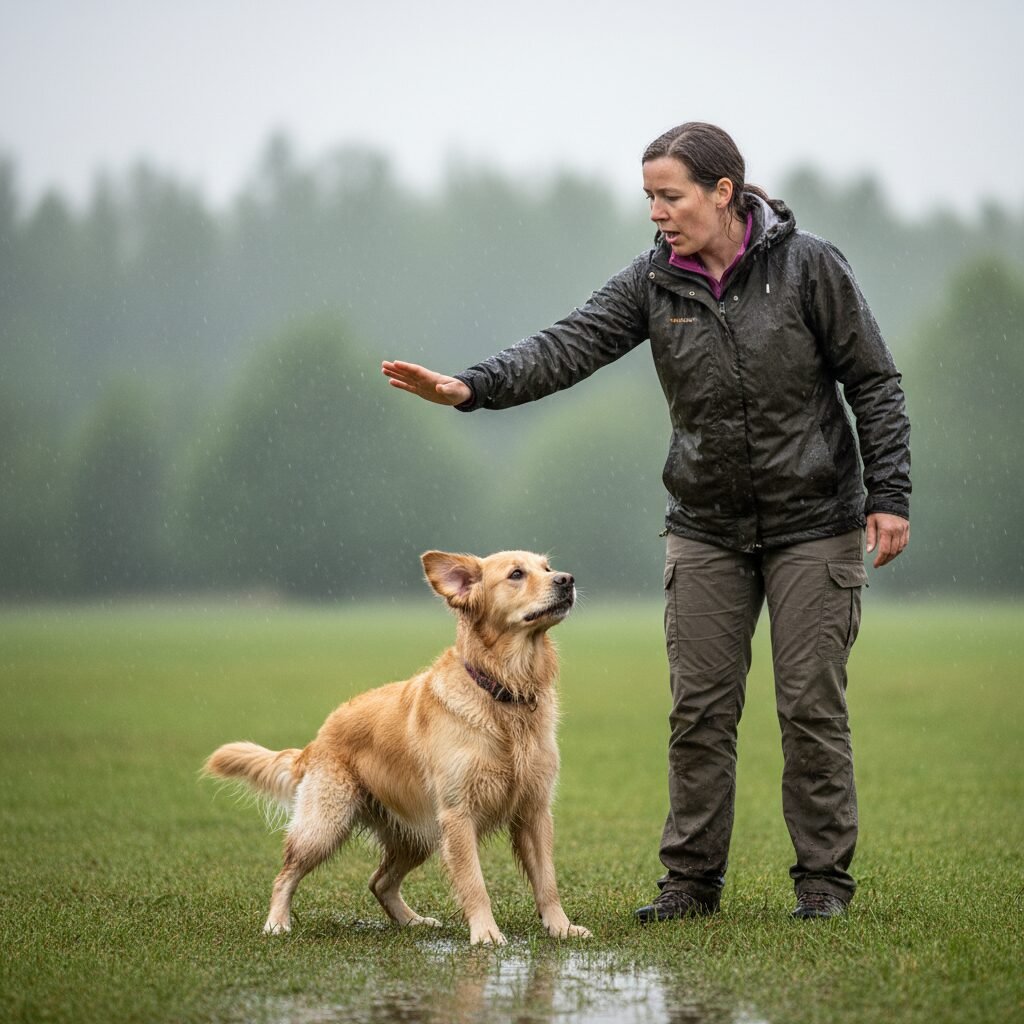
One of the most valuable tools in a dog owner’s arsenal is a verbal cue for elimination. Instead of waiting for your dog to sniff around and find the ‘perfect’ spot—which takes too long in the rain—you can train them to go on command.
To establish this:
- Capture the Behavior: When the weather is nice, say a specific phrase like “Go Potty” or “Hurry Up” the exact moment your dog begins to eliminate.
- Mark and Reward: As soon as they finish, mark the behavior with a “Yes!” or a clicker, and provide a treat immediately.
- Repetition: Repeat this consistently. Eventually, the dog will associate the verbal cue with the physical act of elimination.
On rainy days, this command signals to the dog that they have a job to do, helping them focus on the task rather than the weather.
Hack #4: High-Value Reinforcement
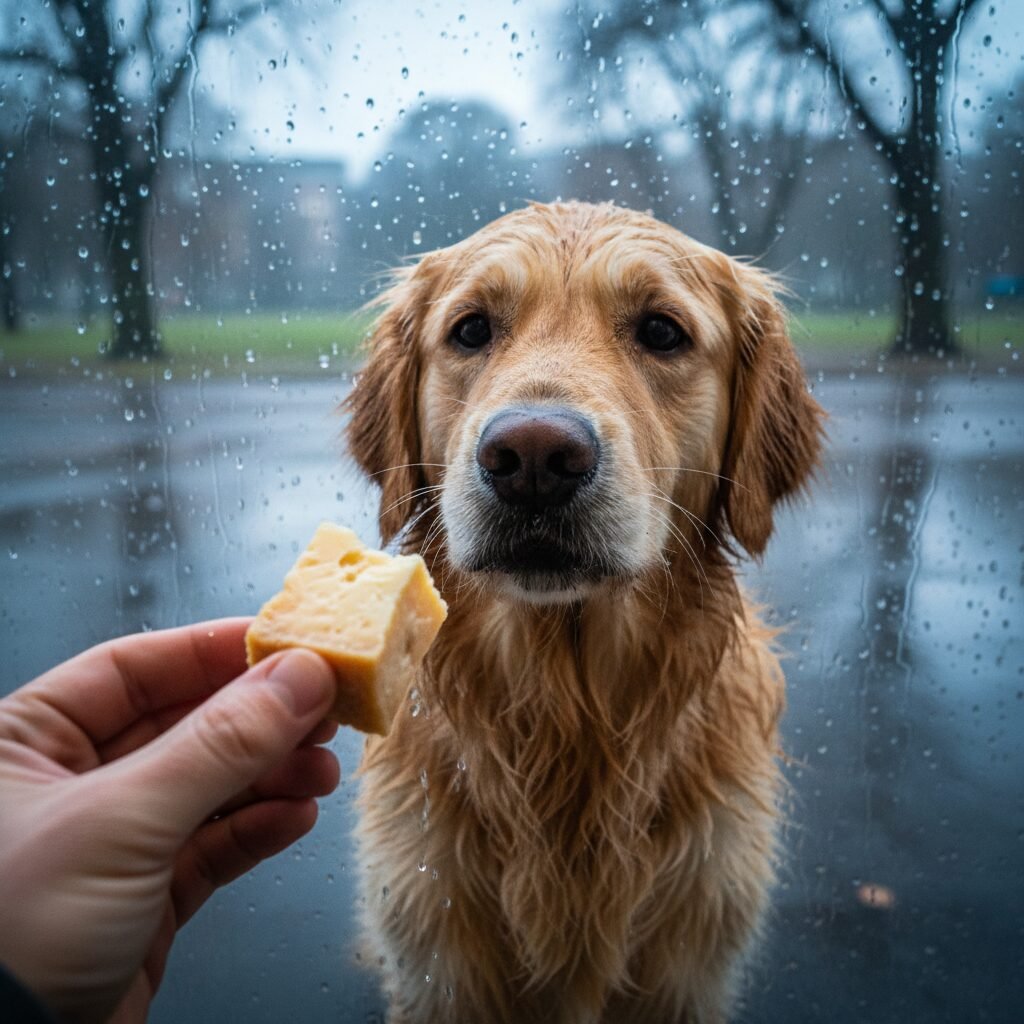
When the environment is aversive (cold, wet, loud), the reward for facing that environment must be higher than usual. A standard dry biscuit may not be enough to motivate a reluctant dog to brave the storm.
Create a hierarchy of rewards. Reserve your dog’s absolute favorite treats—such as small pieces of boiled chicken, cheese, or freeze-dried liver—exclusively for rainy day potty trips. The logic is simple: the discomfort of the rain is outweighed by the anticipation of the high-value reward. Keep the energy upbeat and positive; if you seem miserable going outside, your dog will mirror that emotion.
Hack #5: Indoor Alternatives and Covered Spaces
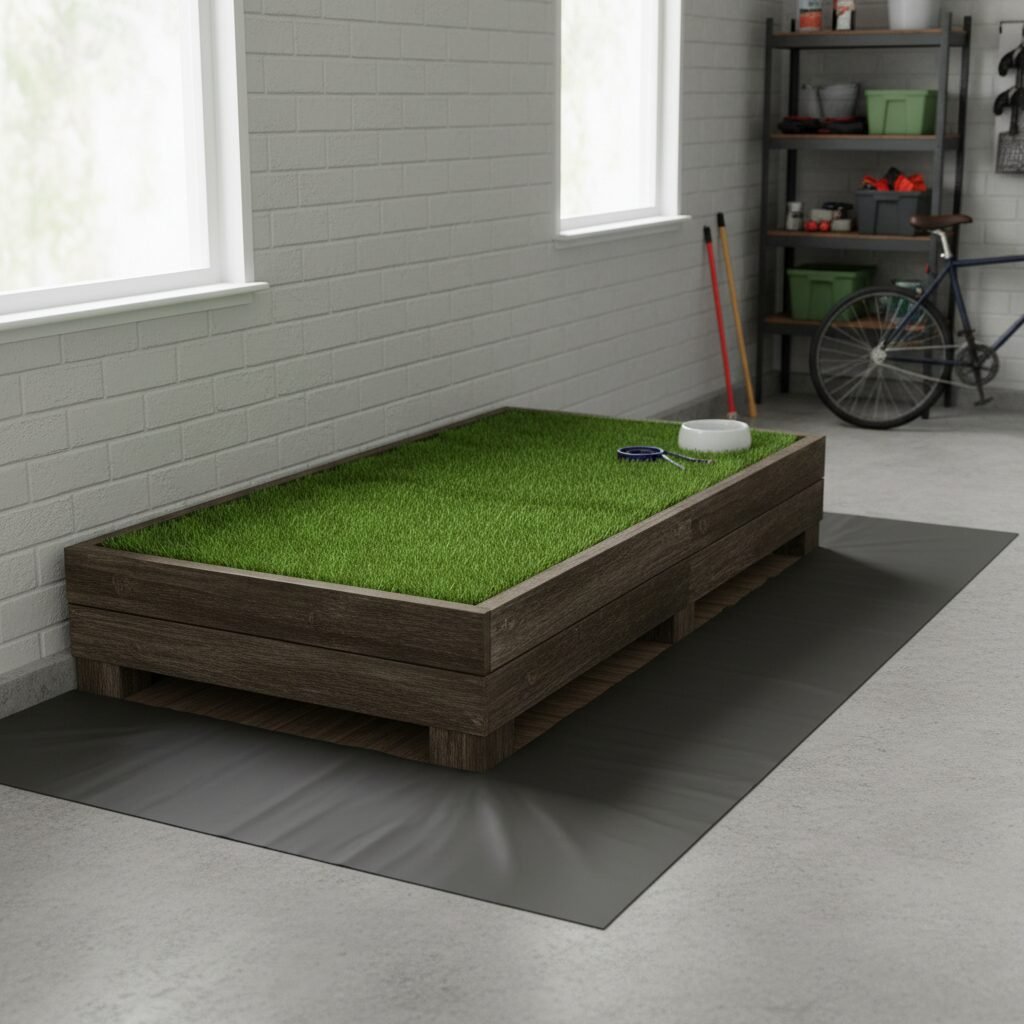
In extreme weather conditions, such as hurricanes or severe thunderstorms where going outside is unsafe or impossible, having a backup plan is essential. This does not mean reverting to puppy pads in the living room, which can confuse house training, but rather utilizing transitional spaces.
- The Garage or Covered Patio: If you have a garage, you can set up a temporary potty station using a patch of artificial turf or a sod box. This provides the texture of grass without the exposure to the elements.
- Covered Porches: A covered porch can serve as a compromise. It is technically ‘outside’ but offers protection.
By simulating the outdoor texture (grass or turf), you maintain the substrate preference your dog has developed, making it easier to transition back to the yard once the weather clears.
Patience is the Key to Success
Teaching a dog to poop in the rain requires a blend of management, preparation, and patience. It is vital to remain calm; getting frustrated or dragging your dog into the rain will only increase their anxiety and create a stronger negative association with the weather. By utilizing shelters, proper gear, verbal cues, and high-value rewards, you can help your dog overcome their hesitation.
Remember, every dog is different. You may need to experiment with a combination of these hacks to find what works best for your specific companion. With consistency, even the most fair-weather canine can learn to handle a rainy day with confidence.