Prepare for the Vet: Training Your Dog to Accept Handling by Strangers
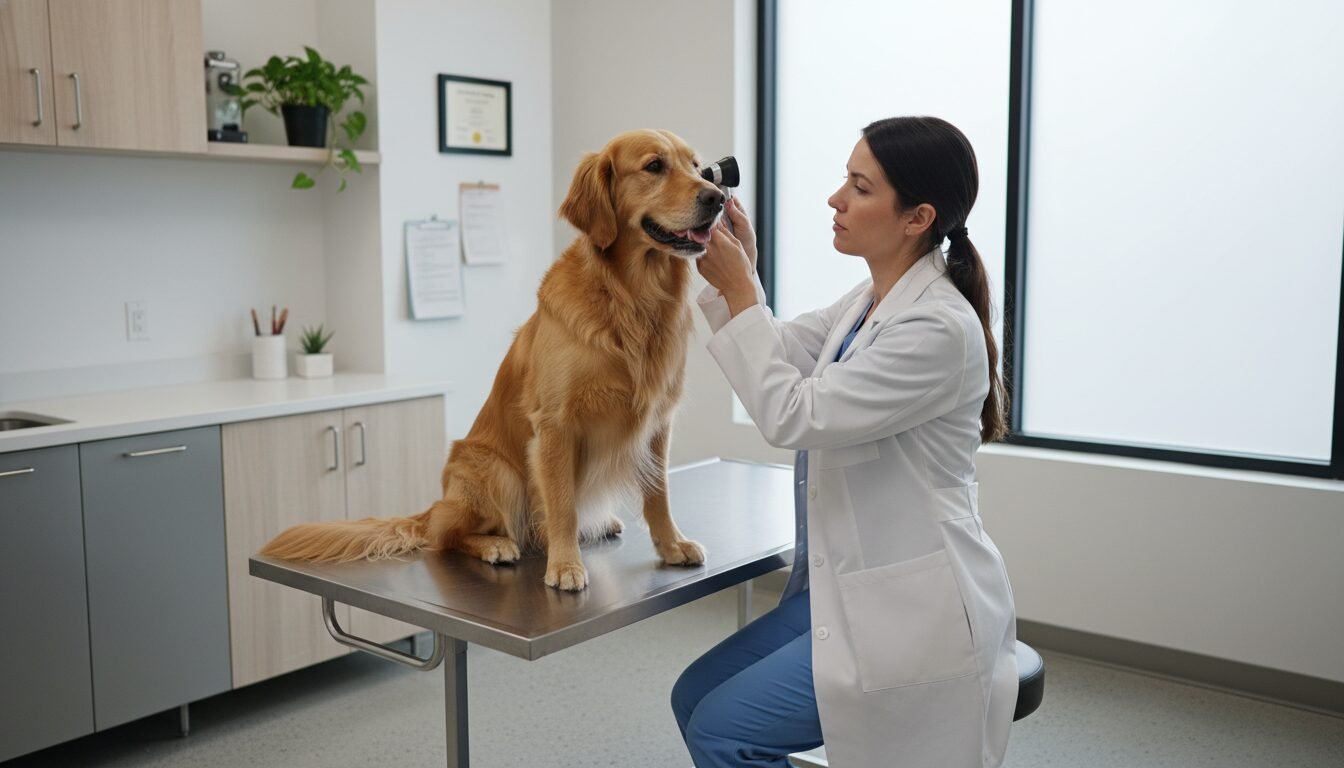
For many dog owners, a trip to the veterinary clinic is a source of significant anxiety—not just for the pet, but for the human as well. A dog that is fearful, reactive, or aggressive during an examination poses a safety risk to the veterinary staff and often receives less thorough medical care because handling becomes difficult or impossible. This phenomenon, often referred to as ‘White Coat Syndrome,’ can lead to delayed diagnoses and increased stress for everyone involved.
However, veterinary visits do not have to be traumatic. By implementing a structured training protocol focused on cooperative care, you can teach your dog to become an active participant in their own health care. This involves desensitizing them to handling, restraint, and the presence of strangers in a medical setting. As a canine specialist, I emphasize that preparing for the vet is not merely about obedience; it is about building trust and ensuring your dog’s psychological welfare. This guide will walk you through the essential steps to train your dog to accept handling by strangers, transforming vet visits from a battle into a routine procedure.
Understanding the Fear: Why Dogs Resist Handling
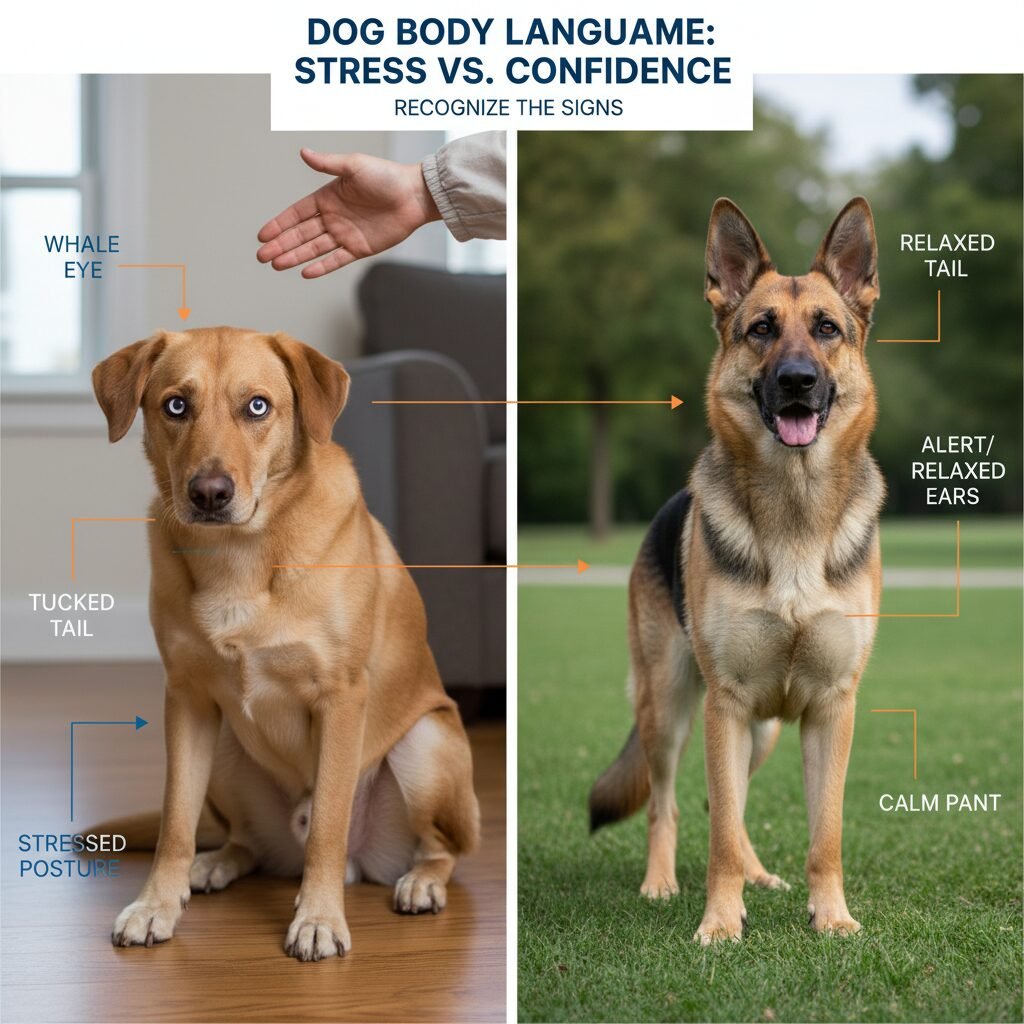
To effectively train your dog, you must first understand the root of their resistance. From an evolutionary perspective, being restrained or handled by an unfamiliar individual is inherently threatening. In the wild, being pinned down or having sensitive areas like paws, ears, and mouths manipulated usually precedes an attack or injury. When a veterinarian leans over a dog, makes direct eye contact, and reaches for them, it can trigger a fight-or-flight response.
Furthermore, dogs are associative learners. If previous vet visits involved pain (vaccinations) or fear (slippery tables, strange smells), the dog anticipates a negative outcome. Recognizing that your dog is not being ‘stubborn’ but is genuinely afraid is the first step in changing their behavior. Our goal is to change their emotional response to handling from fear to anticipation of a reward, a process known as counter-conditioning.
Prerequisites and Tools for Success

Before you begin the physical handling exercises, you must gather the necessary tools to facilitate learning. Training for veterinary handling requires high-value rewards because you are asking the dog to tolerate invasive procedures. Dry kibble is rarely sufficient in this context.
Essential Tools
- High-Value Treats: Small pieces of boiled chicken, cheese, or freeze-dried liver. These should be reserved exclusively for handling sessions.
- A Marker Signal: A clicker or a specific verbal marker like ‘Yes!’ to precisely mark the moment the dog exhibits the correct behavior.
- A Non-Slip Mat: Veterinary tables are often cold and slippery, which causes insecurity. Training your dog to settle on a specific mat or towel allows you to bring a ‘safe space’ with you to the clinic.
- Muzzle (Optional but Recommended): Muzzle training is a responsible precaution. If a dog is in pain, even the gentlest pet may bite. A dog that is comfortable wearing a basket muzzle is safer to treat in emergencies.
Step-by-Step: Desensitizing to Touch and Restraint
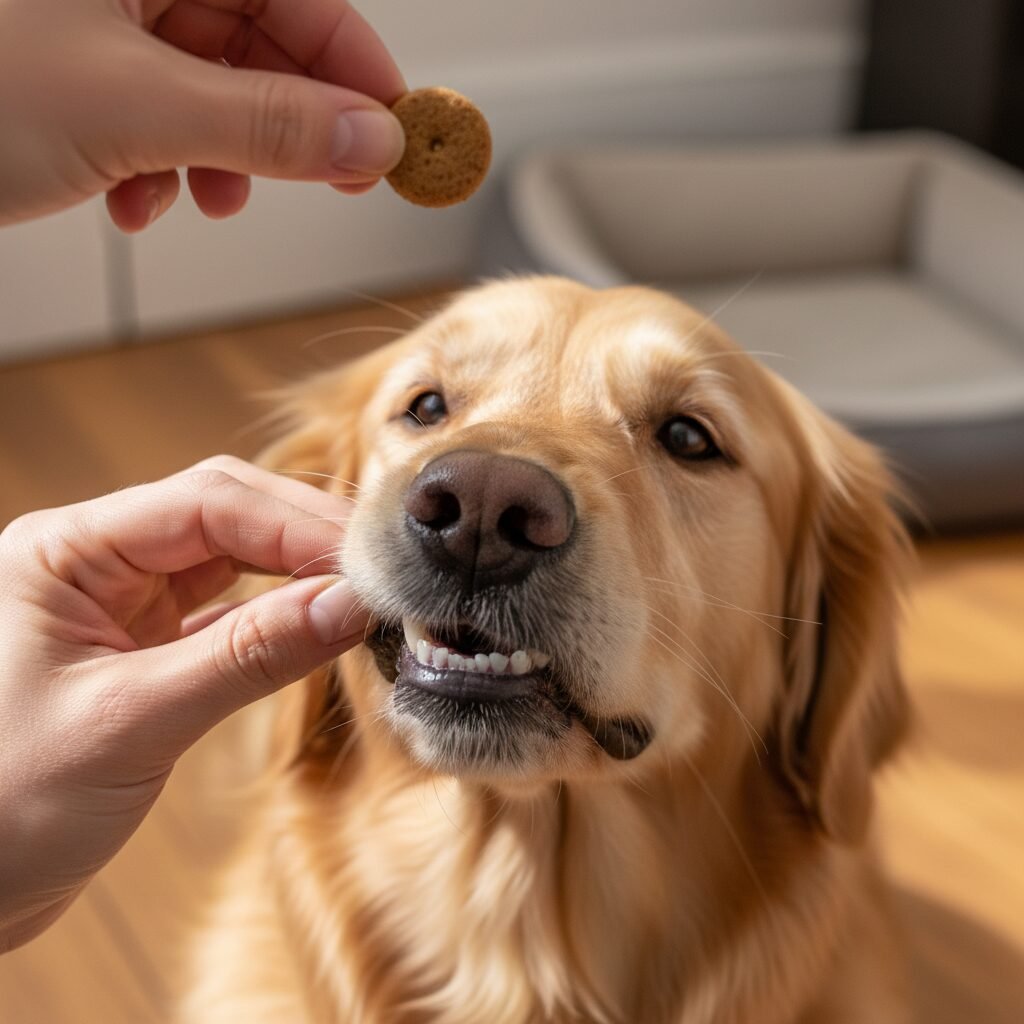
The core of cooperative care training is breaking down the veterinary exam into tiny, manageable steps. You should never proceed to the next step until your dog is completely comfortable with the current one. Keep sessions short—no more than 3 to 5 minutes.
1. The Touch Gradient
Start by touching your dog in neutral areas, such as the shoulder or back. Mark and reward immediately. Gradually move your hands to more sensitive areas: the paws, the ears, the tail, and the mouth. If the dog pulls away, you have moved too fast. Go back to a neutral area.
2. Duration and Manipulation
Once the dog accepts a touch, begin to add duration and manipulation. Instead of just touching the ear, lift the flap and look inside for one second. Mark and reward. Instead of just touching the paw, lift it slightly off the ground. This mimics the actions a vet will take during a physical exam.
3. Restraint Training
Veterinary staff often need to hold a dog still for blood draws or injections. Practice gentle restraint by placing an arm over the dog’s shoulders or around their neck (like a hug) for a split second, then rewarding. Gradually increase the duration of the hold.
Generalizing to Strangers: The Mock Exam

Dogs do not automatically generalize training; just because they allow you to touch their ears does not mean they will allow a stranger to do so. Once your dog is proficient with your handling, you must introduce a ‘mock veterinarian.’
Enlist the help of friends or family members who the dog does not see daily. Have them approach the dog calmly, avoiding direct eye contact. Instruct them to follow the same protocols you used:
- Step 1: The stranger stands near the dog while you feed treats.
- Step 2: The stranger offers a hand to sniff, then briefly touches the shoulder. Mark and reward.
- Step 3: The stranger performs a cursory ‘exam,’ lifting a paw or checking an ear, while you provide a continuous stream of rewards.
If the dog shows signs of stress (lip licking, yawning, stiffening), the stranger should retreat, and you should lower the criteria. The goal is to teach the dog that being handled by a stranger predicts high-value rewards.
The ‘Happy Visit’: Changing the Environment
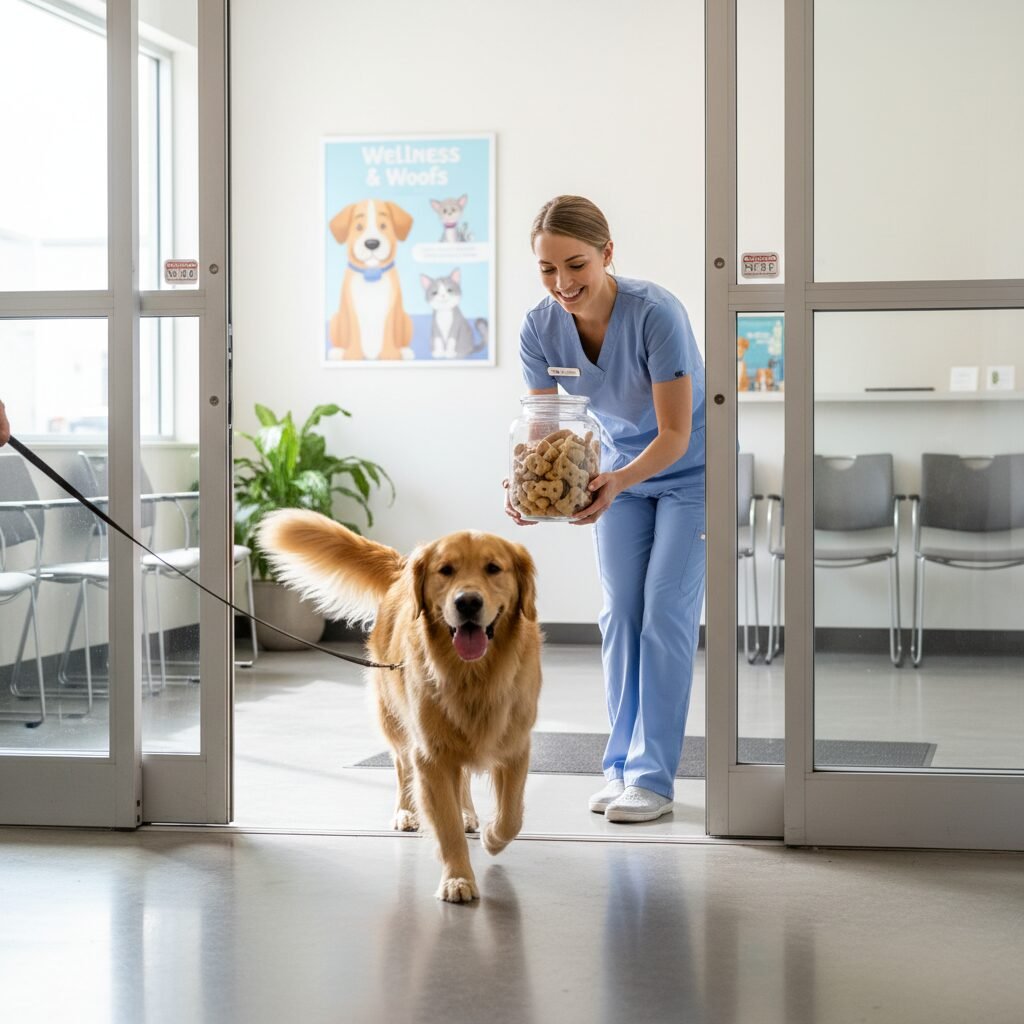
The environment of the clinic itself is often a trigger. To combat this, schedule ‘Happy Visits’ or ‘Social Visits’ with your local clinic. These are visits where no medical procedures take place.
Drive to the clinic, walk into the lobby, have the staff give your dog a treat, weigh the dog on the scale, and then leave immediately. This breaks the association that the clinic always equals pain or fear. Many veterinary practices encourage this because it makes their job easier in the long run. If your dog is extremely fearful, you may start by just driving to the parking lot, rewarding the dog for calmness, and driving home, gradually working your way up to entering the building.
Patience Pays Off in Health and Safety
Training your dog to accept handling by strangers and veterinary staff is an investment in their longevity. A dog that can stand calmly for an exam allows the veterinarian to detect subtle health issues that might otherwise be missed in a struggling animal. It also eliminates the need for sedation during routine procedures, reducing medical risks and costs.
Remember that this process takes time. Some dogs may take weeks to accept having their paws handled, while others may struggle with ear exams. Be patient, consistent, and always advocate for your dog. If you find that your dog’s fear is escalating despite your best efforts, do not hesitate to consult a board-certified veterinary behaviorist. With dedication and positive reinforcement, you can turn the veterinary clinic into a place of safety rather than fear.