Pale Dogs Need Sunscreen: How To Apply It Without A Fight
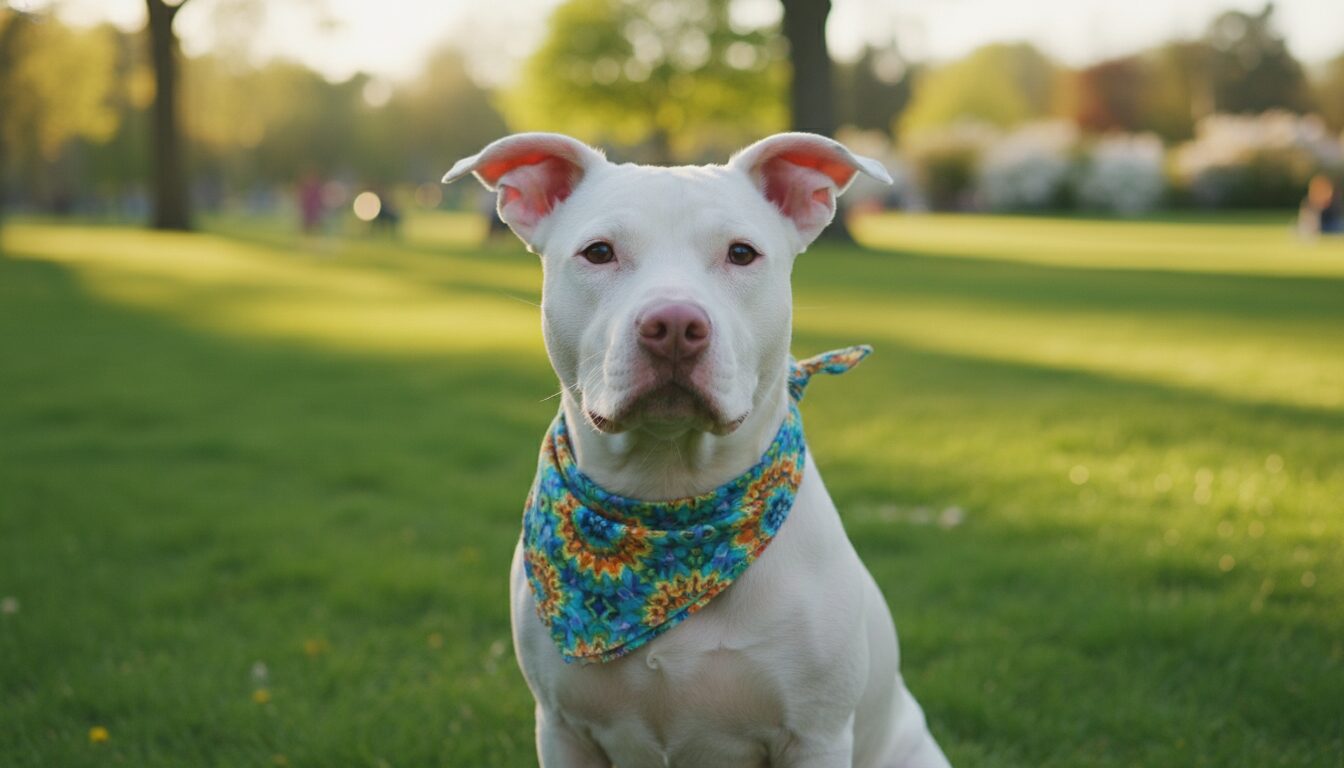
Many dog owners operate under the assumption that a dog’s fur coat acts as a complete shield against the elements. While this is true for many breeds with dense double coats, it is a dangerous misconception for dogs with pale pigmentation, thin hair, or hairless breeds. Just like fair-skinned humans, pale dogs are highly susceptible to sunburn, solar dermatitis, and even skin cancer.
However, recognizing the need for sun protection is only half the battle. The practical application of sunscreen can often turn into a wrestling match, resulting in a stressed dog and a frustrated owner. This guide combines veterinary insight on skin health with behavioral training techniques to ensure your dog remains protected without the daily struggle. We will explore why specific dogs are at risk, which products are safe, and how to utilize cooperative care methods to make sunscreen application a positive experience.
Understanding the Risk: Why Pale Dogs Are Vulnerable
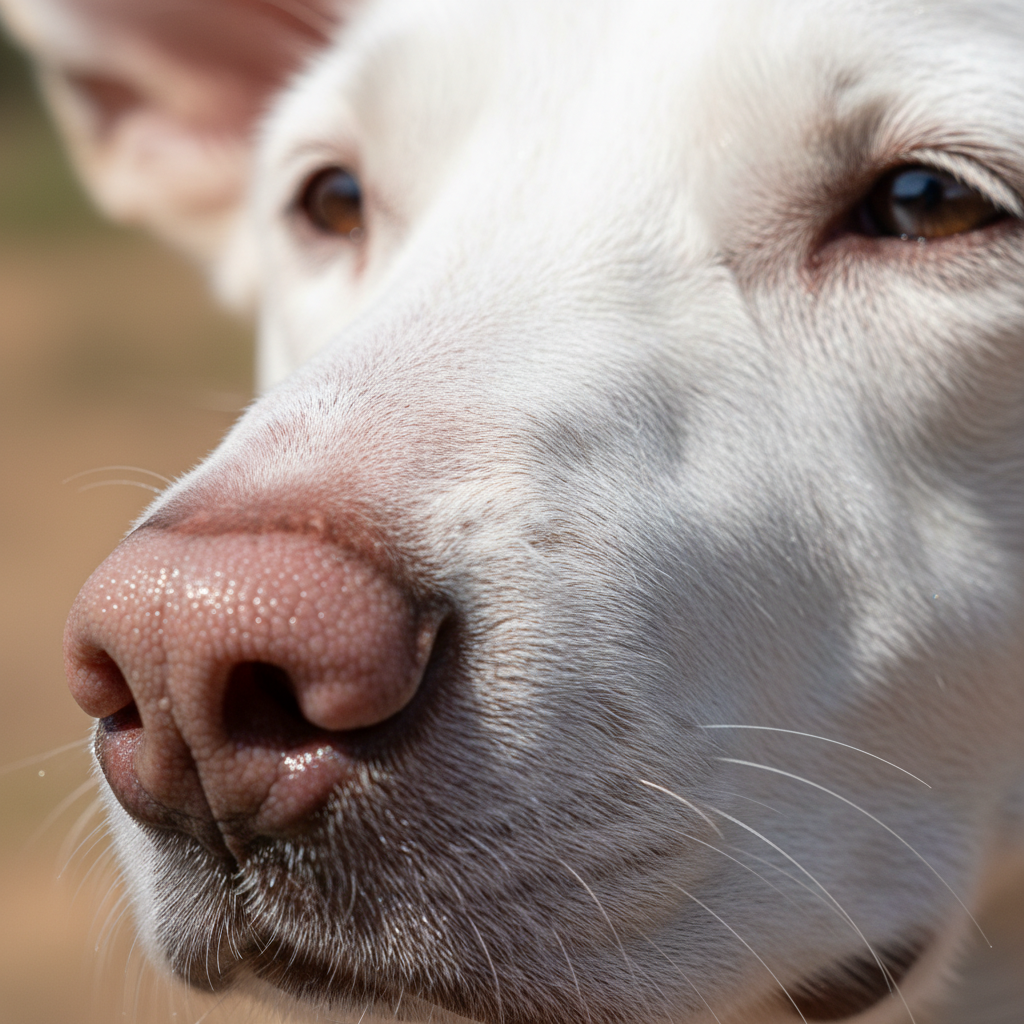
Melanin is the pigment that gives skin, hair, and eyes their color and provides some protection against ultraviolet (UV) radiation. Dogs with white or light-colored coats often have skin with low melanin levels, particularly around the nose, ear tips, belly, and groin. When these areas are exposed to harsh sunlight, the DNA in the skin cells can be damaged.
Immediate consequences include painful sunburns, characterized by redness, peeling, and sensitivity to touch. However, the long-term risks are far more severe. Chronic UV exposure is a leading cause of squamous cell carcinoma and hemangiosarcoma, two aggressive forms of skin cancer. Breeds such as Dalmatians, Pitbulls, Greyhounds, Boxers, and Chinese Cresteds require vigilant protection. Understanding that this is a medical necessity, rather than a cosmetic choice, is the first step in prioritizing your dog’s dermatological health.
Safety First: Choosing the Right Canine Sunscreen
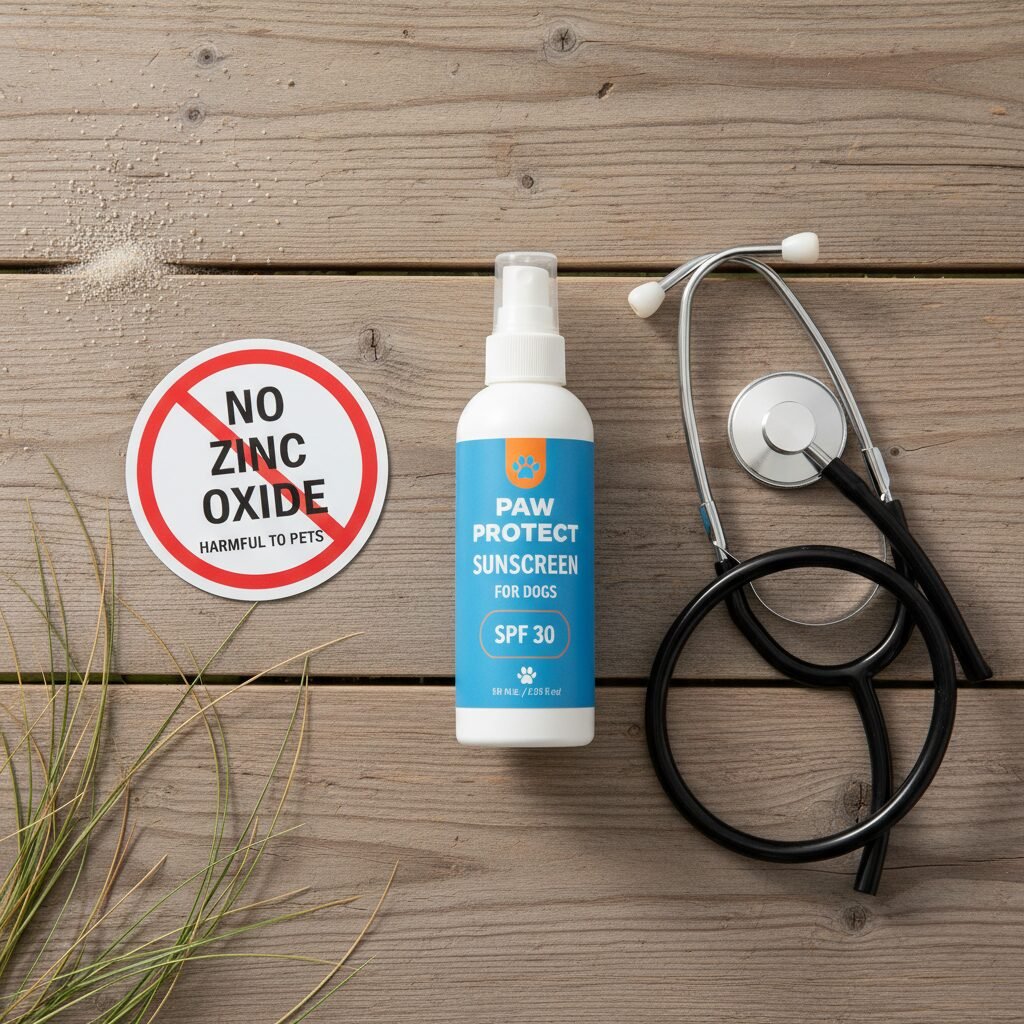
Before attempting to apply anything to your dog, you must ensure the product is non-toxic. Never use human sunscreen on a dog unless it is specifically formulated to be pet-safe. The most critical ingredient to avoid is Zinc Oxide. While effective for humans, zinc oxide is toxic to dogs if ingested—and dogs will almost instinctively lick any lotion applied to their skin. Ingestion can lead to severe anemia and gastrointestinal damage.
Additionally, avoid products containing Para-aminobenzoic acid (PABA), which is also toxic to canines. Instead, look for FDA-compliant pet sunscreens that utilize titanium dioxide (often safer, though still best not ingested in large quantities) or specific chemical blockers approved for veterinary use. Always conduct a patch test on a small area of your dog’s skin 24 hours before a full application to rule out allergic reactions.
The Desensitization Phase: Preparing for Success
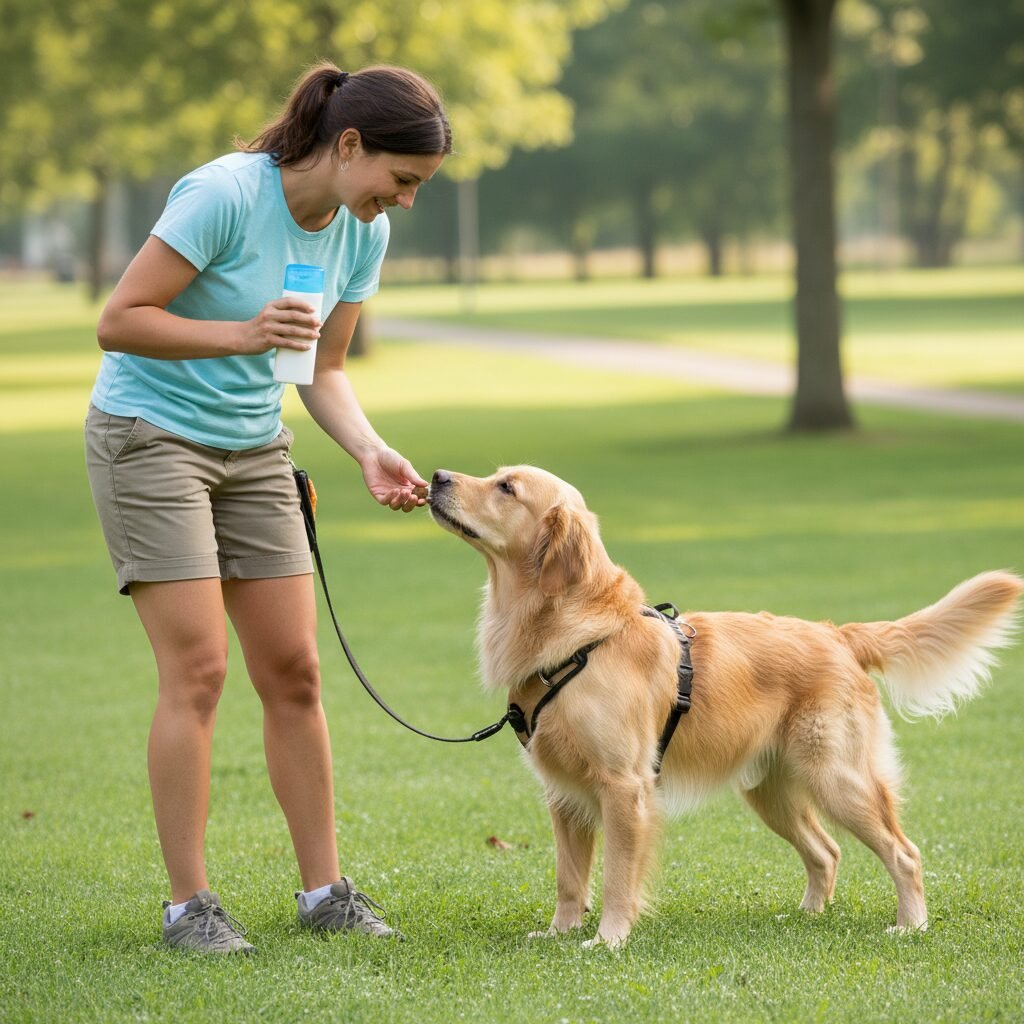
The primary reason dogs fight sunscreen application is fear of the unknown or sensitivity to handling. To apply it without a fight, you must change the dog’s emotional response to the bottle and the sensation of the lotion. This process is known as desensitization and counter-conditioning.
- Step 1: Introduction. Show the dog the bottle without opening it. When they look at it or sniff it, mark the behavior with a “Yes” or a clicker, and give a high-value treat. Repeat this until the sight of the bottle predicts a reward.
- Step 2: The Sound and Smell. Open the bottle away from the dog. If the dog remains calm, reward them. Let them sniff the product from a distance. If they recoil, you are moving too fast.
- Step 3: The Touch. Before applying lotion, practice touching the sensitive areas (ears, nose bridge) with your dry finger, followed immediately by a treat. This builds a “touch tolerance” foundation.
Step-by-Step Application Strategy

Once your dog is comfortable with the bottle and being touched, you can proceed to application. The goal is to keep the dog occupied and happy during the process.
Use Distraction Techniques
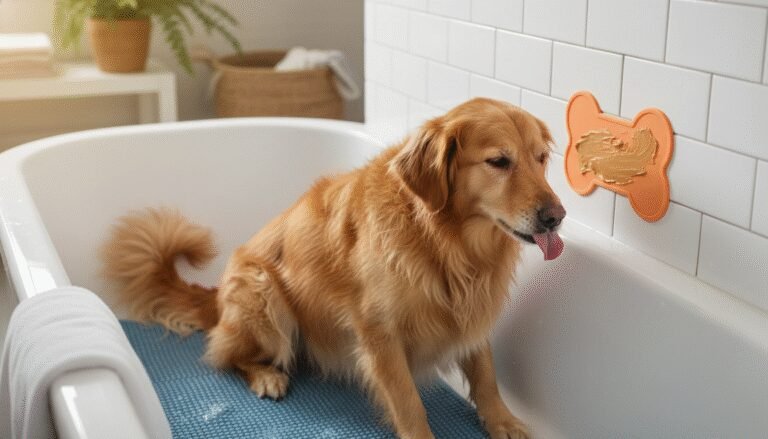
Smearing peanut butter or wet food on a licking mat or a designated wall surface can keep your dog’s head stationary and their tongue occupied. This is particularly effective for applying sunscreen to the ears and top of the head.
The Application Method
- Nose and Face: Do not spray directly at the face. Squeeze a small amount onto your finger or a makeup sponge. Gently dab it onto the bridge of the nose. Avoid the wet part of the nose (the planum nasale) unless the product specifically states it is safe, as it will be licked off immediately.
- Ears: Massage the lotion into the tips of the ears using a soothing motion, similar to petting.
- Belly and Groin: If your dog enjoys belly rubs, incorporate the sunscreen application into a cuddle session. Apply it while they are relaxed on their back.
Immediately after application, engage the dog in play or a walk to allow the product to dry before they have a chance to groom it off.
Troubleshooting: Alternatives for Sensitive Dogs
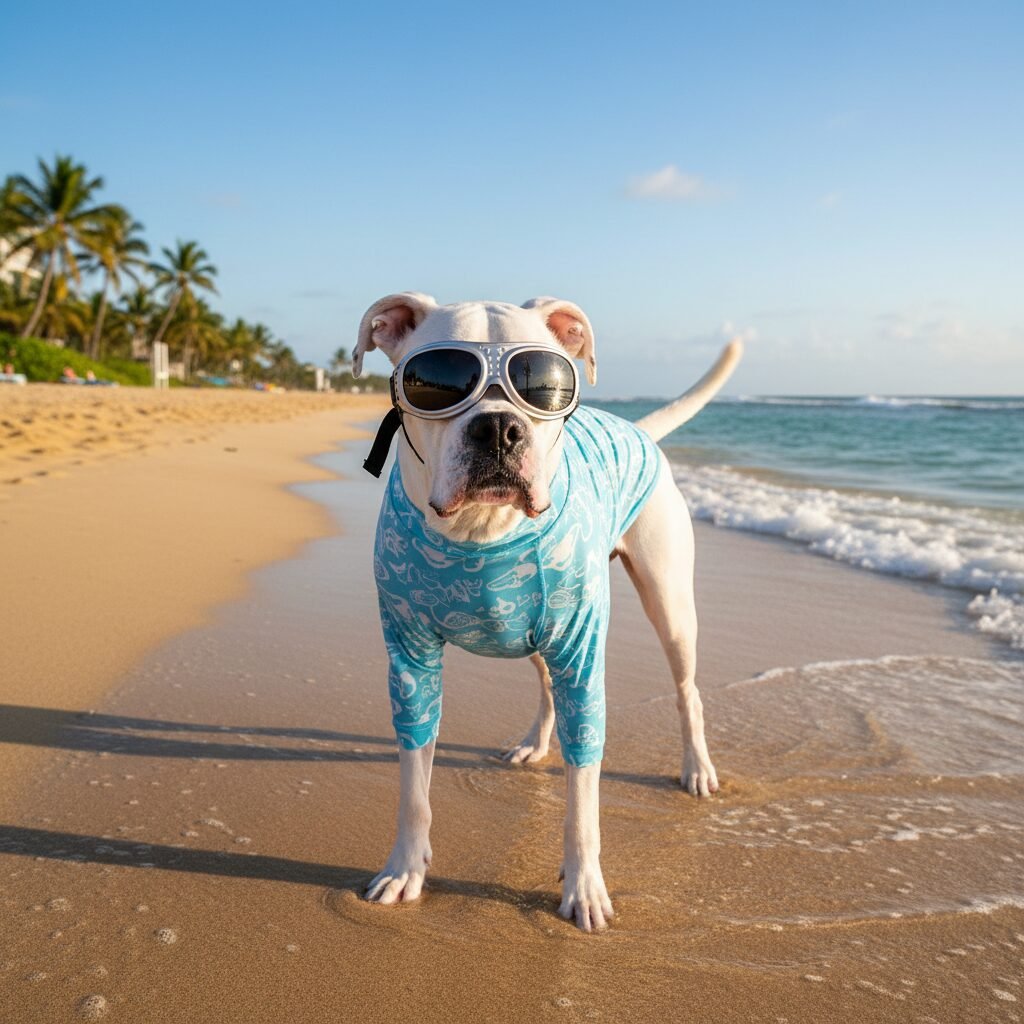
Some dogs may have extreme tactile sensitivity or behavioral issues that make topical application impossible despite your best training efforts. In these cases, forcing the issue can damage your bond and increase anxiety. Fortunately, physical barriers are an excellent alternative.
UV-Protective Clothing: Lightweight sun shirts and bodysuits designed for dogs can block up to 98% of UV rays. These are often easier to manage than lotions and provide consistent coverage for the belly and back. For the face, UV-protective visors or goggles (like Rex Specs) can shield the eyes and surrounding skin, though these also require desensitization training. Finally, the simplest strategy is avoidance: limit walks during peak sun intensity hours (typically 10 AM to 4 PM) and stick to shaded routes.
Protecting Your Dog with Patience
Protecting a pale dog from the sun is a lifelong commitment to their health, but it does not have to be a daily battle. By understanding the medical risks, selecting non-toxic products, and employing patience through cooperative care training, you can ensure your dog remains safe from UV damage. Whether you choose lotions, protective clothing, or a combination of both, the key is consistency and positive reinforcement. A protected dog is a healthy dog, ready to enjoy the outdoors safely.