Why Is My Dog Eating Dried Worms? Risks And Training Fixes
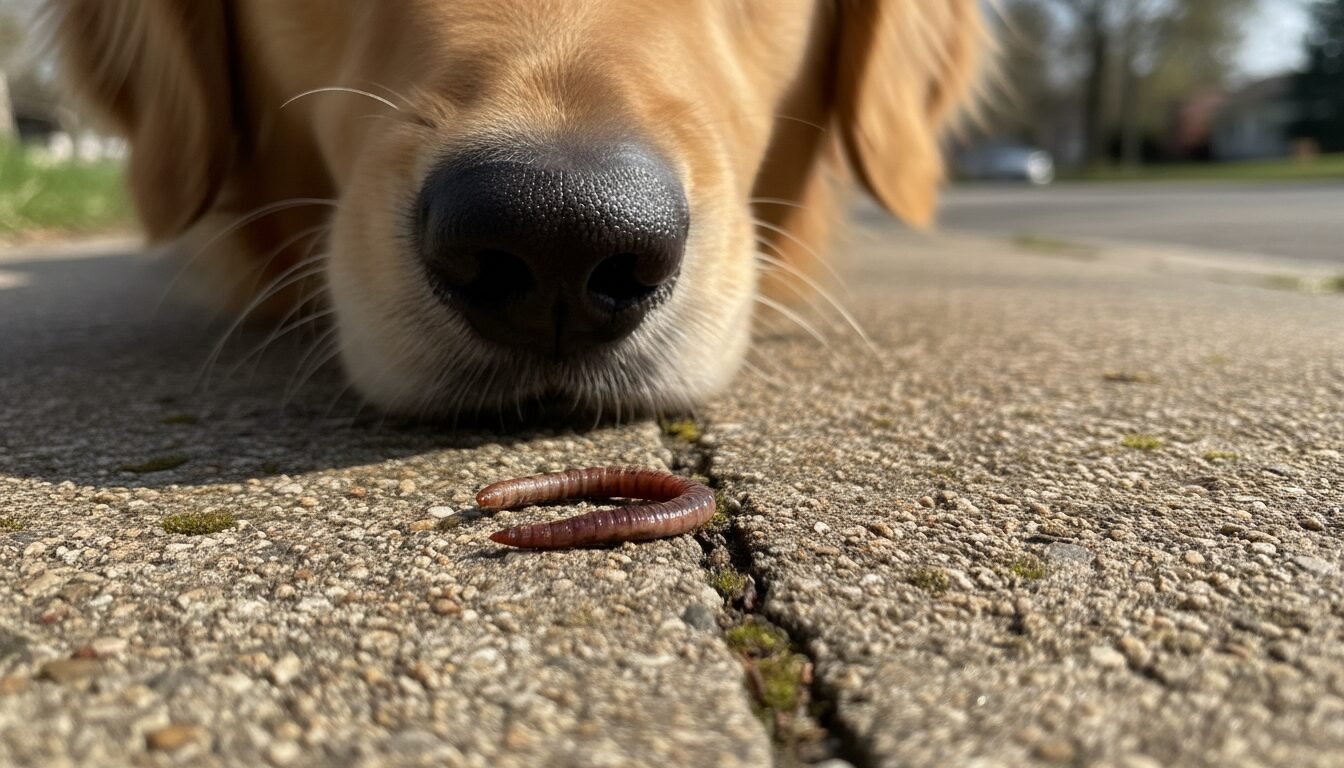
It is a scenario familiar to many dog owners: you are enjoying a pleasant walk after a rainy day, and suddenly your dog dives nose-first onto the pavement to crunch on a dried, crispy earthworm. While this behavior is undeniably gross to humans, it is surprisingly common in the canine world. Dogs explore the world through their mouths, and their scavenging instincts often lead them to consume things we would consider inedible.
However, this crunchy snack is not merely a disgusting habit; it can pose genuine health risks. From internal parasites to bacterial infections, indiscriminate scavenging can lead to veterinary bills and digestive distress. Understanding why your dog is attracted to these dried critters is the first step in curbing the behavior. This guide will explore the biological drivers behind this habit, the specific health risks involved, and provide a comprehensive training plan to teach your dog to leave the worms on the ground where they belong.
The Biological Drivers: Why Dogs Eat Dried Worms
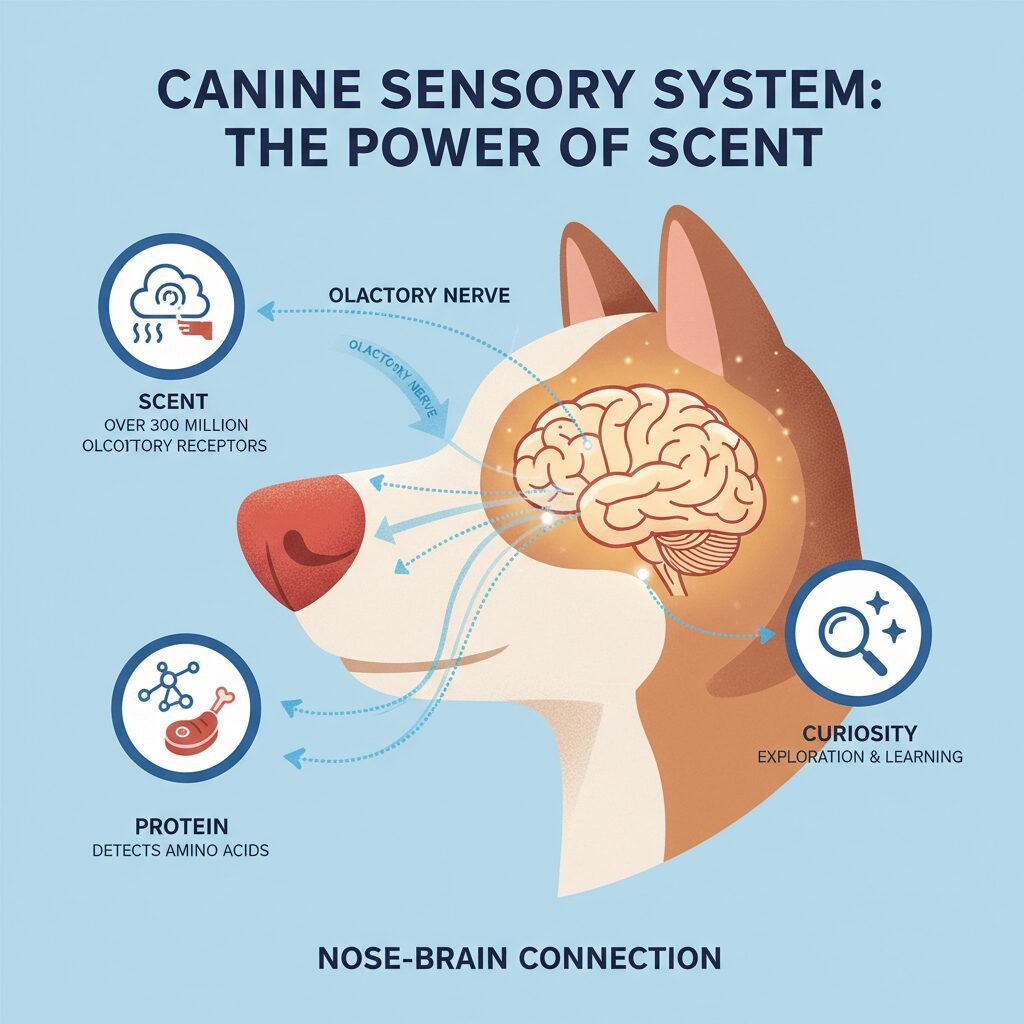
To stop the behavior, we must first understand the motivation. Dogs are opportunistic scavengers by nature. Their ancestors survived by eating whatever was available, and this instinct remains strong in domestic dogs today. There are several specific reasons why dried worms are particularly appealing:
- Scent and Protein: Even when dried, earthworms emit a distinct biological odor that is high in protein. To a dog’s sensitive nose, this smells like food.
- Texture: The crunchy texture of a dried worm can be sensory enrichment for a dog, similar to how they enjoy crunchy treats.
- Pica and Nutritional Deficiencies: In rare cases, an obsession with eating non-food items (Pica) can indicate a lack of certain minerals in the diet or an underlying medical issue.
- Curiosity: Puppies and adolescent dogs often mouth objects to learn about them. If the object tastes organic, they are likely to swallow it.
While occasional consumption is usually driven by curiosity or scavenging instincts, compulsive eating of worms should be discussed with a veterinarian to rule out nutritional deficits.
Health Risks: Parasites, Bacteria, and Toxins
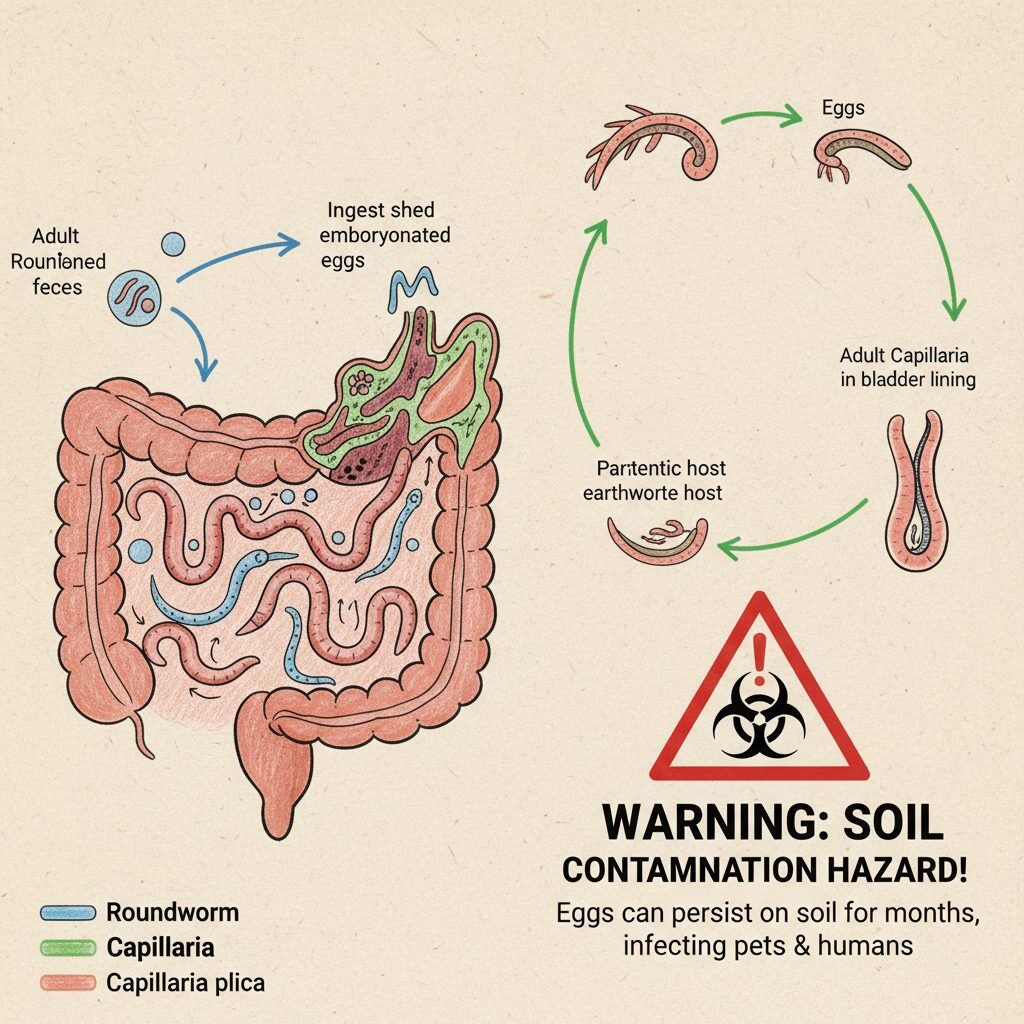
Is eating a dried worm an emergency? Usually not, but it is far from risk-free. Earthworms are intermediate hosts for several parasites and can carry harmful bacteria. The risks increase depending on where the worm was found and the dog’s overall health.
Parasitic Infections
Earthworms can carry the larvae of the Capillaria plica (bladder worm) and various species of roundworms. While the drying process kills some organisms, it does not guarantee the worm is sterile. If your dog ingests an infected worm, they may eventually develop symptoms like coughing, weight loss, or urinary issues.
Bacterial Load
Dead organisms decomposing on a sidewalk are breeding grounds for bacteria such as Salmonella and E. coli. While a dog’s stomach acid is potent, a high bacterial load can still cause gastroenteritis, leading to vomiting and diarrhea.
Chemical Contamination
Perhaps the most immediate danger comes not from the worm itself, but from the environment. Worms that surface on treated lawns or driveways may be coated in fertilizers, herbicides, or pesticides. Ingesting a worm covered in lawn chemicals can lead to toxicosis.
Immediate Steps: What to Do If Your Dog Ate One

If you just watched your dog swallow a dried worm, do not panic. In most cases, the dog will digest it without issue. However, you should take a few precautionary steps:
- Clean the Mouth: If possible, wipe your dog’s mouth or brush their teeth to remove residue and bacteria.
- Monitor for Symptoms: Watch your dog closely for the next 24 to 48 hours. Look for signs of digestive upset, such as vomiting, diarrhea, lethargy, or a lack of appetite.
- Check Stool: Keep an eye on their stool for the next few days. If you see worms in the feces or if the stool becomes loose and bloody, contact your vet immediately.
- Deworming Schedule: Ensure your dog is up to date on their broad-spectrum dewormer. If they are a chronic scavenger, your vet might recommend a more frequent deworming protocol.
Training Fixes: The ‘Leave It’ Command
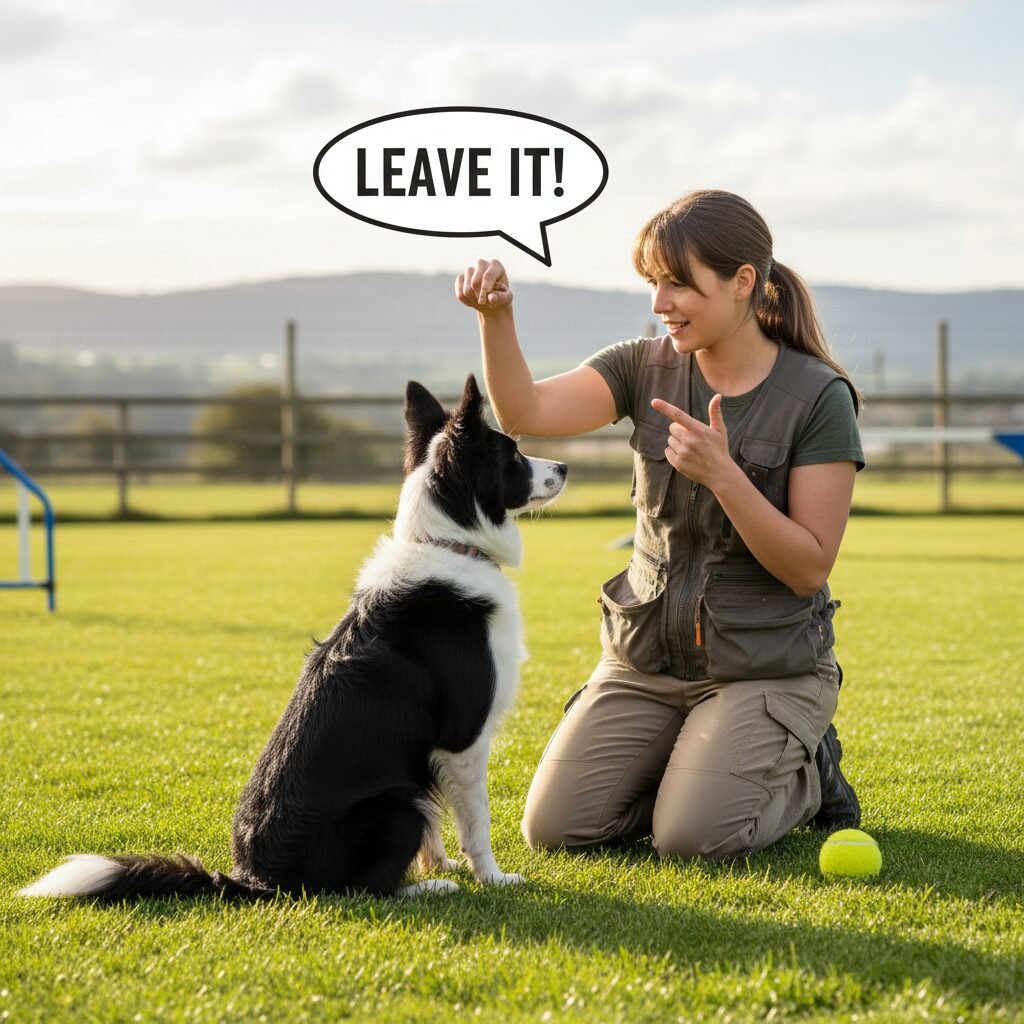
The most effective way to stop your dog from eating dried worms is to train a reliable "Leave It" command. This cue tells the dog that the item on the ground is off-limits and that ignoring it will result in a better reward from you.
Step 1: The Closed Fist
Hold a high-value treat in a closed fist. Present your fist to your dog. They will sniff, lick, and paw at it. Do nothing. Wait until they pull their head away for a split second. The moment they back off, say "Yes!" and give them a treat from your other hand.
Step 2: The Open Palm
Once they understand the concept, place a treat in your open palm. If they dive for it, close your fist immediately. Repeat until they hesitate or look at you instead of the treat. Mark with "Yes!" and reward from the other hand.
Step 3: The Floor Drop
Drop a low-value treat on the floor and cover it with your foot immediately. Wait for the dog to stop trying to get it. When they look at you, mark and reward with a high-value treat from your pocket. Gradually work up to uncovering the treat on the floor while standing ready to cover it if they dive.
Step 4: Real World Application
Practice this on walks. Scan the ground ahead of you. If you spot a dried worm, give the cue "Leave It" well before your dog reaches it. When they look at you, reward heavily. Consistency is key.
Management and Prevention Strategies

Training takes time, and while your dog is learning, management prevents the habit from becoming self-reinforcing. Every time your dog successfully eats a worm, the behavior is rewarded by the taste and texture.
- Scan the Environment: Be hyper-aware of the sidewalk, especially after rainstorms when worms are most prevalent.
- Short Leash Walking: Keep your dog on a shorter leash when passing high-risk areas so you can physically prevent them from reaching the ground if they dive.
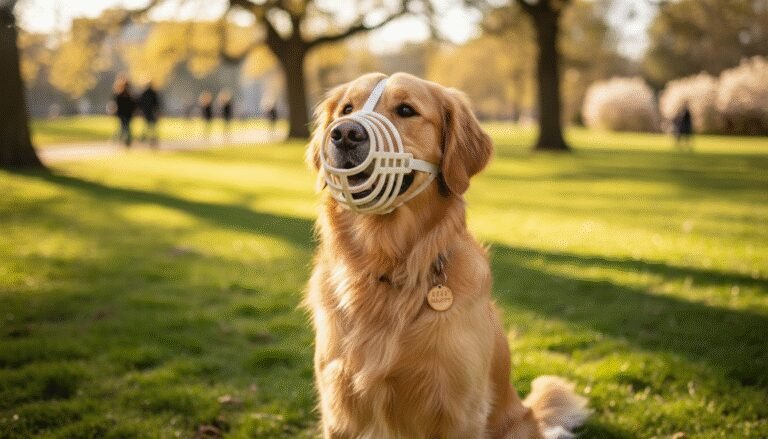
- Muzzle Training: For dogs with severe Pica or those who scavenge dangerous items constantly, a basket muzzle is a humane and effective safety tool. It allows them to pant and drink but prevents them from picking up debris.
- Engage on Walks: Keep your dog’s focus on you. Bring a toy or practice obedience drills during the walk so they are less focused on scanning the ground for snacks.
Final Thoughts on Safe Scavenging
While eating dried worms is a relatively common canine behavior, it is not without risks. The potential for parasites and toxin ingestion makes it a habit worth breaking. By combining proactive management with a solid "Leave It" command, you can keep your dog safe from sidewalk snacks. Remember, if your dog displays sudden, obsessive scavenging behavior or shows signs of illness after ingestion, consulting your veterinarian is always the safest course of action. With patience and consistency, your walks can return to being a bonding activity rather than a buffet.