Stop Your Dog Eating Cigarette Butts On Walks Instantly
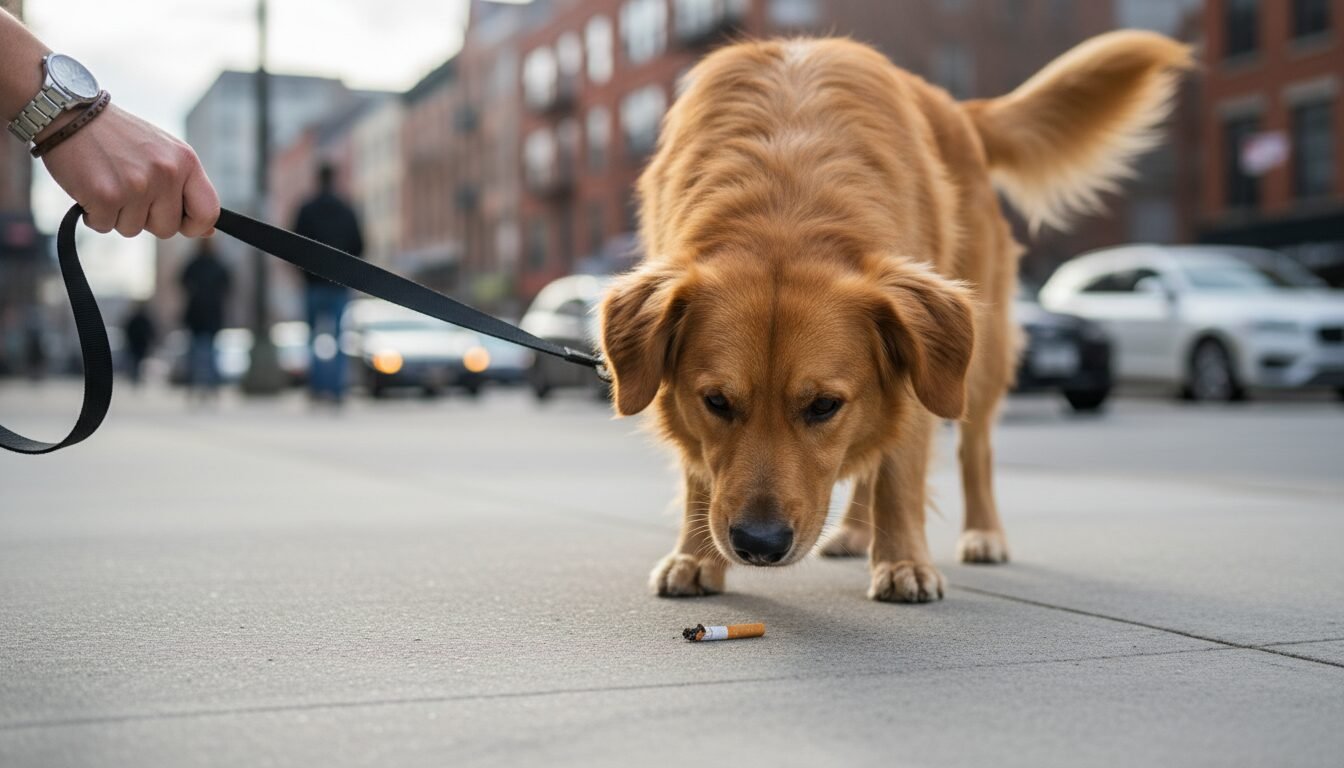
Walking your dog should be a relaxing bonding experience, but for owners of scavengers, it can quickly turn into a stressful game of minesweeper. One of the most ubiquitous and dangerous hazards on city streets is the discarded cigarette butt. It is not just a disgusting habit for a dog to pick these up; it is a medical emergency waiting to happen. Cigarette butts contain concentrated toxins, including nicotine, heavy metals, and other chemicals that can be lethal to canines, especially smaller breeds.
If you are reading this, you likely need a solution right now. Whether your dog is a curious puppy or a food-motivated adult, the drive to scavenge can be overpowered by instinct. In this comprehensive guide, we will address the immediate health risks associated with nicotine ingestion, provide instant management solutions to keep your dog safe today, and outline a rigorous training protocol to extinguish this behavior permanently. Our goal is to move from panic to control, ensuring your walks remain safe and enjoyable.
The Critical Danger: Understanding Nicotine Toxicity

Before addressing the behavioral modification, it is imperative to understand why stopping this behavior is non-negotiable. Cigarette butts are not merely litter; they are toxic sponges. Even a smoked cigarette butt can retain enough nicotine to poison a dog. The toxicity level depends on the size of the dog and the amount ingested, but for a small dog (under 20 lbs), ingesting just a few butts can be fatal.
Symptoms of Nicotine Poisoning:
- Tremors and Seizures: Nicotine overstimulates the nervous system.
- Vomiting and Diarrhea: The body attempts to purge the toxin rapidly.
- Abnormal Heart Rate: It can cause dangerous arrhythmia.
- Weakness or Collapse: In severe cases, the dog may become lethargic or unresponsive.
If you suspect your dog has swallowed a cigarette butt, do not wait for symptoms to appear. Contact your veterinarian or a pet poison helpline immediately. Time is of the essence in preventing the absorption of toxins into the bloodstream.
Immediate Management: Tools for Instant Safety
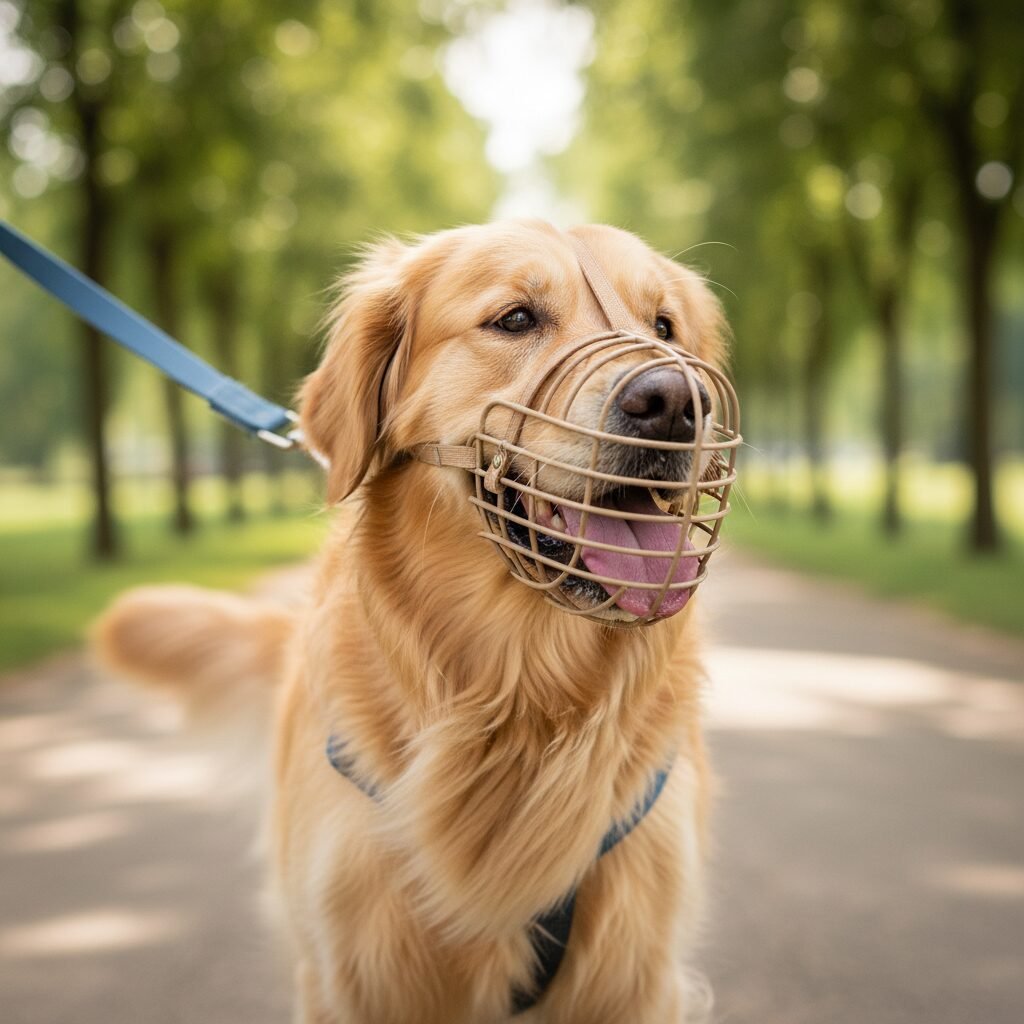
Training takes time, but safety cannot wait. If your dog is a habitual scavenger of cigarette butts, you must implement management strategies immediately while you work on the training protocols. Management prevents the dog from practicing the unwanted behavior and protects their health in the interim.
The Basket Muzzle
There is often an unfair stigma attached to muzzles, but for a scavenger, a basket muzzle is a life-saving tool. Unlike cloth muzzles that hold the mouth shut, a basket muzzle allows the dog to pant, drink, and take treats, but prevents them from picking up debris off the ground. Acclimatize your dog to the muzzle slowly using high-value treats so they associate it with walks and fun, rather than punishment.
Short Leash Handling
Until your dog’s verbal commands are rock-solid, avoid retractable leashes. A fixed 4-to-6-foot leash gives you better tactile feedback and control. Keep your dog close to your side in high-risk areas (like bus stops or outside bars) to physically prevent them from reaching the gutter where butts accumulate.
Training Protocol 1: The ‘Leave It’ Command
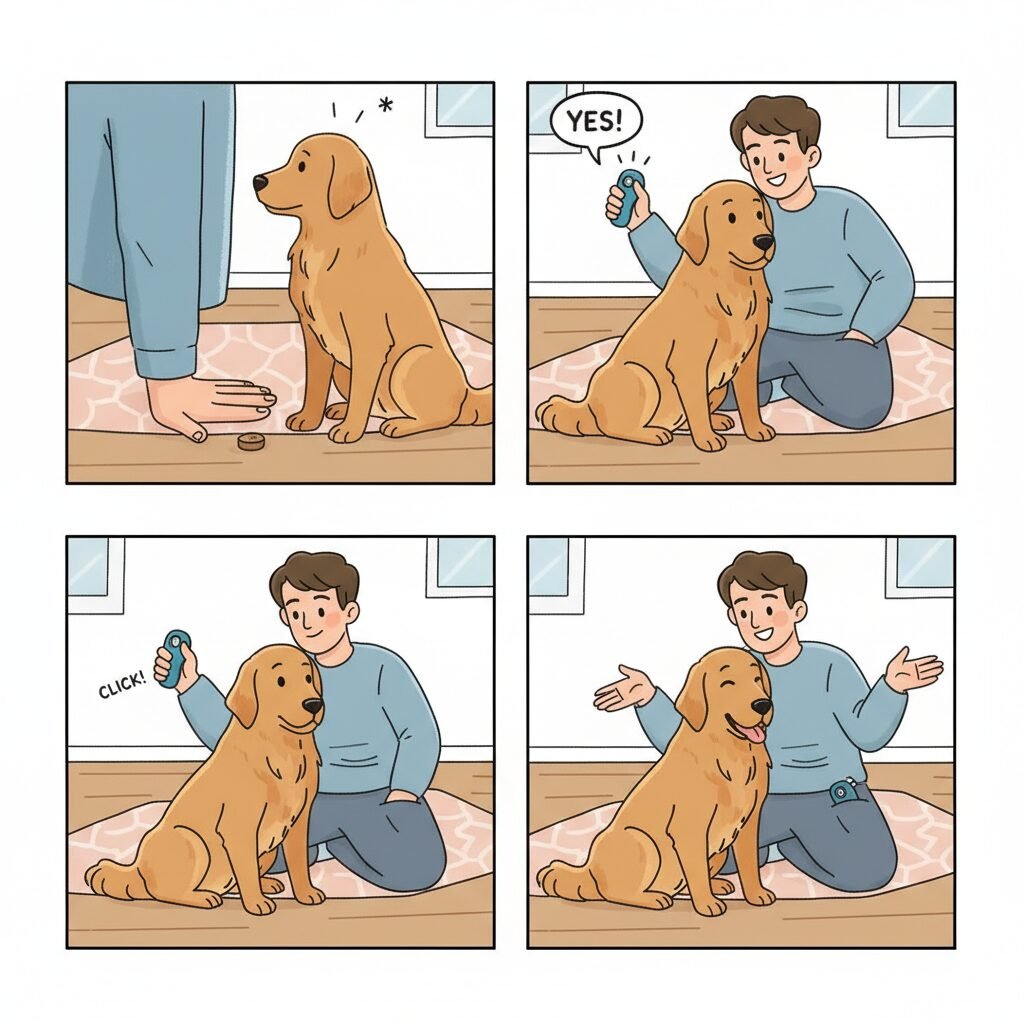
The "Leave It" command is your first line of defense. It tells the dog that the item on the ground is off-limits and that ignoring it will result in a better reward from you. This command must be proofed indoors before applying it to cigarette butts outside.
Step-by-Step Training:
- Step 1: Hold a treat in a closed fist. Present your fist to your dog. They will likely sniff, lick, or paw at it. Do nothing and say nothing.
- Step 2: The moment the dog pulls their nose away or stops investigating your hand, mark the behavior with a "Yes!" or a clicker, and give them a treat from the other hand. Never give them the treat they were told to leave.
- Step 3: Add the cue. Once the dog reliably backs off when you present the fist, say "Leave It" right before you present the hand.
- Step 4: Move to the floor. Place a low-value treat on the floor and cover it with your hand. Say "Leave It." Wait for the dog to look at you. Mark and reward with a high-value treat from your pocket.
Eventually, you will practice this on walks with neutral items before testing it against high-value temptations like cigarette butts.
Training Protocol 2: The Emergency ‘Drop It’
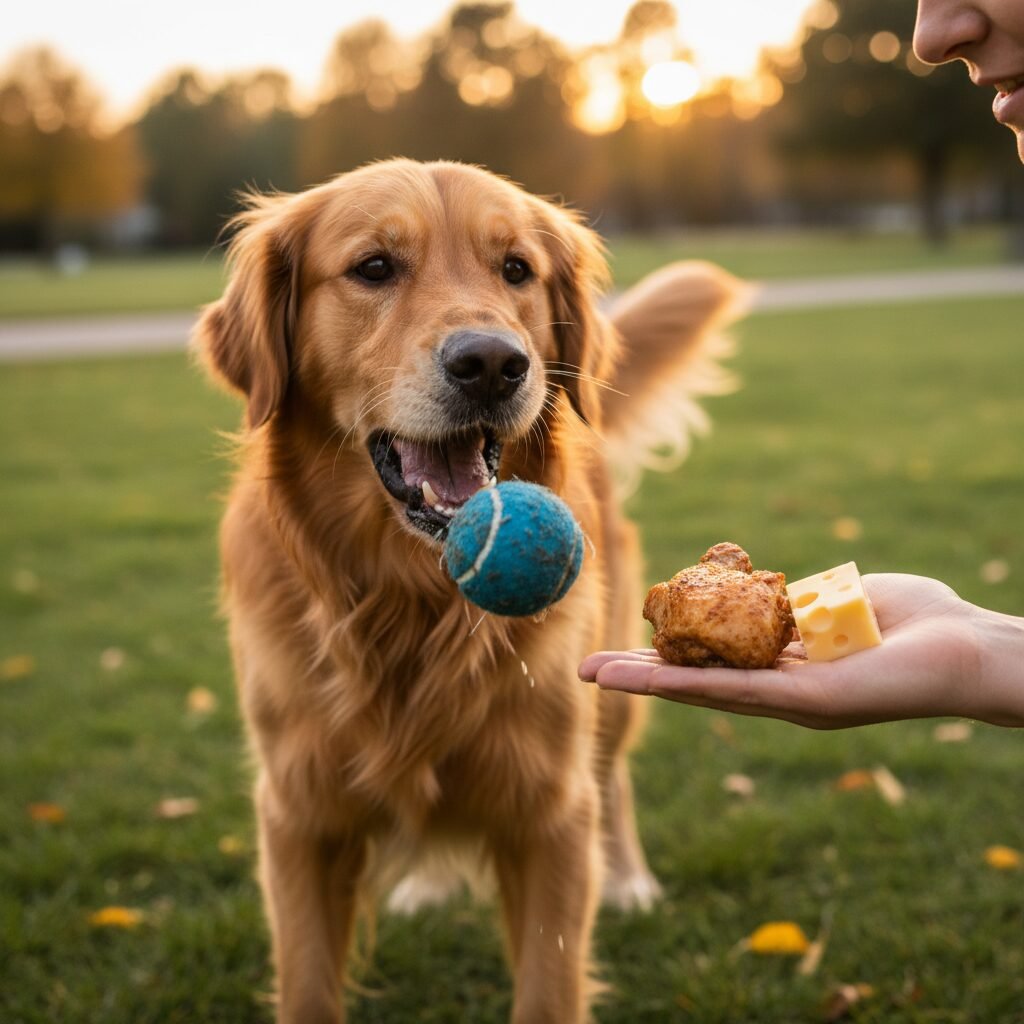
Despite your best efforts, a dog may sometimes grab a cigarette butt before you can react. In this scenario, chasing the dog or trying to pry their jaws open often triggers "resource guarding," causing them to swallow the item faster. You need a reliable "Drop It" command.
The Art of Trading Up:
To teach "Drop It," you must convince the dog that giving up their prize results in winning the lottery. You need extremely high-value rewards for this (e.g., cheese, hot dogs, freeze-dried liver).
- Practice with Toys: When your dog has a toy, offer a high-value treat right at their nose. When they open their mouth to take the treat, the toy will fall out. Mark this with "Yes!" and let them eat the treat.
- Add the Cue: As you present the treat, say "Drop It."
- Generalize: Practice this randomly on walks with safe items. If they pick up a stick, command "Drop It" and reward heavily.
Note: If your dog has a cigarette butt, do not hesitate to scatter a handful of treats on the ground. This "treat bomb" usually causes the dog to drop the butt to eat the multiple treats, allowing you to safely put your foot over the toxic item.
Environmental Awareness and Engagement
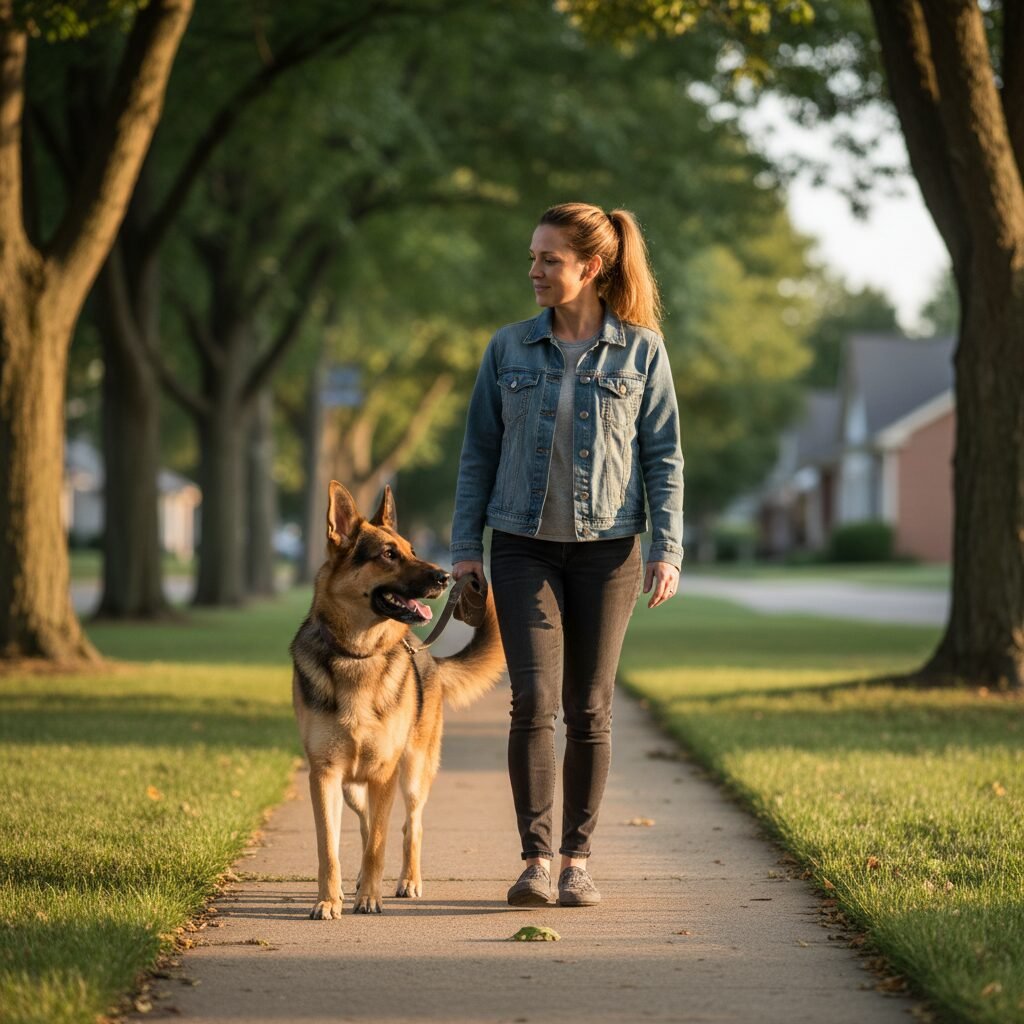
Prevention is always superior to reaction. Changing how you walk can eliminate the opportunity for your dog to scavenge. This involves two main components: environmental scanning and active engagement.
Scanning the Terrain
As the handler, you must be looking 10 to 15 feet ahead of your dog. Scan the ground for white filters or debris. Cigarette butts congregate in gutters, near park benches, outside office buildings, and at bus stops. When you identify a "hot zone," shorten the leash and steer your dog to the cleaner side of the pavement or walk in the street if safe to do so.
Engagement Games
A bored dog looks down; an engaged dog looks up. Carry high-value treats and periodically ask for a "Touch" (nose to hand) or "Look at Me" while walking. If your dog is busy working for food and focusing on you, they are not scanning the ground for cigarette butts. Make the walk an interactive game rather than a passive stroll.
Consistency is Key to Safety
Stopping your dog from eating cigarette butts is a multi-faceted approach that combines immediate management with long-term behavioral modification. By understanding the severe health risks of nicotine toxicity, you can appreciate the urgency of using tools like basket muzzles while you proof your "Leave It" and "Drop It" commands. Remember, scavenging is a natural canine behavior, but in an urban environment, it is a dangerous one. Be patient, be consistent, and always keep your eyes on the path ahead. With dedication, you can transform your walks from a stressful patrol into a safe, enjoyable activity for both you and your companion.